


You know that keeping your horse healthy from the inside out is a top priority. Internal parasites are a constant threat, but thankfully, proven medications make managing them simple. Ivermectin paste for horses is a staple in most barn medical kits for a good reason. The real challenge isn’t deciding if you need it, but where to buy it safely. With countless online sellers, it’s more important than ever to choose a supplier you can trust. We’ll show you how to compare top brands and what to look for in a retailer, so you can be confident your horse gets the genuine care they deserve.
Key Takeaways
- Prioritize a consistent deworming schedule: Using a broad-spectrum dewormer like ivermectin paste is fundamental to your horse's overall health, helping them absorb nutrients properly and preventing serious issues like colic.
- Choose your retailer carefully: Protect your horse by purchasing ivermectin only from reputable, U.S.-based suppliers. This is the surest way to avoid counterfeit products and guarantee you receive a safe, effective dewormer.
- Administer the correct dose for horses only: Accurate dosing based on your horse's weight is crucial for the treatment to work safely. It is also vital to remember that equine ivermectin is formulated specifically for horses and is not safe for human consumption.
How Does Ivermectin Paste for Horses Work?
If you’ve been around horses for any length of time, you’ve likely heard about ivermectin paste. It’s a cornerstone of many equine health programs, and for good reason. Understanding what it is and how it works is the first step in creating an effective deworming strategy for your horse. This simple paste plays a huge role in protecting them from the inside out, ensuring they stay happy, healthy, and ready for your next ride. Let's break down exactly what this product does and why it's so important for your horse's care.
What's Actually in Ivermectin Paste?
At its core, ivermectin paste is an antiparasitic medication. The active ingredient, ivermectin, is a powerful agent that has been trusted for decades to fight many types of parasites, first in animals and later in humans. When you administer the paste, you’re delivering a targeted dose of this ingredient designed to handle internal parasites that can compromise your horse's health. It’s a straightforward formula that gets right to the source of the problem, making it a reliable tool in any horse owner’s medical kit.
The Standard 1.87% Ivermectin Concentration
When you look at ivermectin paste for horses, you'll almost always see "1.87%" on the label. This isn't just a random number; it's the standard concentration specifically formulated to be both safe and effective for equines. This precise amount of ivermectin is designed to target a wide range of common internal parasites that can cause serious health problems. We're talking about the usual suspects like bots, strongyles, pinworms, and roundworms. Having this reliable, broad-spectrum dewormer is a key part of any comprehensive horse care routine, making it an essential tool for maintaining your horse's health and well-being.
The 1.87% formula is also designed for easy and accurate dosing. A single syringe typically contains enough paste to treat a horse weighing up to 1,250 pounds, with clear weight markings to help you administer the correct amount. This effectiveness doesn't just stop after one dose. Ivermectin works to eliminate existing parasites and can also help prevent their eggs from reappearing for up to two months. This lasting protection is why so many horse owners rely on it. When you’re managing your horse's health, using proven solutions is non-negotiable, and this formulation has certainly earned its place among other essential supplies in the barn.
How It Protects Your Horse from Parasites
So, how does a simple paste take on tough parasites? Ivermectin works by disrupting the nervous system of parasites, which effectively paralyzes and then kills them. This allows your horse to pass them out of their system naturally. It’s a broad-spectrum dewormer, meaning it’s effective against a wide variety of common internal threats. This includes some of the most damaging parasites for horses, such as large strongyles, bots, pinworms, roundworms, lungworms, and threadworms, making it a staple in many equine health programs.
Targeting Parasite Nerves and Muscles
Ivermectin gets to work by targeting the nerve and muscle functions of parasites. Think of it as a switch that turns off their ability to move and feed. This disruption leads to paralysis and, ultimately, death for the unwanted guests inside your horse. Once the parasites are neutralized, your horse’s body can naturally flush them out. This powerful, broad-spectrum approach is what makes ivermectin so effective against a whole host of common threats. It’s a go-to solution for managing everything from damaging large strongyles and bots to pesky pinworms and roundworms, providing comprehensive protection in a single dose.
Why It's Safe for Horses but Not for Parasites
You might wonder how a substance so tough on parasites can be safe for your horse. The answer lies in a concept called selective toxicity. Horses, and other mammals, have a protective feature called the blood-brain barrier. This barrier prevents ivermectin from reaching their central nervous system, where it could cause harm. Parasites, on the other hand, don't have this same defense system. Their nervous systems are exposed and vulnerable to the drug's effects. This key biological difference is what makes ivermectin a safe and effective dewormer. It targets the invaders without harming the host, which is why veterinarians and horse owners have trusted it for years.
Why Deworming Is Key to Your Horse's Health
Keeping up with a deworming schedule is about so much more than just getting rid of worms. It’s a critical part of maintaining your horse’s digestive health and overall well-being. When a horse is free from a heavy parasite load, they can absorb more nutrients from their feed, maintain a healthy weight, and keep a shiny, healthy coat. A consistent deworming plan helps prevent colic, anemia, and other serious health issues caused by parasites. Think of it as essential maintenance that supports everything else you do for your horse’s health.
What Ivermectin Treats (and What It Doesn’t)
While ivermectin is a fantastic broad-spectrum dewormer, it’s not a one-size-fits-all solution for every parasite your horse might encounter. Understanding exactly which pests it targets—and which it leaves behind—is essential for building a truly effective parasite control program. A smart deworming strategy involves knowing the strengths and limitations of the products you use. This allows you to fill in any gaps and ensure your horse has comprehensive protection against all common threats, keeping them healthy and comfortable year-round.
Internal Parasites Covered by Ivermectin
Ivermectin is a powerhouse against many of the most common and damaging internal parasites. It’s highly effective at eliminating threats like small and large strongyles, pinworms, botflies, and threadworms. These are the parasites that can cause everything from poor nutrient absorption and weight loss to colic and anemia. By regularly using a reliable ivermectin paste, you’re targeting the parasites most likely to compromise your horse’s digestive health and overall condition. It’s a foundational part of any program designed to keep your horse feeling their best and is one of the most important health essentials you can keep in your barn.
External Parasites: Mites and Lice
Beyond its internal work, ivermectin can also offer some relief from certain external parasites, specifically mites and some species of lice. This can be a helpful secondary benefit, especially if your horse is dealing with skin irritation from these pests. However, it’s important to know that ivermectin isn't always the primary or most complete treatment for external infestations. Because it doesn't kill the eggs, repeated treatments are often necessary to break the life cycle. Always consult your vet for a definitive diagnosis and a comprehensive plan if you suspect your horse has mites or lice.
Limitations: Tapeworms and Encysted Small Strongyles
Knowing what ivermectin doesn't treat is just as important as knowing what it does. On its own, ivermectin is not effective against tapeworms. For that, you’ll need a dewormer that contains the active ingredient praziquantel, which is often combined with ivermectin in a single paste. Additionally, ivermectin struggles to kill small strongyle larvae that are "encysted," or hidden in the horse's gut wall. These dormant larvae can emerge later and cause significant damage, so you may need a different type of dewormer to target them specifically. This is why rotating dewormers and performing fecal egg counts are key parts of a modern equine health strategy.
Is It Safe for All Horses?
One of the most common questions from horse owners is whether ivermectin is safe for every horse in the herd. The great news is that when used as directed, ivermectin has a very high margin of safety. It is widely considered safe for horses of all ages, including young foals, pregnant mares, and breeding stallions. The most important thing is to administer the correct dose based on your horse’s weight. Always read the packaging carefully or talk with your vet to ensure you’re giving the right amount.
Shop This Post

Featured in this article
Durvet Ivermectin 1.87% Paste Apple Flavored Horse Wormer - Single Dose Broad Spectrum Dewormer for Bots and Strongyles
$21.99
Shop Now →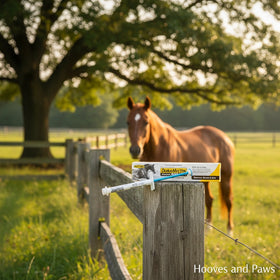
The Shift to Strategic Deworming
For years, the standard advice was to deworm every horse on a fixed schedule, rotating between different products every few months. While well-intentioned, this approach is becoming less effective. The veterinary and equestrian communities now recommend a more strategic, evidence-based method. This modern approach focuses on treating the right horses at the right time with the right dewormer, which not only protects your horse more effectively but also helps preserve the effectiveness of crucial medications like ivermectin for the future. It requires a shift in mindset from routine dosing to thoughtful management based on your specific horse and environment.
From Scheduled Routines to Targeted Treatment
Moving away from a one-size-fits-all calendar means getting smarter about how and when we treat for parasites. Instead of automatically reaching for a dewormer every eight weeks, the goal is to make informed decisions based on real data from your horse and your property. This targeted approach is not only better for your horse's individual health but also for the health of your entire herd and the effectiveness of the medications we all depend on. It starts with understanding why the old way is causing problems and learning about the tools we can use to do better.
The Problem with Over-Deworming
The biggest issue with the old calendar-based system is that it has accelerated parasite resistance. When we treat every horse frequently, regardless of their actual parasite load, we put immense pressure on parasite populations to adapt. This has made some dewormers, particularly those targeting strongyles, far less effective than they once were. Effective parasite control today isn't just about giving a paste; it's about implementing a smart strategy that reduces unnecessary treatments. This protects the long-term effectiveness of the dewormers we rely on to keep our horses healthy and thriving.
Using Fecal Egg Counts (FECs) to Guide Treatment
The cornerstone of modern deworming is the Fecal Egg Count (FEC). This simple test, performed by your vet, measures the number of parasite eggs in your horse's manure. Research shows that about 20% of horses in a herd are responsible for shedding about 80% of the parasites. An FEC helps you identify which horses are high shedders and actually need treatment. Instead of deworming the whole herd, you can create a targeted deworming program based on individual needs, factoring in things like manure management, pasture density, and your horse's overall health.
Understanding and Managing Parasite Resistance
Parasite resistance is a serious challenge, but it’s not an unbeatable one. It simply means we have to be more proactive and strategic in our approach. Managing resistance involves understanding what it is, how to test for it on your farm, and using smart management practices to slow it down. By working with your vet and using tools like fecal tests, you can ensure the dewormers you use remain effective for years to come. This protects not only your own horses but the entire equine population.
What is Ivermectin Resistance?
Parasite resistance happens when a dewormer can no longer effectively kill the parasites it's designed to target. With ivermectin, this doesn't mean it has stopped working completely, but its effectiveness can be reduced. For example, veterinarians have noted that treatments with drugs like ivermectin and moxidectin don't suppress strongyle egg counts for as long as they used to. This is a clear warning sign that parasite populations are adapting. Recognizing these early signs of resistance is the first step toward creating a more sustainable deworming plan for your horse.
Using Fecal Egg Count Reduction Tests (FECRTs)
To find out if your dewormer is still working effectively on your property, your vet can perform a Fecal Egg Count Reduction Test (FECRT). This is a straightforward process that involves testing your horse's manure for parasite eggs before you deworm, and then again about 10 to 14 days after. By comparing the two counts, your vet can calculate how effective the treatment was. This test gives you concrete evidence about which dewormers are working for your herd, allowing you to make data-driven decisions instead of just guessing.
The Concept of "Refugia"
One of the most important concepts in managing resistance is "refugia." This term refers to the population of parasites that have not been exposed to a dewormer. These parasites can be living inside untreated horses (like low shedders who don't require frequent deworming) or out on the pasture. By maintaining a healthy population of these susceptible parasites, we can dilute the gene pool of the resistant ones. This slows down the overall development of resistance across your property, helping to keep your dewormers effective for much longer.
Monitoring the Egg Reappearance Period
Another key piece of the puzzle is monitoring the Egg Reappearance Period (ERP). This is the length of time it takes for parasite eggs to show up in your horse's manure again after a deworming treatment. In the past, ivermectin might have suppressed eggs for eight weeks or more, but in some areas, that period is now shorter due to resistance. By performing regular fecal tests, you and your vet can determine the actual ERP for your horse. This information helps you create a precise treatment schedule, ensuring you only deworm when it's truly necessary.
Your Guide to Safely Buying Ivermectin Paste Online
When it comes to your horse's health, you can't afford to take chances. The internet is full of places to buy equine supplies, but not all of them are created equal, especially when it comes to medications like ivermectin paste. Knowing where to shop and what to look for is the first step in protecting your horse from the risks of counterfeit or improperly handled products.
The key is to stick with retailers you can trust. A reliable seller not only provides authentic products but also stands behind them with expertise and solid customer support. Let’s walk through how to find a safe source for ivermectin paste and what warning signs to watch out for.
Why Your Source Matters
Shopping for equine dewormer online isn't like buying a new saddle pad. There's a real risk that some websites sell "substandard or falsified medications," and as a buyer, you have no way of telling the difference until it's too late. An unverified seller might be offering a product that is expired, stored improperly, or even completely fake. A trusted family-owned business with a long history in animal care ensures that the products you receive are genuine and effective. This gives you peace of mind that you're making the best choice for your horse's health and well-being.
What to Look for in an Online Retailer
Always purchase ivermectin from a licensed and authorized seller based in the United States. Many questionable online pharmacies are registered in other countries, which makes them very difficult to regulate under U.S. pharmacy laws. An authorized retailer gets their inventory directly from the manufacturer or a certified distributor. This guarantees the product is authentic and has been handled correctly every step of the way. When you buy from an established U.S. retailer, you can be confident you're getting a legitimate product like Duramectin Ivermectin Paste, not a questionable import.
Spotting the Red Flags Online
You can protect your horse by learning to spot the warning signs of a sketchy online seller. This has become such a widespread issue that government bodies have issued warnings against importing ivermectin from unverified websites.
Keep an eye out for these red flags:
- Prices that seem too good to be true. Deeply discounted ivermectin could be a sign that the product is counterfeit, expired, or stolen.
- No physical address or phone number. Legitimate businesses are transparent about their location and are easy to contact.
- A poorly designed or unprofessional website. Look for typos, broken links, and low-quality images.
- No prescription required for prescription medications. While ivermectin paste is often available over the counter for horses, be wary of sites selling other prescription-only drugs without verification.
How to Verify a Product Is Authentic
Even after you buy, it’s smart to inspect the product when it arrives. First, check the packaging. It should be sealed and free of any signs of tampering. Look for a clear lot number and an expiration date. Counterfeit products often have blurry printing or spelling errors. You can even compare the box to images on the manufacturer’s official website to see if they match. Some fake products contain smaller or incorrect doses, which can leave your horse unprotected. The surest way to know you have an authentic product is to start with a reputable source for all your horse tack and supplies.
Which Ivermectin Paste Brand Is Best?
When you're ready to buy, you’ll find a few key players in the ivermectin paste market. Making the right choice comes down to understanding what each brand offers, how to dose it correctly, and what other horse owners think. Let's break down what you need to know to pick the best option for your horse's health and your budget.
Comparing the Most Popular Brands
Walking down the dewormer aisle (or scrolling through a webpage) can feel overwhelming, but a couple of names consistently earn the trust of veterinarians and horse owners. Brands like Durvet are well-regarded for their broad-spectrum formulas, which are effective against a wide range of internal parasites, including large strongyles, bots, and pinworms. You'll find that most reputable ivermectin pastes contain a 1.87% concentration, which has become the industry standard for effectively treating common equine parasites. When you shop from a trusted source, you can be confident you're getting one of these best-selling products that the equestrian community relies on.
Durvet, Horse Health, Ivermax, and Farnam
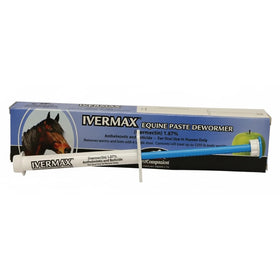
You'll frequently see names like Durvet, Horse Health, Ivermax, and Farnam, and honestly, you can't go wrong with any of them. They're all trusted names in equine care for a reason. Durvet is a go-to for its broad-spectrum formula that handles everything from large strongyles to bots. Horse Health is another staple in many barns because of its proven effectiveness. Ivermax delivers that same reliable 1.87% ivermectin concentration, and Farnam has built a solid reputation for quality and safety. Since all these brands provide effective deworming solutions, the best choice often comes down to what your trusted supplier has in stock. You can feel confident adding any of them to your cart along with your other horse tack and supplies.
Getting the Price and Dosage Right
Price is always a factor, but it’s crucial to pair it with proper dosage. A single syringe of ivermectin paste is typically designed to treat a horse weighing up to 1,250 pounds and often costs under ten dollars. The plunger is marked with weight increments, so you can administer the precise amount your horse needs. This is not a place for guesswork. Using a weight tape or a scale at your vet's office will help you dose accurately, ensuring the treatment is both safe and effective. Underdosing can lead to parasite resistance, while overdosing can pose health risks, so getting that number right is one of the most important steps.
Calculating the Correct Dose for Your Horse
Getting the dose right is the most critical step in safely deworming your horse. The standard recommendation for ivermectin is based on your horse's body weight, which is why knowing their current weight is so important. While it’s tempting to guess, a more accurate number ensures the treatment is effective without giving too much medication. The recommended dosage is 200 micrograms per kilogram of body weight, but you don't need to do any complicated math. The best methods for getting an accurate weight are using a scale at your veterinarian's office or a simple weight tape, which gives a reliable estimate. Taking a few minutes to get that number is a small step that makes a big difference in your horse's care.
Understanding the Syringe Markings
Ivermectin paste syringes are designed to be user-friendly. The plunger has markings that correspond to your horse's weight, usually in 250-pound increments, making it easy to deliver a precise dose. Most syringes contain enough paste to treat a horse weighing up to 1,250 pounds. To use it, you simply turn the small ring on the plunger until the side closest to the barrel lines up with your horse's weight. This locks the plunger in place, so you can't accidentally administer too much. It’s a straightforward system that removes the guesswork and helps you feel confident you’re giving the right amount every time you treat your horse.
Typical Price Range for Ivermectin Paste
When you shop for ivermectin paste, you'll find that prices can vary, but most single-dose syringes fall within a reasonable range, often between $15 and $40. The price depends on the brand and the retailer you choose. While it might be tempting to grab the cheapest option you find online, remember the red flags we discussed earlier. A price that seems unusually low could indicate a counterfeit or expired product. Investing a fair price from a reputable supplier ensures you receive a genuine, effective dewormer that is safe for your horse. It’s a small premium to pay for peace of mind and your horse’s health.
How to Save Money on Ivermectin Paste
If you have more than one horse or simply like to plan ahead, buying in bulk can be a smart move. Many horse owners stock up on dewormers to stay on schedule with their rotational programs and save a bit of money. Here at Hooves and Paws, we help you save by offering free shipping on all orders in the continental U.S. with no minimum purchase. It’s part of our commitment to making quality horse care more accessible. You can learn more about our shipping policies and satisfaction guarantee, which are designed to give you peace of mind with every purchase.
Buying in Bulk: 2, 6, and 12-Packs
For anyone with a small herd or a well-stocked medical kit, buying ivermectin paste in multi-packs is a no-brainer. It’s not just about saving a few dollars per dose, though that certainly helps. The real advantage is the convenience of having the dewormer you need right when you need it, ensuring you never miss a treatment in your rotational schedule. Retailers often offer 2, 6, and 12-packs, making it easy to stock up for the season or the entire year. This approach simplifies your planning and guarantees you have enough on hand for every horse in the barn. Just be sure to check the expiration dates when your order arrives so you can plan your usage accordingly. Having these essential deworming supplies ready to go means less last-minute stress and more time enjoying your horse.
What Other Horse Owners Say
There’s nothing quite like a recommendation from a fellow horse person. Before you buy, take a moment to read customer reviews. You’ll often find helpful insights that go beyond the product label. For example, many owners praise apple-flavored pastes because they make deworming a much less stressful event for picky eaters. High ratings and positive feedback are great indicators that a product works as promised and is well-tolerated by most horses. This shared knowledge is invaluable for finding a dewormer that your horse will actually take without a fight, making your job a whole lot easier.
The Dangers of Buying from Unverified Sources
The convenience of online shopping is undeniable, but when it comes to your horse's health, a little extra caution goes a long way. The internet is filled with sellers offering animal health products, but not all of them are legitimate. Purchasing ivermectin paste from an unverified source can expose your horse, and even you, to significant risks. These sellers often operate without oversight, meaning the products they sell could be ineffective at best and dangerous at worst. Protecting your horse starts with making informed choices about where you buy their supplies. Let’s walk through the specific dangers of buying from a source you can't trust.
The Hidden Dangers of Counterfeit Products
One of the biggest dangers of buying from an unknown online seller is the risk of receiving a counterfeit product. These fake products are often designed to look exactly like the real thing, making it nearly impossible for you to spot the difference. The problem is you have no idea what’s actually inside that tube. A counterfeit paste could contain the wrong dose, no active ingredient at all, or even harmful substances that could make your horse sick. When you use a fake product, you leave your horse unprotected from dangerous parasites and risk causing new health issues. Sourcing from a reputable retailer ensures you receive authentic, best-selling products that are safe and effective.
A Critical Warning: Not for Human Use
It’s crucial to address this directly: ivermectin paste formulated for horses should never be used by humans. The U.S. Food and Drug Administration (FDA) has issued strong warnings about this, as the dosage and ingredients are specific to equine anatomy and are not safe for people. Attempting to use animal medications can lead to severe health problems. As a company with decades of equine and pet expertise, we are committed to the well-being of both animals and their owners. Always use products exactly as directed for the intended species, and keep all animal medications stored securely away from children and other pets. Your health and your horse’s health depend on it.
Clarifying Ivermectin's Role in Human Medicine
You may have heard that ivermectin is also a human medication, and that’s true, which is where some of the confusion comes from. However, the versions approved for people are prescribed by a doctor and come in very specific formulations and doses to treat conditions like parasitic worms or skin conditions like rosacea. The ivermectin paste made for a 1,200-pound horse is highly concentrated and contains inactive ingredients that haven't been tested for human safety. The FDA has explicitly warned against using animal ivermectin, as taking a product intended for horses can lead to serious health complications. It’s essential to rely on your doctor for medical advice and use only medications prescribed for you, just as you rely on your vet for your horse’s care.
How Improper Use Can Harm Your Horse
Even when you have an authentic product, using it incorrectly can cause adverse reactions. For example, horses with a heavy parasite load can sometimes experience swelling and itching after being treated with ivermectin. Other potential side effects include gastrointestinal upset or allergic reactions. This is why it's so important to follow the dosing instructions carefully and consult with your veterinarian. They can help you create a deworming schedule that’s right for your horse’s specific needs. A trusted supplier will provide clear product information, but they are no substitute for professional veterinary advice when it comes to managing your horse’s health and using the right horse tack and supplies.
Signs of an Ivermectin Overdose
While ivermectin has a high safety margin, an overdose is a serious medical issue that requires immediate veterinary attention. Giving your horse too much of the medication can lead to severe neurologic problems. The most common signs of an overdose include lethargy, weakness, and a lack of coordination, which might look like stumbling or staggering. You may also notice excessive drooling or even more severe symptoms like seizures. According to veterinary experts, these signs occur because the excess medication disrupts the horse's central nervous system. This is why accurate dosing based on your horse's current weight is so critical. If you ever suspect an overdose, contact your veterinarian right away.
When to Avoid Ivermectin: Health Considerations
Although ivermectin is a go-to for many horse owners, there are times when you need to be extra cautious. For instance, if you suspect your horse has an extremely heavy parasite load, deworming can sometimes cause a reaction. As the parasites die off, they can release substances that may cause swelling and itching in your horse. This isn't a reason to avoid deworming altogether, but it is a good reason to talk to your vet first. They can help you develop a safe and effective deworming strategy tailored to your horse's specific health needs, which might involve a different approach or medication. A personalized plan is always the best way to ensure your horse’s health and safety.
The Legal Risks of Unverified Sellers
Beyond the health risks, purchasing ivermectin from unverified online sources can also land you in legal trouble. Regulatory agencies like the FDA in the U.S. work to ensure that animal drugs are safe and effective. When you buy from unregulated sellers, especially those based overseas, you are bypassing these important safety checks. The FDA has a clear message for consumers: Buyer Beware. Importing medications from unverified sources can be illegal and may result in your products being seized. Sticking with established, U.S.-based retailers protects you from potential legal issues and gives you confidence that you are complying with national regulations.
Related Articles
Frequently Asked Questions
How often should I give my horse ivermectin paste? There isn't a single schedule that works for every horse. The right frequency depends on your horse's age, where you live, and their specific parasite exposure. The best approach is to work with your veterinarian. They can perform a fecal egg count to see what kind of parasite load your horse is carrying and help you create a strategic deworming plan that is both effective and responsible.
How do I accurately determine my horse's weight for the correct dose? Getting the weight right is essential for the dewormer to work properly and safely. The most accurate method is to use a livestock scale, which your vet clinic likely has. For a reliable at-home estimate, you can use a weight tape. These tapes are specifically designed for horses and give you a good approximation based on heart girth and body length measurements.
Can I use this horse paste for my dog or other pets? Absolutely not. Ivermectin paste for horses is formulated specifically for equine use, and the dosage is far too high for smaller animals. More importantly, some dog breeds, particularly herding breeds like Collies and Australian Shepherds, can have a genetic sensitivity to ivermectin that can cause severe neurological problems or even be fatal. Always use products designed for the specific species you are treating.
What should I do if my horse spits out some of the paste? It happens to the best of us. If you can tell your horse spit out a significant amount right away, you can try to give that portion again. However, avoid giving a full second dose, as that could lead to overdosing. To make the process easier next time, you might try an apple-flavored paste or practice making the experience more positive with a tasty treat afterward.
Is it possible for parasites to become resistant to ivermectin? Yes, parasite resistance is a serious and growing concern in the equestrian community. This happens when parasites survive a dose of dewormer and pass that resistance on to their offspring. Consistently underdosing your horse is a major contributor to this problem. This is another key reason why working with your vet on a targeted deworming strategy, rather than just deworming on a fixed schedule, is so important for your horse's long-term health.


