


Choosing the right bit can feel overwhelming, especially with a tool as misunderstood as the Kimberwick. Riders often dismiss it as harsh, but the truth is, its effectiveness comes down to the rider's hands. A properly fitted Kimberwick can offer a unique balance of control and comfort for the right Kimberwick bit horse. This guide breaks down everything you need to know—from its design and variations to fitting tips and best practices. You'll get clear, actionable advice to help you make an informed decision and ensure your horse’s welfare.
What Is a Kimberwick Bit and Why Use One?
The kimberwick bit has a fascinating journey, reflecting the evolving needs of English riders. Understanding its origins and purpose helps riders make informed choices as equipment and training philosophies progress.
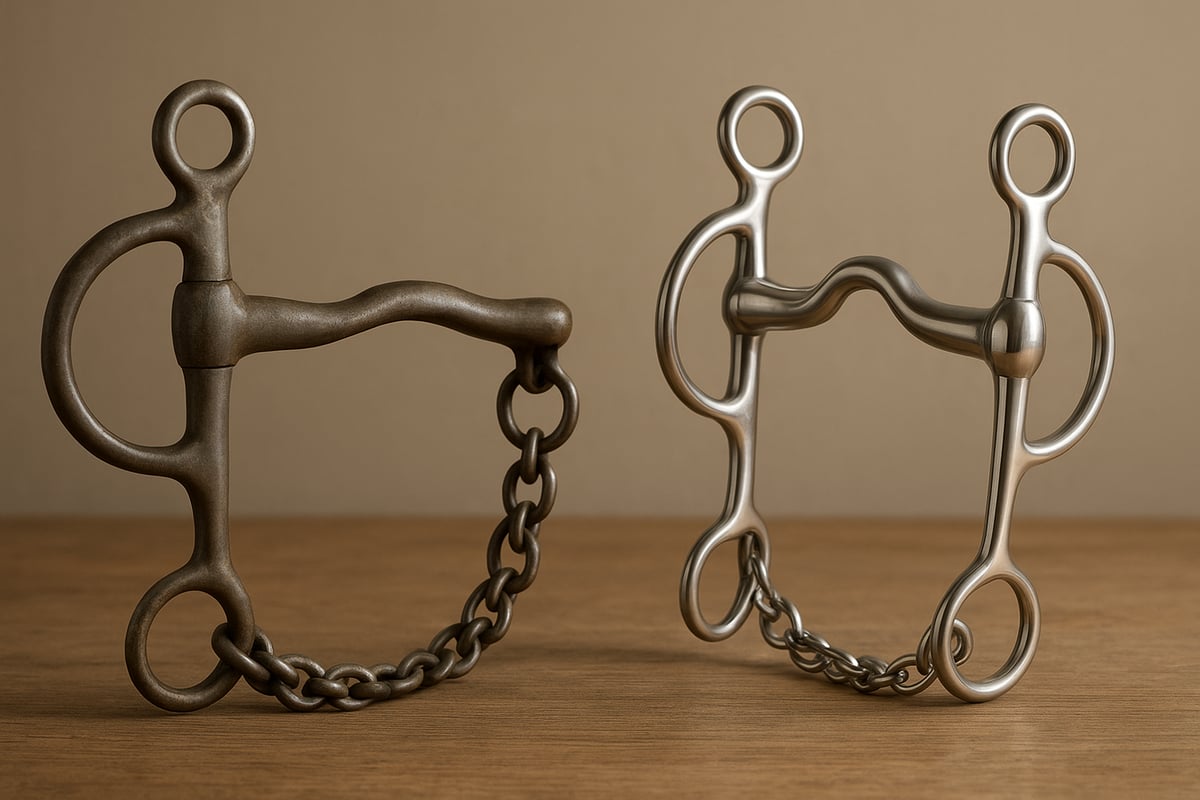
Where Did the Kimberwick Bit Come From?
The kimberwick bit traces its roots to early 20th-century English riding. Developed as a middle ground between the mild snaffle and the stronger curb, it filled a crucial gap for riders seeking more nuanced control. Over the decades, the kimberwick bit’s design has shifted from heavy, ornate metals to sleeker, lighter forms, echoing changes in horse sports.
Key innovators in equestrian circles adapted the bit for both leisure and competitive use. Early adopters appreciated its versatility, especially as English riding disciplines expanded. For a closer look at the evolution of riding equipment, explore the English Riding Gear Collection.
Its Origins in English Show Jumping
The Kimberwick bit gets its name from an English town and was originally designed by a showjumper. The goal was to create a bit that offered more control than a simple snaffle, particularly for strong horses or ponies that pulled. It uses mild leverage to achieve this without the full severity of a curb bit. This innovation in horse tack gave riders a clearer line of communication and more influence when it was needed most. Because of its effectiveness, the Kimberwick quickly became a popular choice not just in show jumping, but also in other demanding disciplines like eventing and hunting, where riders often need to manage forward or excitable horses.
When Should You Use a Kimberwick Bit?
The primary role of the kimberwick bit is to aid riders in managing strong, forward-going horses. Its unique combination of mild leverage and curb action appeals to those who need more authority than a snaffle provides, yet less than a traditional curb bit. Riders often select the kimberwick bit for horses that become excitable or resistant in busy settings.
This bit excels in disciplines such as show jumping, hacking, and pony club activities. Its adaptability ensures steady communication and increased control, making it a popular option in varied riding environments.
For Strong Ponies and Smaller Riders
Pairing a smaller rider with a powerful pony can be a challenge, but the kimberwick bit often provides a great solution. It's particularly effective for strong ponies that need a bit more guidance than a simple snaffle can offer. Think of it as a step down in intensity from a Pelham; because the reins attach to a fixed spot on the bit ring, the leverage is milder and more consistent. This design gives the rider more control without overwhelming the pony with pressure, making it a popular choice in pony club circles and for young equestrians who are building their confidence on a forward-moving mount.
However, it’s important to remember that while a kimberwick is useful for a pony that is more difficult to control, it must be used with care and expertise. Like any leverage bit, it can be easy to accidentally cause discomfort if not handled correctly. Proper instruction and a gentle hand are key to ensuring the bit serves as a clear communication tool, not a source of force. When used thoughtfully, it helps build a confident partnership between a small rider and their spirited mount. You can explore a variety of carefully selected horse tack to find the right fit for your pony.
For Trail Riding and Hacking
When you’re out on the trail, you need equipment that is both reliable and practical. The kimberwick bit is an excellent choice for general riding and hacking, especially if your horse tends to be strong or spooky in open spaces. It offers a bit more stopping power than a snaffle, giving you extra security when you need it most. Many riders find it’s the perfect intermediate step before considering stronger options like a full Pelham or traditional curb bit, providing just enough leverage to maintain clear communication without being overly harsh for everyday riding situations.
One of the kimberwick’s biggest advantages for trail riding is its compact design. Unlike traditional curb bits with long, dangling shanks, the kimberwick’s leverage mechanism is built into the D-ring cheekpiece. This streamlined shape means there’s less risk of the bit getting caught on branches, brush, or other obstacles you might encounter on your ride. This practical feature makes it a safer and more convenient option for exploring the great outdoors with your horse, allowing you to focus on the trail ahead instead of worrying about your equipment getting snagged.
Kimberwick vs. Other Bits: What's the Difference?
Comparing the kimberwick bit to alternatives like the Pelham and snaffle reveals its distinct advantages. Unlike the straightforward snaffle, which applies direct pressure, the kimberwick bit introduces mild leverage via its slots and curb chain. The Pelham, by contrast, offers more severe leverage and requires double reins.
| Bit Type | Action | Leverage | Curb Chain | Typical Use |
|---|---|---|---|---|
| Snaffle | Direct | None | No | General, training |
| Kimberwick Bit | Mild leverage | Yes | Yes | Strong, forward horses |
| Pelham | Strong leverage | Yes | Yes | Advanced, double reins |
While the kimberwick bit offers better control than a snaffle, it is less severe than a Pelham, making it a balanced choice for many riders.
Compared to a Snaffle Bit
Think of a snaffle bit as the foundation of bitting. It works on direct pressure, meaning the force you apply to the reins translates directly to the horse's mouth without any leverage. This straightforward communication is excellent for training and for horses with sensitive mouths. However, if you have a horse that tends to pull or get a bit strong, a snaffle might not offer enough influence. Unlike the straightforward snaffle, the kimberwick bit introduces mild leverage through its D-shaped rings and curb chain. This design gives you a bit more control and encourages the horse to lower its head without being overly harsh, making it a great step up when you need more refinement.
Compared to a Pelham Bit
On the other end of the spectrum is the Pelham bit. The Pelham offers much more significant leverage and requires the use of two reins—one for the snaffle action and one for the curb action. This setup provides a high degree of control but demands a skilled hand to use correctly and can be quite severe if used improperly. The kimberwick strikes a happy medium. While it offers better control than a snaffle, it is less severe than a Pelham, making it a balanced choice for many riders. It provides that extra bit of authority for jumping or hacking a forward horse, all while using a single rein, which simplifies things for both horse and rider. You can explore a variety of options in our full horse tack collection to see these differences up close.
Today's Kimberwick Bit Designs
Recent years have seen the kimberwick bit evolve with innovative materials and ergonomic designs. Stainless steel and copper inlays improve durability and horse comfort. Modern trends emphasize lighter, more responsive bits, reflecting a shift toward humane training methods.
As of 2025, data shows a steady rise in kimberwick bit usage among English riders, particularly in disciplines that demand both finesse and control. Manufacturers now offer a variety of mouthpieces and slot options, allowing for even greater customization to suit individual horse and rider needs.
Your Guide to Kimberwick Bit Parts and Styles
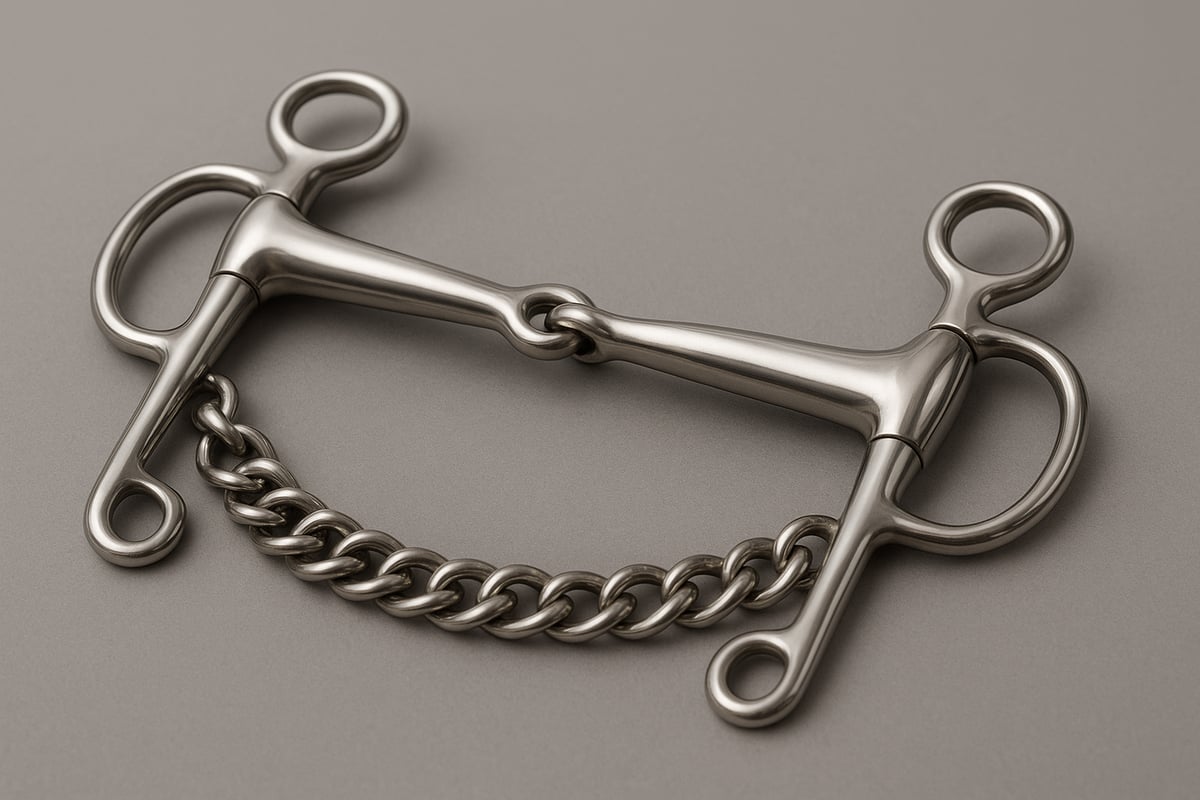
Understanding the anatomy of the kimberwick bit is essential for any rider aiming to use it effectively. Each component plays a distinct role in communication and control. Choosing the correct kimberwick bit starts with knowing how its parts and variations influence the horse’s comfort and performance.
Understanding Each Part of the Bit
The kimberwick bit consists of several interconnected parts, each affecting how it functions in the horse’s mouth.
- Cheekpieces: These semi-circular rings attach to the bridle and provide lateral guidance. They also feature slots for rein placement, allowing adjustments in leverage.
- Mouthpiece: This is the section that sits inside the horse’s mouth. It may be straight (mullen), jointed, or ported, each style creating a different pressure profile.
- Curb Chain or Strap: Positioned under the chin, this part distributes pressure and helps moderate the action of the kimberwick bit.
- Rein Slots: Most kimberwick bits have one or two slots in the cheekpieces, letting riders choose the degree of leverage and control by adjusting rein placement.
For riders visualizing the setup, diagrams often show how each part works together. Proper understanding of these elements ensures the kimberwick bit is used safely and effectively.
Slotted vs. Unslotted: Which Is Which?
There are several variations of the kimberwick bit, each suited to different riding needs.
- Standard Kimberwick: Features a single slot for rein attachment, offering moderate leverage.
- Uxeter Kimberwick: Includes two or more slots, allowing for variable rein positions and customizable leverage.
- Slotted vs. Unslotted: Slotted designs offer more precise control over rein action, while unslotted types provide a milder effect.
- Mouthpiece Styles: Ported, mullen, and jointed mouthpieces all impact the horse differently. Ported mouthpieces create space for the tongue, while mullen and jointed styles distribute pressure along the bars and tongue.
If you’re considering which type best suits your needs, browsing a Bits and Curbs Collection can help you compare features and find the ideal kimberwick bit for your horse.
Does the Bit's Material Matter?
The material used in a kimberwick bit affects durability, maintenance, and the horse’s comfort.
- Stainless Steel: Most common, highly durable, rust-resistant, and easy to clean.
- Sweet Iron: Encourages salivation, which can improve acceptance, but is prone to rust and needs regular care.
- Copper Inlays: Increase softness and promote relaxation, making the kimberwick bit more palatable for sensitive horses.
- Synthetic Options: Lightweight and gentle, but may wear faster than metal bits.
Selecting the right material ensures the kimberwick bit remains comfortable and functional, reducing the risk of mouth injury or resistance.
Rubber and Plastic Alternatives
As more riders prioritize their horse's comfort, rubber and plastic alternatives to traditional metal bits have become a popular choice. These materials offer a much softer feel in the horse's mouth, which is a game-changer for sensitive horses or those who struggle to accept a metal bit. Synthetic bits can encourage a horse to maintain a steadier contact because they are more forgiving and comfortable. This makes them an excellent option for young or inexperienced horses who are still learning to carry a bit without resistance. If you're looking for a gentler way to communicate with your horse, exploring different horse tack options, including synthetic bits, can lead to a more cooperative and enjoyable ride for both of you.
How to Size a Kimberwick Bit
Getting the correct size for a kimberwick bit is crucial for both effectiveness and equine welfare.
- Measuring: Use a bit gauge or measure your horse’s mouth from corner to corner to determine the proper width.
- Fitting: The bit should rest comfortably at the corners of the mouth without pinching or excessive movement.
- Common Mistakes: A bit that is too narrow can cause sores, while one that is too wide may slide and create miscommunication.
Proper fit allows the kimberwick bit to function as intended, promoting clear signals and minimizing discomfort.
Is Your Kimberwick Bit Show-Legal?
Rules for kimberwick bit use vary across disciplines and organizations, so riders must stay informed.
- USEF and Pony Club: These groups specify which kimberwick bit types and mouthpieces are legal for competition. For 2025, some updates clarify acceptable materials and designs.
- Discipline-Specific Guidelines: While popular in show jumping and hacking, the kimberwick bit is often restricted in dressage and some hunter classes.
- Check Before Competing: Always review current rulebooks to confirm your chosen kimberwick bit meets the latest standards.
Being aware of regulatory requirements ensures you avoid disqualification and uphold the best practices in horse welfare.
Restrictions in Dressage and Hunter Classes
When it comes to competitive riding, knowing your discipline's rules is non-negotiable. For dressage riders, the answer is straightforward: Kimberwick bits are not permitted in competition. The principles of dressage focus on developing a horse's natural balance and responsiveness through a direct, soft connection, and the leverage action of a Kimberwick is considered incompatible with these goals. The situation is a bit more nuanced in hunter classes, where the Kimberwick bit is often restricted. While not universally banned, its use depends heavily on the specific division and the governing body's regulations, so it's crucial not to make assumptions.
The golden rule for any competitor is to always check the rules for your specific show class. Governing bodies update their guidelines, and what was allowed last season might not be this year. Before you head to a show, take the time to confirm that all of your horse tack, including your bit, is compliant with the specific class you’re entering. This simple step can save you from the stress of a last-minute equipment change or, worse, disqualification. Being a prepared and informed rider is just as important as your performance in the ring, ensuring a fair and positive experience for everyone involved.
Shop This Post

Featured in this article
AV Bob Avila Double Ring Snaffle Horse Bit - Sweet Iron Mouthpiece, 3" Rings - Multiple Sizes
$165.00
Shop Now →

How Does a Kimberwick Bit Actually Work?
Understanding how the kimberwick bit functions is crucial for any rider seeking effective communication and control. Its unique design blends elements of both snaffle and curb bits, allowing for a range of effects depending on rein position and rider technique.
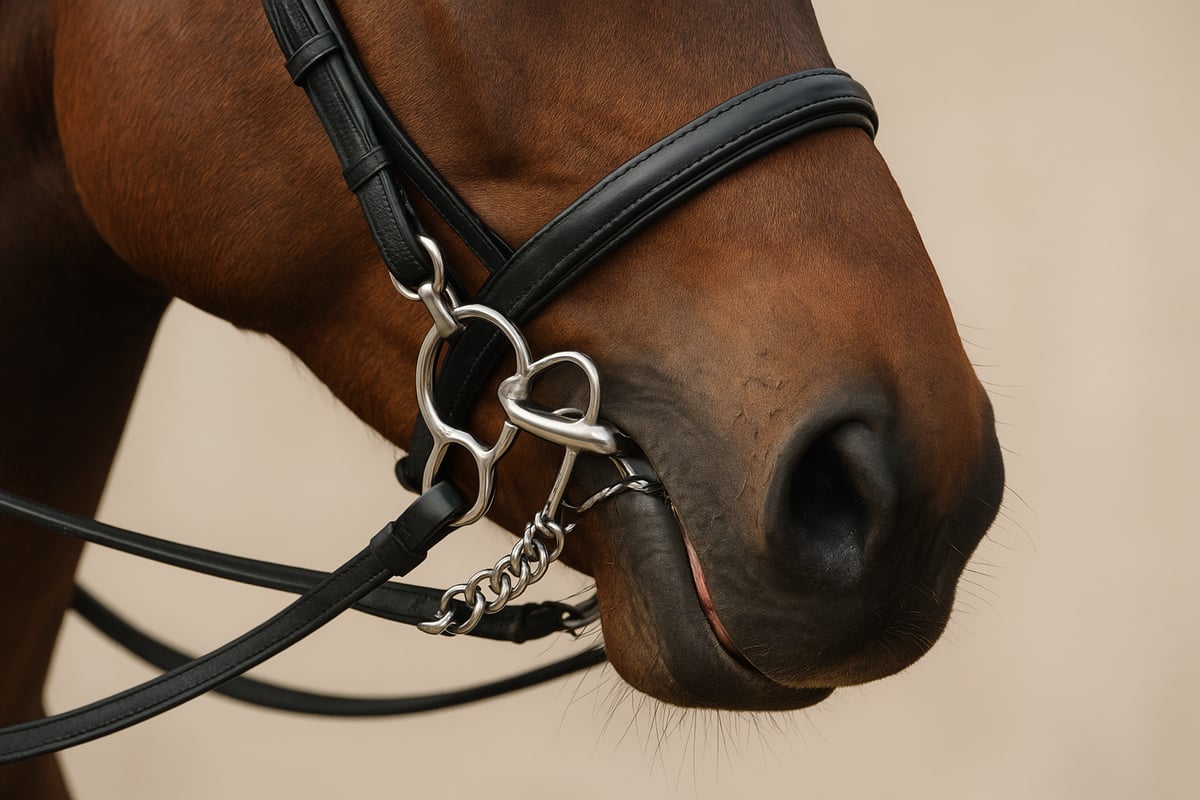
Understanding Leverage and Curb Pressure
The kimberwick bit operates through a combination of direct pressure and mild leverage, making it distinct from simple snaffle bits. When reins are attached to the upper slot, the action is closer to a traditional snaffle, producing mostly direct pressure. Moving the reins to the lower slot increases leverage, engaging the curb chain or strap and amplifying the pressure on the horse's jaw, chin, and poll.
This variable leverage allows riders to adjust the severity of the kimberwick bit to match their horse's needs. The curb chain or strap is essential, as it distributes pressure beneath the chin, providing a clear signal when activated. Riders must ensure the curb chain is neither too tight nor too loose, as improper adjustment can cause discomfort or reduce effectiveness.
Pressure points affected by the kimberwick bit include the bars of the mouth, tongue, poll, and chin groove. These areas work together to provide nuanced control, especially useful for managing strong or excitable horses. For a deeper understanding of how the bit fits within the bridle setup, the Guide to Horse Bridles offers valuable insights on tack compatibility.
How Your Reins Influence the Bit
The kimberwick bit is designed to translate subtle rein aids into clear cues for the horse. Its mechanical action means small movements of the rider’s hands can result in significant communication, especially when using the lower rein slots.
This responsiveness is beneficial when a rider needs extra control without resorting to a full curb bit. Because the kimberwick bit can amplify signals, it is important for riders to maintain soft, steady contact and avoid abrupt or forceful movements.
A key advantage is the bit’s ability to offer a blend of direct and leverage-based communication. This allows the rider to fine-tune their aids, promoting better understanding between horse and rider. However, excessive reliance on leverage or inconsistent rein use can lead to confusion or resistance from the horse.
The Effect of Hand Position on Poll Pressure
Your hand position directly influences how the kimberwick bit communicates with your horse. Because of its design, the bit applies pressure not just in the mouth but also on the poll through mild leverage. When you engage the reins, especially in the lower slot, this action creates a downward pressure on the poll, which encourages the horse to lower its head and become more responsive. A rider with soft, steady hands can use this poll pressure subtly to refine cues. It’s important to remember that the kimberwick amplifies rein aids, so maintaining light contact is key to avoiding discomfort and ensuring clear, gentle communication with your horse.
How Rein Slots Change the Action
The placement of your reins in the bit’s slots is what truly customizes its effect. As The Spruce Pets notes, "Most kimberwick bits have one or two slots in the cheekpieces, letting riders choose the degree of leverage and control by adjusting rein placement." Attaching the reins to the upper slot creates an action similar to a snaffle, with minimal leverage and poll pressure. This is a great starting point or for horses that only need a mild reminder. Moving the reins to the lower slot increases the leverage, engaging the curb chain more actively and applying more distinct poll pressure. This setup offers more control and is useful for stronger horses or in situations that demand more authority, like jumping or hacking in open country. This adaptability makes the kimberwick a versatile piece of horse tack for various needs.
What to Expect from Your Horse
Horses typically respond to the kimberwick bit with increased attentiveness and respect for rein aids, especially if they are strong or tend to lean on the bit. Many riders report improved control and smoother transitions when switching to this bit for horses that rush or ignore lighter aids.
Case studies show that horses prone to pulling or charging often become more manageable and focused with the kimberwick bit. However, signs of discomfort—such as head tossing, gaping mouth, or reluctance to move forward—indicate that the bit may be too severe, improperly fitted, or used with excessive force.
Riders should watch for subtle cues, including changes in the horse’s head carriage or tension in the jaw, to ensure the kimberwick bit is having the desired effect. Regular monitoring helps prevent negative behavioral outcomes and promotes positive adaptation.
Is a Kimberwick Right for Your Horse?
The kimberwick bit is best suited for horses that are strong, bold, or insensitive to softer bits. It provides an intermediate level of control, making it a popular choice for forward-going horses in disciplines like show jumping, hacking, or eventing.
For sensitive or green horses, the kimberwick bit may be too assertive, causing anxiety or resistance. In such cases, a milder bit or additional training may be more appropriate. Adjustments, such as using a thicker mouthpiece or the upper rein slot, can help moderate the bit’s action for horses with delicate mouths.
Riders should carefully assess their horse’s temperament and level of training before selecting a kimberwick bit. Consulting a professional can help determine if this bit is the right match or if alternatives might be safer and more effective.
An Expert's View on When to Use One
From a practical standpoint, the kimberwick bit is a problem-solver. It’s the tool you reach for when your horse is strong, leans on the bit, or gets a little too enthusiastic in stimulating environments. Think of it as a step up in communication for a horse that needs clearer boundaries than a snaffle can provide. According to experts, its primary role is to help riders manage strong, forward-going horses without resorting to the severity of a full curb bit. This makes it an excellent choice for riders who need more authority to maintain safety and control, especially with horses that become excitable or resistant in busy settings.
This bit is particularly useful in disciplines like show jumping, hacking, and eventing, where you might encounter unpredictable situations that require a quick and clear response. However, it’s not a one-size-fits-all solution. For a sensitive or inexperienced horse, the kimberwick’s leverage can be overwhelming and may cause anxiety or resistance, which undermines your training efforts. In those cases, sticking with a milder bit and focusing on foundational work is a much better path. The goal is always to use the least amount of pressure necessary, and choosing the right piece from your horse tack collection is about finding that perfect balance for your specific partner.
Common Kimberwick Myths, Busted
There are several misconceptions about the kimberwick bit, particularly regarding its severity. Some believe it is inherently harsh, but in reality, its action depends on rein placement, mouthpiece design, and rider skill.
Data indicates that injury or misuse rates for the kimberwick bit are comparable to other leverage bits when used correctly. Ethical use involves proper fitting, gentle hands, and regular checks for mouth health. Experts agree that, in the right hands, the kimberwick bit is a versatile tool rather than a shortcut for training issues.
Understanding these facts helps riders make informed decisions and dispels myths that might otherwise discourage appropriate use. Always prioritize the horse’s comfort and welfare when choosing and using any bit.
How to Choose the Right Kimberwick Bit for Your Horse
Choosing the appropriate kimberwick bit for your horse is a crucial step in achieving effective communication and comfort in the saddle. With so many options available, understanding how to match the bit to your horse's unique needs and your riding goals is essential for success.

First, Consider Your Horse's Personality
Start by evaluating your horse’s behavior and temperament. Is your horse strong, excitable, or prone to leaning on the bit? These signs may indicate that a kimberwick bit could provide beneficial control. However, horses with soft mouths, green training, or sensitivity may not be ideal candidates.
Consulting with a knowledgeable trainer or equine veterinarian can help determine if the kimberwick bit is the right tool. Consider your discipline and typical riding environment as well, since certain activities may warrant more or less control.
Choosing the Right Mouthpiece and Style
Once you’ve established that a kimberwick bit is suitable, focus on selecting the correct style and mouthpiece. Match the bit’s design to your horse’s mouth conformation and your chosen discipline. For instance, a jointed mouthpiece offers more flexibility, while a mullen or ported mouthpiece provides a steadier feel.
When in doubt, explore resources like Choosing the Right Bit for Your Horse for further guidance on bit selection and horse comfort. Remember, the thickness and material of the mouthpiece also play a role in effectiveness and sensitivity.
Single-Jointed Mouthpieces for Turning Aids
A single-jointed mouthpiece is a classic choice for riders who need clearer turning signals. This design features one break in the center, which creates a "nutcracker" effect when the reins are engaged, applying pressure to the bars of the horse's mouth and the tongue. When you use a direct rein aid to ask for a turn, the pressure becomes more concentrated on that specific side of the mouth. This provides an unambiguous cue that helps guide your horse’s head and body through the turn, making it a great option for horses that might feel a bit stiff or unresponsive in a solid mullen mouth bit.
Ported Mouthpieces for Tongue Relief
If your horse has a large tongue or a low palate, a ported mouthpiece can offer significant comfort. The "port" is the raised, curved section in the middle of the bit that creates space for the tongue to rest comfortably underneath, reducing the constant pressure that a straight or jointed bit might apply. Most kimberwick bits feature a low, wide port, which is considered mild and primarily serves to provide tongue relief. By alleviating this pressure, a ported bit can lead to a happier, more relaxed horse that is more willing to accept contact and respond to your aids. You can explore various options in our full horse tack collection.
How to Properly Fit and Adjust Your Bit
Proper fitting of the kimberwick bit is non-negotiable for both safety and comfort. Measure your horse’s mouth width with a soft tape to ensure the bit is neither too tight nor too loose. Adjust the cheekpieces so the bit sits at the correct height, just touching the corners of the lips without causing wrinkles.
The curb chain or strap should be snug but not tight, allowing two fingers’ space underneath the chin. Always check that the bit moves freely and does not pinch or rub against the horse’s mouth or lips.
The Importance of a Curb Strap or Chain
When you use a kimberwick bit, a curb strap or chain isn't just an accessory—it's a critical component for both safety and clear communication. This simple piece of tack plays a huge role in how the bit functions. Its main job is to prevent the bit from rotating too far in your horse's mouth, which ensures the pressure from your rein aids is applied correctly and doesn't cause discomfort. It also helps moderate the bit's action by distributing pressure under the chin. This creates a clear, understandable signal for your horse when you apply the reins. However, proper adjustment is key. A curb strap that's too tight will be uncomfortable, while one that's too loose won't work effectively. It's a non-negotiable part of the setup that makes the kimberwick a fair and useful tool.
Testing It Out: The First Few Rides
Introduce the kimberwick bit gradually, allowing your horse time to adjust. Begin with short, relaxed rides to monitor your horse’s response. Look for signs of acceptance, such as relaxed chewing, steady contact, and willingness to move forward.
If you notice resistance, head tossing, or tension, reassess fit and rein handling. Sometimes, minor adjustments can make a significant difference. If issues persist, consult a professional before making further changes.
Choosing a Kimberwick: What Not to Do
Avoid over-bitting by relying on the kimberwick bit as a substitute for foundational training. Ignoring discomfort or improper fit can lead to behavioral problems and physical injury. Do not use the bit as a shortcut; always prioritize your horse’s welfare.
Regularly inspect the bit for sharp edges or damage. Educate yourself on ethical use and make adjustments as your horse’s needs evolve. This approach ensures the kimberwick bit remains a positive tool in your riding journey.
Riding Safely and Effectively with a Kimberwick Bit
Proper use of the kimberwick bit can make a significant difference in your horse's comfort and your riding success. Implementing best practices ensures effective communication and promotes equine welfare. Explore these essential tips to maximize your experience with the kimberwick bit.
Your Hands: The Key to Soft Communication
Mastering rein technique is crucial when using the kimberwick bit. Begin by selecting the appropriate rein slot, as different positions alter the leverage and severity. Hold the reins with light, steady contact, keeping your hands level and close together for clear cues.
- Use the upper slot for less leverage and the lower slot for more control.
- Maintain soft, elastic contact to avoid abrupt signals.
- Adjust your hand position to encourage relaxation and responsiveness.
Avoid using excessive force, as the kimberwick bit amplifies rein pressure. Focus on subtle aids and reward your horse for correct responses. This approach builds trust and encourages a more harmonious ride.
Incorporating the Bit into Your Training
When introducing the kimberwick bit into training, proceed gradually. Begin in a familiar environment so your horse can adjust without distractions. Incorporate gentle transitions and circles to help your horse understand the new sensations.
- Start with short sessions, increasing duration as your horse adapts.
- Include exercises that promote acceptance, such as bending and flexion.
- Reinforce positive behavior with praise and relaxation breaks.
Transitioning from another bit or a bitless setup requires patience. Monitor your horse’s reactions closely and consult your trainer if questions arise. The kimberwick bit should enhance communication, not cause confusion.
Does Your Other Tack Work with a Kimberwick?
Choosing compatible tack is essential when using the kimberwick bit. Select a bridle that fits comfortably and accommodates the bit’s cheekpieces. Use a properly fitted curb chain or strap, ensuring it lies flat and does not pinch.
- Inspect all equipment for wear before each ride.
- Ensure the kimberwick bit sits at the correct height in the mouth.
- If using a martingale, check that it does not interfere with rein movement.
Regular maintenance prevents equipment failure and promotes safety. For more guidance on tack compatibility with the kimberwick bit, consult this expert guide.
Signs of Comfort (and Discomfort)
Ongoing welfare checks are vital when riding with the kimberwick bit. Watch for early signs of discomfort, such as head tossing, gaping, or reluctance to accept the contact. Schedule regular dental exams to prevent mouth issues from escalating.
- Check for rubs or sores in the corners of the mouth after each ride.
- Inspect the bit for sharp edges or corrosion.
- Adjust the fit if you notice swelling or resistance.
Ethical use of the kimberwick bit means prioritizing the horse’s comfort and health. Promptly address any concerns to maintain trust and prevent injury.
What to Do If Your Horse Resists the Bit
Even with proper use, challenges can arise with the kimberwick bit. Common issues include head tossing, leaning, or resistance. Address these promptly by reviewing your technique and checking the bit’s fit.
- If your horse leans, lighten your contact and ride more from your seat and leg.
- For head tossing, ensure the bit and curb chain are not too tight.
- Persistent problems may indicate the kimberwick bit is not suitable for your horse.
When issues persist, consult a professional trainer or equine dentist for tailored advice. Regular troubleshooting helps you maintain effective, humane communication.
How to Care for Your Kimberwick Bit
Proper care and maintenance of your kimberwick bit are essential for both horse comfort and rider safety. A well-maintained bit not only ensures clear communication but also extends the life of your equipment. Let’s explore how to keep your kimberwick bit in top condition with effective cleaning, inspection, and storage routines.
Your Simple Cleaning Schedule
Cleaning your kimberwick bit after each ride prevents residue buildup and keeps the metal safe for your horse’s mouth. Begin by rinsing the bit thoroughly under warm running water to remove saliva and debris. For daily care, use a soft brush or cloth to gently scrub the mouthpiece, cheekpieces, and slots.
Once a week, take additional steps:
- Soak the kimberwick bit in a bucket of warm water with a mild, horse-safe soap.
- Use a toothbrush to clean hard-to-reach areas, especially around joints and slots.
- Rinse thoroughly, ensuring no soap remains.
- Dry with a clean towel to prevent water spots.
Regular cleaning not only preserves the shine but also helps you spot early signs of wear or damage on your kimberwick bit.
How to Prevent Rust and Tarnish
Protecting your kimberwick bit from rust and premature wear is crucial for safety and longevity. After each cleaning, ensure the bit is completely dry before storage. Moisture trapped in joints or on the curb chain can accelerate corrosion, particularly on sweet iron or copper inlays.
Store your kimberwick bit in a dry, ventilated area. Use a dedicated bit bag or wrap in a soft cloth to prevent scratches and contact with other metal tack. For bits with copper or sweet iron, consider applying a light coat of food-grade mineral oil to the mouthpiece, which can help deter rust. Regularly inspect for pitting or discoloration, as these are early indicators of rust developing.
When Is It Time for a New Bit?
Consistent inspection of your kimberwick bit is vital for horse safety and bit effectiveness. Create a simple checklist to follow during each cleaning session:
- Examine all surfaces for sharp edges, cracks, or dents.
- Check the curb chain or strap for fraying or broken links.
- Inspect the rein slots for signs of bending or excessive wear.
- Ensure all joints move freely without stiffness or looseness.
If you notice any structural damage or significant wear, replace your kimberwick bit immediately. Using a compromised bit can injure your horse’s mouth or cause communication issues. When in doubt, consult with your trainer or tack shop professional for advice on repairs or necessary replacements.
Tips to Make Your Bit Last Longer
Adopting best practices will help you maximize the lifespan of your kimberwick bit. Handle your bit with clean hands to avoid transferring oils or dirt. Always remove the bit from the bridle after each ride to allow thorough cleaning and drying. Store your kimberwick bit out of direct sunlight and away from chemicals or moisture sources.
Environmental factors, such as humidity and dust, can accelerate wear if not managed properly. Schedule regular dental checks for your horse, as sharp teeth can cause excessive bit wear. Remember, attentive care for both your horse and your kimberwick bit leads to better performance and a longer service life.
Frequently Asked Questions About Kimberwick Bits
Choosing the right kimberwick bit can raise many questions for riders at every experience level. Here, we address the most common queries to support informed, confident decisions.
What makes the kimberwick bit unique compared to other bits?
The kimberwick bit stands out for its combination of mild leverage and curb action. Unlike snaffle bits, it offers extra control through its slots and curb chain, helping riders manage strong or forward horses. Its unique design bridges the gap between snaffles and full curb bits, making it a versatile tool for various disciplines.
Is the kimberwick bit legal for shows in 2025?
Most English riding organizations, like USEF and Pony Club, permit the kimberwick bit in certain classes. However, some disciplines have updated their rules for 2025. Always check the latest regulations for your specific competition to ensure compliance, as requirements may differ by event and level.
How do I know if my horse needs a kimberwick bit?
If your horse tends to lean, pull, or ignore lighter aids, a kimberwick bit may offer the added control you need. It is especially effective for horses that are strong, excitable, or insensitive to traditional snaffles. Consulting your trainer or veterinarian can help determine if this bit is appropriate for your horse’s temperament and training stage.
Can beginners use a kimberwick bit safely?
While the kimberwick bit can be used by less experienced riders, supervision and proper instruction are essential. Beginners should focus on gentle hands and clear communication, as misuse can cause discomfort. Many trainers recommend starting with milder bits and progressing to the kimberwick bit as skills improve.
What are the most common mistakes with kimberwick bits?
Frequent errors include poor fitting, excessive rein pressure, and relying on the bit as a shortcut for training. These mistakes can lead to resistance or mouth injuries.
| Mistake | Consequence |
|---|---|
| Overly tight curb chain | Discomfort, sores |
| Wrong size | Pinching, resistance |
| Ignoring horse’s feedback | Behavioral issues |
Regular checks and proper adjustment help prevent these problems.
How often should I replace my kimberwick bit?
Inspect your kimberwick bit regularly for signs of wear, rust, or sharp edges. Depending on usage and material, a quality bit can last several years, but replace it immediately if you notice damage or roughness that could harm your horse’s mouth.
Are there alternatives to the kimberwick for strong horses?
Yes, alternatives include Pelham bits, gag bits, or double bridles, depending on your horse’s needs and discipline. Each offers different leverage and pressure points. For a detailed comparison, see this guide to English bits. Always choose the gentlest effective option for your horse.
Tips for transitioning from other bits to a kimberwick
Introduce the kimberwick bit gradually, allowing your horse time to adjust. Start with light rein pressure and monitor for any signs of discomfort. Short, positive sessions help build acceptance. If issues arise, consult a professional for guidance on bit selection and fitting.
Now that you’ve explored the essentials of Kimberwick bits—from their evolution and modern adaptations to fitting, usage, and care—you’re equipped to make thoughtful choices for your horse’s comfort and performance in 2025. At Hooves and Paws, we understand how important the right bit is for clear communication and safety in the saddle. Whether you’re refining your tack setup or searching for the perfect Kimberwick, you’ll find a carefully curated selection, free US shipping, and flexible payment options to support your needs. Ready to take the next step for you and your horse? Buy Now
Key Takeaways
- Use it as a problem-solver, not a shortcut: The Kimberwick is a great tool for managing a strong horse that leans on a snaffle, offering more control without the severity of a full curb bit. It should support your training, not replace it.
- Your hands and rein placement dictate the pressure: This bit's action is entirely in your hands. Using the lower rein slot increases leverage, so maintaining soft, steady contact is essential for clear and gentle communication with your horse.
- Prioritize a perfect fit and check the rulebook: A correctly sized bit with a properly adjusted curb strap is crucial for your horse's comfort and the bit's effectiveness. Before competing, always confirm that Kimberwicks are permitted in your specific class.


