


When your ride feels off, it's easy to blame the saddle or even the bit. But have you checked the bridle? An ill-fitting bridle creates subtle pressure points that can cause major discomfort, leading to resistance and communication breakdowns. Before you change your training plan, take a moment to assess this crucial piece of tack. The right choice in horse bridles can completely transform your ride, improving your horse's comfort and willingness. This guide will show you exactly how to fit, adjust, and select a bridle that supports a happy, healthy partnership.
Understanding the essentials of horse bridles can make a significant difference in your horse’s welfare and responsiveness. By learning how to choose, fit, and care for your bridle, you support better results in the saddle and a happier, healthier horse.
This guide offers the latest insights, practical steps, and expert advice for selecting and using horse bridles in 2025. From bridle basics to fitting, care, innovations, and top recommendations, you will find everything you need to make informed choices for your riding journey.
Horse Bridles 101: A Rider's Essential Guide
Selecting the right horse bridles is fundamental for every equestrian, regardless of experience level. To make informed choices, it is essential to understand what a bridle is, its parts, the importance of fit, and how different disciplines affect bridle selection. Let us break down the essentials of horse bridles for modern riders.

What Is a Horse Bridle?
Horse bridles are vital pieces of tack used to guide and communicate with the horse during riding. A bridle consists of several key components: the headstall that goes over the horse’s head, a bit that sits in the mouth (or a noseband for bitless options), reins for the rider to hold, plus a browband, noseband, and throatlatch for stability and comfort. The main function of horse bridles is to transmit rider cues, allowing for precise control and effective communication.
English and Western horse bridles differ in both design and usage. For example, English bridles often have a cavesson noseband, while Western bridles may feature decorative elements or omit the noseband entirely. A well-chosen bridle can make a horse more responsive, improving the riding experience for both horse and rider.
What Are the Parts of a Horse Bridle?
Every rider should be familiar with the main parts of horse bridles. The headstall supports the entire bridle and keeps it in place. The bit, or a bitless attachment, acts as the primary point of communication between the rider and horse. Reins connect to the bit or noseband, allowing the rider to give signals.
Other essential components include:
- Browband: prevents the bridle from sliding back
- Noseband: helps with control and stability
- Throatlatch: keeps the bridle secure on the horse’s head
Proper adjustment of these elements is crucial for safety and comfort. Visual diagrams can help riders identify each part and understand how they work together in horse bridles.
How Your Bridle Impacts Comfort and Performance
The fit of horse bridles directly affects your horse’s comfort and performance. A properly fitted bridle prevents sores, pinching, and behavioral issues like head tossing or resistance. Ill-fitting bridles can cause uneven pressure or rubbing, leading to discomfort or even injury. Studies show that excessive pressure from bits or nosebands may negatively impact horse welfare, so regular fit checks are essential.
Riders often report noticeable improvements in relaxation and head carriage after correcting bridle fit. For evidence-based guidance on adjusting bridles for optimal comfort and movement, see Bridles: how to choose and fit them correctly.
Understanding Pressure Points and Pain
A poorly fitted bridle can create significant discomfort by concentrating pressure on sensitive areas of your horse's head. Key pressure points include the poll (behind the ears), the bridge of the nose, and the delicate nerves running along the face. When a bridle doesn't fit correctly, it can cause uneven pressure or rubbing, which may lead to sores, pinching, or behavioral problems like head tossing and resistance. Research confirms that excessive pressure from a noseband or bit can negatively affect a horse's welfare, making regular fit checks absolutely essential. Paying close attention to how your bridle sits is one of the most important things you can do to ensure your horse is comfortable, happy, and ready to perform.
How Padded Nosebands Can Help
To address these pressure points, many riders are turning to comfort bridles. Also known as anatomical or ergonomic bridles, these are specifically designed with your horse's anatomy in mind to improve comfort and lessen pressure on sensitive facial nerves. They often feature a wider, padded, and contoured crownpiece that distributes pressure more evenly across the poll. Similarly, padded nosebands help cushion the bridge of the nose and jaw. These thoughtful design elements prevent pinching and allow for more freedom of movement, which can lead to a more relaxed and willing partner. When you're ready to explore options, you can find a variety of high-quality horse tack designed for both comfort and performance.
English vs. Western Bridles: What's the Difference?
Disciplines shape the design and function of horse bridles. English bridles are commonly used in dressage, jumping, and eventing, each with unique features like flash attachments or anatomical shaping. Western horse bridles, on the other hand, often use simple headstalls, with or without browbands, and may showcase decorative elements for show.
For instance, a hunter bridle typically has a plain noseband suited for the show ring, while a Western headstall might have silver accents for competition. Matching the style and function of horse bridles to your riding discipline ensures better performance and aligns with your riding goals.
How to Choose the Right Type of Horse Bridle
Selecting the right horse bridles is essential for every rider aiming for comfort, communication, and peak performance. In 2025, riders have more choices than ever, thanks to evolving designs and materials. Understanding each bridle type's strengths helps you make an informed decision and ensures your horse’s well-being.
A Rider's Guide to English Bridles
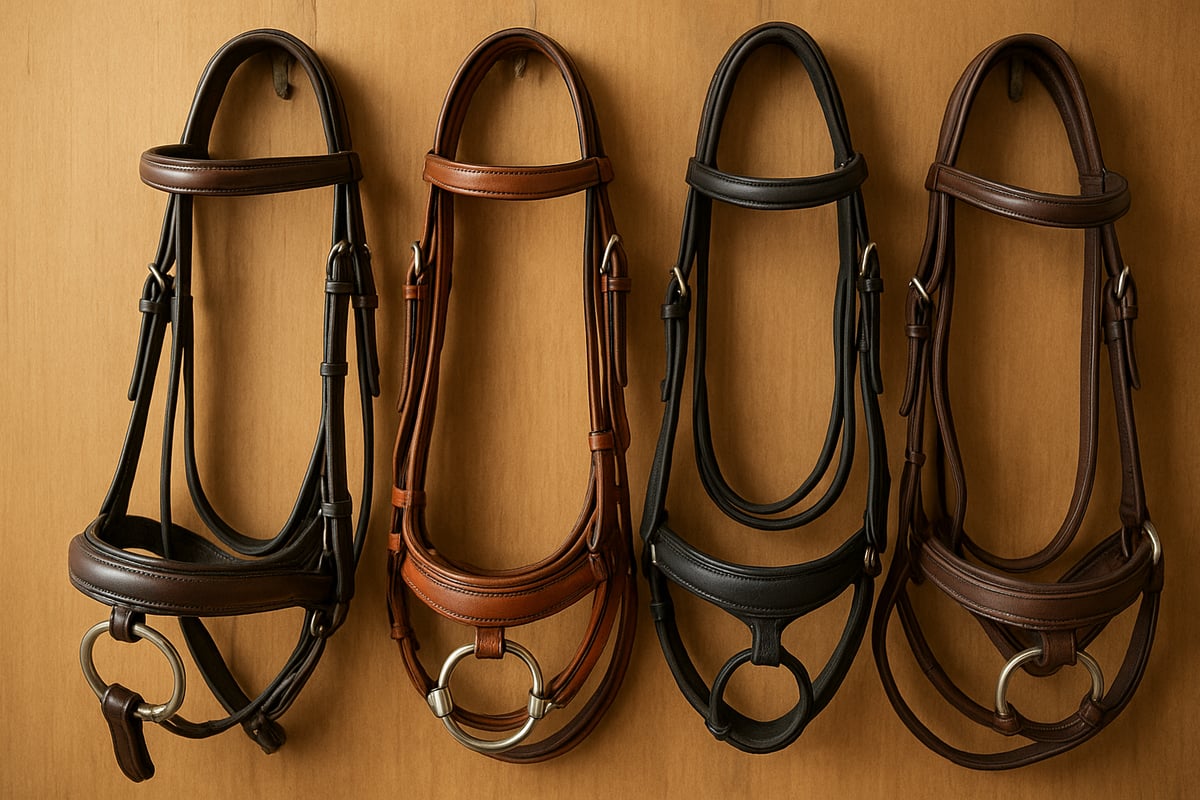
English horse bridles are designed for precision and style across various disciplines. Dressage bridles often feature a flash noseband for added control, while hunter bridles keep a plain, elegant look. Jumper and eventing bridles focus on security and adjustability, sometimes using figure-8 or anatomical styles for better fit and pressure distribution.
Anatomical bridles, popular in 2025, are crafted to relieve sensitive facial nerves and improve comfort. Recent data shows a rising trend in riders choosing these ergonomic options. Whether you ride dressage or jumpers, selecting the right English bridle can enhance your horse’s performance and responsiveness.
The Double Bridle (Weymouth)
For more advanced disciplines like upper-level dressage, the double bridle, or Weymouth, offers a higher degree of communication. This bridle uses two bits simultaneously: a small snaffle called a bradoon and a curb bit known as the Weymouth. The rider holds two sets of reins, one connected to each bit, allowing for very subtle and independent cues. The goal isn't to apply more force but to refine the signals sent to the horse. A double bridle requires an experienced hand and a horse that is well-trained and responsive to the aids. When used correctly, it allows for nuanced adjustments in the horse's posture and balance, which is essential for performing complex movements with precision and grace.
Common Nosebands for Snaffle Bridles
The noseband is a critical part of any English bridle, doing much more than just completing the look. It plays a key role in stabilizing the bridle and influencing how your horse responds to the bit. Different types of nosebands apply pressure in different ways, and choosing the right one can help address specific training issues, like a horse that opens its mouth or evades the bit. Understanding the function of each style helps you select the best option for your horse's comfort and your communication needs. From the simple plain cavesson to more specialized designs, the noseband is a fundamental tool for effective riding.
The Crank Noseband
The crank noseband is easily identified by its padded design and a leveraged buckle mechanism that allows it to be fastened snugly. It's often seen in dressage, where a still and steady head is desired. The padding helps distribute pressure evenly across the horse's nose, but it's crucial not to overtighten it. The purpose of a crank is to provide a secure fit that discourages the horse from opening or crossing its jaw to evade the bit, not to clamp the mouth shut. When fitted correctly—with space for at least one finger underneath—it can offer enhanced stability and control without causing discomfort, supporting clear communication between you and your horse.
The Drop Noseband
A drop noseband sits lower on the horse's face than a traditional cavesson, fastening below the bit in the chin groove. Its primary function is to gently keep the horse's mouth closed and prevent it from evading the bit by opening its mouth too wide. This design provides a more direct connection and can be particularly useful for young horses learning to accept contact. Proper fitting is essential; if it's too low or too tight, it can restrict the horse's nostrils and interfere with breathing. When adjusted correctly, the drop noseband is an effective tool for encouraging steady bit acceptance and clear communication.
The Grackle or Figure-Eight Noseband
Also known as the figure-eight, the grackle noseband is popular in jumping and eventing. It features two straps that cross over the front of the horse's nose, forming an "X" shape, and fastens both above and below the bit. This unique design is highly effective at preventing the horse from crossing its jaw or opening its mouth to evade the bit. A key advantage of the grackle is that it applies pressure across a wider area of the horse's head without restricting the nostrils, ensuring the horse can breathe freely during intense exercise. It’s an excellent choice for strong horses that need a bit more guidance.
Sheepskin Nosebands
While not a distinct type of noseband, sheepskin padding is a popular addition that can be fitted to many different styles, including cavesson and grackle nosebands. The soft, natural material is excellent for distributing pressure more evenly and preventing rubbing or chafing, making it a fantastic choice for sensitive horses. At Hooves and Paws, we know that a comfortable horse is a happy partner, which is why we offer a wide selection of high-quality horse tack designed with your horse's well-being in mind. Sheepskin nosebands can reduce pressure points and enhance overall comfort, helping your horse stay focused and relaxed during your ride.
Your Guide to Western Bridles
Western horse bridles come in diverse styles, each suited to distinct riding traditions. The classic browband headstall provides stability for trail or ranch work, while one-ear and split-ear designs offer a minimalist approach for show and reining events. Decorative elements, such as silver accents or tooling, reflect Western heritage and personal style.
Choosing between a simple headstall for everyday riding or an ornate show bridle depends on your discipline and preferences. Western bridles typically forgo nosebands, relying on bit selection and rein cues for communication. Matching your bridle to your riding goals ensures both tradition and function are respected.
Considering a Bitless Bridle? What You Should Know
Bitless horse bridles offer gentle alternatives for sensitive horses or those in humane training programs. Popular designs include the sidepull, hackamore, and cross-under, each providing control without a bit in the horse’s mouth. These bridles can reduce oral discomfort and are increasingly favored by recreational riders.
While bitless options suit many horses, they may not provide the same nuanced cues as traditional bitted bridles. If you’re curious about bit selection and its impact on your horse, explore this Choosing the Right Bit for Your Horse guide for more insight. Transitioning from bitted to bitless should be gradual, prioritizing your horse’s comfort and safety.
The Sidepull: The Gentlest Bridle Option
Often considered the kindest bitless option, the sidepull is a great starting point for riders exploring alternatives. It functions much like a standard headcollar, with reins attaching to rings on either side of the noseband. This design applies direct, understandable pressure to the side of your horse's face when you pull a rein, making it very intuitive for them to learn. Because it's so straightforward and forgiving of busy hands, it’s an excellent choice for both green horses and riders new to bitless communication. The pressure is minimal and familiar, making the transition smooth and stress-free for many horses.
The Bosal
A staple in Western riding, the bosal is a more sophisticated bitless bridle that offers nuanced communication. It consists of a round, often braided, noseband made of rawhide or leather. The reins, called a mecate, attach to the bottom of the bosal and loop around the horse's neck. This setup works by applying pressure to the nose, jaw, and chin. When used by a skilled rider with light hands, the bosal allows for very precise steering and signaling. It’s a traditional piece of equipment that requires some training for both horse and rider to use effectively but rewards that effort with refined communication.
The Mechanical Hackamore
Popular with disciplines like show jumping and barrel racing, the mechanical hackamore provides more leverage than other bitless options. It features metal shanks on either side of the horse's face that connect the reins to the noseband and a curb strap under the chin. When the reins are pulled, this design applies pressure to the bridge of the nose, the chin groove, and the poll. It's important to remember that the longer the shanks, the greater the force applied. This type of bridle requires a rider with steady, experienced hands to avoid causing discomfort or being overly severe.
The Rope Halter
While primarily a training tool, a simple rope halter can also be used as a bitless bridle, especially in Western disciplines and natural horsemanship. By attaching reins to the halter, riders can use direct pressure on the horse's nose to guide and turn them. The knotted design of a rope halter concentrates pressure in specific areas, which can provide clear signals for a well-trained horse. It’s a minimalist option that relies on a strong foundation of groundwork and a light touch from the rider to be effective for riding.
How to Introduce a Bitless Bridle
Transitioning to a bitless bridle should be a gradual process, just like introducing a new bit. Start by fitting the bridle correctly and letting your horse wear it in a familiar, low-stress environment like their stall or during grooming. The next step is to work from the ground, teaching your horse to yield to pressure and understand the new cues. Once they seem comfortable, begin riding in a safe, enclosed area like an arena. Keep your first few rides short and positive, focusing on simple exercises. Finding the right style is key, and you can explore a variety of quality horse tack to find the perfect fit for your horse's needs.
Exploring Specialty Bridles: From Anatomical to Training
Specialty horse bridles address unique needs, from anatomical models designed for pressure relief to training bridles with martingales or draw reins for schooling sessions. Youth bridles are scaled and shaped for ponies or young horses, ensuring gentle fit and safety during growth.
Safety is paramount with specialty bridles. Always check for proper adjustment and avoid excessive pressure on sensitive areas. Examples include ergonomic designs for developing horses and padded options for those in intensive training. Selecting a specialty bridle should be guided by your horse’s age, experience, and training goals.
The In-Hand Bridle
In-hand bridles are specialty items designed for showing a horse on the ground, not under saddle. The main goal is to showcase your horse's conformation and movement with a clean, minimalist look that highlights its natural structure. An in-hand bridle usually has a simple headstall, a bit or bitless noseband, and a lead rein, which allows the handler to maintain clear communication and control. A proper fit is absolutely essential—the bridle must be secure enough for safety in the show ring but comfortable enough to prevent any fidgeting or distraction. This piece of equipment is a key tool for handlers who need to guide their horse with precision, making it a vital part of any serious competitor's tack collection.
How to Find the Perfect Bridle Fit
Finding the right size for horse bridles ensures comfort and prevents issues like rubbing or slipping. Standard sizes include pony, cob, horse, warmblood, and draft, but individual head shapes often require adjustments. Most modern bridles offer multiple points of adjustability for a custom fit.
To measure accurately, use a soft tape to check head length, brow width, and nose circumference. Compare your measurements to manufacturer charts, and remember that even within the same size, adjustments may be needed for optimal comfort. Riders frequently report sizing challenges, so always prioritize adjustability when purchasing new bridles.
Leather vs. Synthetic: Which Bridle Material is Best?
Horse bridles in 2025 are available in various materials, each with distinct advantages. Leather remains the classic choice for durability and tradition, while synthetic options offer easy maintenance and weather resistance. Hybrid bridles combine both for a balance of comfort and practicality.
| Material | Pros | Cons | Popularity 2025 |
|---|---|---|---|
| Leather | Durable, classic, repairable | Requires regular care, cost | 60% |
| Synthetic | Lightweight, washable, affordable | Less traditional, may wear faster | 30% |
| Hybrid | Versatile, low maintenance | Varies by brand | 10% |
Eco-friendly and vegan materials are gaining market share, appealing to riders seeking ethical choices. When choosing horse bridles, weigh longevity, care requirements, and your budget to select the right material for your needs.
Shop This Post

Featured in this article
AV Bob Avila Double Ring Snaffle Horse Bit - Sweet Iron Mouthpiece, 3" Rings - Multiple Sizes
$165.00
Shop Now →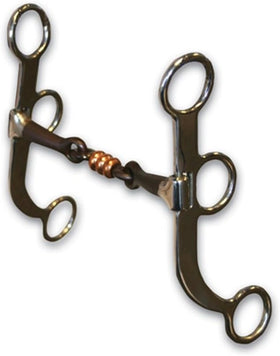

How to Fit Your Horse's Bridle in 5 Steps
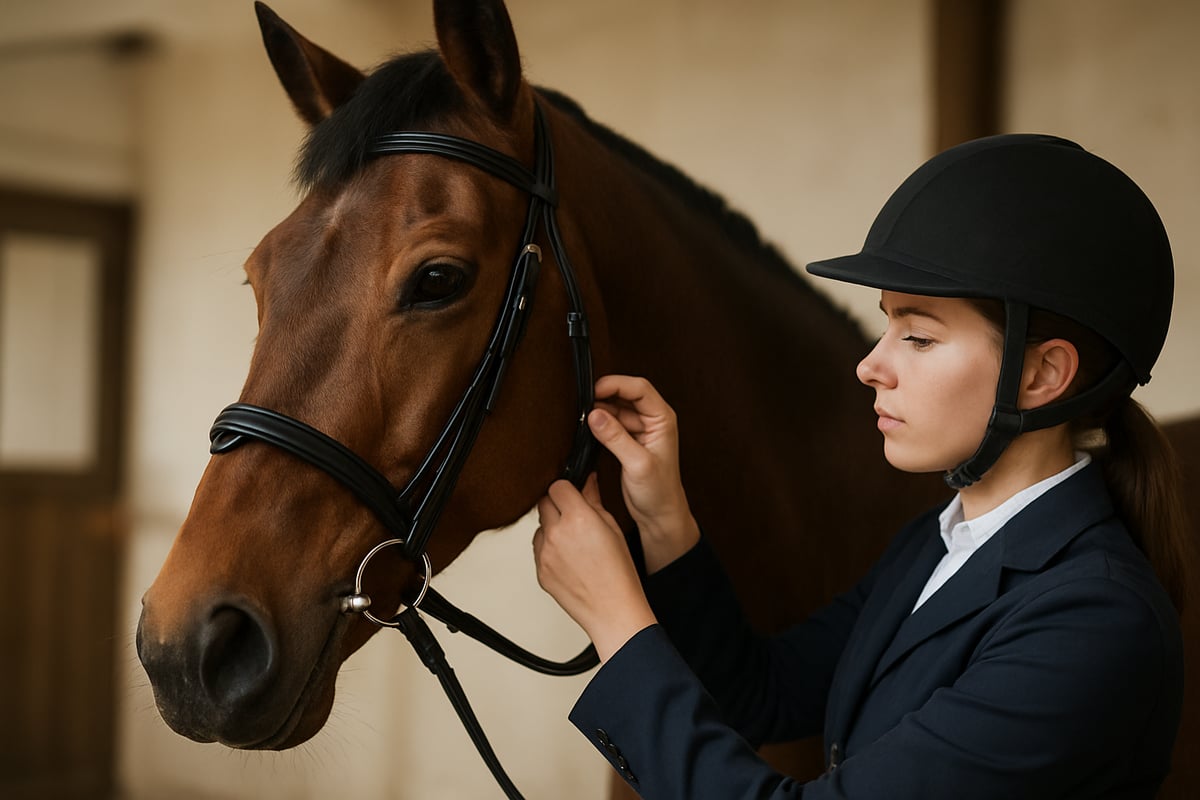
Fitting horse bridles properly is essential for your horse’s comfort and safety, as well as effective communication during every ride. This step-by-step guide takes you through the process, helping you achieve an optimal fit for any horse or riding discipline.
Step 1: Prepare Your Horse and Your Tools
Before fitting horse bridles, gather the essentials: a clean bridle, soft measuring tape, and a cloth for wiping dust or sweat. Choose a quiet, well-lit area where your horse feels relaxed.
Patience is key. Approach your horse calmly, speaking softly and using slow movements. If fitting a young or anxious horse, spend extra time allowing them to sniff the bridle and become familiar with it.
Safety should always come first. Stand beside your horse’s shoulder, never directly in front, and keep the lead rope in hand in case your horse moves suddenly. This preparation helps ensure a safe, stress-free start to the bridle fitting process.
Step 2: Measure Your Horse for the Right Size
Accurate measurements help ensure horse bridles fit properly. Measure the length from the corner of the horse’s mouth, over the poll, to the other side. Next, measure the browband and nose circumference.
Compare these numbers to manufacturer size charts, considering breed-specific head shapes. For example, Warmbloods often need larger sizes than ponies. If your horse falls between sizes, opt for the more adjustable option.
Always double-check fit before purchase. Many leading brands provide detailed sizing charts to guide your choice. Taking time in this step will pay off with a bridle that fits securely and comfortably.
Step 3: Gently Place the Bridle on Your Horse
Lay out all bridle components before you begin. First, assemble the headstall, attach the bit, then add the reins and noseband.
When placing horse bridles on your horse, gently slide the bit into the mouth and lift the headstall over the ears. Ensure the browband sits flat across the forehead and the noseband is at the correct height.
Avoid pinching, twisting, or crossing straps. Common mistakes include tangled reins or a twisted noseband, which can cause discomfort. Take your time and check each part before moving on.
Step 4: Adjust Each Strap for Comfort and Safety
Proper adjustment is crucial for horse bridles to function well. Adjust the cheekpieces so the bit sits comfortably at the corners of the horse’s mouth. The throatlatch should allow two fingers’ width for breathing, and the noseband should not be overly tight.
Check rein attachment and ensure all buckles are secure. Signs of correct adjustment include a relaxed horse and no visible pressure points. For a more detailed breakdown, consult this Proper fitting of a bridle guide for expert advice.
Preventing rubs and sores starts with careful, thoughtful fitting. Always err on the side of comfort and double-check your work.
Checking the Browband
The browband’s job is to keep the bridle from sliding back on your horse’s head. It should rest comfortably across the forehead, about one inch below the base of the ears. A good rule of thumb is to ensure you can easily slide two stacked fingers between the browband and your horse’s forehead. If it’s too tight, it can pinch or pull the headstall into the sensitive areas behind the ears, causing discomfort. If it’s too loose, it won’t do its job effectively. This simple check ensures the entire bridle stays correctly positioned throughout your ride.
Checking the Throatlatch
Next, move to the throatlatch. This strap fastens under your horse’s throat and acts as a crucial safety feature, preventing the bridle from accidentally slipping over the horse’s head. It should never be tight, as this can restrict breathing and flexion. To check the fit, you should be able to fit four stacked fingers comfortably between the strap and your horse’s throat or cheek area. This amount of space gives your horse plenty of room to breathe and move their head freely without the bridle becoming too loose or insecure.
Checking the Cheek Pieces
The cheek pieces are the vertical straps that connect the bit to the headstall. They should run parallel to the horse's facial bones, with the buckles sitting roughly in line with the eyes. The most common way to check for correct length is to look for one or two soft wrinkles at the corners of the horse's mouth where the bit rests. Too many wrinkles indicate the bit is too high and causing pressure, while no wrinkles might mean it's too low. Getting this part right is essential for clear communication and is a key feature of all quality horse tack.
Checking the Noseband
The noseband should sit about one to two inches, or two fingers’ width, below the horse’s prominent cheekbones. This placement prevents it from interfering with the bit or pressing on sensitive facial nerves. Once positioned, you should be able to fit two fingers between the noseband and your horse’s face. A noseband that is too tight can restrict breathing, jaw movement, and cause significant discomfort, while one that is too loose won’t provide the intended stability. Proper adjustment ensures your horse remains comfortable and responsive.
Checking the Bit Width
Finally, check that the bit itself is the correct width for your horse’s mouth. It should rest comfortably without pinching the corners of the lips. To verify the size, gently pull the bit to one side so that one ring is touching the horse’s lips. You should be able to fit your little finger between the other bit ring and the horse's mouth. If there’s more space than that, the bit is likely too wide and could slide uncomfortably. If there’s no space, it’s too narrow and will pinch. This quick check confirms a comfortable and effective fit.
Step 5: Perform a Final Check and In-Saddle Test
Before mounting, inspect all straps and fastenings on your horse bridles. Look for any twisted, loose, or pinching areas.
Observe your horse’s initial reaction under saddle. If you notice resistance, head tossing, or discomfort, pause and readjust as needed. Horses’ heads can change shape with age or training, so reassess fit regularly, especially after weight changes.
A well-fitted bridle ensures clear communication and a more enjoyable ride for both horse and rider. Making these checks a habit supports long-term horse health and riding success.
How to Clean and Care for Your Horse Bridle
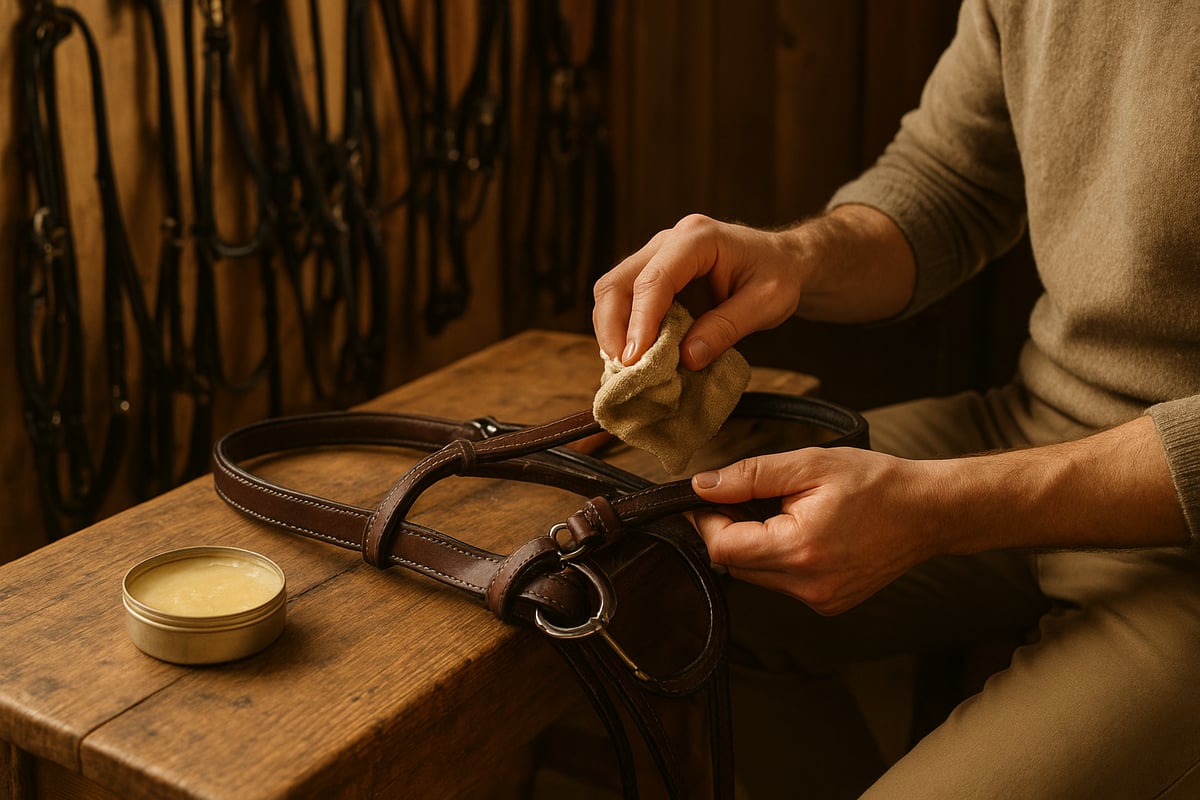
Keeping horse bridles in top condition is vital for both your horse’s comfort and the tack’s longevity. Regular maintenance not only preserves appearance but also ensures safety and performance with every ride.
Your Daily and Weekly Bridle Care Routine
Daily cleaning is essential to keep horse bridles free from sweat, dirt, and hair. After each ride, use a damp cloth to wipe down the leather or synthetic surfaces. This quick routine prevents buildup that can cause premature wear.
- Remove bits and wipe them separately.
- Focus on high-contact areas, especially around the noseband and browband.
- Dry thoroughly before storing to avoid mildew.
Busy riders often develop a streamlined process that fits their schedule. Tack manufacturers recommend wiping down horse bridles after every use and performing a more thorough cleaning weekly. Consistent care ensures reliability and extends the lifespan of your tack.
How to Deep Clean and Condition Leather
Leather horse bridles require deep cleaning to stay supple and strong. Disassemble the bridle so every part is accessible. Use saddle soap with a soft sponge, working up a gentle lather to lift embedded grime.
After cleaning, apply a quality leather conditioner or oil to prevent cracking and stiffness. Pay special attention to stitching and hardware, ensuring they remain intact and rust-free. Restoring an old bridle can often bring it back to life if done with patience.
Regular conditioning protects leather from mold and environmental damage. Maintaining this routine keeps horse bridles looking and performing their best.
Tips for Cleaning Synthetic and Hybrid Bridles
Synthetic horse bridles are popular for their low maintenance and durability. Wash synthetic parts with mild soap and water, then rinse thoroughly. Avoid harsh chemicals, as they can degrade the material over time.
Hybrid bridles, combining leather and synthetic elements, require a tailored approach. Clean each component according to its material. For waterproof synthetics, a quick rinse and air dry are usually sufficient.
Compared to leather, synthetic horse bridles often last longer with minimal effort. However, always check for fraying or weakened areas to ensure safety.
Proper Bridle Storage and When to Make Repairs
Proper storage is crucial for preserving horse bridles. Hang bridles in a cool, dry place to avoid warping and mildew. Never fold tack, as creases can weaken leather and synthetics.
- Inspect regularly for loose stitching, worn straps, or cracked hardware.
- Address minor repairs yourself, but seek professional help for significant damage.
- The Guide to Horse Saddles and Tack offers a broader look at maintaining all your tack for long-term use.
A well-maintained horse bridle can last for years. On average, bridles that receive consistent care far outlast neglected ones, ensuring both safety and value.
The Latest Innovations in Horse Bridle Design
The world of horse bridles is evolving rapidly as 2025 brings new designs, materials, and technologies to equestrian sports. Riders are seeking comfort, performance, and style, reflected in the latest trends shaping the market. Let’s explore the four key innovations making waves this year.
Why Riders Are Choosing Anatomical Bridles
Anatomical and ergonomic designs are setting a new standard for horse bridles in 2025. These bridles feature padded crowns, shaped nosebands, and strategically placed pressure relief points. The goal is to reduce discomfort and enhance the horse’s natural movement, allowing for better communication between horse and rider.
Recent data shows a significant increase in sales of anatomical horse bridles as more riders prioritize welfare and performance. Leading brands now offer models designed to fit the unique contours of each horse’s head. Riders report improved acceptance and relaxation, especially in sensitive horses.
For a deeper look at how these bridle features support optimal fit and function, check out Bridle Fitting 101, which explains key adjustment points and their impact on comfort.
Smart Bridles: How Tech is Changing the Game
Smart technology is transforming horse bridles, bringing data-driven insights to equestrian routines. In 2025, new bridles feature integrated sensors that monitor bit pressure, track ride data, and even assess the horse’s comfort in real time.
Professional riders are adopting smart bridles for both training and competition. These advanced devices can alert you to uneven pressure or early signs of discomfort, helping to prevent issues before they escalate. Adoption rates are climbing, especially among riders who value precision and horse welfare.
While tech-enhanced tack offers significant benefits, some riders prefer traditional options, citing simplicity and reliability. Still, the integration of smart features in horse bridles is likely to become increasingly mainstream.
Sustainable Choices: The Rise of Vegan Bridles
Sustainability is a major theme for horse bridles in 2025. Manufacturers are introducing eco-friendly bridles made from plant-based synthetics, recycled fibers, and vegan leathers. These materials offer durability, easy maintenance, and a lower environmental impact compared to traditional leather.
Consumers are demanding ethical products, leading to more choices in green equestrian gear. Brands at the forefront of this movement are transparent about their sourcing and production methods. Data from industry reports shows a steady rise in market share for eco-conscious horse bridles over the past year.
Choosing an eco-friendly bridle means you can support your horse’s comfort and the planet at the same time.
Making It Yours: Customization and Style Trends
Personalization is a top trend in horse bridles for 2025. Riders can now select custom colors, stitching patterns, and decorative accents like crystals or metallic hardware. Many opt to match their bridle to saddle pads or rider attire for a coordinated show ring appearance.
Social media platforms are influencing tack aesthetics, with unique styles gaining popularity among both professionals and amateurs. Custom bridles are especially popular for special events, while everyday riders appreciate options that reflect their personality.
As these customization options expand, horse bridles are becoming not just functional equipment, but also a reflection of each rider’s taste and creativity.
Safety First: How to Choose and Use Your Bridle
Choosing and using horse bridles safely is essential for every rider, regardless of discipline or experience. Proper selection ensures your horse’s comfort, enhances communication, and supports long-term welfare. Expert guidance can make all the difference when it comes to getting the most out of your horse bridles.
When to Get Advice from Your Trainer or Vet
Seeking professional advice is the foundation of safe horse bridle use. Trainers understand the demands of different riding disciplines and can recommend horse bridles that match your goals. They help assess which design or bit style suits your horse’s temperament and training level.
Veterinarians play a vital role in evaluating dental health and facial structure before selecting horse bridles. Dental issues or sensitive areas can make some bridles unsuitable. A collaborative approach between your trainer and vet ensures your horse is comfortable and responsive.
If you encounter resistance, discomfort, or sudden behavioral changes, consulting these experts can quickly pinpoint the cause. Many riders report improved performance after following professional fitting and adjustment advice for their horse bridles.
Common Bridle Mistakes and How to Avoid Them
Mistakes with horse bridles can lead to discomfort, behavioral issues, or even injury. Over-tightening nosebands and throatlatches is a frequent error, restricting breathing and causing stress. Ignoring signs like head tossing, mouth opening, or reluctance to accept the bit can signal bridle problems.
Using the wrong type or size of horse bridles for your horse’s conformation or discipline is another common pitfall. Regularly reviewing bridle fit and function is crucial. For step-by-step guidance, consult resources like How to Measure & Fit an English Bridle to ensure a precise, comfortable fit.
Educate yourself on the latest recommendations and check your tack frequently. Even experienced riders benefit from periodic reviews of their horse bridles and fitting skills.
Choosing a Bridle for Young, Senior, or Sensitive Horses
Different life stages and sensitivities require special attention when selecting horse bridles. Young horses benefit from lightweight, adjustable designs that accommodate growth and developing head shapes. Senior horses often need extra padding or bitless options to avoid pressure on aging jaws or dental issues.
Sensitive horses may react strongly to certain bits or nosebands. In such cases, anatomical or softly padded horse bridles can make a significant difference. Always observe your horse’s reactions and adjust as needed.
Equine welfare organizations recommend reviewing bridle fit as your horse matures or experiences dental changes. Tailoring your approach ensures comfort and safety for horses at every age.
What Is the Least Painful Bit for a Horse?
The gentlest bit is always one that fits your horse’s unique mouth anatomy and is guided by a rider with soft, steady hands. For horses with sensitive mouths, a rubber snaffle can be a comfortable choice. Others may prefer a bit with a port, which creates space for the tongue and reduces direct pressure. However, it's important to remember that discomfort isn't limited to the bit. A poorly fitted noseband can apply painful pressure to facial bones, so the entire bridle setup contributes to your horse's comfort. The key is to observe your horse’s response and choose equipment that allows for clear, gentle communication.
For many horses, the kindest option is a bitless bridle. These designs remove pressure from the mouth entirely, instead using gentle cues on the nose, poll, or chin. The sidepull bridle is often considered one of the most forgiving bitless options because it functions much like a well-fitted halter, making it intuitive for both horse and rider. If your horse shows signs of bit-related anxiety or discomfort, exploring different types of horse tack, including bitless alternatives, can lead to a much happier and more willing partner in your riding journey.
Checking Competition Rules and Regulations
If you plan to compete, checking the rules for your specific discipline is a non-negotiable step before you purchase a new bridle. Organizations governing events like dressage, show jumping, and eventing have strict regulations about what tack is permitted in the show ring. These rules often cover everything from the style and color of your bridle to the type of noseband and bit you can use. For example, some disciplines have clear restrictions on certain anatomical styles, and as many riders discover, bitless bridles are often not allowed in competition. Taking the time to review the official rulebook for your association will save you from the disappointment of being disqualified for using non-compliant gear.
Where to Find High-Quality Horse Bridles
Selecting reputable retailers is key to finding safe, high-quality horse bridles. Look for stores with strong customer reviews, knowledgeable staff, and clear return policies. Shopping in-store allows hands-on assessment, while online shops offer a wider selection and the benefit of comparing prices.
Check for warranties and after-sales support when purchasing horse bridles. Leading brands often offer detailed fitting guides and robust customer service to help you make informed choices. Comparing options and reading reviews ensures you invest in the best tack for your needs.
Before finalizing your purchase, confirm that the bridle matches your horse’s measurements and discipline requirements. Quality shopping habits contribute to safer and more effective horse bridles use.
Now that you’ve explored the essential tips for selecting and maintaining the perfect bridle, you can confidently make choices that put your horse’s comfort and performance first. Whether you’re preparing for a new riding season or looking to upgrade your tack, having access to quality gear and expert support makes all the difference. I invite you to discover the wide selection at Hooves and Paws, where decades of experience and a commitment to excellence ensure you’ll find the right fit for both you and your horse. Ready to take the next step for 2025? Buy Now
Frequently Asked Questions
How can I tell if my horse is uncomfortable in its current bridle? Your horse will give you subtle clues. Look for behaviors like tossing their head, chomping on the bit more than usual, or trying to rub their head on their leg or a fence post. They might also become tense or resistant when you ask for contact with the reins. Sometimes, the signs are even simpler, like being difficult to bridle in the first place. These actions are your horse's way of communicating that something is pinching, rubbing, or applying pressure in a way that bothers them.
I'm new to riding. What type of bridle is best for a beginner? For most beginners starting with English lessons, a simple leather snaffle bridle with a plain cavesson noseband is the perfect choice. It's a classic for a reason—it's straightforward, effective, and accepted in almost any training program. The most important thing is to ensure it fits correctly and is made of quality leather that will be soft and comfortable for your horse from day one.
How often should I check my bridle's fit? It's a great habit to do a quick check every time you tack up, making sure no straps have gotten twisted or stretched. I recommend doing a more thorough fit assessment at least once a month. Horses' bodies change with their fitness level, age, and even the season, so a bridle that fit perfectly in the spring might need a few adjustments by fall. Staying on top of it ensures your horse is always comfortable.
My horse is really sensitive. Is a bitless bridle always the better option? A bitless bridle can be a fantastic solution for a sensitive horse, but it isn't automatically a gentler choice. The effectiveness and kindness of any bridle, bitted or bitless, comes down to two things: a correct fit and the rider's hands. A poorly adjusted hackamore or a rider with unsteady hands can still cause discomfort. If you're considering making a switch, think of it as finding a new communication style that works better for your horse, and be prepared to introduce it slowly and patiently.
Can I use the same bridle for both English and Western riding? Generally, you'll want to use a discipline-specific bridle. English and Western bridles are designed differently because the styles of riding and communication are different. An English bridle is built for more direct rein contact, while a Western bridle is suited for neck reining and a looser contact. While you could use a simple Western headstall for a casual trail ride, you wouldn't want to show up to a dressage lesson with it. It's best to use the right tool for the job.
Key Takeaways
- Prioritize a perfect fit for clear communication: A correctly adjusted bridle is fundamental to your horse's comfort and willingness to perform. Use the "two-finger" rule for key straps like the noseband and check for soft wrinkles at the corner of the mouth to ensure the bit is placed correctly.
- Match the bridle style to your horse and discipline: From anatomical English bridles that relieve pressure to simple Western headstalls, the right design makes a difference. Consider your horse’s sensitivity and training needs when deciding between bitted, bitless, and specialty options.
- Establish a routine for cleaning and safety checks: Consistent care preserves your tack and prevents accidents. A daily wipe-down and regular inspections for worn stitching or cracked leather ensure your bridle remains safe, reliable, and ready for your next ride.


