


Some of the most effective horsemanship tools are the ones that have stood the test of time. Rooted in the rich tradition of the California Vaqueros, mecate reins are a perfect example of classic design meeting modern needs. This single-rope system cleverly combines your reins and a lead rope, creating a light, responsive, and versatile connection with your horse. It’s a favorite among natural horsemanship practitioners and trail riders for a reason. This isn't just about simplifying your tack; it's about refining your communication and building a better partnership from the saddle to the ground.
Key Takeaways
- Understand its dual purpose: A mecate rein combines your reins and lead rope into one continuous piece, making it a highly practical tool for transitioning smoothly from riding to groundwork.
- Select a material that suits your style: Traditional horsehair offers a classic feel with distinct signals, while modern synthetic ropes provide excellent durability and a consistent grip in all weather. Your choice comes down to personal preference for feel and maintenance.
- Prioritize the right fit and construction: A 22-foot length is a great starting point, but you should adjust for your horse's size. Pay close attention to the rope's weight, the quality of the leather popper, and the overall feel to ensure clear communication and safety.
What Are Mecate Reins?
If you've ever admired the seamless communication between a Western rider and their horse, you might have noticed a unique piece of equipment: the mecate rein. Unlike the split or looped reins you might be more familiar with, a mecate is a single, long rope that serves as both your reins and a lead rope. It’s a traditional piece of horse tack with deep roots in the vaquero style of horsemanship, prized for its incredible versatility. This all-in-one design isn't just for looks; it’s a functional tool that allows for clear communication and a smooth transition from riding in the saddle to groundwork.
This system is most often paired with a bosal hackamore, creating a bitless setup that relies on pressure and release signals. The beauty of the mecate is its simplicity and efficiency. You have everything you need in one continuous piece of rope, which is perfect for trail riding, ranch work, or training sessions where you might need to dismount and lead your horse. It eliminates the need for a separate halter and lead rope under your bridle, streamlining your gear and your process. Whether you're training a young horse or simply appreciate the practicality of traditional gear, understanding what mecate reins are is the first step toward mastering this classic style of riding. Let's break down what makes them unique and how they differ from the reins you might be used to.
How to Say It (and What It Means)
First things first, let's get the pronunciation right: it's "meh-KAH-tay." Now that we've cleared that up, what exactly does it mean? A mecate is a single, long rope, usually around 22 feet, that cleverly serves two purposes. It forms a looped rein for when you're in the saddle and also provides a lead rope for groundwork. This all-in-one design is the heart of its functionality, allowing you to seamlessly switch between riding and leading your horse without fumbling with extra equipment. It’s an essential piece of horse tack rooted in vaquero tradition, valued for its simplicity and the clear communication it fosters between horse and rider. Think of it as the ultimate multi-tool for horsemanship.
What Sets Mecate Reins Apart?
A mecate is essentially one long rope, usually between 20 and 25 feet. It's tied to a bosal in a specific way to create a looped rein for riding and a long, free end that serves as a lead. This lead rope often has a leather popper or a horsehair tassel on the end. Traditionally, mecates were made from twisted horsehair, which gives them a distinct, slightly stiff feel that helps in delivering clear signals. Today, you can also find them made from soft, durable yachting rope, which offers a great grip and stays reliable even when wet. This combination of features makes the mecate a truly versatile tool for any rider.
The Rein and the "Get-Down Rope"
The magic of the mecate lies in its dual function. The rope is tied to the bosal to form a loop, which serves as your reins for riding. The remaining length, typically around 12 feet, is the "get-down rope." This extra rope is coiled and secured to your saddle, ready to be used as a lead rope whenever you need to dismount. This clever piece of horse tack combines your reins and lead rope into one continuous piece, making it incredibly practical for trail rides, ranch work, or training. You can easily hop off to open a gate or lead your horse through a tricky spot without fumbling with extra equipment. It’s this seamless efficiency that makes the mecate such a valued tool for riders who need versatility and simplicity in their gear.
Mecate vs. Split Reins: What's the Difference?
So, what makes a mecate different from the split or roping reins you see in many Western disciplines? The biggest distinction is its dual purpose. Traditional reins are designed for one job: guiding your horse while you're in the saddle. A mecate, however, functions as both your reins and your lead rope. This means you can easily dismount and lead your horse without ever having to switch your gear. This all-in-one design is incredibly practical for training or working situations. It also facilitates bitless communication when used with a bosal, allowing for subtle cues and a different kind of connection with your horse.
A Favorite in Natural Horsemanship
It's no surprise that mecate reins are a staple in the world of natural horsemanship. This unique design, which combines reins and a lead rope into one continuous piece, aligns perfectly with the philosophy of fostering a deeper connection between horse and rider. The ability to move seamlessly from riding to groundwork is a huge advantage. This design makes it a highly practical tool for training, as you can easily dismount to work on an obstacle from the ground without ever having to swap out your gear. This keeps the flow of your session uninterrupted.
This versatility is especially powerful when the mecate is paired with a bosal hackamore. This bitless setup is central to many natural horsemanship methods, as it relies on clear pressure and release signals rather than leverage. It allows for the kind of subtle cues that build a more responsive and trusting partnership. Whether you're starting a young horse or refining your communication, the mecate offers a functional approach that honors the principles of natural riding and traditional horse tack.
How Material Affects Your Ride
The material of your mecate reins directly influences how they feel in your hands and, more importantly, how they communicate with your horse. It’s one of the most important decisions you’ll make when adding this piece of gear to your collection, as the weight, texture, and flexibility of the rope all play a part in the signals you send. A rein that feels good to you and is clear to your horse can make all the difference in your training and trail rides. Understanding your options is the first step to finding the right fit for your riding style.
The two main choices you’ll encounter are traditional horsehair and modern synthetic ropes. Each has a distinct feel and set of benefits that appeal to different riders. Horsehair mecates connect you to a rich history of horsemanship, offering a unique texture and "life" that many traditionalists swear by. On the other hand, synthetic ropes provide modern durability and a consistent feel, making them a practical choice for frequent training and everyday use. There’s no single "best" material. The right one for you depends entirely on your personal preference, your horse's sensitivity, and what you want to achieve as a rider.
The Classic Feel of Horsehair
Horsehair is the original material used for mecates, hand-braided by the California Vaqueros for generations. These reins have a unique, slightly prickly texture that offers a distinct "feel" and clear communication to the horse. Many traditionalists believe this texture provides a more noticeable signal, helping the horse understand cues with minimal pressure. Because it’s a natural fiber, horsehair has a certain life and weight to it that you won’t find in synthetic options. It’s a versatile tool that functions as both your reins and your lead rope, making it a cornerstone of classic horse tack. If you appreciate historical craftsmanship and want a rein with a traditional feel, horsehair is an excellent choice.
Exploring Modern Synthetic Options
For riders looking for durability and practicality, modern synthetic mecates are a fantastic option. These are typically made from high-quality marine yachting rope, which is designed to withstand the elements. This material feels soft in your hands, has a good, balanced weight, and won't get slippery when wet, giving you a secure grip in any condition. Synthetic ropes are incredibly long-lasting and require less maintenance than their horsehair counterparts, making them a reliable choice for frequent riding and training sessions. They offer a consistent feel from day one and are built to handle the rigors of daily use while still providing clear communication with your horse.
Beyond Horsehair and Synthetics
While horsehair and yachting rope are the two most popular choices, they aren't your only options. You can also find mecates made from other natural fibers like mohair and alpaca. These materials offer a different kind of feel—they're much softer in your hands than traditional horsehair but still have a substantial weight that provides clear communication. Many riders find them to be a luxurious middle ground, combining the natural texture of animal fiber with a more supple, flexible feel. If you find horsehair a bit too coarse but want something other than a synthetic rope, exploring a mohair or alpaca mecate could be the perfect solution for your horse tack collection.
Choosing a Material for Feel and Durability
Ultimately, deciding between horsehair and synthetic rope comes down to personal preference for feel and durability. Horsehair provides a traditional, lively feel that many riders find helps with subtle communication, but it requires more care to keep it in top shape. Synthetic ropes offer a smooth, consistent weight and are built to last with minimal upkeep, making them a workhorse for any discipline. Think about what matters most to you. Do you prefer the historic connection and unique texture of horsehair, or the all-weather reliability of a synthetic rope? The right horse tack is what feels best in your hands and helps you build a better partnership with your horse.
Shop This Post

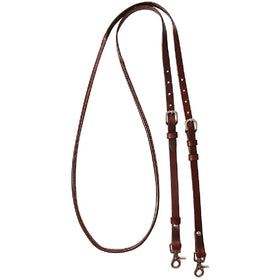
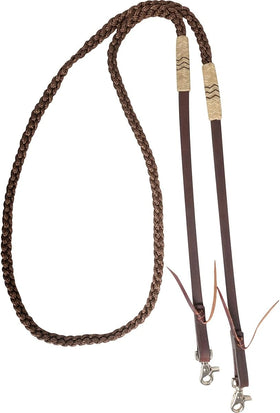
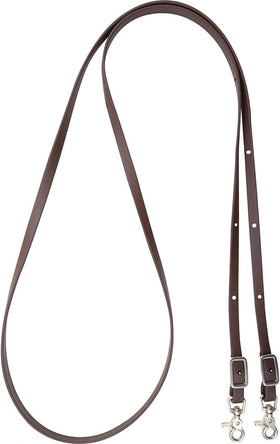
How to Use Mecate Reins with a Bosal
The mecate and the bosal are a classic pairing, working together as the core components of a traditional hackamore setup. It's best to think of them not as two separate pieces of gear, but as a single communication system for you and your horse. This bitless bridle is a favorite for starting young horses because it teaches them to respond to pressure and release without introducing a bit to their mouth too early. It’s also a fantastic option for any rider who prefers a bitless connection with their horse, whether for training purposes or simply as a personal preference.
The magic of this setup lies in its simplicity and effectiveness. The bosal is the noseband piece, and the mecate serves as both your reins and a lead rope. When you pick up on the reins, the bosal applies gentle, clear signals to the sensitive areas on your horse’s nose, jaw, and chin. This encourages your horse to yield to the pressure and follow your lead. It’s a subtle language that, once understood, can create an incredibly light and responsive partner. Unlike direct reining with a bit, the hackamore encourages the horse to balance themselves and carry their head naturally. Getting the fit and feel right is key, which is why choosing quality horse tack from the start makes all the difference in your training journey.
How to Properly Tie On Your Mecate
Attaching your mecate to the bosal isn't just a simple knot; it's a specific wrap that plays a crucial role in how the entire hackamore functions. The mecate is tied to the bosal in a special way that not only secures it but also helps adjust how the bosal fits the horse's nose. A proper wrap ensures the bosal sits correctly and communicates your cues clearly without slipping or creating uncomfortable pressure points. While it might look a little complicated at first, mastering this wrap is a fundamental step for any hackamore rider. It allows you to make small adjustments for a perfect fit, ensuring your horse stays comfortable and responsive throughout your ride.
How the Setup Communicates with Your Horse
Once tied correctly, the bosal and mecate work together to send clear signals. The bosal puts gentle pressure on specific spots on the horse's face, nose, and chin to guide the horse. When you ask for a turn, the bosal’s contact on the opposite side of the horse’s face cues them to move away from that pressure. It’s all about clear, quiet communication. The extra length of the mecate is incredibly practical. When riding, the free end is usually coiled up and attached to the saddle or tucked into the rider's belt. When the rider gets off, this free end can be used as a lead rope, making it easy to handle your horse on the ground without needing extra equipment.
How to Choose the Right Mecate Length
Picking the right mecate length can feel a little like a guessing game, but it's one of the most important choices you'll make for this style of riding. The right length ensures you have clear communication with your horse, a functional lead rope, and a comfortable feel in your hands. It’s all about finding that sweet spot between having enough rope to work with and not so much that it gets in your way. Let's break down how to find the perfect fit for you and your horse.
A Quick Guide to Standard Mecate Lengths
Most mecate reins you'll find are between 20 and 25 feet long, with 22 feet being the most popular choice by far. Think of the 22-foot length as the versatile, all-around favorite. It generally gives you a comfortable loop rein for riding and leaves you with a practical 9- to 10-foot lead rope. This standard size works well for a wide range of horses and disciplines, making it a reliable starting point if you're just getting into hackamore riding. The versatility of this setup is why so many riders choose this option when they want a rein that works well in most situations.
Matching Length to Your Needs
While the 22-foot mecate is a fantastic all-around choice, it’s not a one-size-fits-all solution. The ideal length really depends on your horse’s size and your personal preferences. A larger horse with a long neck will naturally require a longer rein loop, which means you might be better off with a 24-foot mecate to ensure you still have a usable lead rope. Conversely, if you’re riding a smaller horse or a pony, a shorter 20-foot mecate will prevent you from having to manage too much extra rope. Consider how you plan to use it; if you do a lot of groundwork, you’ll want to make sure your lead is long enough for the job. Finding the right horse tack is about tailoring your gear to create the best possible communication with your partner.
Understanding Lead Rope Length
The total length of your mecate directly determines the length of your rein loop and your lead rope. With a standard 22-foot mecate, once you’ve created your reins, you’re typically left with a lead rope that’s about nine to ten feet long. This is widely considered a very practical length. It’s long enough to give you space for groundwork, to safely lead your horse, or to tie a secure knot if you need to dismount on the trail. At the same time, it’s not so long that it becomes a cumbersome coil to manage while you’re riding. When you’re choosing your mecate, think about that final lead rope length and whether it fits the kind of work you’ll be doing with your horse.
How to Size a Mecate for Your Horse and Style
While 22 feet is a great standard, the ideal length really comes down to you and your horse. A larger horse with a thicker neck might need a longer mecate to ensure you still have a usable lead rope after tying it on. You also want to consider the diameter of the rope. Most riders prefer a 1/2-inch mecate for a balanced feel, but if you have larger hands or prefer a weightier rein, a 5/8-inch option might be more comfortable. The goal is to find a set of horse tack that feels like a natural extension of your hands, allowing for subtle and effective communication.
Finding the Right Diameter and Weight
Beyond just the length, the diameter and weight of your mecate are what really determine how it feels in your hands. Most riders find a 1/2-inch diameter rope hits that sweet spot—it’s substantial enough for clear signals but not too bulky. If you have larger hands or just prefer a more solid feel, a 5/8-inch mecate might be your perfect match. It gives you a little more to hold onto and can add a bit of weight, which some riders find helps with clear communication.
The weight of the rope is just as important. A heavier mecate offers a more grounded feel and can help your horse feel your cues more distinctly, which is great for clear feedback. On the flip side, a lighter rope can feel more nimble and allow for quicker, subtle signals. There's no right or wrong answer. The best choice is the one that feels like a natural extension of your arm. When you're looking at different horse tack, consider what feels right in your hands and what will best suit your horse's sensitivity and your riding style.
What to Look for in a Quality Mecate
Choosing the right mecate is about more than just picking a color you like. It’s a key piece of communication between you and your horse, and its quality directly affects your safety, control, and training progress. A well-made mecate feels balanced in your hands, sends clear signals, and is built to withstand the rigors of daily use. Whether you’re training a young horse or practicing natural horsemanship, the right set of reins makes all the difference.
When you’re shopping, you’ll find a lot of options out there. It can be tempting to go for the cheapest one, but a low-quality mecate can be a real liability. It might feel uncomfortable, stretch unevenly, or even break at a critical moment. Investing in a quality piece of horse tack from the start means you’re investing in better rides and a stronger partnership with your horse. Let’s walk through the specific details that separate a great mecate from a mediocre one.
What Our Quality Standard Means for You
A great mecate is versatile. It’s an essential tool in the California Vaquero tradition but is just as popular in natural horsemanship for its effectiveness in training. We believe your equipment should be as reliable and hardworking as you are. That’s why we look for mecates that offer a balanced feel, clear communication, and lasting durability. A quality mecate isn’t just a rope; it’s an extension of your hands that helps you build a responsive and trusting relationship with your horse. When you choose well, you’re setting yourself up for success in the saddle for years to come.
Construction Details You Shouldn't Ignore
When you’re holding a mecate, pay attention to the details. First, consider the diameter. The most common sizes are 1/2" and 5/8", and your choice often comes down to what feels most comfortable in your hands. A smaller diameter might be better if you have smaller hands. Next, look at the end that attaches to the bosal; it should allow for a specific, secure knot that won’t slip. The other end, the get-down rope, should have a leather popper. This small but important feature is used to signal your horse and can help you manage speed with subtle cues.
The Significance of Strand Count
When you're looking at horsehair mecates, you'll often see them described by their strand count. This detail is more than just a number; it significantly impacts the rope's feel and performance. Generally, a higher strand count results in a softer, more flexible rope that feels comfortable in your hands and is more forgiving for a young or sensitive horse. This flexibility allows for more subtle communication, helping your horse respond to the lightest of cues. While many riders appreciate this softer feel, others might prefer a lower strand count for a stiffer rope that delivers a more distinct signal. There's no single right answer—the best choice comes down to your personal preference and the kind of partnership you want to build with your horse.
Why Trusted Materials Matter
The material of your mecate has a huge impact on its feel and performance. Traditionally, they were made from twisted horsehair, which gives the reins a stiffer, more "live" feel that many experienced riders appreciate. Modern mecates are often made from high-quality marine yachting rope. This material is soft, incredibly durable, and has the major advantage of not getting slippery when it gets wet, which is a great safety feature. Your choice depends on personal preference, but either way, make sure the material is top-notch. Quality materials ensure your reins will feel good in your hands and last through countless rides.
How to Use Mecate Reins Effectively
Using mecate reins for the first time can feel a little different, but their design is brilliant for clear communication with your horse. The combination of a looped rein and a lead rope in one continuous piece offers a unique connection, whether you’re in the saddle or on the ground. It’s all about learning to handle the extra length and using subtle cues to guide your horse. With a bit of practice, you’ll find the mecate system to be incredibly intuitive and versatile for all kinds of riding.
Handling Your Reins Like a Pro
When you’re riding, the key to using a mecate is clear, independent hand movements. Instead of pulling back with both hands, signal your horse by pulling with one hand at a time. This one-sided pressure helps your horse understand the direction you want to go without creating confusion. The weight of the rein itself does much of the work, so your cues can be light and gentle. Whether you’re direct reining or neck reining, focus on small, precise movements. This approach builds a softer connection, making your horse tack work for you, not against you.
From Riding to Leading with Ease
One of the best features of a mecate is its versatility. The design gives you both reins for riding and a lead rope for groundwork in one piece, making the transition from riding to leading seamless. When you dismount, simply use the extra length of the rope, or the "get down rope," to lead your horse without fumbling with extra equipment. This system is rooted in the practical needs of working cowboys. As a family-owned business with decades of experience, we appreciate smart, traditional designs that make horsemanship more efficient. Learn more about our story on our About Us page.
More Than Just a Lead Rope
The free end of the mecate, often called the "get down rope," is what makes this system so brilliantly practical. While riding, you can coil this extra length and tie it to your saddle or tuck it into your belt, keeping it secure and out of the way. The moment you dismount, it’s ready to use as a lead rope. This seamless transition from riding to groundwork is the core of its design, eliminating the need to carry a separate halter or lead. This all-in-one functionality is why the mecate is more than just a set of reins; it's a complete horsemanship tool that allows for consistent communication. This versatility is why it remains such a popular piece of horse tack for riders of all disciplines.
Safety First: Essential Tying Tips
Safety is always the top priority when using a mecate. When you tie your horse, be mindful of the rein length. If the reins are too long, your horse could get a foot tangled. A simple way to prevent this is to shorten the reins by tying another half-hitch or two to snug it up, keeping the slack safely out of the way. Also, when leading, never wrap the lead rope around your hand; instead, fold it back and forth. Using reliable, well-made equipment from our collection of best-selling products is another great way to ensure you and your horse stay safe.
Browse our western reins and hackamore tack to find mecate reins and accessories suited to natural horsemanship and traditional riding styles.
Anatomy of a Great Mecate Rein
When you’re shopping for a mecate, it’s easy to get focused on color or material. But the small details are what truly separate a great rein from a mediocre one. A well-constructed mecate isn’t just a rope; it’s a sophisticated communication tool. Knowing what to look for in its key components will help you choose a rein that feels right in your hands and gives clear signals to your horse. From the slobber straps to the popper, every part has a purpose.
The Role of Slobber Straps, Knots, and Ends
The magic of a mecate setup lies in how its parts work together. Slobber straps, the leather pieces connecting your rein to the bosal, are more than just connectors. They add a little weight, which helps provide your horse with an immediate release of pressure the moment you soften your hand. This clear signal can make training more effective. The specific knot used to tie the mecate to the bosal is also functional, as it helps you adjust the bosal’s fit on your horse’s nose. Finally, the weighted end of the lead rope, often called a popper, serves as a useful tool you can use to cue your horse to move over.
Choosing Your Finish: Popper vs. Tassel
The end of your mecate’s lead rope isn’t just for decoration; it’s a functional part of the rein. You’ll typically find two main options here: a leather popper or a horsehair tassel. The popper is a weighted piece of leather that serves as a clear signaling tool. You can use it to gently swing the rope and cue your horse to move their hindquarters over or to add a little emphasis to a request. It’s a practical, functional finish designed for clear communication. The tassel, on the other hand, is often seen as a more traditional finish. While it also adds weight to the end of the rope, its feel is softer. Ultimately, the choice comes down to what feels right for you and your training style. The right piece of horse tack is always the one that helps you build a better partnership with your horse.
How to Inspect the Hardware and Popper
Quality is in the details, especially when it comes to leather components. Before you buy, take a close look at the popper and slobber straps. The leather should be durable and well-finished, without cracks or flimsy stitching. A good popper has enough weight to be effective as a training aid but isn't so heavy that it becomes cumbersome. It should feel substantial and balanced. These pieces take a lot of wear and tear, so investing in quality horse tack from the start means you won’t be replacing them anytime soon. High-quality components ensure your gear is not only effective but also safe and reliable for years of use.
How to Find the Perfect Feel and Grip
Ultimately, the best mecate is one that feels good in your hands. The "feel" of the rope is crucial for subtle communication with your horse. A quality mecate has a balanced weight; it shouldn’t feel too light or too heavy. The texture should offer a secure grip without being rough or uncomfortable to hold for long periods. This often comes down to the material, whether you prefer the traditional texture of horsehair or the smooth consistency of a synthetic rope. A rein that feels right to you will give you more confidence, allowing for a more relaxed and responsive connection with your horse.
Achieving Lighter Contact with a Heavier Rein
It might sound counterintuitive, but a heavier rein is often the key to achieving lighter contact with your horse. The concept is simple: the weight of the rein itself provides a clear signal. When you release the rein, the weight drops away instantly, giving your horse an immediate and obvious reward for responding correctly. This clear communication helps your horse learn to respond to the slightest touch because they understand the release is coming. A well-made mecate is designed with this principle in mind. Its balanced weight and substantial feel mean you don't have to pull to get your point across; a simple lift is often enough. The material and diameter you choose play a big role in this, as they determine the rein's overall weight and how it communicates through your hands. Finding the right piece of quality horse tack allows you to use subtle cues, creating a more responsive and willing partner.
How to Care for Your Mecate Reins
Your mecate reins are an investment in your horsemanship, and with the right care, they can last for many years of rewarding rides. Just like any other piece of quality tack, a little maintenance goes a long way in preserving their feel, function, and safety. Keeping your reins clean and storing them correctly not only extends their life but also ensures they remain comfortable in your hands and effective for communicating with your horse. Whether you ride with traditional horsehair or a modern synthetic rope, these simple habits will help you protect your gear.
How to Clean Horsehair and Synthetic Reins
Cleaning your mecate reins keeps them in top condition and feeling great in your hands. For traditional horsehair mecates, a gentle soak is the best approach. Fill a bucket with warm water and add a small amount of fabric softener, which helps keep the individual hairs from becoming brittle. Let the reins soak for a bit to loosen any dirt, then rinse them thoroughly with clean water and hang them up to air dry completely. If you have synthetic reins, you can usually just spot-clean them with a damp cloth. For a deeper clean, submerge them in lukewarm water and gently wash away any grime, avoiding harsh detergents that could damage the material.
Smart Storage and Inspection Habits
How you store your reins is just as important as how you clean them. Always make sure your mecate is completely dry before putting it away to prevent mildew and material breakdown. Store it in a cool, dry place, coiled loosely rather than folded tightly, as sharp creases can weaken the fibers over time. It’s also a great habit to give your reins a quick look-over before each ride. Check for any signs of fraying, thinning spots, or discoloration, especially where the reins connect to the slobber straps. Catching wear and tear early allows you to address it promptly, ensuring your horse tack is always safe and reliable.
Why Proper Coiling Matters
Coiling your mecate isn't just about keeping things tidy; it's a fundamental skill for safety and function. A loose, dangling lead rope is a major hazard, creating a risk for your horse to get a foot tangled, especially when tied. Proper coiling keeps this extra length managed and secure, preventing accidents before they happen. It also makes the mecate’s dual-purpose design work seamlessly. When you’re riding, a neat coil keeps the lead rope out of your way but ready for immediate use. Many riders learn to attach the coil to their saddle, ensuring a smooth transition from riding to groundwork without ever fumbling with your gear.
How to Make Your Mecate Reins Last
A few extra tips can add years to the life of your mecate. To keep horsehair reins soft and pliable, especially for a sensitive horse, try adding a few drops of mild dish soap to their warm water bath. This can help condition the fibers, making them more comfortable to handle. If your reins get muddy on the trail, resist the urge to wash them right away. It’s actually better to let the mud dry completely, then brush it off. Washing wet mud can grind abrasive particles into the fibers, causing premature wear. Brushing it off once dry is a much gentler approach that helps you trust your equipment for years to come.
Finding the Right Mecate Reins for You
Choosing the right mecate reins can feel like a big decision, but it doesn't have to be complicated. With the right information, you can find a set that feels great in your hands and helps you communicate clearly with your horse. At Hooves and Paws, we've spent over 30 years helping riders find gear that works. We handpick every item in our collection, focusing on the quality, durability, and craftsmanship that we’d want for our own animals.
We believe that great gear comes from experience. That’s why we stock products from trusted brands that are designed and tested by fellow horse people. When you’re ready to find your perfect set, you can feel confident that you’re choosing from a selection of the best horse tack available. We’re here to help you make a choice that will last for years of great rides.
Why Shop with Experts?
When you're selecting something as important as your reins, it helps to choose products designed by experienced professionals. Brands like Weaver Equine create gear that is built to be used and made to last, ensuring every piece is tested by experts before it reaches you. This commitment means you’re getting more than just a piece of equipment; you’re getting a tool crafted to enhance your control and connection with your horse. Shopping with a retailer who understands this difference ensures you’re not just buying a product, but investing in quality that has been proven in the arena and on the trail.
What Quality and Value Mean to Us
Quality is everything when it comes to mecate reins. The right material makes all the difference, like durable marine yachting rope that stays soft and balanced without slipping when wet. This ensures a smooth, reliable feel for both you and your horse. As a family-owned business, our story is built on a foundation of providing only the best for your animals. We carefully select every set of reins based on their construction, materials, and performance, so you can trust that anything you choose from our store meets the highest standards of durability and function.
Frequently Asked Questions
Can I use mecate reins with a regular bit? Yes, you absolutely can. While the classic setup pairs a mecate with a bosal hackamore, they are very versatile. You can attach them to a snaffle bit using slobber straps. The slobber straps connect to the bit rings and provide a place to tie on the mecate, protecting the rope from wear and adding a little weight for clearer communication with your horse.
Are mecate reins only for advanced riders? Not at all. Mecate reins are a fantastic tool for any rider who wants to improve their communication and feel. Because the system encourages you to use light, precise cues, it can be a great learning tool for developing softer hands. As long as you take the time to learn how to handle the single rope and its extra length, riders of all levels can benefit from this traditional style.
How do I choose between a 1/2-inch and 5/8-inch diameter rope? This choice really comes down to your personal preference for how the rein feels in your hands. A 1/2-inch diameter is the most common and works well for most people, offering a great balance of weight and feel. If you have larger hands or simply prefer a more substantial, weightier rein, you might find the 5/8-inch diameter more comfortable.
What is the purpose of slobber straps? Slobber straps are the leather pieces that connect your mecate to either a bosal or a bit. They serve two main purposes. First, they add weight to the rein, which helps your horse feel the release of pressure more quickly when you soften your hands. Second, they protect the end of your mecate from the wear and tear caused by moisture and friction, helping your reins last much longer.
My horse is very sensitive. Is a horsehair or synthetic mecate better? For a sensitive horse, the choice depends on what kind of signal they respond to best. A modern synthetic rope is smooth and offers a very consistent, gentle feel. A traditional horsehair mecate has a slightly prickly texture that provides a very distinct signal, which can mean you need to use even less pressure to get a response. Some sensitive horses prefer the clear, light signal of horsehair, while others may prefer the smoothness of a synthetic rope.


