


Sweaty palms, a sudden rain shower, and suddenly your reins feel like slippery noodles. Or maybe you finish a ride with sore hands, realizing you’ve been gripping too tightly the whole time. These common frustrations often point to one simple problem: you’re using the wrong reins. Finding a pair that offers a secure, comfortable grip is a game-changer for your confidence and your horse’s comfort. The right horse saddle reins can eliminate distractions, helping you maintain a soft, steady contact. This guide will break down the options so you can find the perfect match and solve your rein-related woes for good.
Key Takeaways
- Match your reins to your ride: Choose reins based on your specific discipline, preferred grip, and your horse's needs to ensure clear communication and comfort for both of you.
- Invest in quality and maintain it: Your safety is paramount, so select well-made reins with durable stitching and make regular cleaning and inspections a habit to prevent equipment failure.
- Ride with your seat, not your hands: Remember that reins are for subtle cues, not for balance or steering. Develop an independent seat to communicate effectively and build a better partnership with your horse.
What Are Horse Reins, and Why Do They Matter?
Think of reins as the direct line of communication between you and your horse. They are much more than just a set of straps for steering; they are a nuanced tool for connection and guidance. At their most basic, reins are the part of your horse tack that connects your hands to the bit in your horse’s mouth, allowing you to ask for turns, changes in speed, and a halt. But their role goes far deeper than these simple mechanics.
The right pair of reins can completely change the feel of your ride. They are your primary point of contact, and the way they feel in your hands directly impacts the clarity of the signals you send to your horse. A comfortable, secure grip allows you to maintain a soft, steady connection, which encourages your horse to be more responsive and relaxed. When you feel confident in your hold, you’re less likely to grip too tightly or rely on the reins for balance, which is a common mistake for many riders.
Ultimately, reins are all about fostering a better partnership. When your cues are clear and gentle, your horse learns to trust your hands. This builds a foundation for more advanced work and a more enjoyable ride, whether you’re on the trail or in the show ring. Choosing reins isn’t just about picking a color or material you like; it’s about selecting the right tool to help you and your horse understand each other better.
How Reins Work: The Connection to Your Horse
Reins are the physical link that translates your intentions into clear signals for your horse. When you pick up the reins, you’re establishing a direct line of communication that runs from your hands, down the length of the rein, to the bridle on your horse’s head. This connection is what allows you to apply gentle pressure to ask for a turn, a slowdown, or a halt. But it’s more than just a steering wheel; it’s a sensitive tool for a two-way conversation. Through the reins, you can feel your horse’s movements, tension, and responsiveness, allowing you to adjust your cues accordingly.
The effectiveness of this communication depends heavily on the entire setup. The way your reins connect to the bridle—whether through a bit or a bitless system—determines where your horse feels the pressure from your cues. Similarly, the hardware used to attach the reins can affect their feel and function. Understanding these mechanics is the first step toward refining your aids and building a more harmonious partnership. When every piece of your horse tack works together seamlessly, your signals become quieter, clearer, and more effective.
Connecting to the Bit vs. a Bitless Bridle
The most common way reins communicate with a horse is through a bit, which sits in the horse's mouth. When you apply pressure, the reins send a signal directly to the bit, which then acts on the horse's tongue and the bars of its mouth. This method allows for very precise and subtle cues. However, some horses are sensitive, have dental issues, or simply respond better to different pressure points. For them, a bitless bridle can be a fantastic alternative. With a bitless setup, the reins attach to the bridle’s noseband or side pieces, applying gentle pressure to the horse's nose, jaw, or poll instead of its mouth. Neither option is inherently better; the right choice depends entirely on your horse's comfort and your training goals.
Rein Attachment Styles: Snaps, Ties, and Slots
Beyond the bridle, the way your reins attach to the bit rings or shanks also plays a role in your ride. You’ll generally find three common styles. Snaps, like scissor or bolt snaps, are all about convenience, allowing you to change bits or reins quickly without any fuss. Leather ties, often seen in Western riding, create a secure and traditional connection that limits extra movement where the rein meets the bit. Finally, you have slot ends, such as buckle ends or hook studs, which offer a clean, streamlined look with no extra hardware. Each style provides a slightly different feel and function, so choosing one often comes down to your discipline and personal preference for your riding equipment.
Which Reins Are Right for You? A Guide to Rein Types
Choosing the right reins is a lot like finding the perfect pair of shoes. The right fit makes all the difference in your comfort, confidence, and performance. As your direct line of communication with your horse, the material, grip, and style you choose can have a big impact on your ride. Some riders love the classic feel of leather, while others need the security of a non-slip grip for jumping or want something durable and easy to clean for daily use. Understanding the differences will help you make a confident choice. Let’s walk through the most common types of reins to help you find the ideal match for your needs and riding style.
Classic Leather Reins: Why Tradition Holds Up
Leather reins are a classic choice for many riders, offering a traditional aesthetic and a comfortable grip. They are often favored for their durability and the ability to develop a natural, supple feel over time. Nothing quite compares to the feeling of well-worn leather that has molded perfectly to your hands. They are a staple in disciplines like dressage and hunters, where a polished look is key. While they require a bit of upkeep with regular cleaning and conditioning to stay soft and strong, many riders find the exceptional feel and longevity are well worth the effort. A quality pair can last for years, becoming a trusted part of your tack.
Need a Better Grip? Try Rubber or Non-Slip Reins
If you’ve ever worried about your hands slipping, rubber reins are your best friend. Rubber reins are designed to provide riders with a secure grip, even in wet conditions. These reins are particularly beneficial for riders who may struggle with hand grip, as they enhance the connection between horse and rider. They are a popular choice for eventers, jumpers, and anyone riding in the rain or dealing with sweaty palms. The textured surface gives you extra confidence and stability, ensuring your cues remain clear and consistent when you need it most. You can focus on your ride without the distraction of readjusting your grip.
Half-Rubber Reins: The Best of Both Worlds
If you love the classic look of leather but need the reliable grip of rubber, half-rubber reins are the perfect solution. They combine a traditional leather rein with a rubber lining on the inside, giving you a secure hold without sacrificing aesthetics. This design offers the best of both worlds: the durability and polished appearance of leather, paired with the confidence that your hands won’t slip, even in wet weather. A comfortable, secure grip allows you to maintain a soft, steady connection, which encourages your horse to be more responsive and relaxed. This makes them a smart and versatile piece of horse tack for a wide range of disciplines, from schooling in the arena to hitting the trails.
Webbing & Synthetic Reins: The Low-Maintenance Option
For a practical, no-fuss option, look no further than webbing and synthetic reins. These reins are known for their durability and ease of maintenance. They are often water-resistant and can be easily cleaned, making them a practical choice for everyday riding, trail riding, and lessons. Made from materials like nylon, cotton, or biothane, they are incredibly strong and often more affordable than leather. If you want a reliable pair of reins you can just wipe down and put away, exploring different horse tack options made from synthetic materials is a great place to start. They come in a variety of colors and styles, too.
Romal Reins for Traditional Western Riding
Romal reins are a specialized piece of equipment used in traditional Western riding, particularly in the vaquero tradition. They consist of two distinct parts: the reins themselves and a connected, weighted end called the romal. This design is built for one-handed neck reining, allowing you to guide your horse with subtle cues against their neck while your other hand remains free. The romal provides a bit of weight for balance and can be used as a gentle training aid. If you're aiming for that classic Western aesthetic and a refined communication style with a well-trained horse, exploring different horse tack options like romal reins is a great step. They represent a deep connection to horsemanship history and require a soft, precise hand.
Mecate Reins for Bosal and Training Use
Mecate reins are a single, long rope, often made from braided horsehair or nylon, used with a bosal hackamore. This setup is a cornerstone of training young horses, especially in the vaquero tradition, as it teaches them to respond to pressure without a bit in their mouth. The mecate is wrapped around the base of the bosal to create a loop rein and a lead rope all in one. This versatile design is perfect for groundwork and those early stages of training under saddle. It offers a flexible and effective way to communicate with your horse, helping to build a solid foundation of responsiveness and trust from the very beginning.
Loop-Handled Reins for Enhanced Grip
Also known as closed or continuous reins, loop-handled reins are a single piece of material that forms a complete loop. This simple design is incredibly practical and offers a major advantage: you can't drop one side. This makes them a fantastic choice for beginners who are still developing a feel for consistent contact, as it helps ensure a steady connection with the horse. But they aren't just for new riders. Many trail riders and endurance competitors prefer them for the security they offer over long distances. With loop reins, you can relax your grip without worrying about a rein slipping through your fingers, allowing you to focus more on your seat and your horse.
Training and Specialty Reins for Specific Goals
Sometimes, you need a specific tool for a specific job. Specialized reins, such as draw reins and side reins, are designed for particular training purposes. These reins can help in developing a horse's balance and responsiveness, making them essential tools for trainers and riders focused on particular disciplines. It’s important to remember that these are not for everyday riding and should be used correctly and sparingly, ideally under the guidance of an experienced professional. They can be effective for addressing specific training challenges but require knowledgeable hands to ensure the horse’s welfare and avoid creating new problems.
Shop This Post

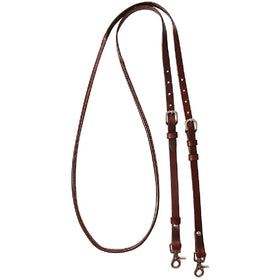
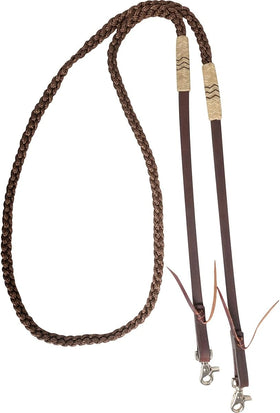
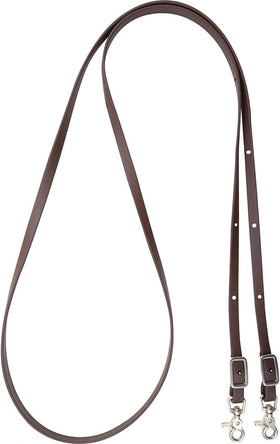
How to Choose the Right Horse Saddle Reins
Choosing the right reins is about more than just style. It’s one of the most important decisions you’ll make for your riding experience, as reins are your direct line of communication with your horse. The perfect pair feels like a natural extension of your hands, giving you the confidence and control you need while ensuring your horse is comfortable and responsive. Think of it as finding the right tool for the job. A flimsy, slippery rein won’t do you any favors on a challenging trail ride, just as a bulky, heavy rein can interfere with the subtle cues needed in dressage.
To find your ideal match, you’ll want to consider a few key factors. Your riding discipline sets the stage, determining the general type of rein you’ll need. From there, it’s about personal preference for material and grip, which can affect how secure you feel in the saddle. You also need to get the sizing just right, ensuring the length and width are appropriate for both you and your horse. Finally, your horse’s unique size and temperament play a huge role. Let’s walk through each of these points so you can make a choice that strengthens your connection and improves every ride.
Start With Your Riding Discipline
The first step in narrowing down your options is to think about how you ride. Different disciplines have different requirements for communication and control, and reins are designed to meet those specific needs. For example, English riding styles often use shorter, buckled reins like laced or rubber reins to maintain a steady, close contact with the horse’s mouth. This setup is ideal for the precise communication needed in dressage or the secure grip required for jumping.
On the other hand, Western riding typically involves a looser contact, so riders often prefer longer split reins or a single roper rein. This gives the horse more freedom of movement, which is perfect for trail riding or ranch work. By starting with your discipline, you can immediately filter out options that aren't suited for your style and focus on the horse tack designed to help you succeed.
Consider the Material and Grip You Like Best
Once you know the style you need, consider the material. Reins are most commonly made from leather, rubber, or synthetic webbing, and each offers a different feel and set of benefits. Classic leather reins are beloved for their traditional look and how they soften and mold to your hands over time, but they do require regular cleaning and conditioning.
If a secure grip is your top priority, rubber or web reins with rubber woven in are fantastic choices, especially in wet weather. They provide a non-slip surface that helps you maintain a soft, consistent connection to the bridle. Synthetic webbing reins are another popular option because they are durable, easy to clean, and often more affordable, making them a practical choice for everyday riding or for riders who want a low-maintenance solution.
Getting the Length and Width Just Right
Sizing is critical for both safety and effectiveness. Reins that are too long can easily get tangled or dropped, while reins that are too short can restrict your horse’s movement and put you in an unsafe position. The right length depends on your horse’s size and your discipline. Standard horse reins are typically 54 inches, but you can find shorter options for ponies (around 48 inches) and longer ones for large horses or specific needs (60 inches or more).
The width of the rein is mostly a matter of personal comfort. If you have smaller hands, you might find a narrower rein (like 5/8 inch) more comfortable to hold than a wider one (like 1 inch). An easy way to find your ideal size is to measure a pair of reins you already like or ask a trainer for their recommendation based on your horse.
Factor in Your Horse's Build and Personality
Finally, always think about your four-legged partner. The strength and durability of your reins should be suitable for your horse’s size and temperament. A large, powerful horse will naturally require a more substantial, durable rein than a small, quiet pony. Your confidence as a rider is directly linked to feeling secure in your equipment, and choosing the right reins is a big part of that.
If your horse has a sensitive mouth, you might opt for reins made from a softer, more flexible material that allows for a lighter touch. For a horse that tends to be a bit strong, a rein with extra grip can give you the added security you need. Looking at best-selling products can be a great way to see what trusted options other riders are using for their horses.
Browse our full range of western saddle reins and tack to find rider-approved options trusted by horse owners of every level.
What to Look for in a Quality Pair of Reins
When you’re shopping for reins, it’s easy to get caught up in the style or color. But the best reins are the ones that feel like a natural extension of your arms, providing a clear and comfortable line of communication with your horse. Investing in a quality pair is one of the smartest decisions you can make for your riding. It’s not just about longevity; it’s about safety, performance, and the subtle connection you share with your horse every time you pick up the reins.
A great pair of reins will feel balanced in your hands, offer a secure grip without being bulky, and be made from materials that can stand up to regular use. Think of them as a critical piece of your horse tack, just as important as your saddle or bridle. Paying attention to a few key details will help you find a pair that not only lasts for years but also improves your riding experience from the moment you tack up. Let’s walk through exactly what to look for.
Look for Strong, Durable Construction
The quality of your reins starts with the material. Whether you choose classic leather or a modern synthetic, the construction should be solid. High-quality materials ensure the reins won’t stretch, fray, or snap under pressure, giving you peace of mind in the saddle. When inspecting a pair, look for even, tight stitching and sturdy hardware like buckles or snaps. The best manufacturers use the finest quality leather for a great riding experience. This attention to detail is what separates a reliable pair of reins from one that will let you down when you need it most.
How Do They Feel? Prioritize Comfort and Grip
Your reins are your direct line to your horse’s mouth, so how they feel in your hands is incredibly important. They should offer a comfy and secure grip that allows you to maintain light, consistent contact without straining. Some riders love the supple feel of well-oiled leather, while others prefer the grippy texture of rubber or webbed reins. Even riders without hand problems find that the right reins can improve their connection with their horse. Think about what feels good to you, as comfort will help you communicate more effectively and ride with more confidence.
Don't Forget Safety and Performance Features
Beyond basic materials, many reins come with features designed for specific needs. You can find reins made from leather, rubber, and web materials, each offering a different level of grip and flexibility. Some styles, like laced or rubber-lined reins, provide extra security, which is especially helpful when riding in wet weather or during a sweaty schooling session. Other features, like rein stops, are crucial safety elements that prevent martingale rings from sliding too far forward and getting caught on the bit. Choosing reins with features that fit your riding style will make a big difference in both your safety and performance.
Ensuring the Perfect Fit for You and Your Horse
Proper sizing is non-negotiable for both safety and function. Reins that are too long can easily get tangled in your stirrups or your horse's legs, creating a dangerous situation. If they’re too short, they’ll restrict your horse’s movement and can pull you out of the saddle. Reins come in standard lengths to fit different animals, including pony (48 inches), cob (52 inches), standard horse (54 inches), and oversize (60 inches). Choosing the right length ensures you have enough rein to work with without excess slack, giving you better control and helping your horse move freely and comfortably.
Common Rein Mistakes (and How to Fix Them)
Even the most seasoned riders have to correct bad habits now and then. When it comes to reins, small mistakes can send mixed signals to your horse, leading to frustration for both of you. The goal is always clear and gentle communication, which builds a stronger partnership. Recognizing these common slip-ups is the first step toward a more connected and responsive ride. Let’s walk through some of the most frequent rein mistakes and, more importantly, how you can fix them for good.
The Five Rein Aids for Clear Cues
To communicate effectively, it’s helpful to understand the specific signals you can send through the reins. These signals are called “rein aids,” and they are the foundation of clear communication with your horse. Rather than just pulling back to stop and side-to-side to steer, each aid has a distinct purpose that influences your horse’s balance, bend, and direction. Mastering these five rein aids allows you to be more precise and subtle with your requests, which your horse will definitely appreciate. Using the right aid at the right time can make the difference between a clunky turn and a graceful, balanced arc.
1. The Direct Rein
This is the most straightforward rein aid and the one we learn first. To use a direct rein, you apply gentle, steady pressure by pulling the rein straight back from your horse’s mouth toward your hip. Think of it as directly guiding your horse’s nose in the direction you want to go. This cue is primarily used for steering and controlling speed. For example, a light pull on the left rein asks your horse to turn its head slightly to the left, initiating a left turn. It’s a clear, simple signal that forms the basis of most of your communication and is the first step in teaching a horse to respond to rein pressure.
2. The Indirect Rein
The indirect rein is a more advanced cue that influences your horse’s balance and body position. Instead of pulling straight back, you apply pressure on one rein across your horse’s neck toward the opposite side of their body. For instance, an indirect rein on the right would be applied toward your left hip. This action encourages your horse to shift its weight off its inside shoulder, which is incredibly useful for straightening your horse, preparing for lateral movements like a leg-yield, or refining a turn. It’s less about steering the nose and more about positioning the whole body for a more collected and balanced maneuver.
3. The Supporting (or Bearing) Rein
Often used in English riding, the supporting rein works in tandem with your other aids to maintain balance through a turn. While your inside rein asks for the bend, your outside rein (the supporting rein) lays gently against the horse’s neck. This pressure on the outside of the neck acts like a supportive wall, preventing your horse’s shoulder from bulging or swinging out. It helps your horse stay balanced and follow the intended path of a circle or corner without cutting in or drifting out, ensuring a smooth and accurate movement. This aid is key to achieving true bend and suppleness.
4. The Leading (or Opening) Rein
The leading or opening rein is an excellent tool for young or inexperienced horses because it’s such a clear and inviting signal. To use it, you simply move your hand away from the horse’s neck, opening it out to the side in the direction you want to go. This action literally leads the horse’s nose and encourages them to follow. It’s a very gentle way to ask for a turn without putting much pressure on the bit. This aid helps build a horse’s confidence and understanding before they are ready for more nuanced cues, making it a go-to for trainers working with green horses.
5. The Pulley Rein (For Emergencies)
This one is your emergency brake. The pulley rein should only be used when you need to stop a horse that is bolting or moving dangerously fast. To apply it, firmly plant one hand on your horse’s neck or withers for stability. With your other hand, shorten the rein and pull it sharply upward and back toward your shoulder in a quick, firm motion. This action creates significant leverage and pressure to bring your horse to a halt. It’s a powerful aid that should be used with caution and released the moment you regain control to avoid frightening or hurting your horse.
Are You Using Too Much Rein Pressure?
It’s a natural instinct for new riders to use the reins for balance or to steer, almost like the handlebars on a bike. However, relying too much on rein pressure can accidentally pull on your horse's sensitive mouth, causing discomfort and confusion. Over time, this can make a horse less responsive to your cues. Your reins are for subtle communication, not for pulling or holding yourself in the saddle.
The Fix: Focus on developing an independent seat. Your primary aids for steering and speed control should come from your legs, seat, and core. Think of your reins as the final tool for refinement. Practice riding with a lighter contact, aiming to guide your horse with your body first and your hands second.
Avoiding Sudden or Jerky Movements
Imagine someone trying to get your attention by suddenly grabbing your arm. It’s startling and unpleasant, right? That’s how a horse feels when we make abrupt, jerky movements with the reins. Horses are incredibly sensitive, and a sudden yank on the bit can cause pain, startle them, and break their trust in your hands. This kind of inconsistent contact creates anxiety and can lead to a horse becoming defensive or "hard-mouthed" as they learn to brace against unpredictable cues. It completely undermines the goal of creating a responsive, willing partner.
The Fix: Cultivate quiet, steady hands. Your movements should be deliberate and smooth, flowing from your elbows, not your wrists. Think about keeping a straight line from your elbow to the bit. Before you ask for a turn or a halt, prepare your body and then apply gentle, steady pressure. Having the right horse tack that feels comfortable and secure in your hands can make a world of difference in your ability to maintain this soft, consistent contact.
Fixing Your Hand Position and Grip
How you hold your reins directly impacts the conversation you’re having with your horse. A "white-knuckle" grip creates constant tension, while holding them too loosely can cause you to lose contact entirely. Another common mistake is looking down at your hands or your horse’s head. This simple act can throw off your posture, causing you to lean forward and put too much weight on your horse's front end, which can unbalance them.
The Fix: Aim for a quiet, stable hand position. Hold your reins with your thumbs up, as if you were carrying a tray. Your hands should create a straight, soft line from your elbow to the horse’s bit. Practice maintaining this position at a walk, focusing on keeping your hands steady even as your body moves with the horse.
How to Properly Hold the Reins
The Fix: The goal is to create a soft, straight line from your elbow, through your forearm and wrist, down the rein to the bit. To do this, close your fingers gently around the rein with your thumb on top, pointing toward your horse’s ears, like you’re giving a thumbs-up. The rein should enter your hand under your pinky finger and exit over your index finger. This position gives you both stability and flexibility. Keep your wrists straight and your hands a few inches apart, just above and in front of your saddle’s pommel. This creates a quiet, direct line of communication that your horse can easily understand and helps you avoid the common mistake of looking down at your hands, which can unbalance you both.
How to Adjust Rein Length Smoothly
The Fix: Adjusting your reins should be a fluid, almost invisible motion that doesn't interrupt the conversation with your horse. To shorten your reins, keep one hand steady while you slide the other hand forward along the rein. Then, gently pull the excess through with your back fingers. To lengthen them, simply move your hands slightly forward toward your horse’s mouth and allow the reins to slide smoothly through your fingers. The key is to make these adjustments without breaking the soft contact. Practice this at a standstill and then at a walk until it becomes second nature, ensuring your cues remain clear and uninterrupted when you select your horse tack for a ride.
Avoiding Common Length and Adjustment Mistakes
Finding the perfect rein length can feel like a moving target. Reins that are too long leave a loop that can easily get snagged, and you lose the ability to give a quick, clear cue. On the other hand, reins that are too short put constant, restrictive pressure on your horse’s mouth, preventing them from moving freely and stretching their neck. The right length provides a light, consistent contact without being restrictive.
The Fix: Get into the habit of checking and adjusting your rein length as needed. If your current reins feel bulky or aren't the right size, you can always find a new pair that better suits your hands and riding style. Practice smoothly shortening and lengthening your reins so the motion becomes second nature.
Understanding Why Your Horse Pulls or Drops Its Head
One of the most common frustrations is a horse that constantly pulls the reins through your hands or suddenly drops its head. It can feel like a constant battle, leaving you with sore arms and a sense of disconnect. While this can sometimes be a training issue or a sign of a horse testing its boundaries, it’s more often a signal that something is wrong. Before you get into a tug-of-war, it’s important to play detective. Your horse can’t tell you what’s bothering them in words, so they use their body language. Pulling, head tossing, or dropping their head are all ways they might be trying to communicate discomfort or pain.
Behavioral Reasons vs. Improper Saddle Fit
Before you label your horse as "difficult," it's essential to rule out physical pain, and a poorly fitting saddle is one of the most common culprits. A change in your horse's performance or behavior is often linked to saddle fit. A saddle that pinches the withers, puts uneven pressure on the back, or restricts shoulder movement is painful. To escape that discomfort, a horse will often drop its head and hollow its back. This isn't an act of defiance; it's an attempt to find relief from the constant pressure.
Your first step should always be to assess your tack. Check for even sweat patterns after a ride and ensure no part of the saddle is digging in or rubbing. While you can do a basic check yourself, getting a professional opinion is always a good idea. A certified saddle fitter has a deep understanding of equine anatomy and can identify subtle issues you might miss. Ensuring all your horse tack fits correctly is fundamental to a happy, willing partner. Once you've ruled out pain, you can then address the behavior as a training issue.
A Quick Refresher: How Reins Really Work
Many riders think of reins as just a brake and a steering wheel. This is one of the biggest misunderstandings in horsemanship. Reins are a sophisticated communication tool for shaping your horse’s body, asking for softness, and creating a connection from their hindquarters all the way to the bit. True control doesn't come from pulling but from a balanced body and clear, consistent aids.
The Fix: Shift your mindset. Before you even pick up the reins, focus on your balance and position in the saddle. As our team of experts will tell you, learning to ride without relying on the reins is the foundation of great horsemanship. Lunge line lessons can be incredibly helpful for developing an independent seat, allowing you to feel how your body influences the horse without interference from your hands.
The Best Reins for Your Riding Discipline
Choosing the right reins is about more than just style; it’s about clear communication, safety, and comfort for both you and your horse. The specific demands of your riding discipline will guide you to the perfect pair. Think of it this way: the reins are your direct line of communication, and different disciplines require different types of conversations. A dressage rider needs to whisper subtle cues, a jumper needs a secure and steady connection over fences, and a trail rider needs something comfortable and durable for long hours in the saddle.
Using reins designed for your activity makes a world of difference. The right material, width, and style can improve your grip, refine your aids, and give you more confidence. For example, using slippery leather reins for cross-country could compromise your safety, while using thick, heavy reins for dressage could muddy your signals. By matching your reins to your discipline, you’re setting yourself and your horse up for a better, more effective ride. It’s a fundamental piece of your horse tack that directly impacts your performance and partnership.
Dressage Reins for Precision and Finesse
In dressage, every movement is precise and controlled, so your reins need to act as a seamless extension of your hands. The goal is to maintain a direct, sensitive connection to your horse’s mouth, allowing you to give the most subtle of cues. That’s why many dressage reins are designed to enhance your grip without adding bulk. You’ll often find options made from soft, pliable leather, sometimes with a discreet rubber lining on the inside for extra security. Laced reins are another classic choice, offering texture that helps you keep a steady, consistent contact without having to clench your fists. This focus on feel and precision helps you communicate intricate aids for complex movements.
Jumping & Eventing Reins for a Secure Ride
When you’re heading for a jump or navigating a cross-country course, a secure grip is non-negotiable. For jumping and eventing, you need reins that offer both security and control, even when things get fast or sweaty. Riders in these disciplines often prefer reins made from rubber or leather with raised stoppers, sometimes called continental reins. These features give you a reliable hold that won’t slip through your fingers. They are typically thicker and more durable to handle the increased pressure and movement that comes with jumping. This secure connection gives you the confidence to balance and guide your horse effectively through a challenging course.
Western & Trail Reins for All-Day Comfort
Comfort and durability are the top priorities for Western and trail riding. Since you’ll likely be spending long hours in the saddle, you need reins that feel good in your hands and can stand up to the elements. Western reins, like split reins or roping reins, are often made from sturdy, high-quality leather that gets softer with use. They typically have a wider, flatter design for a more comfortable grip that reduces hand fatigue over time. This construction ensures you have a reliable piece of equipment whether you’re on a leisurely trail ride or doing ranch work, allowing for clear communication between you and your horse.
Our Favorite Brands for Quality Reins
Choosing the right brand can feel like a big decision, but it doesn’t have to be complicated. The best brands consistently deliver on quality, safety, and performance. We’ve spent years vetting different options, and we’ve narrowed down our favorites to help you find the perfect reins for your ride.
Our Favorites from the Hooves and Paws Collection
With over 30 years of experience, we’ve learned what separates good tack from great tack. We personally select every item in our store, focusing on craftsmanship, durability, and rider feedback. Our collection of horse tack features reins from brands we trust and use ourselves, so you can shop with confidence. We look for strong stitching, quality hardware, and materials that feel great in your hands and are built to last. Because we stand behind every product we sell, you can always count on our 365-day satisfaction guarantee.
The Best Brands for Classic Leather Reins
For riders who appreciate the classic feel and timeless look of leather, some brands just get it right. Dover Saddlery is a fantastic example, offering a wide range of horse reins crafted from high-quality leather. You can find everything from laced and draw reins to curb reins, all designed for English disciplines. Their products are known for providing a secure, comfortable grip and the durability that traditional riders expect. A well-made pair of leather reins from a trusted brand will break in beautifully and can last for years with proper care.
Go-To Brands for Synthetic and Performance Reins
If you prioritize a secure grip in all weather conditions or prefer low-maintenance gear, synthetic reins are an excellent choice. Brands like Bridles & Reins specialize in high-performance English riding tack for disciplines like Dressage and Show Jumping. Their synthetic options are designed to enhance your connection with your horse while offering superior comfort and security. These reins are particularly helpful for riders who struggle with arthritis or have smaller hands, as they often provide a more consistent and less strenuous grip than traditional leather.
How to Properly Care for Your Reins
Once you’ve found the perfect pair of reins, you’ll want to make them last. Proper care isn’t just about keeping your tack looking good; it’s a crucial part of your safety and your horse’s comfort. Well-maintained reins provide a reliable, consistent connection, while neglected ones can become stiff, slippery, or even break under pressure. Think of it as an essential part of your riding routine, just like grooming your horse or cleaning your boots.
Taking a few minutes after each ride to clean and store your reins correctly will extend their life significantly, saving you money in the long run. It also gives you a chance to inspect them for any signs of wear and tear, so you can catch potential problems before they become dangerous. A little bit of effort goes a long way in preserving the quality and function of this vital piece of equipment.
How to Clean Your Reins (The Right Way)
The best way to clean your reins depends entirely on what they’re made of. For traditional leather reins, start by wiping off any dirt and sweat with a damp cloth. Follow up with a quality saddle soap or leather cleaner, working it in gently. Finish with a leather conditioner to keep the material supple and prevent cracking.
If you use synthetic or rubber-grip reins, the process is much simpler. You can often just use a damp cloth to wipe them down. For non-slip reins, a quick wipe with a baby wipe before you ride can help remove dust and keep the surface grippy. Always check the manufacturer’s instructions, as some materials may have specific cleaning requirements.
Proper Storage to Make Your Reins Last
How you store your reins is just as important as how you clean them. Avoid tossing them in a heap on the floor or stuffing them into a crowded tack box. The best method is to hang them neatly on a bridle rack or hook. This prevents tangles, kinks, and unwanted creases that can weaken the material over time.
It’s also smart to keep them away from direct sunlight and extreme temperatures, which can dry out leather and degrade synthetics. Be mindful of chemicals in the barn, too. Some fly sprays and coat shines can make the edges of your reins stiff and brittle. If you use these products, it’s a good idea to rinse your hands before handling your reins to avoid transferring any residue.
When Should You Replace Your Reins?
Even with the best care, all reins eventually wear out. Regularly inspect yours for signs that it’s time for a replacement. Look for cracking or thinning leather, frayed stitching, or rubber grips that have become smooth and lost their texture. If your reins feel overly stretched or brittle, their integrity is likely compromised.
Don’t wait for a rein to snap during a ride. Worn-out equipment can affect your performance and communication with your horse. Many riders find that a new pair of reins can greatly improve their connection and confidence. If you spot any red flags, it’s safest to retire your old pair and invest in a new one from a trusted horse tack supplier.
Finding Quality Reins That Fit Your Budget
Investing in the right gear for your horse is always a top priority, but that doesn't mean you have to empty your wallet. Finding high-quality reins that feel great in your hands and provide clear communication with your horse is possible on any budget. It’s all about knowing what to look for and where to find the best value. Whether you're just starting out or looking to upgrade your current setup, a little smart shopping can go a long way. Let's break down what you can expect to pay and how to get the most for your money.
How Much Do Good Reins Cost?
When you start shopping for reins, you'll notice a pretty wide price range. Generally, you can find a solid, reliable pair for anywhere between $20 and $70. This price point includes many excellent options made from durable materials that are perfect for daily riding and training. Of course, if you're looking for premium leather, intricate detailing, or reins from a high-end specialty brand, prices can climb higher, sometimes over $300. The key is to remember that a higher price doesn't always equal a better fit for you. Focus on finding reins that match your riding style and feel comfortable, rather than just the price tag.
Tips for Finding the Best Value
Getting the best value is about more than just finding the lowest price; it's about making a smart investment. A great way to start is by keeping an eye out for seasonal sales and promotions. Subscribing to newsletters from your favorite tack shops can also give you a heads-up on special offers. Another tip is to focus on trusted brands known for their quality craftsmanship. A well-made pair of reins will last longer and perform better, saving you money on replacements down the road. At Hooves and Paws, we handpick our entire collection of horse tack to ensure you get durable, reliable products at an honest price.
Related Articles
- Roping Reins 101: Choose the Perfect Pair
- The Ultimate Guide to Choosing Roping Reins
- The Ultimate Guide to Roping Reins for Riders
Frequently Asked Questions
How do I figure out the right rein length for my horse? The most common rein length for a standard horse is 54 inches, but the perfect fit really depends on your horse's build and your riding style. A horse with a long neck will naturally need a longer rein than a compact pony. The best way to find your ideal size is to measure a pair of reins that you already feel comfortable with. If you're unsure, ask your trainer for a recommendation; they can assess your horse and your riding position to suggest the perfect length.
My hands always slip, especially in the summer. What type of reins should I try? This is such a common issue, and the right reins can make a huge difference. I would definitely suggest looking at rubber reins or web reins that have rubber woven into them. Both styles are designed specifically to give you a secure, non-slip grip, even if your hands get sweaty or you're riding in the rain. They provide extra confidence and help you maintain a soft, steady contact without having to grip too tightly.
Can I use one pair of reins for both trail riding and arena work? While you certainly can, it might not be the best setup for you or your horse. The needs of each activity are quite different. For long trail rides, you might prioritize a comfortable, durable material that feels good in your hands for hours. For precise arena work like dressage, you'll want a rein that allows for very subtle communication and a steady feel. Using reins designed for each specific discipline will ultimately make your ride safer and more effective.
How often do I really need to clean my leather reins? For the best results and longevity, it's a good habit to give your leather reins a quick wipe with a damp cloth after every ride to remove sweat and dirt. This prevents buildup that can damage the leather over time. I recommend doing a more thorough cleaning with saddle soap and applying a conditioner about once a week, or more often if you ride in harsh weather. Consistent care keeps them soft, strong, and safe.
What's the most important thing to remember when using reins? The most important thing is to think of your reins as a tool for communication, not for pulling or balancing. True control comes from your seat, legs, and core. Your hands should be the final piece of the conversation, offering soft, clear guidance. Aim to keep a light, steady contact and focus on steering with your whole body, not just by pulling on your horse's mouth. This builds trust and creates a much more responsive partner.


