


Unlock Your Pony's Potential: Why the Right Bit Makes All the Difference
We all want that effortless connection with our ponies, right? But head tossing, bit resistance, and general discomfort can turn that dream into a daily frustration. If this sounds familiar, I see you. And you're not alone. Often, the problem isn't the training—it's the tack. A standard bit can be the root cause of these issues. A specialized design, like the MB33WL pony bit, is built specifically for a pony's unique mouth, offering a real solution for comfort and clear communication.
Why Is My Pony Fighting the Bit?
Ponies, like all equines, communicate their discomfort in various ways. When a bit isn't right, you might notice signs such as:
- Head Tossing and Shaking: A common indicator of pressure or pain, particularly on the tongue or bars of the mouth.
- Opening the Mouth and Gaping: An attempt to evade the bit's pressure.
- Refusing Contact or Being "Behind the Bit": The pony tries to escape the discomfort by backing off the contact or becoming unresponsive.
- Sticking Out the Tongue: Another clear sign of tongue discomfort or nerve irritation.
Many traditional bits, especially those with a narrow or high port, exert significant pressure on the pony's sensitive tongue. The tongue is a powerful muscle, but also highly innervated. Constant or excessive pressure can lead to soreness, numbness, or even a feeling of being trapped, causing the pony to fight against the bit rather than accepting it. Understanding these signals is the first step toward finding a solution that promotes comfort and cooperation.
## Understanding How Horse Bits Work The bit is one of the most important tools for communicating with your horse. It’s not about force; it’s about creating a clear, gentle line of conversation through the reins. When you understand how a bit functions, you can make a more informed choice that suits your pony’s mouth anatomy and your riding style. A well-fitting bit that applies pressure in a way your pony understands can transform a resistant ride into a responsive and willing partnership. It all comes down to two key factors: the type of pressure the bit applies and the design of the mouthpiece itself. Let's look at the fundamentals so you can find the perfect piece of horse tack for your four-legged friend. ### The Two Main Families: Snaffle vs. Curb Bits When you start shopping for bits, you’ll notice they generally fall into two main categories: snaffle bits and curb bits. The primary difference between them is leverage. A snaffle bit applies direct pressure; when you pull on the reins, the pressure is felt directly on the bars, lips, and tongue inside the horse's mouth. They are often considered a gentler option, making them a popular choice for training young horses and for many English disciplines. However, the specific mouthpiece design can greatly influence its severity. On the other hand, a curb bit uses leverage. These bits have shanks—the long cheekpieces that extend below the mouthpiece. When you engage the reins, the shanks create a lever action that applies pressure not only inside the mouth but also on the poll (the top of the head) and under the chin via a curb strap or chain. This design allows for more nuanced cues with smaller hand movements, which is why they are common in Western riding and for more advanced horses. Understanding this basic distinction is the first step in choosing the best horse bit for your pony. ### How Bits Communicate Through Pressure A bit works by applying pressure to specific points on the horse's head to ask for a response, like slowing down or turning. According to researchers at Iowa State University, there are seven key areas where a bit can apply pressure: the tongue, lips, bars of the mouth (the toothless space in their jaw), roof of the mouth, nose, chin groove, and poll. No single bit uses all these points at once. Instead, its design determines where the pressure is concentrated. For example, a simple snaffle primarily works on the tongue, lips, and bars. A curb bit adds pressure to the poll and chin groove. The goal is to use the lightest pressure needed to get a clear response, making the conversation as comfortable as possible for your pony. ### Common Mouthpiece Materials and Designs Beyond the basic snaffle and curb categories, the mouthpiece is where things get really specific. The shape, thickness, material, and number of joints all change how the bit feels and functions inside your pony's mouth. Think of the mouthpiece as the part of the bit that does most of the "talking." A thicker mouthpiece is generally milder because it distributes pressure over a larger area, while a thinner one concentrates it. The material can affect how your pony accepts the bit, and the joints determine how it conforms to their tongue and bars. Each element plays a crucial role in your pony's comfort and your ability to communicate effectively. #### Joints and Links The number of joints in a mouthpiece dramatically changes how it works. A single-jointed bit, a very common design, has one break in the middle. When the reins are pulled, it creates a "nutcracker" effect, putting pressure on the tongue and the bars of the mouth. For some ponies, this can be uncomfortable. A double-jointed bit, like a French link or a Dr. Bristol, has two joints that allow the mouthpiece to lie more comfortably across the tongue without the pronounced V-shape. Then there are mullen mouth bits, which have no joint at all. These solid, often curved bars provide even pressure across the tongue and bars, making them a gentle option for ponies with sensitive mouths. #### Materials: From Stainless Steel to Sweet Iron The material a bit is made from can influence how readily your pony accepts it. Stainless steel is the most common material because it’s durable, easy to clean, and has a neutral taste. However, some materials are chosen specifically for their taste and thermal properties. Metals like copper and sweet iron are popular because they encourage salivation, which helps keep the pony's mouth soft and responsive. Copper warms up quickly in the mouth, while sweet iron has a sweet taste that many horses enjoy. You can also find bits made from or wrapped in rubber or other synthetics, which offer a softer, more flexible alternative for ponies who are sensitive to metal.Shop This Post

Featured in this article
AV Bob Avila Double Ring Snaffle Horse Bit - Sweet Iron Mouthpiece, 3" Rings - Multiple Sizes
$165.00
Shop Now →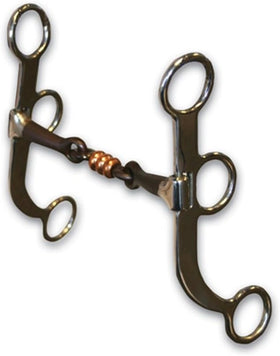
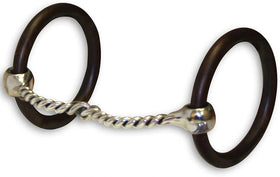

How Clear Communication Can End the Fight
When a pony is uncomfortable, true communication breaks down. Your subtle rein aids, which are meant to guide and inform, instead become sources of irritation or pain. This isn't just about discomfort; it directly impacts training and progress. A pony constantly trying to escape an ill-fitting bit cannot focus on learning new maneuvers or maintaining a steady gait. This leads to:
- Frustration for Both Rider and Pony: A cycle of resistance and correction can erode trust and enjoyment.
- Inconsistent Performance: Even well-schooled ponies can become unpredictable or unresponsive.
- Stalled Training: Difficulties in advancing to higher levels of training or perfecting basic movements.
Imagine trying to have a conversation while someone is pinching your tongue. It's difficult, if not impossible, to respond clearly and calmly. The same principle applies to your pony. A bit that allows for comfort and natural tongue movement facilitates a much clearer line of communication, fostering a more willing and responsive partner.
What Does a Soft, Relaxed Mouth Look Like?
A soft, relaxed, and moist mouth is often considered the hallmark of a well-bitted and happy equine. Salivation is a natural response that helps lubricate the mouth, keep the bit comfortable, and signal relaxation. Conversely, a tense, dry mouth is a red flag. When a pony is uncomfortable with its bit, it tends to clench its jaw and may not salivate properly. This creates a harsh, unyielding contact that further exacerbates resistance and discomfort.
Encouraging salivation helps the pony soften its jaw, relax through the poll, and chew contentedly on the bit. This not only improves their physical comfort but also contributes to their mental well-being and willingness to work with the rider. A bit designed to promote this natural process is invaluable for any pony.
Why a Pony-Sized Bit Makes All the Difference
It's a common misconception that a small bit is simply a pony bit. However, the unique anatomy of a pony's mouth requires more than just reduced sizing. Ponies often have shorter bars and a smaller mouth cavity relative to their tongue size. Bits designed for horses and merely scaled down can still be too bulky, creating pressure points or not offering adequate tongue relief specifically where a pony needs it most.
A truly pony-specific design considers these nuances, ensuring the mouthpiece sits comfortably and functions effectively without impinging on sensitive areas. This specialized approach guarantees a fit that maximizes comfort and minimizes resistance, leading to a happier, more responsive pony and a more enjoyable riding experience for you. Investing in a bit crafted with ponies in mind is an investment in their well-being and your partnership.
How to Choose the Right Bit for Your Pony
Finding the right bit can feel overwhelming with so many options on the market. The key is to remember that a bit is a tool for communication, not control. Your goal is to find a piece of equipment that allows you to speak to your pony clearly and quietly, and that your pony finds comfortable enough to listen. The perfect bit depends on several things: your pony’s mouth shape and sensitivity, their level of training, the discipline you ride, and your own skill as a rider. Thinking through these elements will help you narrow down the choices and select a bit that fosters a better partnership.
Key Factors to Consider
Before you start shopping, take a moment to assess your unique situation. A bit that works wonders for a friend’s pony might not be the right fit for yours. Consider your pony’s mouth anatomy—do they have a thick tongue or a low palate? Also, think about their training and temperament. A young, green pony needs something simple and straightforward, while a more educated pony in a specific discipline might require a more refined tool. Your own riding style and the softness of your hands play a huge role, too. The bit is just one part of the entire tack equation, and finding the right one is a crucial step in ensuring your pony is comfortable and happy in their work. At Hooves and Paws, we've seen firsthand how the right piece of horse tack can transform a ride.
Sizing a Bit for Your Pony
Proper sizing is non-negotiable for your pony's comfort and the bit's effectiveness. A bit that’s too small will pinch the corners of the mouth, while one that’s too large will slide back and forth, creating confusing signals and uneven pressure. To find the right size, you can use a bit sizer or a simple string method. Place the string in your pony's mouth where the bit would sit, mark the edges of the lips, and then measure the string. As a general rule, most ponies wear a 4.5-inch bit, but you should always measure your specific pony to be sure. When the bit is in place, you should see one or two soft wrinkles at the corner of the mouth and have about one-eighth to one-quarter of an inch of space on either side.
Starting with the Gentlest Option
When in doubt, always start with the mildest bit possible. The goal is to use the lightest pressure needed to communicate effectively. For most ponies and riders, this means beginning with a simple snaffle bit, like a D-ring or a loose ring with a smooth, single-jointed mouthpiece. These bits work through direct pressure, meaning the pressure you apply to the reins is what the pony feels. This straightforward action is easy for a pony to understand. According to equine experts at Iowa State University, it's best to use the gentlest bit that allows for clear communication. Starting simple ensures you aren't over-bitting your pony or creating problems that a stronger bit can't solve.
Options for a Stronger Pony
Sometimes, a simple snaffle isn't the best communication tool for every pony, especially those that are particularly strong or have a unique mouth conformation. If your pony is leaning on the bit or seems to ignore your aids, it might not be a matter of disobedience but of discomfort. Some ponies have large tongues and find constant pressure from a single-jointed snaffle irritating. In these cases, a bit that offers more tongue relief, such as a double-jointed bit or one with a low, wide port, can actually be a kinder option. These designs distribute pressure differently, allowing for clearer signals without a constant fight. It’s about finding a clearer language, not just applying more force.
The Importance of Your Riding Skills
A bit is only as kind as the hands on the other end of the reins. Your ability to maintain a soft, steady, and independent contact is the single most important factor in how any bit functions. A rider with educated, forgiving hands can communicate subtly with a more complex bit, while a rider with unsteady or harsh hands can turn even the gentlest snaffle into an instrument of discomfort. It’s often said that it's better to have a slightly stronger bit in soft hands than a mild bit in rough hands that are constantly pulling. Be honest about your own skill level. Working with a qualified instructor can help you develop a better feel and ensure your hands are helping, not hindering, the conversation with your pony.
Gentle Tongue Relief: Meet the MB33WL Pony Bit
At Hooves & Paws, we believe every pony deserves to be comfortable and understood. That's why we proudly offer the Bucas Myler Wide Low Ported Dee MB33WL Pony Bit, a meticulously designed solution engineered to address the very challenges we've discussed. This isn't just another bit; it's a tool for enhancing communication, comfort, and performance.
Here's how this exceptional bit tackles common pony bit problems:
- Gentle Tongue Relief: The Myler MB 33WL mouthpiece features a wide barrel and a low port. This innovative design significantly reduces direct tongue pressure, allowing the pony more room and comfort. It's specifically crafted to prevent the feeling of being trapped or squeezed, directly counteracting head tossing and mouth opening due to discomfort.
- Promotes Salivation and Softness: Crafted with high-quality stainless steel and a thoughtful copper inlay, this bit encourages salivation. As the pony salivates, its mouth becomes softer and more relaxed, enhancing acceptance of the bit and promoting a more consistent, willing contact.
- Pony-Specific Fit: With 3" stainless steel dees, this bit is precisely sized for ponies. It ensures a comfortable and secure fit without being too wide or too bulky, respecting the unique dimensions of a pony's mouth.
- Level 3 Bit for Refined Communication: Ideal for ponies that are solid in their training but require more nuanced communication and specific tongue relief. It allows for advanced schooling without creating new points of discomfort, helping to improve responsiveness and reduce resistance for the more experienced pony.
- Durable and User-Friendly: Built to last, the stainless steel construction ensures durability. The regular dees without hooks provide a simple, traditional, and easy-to-use design.
The Bucas Myler Wide Low Ported Dee MB33WL Pony Bit is more than just a piece of tack; it's an investment in your pony's comfort and your partnership. It provides the gentle tongue relief and clear communication needed for a harmonious riding experience. [View Bucas Myler Wide Low Ported Dee MB33WL Pony Bit - Gentle Tongue Relief] to learn more and give your pony the gift of comfort.
Maximum Tongue Relief for Comfort
The core of the MB33WL's design is its commitment to your pony's comfort. It features a wide barrel with a low port, an innovative combination that creates generous space for the tongue. This design significantly reduces direct pressure, preventing that feeling of being trapped or squeezed that often leads to resistance behaviors like head tossing or gaping. By giving the tongue room to function naturally, the bit encourages the pony to relax its jaw and accept contact willingly, transforming a tense ride into a cooperative partnership. It’s a thoughtful approach that addresses the root cause of discomfort, rather than just managing the symptoms.
Key Features of the MB33WL
Beyond its exceptional tongue relief, the MB33WL is packed with features designed for clear communication and lasting quality. The mouthpiece is crafted from polished stainless steel for durability and features a copper inlay. This small but crucial detail encourages salivation, which helps keep your pony's mouth soft and responsive. A moist mouth is a comfortable mouth, and this feature promotes the relaxation needed for your pony to truly listen to your aids. The bit’s design elements work together to create a tool that is not only effective but also prioritizes your pony's well-being, making it a standout piece in any rider's tack collection.
Independent Side Movement for Clearer Cues
One of the most significant advantages of this Myler bit is its Independent Side Movement. This means that when you apply pressure to one rein, only that side of the bit engages. This allows you to give incredibly clear and specific cues, like asking for a bend or to lift a shoulder, without confusing your pony with pressure across its entire mouth. This precision helps refine your communication, making your aids easier for your pony to understand and respond to correctly.
The D-Ring Advantage
The "Dee" shape of the bit's cheekpieces offers both stability and safety. The flat side of the D-ring rests gently against the pony's cheek, which helps prevent the bit from sliding through its mouth during turns or lateral movements. This design provides a clear, stable signal and eliminates the risk of pinching at the corners of the mouth, ensuring your rein aids are both effective and kind. It’s a classic, reliable design that offers peace of mind for any rider.
Is the MB33WL Dressage Legal?
For those of you in the dressage world, this is a big question. The Myler MB 33WL mouthpiece holds a special distinction: it is the only 'Level 3' Myler mouthpiece that is legal for USEF dressage competitions. This makes it an excellent choice for riders looking to provide their pony with maximum tongue relief while still adhering to competition rules. As always, regulations can change, so we recommend you check the current USEF rulebook before heading to a show to be certain.
Suitable for English and Western Riders
While it's a favorite in the dressage and English arenas, the functional design of the MB33WL makes it a versatile tool for a wide range of disciplines. Its focus on clear communication and comfort is beneficial for any pony, whether you're schooling in a ring, navigating a trail, or working on patterns. This bit is suitable for both English and Western riding, making it a valuable addition for any equestrian who prioritizes a soft, responsive, and happy partner, no matter their preferred riding style.
Alternative Myler Mouthpieces to Consider
We know that every pony is an individual, and the MB33WL might not be the perfect match for everyone. If you find your pony needs even more tongue relief, you might explore the Myler MB 33 mouthpiece. On the other hand, if you're looking for a similar level of relief but want to maintain a small amount of tongue pressure, the MB 36 is another fantastic option that is also USEF dressage legal. Finding the right bit is a process, and our team at Hooves and Paws is always here to help you explore the best options for your unique partner.
A Note on Product Safety Warnings
Transparency is important to us, so we want to address the product safety warning you may see associated with this bit. Like many products sold in the United States, this item carries a warning regarding Cancer and Reproductive Harm, as required by California's Proposition 65. This law requires warnings on products that may contain certain chemicals, even in trace amounts. For more detailed information about this regulation, you can visit the official state website at www.P65Warnings.ca.gov.
The Result: A Happier Pony and a Stronger Bond
Choosing the right bit can dramatically transform your riding experience and deepen the bond with your pony. By addressing the fundamental need for comfort and clear communication, the Bucas Myler Wide Low Ported Dee MB33WL Pony Bit empowers your pony to perform at its best, free from discomfort and distraction. Imagine rides where your pony is soft, responsive, and truly engaged, eagerly accepting your aids and moving forward with confidence.
Don't let bit-related issues hold back your pony's potential or diminish your enjoyment of riding. Invest in a bit designed with their unique needs in mind. Experience the difference a well-designed, comfortable bit can make, promoting a relaxed mouth, improved responsiveness, and a joyful partnership. Ready to see the positive change? Explore the Bucas Myler Wide Low Ported Dee MB33WL Pony Bit today and take the first step towards a more harmonious future with your beloved pony. [View Bucas Myler Wide Low Ported Dee MB33WL Pony Bit - Gentle Tongue Relief]
Frequently Asked Questions
My pony is really strong and leans on his simple snaffle. Wouldn't a bit with a port be harsher? That’s a common concern, but it’s often a misunderstanding of why a pony leans. Many ponies pull against a simple snaffle because they're trying to escape constant, uncomfortable pressure on their tongue. A bit like the Myler MB33WL, with its wide, low port, is actually designed to be kinder by giving the tongue space and relief. When the discomfort is gone, the pony no longer feels the need to lean, resulting in a much lighter and more responsive feel in your hands.
How can I be sure I'm getting the right size bit for my pony? Proper sizing is everything for comfort and clear signals. A bit shouldn't pinch the corners of your pony's mouth, nor should it slide around. The easiest way to measure at home is to place a piece of string in your pony's mouth where the bit sits, mark where the lips end, and then measure the string. As a guideline, you want about one-eighth to one-quarter of an inch of the mouthpiece visible on either side of their lips when it's sitting comfortably.
Is this bit only for advanced riders or specific disciplines like dressage? Not at all. While the MB33WL is popular in the dressage world because it's competition legal, its benefits are universal. The core principles of providing tongue relief and enabling clear, independent side-to-side cues are valuable for any rider, whether you're schooling in an arena, jumping a course, or enjoying a trail ride. A comfortable pony is a better partner in any discipline.
My pony has a very thick tongue and a small mouth. Will this bit actually fit and provide relief? This is exactly the kind of pony this bit was designed for. Standard bits, even in small sizes, often don't account for the fact that many ponies have large tongues relative to the rest of their mouth. The MB33WL's wide barrel and low port are specifically engineered to create space for the tongue to rest comfortably, which can make a world of difference for a pony with that conformation.
What's the first step I should take if I think my pony's bit is the problem? Before you buy anything new, take some time to observe. Watch for the specific signs of discomfort your pony is showing, like tossing their head, gaping their mouth, or sticking their tongue out. Then, carefully check the fit of your current bit for proper size and placement. Understanding exactly what the issue is will help you make a much more informed decision when choosing a new bit that can truly solve the problem.
Key Takeaways
- Listen to Your Pony's Resistance: Head tossing and mouth gaping aren't signs of a "bad" pony—they're signals of discomfort. Instead of just correcting the behavior, investigate the bit as the potential source of the problem to find a real solution.
- Choose a Bit Made for a Pony's Mouth: Don't just size down a horse bit. Ponies have unique mouth anatomy, like larger tongues in smaller spaces, that requires a specifically designed bit to ensure a comfortable fit and prevent unnecessary pressure.
- Focus on Tongue Relief for Better Communication: A bit that constantly presses on the tongue is a primary source of tension. Look for designs with a low, wide port that give the tongue space, encouraging your pony to relax its jaw and become more receptive to your cues.


