


We ask our horses to be athletes, whether they are navigating a technical jump course or carrying us confidently down a trail. Just like any human athlete, their bodies need proper support and recovery care. You wouldn't see a professional runner finish a race without stretching or icing sore muscles, and our equine partners deserve the same attention. Horse medicine boots are the tools that make this level of care possible. From cold therapy boots that reduce inflammation to supportive wraps that aid healing, these items are crucial. Learning how to use horse medicine boots correctly is a fundamental part of responsible ownership, helping to prevent injuries and ensure your horse enjoys a long, comfortable career. This guide will show you how to integrate these essential horse boots and leg protection into your routine.
Key Takeaways
- Choose with a purpose: Medicine boots are specialized tools for therapy and recovery. Identify your horse's specific need first, like reducing post-workout inflammation or supporting a healing tendon, to select the correct type of boot.
- A perfect fit is essential: An improperly fitted boot can cause rubbing, restrict circulation, or fail to provide support. Always measure your horse's leg, follow the manufacturer's sizing guide, and use the one-finger rule to check that the boot is snug without being too tight.
- Proper care protects your horse: Your booting routine should include cleaning after every use, inspecting for damage, and checking your horse's skin for irritation. Always follow your vet's advice on usage duration to prevent overheating and ensure the boot is helping, not hurting.
What Are Horse Medicine Boots?
When you hear "medicine boots," you might picture a first-aid kit for your horse's legs, and you wouldn't be far off. This term covers a range of boots designed for therapeutic purposes rather than just for protection during a ride. Think of them as tools for support, recovery, and healing. While regular boots act like armor during exercise, medicine boots are what you reach for before or after work, or when your horse is recovering from an injury. They play a key part in managing your horse's overall health and first aid needs, specifically when it comes to soundness and comfort.
From supporting delicate ligaments to cooling down tired legs after a strenuous workout, different types of medicine boots serve specific functions. Understanding what each one does will help you choose the right tool for the job and provide the best care for your equine partner. Let's break down the most common types you'll encounter.
Sports Medicine Boots
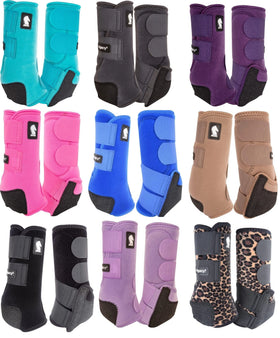
Sports Medicine Boots, or SMBs, are all about providing support and protection to the lower leg. They are specifically designed to safeguard the delicate structures around the fetlock joint. Most feature a distinctive strap that cradles the fetlock to help support the suspensory ligament, which is a common area for strain injuries. Typically made from a shock-absorbing material like neoprene, they fend off bumps and scrapes while offering a bit of stretch for a snug fit. They are a popular choice for training, especially in high-impact disciplines, and are a staple in any collection of horse boots and leg protection.
Ice and Cold Water Boots
Think of these as the equine equivalent of an athlete's post-game ice pack. Ice and cold water boots are designed to cool legs quickly after intense exercise. This rapid cooling helps reduce inflammation and swelling in the tendons and ligaments, which can prevent soreness and ward off potential injuries. Some boots contain freezable gel packs that contour to the leg, while others are made of a special fabric that you soak in cold water. They are an essential tool for any performance horse, helping to keep their legs tight and sound after hard work.
Magnetic Therapy Boots
Magnetic therapy boots are a go-to for recovery and managing chronic issues. These boots are embedded with magnets strategically placed over key areas of the leg. The idea is that the magnetic fields help increase blood flow to the area. Improved circulation can speed up the healing process for injuries, reduce inflammation, and ease stiffness associated with arthritis or old strains. Many horse owners use them in the stall before a ride to loosen up stiff joints or after exercise to aid in recovery.
How Are They Different from Regular Horse Boots?
It's easy to get all the boot types mixed up, but the main difference comes down to purpose. Regular horse boots, like brushing boots or open front boots, are designed for impact protection during specific activities like jumping, trail riding, or flatwork. Their job is to shield the leg from strikes, scrapes, and interference. In contrast, medicine boots are primarily for therapy and support. They play a crucial role in a horse's healing process, whether you're managing an injury, aiding recovery, or providing extra support, rather than just providing protection during a workout.
When to Use Horse Medicine Boots
Knowing when to use a medicine boot is just as important as knowing how to put one on. These boots aren't just for emergencies; they play a vital role in proactive care, from preventing injuries during training to speeding up recovery after a long ride. Think of them as a key part of your horse's support team. Using them correctly at the right times can help keep your horse comfortable, sound, and ready for your next adventure together. Whether you're dealing with an injury, finishing a workout, or just turning your horse out to pasture, there's a boot for the job.
For Injury Recovery and Rehabilitation
If your horse is recovering from a leg injury, medicine boots are essential. They provide gentle compression and stable support to delicate structures like tendons and ligaments as they heal. For issues like strains, splints, or recovery from surgery, a boot can protect the area from further impact and help manage swelling. Of course, this is a time to work very closely with your veterinarian. They can guide you on which type of boot is best for your horse's specific condition and create a complete rehabilitation plan. These boots are a crucial part of your horse health and first aid toolkit, helping your partner get back on their feet safely.
For Post-Exercise Care
After a strenuous workout, a long trail ride, or a competition, your horse's legs have worked hard. Just like a human athlete might use an ice pack, your horse can benefit from cold therapy to reduce inflammation. Many therapy boots are designed for this exact purpose, with special pockets for gel packs or the ability to be soaked in cold water. Using these boots after exercise can help reduce swelling, soothe tired legs, and promote faster recovery. It’s a simple, non-invasive way to support your horse's comfort and long-term soundness, ensuring they feel their best for the next ride.
As a Preventative Measure
The best way to handle an injury is to prevent it from happening in the first place. Medicine boots are excellent for protecting your horse's legs from bumps, scrapes, and interference, which happens when a horse accidentally hits one leg with another. This is especially important during activities like lunging, training for a new discipline, or hauling. Using a good pair of horse boots and leg protection provides a critical shield against accidental knocks that could otherwise lead to soreness or injury. It’s a smart, proactive step that gives you peace of mind while your horse is working.
During Turnout and Stall Rest
Your horse’s legs can be vulnerable even when they aren't working. During turnout, a playful buck or quick turn can cause a horse to overreach, striking the sensitive heel bulb of a front foot with a hind hoof. Similarly, a horse on stall rest might get restless and knock their legs against the walls. Protective boots, especially bell boots, are perfect for these situations. They offer a layer of defense during low-intensity, unsupervised time. This simple precaution can prevent the nicks and scrapes that can happen when you’re not around, keeping your horse safe and sound in their environment.
Shop This Post

Featured in this article
Shires Arma Overreach Bell Boots - 6mm Rubber Shock Absorbing Double Touch-Close - Multiple Sizes
$19.99
Shop Now →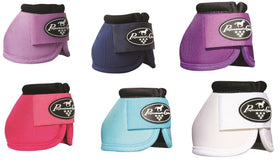
How to Fit and Apply Horse Medicine Boots
Getting the right fit for your horse’s medicine boots is just as important as choosing the right type. A boot that’s too loose can slip and become ineffective or even a hazard, while one that’s too tight can cause rubbing, restrict circulation, and lead to serious discomfort or injury. Think of it like your own athletic shoes; you wouldn’t go for a run in shoes that are two sizes too big or small. Taking a few extra minutes to ensure a proper fit will make all the difference for your horse’s comfort and the boot’s effectiveness. This simple, step-by-step guide will walk you through how to apply all kinds of horse boots and leg protection correctly every time.
Step 1: Prep Your Horse's Legs
Before you even think about putting a boot on, start with a clean slate. Your horse’s legs should be clean and completely dry. Any dirt, mud, or moisture trapped under the boot can cause skin irritation, chafing, or even fungal infections. Run your hands down their legs to check for any small cuts, scrapes, or swelling. Applying a boot over an existing issue could make it worse, so it’s always best to be sure the skin is healthy before you wrap it up. This quick check ensures the boot is helping, not hurting.
Step 2: Measure for the Perfect Fit
Guessing your horse’s boot size is a recipe for problems. A boot that doesn't fit right can cause discomfort, limit movement, or rub the leg. To find the perfect fit, you’ll need to take some measurements. Most manufacturers provide a sizing chart that will guide you. You’ll typically need to measure the circumference and length of your horse’s cannon bone. Always refer to the boot manufacturer's sizing chart, as sizes can vary between brands. Consider your horse’s specific build; a fine-boned Arabian will have different needs than a stocky Quarter Horse.
Step 3: Position the Boot Correctly
Proper placement ensures the boot protects the intended structures without interfering with your horse’s movement. Generally, the boot should cover the majority of the cannon bone, from just below the knee or hock down to the fetlock joint. It’s especially important that it cradles the delicate structures of the inner fetlock. Make sure the top of the boot doesn’t sit too high where it could dig into the back of your horse’s knee when they bend their leg. Take a moment to feel around the edges and ensure it’s sitting smoothly against the leg.
Step 4: Secure the Straps (Not Too Tight!)
The goal is a snug, secure fit that prevents the boot from spinning or sliding down the leg. Start with the middle strap first to hold the boot in place, then work your way to the others. Straps should always be pulled from the front of the leg toward the back. This follows the natural direction of the tendons and helps prevent pressure points. Pull the straps just tight enough to be snug. They shouldn't be so tight that they restrict blood flow or impede the horse's natural movement.
Step 5: Check the Fit with the One-Finger Rule
Here’s a simple trick to confirm you’ve got the tension just right: the one-finger rule. After you’ve secured all the straps, you should be able to comfortably slide one finger between the boot and your horse’s leg. If you can’t fit a finger in, the boot is too tight. If you can easily fit two or more fingers, it’s too loose and needs to be adjusted. This is a quick and reliable way to check that the boot fits snugly without being restrictive, giving you peace of mind.
Common Fitting Mistakes to Avoid
A few common mistakes can undermine a boot’s effectiveness. The most frequent error is overtightening the straps in an attempt to keep the boot from slipping. This can do more harm than good. Another issue is not checking the fit regularly. If your horse is wearing boots for an extended period, like during turnout, check on them to ensure they haven’t shifted or started to rub. Finally, if your horse’s measurements fall between two sizes, it’s almost always better to choose the larger size to avoid creating pressure points.
How to Choose the Right Horse Medicine Boot
Walking into a tack store or browsing online for horse boots and leg protection can feel a little overwhelming. With so many options, how do you know which one is right for your horse? Choosing the correct medicine boot isn't just about picking one off the shelf; it's about finding the perfect tool to support your horse's health and recovery. The right boot can make a world of difference in your horse’s comfort and healing process, while the wrong one can cause more problems than it solves. Think of it like choosing the right pair of shoes for yourself. You wouldn't wear hiking boots to a wedding, and you wouldn't wear flip-flops for a run. Similarly, your horse's needs dictate the type of boot required.
Making the right choice comes down to a few key factors. You need to think about your horse’s specific situation, the boot's materials and design, and, most importantly, the fit. Getting these details right ensures the boot does its job effectively, whether it's icing a swollen leg, soaking a sore hoof, or providing gentle support during stall rest. A well-chosen boot becomes a valuable part of your first-aid kit, ready to help when you need it most. Let's walk through exactly what you need to look for to make a confident and informed decision for your equine partner.
Match the Boot to Your Horse's Needs
The first step is to pinpoint exactly why your horse needs a boot. Is it for post-exercise icing to reduce inflammation? Are you dealing with an abscess that requires soaking? Or does your horse need gentle, consistent support for a tendon injury during stall rest? The type of boot you need depends entirely on what your horse is doing and its individual needs. A simple soaking boot won't provide the therapeutic cooling of an ice boot, and an ice boot isn't designed for turnout. By clearly defining the boot's purpose, you can immediately narrow down your options and focus on the products designed for that specific task.
Consider the Materials and Design
Once you know what kind of boot you need, take a closer look at its construction. Different materials and closures offer different benefits. For example, neoprene is a common material that provides excellent support and compression, but it can also trap heat. If breathability is a priority, a boot with mesh panels might be a better choice. For therapeutic purposes, you might find boots with ceramic-infused linings that reflect the horse's body heat to soothe muscles. Pay attention to the closures, too. Velcro straps are easy to use and highly adjustable, while buckle systems can offer a more secure fit for a boot that needs to stay on for longer periods.
Get the Sizing Right
This is a step you absolutely cannot skip. A boot that doesn't fit correctly can cause serious issues, from uncomfortable rubbing and sores to restricted movement or even further injury. A poorly fitted boot can slip down, apply uneven pressure, or fail to provide the intended support. As a general guideline, you should be able to slide one finger snugly between the boot and your horse's leg. It shouldn't be tight enough to cut off circulation, but it also shouldn't be loose enough to spin or slide. Always measure your horse’s leg according to the manufacturer’s instructions, as sizing can vary significantly between brands.
Know When to Consult Your Vet
While medicine boots are fantastic tools, they are part of a treatment plan, not a replacement for veterinary care. Therapy and medical boots are most effective when used to help horses recover from diagnosed injuries or after strenuous exercise, but only your vet can tell you what your horse truly needs. Before you purchase or use any type of medicine boot for an injury, have a conversation with your veterinarian. They can provide an accurate diagnosis, recommend the appropriate type of boot for the situation, and give you specific instructions on how long and how often to use it. This ensures you're supporting your horse's recovery safely and effectively, which is a key part of any horse health and first aid plan.
How to Care for Your Horse Medicine Boots
Just like any other piece of essential equipment, your horse’s medicine boots require proper care to function correctly and last a long time. Think of it as part of your overall horse health and first aid routine. A clean, well-maintained boot provides effective support and therapy, while a dirty or damaged one can cause more harm than good. By creating a simple care routine, you protect your investment and, more importantly, your horse’s well-being. Following a few key steps after every use will ensure your boots remain a safe and reliable tool in your horse care kit for years to come.
Clean After Every Use
It’s essential to clean your horse’s medicine boots after every single use. Dirt, sweat, and arena footing can build up inside the boot, creating a gritty, abrasive surface that irritates your horse’s sensitive skin. This buildup can also harbor bacteria, leading to skin infections like scratches or rain rot. To clean them, first use a stiff brush to remove any loose dirt and hair. Then, gently wash the boots by hand with a mild soap and cool water. Avoid using harsh chemical detergents or putting them in a washing machine, as this can break down the delicate materials like neoprene and compromise the boot’s supportive structure.
Dry and Store Them Properly
Once your boots are clean, drying them correctly is the next critical step. Never put them in a machine dryer, as the high heat can warp the materials and cause them to lose their shape and supportive qualities. Instead, hang them up to air dry in a place with good circulation, away from direct sunlight or heat sources. Sunlight can degrade the fabric and elastic over time. After they are completely dry, store them in a cool, dry, and airy place, like your tack trunk or a designated bin in the tack room. Storing damp boots in a sealed container is a recipe for mold and mildew, which will ruin the boots and can be harmful to your horse's skin.
Inspect for Wear and Tear
Before you put a boot on your horse, take a moment to give it a quick inspection. Consistent use will eventually cause wear and tear, and it’s important to catch any issues before they become a problem. Look for cracks in the outer shell, tears in the fabric, or areas where the stitching is coming undone. Pay close attention to the closures; check that the Velcro is still gripping firmly and that elastic straps haven't lost their stretch. A boot with a broken strap or worn-out Velcro won't stay in place, failing to provide support and potentially creating a safety hazard. Replacing your horse boots and leg protection at the first sign of significant damage is key to keeping your horse safe.
Check Your Horse's Skin Daily
A crucial part of your booting routine should be checking your horse’s legs. Before you put the boots on and right after you take them off, run your hand over their legs to feel for any unusual heat or swelling. Look closely for any signs of rubbing, chafing, or hair loss. These are tell-tale signs that the boot doesn’t fit correctly. A boot that is too tight, too loose, or has a pressure point can cause significant discomfort and even lead to sores or injuries. If you notice any irritation, it’s best to stop using the boot until you can identify the cause. It might mean you need a different size or style of boot for your horse.
Avoid Leaving Boots on Too Long
While medicine boots offer fantastic support and therapeutic benefits, they are not meant to be worn around the clock. Leaving boots on for extended periods is a major concern because it can trap heat and moisture against the leg. This can potentially overheat the delicate tendons and ligaments, which may counteract the intended benefits. It also creates a warm, damp environment that is perfect for bacterial and fungal growth. Always follow your veterinarian's specific instructions for how long to use therapeutic boots. For general support boots used during exercise or turnout, be sure to remove them promptly afterward to allow your horse's legs to cool down and breathe.
Related Articles
- A Guide to Horse Leg Protection Boots
- The Complete Guide to Leg Protection Boots
- Leg Protection Boots Guide | Hooves & Paws
- Tendon Boots Guide 2026: Essential Tips for Horse Protection
Frequently Asked Questions
Can I use a sports medicine boot for everyday riding? While Sports Medicine Boots are designed for support during high-impact training, they aren't always the best choice for a casual trail ride. They can trap more heat than other styles. For general protection from scrapes and bumps during lighter work, you might consider other types of horse boots and leg protection like brushing boots. Boots designed for specific therapies, such as ice or magnetic boots, should never be used for riding; they are strictly for stationary treatment.
How long is it safe to leave a medicine boot on my horse? This really depends on the type of boot and why you're using it. Therapeutic boots, like ice boots, are only meant for short sessions of about 15 to 20 minutes. For support boots used during turnout or stall rest, you should still remove them at least once a day. This gives you a chance to clean the boot, check your horse's leg for any rubbing or swelling, and allow the skin to breathe. Never leave a boot on around the clock unless you are following specific instructions from your veterinarian.
Do I really need to consult my vet before using a therapeutic boot for an injury? Yes, absolutely. A medicine boot is a tool to assist in recovery, not a cure on its own. Your veterinarian is the only one who can give you an accurate diagnosis and create a full treatment plan. Using the wrong type of boot or using it incorrectly for an injury could delay healing or even make the problem worse. Think of it as a partnership; your vet provides the diagnosis, and the boot is one part of the recommended horse health and first aid plan.
What's the most common mistake people make when fitting horse boots? The most frequent error is making the straps too tight. It’s natural to worry about a boot slipping down, so many people overcompensate by pulling the straps as tight as they can go. This is dangerous because it can restrict circulation and cause pressure sores or even tendon damage. Always follow the one-finger rule: after securing the straps, you should be able to slide one finger snugly between the boot and your horse’s leg.
My horse's measurements are between two sizes. Which one should I choose? When you're stuck between two sizes, it's almost always safer to choose the larger one. A boot that is too small will create pressure points and is guaranteed to rub, which can cause sores and discomfort. A boot that is slightly too large can often be adjusted with the straps for a secure fit without causing harm. A boot that's too tight offers no flexibility and can do more damage than good.


