


Ever spotted a horse with a distinctive blue or rust-colored mouthpiece? You were likely looking at a sweet iron bit. That unique color isn't just for show; it’s part of a design focused entirely on your horse's comfort. When this special metal meets the moisture in a horse's mouth, it gently oxidizes. This process creates a subtle sweet taste, encouraging salivation and a softer, more accepting feel. It's this simple, effective feature that has made them a popular choice for riders across all disciplines, from the trail to the show ring.
This guide will demystify sweet iron bits, offering clear insights to help you select the best option for your horse’s comfort, health, and performance. You will explore what makes these bits special, their advantages, the various types available, and practical tips for care and selection.
Discover the unique appeal of sweet iron, learn why so many horses accept these bits readily, and get actionable advice to make the right choice for your equine partner.
What Is a Sweet Iron Bit?
Sweet iron bits are a distinctive choice in modern horse tack, recognized for both their striking appearance and unique benefits. If you have ever noticed a blue-tinged bit in a horse's mouth, you have likely seen sweet iron bits at work. These bits are becoming increasingly popular among riders seeking to enhance their horse's comfort and communication.
What Makes a Bit 'Sweet Iron'?
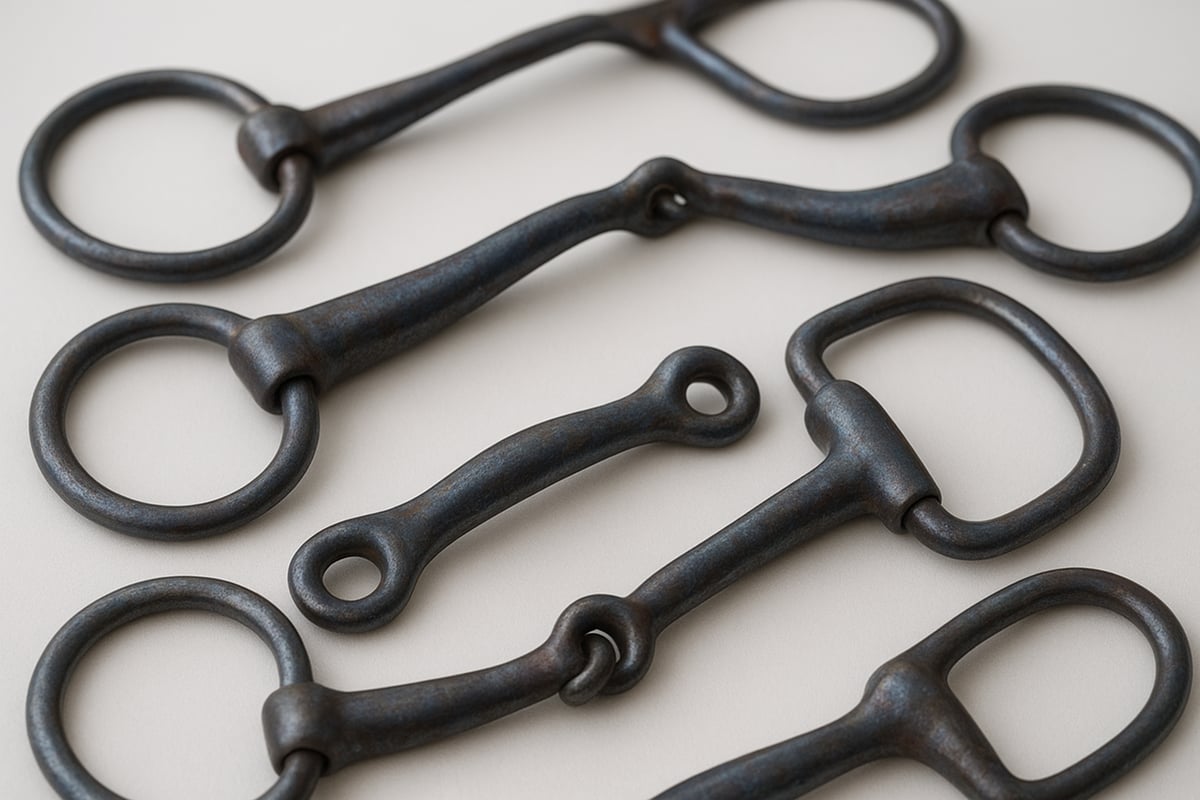
Sweet iron bits are crafted from a specific type of steel, coated with a layer of iron oxide. This process gives them their signature blue color, which gradually fades as the bit is exposed to moisture and air. The oxidation is a natural reaction, not a sign of poor quality. In fact, as the blue sweet iron oxidizes, the color disappears, releasing a subtle, sweet flavor that many horses find appealing.
Unlike stainless steel or rubber bits, sweet iron bits are designed to change with use. The manufacturing process involves heating the steel to create the blue oxide layer, which sets them apart in both appearance and function. Some riders worry about rust, but the surface rust that forms is a normal part of the oxidation process. It does not compromise the bit's structural integrity or safety.
A common misconception is that rust on sweet iron bits is harmful. In reality, the controlled oxidation is safe and even enhances the bit's flavor. Scientific studies, such as the Metal analysis of horse bits using X-ray fluorescence (XRF), confirm that sweet iron bits are non-toxic and can promote healthy salivation in horses.
Popular brands producing sweet iron bits include Bombers, Trust, and Neue Schule. Each offers a range of mouthpieces and ring styles, allowing riders to find the best fit for their horse's needs.
The Science Behind the 'Sweet' Taste
The 'sweet' in sweet iron isn't just a catchy name—it's based on a simple chemical reaction. These bits are crafted from a type of carbon steel that, when exposed to the moisture in your horse's mouth, begins to oxidize. This process releases a subtle, sweet flavor that many horses find pleasant. Think of it as a more palatable option compared to a plain, inert metal. This appealing taste encourages your horse to salivate more, which acts as a natural lubricant. Increased salivation helps the bit sit more comfortably in their mouth, leading to a softer, more relaxed jaw and better acceptance of your rein aids. It’s a small detail that can make a big difference in communication and overall comfort.
Composition and Construction
Understanding how sweet iron bits are made helps clarify why they work so well. The materials and design are intentionally chosen to create the desired effect in your horse's mouth. It's not just about the shape of the mouthpiece; the metals themselves play a crucial role in the bit's function and durability. The combination of specific alloys ensures the bit is both effective and safe for long-term use, providing peace of mind for you and a comfortable experience for your horse.
The Metal Alloy Makeup
At its core, sweet iron is an alloy made from black iron and copper. This specific blend is designed to oxidize, or rust, in a controlled way. While seeing rust on your equipment might normally be a cause for concern, with sweet iron bits, it's a sign that the bit is working as intended. This controlled oxidation is what produces the sweet taste that encourages salivation. The alloy is durable enough for everyday riding but reactive enough to provide the sensory benefits that make it so popular among horse owners and trainers.
Combining Sweet Iron with Stainless Steel
You'll often find sweet iron bits that aren't made entirely of one material. Many designs feature a sweet iron mouthpiece combined with stainless steel cheeks or rings. This construction offers the best of both worlds. You get the palatability and salivation benefits of the sweet iron where it matters most—in your horse's mouth. Meanwhile, the stainless steel components provide superior strength, durability, and resistance to the elements, ensuring the bit remains safe and functional for years. This thoughtful combination is why you'll see so many high-quality options in our horse tack collection that blend these two trusted materials.
How Does a Sweet Iron Bit Work?
The unique appeal of sweet iron bits lies in their interaction with the horse's mouth. As the bit oxidizes, it develops a sweet taste that encourages horses to accept and mouth the bit more readily. This sweet flavor stimulates salivation, which leads to a softer, more comfortable mouth feel and can help reduce resistance.
Increased salivation also supports relaxation and clearer communication between horse and rider. Trainers often report that horses using sweet iron bits show greater willingness to maintain steady contact and respond to subtle cues. This is particularly valuable for sensitive or young horses that can be hesitant with standard stainless steel bits.
When compared to tasteless materials like titanium, sweet iron bits stand out for their ability to engage the horse's senses. Horses that are “bit-fussy” or reluctant to accept other materials may show noticeable improvement when switched to sweet iron bits.
Anecdotal feedback from professional riders supports these findings. Many observe smoother transitions, improved responsiveness, and a more relaxed jaw in horses fitted with sweet iron bits. While scientific research on performance is still growing, current data and rider experience both highlight the positive impact of this bit material.
In summary, sweet iron bits offer a thoughtful blend of comfort, communication, and safety, making them an excellent choice for a wide range of horses and disciplines.
Why Your Horse Might Love a Sweet Iron Bit
Sweet iron bits have become a popular choice among riders who prioritize their horse's comfort and communication. These bits offer unique advantages that go beyond traditional materials, making them an excellent option for many equestrian disciplines.

Promoting Comfort and Acceptance
One of the primary reasons riders choose sweet iron bits is the remarkable improvement in bit acceptance and overall comfort for horses. The natural oxidation process on the surface of sweet iron bits produces a sweet flavor that most horses find appealing. This unique taste encourages horses to mouth the bit, increasing salivation and promoting a softer, more responsive mouth.
Increased salivation acts as a natural lubricant, reducing friction and making the bit more comfortable for the horse. Horses that are sensitive or prone to fussiness often show a positive change when switched to sweet iron bits. They may exhibit signs such as a relaxed jaw, steady chewing, and seeking more consistent contact with the rider's hand.
Compared to stainless steel or rubber bits, sweet iron bits offer a more enticing flavor. This makes them a preferred choice for horses that are reluctant to accept other materials. Trainers and riders frequently report that horses become more willing and focused, leading to smoother rides and clearer communication. For a deeper look at how different bit materials influence comfort and acceptance, see Understanding Horse Bits.
Choosing sweet iron bits can be especially beneficial for young or inexperienced horses that are still learning to accept the bridle. The pleasant taste helps create a positive association, reducing resistance and stress during training sessions.
Individual Horse Preferences
Just like people, every horse has its own set of preferences. While many horses are drawn to the sweet, appealing taste that develops as a sweet iron bit oxidizes, it's not a universal favorite. Some horses might actually prefer the neutral taste of traditional stainless steel. The key is to pay close attention to your horse's reactions. A horse that enjoys its bit will be more relaxed, responsive, and willing to accept contact. If you're considering a switch, observe how your horse behaves. Increased salivation, a soft jaw, and quiet mouthing are great signs. Ultimately, finding the right bit is a partnership, and understanding your horse's individual sense of taste and comfort is the most important step in making the right choice for your tack.
The Role of Mouthpiece Design
While the sweet iron material offers a fantastic benefit, it’s only half of the story. The actual shape and design of the mouthpiece play an even more critical role in your horse's comfort and your ability to communicate clearly. A bit's effectiveness is determined by how it distributes pressure across the tongue, bars, and palate. Whether it's a gentle mullen mouth, a double-jointed lozenge, or another style, the design must fit your horse's mouth anatomy. When you combine a well-suited mouthpiece design with the appealing taste of sweet iron, you create an ideal tool for communication. This combination encourages relaxation and responsiveness, leading to smoother transitions and a happier horse. When browsing for new horse tack, always consider the mouthpiece design first and the material second.
Gaining a Performance Edge in Training
The benefits of sweet iron bits extend beyond comfort, directly influencing a horse’s performance and training progress. The increased acceptance and relaxation in the horse’s mouth lead to better communication between horse and rider. This improved connection allows for more precise cues and a quicker response to rein aids.
Sweet iron bits are particularly valuable for young or green horses. The enhanced salivation and gentle taste help these horses focus on learning new skills without being distracted by discomfort. Riders across various disciplines, including dressage, jumping, and western events, often select sweet iron bits for their ability to encourage relaxation and correct head carriage.
Professional trainers note that sweet iron bits can help horses transition smoothly from groundwork to ridden work. Horses tend to become less resistant, making it easier to teach advanced movements and refine responsiveness. Survey results among competitive riders have shown increased satisfaction with horses’ mouth softness and willingness when using sweet iron bits.
Choosing the right sweet iron bits for your discipline and training goals can offer a noticeable advantage. Whether in the show ring or on the trail, the right bit can make a significant difference in performance.
Are They a Safe Choice for Your Horse?
Some horse owners express concern about the rusting or oxidation of sweet iron bits. However, the surface rust that forms is a natural part of the oxidation process and is not harmful to horses. In fact, the slight rust enhances the bit’s sweet taste, further encouraging horses to accept and mouth the bit.
Sweet iron bits are generally safe for most horses, including those with sensitive mouths. The iron oxide layer is not toxic and does not pose health risks when used properly. Unlike some metals, sweet iron bits are less likely to cause allergic reactions, making them a good choice for horses prone to skin sensitivities.
Veterinarians and equine dental specialists often recommend sweet iron bits for horses with acceptance issues or mild oral discomfort. It is important to inspect bits regularly for excessive rust, sharp edges, or pitting, which can occur over time. Replacing worn bits promptly ensures ongoing safety and comfort for your horse.
By understanding the health and safety profile of sweet iron bits, riders can make informed decisions that support their horse’s well-being and long-term performance.
Shop This Post

Featured in this article
AV Bob Avila Double Ring Snaffle Horse Bit - Sweet Iron Mouthpiece, 3" Rings - Multiple Sizes
$165.00
Shop Now →

Sweet Iron vs. Other Common Bit Materials
Choosing the right bit material can feel overwhelming with so many options on the market. Each material interacts differently with your horse's mouth, affecting comfort, communication, and performance. Understanding the key differences between sweet iron and other popular choices like stainless steel, copper, and various flavored alloys will help you make a confident decision. Let's break down how sweet iron stacks up against the competition so you can find the perfect match for your equine partner.
Sweet Iron vs. Stainless Steel
Stainless steel is the workhorse of the bit world—it’s durable, easy to clean, and has a neutral taste. However, its inert nature is exactly where sweet iron differs. While stainless steel is designed to remain unchanged, sweet iron is crafted to evolve. The signature blue coating on a new sweet iron bit is meant to oxidize, or rust, when it comes into contact with the moisture in your horse's mouth. This process releases a sweet, pleasant flavor that encourages acceptance and salivation. Many riders worry when they see rust, but with sweet iron, this is a safe and intended feature of the bit material that won't compromise its structural integrity.
Sweet Iron vs. Copper
Copper is another popular choice for encouraging a moist, soft mouth, as it also has a distinct taste. Many bits incorporate copper inlays or rollers for this very reason. The main difference between the two comes down to durability. Sweet iron is a strong, long-lasting material, whereas copper is much softer and can wear down significantly faster with regular use. The gentle rust that forms on sweet iron is stable and won't flake off or create sharp edges, ensuring a safe experience for your horse. While both materials aim to increase salivation, sweet iron provides a more robust and durable option for your long-term horse tack collection.
Sweet Iron vs. Other Flavored Alloys
You might come across other bits marketed as "flavored," often made from synthetic materials or metal alloys with added tastes. The key distinction is how that flavor is created and maintained. Many flavored bits have a static, artificial taste, while sweet iron's flavor is the result of a natural, ongoing chemical reaction. The oxidation process provides a subtle sweetness that stimulates salivation, leading to a softer mouth and a more relaxed jaw. This can help reduce resistance and improve communication. For horses that are picky or sensitive, the organic taste of sweet iron is often more appealing than an artificial alternative, making it a fantastic tool for training and everyday riding.
Your Guide to Different Sweet Iron Bits
Choosing the right sweet iron bits for your horse begins with understanding the many styles and their unique purposes. Each bit design influences communication, comfort, and performance, making it essential to match the bit to your horse’s needs and your riding discipline.
Snaffles, Curbs, and Other Common Types
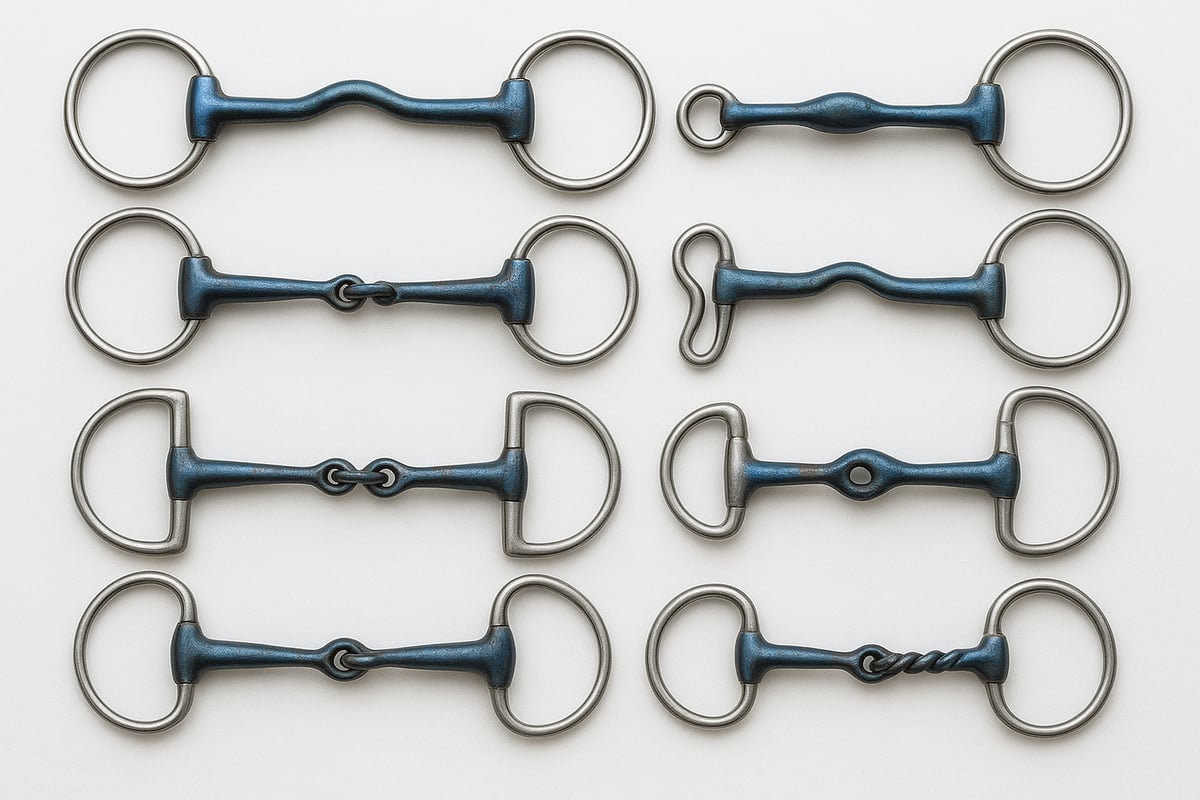
Sweet iron bits come in a range of categories to suit diverse riding styles and horse temperaments. Snaffles are among the most popular, including loose ring, eggbutt, D-ring, full cheek, and baby fulmer designs. Snaffle bits provide direct pressure and are commonly used for everyday riding, training, and young horses.
Curb bits, such as pelham, kimblehook, gag, beval, and Icelandic shank, introduce leverage and are often chosen for advanced training or specific disciplines. Combination bits and double bridles, including bradoon and Weymouth, allow refined communication, especially in dressage or showing.
A quick overview is provided below:
| Bit Type | Common Uses | Riding Style |
|---|---|---|
| Snaffle | Training, daily riding | English, Western |
| Curb | Advanced control | English, Western |
| Combination | Dressage, showing | English |
Many reputable brands offer a wide selection of sweet iron bits. To explore more options, visit the Bits and Curbs Collection, which showcases the diversity available for different needs.
Jointed or Straight: Which Mouthpiece is Better?
The mouthpiece style of sweet iron bits greatly affects how pressure is distributed and how the horse responds. Single-jointed mouthpieces create a nutcracker effect, applying pressure to the tongue and bars, and are suitable for horses that need more direct cues.
Double-jointed mouthpieces, such as those with a lozenge or French link, distribute pressure more evenly across the tongue, offering gentle communication. These are often recommended for sensitive or green horses that benefit from a softer feel.
Straight or mullen mouthpieces apply even pressure across the tongue and bars, making them ideal for horses that dislike jointed bits or tend to toss their heads. Selecting the right mouthpiece depends on your horse’s preferences and training level. Observing your horse’s response to different sweet iron bits helps determine the best fit.
When to Consider a Specialty Bit
Beyond standard designs, specialty sweet iron bits are engineered for specific challenges or preferences. Lock-up bits prevent over-flexing at the joint, providing more stability for horses that need consistent contact. Large loose ring sweet iron bits increase mobility and encourage chewing, suitable for fussy or anxious horses.
Other unique designs include anatomical mouthpieces, which conform to the horse’s mouth shape for added comfort. Some specialty bits are approved for certain competitions, so always check your discipline’s rules before use.
Popular specialty options:
- Lock-up sweet iron bits for horses with joint sensitivity
- Large loose ring designs for increased relaxation
- Anatomical mouthpieces for custom fit
- Competition-approved models for regulated events
Experimenting with specialty sweet iron bits can address specific behavioral or training needs.
Advanced Designs for Tongue and Bar Relief
Beyond standard shapes, many sweet iron bits feature advanced designs specifically crafted to relieve pressure on a horse's tongue and bars. For sensitive or inexperienced horses, a double-jointed mouthpiece with a lozenge or French link is often a game-changer. This design distributes pressure more evenly across the tongue, which minimizes the "nutcracker" effect and encourages a softer, more relaxed jaw. On the other hand, straight or mullen mouthpieces apply steady, even pressure, making them an excellent choice for horses that fuss with jointed bits or tend to toss their heads. When you combine these thoughtful mouthpiece designs with the palatable taste of sweet iron, you create a comfortable experience that supports clear communication. Finding the right piece of horse tack is all about understanding these subtle differences to best suit your horse's individual needs.
Matching Your Bit to Your Riding Discipline
Matching sweet iron bits to your riding discipline ensures optimal communication and performance. For English riding, snaffle and bradoon bits are favored in dressage and eventing, supporting clear cues and compliance with competition rules.
In Western disciplines, curb bits and specialty shanked designs are prevalent, offering leverage and control for tasks like reining or cutting. Icelandic and gaited horse riders may select specific shank or loose ring sweet iron bits tailored to their breed’s needs.
Popular choices by discipline:
- Dressage: Sweet iron snaffles, double bridles
- Jumping: D-ring or full cheek snaffles for stability
- Western: Sweet iron curb bits, pelham, kimblehook
- Icelandic: Unique shanked sweet iron bits for gaited breeds
Consult trainers or bit fitters when selecting sweet iron bits for specialized disciplines, as regulations and horse preferences can vary.
Popularity in Western Riding
Sweet iron bits have long been a staple in the Western riding world, and for good reason. For years, riders in disciplines from reining to trail have relied on these bits for their unique ability to encourage a soft and responsive mouth. The material itself, a type of mild steel, naturally oxidizes to create a sweet taste that horses often prefer. This subtle flavor promotes salivation and acceptance, which is essential for the clear, quiet communication that Western riding values. You'll find sweet iron in a wide variety of Western horse tack, from simple snaffles for starting young horses to more complex curb bits for finished performance horses. Their enduring popularity is a testament to how well they work for creating a willing and comfortable partner.
Growing Use in English Disciplines
While sweet iron has a strong foothold in Western circles, its benefits are now being widely recognized in English disciplines as well. Riders in dressage, jumping, and eventing are increasingly turning to these bits to foster better communication and comfort. The reason for this growing popularity is simple: a happy horse performs better. The gentle, sweet taste encourages a soft, salivating mouth, which helps horses maintain steady contact with the reins—a cornerstone of English riding. Trainers find them especially effective for young or sensitive horses that might be hesitant with traditional stainless steel. As more riders experience the positive results, sweet iron is becoming a common and respected choice in English tack rooms, proving its versatility across different riding styles.
How to Choose the Best Sweet Iron Bit for Your Horse
Selecting the right sweet iron bits for your horse involves more than simply picking a popular model. Every horse is unique, so a thoughtful approach ensures the bit supports your horse’s comfort, communication, and performance. Let’s break down the steps to make an informed, confident choice.

Step 1: Assess Your Horse's Mouth and Temperament
Begin by evaluating your horse’s physical and behavioral traits. Examine the mouth conformation, checking for a low or high palate, narrow jaw, or thick tongue. These features influence how sweet iron bits will sit and function.
Consider your horse’s age and level of training. Young or green horses may require a gentler introduction, while seasoned horses might benefit from more specialized designs.
Observe your horse’s reactions to previous bits. Look for signs like excessive head tossing, mouthing, or resistance, which may indicate discomfort or preference for certain materials. Sensitive or bit-fussy horses often respond well to the natural taste of sweet iron bits.
Step 2: Align the Bit with Your Riding Goals
Aligning your choice of sweet iron bits with your riding discipline and training objectives is essential. Start by identifying whether you need a snaffle, curb, or combination bit. Snaffles are common for straightforward communication, while curbs offer leverage for advanced cues.
Consider your discipline: dressage riders often favor double bridles with sweet iron components, while jumpers and Western riders may opt for specialty or shank bits. The table below summarizes common bit types and their uses:
| Riding Discipline | Recommended Bit Types |
|---|---|
| Dressage | Snaffle, Double Bridle |
| Jumping | Loose Ring, Beval, Pelham |
| Western | Shank, Curb, Combination |
| Trail/Leisure | Eggbutt, D-Ring, Full Cheek |
For more in-depth guidance on matching bit type to your goals, refer to Choosing the Right Bit for Your Horse.
Step 3: Nailing the Perfect Fit and Mouthpiece
Proper fit is crucial for the effectiveness of sweet iron bits. Measure your horse’s mouth with a dedicated bit measuring tool, ensuring there is just enough space for comfort without pinching.
Decide between a jointed or straight mouthpiece. Single-jointed bits provide nutcracker action, while double-jointed styles distribute pressure more evenly. Straight mouthpieces are often best for horses needing stability or those with sensitive mouths.
Pay attention to width, thickness, and ring style. Thicker bits are softer but may not suit horses with small mouths. The ring style, such as loose ring or D-ring, affects lateral movement and rein aids.
Step 4: Look for Quality and a Trusted Brand
Not all sweet iron bits are created equal. Seek out reputable brands known for high-quality manufacturing standards. Premium options often feature superior craftsmanship, balanced weight, and smooth finishing, contributing to your horse’s comfort.
Budget bits may be tempting, but they can lack refinement or durability. Research reviews and consult experienced riders or trainers for recommendations on trusted brands. Consistent quality control ensures that sweet iron bits maintain their beneficial properties over time.
Step 5: Don't Skip the Trial Period
Whenever possible, take advantage of bit trial programs offered by tack shops or manufacturers. These programs let you test sweet iron bits before committing, reducing the risk of costly mistakes.
Monitor your horse’s response during and after rides. Look for increased salivation, relaxed jaw, and steady contact, all signs that your horse accepts the bit. If issues persist, consult a trainer or bit fitting expert for personalized adjustments.
Patience is key, as horses may need time to adapt to new sweet iron bits. Be prepared to make small tweaks until the ideal fit is achieved.
Mistakes to Avoid When Selecting a Bit
Many riders encounter challenges when choosing sweet iron bits. Avoid these common pitfalls:
- Using a bit that is too large or small for your horse’s mouth
- Selecting an inappropriate style for your discipline or horse’s needs
- Ignoring signs of discomfort, such as head shaking or refusal to accept contact
- Failing to reassess bit fit and suitability as your horse’s training progresses
Regularly review your horse’s comfort and performance. Sweet iron bits should enhance, not hinder, your partnership.
How to Care for Your Sweet Iron Bit
Keeping your sweet iron bits in excellent condition supports your horse’s comfort and the bit’s effectiveness. Regular care not only prolongs the life of your gear but also ensures safety and optimal performance in every ride.
Your Daily and Weekly Cleaning Routine
Routine cleaning of sweet iron bits is essential. After each ride, rinse the bit under warm water to remove saliva, bits of feed, and debris. Use a soft brush or cloth to gently scrub the surface, paying special attention to joints and crevices where buildup can occur.
Avoid harsh chemicals that might damage the sweet iron finish. Instead, opt for mild soap or specialized bit cleaners designed for equine tack. Thoroughly dry the bit with a clean towel before storage to reduce the risk of excessive rust.
Maintaining sweet iron bits in this way helps preserve their blue color and ensures that the bit remains both safe and appealing to your horse.
Is Rust a Good Thing? Managing Oxidation
A defining characteristic of sweet iron bits is their tendency to oxidize, developing a light rust that enhances their sweet flavor. This surface oxidation is entirely normal and, in fact, desirable, as it encourages horses to salivate and accept the bit more readily.
You should only be concerned if you notice deep pitting or flakes, which could indicate excessive rust. In those cases, gently remove any sharp edges with fine sandpaper or replace the bit if necessary. For further details on caring for sweet iron bits and understanding oxidation, see Bits 101.
Consistent monitoring ensures the bit remains safe and comfortable for your horse.
How to Store Your Bit for a Longer Life
Proper storage is crucial for maintaining sweet iron bits. Always keep bits in a dry, well-ventilated area, away from damp tack rooms or wet gear. Moisture accelerates corrosion and can shorten the lifespan of the bit.
Consider hanging bits on a dedicated rack or placing them in a breathable bag to further prevent unnecessary rust. Regularly inspect your sweet iron bits for signs of wear, including roughness or thinning.
With attentive care, high-quality sweet iron bits can serve your horse well for years, maintaining their unique taste and function.
Solving Common Problems with Your Bit
Occasionally, you may notice discoloration, rough spots, or a change in your horse’s response to the bit. If the bit develops sharp edges or deep rust patches, it is time to repair or replace it for safety.
For taste aversion, ensure that cleaning products are fully rinsed off and avoid using strong flavors or residues that might deter your horse. Persistent problems, such as ongoing discomfort or resistance, warrant consultation with a professional bit fitter or equine dentist.
By addressing these issues promptly, you help your horse maintain a positive experience with sweet iron bits.
Frequently Asked Questions About Sweet Iron Bits
Curious about sweet iron bits? You are not alone. Here, we answer the most common questions horse owners ask. For even more details, visit our Frequently Asked Questions (FAQ) page, where you can find additional insights on horse tack and sweet iron bits.
Are Sweet Iron Bits Safe for All Horses?
Sweet iron bits are generally safe for most horses, including various breeds and ages. Their natural composition and smooth surface are gentle on sensitive mouths. However, always monitor your horse for signs of discomfort or allergic reactions. If your horse has a history of oral sensitivities, consult your veterinarian or bit fitting specialist before choosing sweet iron bits.
Do Sweet Iron Bits Rust and Is That a Problem?
Yes, sweet iron bits are designed to oxidize, which causes them to develop a harmless surface rust. This oxidation process actually enhances the sweet taste, encouraging horses to accept the bit. Unlike harmful rust, this surface layer is not dangerous. Routine cleaning helps manage oxidation and keeps sweet iron bits safe for everyday use.
How Long Do Sweet Iron Bits Last?
With proper care, sweet iron bits can last for several years. Their lifespan depends on usage, maintenance, and storage. Regular cleaning and inspection help prevent deep rust or pitting, which can shorten their usefulness. Replace any bit showing sharp edges, cracks, or excessive wear to protect your horse’s comfort and safety.
Can Sweet Iron Bits Be Used in Competition?
Many riding organizations approve sweet iron bits for use in competition, but rules vary by discipline and governing body. Always check the specific rules for your event or association. Dressage, jumping, and some Western competitions often include sweet iron bits on their approved lists, making them a versatile choice for performance horses.
What If My Horse Doesn’t Like a Sweet Iron Bit?
If your horse resists sweet iron bits, try these steps:
- Ensure the bit fits correctly and is suited to your horse’s mouth.
- Introduce the bit gradually, allowing your horse time to adjust.
- Consult a professional trainer or bit fitter for personalized advice. If issues persist, consider alternative materials or styles that better match your horse’s preferences.
How Do Sweet Iron Bits Compare to Other Materials?
Here is a quick comparison of common bit materials:
| Material | Taste/Acceptance | Maintenance | Hypoallergenic |
|---|---|---|---|
| Sweet iron bits | Sweet, high | Moderate | Good |
| Stainless steel | Neutral, medium | Easy | Excellent |
| Titanium | Tasteless, low | Easy | Excellent |
| Rubber | Mild, variable | High | Good |
Sweet iron bits stand out for encouraging salivation and acceptance, making them a popular choice for many horses.
More Resources for the Curious Rider
For those looking to deepen their understanding of sweet iron bits and their role in horse tack, there are several trusted resources to explore. Staying informed will help you make the best choices for your horse’s comfort and performance.
- Review manufacturer guides and expert articles specific to sweet iron bits.
- Watch the Materials and Design Purposes of Western Horse Bits video for an in-depth look at bit materials and their uses.
- Consult with a bit fitting specialist or equine dentist for personalized recommendations.
- For a broader perspective on how bits fit into your overall tack setup, read the Horse Tack Essentials guide.
- Visit competitor FAQ pages and knowledge bases for additional insights.
By leveraging these resources, you can confidently select and care for the right bit for your horse.
Now that you understand the unique benefits and types of sweet iron bits, you can make a confident choice that supports your horse’s comfort and performance. As you consider your horse’s needs and the guidance shared here, remember that the right bit can make a world of difference in communication and well being. If you’re ready to explore high quality options, Hooves and Paws offers a trusted selection with free US shipping and flexible payment plans to make your purchase easy. Take the next step toward your horse’s best ride—Buy Now.
Key Takeaways
- Sweet Iron Encourages Acceptance: The bit's material is designed to oxidize, creating a subtle sweet taste. This encourages salivation, leading to a more comfortable, responsive, and softer mouth for your horse.
- Fit and Design Come First: While the material is a great feature, the mouthpiece's shape and the bit's overall fit are the most critical factors for your horse's comfort. Match the design to your horse's mouth anatomy and your specific riding discipline.
- Rust is a Feature, Not a Flaw: The light surface rust is a normal and safe part of how a sweet iron bit works. A simple routine of rinsing after each ride and storing it in a dry place will maintain the bit's integrity and effectiveness.


