


Is your horse acting up under saddle? Maybe they're pinning their ears, swishing their tail, or just seem unhappy. Before you blame it on a bad mood, take a hard look at your equipment. An ill-fitting saddle or the wrong bit can cause major discomfort and behavioral issues. Getting the basics right is key to a happy partnership. This guide will walk you through the fundamentals of essential horse tack. We'll cover how to check for a proper fit and choose the right gear, ensuring both you and your horse have a safe and enjoyable ride.
This guide is designed to help you navigate the essentials, from foundational tack basics to the latest innovations. You will find key advice on fit and safety, care and maintenance, and expert shopping tips. Whether you ride for sport, leisure, or competition, understanding horse tack has never been more important.
Ready to elevate your gear knowledge and ride with confidence? Explore our comprehensive guide to ensure you and your horse are always equipped for success.
Horse Tack 101: Getting Started
Horse tack is the essential equipment that forms the bridge between horse and rider, shaping every equestrian experience. In 2025, riders across all disciplines rely on horse tack to ensure both safety and performance, making it a core focus for anyone involved in riding. The right horse tack not only provides control but also fosters clear communication, allowing for a harmonious partnership with your horse.
What is Horse Tack?
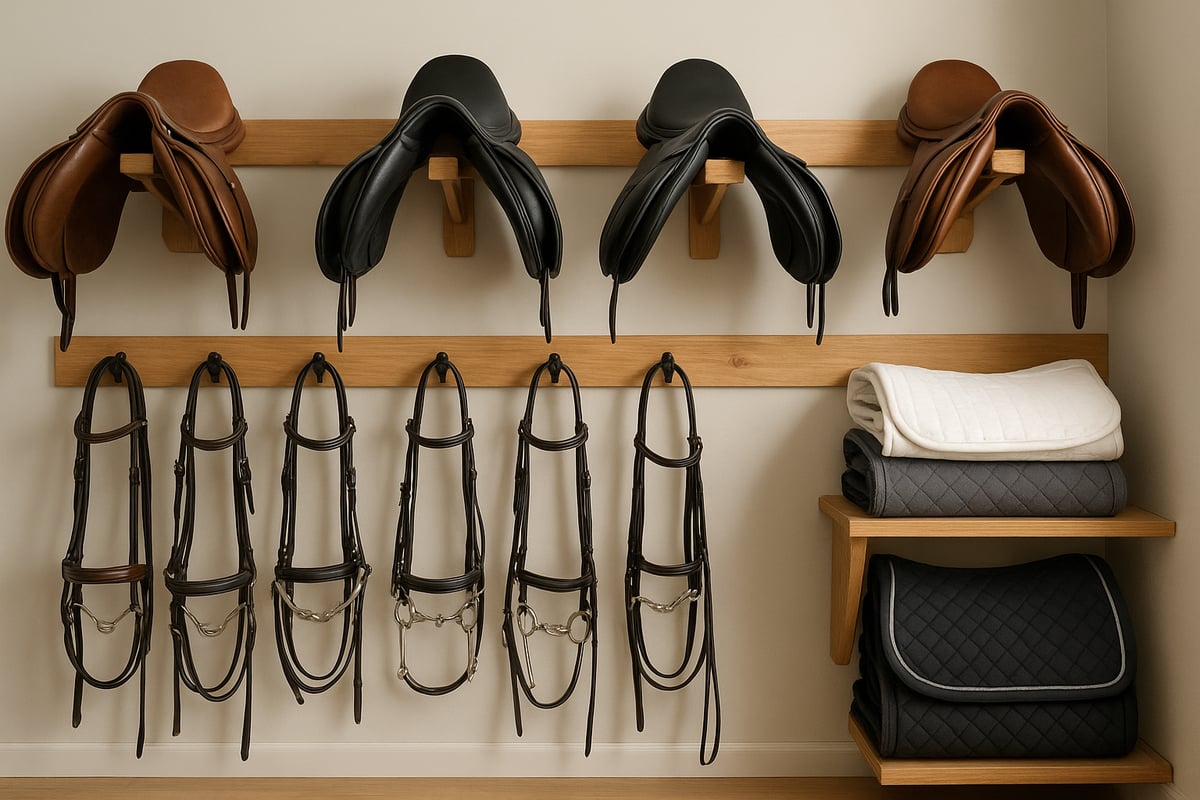
Horse tack refers to all the equipment used to ride, handle, and care for horses. At its core, horse tack includes saddles, bridles, bits, and girths, each designed to connect the rider with the horse for effective communication and control. Whether you ride English, Western, or participate in trail or show events, horse tack adapts to the unique needs of each discipline.
For example, an English saddle differs in shape and function from a Western saddle, while show tack often features decorative elements. Horse tack unites all disciplines by providing the practical tools needed for safe and enjoyable riding.
Understanding the Term "Tacking Up"
When you hear equestrians talk about "tacking up," they're referring to the essential process of preparing a horse for a ride by putting on its equipment. This routine involves carefully fitting the saddle, bridle, and girth, but it's much more than a simple checklist. Tacking up correctly is fundamental to the safety and comfort of both you and your horse, directly impacting your ride's success. A poorly fitted piece of equipment can cause pinching, rubbing, or pressure points, leading to discomfort or behavioral issues. This is why starting with quality, well-maintained horse tack is so important for building a positive and trusting partnership from the ground up.
Beyond the physical steps, the time spent tacking up is a valuable part of horsemanship. It’s your chance to groom your horse, check for any new bumps or soreness, and strengthen your bond before you even think about mounting. This quiet, focused time allows you to assess your horse's mood and physical well-being, ensuring they are truly ready and willing to work with you. As organizations like the Certified Horsemanship Association emphasize, these ground skills create a foundation of trust and clear communication. It transforms a routine task into a meaningful ritual that sets a positive tone for your entire ride.
What Does Horse Tack Actually Do?
The main purposes of horse tack are safety, control, comfort, and performance. Properly fitted tack keeps the rider secure and balanced while preventing injuries for both horse and rider. By distributing weight evenly and offering precise cues, horse tack makes riding more efficient.
Well-designed tack improves a horse’s responsiveness, allowing for subtle communication through reins and leg aids. It also reduces the risk of pressure points or pinching, which can lead to behavioral issues or physical discomfort. In every ride, horse tack is the foundation of a positive, safe experience.
Breaking Down the Types of Horse Tack
Horse tack falls into several primary categories, each serving a specific function:
- Saddles: Provide support and balance for the rider.
- Bridles: Enable steering and communication through the horse’s head.
- Bits: Offer nuanced control and direction.
- Girths/Cinches: Secure the saddle in place.
- Reins: Transmit rider cues to the horse.
- Stirrups: Support the rider’s feet and aid in mounting.
- Saddle Pads: Protect the horse’s back and absorb shock.
- Protective Boots: Shield legs from impact and strain.
Secondary items include breastplates, martingales, halters, and lead ropes. Western tack often features split reins and decorative conchos, while English tack emphasizes streamlined designs for competition.
From Leather to Synthetic: Tack Materials Explained
Traditional horse tack is crafted from natural materials like leather and wool, prized for their durability and classic appearance. Modern advances have introduced synthetics such as biothane and neoprene, which are lightweight, easy to clean, and often more budget-friendly.
| Material | Durability | Maintenance | Comfort | Eco-friendly |
|---|---|---|---|---|
| Leather | High | Regular | Excellent | Varies |
| Wool | Moderate | Occasional | Very good | Yes |
| Biothane | High | Low | Good | Yes |
| Neoprene | Moderate | Low | Good | Sometimes |
In 2025, many riders choose eco-friendly and lightweight options to reduce maintenance time and environmental impact. Horse tack continues to evolve, balancing tradition with innovation.
Matching Your Tack to Your Riding Discipline
Choosing horse tack is highly dependent on your riding discipline. Dressage riders prefer close-contact English saddles for precise leg aids, while Western riders opt for deep-seated saddles that offer stability on long rides. Trail enthusiasts need tack that prioritizes comfort and durability for extended hours.
For jumping, lightweight saddles and flexible girths are favored to maximize agility. Rodeo and performance riding often call for reinforced tack with added grip and security. Matching your horse tack to your activity ensures both safety and optimum performance, making discipline-specific selection a top priority for every rider.
Specific Tack for Dressage
Dressage is all about elegance and precision, and the tack reflects that with a minimalist, traditional look. Riders typically use a special dressage saddle with a deep seat and straight flaps to allow for a long, correct leg position. While all-purpose English saddles can also work, especially when you're starting out, a dedicated dressage saddle makes a noticeable difference. For competitions, saddle pads are almost always a plain, solid color like white or a conservative dark shade. The bridle is usually black leather, though brown is sometimes permitted, and is fitted with a simple snaffle bit. The goal is a clean, polished appearance that allows the judges to focus on the horse's movement and the rider's harmonious connection.
Tack for Hunter and Jumper Events
While both are jumping disciplines, hunter and jumper events have distinct styles reflected in their tack. The hunter ring is rooted in tradition, requiring neat, conservative equipment. Riders use close-contact saddles that allow for greater freedom of movement over fences, and the girth should always match the saddle. Brown leather is the standard for bridles, which are typically plain with a simple noseband. Jumpers, on the other hand, have more flexibility in their equipment choices. While the foundation is similar, jumper riders can often use tack in various colors and styles, focusing more on function and performance than on adhering to strict tradition.
Eventing Tack for All Three Phases
Eventing is the triathlon of equestrian sports, and your tack needs to be just as versatile. Since the competition includes dressage, cross-country, and show jumping, many riders use different setups for each phase to optimize performance. It's common to see a rider use a black dressage saddle for the first test to meet the discipline's formal standards and achieve the best possible score. For the more demanding cross-country and show jumping phases, they'll often switch to a brown all-purpose or jumping saddle that provides more security and freedom over obstacles. This approach ensures the rider has the right equipment to perform their best in each unique challenge.
Understanding English Competition Tack Rules
Before you head to a show, one of the most important things you can do is read the official rule book for your specific discipline. Tack regulations can be incredibly strict, and a simple mistake could get you disqualified. Rules for bits and stirrups are often very detailed, outlining exactly what is and isn't allowed in the ring. For example, some bits that are perfectly fine for schooling at home are prohibited in competition. Taking the time to double-check the guidelines ensures all your horse tack is compliant, so you can focus on your performance without worrying about a last-minute tack violation.
Dressage Test Restrictions
In the dressage arena, certain pieces of equipment are strictly forbidden to ensure the test is a true measure of training and connection. While a breastplate is generally allowed to help keep the saddle in place, martingales are not permitted during the test. This is because a martingale can influence the horse's head carriage, which is a key element the judge is scoring. Similarly, protective legwear like splint boots or bell boots must be removed before you enter the ring. These rules are designed to create a level playing field where the horse's natural movement and the rider's skillful aids are on full display.
Hunter Ring Regulations
The hunter ring is all about maintaining a classic, traditional appearance, and the tack rules reflect this aesthetic. Stirrups, for instance, should be shiny, traditional-style irons. Flashy colors or unconventional designs that you might see in the jumper ring are generally not appropriate for hunters. If you need to use a breastplate or a martingale for safety or saddle stability, it's allowed, but it must match the color and style of your saddle and bridle to maintain a cohesive, polished look. Every piece of equipment should contribute to a picture of timeless equestrian form, from the shine on your boots to the fit of your saddle.
Eventing Rules by Phase
Because eventing combines three distinct disciplines, the tack rules change with each phase. During the dressage test, the regulations are the same as in standard dressage—meaning no protective legwear is allowed. However, once you move on to the jumping and cross-country portions, the rules shift to prioritize the horse's safety. For these high-impact phases, protective boots are not only allowed but strongly encouraged to shield your horse's legs from injury during strenuous activity. It's essential to know which rules apply to each part of the competition so you can make sure your horse is both safe and compliant from start to finish.
Your Essential Horse Tack Checklist
Selecting the right horse tack is the foundation for a safe and rewarding riding experience. In 2025, advances in design, materials, and technology are transforming traditional gear. This checklist covers the essential horse tack every rider should know, ensuring both you and your horse perform at your best.
Saddles: Your Riding Foundation
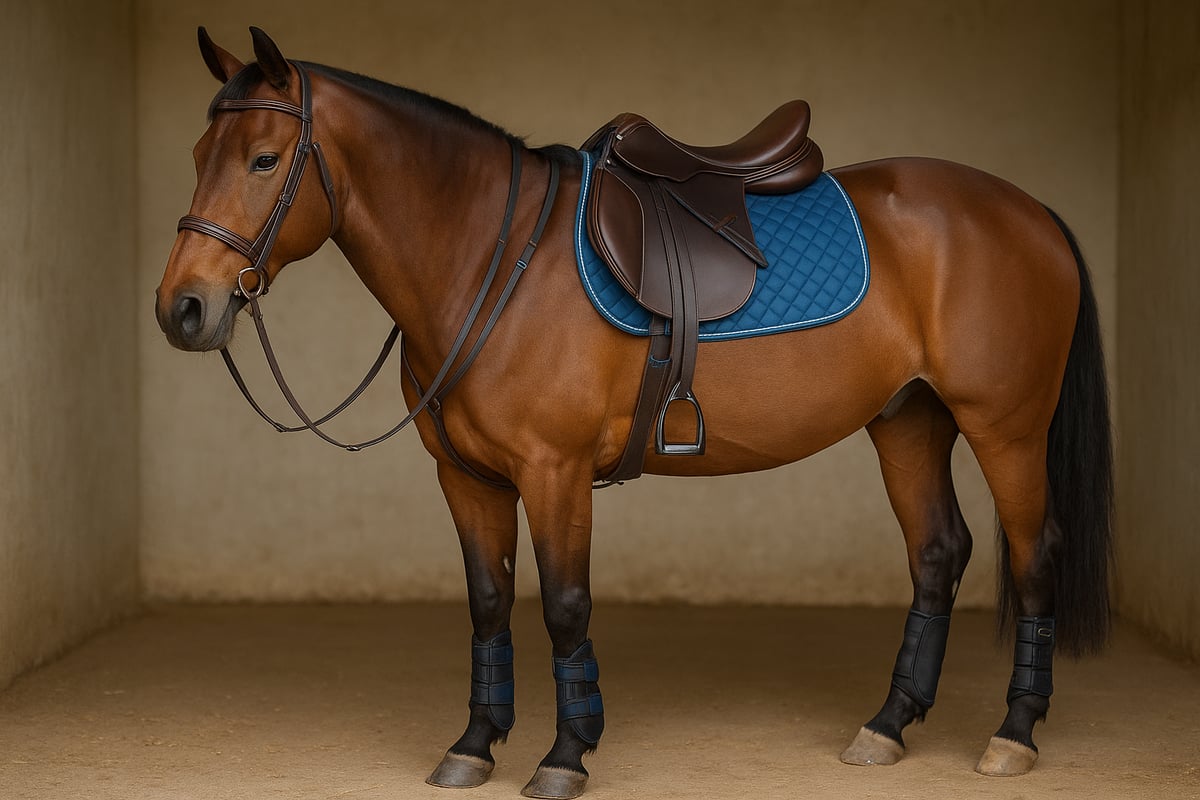
The saddle is the centerpiece of your horse tack, directly affecting comfort and communication. In 2025, riders can choose from Western, English, endurance, and specialized saddles. Each discipline demands specific features. For instance, Western saddles like the Circle Y Duncan Roper offer deep seats and robust trees for stability, while English saddles focus on close contact and flexibility for jumping or dressage.
Recent innovations include ergonomic designs and pressure-dispersing panels, making horse tack not only lighter but also better for the horse’s back. Quality saddles range from $1,000 to $2,000, with smart materials and adjustable trees becoming standard.
Key Saddle Types Table:
| Type | Discipline | Key Feature |
|---|---|---|
| Western | Trail, Rodeo | Deep seat, horn |
| English | Jumping, Dressage | Close contact, light |
| Endurance | Long rides | Lightweight, padded |
| Specialty | Therapy, Polo | Custom fit, flexible |
Proper fit is essential for all horse tack to prevent discomfort and enhance performance.
Decoding Bridles and Headstalls
Bridles and headstalls are essential horse tack components that secure the bit or bitless control device. English bridles typically feature a browband and noseband for stability, while Western headstalls may use a single ear or browband design for simplicity and quick adjustments.
When selecting this horse tack, ensure the fit matches your horse’s head size and shape. Adjustable cheekpieces and throatlatches allow for customization, which is vital for comfort and control.
- English bridles: full, cob, pony, and oversized sizing.
- Western headstalls: available in single ear, double ear, and browband styles.
- Look for soft padding and quality buckles.
A well-fitted bridle or headstall is crucial for clear signals and safety in all disciplines.
To Bit or Not to Bit? Exploring Your Options
Bits are pivotal for communication, making them a critical part of horse tack. Common types include snaffle, curb, Tom Thumb, and Mullen bar, each designed for different levels of control and rider preference. More riders are exploring bitless bridles in 2025, appreciating the gentle approach for sensitive horses.
Matching the bit to your horse’s mouth and training needs is vital. For detailed selection tips, see Choosing the Right Bit for Your Horse.
- Snaffle: mild control, direct action.
- Curb: leverage, more advanced riding.
- Bitless: gentle, pressure on nose and poll.
- Always check fit and mouthpiece integrity.
Selecting the right bit or bitless option ensures your horse tack supports both safety and responsiveness.
Keeping Your Saddle Secure: Girths, Cinches, and Breast Collars
Girths and cinches are indispensable horse tack items, securing the saddle and keeping it in place. English riders use girths, while Western riders prefer cinches. Materials include leather, nylon, and neoprene, each offering distinct benefits in durability, breathability, and maintenance.
Breast collars add extra stability, especially for trail riding or high-movement disciplines. They prevent saddle slippage on steep terrain or during fast maneuvers.
- Leather: traditional, strong, classic look.
- Nylon: lightweight, easy to clean.
- Neoprene: soft, reduces chafing.
Proper adjustment of these horse tack components protects your horse from discomfort and accidents.
Girth vs. Cinch: An Important Distinction
While they both do the same important job—keeping your saddle securely in place—the terms "girth" and "cinch" aren't interchangeable. The main difference comes down to your riding style. English riders use a girth, which is typically a wider, single piece of material that attaches to the saddle's billets on both sides. Western riders use a cinch, which often involves a system with a latigo strap on one side and an off-billet on the other. Both are essential for safety and stability, ensuring the saddle doesn’t shift or slide during your ride. When you're browsing for horse tack, you'll find them made from materials like durable leather, easy-to-clean nylon, or soft neoprene, each offering different benefits for your horse's comfort and your maintenance routine.
The Function of Breastplates and Martingales
Think of a breastplate or breast collar as extra insurance for your saddle's stability. This piece of tack attaches to the front of your saddle and loops around the horse's chest, preventing the saddle from sliding backward. It’s especially useful during activities with a lot of movement, like jumping, navigating steep hills on a trail ride, or making quick turns. A martingale serves a different, though sometimes related, purpose. While some styles also help with saddle stability, their primary function is to prevent the horse from raising its head too high, which helps maintain control and encourages proper head carriage. Both are valuable tools for specific situations, ensuring your equipment stays put and you maintain clear communication with your horse.
Reins and Stirrups: Your Connection and Balance
Reins connect the rider’s hands to the bit or noseband, while stirrups support rider balance. Horse tack options include split reins, single reins, laced or rubber grips, and both Western and English designs.
Stirrups have evolved in 2025, featuring safety release systems and ergonomic shapes to minimize injury risk. Brands like Professional’s Choice and Weaver offer trusted models.
- Split reins: favored in Western riding.
- Laced reins: popular for English disciplines.
- Safety stirrups: quick-release, lightweight materials.
Choosing the correct reins and stirrups as part of your horse tack setup boosts both control and rider security.
Comfort is Key: Saddle Pads and Blankets
No horse tack setup is complete without a quality saddle pad or blanket. These items cushion the horse’s back, absorb sweat, and help distribute pressure evenly. Materials like wool, gel, foam, and advanced synthetics are common in 2025.
The Mayatex San Juan Solid Wool Saddle Blanket is a prime example, blending durability with comfort. Always ensure your saddle pad matches your saddle’s shape and your horse’s needs.
- Wool: natural, moisture-wicking, long-lasting.
- Gel: shock absorption, cooling properties.
- Synthetic: easy to clean, affordable.
The right saddle pad is vital for maintaining your horse’s back health and maximizing the performance of your horse tack.
Protecting Your Horse: Leg and Hoof Gear
Protective boots are increasingly essential in modern horse tack, especially as more riders focus on injury prevention. Options include bell boots, skid boots, splint boots, and therapeutic wraps. Each type is tailored for different activities and terrains.
Therapeutic boots are seeing a surge in use for 2025, with up to 30 percent of riders adopting them for added support and healing. Hoof protection is equally important, especially for trail and performance horses.
- Bell boots: shield hooves from overreach injuries.
- Skid boots: protect during sliding stops in Western riding.
- Splint boots: guard tendons and ligaments.
Prioritizing leg and hoof protection within your horse tack toolkit keeps your horse sound and ready to perform.
Beyond the Horse: Essential Rider Safety Gear
While we spend a lot of time ensuring our horses have perfectly fitted tack, it's just as important to invest in our own safety. The right gear keeps you protected and builds confidence, allowing you to focus on the ride. Think of it as a partnership—your horse relies on well-maintained horse tack for their comfort and safety, and you should give yourself that same level of care. Protecting yourself is one of the most responsible things you can do as a horse owner.
Helmets: A Non-Negotiable for Safety
A certified helmet is the single most important piece of safety equipment you will ever own. It’s designed to protect your head during a fall, and a properly fitted riding helmet can reduce the risk of traumatic brain injuries by over 70%. Equestrian helmets are specifically engineered for the unique impact of a fall from a horse and are built for one substantial hit. It’s crucial to remember that if you take a fall, you must replace your helmet, even if it looks undamaged. Your safety is always worth the investment.
Finding the Right Riding Boots
Proper footwear is a critical safety feature, not just a style choice. The most important element of a riding boot is its distinct heel, designed to prevent your foot from sliding through the stirrup and getting caught during a fall. Your boots should also have a smooth or lightly textured sole to release easily. A secure, comfortable fit is essential for maintaining balance and giving clear leg aids to your horse. Whether you prefer tall boots or paddock boots with half-chaps, choosing footwear made specifically for riding is a must.
The Importance of a Safety Vest
A safety vest provides an essential layer of security, particularly for those who jump, ride cross-country, or work with young horses. These vests are designed to absorb impact and protect your torso and vital organs in a fall. Modern safety vests have come a long way from the bulky, rigid models of the past. Today’s options are lightweight and flexible, allowing for a full range of motion so you can ride with confidence without feeling restricted. Wearing one is a smart, proactive step to safeguard yourself against serious injury.
Getting the Perfect Fit: A Guide to Adjusting Tack
A precise fit is essential for every piece of horse tack. When adjusted correctly, tack keeps your horse comfortable and responsive, while also protecting the rider. Let’s walk through how to ensure your gear fits safely and securely for optimal performance.

Does Your Tack Fit Correctly? Here's Why It Matters
Proper fit is the foundation of effective horse tack. Ill-fitting tack can cause significant discomfort, leading to sores, behavioral problems, and a decline in performance. Studies indicate that up to 60 percent of equine back issues are related to poorly fitting saddles, underscoring the importance of careful adjustment.
A horse’s shape changes over time due to age, conditioning, and health. Regularly assess your horse tack to ensure it continues to fit well as your horse develops. Monitoring for signs like hair loss, swelling, or resistance to saddling helps prevent long-term issues.
No matter your discipline, prioritizing fit will protect your horse’s health and create a positive riding experience.
How to Fit a Saddle Correctly
Saddle fitting is a technical process that requires attention to detail. Begin by placing the saddle on your horse’s back without padding. Check for wither clearance, ensuring two to three fingers fit between the withers and the saddle. The seat should match the rider’s build, while the panels must rest evenly along the horse’s back, avoiding pressure points.
Look for signs of a good fit, such as even sweat marks and a horse that moves freely under saddle. Common fitting problems include bridging, pinching, or rocking. If you encounter these issues, consider consulting a professional or exploring solutions like correction pads. For an in-depth guide, see Solving Saddle Fit Problems.
Ongoing saddle checks are essential as part of your routine horse tack care.
Checking the Gullet and Withers
When fitting a saddle, pay close attention to the space over your horse's withers. The gullet, which is the channel underneath the front of the saddle, needs enough room to avoid putting pressure on this sensitive area. A great way to check this is the two-to-three-finger rule: you should be able to comfortably slide two or three fingers vertically between the top of the withers and the underside of the saddle's pommel. This clearance is non-negotiable for your horse's comfort and mobility. An improper fit here can lead to pinching, sores, and even long-term back problems. In fact, poorly fitting saddles are a major contributor to equine back issues, so taking the time for this simple check is well worth it. Remember that your horse's body will change with age and fitness, so make this check a regular part of your tacking-up routine.
How to Adjust Your Bridle, Bit, and Reins
Fine-tuning your horse tack doesn’t stop at the saddle. Proper bridle and bit placement are crucial for clear communication and your horse’s comfort. The browband should not pinch the ears, and the noseband must be snug but never restrictive. Adjust the cheek pieces so that the bit creates a gentle wrinkle at the corner of the horse’s mouth.
When sizing the bit, measure your horse’s mouth width and select an appropriate style for their training level. Reins should be adjusted to the rider’s discipline and preference, allowing for effective cues without excessive slack or tension.
Consistent adjustment helps keep your horse tack comfortable and encourages a positive response from your horse.
Ensuring the Bit Fits Properly
A well-fitted bit is essential for clear signals and your horse’s comfort. A great way to check the height is to look for one or two gentle wrinkles at the corners of your horse's mouth. This simple check confirms the bit isn't sitting too low and bumping against their teeth, or pulled too high, creating constant pressure. You should also make sure the bit is the correct width by sliding a finger between the bit ring and your horse's lips—it should fit snugly without pinching. Regularly inspecting the mouthpiece for wear and tear is just as important as the initial fit. If you're trying to decide on the right style for your horse's training needs, it helps to explore your options, from traditional snaffles to bitless bridles.
How to Fit Girths, Cinches, and Breast Collars
Girths and cinches secure the saddle, while breast collars add stability for active or trail riding. To fit a girth or cinch, tighten gradually, checking for a snug fit that does not pinch or rub. The girth should allow room for breathing but not slip, and placement is typically about four inches behind the elbow.
Breast collars must lie flat across the chest and not impede shoulder movement. Adjust straps so they provide support without causing chafing. Regularly check for wear or stretching in these components to ensure ongoing safety.
Properly fitted horse tack in these areas prevents saddle slippage and supports your horse during demanding activities.
How to Fit Halters and Lead Ropes
Even for basic handling, a well-fitted halter is non-negotiable for your horse's safety and comfort. When you put on a halter, it should be snug, but not tight. A good rule of thumb is to make sure you can slide about two fingers between the halter and your horse's face, especially over the noseband. This simple check prevents the material from pinching or rubbing against sensitive areas, which can lead to sores or even behavioral issues. A properly adjusted halter gives you effective control without causing discomfort, setting the stage for positive handling experiences every time.
Your lead rope is just as important. It should be attached to the halter with a secure knot that you can also release quickly in an emergency. Before every use, take a moment to inspect both your halter and lead rope for any signs of wear, like frayed fibers or cracked leather, as damaged equipment can fail when you need it most. Taking these small steps to ensure your gear is in good condition and fitted correctly is fundamental to safe handling. It builds trust and keeps both you and your horse protected during daily activities.
Don't Skip This: Your Pre-Ride Safety Check
Before every ride, take a few minutes to inspect your horse tack for signs of wear or damage. Look over stitching, buckles, billets, and any hardware for fraying or cracks. Confirm that all straps are secure and properly adjusted.
Pre-ride adjustments can reduce the risk of accidents by up to 30 percent, according to recent data. Create a checklist to verify each piece of tack is safe and ready for use:
- Saddle stability and fit
- Bridle and bit positioning
- Girth or cinch tightness
- Condition of reins, stirrups, and breast collars
By making safety checks a habit, you safeguard both horse and rider, ensuring every ride begins with confidence in your horse tack.
Essential Horse Care Supplies Beyond Tack
While the right tack is essential for your time in the saddle, your horse’s well-being depends just as much on the quality of their daily care. Creating a safe, clean, and comfortable environment is fundamental to their health and happiness. Beyond bridles and saddles, a well-stocked stable includes supplies for feeding, maintenance, grooming, and first aid. These essentials form the backbone of responsible horse ownership, ensuring your partner is healthy and content both in and out of the arena.
Feeding and Watering Equipment
Proper nutrition and hydration are the cornerstones of equine health. For feeding, it’s best to use a ground-level feed pan or bucket that allows your horse to eat in a natural, head-down position, which can help prevent choking. Just as important is how you store their food. A sturdy, secure container is a must-have to keep feed clean, dry, and safe from rodents or other pests that can contaminate it. This simple step preserves the nutritional quality of the feed and protects your horse from potential illness. Having the right equipment makes daily chores easier and keeps your horse thriving.
When it comes to water, constant access to a clean, fresh source is non-negotiable. A large water trough or multiple buckets will ensure your horse stays hydrated, which is critical for digestion and overall health. Make it a daily habit to scrub troughs and buckets to prevent algae and bacteria buildup. Ideally, your horse’s water source shouldn’t be shared with other animals to avoid cross-contamination. Investing in durable, easy-to-clean feeding and watering supplies is one of the best ways to support your horse’s long-term wellness and find quality essentials from brands you can trust.
Stable Maintenance and Housing Tools
A clean and secure stable is your horse’s sanctuary. Daily upkeep is crucial for preventing health issues like thrush and respiratory problems caused by ammonia buildup. Your essential toolkit should include a manure fork with closely spaced tines, a sturdy wheelbarrow, and a stiff-bristled broom for sweeping aisles. Having these tools readily available makes mucking out stalls less of a chore and more of an efficient routine. A well-maintained environment is a direct reflection of the care and attention you provide for your horse, contributing significantly to their overall comfort and health.
Beyond cleanliness, safety is paramount. Ensure your horse’s stall or barn has a secure gate or a locking door to prevent them from getting loose and potentially injuring themselves. It’s also a good idea to keep your tools organized and stored in a designated area, away from where a horse could trip or get caught on them. A safe and tidy barn not only protects your horse but also makes your daily tasks smoother. As a family-owned business with over 30 years of experience, we at Hooves and Paws know that a secure home is the foundation of a happy horse. You can learn more about our commitment to animal well-being.
Your Complete Grooming Kit
Grooming is so much more than just keeping your horse looking good—it’s a vital practice for monitoring their health and strengthening your bond. A daily grooming session allows you to check for cuts, scrapes, swelling, or skin irritations. Your essential grooming kit should start with a lead rope to keep your horse secure. Then, you’ll need a curry comb to loosen dirt, hair, and debris from the coat, followed by a dandy brush (stiff bristles) to flick it all away. A soft body brush can then be used for sensitive areas like the face and legs, adding a final polish.
No grooming routine is complete without hoof care. A hoof pick is an absolute must-have for removing rocks, mud, and debris that can cause bruising or infections like thrush. Using one every day before and after a ride is one of the most important things you can do for your horse’s soundness. Assembling a kit with high-quality tools will make the job more effective and enjoyable for both of you. You can find durable grooming supplies alongside our collection of horse tack to ensure you have everything you need for top-to-bottom care.
Preparing an Equine First-Aid Kit
Accidents and injuries can happen, and being prepared can make all the difference in an emergency. Every horse owner should have a well-stocked, vet-approved first-aid kit for the barn and a smaller, portable one for the trailer. Your kit should contain essentials for wound care, including antiseptic solution or wipes, sterile gauze pads, vet wrap, and non-stick bandages. Also include tools like blunt-nosed scissors, a digital thermometer, and a pair of tweezers. Having these items on hand allows you to provide immediate care while you wait for your veterinarian to arrive.
Beyond the physical supplies, your first-aid preparedness should include crucial information. Keep a laminated card in your kit with the contact numbers for your primary veterinarian and a few nearby emergency vets. It’s also helpful to have your horse’s baseline vital signs (temperature, pulse, respiration) written down for easy reference. Being ready for the unexpected is a key part of responsible ownership. Our 365-day satisfaction guarantee at Hooves and Paws extends to all our health products, because we believe in providing supplies you can depend on when it matters most. You can explore some of our trusted health essentials online.
Tack Care 101: Making Your Gear Last
Proper care and maintenance of horse tack are key to preserving its function, appearance, and safety. Well-maintained tack not only lasts longer but also protects your horse and enhances your riding experience. By following a structured routine, you can maximize the lifespan of every piece of horse tack in your stable.

The Right Way to Clean and Condition Tack
Keeping horse tack clean is essential for durability and comfort. Leather tack requires regular cleaning with pH-balanced soap and conditioning to prevent drying or cracking. Wipe down tack after each use, and perform a deep clean weekly for frequently used items. Synthetic tack, such as biothane or neoprene, is easier to maintain, often requiring just a quick rinse and mild detergent. Always allow tack to dry thoroughly before storage to avoid mildew. Paying attention to cleaning routines extends the life of horse tack and maintains its safety features.
Spotting Trouble: When to Repair Your Tack
Inspect horse tack frequently to catch signs of wear before they become hazards. Focus on stitching, buckles, billets, and straps, as these are common stress points. Look for fraying, cracks, or loose hardware. If you spot minor damage, prompt repairs can prevent bigger issues. For example, replacing a worn girth or cinch strap is often more cost-effective than risking equipment failure. For more detailed advice on maintaining specific items like girths, consult resources such as the Guide to Girths for Horses. Regular inspections ensure your horse tack remains reliable and safe.
Smart Tack Storage to Prevent Damage
Proper storage is vital for protecting horse tack from damage and environmental stress. Use saddle racks and bridle hooks to keep items off the ground and maintain their shape. Tack trunks or cabinets provide secure, dust-free environments for delicate pieces. Consider climate control in your tack room to avoid mold and mildew, especially in humid conditions. Organize items by type and frequency of use for easy access. These storage habits help preserve the condition of horse tack and support efficient daily routines.
Must-Have Products and Tools for Tack Cleaning
Selecting the right cleaning products and tools makes maintaining horse tack easier and more effective. Use glycerin or castile soap for leather, paired with conditioners like neatsfoot oil or lanolin-based creams. For synthetic tack, opt for gentle, non-abrasive cleaners. Essential tools include sponges, soft brushes, microfiber cloths, and tack cleaning wipes. Many riders now prefer eco-friendly products to minimize environmental impact. Investing in quality cleaning supplies ensures your horse tack stays in peak condition and ready for use.
Preparing for Travel: Essential Hauling Equipment
Traveling with your horse, whether to a show or a new trail, requires more than just your riding tack. Ensuring you have the right hauling equipment is fundamental to a safe and stress-free journey for both of you. A well-prepared rig and a stocked trailer can make all the difference when you're on the road, turning potential problems into minor inconveniences. Let's cover the essential gear you need to have on hand before you hit the road.
Choosing a Safe Trailer and Tow Vehicle
Your trailer and tow vehicle are your horse's lifeline on the road, so their safety and reliability are non-negotiable. Before any trip, perform a thorough inspection. Check the tire pressure on both the truck and trailer, test the brakes and all signal lights, and carefully examine the trailer floor for any signs of weakness or rot. Regular professional maintenance is also a must, but these quick pre-trip checks are your first line of defense against common roadside issues. A safe journey starts long before you load your horse.
Beyond the mechanical basics, your rig should be equipped with essential safety gear for emergencies. Keep a fully charged fire extinguisher in your tow vehicle and another accessible in the trailer. It's also smart to have reflective safety triangles or vests stored where you can easily grab them if you need to pull over. A basic toolkit with wrenches, a tire iron, and a jack can handle minor repairs, ensuring you’re prepared for the unexpected. Think of it as creating a pre-trip safety checklist to run through before you leave.
Supplies for Safe and Comfortable Transport
Once your rig is ready, focus on what your horse needs inside the trailer for a comfortable trip. Always pack a complete equine first-aid kit stocked with wound care supplies, wraps, and any medications your horse might need. Bring more water and hay than you think you'll use; travel can be dehydrating, and a slow-feeder hay bag keeps your horse occupied and supports their digestive health. Shipping boots or wraps can protect their legs from bumps, while a fly mask can reduce stress from wind and debris.
Having a few extra supplies can prevent a minor issue from becoming a major headache. Pack at least one spare halter and lead rope in case one breaks. An emergency electrical kit with spare fuses and a few magnetic, battery-powered lights can be a lifesaver if your trailer lights fail unexpectedly at night. According to many seasoned haulers, these simple items are some of the most important horse trailer must-haves for handling common roadside challenges with confidence and keeping everyone safe.
What's New in Horse Tack? Trends and Innovations
The world of horse tack is experiencing remarkable change in 2025. Technology, sustainability, and customization are reshaping how riders and horses connect. Whether you ride competitively or for pleasure, keeping up with these trends ensures your gear is safer, smarter, and more comfortable than ever.
Smart Tack: Technology Meets Tradition
In 2025, smart technology is transforming horse tack. Smart saddles now feature pressure sensors that track fit and rider balance in real time. Bluetooth-enabled girths alert riders to changes in tension, supporting optimal comfort and safety. Wearable tech for both horse and rider can monitor heart rates, movement, and stress, helping to prevent injuries before they happen.
These advancements make training more precise and enhance the horse-human partnership. For a deeper look at the latest tech-driven breakthroughs, see the Spoga Horse Top Innovations 2025 for highlights from this year’s leading equestrian trade fair.
The Rise of Sustainable and Eco-Friendly Tack
Sustainability is a major focus in horse tack innovation this year. Vegan leather, made from plant-based or recycled materials, is becoming a popular choice for environmentally conscious riders. Many brands now offer bridles, girths, and even saddles crafted from eco-friendly synthetics, reducing the industry’s carbon footprint.
Consumers are increasingly demanding products that support green practices. In fact, the market has seen a 40 percent rise in sustainable tack purchases since 2023. Riders can now choose from a variety of certified green tack without sacrificing quality or performance.
Personalize Your Ride: Custom and 3D-Printed Tack
Customization is more accessible than ever in the horse tack market. Thanks to 3D printing, riders can order saddle trees and other components that fit their horses with high precision. Personalized options include color choices, engraved nameplates, and even custom-fit boots and saddle pads.
This level of tailoring ensures that every piece of tack meets both the horse’s and rider’s unique needs. The rise of 3D-printed accessories is driving innovation and giving equestrians more control over their gear selection.
Why Riders Are Choosing Lighter, Ergonomic Tack
Lightweight materials are making a significant impact on horse tack in 2025. Modern saddles and bridles are now constructed from advanced synthetics, reducing the strain on horses and riders alike. Ergonomic designs, such as contoured girths and padded headstalls, help distribute pressure evenly and minimize discomfort.
Statistically, adoption of lightweight tack is up 25 percent in competitive circles. These innovations allow for longer, more comfortable rides and can improve overall performance. Riders appreciate the easy handling and maintenance that come with these modern materials.
New Tack Innovations Designed for Safety
Safety is always a top concern in horse tack development. Recent innovations include magnetic safety stirrups that release instantly during a fall, quick-release buckles for faster emergency response, and new helmet standards for improved impact protection. Riders can also find tack with high-visibility features, such as reflective strips or integrated LED lighting for night riding.
For secure storage, products like the Professional’s Choice Bungee Rope Holder are gaining popularity. These advancements collectively reduce accident risks and help keep both horse and rider safe in all conditions.
Finding Tack for Horses with Special Needs
Inclusivity and adaptability are shaping the horse tack landscape in 2025. Adaptive tack solutions cater to horses with physical limitations, senior animals, and riders with special requirements. There are now specialized saddles and bridles for children, beginners, and therapeutic riding programs.
The adaptive tack market is expanding rapidly, reflecting a growing understanding of diverse equestrian needs. By offering more tailored solutions, the industry ensures every horse and rider can achieve comfort, safety, and success.
How to Choose and Buy the Right Tack
Selecting the right horse tack in 2025 requires a thoughtful approach. With evolving technology and diverse rider needs, making informed choices can greatly impact your riding experience. Explore these key steps to ensure you invest in gear that supports both you and your horse.
First, What Are Your Riding Goals?
Begin by identifying your primary discipline, riding frequency, and your horse’s unique requirements. Whether you ride for pleasure, competition, or trail adventures, the right horse tack will depend on these factors. For instance, a dressage competitor needs different gear than a trail enthusiast. Assess your skill level and consider future riding ambitions. Are you planning to move into competitions or stay with recreational riding? Matching your horse tack to your goals ensures safety, comfort, and optimal performance for both you and your horse.
How to Budget for Tack Without Sacrificing Quality
Budgeting is essential when investing in horse tack. In 2025, quality saddles range between $1,000 and $2,000, while bridles, pads, and protective gear add to the total cost. While it can be tempting to choose budget options, investing in well-made horse tack pays off in durability and safety. According to the Horse Tack Equipment Market Report 2025-2033, riders are spending more on upgrades and innovations. Prioritize essentials first and allocate funds for replacements or upgrades as your riding evolves.
New vs. Used: Where to Buy Your Tack
Horse tack can be purchased from local tack shops, online retailers, or secondhand sources. Each option offers distinct advantages. Local shops provide hands-on fitting and expert advice. Online stores offer convenience and a wider selection, but be sure to review retailer reputations and return policies. Secondhand horse tack is budget-friendly but requires careful inspection for wear and safety. Always prioritize reputable sellers and clear product descriptions to avoid surprises. Compare sources to find the perfect balance of quality, price, and service for your needs.
Why You Should Always Try Tack Before You Buy
Testing horse tack before purchase is crucial for both rider and horse comfort. Many retailers offer fitting sessions or allow trial periods for saddles and bridles. For online purchases, look for stores with generous return or exchange policies. Virtual consultations and detailed fitting guides can also help you make informed choices. Events like the AETA 2025: Fashion Forecast and New Products showcase the latest gear and often provide hands-on opportunities to try products. Prioritize fit and comfort to ensure long-term satisfaction.
What to Look for in a Tack Warranty
Understanding warranty terms is an important part of buying horse tack. Quality saddles and major gear often come with warranties covering defects or workmanship issues. Review warranty details, coverage length, and what is excluded. Reliable after-sales support, including repair services and customer assistance, adds value to your purchase. Always keep receipts and warranty documentation for reference. Investing in horse tack with strong after-sales support helps protect your investment and ensures continued performance for years to come.
As you explore the essential horse tack guide for 2025, you’ll see just how much the right gear matters—both for your safety and your horse’s comfort. With new innovations, sustainable choices, and smart technology shaping the future of riding, now is the perfect time to review your tack and consider an upgrade. At Hooves and Paws, you’ll find an extensive selection of quality equestrian products, free US shipping, and flexible payment options to suit your needs. Ready to equip yourself for your best rides yet? Buy Now
Frequently Asked Questions
I'm new to riding. What are the absolute must-have pieces of tack to start with? Welcome to the horse world! To get started, you'll need three core items: a saddle that fits both you and your horse, a bridle complete with a bit and reins, and a quality saddle pad. These are the foundational pieces that create the connection between you and your horse. While there are many other useful items, focusing on getting these three essentials right will set you up for safe and comfortable rides from day one.
My horse is acting fussy when I ride. How can I tell if it's a tack fit issue? Behavioral changes like ear pinning, tail swishing, or refusing to move forward are often your horse's way of telling you something is wrong. If you suspect a tack issue, start by checking for physical signs after a ride. Look for uneven sweat patterns or dry spots under the saddle, which can indicate pressure points. Also, notice if your horse is sensitive when you tighten the girth or put on the bridle. These clues often point to discomfort, and it's a good sign to reassess how your equipment fits.
How often do I really need to clean my tack? Making tack care a habit will save you money and keep your gear safe in the long run. A good routine is to give your leather tack a quick wipe-down with a damp cloth after every ride to remove sweat and dirt. This prevents buildup and damage. Then, set aside time for a more thorough cleaning and conditioning session about once a week, or every few weeks if you ride less often. For synthetic tack, a simple rinse or wipe-down is usually all you need.
Is it better to invest in leather or synthetic tack? This really comes down to your personal preference, budget, and how much time you have for maintenance. Traditional leather is beautiful, durable, and conforms to your horse over time, but it requires regular cleaning and conditioning to stay in good shape. Synthetic materials are often more affordable, lightweight, and incredibly easy to care for, making them a fantastic, practical choice for trail riding, training, or riding in all weather conditions.
My horse's shape has changed due to age or fitness. Do I need to buy a whole new saddle? Not necessarily. It's completely normal for a horse's back to change over time. Before you start shopping for a new saddle, look into solutions like correction pads. These specialized pads have shims that can help you adjust the fit for minor to moderate changes, ensuring the saddle remains balanced and comfortable. If the fit is significantly off, however, it's always best to consult a professional saddle fitter to explore your options and find the safest solution for your horse.
Key Takeaways
- Fit is Non-Negotiable: An ill-fitting saddle or bridle can cause discomfort and behavioral issues. Make it a habit to check for proper wither clearance and even pressure before every ride, as your horse's body will change over time.
- Choose Tack for Your Discipline: Whether you're in the dressage ring or on a mountain trail, your gear needs to match your activity for safety and success. If you compete, always double-check the official rulebook to make sure your equipment is allowed.
- Invest in Care and Safety: A great partnership goes beyond the ride. Protect yourself with a certified helmet, and keep your horse healthy with a well-stocked first-aid kit and a consistent tack cleaning routine to prevent equipment failure.


