


Your horse communicates with you every day, just not always with a nicker or a nudge. Sometimes, they speak through a swish of the tail when you tighten the cinch, a reluctance to move forward, or even dry spots on their back after a ride. These subtle signals often mean one thing: something hurts. More often than not, that discomfort is tied to how the saddle sits on their back. This is where orthopedic saddle pads can make a world of difference. This guide explains how these specialized tools provide relief, support unique conformations, and help you better listen to what your partner is trying to tell you.
Key Takeaways
- Assess your horse's specific needs: An orthopedic pad is a great tool for addressing back soreness, unique conformations, or minor saddle fit imperfections; however, it is not a substitute for a properly fitting saddle.
- Look for high-performance features: The best pads are made from quality, shock-absorbing materials like pure wool felt and have an anatomical shape. A contoured design with wither relief is essential for preventing pressure and allowing free movement.
- Choose a pad that fits your entire setup: The right pad should accommodate your horse's unique build, extend one to two inches beyond your saddle's edge, and suit your specific riding discipline for optimal comfort and stability.
What Is an Orthopedic Saddle Pad?
Think of an orthopedic saddle pad as a high-performance, supportive cushion for your horse's back. It’s designed to do much more than just sit between the saddle and your horse. Its primary job is to enhance comfort and provide relief, especially for horses with back sensitivity, muscle soreness, or unique conformations. These pads are engineered to distribute the rider's weight more evenly, which helps prevent the painful pressure points that can lead to soreness and long-term back problems.
An orthopedic pad can be a game-changer for horses recovering from an injury or those who need extra support during demanding work. By absorbing shock and improving how the saddle sits, it helps make every ride more comfortable. This is a crucial piece of horse tack for promoting your horse's overall well-being and soundness.
It’s important to see these pads as a specific tool, not a cure-all. While an orthopedic pad can correct minor saddle fit issues, it can’t fix a saddle that is fundamentally wrong for your horse. In fact, using a corrective pad when it isn’t needed can sometimes create new pressure points. The goal is always to start with a well-fitting saddle and use an orthopedic pad to provide targeted support where your horse needs it most.
Does Your Horse Need an Orthopedic Saddle Pad?
Your horse is your partner, and like any good partner, they will tell you when something is wrong. You just have to know how to listen. While not every horse requires an orthopedic saddle pad, it can be an essential piece of equipment for horses experiencing back pain, those with unique conformations like high withers or a swayback, or those recovering from an injury. An orthopedic pad is designed to provide extra support and distribute pressure more evenly, making rides more comfortable for your horse.
The key is learning to recognize the subtle (and not-so-subtle) signs of discomfort. Many riders assume behavioral issues are training problems, but often, they are rooted in physical pain, frequently caused by an ill-fitting saddle. Before you invest in a new pad, take a step back and observe your horse. They communicate through physical changes, shifts in their behavior, and their overall performance under saddle. Understanding these clues is the first step toward finding the right solution and ensuring your horse is happy, healthy, and comfortable.
How to Spot Physical Signs of Back Pain
Pay close attention to your horse’s back after a ride. When you remove the saddle pad, is the sweat pattern even? Any dry spots under the saddle area are a major red flag. These spots indicate intense, constant pressure that prevents the skin from sweating. Over time, this pressure can damage the hair follicles, causing white hairs to appear in those same spots. This is a clear sign of a long-term saddle fit issue. Also, watch for any signs of soreness when you groom or run your hand along their back muscles.
Behavioral Cues That Point to Discomfort
A sudden change in your horse’s attitude can be one of the clearest indicators of pain. Is your normally easygoing horse suddenly swishing their tail constantly, pinning their ears when you bring out the saddle, or getting grumpy as you tighten the cinch? These are not just signs of a bad mood; they are often attempts to tell you something hurts. Under saddle, this discomfort can manifest as a reluctance to move forward, unusual spookiness, or even bucking or rearing, especially in a horse that does not typically act out.
Red Flags of a Poorly Fitting Saddle
Ultimately, most back pain is tied to how well your saddle fits. The physical and behavioral clues we have discussed, like dry spots, white hairs, and irritability, are classic symptoms of a poor fit. You can also look at the saddle itself. Does it tip forward or backward when you are riding? Does it shift from side to side? An unstable saddle creates friction and uneven pressure points. Even the pad can be the culprit. A pad that is too small will not provide enough coverage, while one that is too large can bunch up and interfere with a proper fit for all your horse tack.
How Orthopedic Pads Improve Your Horse's Health
An orthopedic saddle pad is more than just a layer of cushioning; it’s a specialized piece of equipment designed to work with your horse’s unique anatomy. By distributing pressure more evenly, absorbing shock, and compensating for minor saddle fit issues, these pads can make a world of difference in your horse’s comfort and willingness to work. They are engineered to address specific problems, from general soreness to anatomical challenges, helping to protect your horse’s back and support their long-term soundness. Think of it as providing your equine partner with the best possible foundation for every ride.
Providing Relief for Back Pain and Soreness
If your horse has a sensitive back or deals with muscle soreness after a ride, an orthopedic pad can provide significant relief. These pads are specifically engineered to reduce and distribute pressure from the saddle and rider, preventing painful pressure points from developing along the spine. By creating a more uniform contact area, the pad helps the saddle sit more comfortably, which in turn allows your horse’s back muscles to relax and engage properly. This added comfort not only makes for a happier horse but can also lead to improved performance and a more positive attitude under saddle.
Extra Support for Swaybacks and Unique Shapes
Every horse is built differently, and some have conformations that make saddle fitting a real challenge. For horses with a swayback, high withers, or uneven shoulder development, an orthopedic pad can be a game-changer. Many of these pads come with shims or built-in corrective features that help fill in the gaps where a saddle might "bridge" over a dipped back. This provides crucial support and ensures the rider's weight is distributed evenly instead of concentrating on the front and back of the saddle. This targeted support helps keep horses with unique shapes comfortable and protected during exercise.
Cushioning Sensitive Backs and Pressure Points
A quality orthopedic pad helps manage two major sources of back discomfort: pressure and heat. Materials like pure wool felt are excellent at absorbing shock and wicking away moisture, which helps keep your horse’s back cool and dry. This breathability is essential for preventing skin irritation and overheating during long rides. However, it’s important to remember that a corrective pad is a tool, not a cure-all. Using one improperly or trying to fix a dangerously poor saddle fit can sometimes do more harm than good. Always use these pads thoughtfully to address specific saddle fit issues and ensure your horse’s comfort.
The Biggest Benefits of an Orthopedic Saddle Pad
Choosing the right piece of horse tack is about more than just performance; it’s about partnership. An orthopedic saddle pad is one of the most effective tools for protecting your horse’s back and strengthening your connection in the saddle. Think of it as an investment in your horse's comfort and your peace of mind. These specialized pads are engineered to solve common problems related to saddle fit and pressure, which can be the root cause of many behavioral and physical issues. By creating a better interface between the saddle and your horse, an orthopedic pad can make a world of difference in how your horse moves, feels, and performs. They offer significant advantages that support your horse’s immediate comfort, stability during rides, and overall long-term health. Let's look at the three biggest benefits you can expect when you add one to your tack room.
More Comfort, Less Pressure
Think of an orthopedic pad as a high-tech cushion between your saddle and your horse. Its primary job is to distribute pressure evenly across the back, preventing sharp pressure points that can cause pain and soreness. For horses with sensitive backs or existing back problems, this is a game-changer. Many pads are made from materials like high-density foam or pure virgin wool felt, which not only absorb shock but also wick away moisture. This helps keep your horse’s back cool and dry, preventing the skin irritation and discomfort that can come from a long, sweaty ride.
Achieve a More Stable, Secure Saddle
A saddle that shifts, rolls, or bridges is uncomfortable for your horse and unsecure for you. Orthopedic pads help create a more stable and customized fit, especially for horses with unique conformations. By filling in gaps where the saddle tree doesn’t quite match the horse’s back, the pad prevents the saddle from moving around. This stability is crucial during strenuous activities like sharp turns, gallops, or jumping. A secure saddle means your weight stays balanced, allowing your horse to move more freely and confidently without the distraction of pinching or rubbing.
Prevent Injuries and Support Long-Term Wellness
Using an orthopedic saddle pad is a proactive way to protect your horse’s well-being for years to come. Consistent, uneven pressure from a poorly fitting saddle can cause more than just temporary soreness. Over time, it can lead to muscle atrophy, chronic back pain, and even permanent white hairs, which are a clear sign of nerve damage from excessive pressure. By providing a better fit and shock absorption, an orthopedic pad helps prevent these long-term injuries. It’s an investment in your horse’s soundness, ensuring they can stay happy and comfortable under saddle throughout their life.
Shop This Post

Featured in this article
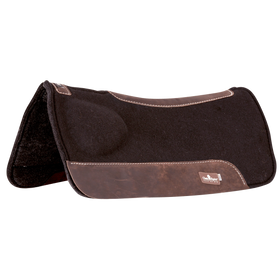
Professional's Choice 100% Wool Felt Contoured Saddle Pad - Steam-Pressed Pressure Relief & Moisture Wicking
$158.99
Shop Now →
What to Look For in an Orthopedic Saddle Pad
Choosing the right orthopedic saddle pad can feel overwhelming with so many options available. But when you know what to look for, you can confidently pick a pad that gives your horse the support they need. The best pads aren't just about extra cushioning; they are engineered to protect your horse's back, improve saddle fit, and make every ride more comfortable. Focus on four key features: the material, the shape, its adjustability, and its breathability. These elements work together to distribute pressure evenly, absorb impact, and keep your horse cool and dry. A great orthopedic pad is an investment in your horse’s long-term health and happiness, ensuring they can perform their best without discomfort.
Look for Quality, Shock-Absorbing Materials
The first thing to check is what the pad is made of. You want materials designed to absorb shock, which helps protect your horse’s back muscles and spine from the impact of riding. Look for pads made from high-density foam, specialized polymer, or 100% pure wool felt. These materials are excellent at dissipating pressure and reducing the jarring forces that can lead to soreness. A quality pad acts as a buffer between the saddle and your horse, ensuring that weight is distributed evenly instead of creating painful pressure points. This is especially important for sensitive horses or those recovering from back issues.
The Expert Consensus on Wool
When it comes to saddle pads, wool is a classic for a reason. It’s a natural, high-performance fiber that has been trusted by equestrians for generations. Pure virgin wool felt is particularly prized for its incredible ability to absorb shock and distribute pressure, which protects your horse’s back from the constant impact of riding. But its benefits don’t stop there. Many pads are made from materials like high-density foam or pure virgin wool felt, which not only absorb shock but also wick away moisture. This is crucial because it helps keep your horse’s back cool and dry, preventing the skin irritation and discomfort that can come from a long, sweaty ride. This combination of cushioning and breathability makes wool an outstanding choice for all kinds of horse tack.
Advanced Materials: Gel Inserts and Memory Foam
Beyond traditional wool, many modern orthopedic pads incorporate advanced materials for even more targeted support. You’ll often find pads with gel inserts strategically placed under the saddle bars to provide superior shock absorption right where it’s needed most. Memory foam is another popular feature because it conforms to the unique shape of your horse’s back, creating a custom fit that helps eliminate pressure points. Some of the most innovative designs use special materials like "Poron impact material" and memory foam to give support and stability. These high-tech options are excellent for horses in intense training, those with very sensitive backs, or anyone looking for the latest in comfort and protection among our best-selling products.
Choose a Contoured, Anatomical Design
A flat, square pad simply won't do. A well-designed orthopedic pad should have a contoured, anatomical shape that follows the natural curve of your horse's back. Look for a pad with a raised, cutback wither area. This design provides crucial space for the withers and spine, preventing pinching and rubbing that can cause serious discomfort. An anatomical shape also allows for greater freedom of movement in the shoulders, so your horse can extend their stride without restriction. This thoughtful design ensures the pad stays in place and works with your horse’s body, not against it.
Spine Relief Channels and Cutouts
Along with a contoured shape, a spine relief channel is a non-negotiable feature. This is essentially a cutout or a "tunnel" that runs down the center of the pad, creating a space where no part of the pad or saddle touches the horse's spine. This design is critical because the vertebrae along your horse's back are sensitive and not designed to bear weight. Direct pressure here can cause significant pain, restrict movement, and lead to long-term issues. By lifting the saddle completely off the spine, the pad allows the back muscles to relax and engage properly, ensuring that all the pressure is distributed where it should be: on the long, supportive muscles on either side. This simple but effective feature is a hallmark of high-quality horse tack and makes a huge difference in your horse's comfort.
Consider Shims for a Custom Fit
Since every horse's conformation is unique, adjustability is a huge plus. Many top-tier orthopedic pads come with pockets for shims, which are small inserts made of foam or felt. You can use shims to create a more customized fit for your saddle, filling in hollow spots behind the shoulders or helping to balance a saddle on a horse with a swayback. This feature is incredibly useful for addressing minor saddle fit issues or for horses whose body shape changes with age or fitness level. Having the ability to adjust the pad ensures you can provide targeted support exactly where it's needed most.
Prioritize Breathable, Moisture-Wicking Fabric
A hard-working horse is a sweaty horse, and a pad that traps heat and moisture can lead to skin irritation and discomfort. That’s why breathable, moisture-wicking fabric is a must. Materials like natural wool felt are fantastic because they can absorb a significant amount of moisture while allowing air to circulate, keeping your horse’s back cooler and drier. This helps regulate temperature and prevents the buildup of sweat and bacteria. When you’re looking at different horse tack, always check the material’s properties to ensure it will keep your horse comfortable, even during long or intense rides.
Find the Right Size and Thickness
Getting the size and thickness right is just as important as choosing the right material. To find the correct size, start by measuring the length of your saddle’s skirt. A good rule of thumb is to choose a pad that extends one to two inches beyond the edge of your saddle on all sides. This extra margin ensures the entire saddle panel is cushioned and prevents the edges from digging into your horse's back, which can cause pinching and soreness. When it comes to thickness, you’ll typically see options like 3/4 inch or 1 inch. The best choice depends on your horse’s needs and your riding discipline. A thicker pad can provide more cushioning for a horse with a sensitive back, while a thinner pad might be better for a well-fitting saddle where you want a closer contact feel. Ultimately, the goal is to find the perfect balance that supports your horse without interfering with the fit of your other horse tack, ensuring comfort and freedom of movement.
Debunking Myths About Orthopedic Saddle Pads
Orthopedic saddle pads are incredible tools for supporting our horses' comfort and health, but there's a lot of confusing information out there. It’s easy to get tripped up by common misconceptions that can lead you to choose the wrong pad, potentially causing more harm than good. Let's clear the air and debunk a few of the most persistent myths so you can make the best choice for your equine partner.
Myth: Thicker Always Means Better
It’s a common assumption that more padding equals more comfort, but that’s not always the case with saddle pads. In fact, as the experts at Classic Equine point out, "using a thick pad to 'fix' a tight-fitting saddle can only make things worse." Think of it like wearing bulky winter socks with shoes that are already snug; it just makes them tighter and more uncomfortable. An overly thick pad can create excessive pressure, pinch the withers, and restrict your horse's shoulder movement. The goal is to find a pad made from high-quality, shock-absorbing materials that distributes pressure evenly, not just to add bulk.
Myth: A Pad Can Fix a Bad Saddle Fit
This is probably the most dangerous myth of all. While an orthopedic pad can help fine-tune a saddle that’s a reasonably good fit, it is not a substitute for proper saddle fitting. A pad cannot correct a saddle that is too narrow, too wide, or has a tree that doesn't match your horse's shape. Relying on a pad to solve a major fit issue can lead to serious and lasting back problems. As one veterinary health resource notes, "Any corrective saddle pad should in essence be used only if absolutely necessary to avoid potential damage to the horse's back." Always start with a professional saddle fitting, and use a pad to address minor imperfections or support a changing topline.
Myth: All Orthopedic Pads Are Created Equal
The term "orthopedic" gets used a lot, but it doesn't mean every pad is the right choice for every horse. The size, shape, and material of a pad are all critical factors. A pad that’s too small won't provide enough coverage, while one that's too large "can create pressure points and throw off the saddle's fit." The right pad for a high-withered Thoroughbred will be very different from one for a broad-backed Quarter Horse. That’s why our team at Hooves and Paws has spent years curating a collection of horse tack from trusted brands, ensuring you can find a pad that truly fits your horse's unique needs.
Our Favorite Orthopedic Saddle Pads
With so many options out there, finding the right orthopedic pad can feel a bit overwhelming. To make it easier, I’ve put together a list of some of the most trusted and effective pads on the market. These brands are known for their quality, innovation, and commitment to equine comfort, making them a great starting point in your search for the perfect fit.
The Hooves and Paws Collection
We're proud to carry pads that make a real difference, and the Sedelogic Orthopedic Saddle Pad is a perfect example. Often called the 1-2-3 Saddle Pad, it’s specifically designed to help horses with existing back problems or those with particularly sensitive backs. This pad uses advanced materials to create a better saddle fit, distribute pressure evenly, and ultimately prevent injuries. It’s a fantastic choice for riders who want to give their horse an extra layer of protection and support where it’s needed most. You can find it among our other high-quality horse tack selections.
For Shock Absorption: ThinLine Technology Pads
ThinLine has earned a stellar reputation for its unique shock-absorbing technology. The ThinLine Basic Half Pad is a popular choice because it’s made from a specialized open-cell foam that you place over your regular pad and under the saddle. This setup works wonders for both horse and rider by absorbing impact and reducing excess movement. It creates a quieter, more stable connection, allowing for clearer communication and a more comfortable ride for everyone. It’s a simple addition that can have a big impact on performance and comfort.
The Trusted Choice: Classic Equine
If you’re looking for variety, Classic Equine delivers. They offer a wide range of western orthopedic saddle pads tailored to specific needs. You can find pads with built-in rubber padding, front or rear risers to correct saddle balance, or specialized support for horses with swaybacks. They even have designs that protect the horse’s shoulders, which is a feature many team ropers appreciate. This brand is a go-to for finding a solution that addresses your horse’s unique conformation and your specific riding discipline.
For Advanced Support: Professional's Choice
Professional’s Choice is another brand that excels at creating specialized solutions. Many of their pads are beautiful enough for the show ring, featuring intricate designs and soft, breathable wool bottoms. Beyond aesthetics, they offer serious support. Their SMX pads, for instance, come with shims that are perfect for adjusting the fit on horses with high withers or other tricky conformations. This combination of style and function makes them a favorite among riders who want their horse to look and feel their best.
Champion-Designed: Cactus Saddlery Relentless Pad
When a product is designed by a 26-time World Champion, you know it’s built for performance. The Cactus Saddlery Relentless Pad, developed by Trevor Brazile, is a perfect example of expert-driven design. Its unique single-piece construction is a standout feature, engineered to enhance strength and eliminate the uncomfortable pressure points that can form along a horse's back. This thoughtful design focuses on improving equine comfort where it matters most. While it comes with a higher price tag, it reflects the specialized construction and high-quality materials used to create a pad that offers superior support and durability for serious riders and their equine partners.
Made in the USA: Orthoride Saddle Pads
Orthoride saddle pads are engineered with a clear purpose: to solve saddle fit problems and make every ride more comfortable for your horse. These pads use advanced technology to absorb shock and distribute pressure evenly across the back, which is crucial for preventing soreness and supporting your horse's overall well-being. What makes them particularly reliable is the orthopedic foam inside, which is designed to maintain its shape ride after ride. This ensures your horse gets consistent, dependable support without the material breaking down over time. It’s a smart investment in a pad that works to protect your horse’s back for the long haul.
How to Choose the Right Pad for Your Horse
Finding the perfect orthopedic saddle pad isn't about grabbing the thickest one off the shelf. It’s a thoughtful process that considers your horse’s unique shape, your saddle’s fit, and the type of riding you do. When these three elements align, you get a pad that provides true comfort and support. Think of it like finding the right supportive insoles for your shoes; the correct fit makes all the difference. By evaluating these key areas, you can confidently choose a pad that helps your horse feel and perform their best.
Start With Your Horse's Unique Needs
Every horse has a different build, and the right pad should accommodate their specific conformation. Look closely at your horse’s back. Do they have high withers, a slight sway, or prominent shoulders? Many orthopedic pads are designed with cutouts or built-up areas to address these issues and create a level surface for the saddle. Sizing is also critical. A pad that’s too small won’t provide enough coverage, while an overly large one can bunch up and create new sore spots. Considering your horse’s individual needs first is the best way to find the right horse tack.
Pads for Older Horses or Mules
As horses and mules age, their bodies naturally change. They might lose muscle tone along their topline or develop a more pronounced swayback, which can alter how a saddle fits. An orthopedic pad is an excellent tool for providing the extra support these senior partners need. Pads with shims or built-in corrective features can fill in the gaps where a saddle might "bridge" over a dipped back, ensuring the rider's weight is distributed evenly instead of concentrating on sensitive areas. This targeted cushioning absorbs shock and prevents painful pressure points, which is crucial for keeping an older horse comfortable and willing to work. It’s a proactive way to support their long-term wellness and find the perfect piece of horse tack to keep them happy under saddle.
How to Measure for the Perfect Fit
An orthopedic pad works best when paired with a saddle that already fits reasonably well. Before you shop, check your saddle’s fit on your horse’s bare back. It should sit level and make even contact without rocking or bridging. Once you confirm the saddle is a good match, measure its length. The ideal pad should extend about one to two inches beyond the saddle’s edge on all sides. This ensures the entire saddle skirt is cushioned and prevents the edges from digging into your horse's back. A proper fit is the foundation of your horse's comfort.
Consider Your Riding Discipline
Your riding discipline plays a big role in choosing a pad. A trail rider spending hours in the saddle needs superior shock absorption to minimize fatigue on their horse’s back. In contrast, a reining competitor might prefer a thinner, contoured pad that allows for closer leg contact and doesn't slip during quick movements. Many pads are designed with features like shock-absorbing inserts or moisture-wicking materials to support different activities. Thinking about how you ride will help you select a pad with the right features to provide comfort and stability for every journey.
Pads for Barrel Racing and Roping
In high-impact sports like barrel racing and roping, every move is explosive. The force from sharp turns, sudden stops, and powerful takeoffs travels directly through the saddle to your horse’s back. An orthopedic saddle pad acts as a critical shock absorber in these moments. It’s not just extra padding; it’s a piece of performance equipment designed to distribute intense pressure evenly and protect the spine and muscles from jarring impacts. Using a pad made from materials like high-density foam or pure wool felt helps prevent the long-term damage that can result from repeated stress, such as muscle soreness, atrophy, and even nerve damage indicated by white hairs. It’s a proactive way to support your equine athlete’s comfort and soundness for years to come.
Pads for Ranch Riding
Ranch riding demands versatility and endurance over long hours and varied terrain. A good orthopedic pad is essential for keeping your horse comfortable from sunup to sundown. These pads are particularly helpful for working horses who may have unique conformations, such as a slight swayback or uneven shoulder development, by helping the saddle sit more securely. Our best-selling products often feature quality materials like pure virgin wool felt, which are excellent at absorbing shock and wicking away moisture—crucial for preventing skin irritation during a long, sweaty day. By providing consistent support and distributing your weight evenly, the right pad ensures your horse stays comfortable and willing, whether you’re checking fences or navigating a tricky trail.
Other Solutions for Saddle Fit and Comfort
While an orthopedic pad is an excellent tool, it’s not the only way to improve your horse's comfort under saddle. Sometimes, the issue isn't about adding corrective support but about addressing a different problem, like stability or direct spinal pressure. If you've tried orthopedic pads and are still searching for the perfect solution, or if you suspect the problem is more specific, a couple of other options are worth exploring. These alternatives can work in conjunction with your current setup or offer a more fundamental fix, depending on your horse's needs.
Anti-Slip Saddle Pads
If your main struggle is a saddle that shifts or rolls, an anti-slip pad might be exactly what you need. These pads are specifically designed to create more grip and stability, preventing the saddle from moving during your ride. They are often made from a lightweight, gel-like material that is perforated to allow for airflow, keeping your horse’s back cool. An anti-slip pad can provide excellent impact absorption without adding unnecessary bulk, which is ideal when your saddle already fits well. This makes them a versatile choice for riders looking to enhance stability and give their horse a more secure and comfortable experience with all their horse tack.
Saddles with Built-In Spinal Relief
For some horses, especially those with sensitive backs, the ultimate solution is a saddle designed to eliminate pressure on the spine altogether. Some modern saddles feature a "tunnel" design in the skirt, which creates a channel that provides complete relief along the entire length of the horse's spine. This innovative construction ensures that no part of the saddle tree or skirt makes contact with the vertebrae, distributing the rider's weight solely on the long back muscles on either side. This isn't a temporary fix but a fundamental design feature that promotes long-term back health and can make a world of difference for a horse prone to soreness.
How to Care for Your Orthopedic Saddle Pad
You’ve invested in a high-quality orthopedic saddle pad to keep your horse comfortable and sound. Now, it’s time to protect that investment. Proper care not only extends the life of your pad but also ensures it continues to provide the support your horse needs. A dirty, worn-out pad can’t do its job effectively and can even cause skin irritation. Keeping your pad clean and in good condition is a simple but crucial part of your horse tack maintenance routine. With just a little attention after each ride, you can make sure your pad performs its best for years to come.
Cleaning Your Pad the Right Way
Regular cleaning is the most important step in caring for your orthopedic saddle pad. Sweat, dirt, and hair build up over time, which can break down the pad’s materials and create uncomfortable friction against your horse's back. After every ride, hang your pad to air dry completely. Use a soft brush to gently remove any loose hair and dirt. For a deeper clean, always check the manufacturer’s instructions first, as different materials require different care methods. Most synthetic pads can be machine washed on a gentle cycle, while wool pads often need to be hand-washed with a mild detergent specifically designed for wool.
Specific Care for Different Materials
The material of your pad will determine the best way to clean it. For natural fibers like wool, fleece, or sheepskin, you’ll want to be extra gentle. Avoid harsh detergents and stick to a mild soap or a cleaner specifically made for wool to protect the fibers. Before you even get it wet, a great trick is to use a rubber curry comb or a specialized sponge to brush away caked-on dirt and hair. For most of these delicate materials, hand-washing is the safest bet. No matter what your pad is made of, the drying process is always the same: hang it up and let it air dry completely. Never put it in a machine dryer or try to iron it, as high heat can damage the materials and compromise the pad's supportive structure. Proper care is a key part of maintaining all your horse tack.
How to Store Your Pad Correctly
How you store your saddle pad matters just as much as how you clean it. Tossing it in a corner or folding it improperly can create permanent creases that cause pressure points and damage the internal foam or shims. The best way to store your pad is to lay it flat or drape it over a saddle rack in a cool, dry, well-ventilated area. This helps it maintain its shape and prevents the growth of mold or mildew, which can thrive in damp environments. Proper storage ensures your pad is always ready for your next ride and won’t lose its supportive structure.
Regularly Check for Wear and Tear
Before you tack up, take a moment to give your orthopedic pad a quick inspection. Look for signs of wear, such as thinning spots, frayed stitching, or compressed areas, especially under the saddle’s pressure points. If your pad has shims, check to make sure they are still in good condition and positioned correctly. A pad that is breaking down can no longer distribute weight evenly and may need to be replaced. Regular inspections help you catch potential problems early, ensuring your horse always gets the protection and comfort they deserve.
Ready to Find the Perfect Pad?
When you’re searching for the right orthopedic saddle pad, it’s about more than just adding cushion. It’s an investment in your horse’s comfort and long-term health. These pads are specifically designed to address issues with saddle fit and back sensitivity, but with so many options, how do you choose the best one? It comes down to understanding the pad’s purpose, materials, and how it works with your horse’s unique shape.
The first thing to consider is the pad’s design and what problem you’re trying to solve. Some pads are engineered to help horses with existing back problems by improving saddle fit and reducing pressure points. Others are built to offer general support and shock absorption for performance horses. Think about your horse’s specific needs. Are you trying to correct a minor bridging issue, or does your horse have a sensitive back that needs extra protection during long rides? Knowing your goal will help you narrow down the options.
The material is just as important as the design. High-quality pads made from materials like 100% Pure Virgin Wool Felt are fantastic because they absorb moisture, which helps keep your horse’s back cool and comfortable. According to experts at 5 Star Equine, this is especially helpful for horses that work hard or live in warmer climates. Other common materials like gel and memory foam offer excellent shock absorption, protecting the back from impact during movement.
Finally, it’s important to remember that an orthopedic pad is a tool, not a cure-all. While they offer incredible benefits, they aren’t meant to fix a saddle that fits poorly. In fact, over-relying on corrective pads can sometimes do more harm than good by creating new pressure points. Always use these pads to address a specific, identified need, and consult with a professional saddle fitter to ensure your primary equipment is right for your horse. By keeping these factors in mind, you can find a pad that truly supports your horse’s well-being.
Related Articles
- 7 Best Saddle Pads for Comfort & Performance 2026
- Top 7 Saddle Pad Picks for Comfort and Performance 2025
- Best Saddle Pads 2025: Top Picks for Comfort & Performance
Frequently Asked Questions
Can an orthopedic pad fix my poorly fitting saddle? No, and this is the most important thing to remember. Think of an orthopedic pad as a tool for fine-tuning, not a complete overhaul. It can help with minor issues, like balancing a saddle on a horse with uneven shoulders or filling a slight dip in the back. However, it cannot correct a saddle tree that is too narrow or too wide. Using a pad to mask a major fit problem can create new pressure points and cause more significant harm in the long run. Always start with a professional saddle fitting.
How can I tell if the orthopedic pad is actually helping my horse? Your horse's behavior and physical condition are your best guides. After a few rides with the new pad, look for positive changes. Your horse might seem more willing to move forward, more relaxed through their back, and less irritable during saddling. When you unsaddle, check for an even sweat pattern without any dry spots, which indicate pressure. Also, gently run your hand along their back muscles to check for any lingering soreness. A happier attitude and a comfortable back are clear signs the pad is doing its job.
Are orthopedic pads only for horses with existing back problems? Not at all. While they are essential for horses with diagnosed back pain, unique conformations like a swayback, or those recovering from injury, they can also be a great preventative tool. For performance horses or those who spend long hours on the trail, a high-quality orthopedic pad provides superior shock absorption and pressure distribution. This helps protect their back from the cumulative impact of riding, supporting their long-term soundness and comfort.
What's the main difference between wool felt and foam pads? Both materials offer excellent support, but they work a bit differently. Pure wool felt is a fantastic natural material known for its ability to wick away moisture and dissipate heat, keeping your horse's back cool and dry while absorbing shock. High-density memory foam or specialized polymer pads are engineered to conform precisely to your horse's back and the saddle, providing targeted pressure relief and exceptional impact absorption. The best choice often depends on your climate, your horse's sensitivity, and your specific riding needs.
How often should I clean my orthopedic pad? It's best to get into the habit of light cleaning after every ride. Once the pad is dry, use a soft brush to remove loose hair and dirt. This daily maintenance prevents buildup that can irritate your horse's skin. The frequency of deep washing depends on how much you ride and how much your horse sweats. As a general rule, a deep clean every few weeks to a month is a good idea. Always follow the manufacturer's specific washing instructions to protect the pad's materials and structure.


