


We’ve all felt that sinking feeling—the call from the barn about a thrown shoe or an unexpected pasture injury. Vet bills and emergency farrier visits are stressful and expensive. That’s why a quality pair of overreach boots for your horse is one of the smartest investments you can make. For a fraction of the cost of treating an injury, these simple boots provide powerful daily protection against nicks, bruises, and pulled shoes. They are a proactive tool for keeping your horse safe and sound, whether they’re playing in the field or working hard in the arena.
Key Takeaways
- Prevent Costly Injuries: Overreach boots act as a crucial shield for your horse's front heels and pasterns, protecting them from strikes by the hind hooves. Using them during turnout, training, and competition is a simple way to avoid painful scrapes, bruises, and pulled shoes.
- Prioritize a Perfect Fit: A boot can only protect your horse if it fits correctly. Always measure your horse’s pastern and compare it to the manufacturer's size chart, then select a durable material and style (like no-turn or ballistic nylon) that matches your horse's activity level.
- Make Your Gear Last with Proper Care: Extend the life of your boots and protect your horse’s skin by making cleaning a daily habit. Always remove boots after use, wash off dirt and sweat, and let them dry completely before storing them away from direct sunlight.
Does Your Horse Really Need Overreach Boots?
If you've spent any time around a barn, you've likely seen horses sporting those bell-shaped boots on their front hooves. These are called overreach boots, or bell boots, and they’re more than just a fashion statement. They are a fundamental piece of protective gear designed to prevent a common and often painful injury known as overreaching. This happens when a horse’s hind hoof strikes the heel or pastern area of its front hoof. Think of them as a helmet for your horse's heels. They provide a simple, effective way to protect one of the most delicate and vital areas of your horse’s legs, saving you from potential vet bills and your horse from unnecessary discomfort.
How They Protect Your Horse's Hooves
So, how does this simple piece of equipment offer so much protection? Overreach boots are designed to cover the horse's entire hoof, extending from the pastern down over the coronary band and heel bulbs. This bell shape creates a physical barrier. When the hind foot swings forward and makes contact, it hits the durable boot instead of the sensitive heel or pastern. The boot absorbs the impact, deflecting the blow and preventing cuts, bruises, or even a pulled shoe. It’s a straightforward concept that effectively shields the front feet from the force and sharp edges of the hind hooves during movement.
Preventing Common Hoof and Heel Injuries
Overreach boots are essential for preventing a range of injuries, from minor scrapes to more serious issues. If your horse is prone to pulling shoes in the pasture or during a ride, these boots can be a game-changer by stopping the hind hoof from catching the heel of the front shoe. They also protect against cuts and bruises on the delicate heel bulbs and coronary band. For horses with tender heels or those recovering from a hoof-related injury, the extra cushioning can provide significant comfort and support. Essentially, any horse that has a long stride or is particularly active can benefit from this extra layer of protection in their daily horse tack.
Why Horses Overreach (and How to Help)
While overreach boots are an excellent management tool, they're a bit like putting a bandage on a recurring scrape. They protect the area, but they don't address why the scrape keeps happening in the first place. To truly support your horse's long-term soundness, it’s important to understand the root causes of overreaching. Often, it’s not just a simple case of clumsiness; it can be a sign of an underlying issue related to the horse's physical structure, hoof balance, or even how they are ridden. By looking at the bigger picture, you can move from simply managing the problem to actively solving it, helping your horse move with more balance, confidence, and comfort.
Underlying Causes of Overreaching
Overreaching is more than just an inconvenient habit; it's a symptom. It tells you that the timing of your horse's gait is off, causing the hind feet to interfere with the front. This can stem from a few key areas. Some horses are naturally built in a way that makes them more susceptible, while for others, the issue might lie in how their hooves are cared for. Even the rider's balance and the fit of their equipment can play a significant role. Pinpointing the specific cause for your horse is the first step toward finding a lasting solution that goes beyond just protective gear.
Conformation and Movement
A horse's conformation, or body structure, plays a huge role in how they move. Horses with a short back and a long stride are often more likely to overreach because their powerful hind legs cover a lot of ground, sometimes faster than their front legs can get out of the way. This isn't a flaw, but rather a physical characteristic that requires careful management. It's a matter of timing and coordination. Understanding your horse's natural build helps you appreciate why they might be prone to this issue and allows you to focus on training and conditioning that encourages better balance and body awareness.
Hoof Imbalance and Shoeing
The condition of your horse's hooves is directly linked to their movement. A common contributor to overreaching is a hoof imbalance, specifically in the front feet. If the front hooves have long toes and low heels, it can delay the "breakover" point—the moment the heel lifts and the hoof rolls forward to leave the ground. This slight delay is often all it takes for the incoming hind foot to clip the heel. Regular, high-quality farrier care is essential to maintain proper hoof angles and ensure the front feet can move efficiently and get out of the way in time.
Rider and Saddle Fit Issues
A rider's influence can significantly affect a horse's balance and rhythm. If a rider is unbalanced, tense, or gives unclear signals, it can cause the horse to rush or become disorganized in its gait, leading to interference. Similarly, an ill-fitting saddle can create pain and pressure points, forcing the horse to alter its natural way of moving to find relief. This compensation can disrupt the entire kinetic chain, throwing off the timing of their stride. Ensuring your horse tack fits properly and that you're riding in a balanced way are crucial steps in helping your horse move correctly.
Corrective Actions Beyond Boots
Once you have a better idea of why your horse is overreaching, you can start implementing corrective strategies. The goal is to address the source of the problem to improve your horse's natural balance and coordination. This often involves a team effort, including working closely with your farrier and possibly a trainer or veterinarian. By focusing on proper hoof care, targeted strengthening exercises, and attentive riding, you can help your horse develop a more balanced and efficient stride, reducing the need for boots as a long-term solution and promoting overall soundness.
Work with Your Farrier
Your farrier is one of your greatest allies in addressing overreaching. A skilled farrier can assess your horse's hoof balance and make trimming or shoeing adjustments to promote a quicker breakover in the front feet. This might involve techniques like rolling the toe of the shoe or trimming the hoof to a more balanced angle. Open communication is key. Discuss your concerns about overreaching with your farrier so they can tailor their approach to your horse's specific needs. Consistent, corrective shoeing can make a dramatic difference in helping your horse's front feet get out of the way of their hind feet.
Strengthening Exercises
Building your horse's strength, particularly in their core and hindquarters, is a powerful way to improve their balance and self-carriage. A stronger horse is better able to control its body and engage its hind end properly, which helps regulate its stride. Simple exercises like walking over ground poles, backing up, and incorporating hill work can make a big impact. These activities encourage the horse to lift its back, engage its abdominal muscles, and become more aware of where its feet are. This improved body control directly translates to a more organized, balanced, and interference-free gait under saddle.
Listen to Your Horse's Rhythm
Developing an ear for your horse's footfalls is a fundamental aspect of good horsemanship. A balanced, healthy horse moves with a steady, even rhythm. If you start to hear the "click" of forging or notice an uneven tempo, it's an immediate sign that your horse is losing balance. Pay close attention to this auditory feedback during your rides. Often, you can correct a potential overreach before it happens by subtly adjusting your balance or pace to help your horse reorganize itself. Learning to feel and hear your horse's rhythm allows you to be a more supportive partner, guiding them toward better movement.
Choosing the Right Overreach Boots for Your Horse
Picking the right overreach boots is about more than just color; it’s about finding the perfect combination of durability, fit, and protection for your horse. Think of it as an investment in your horse’s safety and your own peace of mind. Let’s walk through the four key things to look for to make sure you choose a pair that works as hard as your horse does.
Focus on Durable, Long-Lasting Materials
Overreach boots take a lot of abuse, so you need a pair that can stand up to daily wear. Look for boots made from tough materials like Ballistic nylon, which offers maximum durability against scuffs and tears. Choosing a well-made boot from quality materials means you won’t be replacing them every few months. It’s a smart investment in reliable horse tack that keeps your horse protected.
Neoprene
Neoprene is a fantastic all-around choice, especially if your horse has sensitive skin. It’s known for being soft, flexible, and well-cushioned, which provides excellent comfort while still offering solid protection. Because it’s water-resistant, it holds up well in damp conditions without getting heavy or waterlogged. The main thing to keep in mind with neoprene is that it can trap heat, so it might not be the best option for long turnout sessions on hot summer days. For schooling, trail rides, or horses needing a bit of extra padding, neoprene is a reliable and comfortable part of your daily horse tack.
Rubber
If you’re looking for a no-fuss, budget-friendly option that’s built to last, you can’t go wrong with traditional rubber boots. This material is incredibly durable and stands up to mud, water, and daily abuse in the pasture. One of the biggest perks of rubber is how easy it is to clean—a quick rinse with the hose is usually all it takes. While rubber is tough, it can sometimes be a bit stiff compared to other materials, which might cause rubbing on some horses. However, for a dependable turnout boot that gets the job done without breaking the bank, rubber is a classic for a reason.
Ballistic Nylon
For horses that are particularly hard on their gear or participate in high-impact disciplines like jumping or cross-country, ballistic nylon is the gold standard. This material is exceptionally tough and highly resistant to rips, tears, and punctures, offering maximum protection against serious strikes. While boots made from ballistic nylon often come with a higher price tag and can be a bit bulkier, the investment pays off in longevity and superior safety. If you need a boot that provides serious defense, this is one of our best-selling and most trusted materials.
High-Performance Materials
Many modern overreach boots don’t rely on just one material. Instead, they feature a smart combination of fabrics to deliver both comfort and top-tier protection. You’ll often find boots with a rugged ballistic nylon or carbon-fiber-like outer shell to deflect impact, paired with a soft neoprene or fleece lining to prevent rubbing and keep your horse comfortable. This hybrid approach gives you the best of both worlds, creating a boot that can handle the demands of intense work while ensuring your horse’s well-being. These designs are engineered to withstand daily use and keep your horse safe in any situation.
Getting the Sizing Just Right
A boot that doesn’t fit properly can’t do its job. If it’s too loose, it can spin or fly off; too tight, and it can rub and cause sores. To get the right size, measure around the widest part of your horse’s pastern and compare it to the product’s sizing guide. Taking a minute to measure correctly ensures the boots stay comfortably in place. Many of our best selling products include detailed sizing charts to help.
Don't Forget Secure Closures
The closure system is what keeps the boot right where it needs to be. Look for strong, reliable closures, like heavy-duty Velcro, that won’t come undone when your horse is moving. A great feature is a soft knob on the inside of the boot, which helps prevent it from spinning around the hoof. This keeps the most protected area over the heel bulbs. A secure closure means you can trust that the boots will stay put.
Pull-On Boots: Pros and Cons
Pull-on boots are the gold standard for security. Since they don't have any closures, they are far less likely to come off, making them a fantastic choice for horses that live outside or are notorious for losing their gear in a muddy pasture. This style is incredibly durable and offers a sleek, seamless fit once it’s on. The main drawback, however, is the effort required to get them on and off. It can be a real struggle, especially when the material is cold and stiff. A helpful trick is to soak them in warm water for a few minutes to make them more pliable before application.
Velcro Boots: Pros and Cons
For everyday convenience, nothing beats a pair of Velcro boots. They are incredibly easy to put on and take off, which saves you time and hassle during your daily grooming routine. The adjustable straps allow you to get a customized, snug fit around the pastern. The downside is that Velcro can lose its grip over time, especially when it gets clogged with mud, burrs, or arena footing. This means they might come undone during a ride or turnout. When choosing from the wide variety of horse tack available, look for boots with double-locking or industrial-strength Velcro for added security.
Evaluating Protection and Shock Absorption
The main job of an overreach boot is to protect your horse. The best boots safeguard the hoof’s most vulnerable parts, including the cornet band and heel bulbs. When comparing options, look for a boot with excellent shock-absorbing properties. Some feature a specialized lining, like 'UltraShock' foam, that absorbs energy from an impact. This is what truly shields your horse from painful strikes, giving you confidence that their hooves are safe.
Matching Boots to Your Riding Discipline
The best boot for your horse often depends on what you’re doing together. For casual turnout, a simple and durable pull-on rubber boot might be the perfect choice for all-day wear. When you’re schooling in the arena or going for a trail ride, you might want something with a more secure fit, like a no-turn style with strong Velcro closures. For high-impact disciplines like jumping or cross-country, look for maximum protection from materials like ballistic nylon. No matter the activity, overreach boots act as a crucial shield for your horse's front heels and pasterns, protecting them from strikes by the hind hooves. Using them consistently is a simple way to avoid painful scrapes and pulled shoes.
Consider Modern Features and Warranties
Overreach boots have come a long way from basic rubber bells. Today's boots often include features like anti-spin knobs, contoured shapes for a better fit, and reinforced areas for extra protection where it’s needed most. Some even have reflective strips for better visibility on evening rides. As you compare options, also look for brands that stand behind their products. A good warranty or satisfaction guarantee shows that a company trusts its product's quality. Here at Hooves and Paws, we believe in the gear we sell, which is why we offer our own 365-day satisfaction guarantee, giving you confidence in every purchase you make for your horse.
Shop This Post

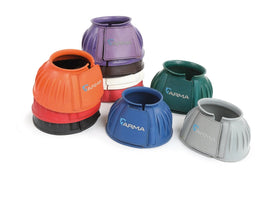
Our Favorite Overreach Boots (Tried and Tested)
With so many options out there, finding the right pair of overreach boots can feel a bit overwhelming. That’s why we’ve done the legwork for you. We’ve sorted through the crowd to highlight brands and styles that consistently deliver on protection, durability, and comfort. These are the boots we trust for our own horses and recommend to our friends. Whether you’re training for a competition or just want extra peace of mind during turnout, this list has a great option for you and your horse.
Our Premium Selection at Hooves and Paws
At Hooves and Paws, we believe that the best gear starts with a great fit and quality materials. Overreach boots are essential for protecting the sensitive heel bulbs and pastern area from injury. Our handpicked collection features boots designed to provide maximum coverage without interfering with your horse’s natural movement. When trying on a new pair, always watch your horse walk and trot to ensure there’s no rubbing or restriction. A well-fitted boot is a safe boot, and our selection is curated to give you that confidence every time you tack up.
Professional's Choice Ballistic Overreach Boots
If you’re looking for a boot that’s tough, reliable, and easy to use, you can’t go wrong with the Professional's Choice Ballistic Overreach Boots. They are a favorite among riders for a reason. Made with durable materials, they stand up to the demands of daily riding and turnout while offering excellent protection. The quick-wrap hook-and-loop closures make them simple to put on and take off, even with a wiggly horse. Best of all, they provide a secure fit that stays in place, so you don’t have to worry about them shifting or spinning during your ride.
Majyk Equipe Bell Boots
Majyk Equipe is a brand known for its thoughtful, innovative approach to equine gear. Their bell boots are no exception, often featuring high-quality materials and smart designs that prioritize both safety and comfort. While they offer several styles, you’ll consistently find that they are built to last and provide solid protection for your horse’s hooves and heels. They are a fantastic choice for riders who appreciate modern technology and a sleek design in their horse’s equipment.
EquiFit T-Foam Overreach Boots
For a truly customized fit, EquiFit’s T-Foam Overreach Boots are in a class of their own. The magic is in the T-Foam technology, a special material that reacts to your horse’s body heat and molds perfectly to their pasterns. This creates a secure, no-slip fit that prevents rubbing and provides superior shock absorption where it’s needed most. These boots are an excellent investment for sensitive horses or for riders in demanding disciplines who need top-tier performance and protection.
Classic Equine and TuffRider Options
You don’t have to break the bank to get a great pair of overreach boots. Brands like Classic Equine and TuffRider offer fantastic, budget-friendly options that are both durable and effective. They provide reliable protection for everyday use, from training sessions to turnout, making them a practical choice for any equestrian. These brands prove that quality and affordability can go hand-in-hand, offering a great balance of value and performance that riders trust.
Which Type of Overreach Boot Is Right for You?
Once you know what to look for in materials and fit, the next step is choosing the right style for your horse. Overreach boots aren't a one-size-fits-all solution; they come in several key designs, each with its own strengths. The best type for your horse will depend on their specific needs, from daily turnout to intense training sessions. Think about your horse's conformation, how they move, and the kind of work you do together. A horse that needs simple protection in the pasture has different requirements than a performance athlete clearing high fences.
Understanding the differences between the main types will help you make an informed decision. Are you looking for a basic, affordable option for everyday wear? Or do you need a boot with advanced features to prevent spinning and ensure targeted protection? Maybe your horse is particularly tough on their gear and requires something made from ultra-durable, high-tech materials. Each style offers a unique balance of coverage, security, and durability. Let's break down the most common types you'll find, so you can confidently select the right horse tack to keep your partner safe and sound.
The Classic: Traditional Bell Boots
Often just called bell boots, this is the classic style you’ve probably seen most often. They get their name from their simple, bell-like shape that covers the horse's front feet from the pastern, down over the coronary band, and to the heel. Their main job is to protect this sensitive area from nicks and bruises that can happen when a hind hoof strikes a front one. They are also fantastic for horses who tend to pull their front shoes off in the field. Because they are so versatile and generally affordable, traditional bell boots are a staple in many tack rooms for everything from turnout to light riding.
For a Secure Fit: No-Turn Boots
If you’ve ever been frustrated by bell boots that spin around, no-turn boots are the solution you’re looking for. They are designed with a special shape or an inner bulb that fits into the heel groove, keeping the boot securely in place. This ensures the most vulnerable part of the heel is always covered, which is especially important during activities with a lot of movement, like jumping or navigating muddy ground. By preventing the boot from rotating, you get consistent, reliable protection right where your horse needs it most. They are a great choice for performance horses or any horse that needs that extra bit of security.
For Heavy-Duty Use: Ballistic Nylon Boots
When your horse needs maximum durability and protection, ballistic nylon boots are the top choice. These boots are engineered for high-impact activities and are built to last. They feature an incredibly tough outer layer made from ballistic nylon, a material originally designed for military use, so you know it can stand up to serious wear and tear. This makes them ideal for preventing injuries from serious overreaching, especially in demanding disciplines like cross-country or reining. If your horse is particularly hard on their equipment or you need peace of mind during intense work, these performance boots are one of our best-selling products for a reason.
How to Fit Overreach Boots Correctly
Finding the right size overreach boots is less about guesswork and more about getting to know your horse’s specific measurements. A boot that’s too tight can cause rubbing and discomfort, while one that’s too loose won’t offer any protection and can become a tripping hazard. Taking a few minutes to measure correctly ensures your horse gets the full benefit of the boots, keeping them comfortable and sound. Think of it like finding the perfect pair of running shoes for yourself; the right fit makes all the difference in performance and safety. We’ll walk through exactly how to measure and what to look for to ensure you get it right the first time.
Step 1: Measure Your Horse's Hoof and Pastern
Getting the perfect fit starts with a simple measurement. Since every horse is built a little differently, you can’t rely on standard sizing alone. Before you start shopping, grab a soft measuring tape. You’ll want to measure the circumference of your horse’s pastern at its widest point, which is right around the ankle area. This single measurement is your key to finding the right size. Jot it down so you have it handy when you start comparing different styles of horse tack. This quick step is the most reliable way to ensure the boots you choose will fit comfortably without slipping or chafing.
Step 2: Use the Size Chart (and Avoid These Mistakes)
Once you have your horse's pastern measurement, your next step is to consult the manufacturer's size chart. It’s tempting to just grab a "Large" if your horse is a big Quarter Horse, but sizing can vary significantly between brands. A common mistake is assuming one brand's medium is the same as another's. Always check the specific chart for the boots you’re interested in. Match your horse’s measurement to the corresponding size on the chart. This prevents the hassle of returns and ensures your horse gets a secure, effective fit from day one. Taking this extra moment to confirm the size will save you time and give you peace of mind.
Sizing Tip: When in Doubt, Size Up
What do you do when your horse’s measurement lands right between two sizes? It’s a common dilemma, but the answer is simple: always choose the larger size. A boot that’s too tight is a bigger problem than one that’s a little loose. Tight boots can rub against the skin, causing sores and irritation, and can even restrict blood flow. Since the goal is to protect your horse, creating a new problem is the last thing you want. A slightly roomier boot gives your horse freedom of movement and ensures they stay comfortable, which is essential for any piece of horse tack to be effective.
Step 3: Check for the Perfect Fit
After the boots arrive, try them on your horse. A well-fitted overreach boot should be snug enough that it doesn’t spin around the hoof, but you should still be able to slide one or two fingers comfortably between the boot and the pastern. The bottom of the boot should just touch the ground behind the heel when your horse is standing squarely. This ensures it covers the heel bulbs completely without being so long that your horse could step on the front of it and trip. After a ride or turnout, always remove the boots to check for any signs of rubbing and to let your horse’s skin breathe and dry.
The "One-Finger Rule"
When it comes to checking the fit of your horse's new overreach boots, the "One-Finger Rule" is a classic for a reason. It’s a simple, reliable test to make sure the boot is just right. A properly fitted boot should be snug enough that it doesn’t spin freely around the hoof, but you should still be able to slide one finger comfortably between the top of the boot and your horse’s pastern. This little bit of space is crucial. It confirms the boot is secure without being so tight that it could cause rubbing, restrict circulation, or create uncomfortable pressure points for your horse during movement.
This rule helps you find that perfect balance between too loose and too tight. If you can fit more than two fingers, the boot is likely too big and will probably spin, shift, or get pulled off in a muddy pasture, leaving your horse unprotected. On the other hand, if you can’t slide a finger in at all, the boot is too snug and will almost certainly cause sores and irritation. Getting the fit right is the most important part of ensuring any piece of horse tack does its job effectively, and this quick check is your final confirmation that you’ve chosen the right size.
Remember, this is a guideline to use after you’ve already measured and selected the correct size from the manufacturer's chart. After you’ve used the boots for the first time, make it a habit to check your horse’s pasterns for any signs of redness or hair loss. Every horse is an individual, and a quick post-ride inspection is the best way to catch any potential issues early. The goal is always to keep your horse safe and comfortable, and a well-fitted boot is a key part of that equation. It ensures the protection you invested in is actually working without causing any unintended harm.
Caring for Your Overreach Boots to Make Them Last
You’ve picked out the perfect pair of overreach boots, and you’re ready to put them to use. That’s great! But choosing the right boots is only half the battle. How you use and care for them is just as important for your horse’s comfort and safety. A little bit of daily attention will extend the life of your boots, saving you money and ensuring they continue to provide the protection your horse needs.
Think of it like any other piece of essential equipment in your tack room. Consistent care prevents rubbing, irritation, and equipment failure. By keeping your boots clean and storing them correctly, you’re making a smart investment in your horse’s well-being and the longevity of your gear. Let’s walk through the simple steps to get it right every time, so you can focus on what really matters: enjoying the ride.
How to Put Overreach Boots On (The Right Way)
Putting on overreach boots correctly is simple once you get the hang of it. The goal is to cover the horse's front feet from the pastern, over the coronary band, and down the hoof wall to the heel. This placement ensures maximum protection against strikes from the hind hooves.
Here’s how to do it:
- Start with a clean, dry leg and hoof.
- Open the boot’s closures and wrap it around your horse’s pastern.
- Position the boot so the top edge sits comfortably below the fetlock joint without digging in.
- The bottom of the boot should just brush the ground behind the heel.
- Fasten the closures securely. They should be snug enough to prevent the boot from spinning, but you should still be able to slide one finger comfortably between the boot and your horse’s leg.
The Trick to Putting on Pull-On Boots
Pull-on boots are a fantastic piece of horse tack because their snug design means they’re incredibly secure and unlikely to get pulled off in a muddy field. But that same secure fit can make them a real workout to get on. Thankfully, there’s a simple trick that saves a lot of time and wrestling. The secret is to turn the boot completely inside out before you start. Once it’s inside out, slide the opening over your horse’s toe and pull it up the hoof. Then, just grab the bottom edge of the boot and roll it up and over the heel, flipping it right-side-out and into the perfect position. It might feel awkward the first time, but once you master this technique, you’ll wonder how you ever managed without it.
A Simple Cleaning and Care Routine
A quick cleaning routine is one of the best habits you can form. Always remove overreach boots after riding, training, or turnout to let your horse's skin and hair air dry. Trapped moisture and grit can lead to skin irritation or infections, so giving the pastern area a chance to breathe is critical.
After each use, take a moment to hose off any mud, sweat, and arena footing. If they’re especially dirty, you can use a gentle soap and a soft brush, but be sure to rinse them completely. While they’re wet, give them a quick once-over to check for any cracks, tears, or worn-out closures. Catching small issues early can prevent a boot from failing when you need it most. Let them dry completely before the next use.
Rotate Boots to Make Them Last Longer
If your horse wears overreach boots daily for turnout or training, consider investing in a second pair to rotate. Think of it like your favorite pair of running shoes—giving them a day off to air out and fully dry helps them last much longer. This simple habit prevents the materials from breaking down due to constant moisture and ensures you always have a clean, dry pair ready to go. By switching between two pairs, you distribute the wear and tear evenly, effectively doubling the lifespan of your gear. It’s a small step that protects your investment in quality horse tack and keeps your horse’s skin healthy and comfortable.
Proper Storage to Extend Their Lifespan
How you store your boots can make a huge difference in how long they last. Tossing them in a pile on the floor is a sure way to damage them. Instead, find a dedicated spot for them in your tack room. Storing them in a cool, dry place away from direct sunlight will prevent materials like rubber and neoprene from breaking down or becoming brittle over time.
Before putting them away, make sure the boots are clean and completely dry. You can hang them on a hook, drape them over a rack, or place them in a breathable storage bin. This keeps them from getting crushed or losing their shape. Taking good care of all your horse tack not only keeps your gear in top condition but also makes your next ride that much easier to prepare for.
When Should Your Horse Wear Overreach Boots?
Deciding when your horse needs overreach boots isn't always straightforward. It’s less about a strict set of rules and more about understanding your individual horse, their activities, and their environment. Some horses are naturally more prone to overreaching due to their conformation, like those with short backs or a long, sweeping stride. You might also find that a young horse still figuring out their balance or any horse learning a new, complex movement is more likely to accidentally strike their front heels with their back feet.
The primary job of an overreach boot is to protect the sensitive parts of the front hoof, including the heel bulbs and the coronary band, from this impact. A solid strike can cause anything from a minor scrape to a serious bruise or even a torn-off shoe, which is always a frustrating and potentially costly problem. Think of these boots as an essential piece of your horse's protective horse tack. They offer a simple, effective way to prevent injuries before they happen. By understanding the situations that increase the risk of overreaching, you can make an informed choice to keep your horse safe and sound. Below, we’ll cover the three main scenarios where you should consider using them: during training, for daily turnout, and based on your specific riding discipline.
For Training and Everyday Rides
Any time you ask your horse for more effort, the risk of an overreach injury goes up. During training and exercise, your horse is moving with more energy and impulsion, which can lead to their hind hooves traveling further forward and striking their front heels. This is especially true during activities like lunging, jumping, or any kind of speed work. Overreach boots act as a shield, absorbing the impact and protecting the pasterns and heel bulbs from accidental strikes or interference. Using them consistently during your rides is a simple step to keep your horse comfortable, sound, and focused on their work instead of nursing a preventable injury.
In the Pasture: Turnout Protection
Protection doesn't stop when the saddle comes off. Many horses benefit from wearing overreach boots during turnout, especially if they are playful in the pasture or the ground is muddy and deep. Slippery conditions can easily cause a horse to scramble and pull a front shoe with a hind foot. If you’ve ever noticed your horse coming in from the field with scrapes, bruises, or dirt marks on their heels, that’s a clear sign they could use the extra protection. They are also a great idea for trailering, providing an extra layer of safety for the coronary band, especially if your shipping wraps don't fully cover the heels. It's a small measure that can prevent big headaches.
Does Your Riding Discipline Require Them?
The demands of your riding discipline play a big role in whether your horse needs overreach boots. High-impact sports that involve speed, tight turns, or jumping almost always call for them. Think of disciplines like eventing, show jumping, barrel racing, or reining, where the horse is making powerful, athletic movements that increase the chance of an overreach. For these activities, you’ll want a durable, shock-absorbing boot from our selection of best selling products. In contrast, a dressage horse moving with a more collected and controlled gait may not need them as often. However, it always comes back to the individual horse. If your horse tends to forge or overreach regardless of the discipline, using boots is a smart choice.
Understanding Other Types of Horse Boots
While overreach boots are a must-have for protecting your horse's heels, they are just one piece of the puzzle when it comes to comprehensive leg protection. The world of equine boots is vast, with specialized designs created to safeguard different parts of the leg during various activities. Think of it as building a complete wardrobe of protective gear for your horse, ensuring they have the right support whether they’re in the arena, on the trail, or even in the trailer. Understanding the purpose of each type of boot helps you make smart choices for your horse’s specific needs, providing targeted protection that keeps them sound, comfortable, and performing their best.
Brushing and Tendon Boots
Brushing boots and tendon boots are essential for protecting the delicate structures of the lower leg during exercise. Brushing boots, sometimes called splint boots, are designed to prevent a horse from hitting the inside of one leg with the opposite hoof—an action called "brushing." They shield the vulnerable splint bone from impact and are typically made from soft, flexible materials like neoprene with extra padding on the inside. Tendon boots, on the other hand, are specifically designed to protect the tendons and ligaments running down the back of the front legs. They offer a hard, protective shell to guard against strikes from the hind hooves, which is especially common during jumping. Both are staples in any well-stocked horse tack collection.
Travel Boots
Trailering can be a stressful experience for a horse, and a sudden stop or sharp turn can easily lead to leg injuries. Travel boots, or shipping boots, are designed to offer maximum protection during transport. They are much taller than riding boots, extending from above the knee or hock all the way down to the coronary band, covering the entire lower leg. This comprehensive coverage shields against bumps, scrapes, and kicks that can happen inside a trailer. Using a sturdy set of travel boots provides peace of mind, ensuring your horse arrives at your destination safely and without any preventable injuries. They are a simple but incredibly effective tool for keeping your horse sound on the road.
Therapy Boots
Just like human athletes, horses benefit from specialized care to help them recover after strenuous exercise or injury. Therapy boots are designed to aid in this recovery process by reducing inflammation and soothing sore muscles and tendons. Many modern therapy boots incorporate cooling technology, with some featuring special gel pockets that conform to the leg for even cold distribution, while others can provide cold therapy without needing to be frozen first. These boots are an excellent tool for managing swelling, treating strains, and promoting healing. For owners who view their horses as family, having a pair on hand is a proactive way to support their long-term health and comfort.
Where to Find Quality Overreach Boots for Your Horse
Once you’ve decided on the type of overreach boots your horse needs, the next step is finding the right place to buy them. You want a pair that’s built to last without breaking the bank. The good news is that you have plenty of options, whether you prefer browsing online from your couch or visiting a local tack shop. Thinking about where you shop and how you look for deals can help you get the best possible value for your money.
The Pros and Cons: Shopping Online vs. In-Store
Shopping for horse tack online gives you access to a massive selection. You can easily compare different brands, materials, and prices from various retailers all at once. For instance, you can find specialty items like the durable Professional's Choice Ballistic Overreach Boots with just a few clicks. The main drawback is that you can’t see or feel the boots before you buy, and you can't check the fit on your horse. That’s the biggest advantage of shopping at a local tack shop. You can physically inspect the quality and, most importantly, get help ensuring the size is perfect. However, your local store might have a more limited selection. At Hooves and Paws, we bridge that gap by providing detailed product descriptions and a 365-day satisfaction guarantee, so you can shop with confidence.
How to Find a Great Deal Without Sacrificing Quality
Getting a great value isn’t just about finding the lowest price; it’s about investing in quality boots that will protect your horse and last for seasons to come. One of the easiest ways to save is by signing up for promotional offers. Many brands, like Majyk Equipe, give you a discount on your first purchase just for joining their email list. It’s also smart to keep an eye out for seasonal sales. Retailers like State Line Tack often have promotions where you can find high-quality gear at a significant discount. Finally, always factor in the extras. A slightly higher price tag from a retailer that offers free shipping and a solid return policy, like we do here at Hooves and Paws, can often be the better overall value.
Related Articles
- Bell Boots vs Overreach Boots: Which to Choose?
- Professional's Choice Horse Equine Overreach Ballistic Spartan II Bell
- PROFESSIONAL'S Choice - Ballistic NO Turn Overreach Bell Boots Sizes
Frequently Asked Questions
How do I know if my horse is actually overreaching? The most obvious signs are unexplained injuries like scrapes, cuts, or bruises on your horse’s front heels or pasterns. You might also find they frequently pull their front shoes off in the pasture or during a ride. Sometimes you can even hear it; a distinct clicking sound, often called forging, happens when the hind hoof strikes the front shoe as your horse moves. If you notice any of these things, it's a good indication that overreach boots could help.
Can my horse wear overreach boots all the time? While it might be tempting to leave them on for constant protection, it’s best to remove overreach boots daily. Leaving them on 24/7 can trap moisture, dirt, and sweat against the skin, which can lead to irritation or fungal infections. A good routine is to take them off at the end of the day, clean them, and give your horse’s pasterns a chance to breathe and dry completely overnight.
My horse's boots keep spinning around. What should I do? A little bit of movement is normal for traditional bell boots, but if they are constantly spinning, it could mean the fit isn't quite right. First, double-check that they are snug enough. If the fit is correct and they still rotate, your best bet is to try a pair of no-turn boots. These are specifically designed with a small bulb or a unique shape on the inside that sits in the heel groove to keep them perfectly in place.
How can I prevent the boots from rubbing my horse's pasterns? Rubbing is almost always caused by one of two things: an improper fit or a buildup of dirt. Make sure the boots are not too tight; you should be able to fit one or two fingers between the top of the boot and your horse’s leg. It is also essential to keep both the boots and your horse’s legs clean. Always put the boots on a clean, dry leg and make a habit of rinsing the grit and sweat out of them after every use.
How often will I need to replace my overreach boots? There isn't a strict timeline, as the lifespan of your boots depends on their quality, how often your horse wears them, and how tough your horse is on their gear. A high-quality pair made from ballistic nylon might last for several seasons, while a more basic rubber pair might need replacing sooner. The best approach is to inspect them regularly for any signs of wear, like cracks, tears, or closures that are losing their grip. Once you see significant damage, it's time for a new pair.


