


Shopping for a new winter horse blanket can feel a bit overwhelming. You’re faced with a wall of terms like denier, polyfill, gussets, and ripstop, and it’s hard to know what really matters. A great blanket is more than just a warm layer; it’s a piece of technical gear designed for your horse’s comfort and safety. Understanding these features is the key to choosing one that will stand up to pasture antics and harsh weather. In this guide, we’ll break down the jargon into simple terms, explaining what makes a quality blanket so you can compare options confidently and find the perfect fit for your horse and your budget.
Key Takeaways
- Assess your horse's individual needs first: A blanket isn't always necessary. Consider your horse's age, coat condition, living situation, and your local climate before deciding to blanket, as these factors are more important than the temperature alone.
- Prioritize a proper fit and durable materials: The right size is crucial for safety and comfort, so always measure your horse and check brand-specific sizing charts. For turnout blankets, choose a high-denier, waterproof, and breathable outer shell to ensure it lasts and performs well.
- Practice smart blanketing and maintenance: Prevent your horse from overheating by avoiding the common mistake of over-blanketing. You can extend the life of your investment by regularly cleaning your blanket with the right detergent and storing it properly when not in use.
Does Your Horse Need a Winter Blanket?
Deciding whether to blanket your horse is one of the most common winter questions we hear from fellow riders. While horses are naturally equipped with a winter coat that provides excellent insulation, several factors can make a blanket necessary. Think about your horse's living situation. If they live outside without access to a run-in shelter, a waterproof blanket is essential to keep them dry during rain or snow. A wet coat loses its insulating properties, leaving your horse vulnerable to the cold.
Another key consideration is whether your horse has been body clipped for training or showing. According to the Irongate Equine Clinic, a clipped horse lacks its natural defense against the cold and will almost certainly need a blanket to stay warm. The same applies to older horses, those who have trouble keeping weight on, or horses that have recently moved from a warmer climate and haven't had time to acclimate. Ultimately, you know your horse best. Observing their behavior for signs of shivering, tucking their tail, or standing hunched against the wind are sure signs they need an extra layer of protection from the elements.
Explore Winter Blanket Types
Once you've decided your horse needs a blanket, you'll find they come in a few main types designed for different situations. The two most common are turnout blankets and stable blankets. Turnout blankets are made for outdoor use and are constructed with durable, waterproof materials to withstand pasture life. They often include features like shoulder gussets and tail flaps to allow for freedom of movement while playing or grazing. Stable blankets, on the other hand, are meant for indoor use. They are not waterproof and are designed to keep your horse warm and clean in their stall. Both types come in various weights, measured by the grams of insulating polyfill inside, which determines their warmth.
Factor in Climate and Temperature
The right blanket weight depends entirely on your local climate and the temperature. A lightweight blanket, typically with 0g to 100g of fill, is perfect for cool fall days or as a simple rain sheet. Medium-weight blankets, ranging from 150g to 250g of fill, are the most versatile and work well for the majority of winter weather in many regions. For frigid temperatures, deep freezes, or for clipped horses, a heavyweight blanket with 300g or more of fill offers maximum warmth and protection. It’s a good idea to have a couple of different weights on hand so you can adapt to changing weather and keep your horse comfortable all season long.
Assess Your Horse's Coat and Condition
Beyond the weather, your horse's individual needs are a huge part of the equation. A horse with a thick, fluffy winter coat may only need a light, waterproof sheet during wet weather, while a senior horse or one with a thinner coat might need a medium-weight blanket sooner. A blanket that is too small can cause uncomfortable rubbing on the withers and shoulders, restrict movement, and even lead to sores. Conversely, a blanket that is too large can shift, get tangled, and fail to provide proper insulation. Taking a moment to check on your horse daily ensures their blanket fits well and they aren't getting too hot or cold underneath it.
How to Choose the Right Size Blanket
Finding the right winter blanket is a lot like finding the perfect winter coat for yourself. A size too small will feel tight and restrictive, while a size too large will be drafty and clumsy. For your horse, a poorly fitting blanket isn't just uncomfortable; it can also cause painful rubs, shift dangerously, or fail to provide the protection they need. Taking the time to get the right size ensures your horse stays warm, safe, and happy all season long.
The good news is that finding the perfect fit isn't complicated. It comes down to three simple steps: measuring your horse accurately, checking the brand’s sizing chart, and knowing what common mistakes to look out for. Think of it as a simple formula for a cozy horse. When you get the size right, the blanket will work exactly as intended, moving with your horse and providing consistent coverage without getting in the way. This small effort upfront saves you from dealing with a damaged blanket or an uncomfortable horse later on.
Measure Your Horse Correctly
Before you even start browsing for a new blanket, grab a soft measuring tape. The most common way to measure for a horse blanket is to start at the center of your horse's chest and run the tape along their side to the point of the rump, just before the tail. This measurement, in inches, is the blanket size your horse will likely need. For example, if you measure 78 inches, your horse will probably wear a size 78 blanket. A properly fitted blanket should cover your horse's barrel and flank, ending just below the elbow and stifle to offer full protection without restricting their movement.
Read Sizing Charts
Once you have your horse's measurement, you can start looking at different horse tack options. However, keep in mind that just like with human clothing, sizing can vary slightly between brands. A size 80 from one manufacturer might fit a bit differently than an 80 from another. That’s why it’s so important to check the specific sizing chart for the blanket you’re interested in. Most brands provide a chart that matches their blanket sizes to horse measurements. Taking a moment to confirm your horse’s measurement against the chart is the best way to ensure a great fit and avoid the hassle of a return.
Avoid Common Sizing Mistakes
The goal is to find a blanket that fits just right. A blanket that’s too small can pull tightly across the withers and shoulders, causing rubs and restricting your horse’s ability to move freely. On the other hand, a blanket that’s too big can be a safety hazard. It might shift to one side, get tangled around your horse’s legs, or slip back, putting too much pressure on their chest. A good rule of thumb is to check the fit once it’s on. You should be able to slide your hand comfortably between the blanket and your horse’s withers and shoulders.
Key Features of a Quality Winter Blanket
When you start shopping for a winter blanket, the number of options can feel a little overwhelming. But once you know what to look for, it’s much easier to find the perfect one for your horse. A great blanket is more than just a warm layer; it’s a piece of technical gear designed for your horse's comfort, safety, and well-being in cold weather. Much like high-performance outdoor clothing for people, horse blankets are engineered with specific materials and design elements to handle tough conditions. Think of it as an investment in their health.
The best blankets strike a perfect balance between keeping your horse warm and dry without restricting movement or causing them to overheat. A blanket that fails in one area, like being waterproof but not breathable, can end up making your horse colder and more uncomfortable than if they had no blanket at all. Understanding the key features helps you choose a blanket that will perform well, last for seasons, and keep your horse happy whether they're in the stable or out in the pasture. Let’s break down the four main components that separate a good blanket from a great one.
Waterproofing and Breathability
A winter blanket’s most important job is to protect your horse from the elements, which means it needs to be both waterproof and breathable. A waterproof outer shell, often made from materials like polyester or nylon, keeps rain, sleet, and snow from soaking through to your horse’s coat. This is essential for preventing them from getting chilled. At the same time, the fabric must be breathable. Horses can sweat even in cold weather, and a non-breathable blanket will trap that moisture against their skin, making them damp and cold. Think of it like a high-quality rain jacket for humans; it keeps the rain out while letting internal moisture escape.
Insulation and Fill Weight
The warmth of a blanket is determined by its insulation, or "fill," which is measured in grams. This is the fluffy polyfill material sandwiched between the inner and outer layers. The higher the fill weight, the warmer the blanket. You’ll generally see three main categories: lightweight (around 100 grams), medium weight (200-300 grams), and heavyweight (400+ grams). A medium-weight blanket is often the most versatile choice for many climates, while horses that are clipped, older, or live in very cold regions might need a heavyweight option. Choosing the right fill ensures your horse stays comfortable without overheating.
Durability and Construction
Horses can be tough on their wardrobes. That’s why durability is a critical feature, especially for turnout blankets. A blanket's toughness is measured in denier (D), which refers to the thickness of the fabric threads. A 600D blanket is a solid entry-level option, but for a horse that plays hard in the pasture, a 1200D or higher is a much better investment. A higher denier means the material is more resistant to rips and tears. Also, pay attention to the overall construction, including reinforced stitching at stress points and sturdy metal hardware for buckles and snaps. These details make a huge difference in how long your horse tack will last.
Straps, Gussets, and Movement
A blanket should fit like a glove, protecting your horse without getting in the way of their natural movement. Features like shoulder gussets, which are extra pieces of fabric pleated into the shoulder area, allow for more freedom when your horse runs, rolls, or stretches their neck to graze. A secure fit is also key. Look for adjustable front straps, cross-belly surcingles, and removable leg straps to keep the blanket from shifting or twisting. A well-placed tail flap offers extra protection from wind and rain, completing the cozy package and ensuring your horse stays comfortable no matter what they’re doing.
Shop This Post

Featured in this article
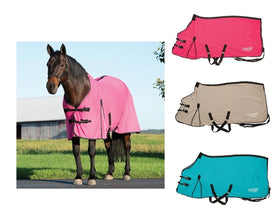
Weaver 1200D Ripstop Stable Blanket 200g - Heavy Duty Warmth
$169.43
Shop Now →

A Closer Look at Blanket Materials
The right winter blanket is so much more than just a covering; it’s a piece of technical gear designed specifically for your horse’s warmth, durability, and comfort. Understanding the materials is the key to choosing a blanket that will stand up to harsh weather and your horse’s unique lifestyle. Think of it as picking out the perfect winter coat for yourself. You wouldn't wear a light fleece jacket in a blizzard, and you wouldn't wear a heavy-duty parka on a cool autumn day. The same logic applies to blanketing your horse. Each component, from the rugged outer shell that deflects wind and rain to the cozy insulation that traps body heat, plays a vital role in keeping your horse protected and happy.
Before you start shopping, it helps to know the language of blanket materials. Terms like "denier," "polyfill," and "gussets" might seem technical, but they are just descriptors for the features that make a blanket work. A great blanket strikes a perfect balance between all these elements. It needs to be tough enough for pasture play, warm enough for a cold snap, waterproof for surprise showers, and breathable enough to prevent overheating. Getting familiar with these features will help you compare options confidently and make an informed choice that serves as a true investment in your horse's well-being through the colder months.
Outer Shells and Denier Ratings
The outer fabric of a horse blanket is its first line of defense against the elements and everyday wear and tear. When you look at blanket descriptions, you’ll often see a number followed by a “D,” which stands for denier. This is simply a unit of measurement for the thickness and density of the fabric's fibers. A higher denier number means a stronger, more durable material that is more resistant to rips and snags. For turnout blankets, which have to withstand a lot of activity, look for tough materials like 1200D or 1680D. These can easily handle playful pasture mates or an accidental brush against a fence post. A lower denier might be fine for a stable blanket, but for outdoor use, durability is a top priority for all your horse tack.
Types of Insulation
The warmth of a blanket comes from its insulation, which is typically a fluffy fiberfill material often called polyfill. The amount of insulation is measured in grams, and this weight directly determines how warm the blanket will be. It’s important to match the fill weight to your climate and your horse’s needs. A lightweight blanket or sheet might have 0 to 100 grams of fill, making it suitable for fending off a chill on cool, crisp days. A medium-weight blanket, with around 200 to 300 grams of fill, is the go-to choice for most cold weather. For the most frigid climates or for clipped horses, a heavyweight blanket with 300 grams or more provides maximum warmth and protection against the cold.
Waterproofing Technology
For any horse that spends time outside during the winter, a waterproof blanket is an absolute must. Turnout blankets are treated with a special coating that repels rain, snow, and sleet, ensuring the insulation and your horse stay completely dry. Materials like polyester and nylon are excellent for this purpose. However, just as important as keeping water out is letting moisture escape. That’s where breathability comes in. A quality blanket allows water vapor from sweat to pass through the fabric, preventing your horse from getting damp and chilled from the inside. This crucial combination of waterproofing and breathability is what keeps your horse comfortable and helps maintain a healthy skin and coat all season long.
Design Features for Comfort
A blanket can be made from the best materials in the world, but if it doesn’t fit well, it can cause more harm than good. Great design focuses on your horse’s comfort and freedom of movement. Look for key features like shoulder gussets, which are extra panels of fabric sewn into the shoulder area that allow for more room when your horse runs and plays. A contoured topline that follows the natural shape of your horse’s back provides a snugger, more secure fit. Other details, like a generous tail flap, offer extra protection from wind and rain. These thoughtful design elements ensure the blanket stays securely in place without rubbing, shifting, or restricting your horse’s natural movement, making blankets with these features some of our best-selling products.
Browse our complete range of horse blankets and sheets to find the right weight and fit for every season.
How to Choose a Trusted Blanket Brand
Choosing a horse blanket is an investment in your horse's health and your own peace of mind. With so many options available, it helps to focus on brands with a proven track record for quality and durability. A reliable manufacturer understands the demands of daily wear and tear and designs products that stand up to the elements season after season. When you select a blanket from a trusted name, you're not just buying a product; you're choosing a partner dedicated to your horse's comfort and protection.
What to Look for in a Manufacturer
The best brands are great listeners. They incorporate feedback from horse owners like you to create blankets that are both functional and comfortable. Look for manufacturers that prioritize thoughtful design. This includes details like shoulder gussets and darts that allow your horse to move freely in the pasture without rubbing or restriction. Pay attention to the blanket's weight, which is measured in grams of polyfill insulation. A reputable brand will clearly state these specifications, helping you make an informed choice. When you browse our horse tack, you’ll find we only stock brands that meet these high standards.
The Hooves and Paws Promise
We know how much your horse means to you, and we are committed to keeping them comfortable and protected in every season. Our collection of horse blankets is carefully selected to include only the highest quality materials, ensuring they are both durable and effective. We believe a well-fitted winter blanket does more than just keep your horse warm; it supports their overall health and saves you time and stress. With our 365-day satisfaction guarantee, you can feel confident that you're getting a product that works as hard as you do to care for your horse.
Brands We Stand Behind
Experience matters. We proudly partner with brands that have a long-standing reputation for excellence in the equestrian world. A great example is WeatherBeeta, a name horse owners have trusted for over 45 years. Their commitment to innovation means they are constantly refining their designs for better fit, durability, and comfort. When you shop with us, you can trust that every brand we carry has been vetted for its quality and reliability. These are the brands that have earned their place in barns everywhere, and you can see what other owners love in our best-selling products.
How Much Do Winter Blankets Cost?
Figuring out a budget for a new winter blanket can feel tricky because prices vary quite a bit. The cost depends on factors like the materials used, the amount of insulation, the brand's reputation, and special features like waterproofing technology. It’s helpful to think of it as an investment in your horse's health and comfort during the coldest months of the year. A good blanket prevents shivering, weight loss, and general discomfort, which can save you stress and potential vet bills down the line.
Whether you're looking for a simple, affordable solution or a high-performance blanket built to withstand the harshest weather, there's an option for you. We've broken down the typical price ranges to help you understand what to expect. At Hooves and Paws, we've carefully selected quality blankets at every price point, so you can find the perfect fit for your horse and your wallet. Our entire collection of horse tack is curated by experts with decades of experience who know what it takes to keep an animal happy and healthy through every season. We believe that every horse deserves to be comfortable, and our goal is to provide you with reliable options that you can trust.
Budget-Friendly Options (Under $100)
You don’t have to spend a fortune to get a reliable winter blanket. In the under-$100 range, you can find solid, functional blankets that provide essential warmth and protection from the elements. These options are perfect for horses in milder climates, those who grow a thick winter coat on their own, or as a spare to have on hand. While they may not have the highest denier ratings or the most advanced features, a good budget-friendly blanket will keep your horse dry and comfortable when the temperature drops. They offer peace of mind without putting a major dent in your finances.
Mid-Range Options ($100-$200)
This price range is often the sweet spot for many horse owners, offering an excellent balance of performance, durability, and cost. Mid-range blankets typically feature higher denier outer shells for better resistance to rips and tears, more effective waterproofing, and improved design elements like shoulder gussets for greater freedom of movement. These blankets are true workhorses, designed for daily use in moderate to cold climates. They provide the reliability you need to get through the winter season with confidence. Many of our best-selling products fall into this category because they deliver proven quality and value.
Premium Options ($200+)
For horses in harsh climates, those who are clipped, or for owners who want the absolute best in comfort and longevity, a premium blanket is a worthwhile investment. Starting at around $200, these blankets are built with top-of-the-line materials, including extremely durable outer shells and advanced waterproofing that remains breathable. They often come with generous insulation for superior warmth and are backed by excellent warranties. These blankets are engineered for maximum performance and durability, ensuring your horse stays protected in the most challenging winter conditions. Our commitment to quality is something we take seriously, as you can read about on our About Us page.
What Other Horse Owners Are Saying
One of the best ways to find a great product is to hear what other people in the barn are using and loving. When it comes to something as important as your horse's winter blanket, honest feedback from fellow equestrians can help you feel confident in your choice. From how a blanket holds up against a playful pasture-mate to whether it truly keeps a horse comfortable, real-world reviews offer insights you won't find on a product tag. We’ve gathered some common themes from conversations and reviews across the equestrian community to help guide your decision.
Feedback on Durability and Performance
A winter blanket is an investment, so you want one that lasts. Horse owners consistently point to durability as a top priority. Across forums and reviews, equestrians praise blankets for their strong materials and good craftsmanship, noting that quality construction holds up to daily wear and tear. A blanket that can withstand rolling, rubbing, and the occasional nibble from a pasture buddy is worth its weight in gold. Brands with a long history of reliability often get top marks, as they have a proven track record for creating innovative and durable designs that keep horses protected season after season.
Reviews on Fit and Comfort
You wouldn't want to wear a coat that's too tight or ridiculously baggy, and your horse feels the same way. Fit is a huge topic of discussion among horse owners because it directly impacts a horse's well-being. A well-fitted winter horse blanket is key to keeping your horse healthy and comfortable. Owners often share stories about the problems caused by poor sizing, emphasizing that a proper fit is essential to prevent rubs, sores, and shifting that can become a safety hazard. Finding a blanket that allows for natural movement without being too loose is a common goal, and reviews frequently highlight specific brands or styles that excel in this area.
Ratings on Overall Value
For most horse owners, value is about finding the sweet spot between price and quality. It’s not about buying the cheapest option, but rather the one that offers the best performance for your money. Many equestrians share their excitement when they find a brand that offers competitive pricing and fast shipping without cutting corners on quality. Ultimately, a brand's reputation is built on trust and positive experiences. That’s why we’re so proud to have served a community of over 100,000 happy customers who rely on us for their horse care needs. Their feedback confirms that investing in a quality blanket from a trusted source provides peace of mind.
Common Blanketing Mistakes to Avoid
Choosing the right blanket is a great first step, but using it correctly is just as important. Even the best blanket can cause problems if not managed properly. Let's walk through a few common mistakes so you can feel confident you're keeping your horse warm, safe, and comfortable all winter long.
Incorrect Sizing and Fit
Getting the fit right is absolutely essential. A blanket that’s too tight can rub sores on your horse’s withers and shoulders, and it can even restrict their movement. On the other hand, a blanket that’s too loose is a major safety risk. It can slip, get tangled around your horse’s legs, or catch on fences. To avoid these issues, always measure your horse before buying a new blanket and check the manufacturer’s sizing chart. A well-fitting blanket should allow for free movement in the shoulders without being so baggy that it shifts out of place. Proper horse blanket sizing is the foundation of safe and effective blanketing.
Over-blanketing Your Horse
It’s easy to worry about our horses being cold, but they are much better equipped for winter than we are. Over-blanketing is a frequent mistake that can cause your horse to overheat and sweat, leaving them damp and chilled when the temperature drops. A horse that’s too warm is often more uncomfortable than one that’s a little cool. Remember to factor in your horse's natural winter coat, age, and whether they have access to shelter. It's a good idea to check under the blanket daily to make sure your horse isn't sweating. You can always adjust their blanketing as the weather changes throughout the day.
Choosing the Wrong Materials
The material of your horse’s blanket directly impacts its performance and how long it will last. For turnout blankets, you need something that can stand up to the elements and your horse’s daily activities. Look for durable, waterproof outer shells made from materials like ripstop polyester or nylon. These fabrics are designed to resist tears and keep your horse dry in rain or snow. The fabric’s denier rating will tell you its strength; a higher number means a tougher material. Investing in quality horse tack made from the right materials ensures your horse stays protected and you won't have to replace the blanket mid-season.
How to Care for Your Winter Blanket
A quality winter blanket is an investment in your horse's comfort and health. Just like any other piece of essential gear, it needs a little TLC to perform its best season after season. Proper cleaning and storage not only extend the life of your blanket but also ensure it remains waterproof and effective. A little effort now saves you from having to buy a replacement sooner than you need to. Let's walk through the simple steps to keep your horse's blanket in top condition so it's always ready for cold weather.
How to Wash Your Blanket
Before you do anything, always check the manufacturer's care label for specific instructions, as materials can vary. When it's time to wash, it's best to use a detergent made specifically for horse blankets. Regular laundry detergents can be harsh, stripping the fabric of its waterproof coating and leaving behind residues that might irritate your horse's sensitive skin. For the best results, take a few minutes to remove as much loose hair and caked-on mud as you can with a stiff brush before washing. This simple prep step will give you a much cleaner result and be kinder to your washing machine.
How to Store Your Blanket
Once the blanket is clean, make sure it is completely, 100% dry before you put it away for the season. Storing even a slightly damp blanket is a recipe for mold and mildew, which can ruin the fabric and be unhealthy for your horse. The best way to store it is in a breathable storage bag, which protects it from dust, moisture, and even pests while it’s not in use. Avoid plastic bags that can trap moisture. Find a clean, dry spot in your tack room or garage, away from direct sunlight, and your blanket will be fresh and ready for the next cold snap.
Make Your Blanket Last Longer
To get the most out of your investment, make a habit of inspecting your blanket regularly for any signs of wear and tear. Catching small rips or a loose strap early and making a quick repair can prevent a minor issue from becoming a major, unfixable one. Over time, factors like age and washing can cause the waterproof coating to wear down. If you notice water is no longer beading off the surface, you can easily restore its performance with a re-waterproofing spray. Consistent care is the key to ensuring your horse's blanket lasts for many winters to come.
Related Articles
- Classic Equine 5K Cross Trainer Hooded Waterproof Turnout Horse Blanket
- Shires Mini Highlander 200 Turnout Blanket for Miniature Horses - 200g
Frequently Asked Questions
How can I tell if my horse is too hot under their blanket? The best way to check is to slide your hand under the blanket at the shoulder or back. If your horse feels damp or sweaty, they are too warm. A comfortable horse will feel warm and dry to the touch. It's a good habit to check daily, especially if the weather changes, as overheating can be just as uncomfortable and unhealthy as being too cold.
What's the real difference between a turnout blanket and a stable blanket? The main difference is waterproofing. Turnout blankets are designed for outdoor use with a durable, waterproof outer shell to protect your horse from rain, snow, and wind. Stable blankets are meant for indoor use only; they provide warmth in the stall but are not waterproof and will become soaked if worn outside in wet weather.
Do I really need more than one blanket for my horse? For most horse owners, having at least two different blankets is a very good idea. Weather rarely stays consistent all winter. Having a lightweight sheet for cool, rainy days and a medium-weight blanket for colder temperatures allows you to adapt and keep your horse comfortable without them getting too hot or too cold.
What does the "denier" number mean, and how high should I go? Denier (D) is a measurement of the fabric's thread thickness, which tells you how strong and durable the blanket's outer shell is. A higher number means a tougher material. For a horse that lives outside with other horses or tends to be rough on their clothes, a 1200D or higher is a great investment. For a calmer horse or one with individual turnout, a 600D blanket can be a perfectly suitable option.
How do I properly clean a blanket without ruining its waterproofing? First, brush off any loose mud and hair. It's best to use a cleaner specifically formulated for horse blankets, as regular laundry detergents can strip the waterproof coating. Always wash according to the manufacturer's instructions, and most importantly, let the blanket air dry completely. Never store a blanket that is even slightly damp, as this can lead to mold and mildew.


