


Dog skin conditions can look similar at first, even when their causes differ. Itching, redness, flakes, bumps, hair loss, odor, or repeated licking are clues to pay attention to, not a diagnosis. A careful look at where and when symptoms occur can help you describe the problem to your veterinarian and choose a safe next step.
What are common dog skin conditions?

Key Takeaway: Skin signs have many possible causes. Allergies, parasites, infections, irritation, and other health problems can overlap in appearance, so a veterinarian must identify the cause before treatment is chosen.
Owners commonly notice itchiness, red or inflamed skin, scabs, dandruff-like flakes, greasy areas, unusual odor, recurring ear irritation, or patches of thinning hair. Some dogs scratch with a paw, while others lick or chew at their feet, belly, tail base, or legs. The location and pattern can be useful details, but they do not prove what is causing the problem.
Possible explanations include fleas or other parasites, environmental or food-related allergies, contact irritation, bacterial or yeast overgrowth, and skin injury. Some problems can also be associated with an underlying condition. Texas A&M Veterinary Medicine notes that canine skin conditions can include hormone imbalances such as hypothyroidism or Cushing's disease, as well as cancer. That is one reason a new, persistent, or changing skin problem deserves veterinary attention rather than guesswork. Read Texas A&M's overview of common canine skin conditions.
Do not assume that every itchy dog has allergies, or that a circular patch is automatically ringworm. Several conditions can resemble one another. A useful owner role is to notice changes, prevent avoidable irritation, and get appropriate guidance.
Think of the first observations as a map, not an answer. For example, a dog that licks both front paws after walks may have a different exposure pattern from a dog with one sore spot that appeared after wearing a new harness. Neither pattern identifies a condition by itself. Write down the sequence and share it with the veterinarian rather than trying to match a photograph or symptom list to a diagnosis.
How can you describe the signs to your veterinarian?
Before an appointment, make a short record rather than relying on memory. Note when you first saw the change, whether it is spreading, and how often your dog scratches, licks, or rubs. Write down any recent changes in food, treats, shampoo, bedding, cleaning products, walks, boarding, or flea prevention. Do not stop prescribed care or start a new product solely to test a theory without asking your veterinarian.
- Location: Record whether the problem is on the paws, ears, face, belly, back, tail base, or more than one area.
- Appearance: Describe redness, flakes, bumps, scabs, hair loss, discharge, swelling, or odor. Avoid picking at lesions.
- Timing: Note whether it appeared suddenly, returns at a certain time, or follows a particular activity.
- Behavior: Track scratching, head shaking, licking, sleep disruption, or reluctance to be touched.
- Photos: If your dog will stay calm, take clear pictures in similar lighting to show how the area changes over time.
A simple daily note can be more useful than a detailed account written weeks later. You might record: Monday, mild paw licking after the evening walk; Tuesday, more licking before bed; Wednesday, redness between two toes. Include whether the dog ate, slept, and behaved normally. If the area is difficult to see because of coat length, do not force a close inspection. A veterinarian can examine it safely.
This information can help the veterinary team decide what examination or testing may be appropriate. It is more useful than trying several shampoos, supplements, or home remedies and then being unsure what changed the skin.
Which signs need prompt veterinary attention?
Call your veterinarian for a new or persistent rash, worsening itch, recurring skin trouble, open sores, spreading hair loss, or an area that seems painful. Seek urgent veterinary help if your dog has facial swelling, trouble breathing, collapse, severe bleeding, rapidly worsening swelling, or seems seriously unwell. If you are uncertain how quickly your dog needs care, call a veterinary clinic and describe what you see.
Try to prevent repeated chewing or scratching while you arrange advice, but do not tightly wrap a limb or apply a human medication unless a veterinarian directs you to do so. If the skin is bleeding or very painful, avoid handling it more than necessary. A photo can help you communicate without repeatedly disturbing the area.
When you call, share the dog's age if known, when the signs began, the affected areas, and whether symptoms are getting worse. Mention any breathing changes, facial swelling, sudden weakness, or severe discomfort first. If the clinic advises an urgent visit, follow that direction rather than waiting to see whether a home measure helps. For less urgent concerns, ask how soon the dog should be examined and what you should avoid doing before then.
Shop This Post

Featured in this article
Zymox Otic Pet Ear Care with 0.5% Hydrocortisone - Enzymatic Ear Solution for Dogs & Cats - 1.25 oz
$22.49
Shop Now →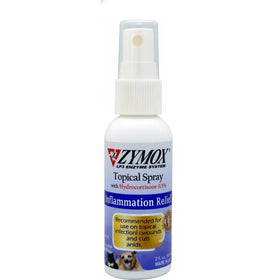

How do common skin signs compare?
The table is a note-taking aid, not a way to diagnose at home. A sign can have several explanations, and more than one issue may be present.
| What you notice | What to record | Practical next step |
|---|---|---|
| Frequent scratching or licking | Body areas, time of day, recent exposures, and sleep changes | Contact your veterinarian if it persists, worsens, or disrupts normal activity |
| Redness, bumps, or scabs | When it began, whether it spreads, and whether the skin is sore | Do not pick or apply unapproved products; arrange veterinary guidance |
| Flakes, greasy coat, or odor | Whether it is localized or widespread and any recent grooming changes | Ask a veterinarian before changing shampoos or using medicated products |
| Hair thinning or bald patches | Location, progression, and any other behavior or health changes | Book an examination, especially if the area is expanding or recurring |
| Sudden swelling, breathing difficulty, or collapse | Onset and any possible exposure, if known | Seek urgent veterinary care immediately |
Use the comparison to prepare a clear description, not to rule conditions in or out. For instance, a smell or greasy coat may be worth reporting, but it does not tell you which organism or process is involved. Likewise, a dog may have more than one contributing issue. Keep the original notes even if a symptom improves before the appointment because the earlier pattern can still help guide the discussion.
What can you safely do while you wait for advice?
Quick Summary: Keep the routine gentle and simple. Prevent obvious further irritation, avoid unapproved treatments, and contact a veterinary professional when signs persist or worsen.
For a mild-looking spot, note its size and appearance and keep your dog from rubbing against a suspected irritant. If you know a new product or material touched the area, stop that exposure and ask the veterinary team what to do next. Do not scrub, shave, squeeze bumps, or try to remove attached material if doing so would hurt your dog.
Use only grooming products that are appropriate for dogs and follow their labels. A product marketed for people, horses, or another animal is not automatically safe or suitable for your dog. Avoid essential oils, leftover prescriptions, household disinfectants, and human creams unless your veterinarian specifically approves them. Dogs may lick topical products, and the wrong ingredient or use can create a new problem.
Keep bedding clean and dry, wash it with a familiar detergent, and rinse it well. If paws are dirty after a walk, gently rinse with plain lukewarm water and pat them dry, including between the toes. Stop if handling causes pain or distress. These steps can reduce dirt or contact with a possible irritant, but they do not treat an underlying disease.
Do not make several changes at once. Switching food, adding supplements, bathing frequently, and applying new topical products together makes it harder to tell what helped or harmed. If you are considering a nutrition product, talk to your veterinarian first. You can browse pet supplements and wellness products, but supplements should not replace an examination or a veterinarian's treatment plan.
Make the interim routine predictable. Keep walks and play calm if friction seems to aggravate the spot, and avoid repeatedly checking or touching a painful area. If a particular surface or grooming item seems to be involved, prevent contact while you ask the clinic what to do. Do not restrict normal food or water, and do not put a cone, wrap, or garment on a dog if it causes distress or interferes with breathing, movement, or rest. Ask a veterinary professional for a safe way to limit self-trauma when needed.
When a veterinarian recommends a topical treatment, follow the instructions for the exact product and site. Confirm whether the coat should be dry first, whether the dog must avoid licking it, and when bathing is appropriate. Keep the package and dosing directions together so other household members do not apply an extra dose by mistake. If you miss an application or see a reaction, contact the clinic for guidance instead of doubling up or switching products.
Build a useful skin-care routine without overdoing it
A consistent, low-fuss routine helps you spot change early. During ordinary grooming, look over the coat and visible skin without forcefully separating painful or matted areas. Check paws, ears, belly, and the base of the tail, especially if your dog often licks or scratches those places. Use a brush suited to the coat and stop if you find a sore or your dog becomes uncomfortable.
After outdoor time, check for visible debris and rinse dirty paws if needed. In areas with plants or seasonal irritants, keep your dog on a controlled path and note whether symptoms follow a particular route or activity. A suitable walking lead can help you guide a dog away from a suspected contact area; it does not prevent or treat a medical skin condition. Hooves and Paws carries a rope leash for everyday walks.
Use clothing only when it fits comfortably and suits the weather. A garment that rubs, traps moisture, or stays on damp fur may cause discomfort, so check the skin after removing it and stop using it if you see irritation. Dog apparel is for practical coverage and outings, not a cure for a rash; see dog apparel and accessories for options.
Write down recurring symptoms and bring the notes to checkups. Ask your veterinarian how often to bathe your dog, which grooming products fit the coat and skin history, and whether parasite prevention should be adjusted. The right routine depends on the individual dog, its diagnosis, and the care plan.
Keep routine checks brief and comfortable so your dog is not anxious about being handled. Choose a quiet time, use good light, and look at one area at a time. A quick weekly check may be enough for a dog without current concerns, while a dog being monitored for a problem may need the schedule recommended by its veterinarian. A calendar reminder can help you notice whether symptoms are recurring at roughly the same interval or after a particular activity.
Prepare for a productive veterinary visit
A little preparation can make the conversation clearer. Bring the symptom notes and photos, plus a list of foods, treats, grooming products, preventives, and medications your dog currently receives. Include anything that changed shortly before the skin signs appeared, even if it seems unrelated. If another pet in the home has similar signs, or if people in the household have developed a rash, mention that too. Do not assume the problem is contagious, but share the observation so the veterinarian can consider it.
At the visit, describe what you have observed in plain terms: where the problem started, whether it has spread, what your dog does when uncomfortable, and what has already been tried. Tell the veterinarian whether a product seemed to make the skin better or worse and when you used it. If you still have the package, bring it or take a photo of its full ingredient list. That helps avoid relying on a brand name or memory.
Ask what changes should prompt a follow-up, how to give or apply any recommended treatment, and how soon you should expect to check in. Confirm whether bathing, swimming, outdoor activity, or wearing a garment should be limited during care. If the plan is difficult to follow or your dog reacts to a product, contact the clinic rather than improvising a replacement. Clear questions help you understand the next step and keep the routine consistent.
You can also ask what the veterinarian is trying to learn from each recommended step and how you should monitor progress. It is reasonable to ask when an improvement should be noticeable, what to do if there is no change, and whether the plan should be adjusted after a recheck. If your schedule or your dog's temperament makes a treatment hard to administer, explain that honestly. The clinic may be able to clarify the technique or discuss a practical alternative that still follows the medical plan.
Choosing products with safety in mind
When a skin problem is present, start with the veterinarian's recommendations, not the product category. Ask what ingredient or product is appropriate, how often to use it, where it can be applied, and what to do if your dog licks it or reacts. Read the full label and do not combine medicated products unless your veterinarian says to.
For everyday grooming, choose dog-specific products for the coat and task. A general shampoo is not necessarily right for inflamed or broken skin. Avoid assuming that a product described as soothing, natural, or gentle can address the cause. If signs began after a new shampoo, wipe, collar, detergent, or garment was introduced, mention that timing to your veterinarian.
Food and supplements need the same care. A change in diet is not a reliable do-it-yourself allergy test, and a supplement cannot identify the cause of a rash. If your veterinarian suggests a diet trial or nutrition support, follow the plan consistently and ask before adding other foods or products. Keep packaging or ingredient lists available for the appointment.
Compare labels by purpose and directions, rather than by marketing language alone. Check that the product is intended for dogs, note any age or use limitations, and read whether it should be rinsed off or kept away from eyes and mouth. Keep products in their original containers so warnings and instructions stay available. If a label is unclear, take a photo and ask your veterinary team before using it on irritated skin.
Common mistakes that can make skin problems harder to sort out
- Guessing from one symptom: Itching alone cannot tell you whether the cause is parasites, allergy, infection, irritation, or another issue.
- Using a human product: Human creams, shampoos, and pain products may be unsafe or inappropriate for dogs.
- Trying multiple remedies together: Stacked changes make it difficult to track a reaction or improvement.
- Waiting through worsening signs: Persistent discomfort, open areas, spreading changes, or a dog acting unwell should be discussed with a veterinarian.
- Scrubbing or picking: This may hurt the skin and make examination more difficult.
- Stopping prescribed treatment early: Ask the prescribing veterinarian before changing or ending a treatment plan.
A further mistake is treating a temporary reduction in scratching as proof that the cause is gone. Symptoms can fluctuate, and the skin may look different from one day to the next. Continue to follow the veterinary instructions, record meaningful changes, and ask before stopping care. Also avoid comparing your dog with another pet whose signs look similar; their causes and safe treatments may be different.
When in doubt, call the clinic and explain the dog's symptoms, how long they have been present, and whether they are getting worse. Do not wait for a routine appointment if your dog has urgent symptoms.
Shop dog wellness essentials today
Frequently Asked Questions
Can I tell what a dog skin condition is by looking at it?
No. Many causes can produce similar redness, itching, flakes, bumps, or hair loss. A veterinarian can assess the whole picture and decide whether testing is needed.
Should I bathe my dog when its skin is irritated?
Ask your veterinarian before bathing irritated, broken, or painful skin. The wrong product or too-frequent bathing can aggravate discomfort, and a medicated shampoo should be used only as directed.
Are dog skin conditions always caused by allergies?
No. Parasites, contact irritation, infections, injury, and underlying health problems can also cause skin signs. Itching is a symptom, not proof of an allergy.
Can I use my own anti-itch cream on my dog?
Do not apply a human cream unless your veterinarian approves that exact product and use. Dogs may lick topical products, and ingredients or doses that are appropriate for people may not be safe for them.
When should I call the veterinarian?
Contact a veterinarian for persistent or worsening itch, spreading redness, sores, hair loss, recurring symptoms, or discomfort. Facial swelling, trouble breathing, collapse, severe bleeding, or rapid deterioration calls for urgent veterinary care.
A calm, observant approach is the safest start
Notice changes, keep a simple record, and avoid experimenting with treatments before you know what you are addressing. Your veterinarian can help identify the cause and build a care plan that fits your dog's needs.


