

Winter Gear for Senior Horses
Filtrar y ordenar
8 productos

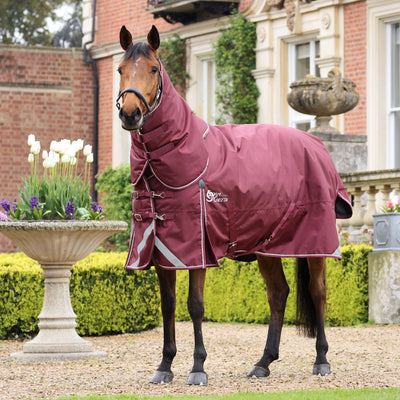

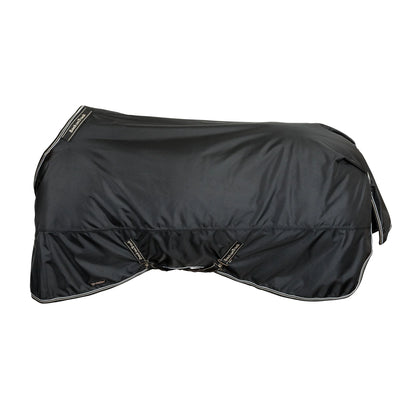

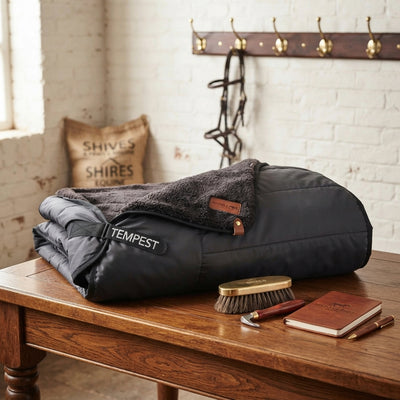

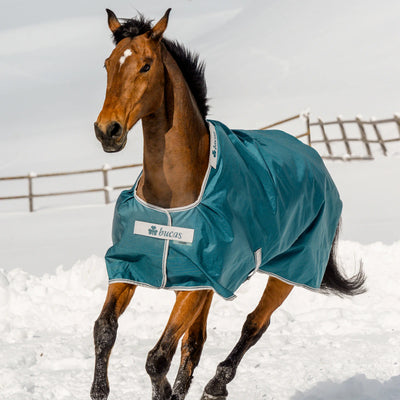

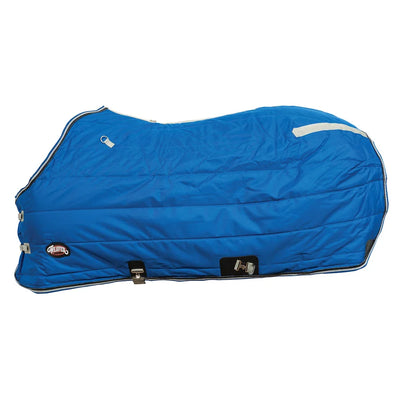

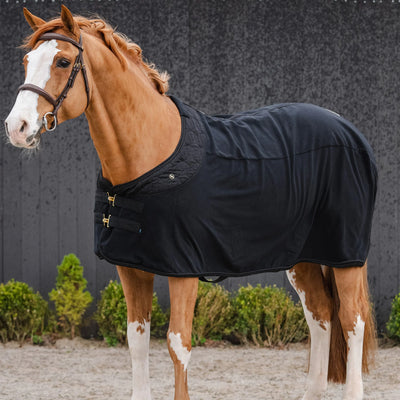

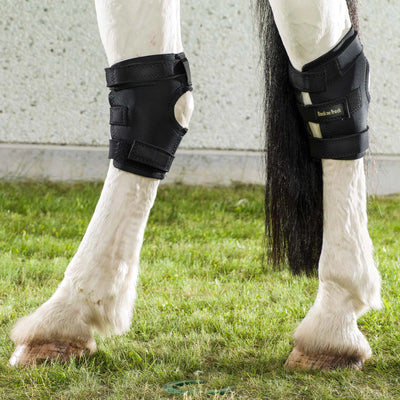

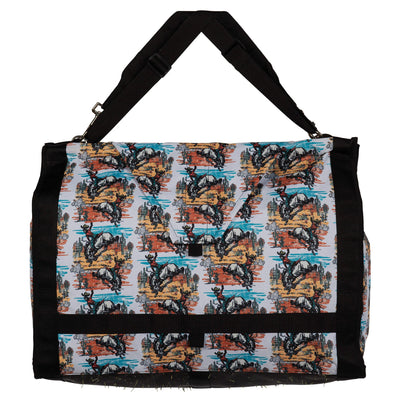
An older horse that grew a full winter coat may not need a blanket at all, and plenty of horses in their late twenties winter well without one. The ones that struggle are usually the hard keepers, the horses losing topline, and the ones that get soaked to the skin before a hard freeze. This page is the short list of gear owners of horses 20 and up actually reach for, plus the checks that stop a blanket from hiding a problem.
What Senior Horse Owners Are Actually Asking
My older horse grew a thick coat. Does it still need a blanket?
Not always. Coat growth is driven by daylight and genetics, so blanketing will not stop a coat from growing, and a dry, fluffed coat with shelter and hay in front of the horse is good insulation. What flattens a coat is rain and wind, and wet cold is much harder on an old horse than dry cold. Owners usually blanket a senior when it is a hard keeper, when it is dropping weight, or when rain is followed by a freeze. The idea is that calories go into holding weight instead of staying warm. Some owners see their horses eat less hay once blanketed and some see no difference, so watch your own horse.
How heavy a blanket does a senior horse need?
Start lighter than you think. One owner of several seniors in the forum thread uses nothing until about 40 degrees F (50 if it is wet or windy), then a sheet with a light liner or a 100g blanket until near freezing, a medium weight below freezing, and something heavier only rarely. Another owner put it simply: waterproof matters more than the weight of the blanket. If your old horse sweats heavily when warm, stay at the lighter end and add a liner on the coldest nights instead of leaving a heavyweight on through a warm afternoon.
How do I check weight on a horse that wears a blanket all winter?
Take the blanket off and look, at least every week or two. Run your hands over the ribs, along the topline, over the hips and behind the shoulder, and use a weight tape in the same spot each time so you can compare. A blanket can hide a lot of weight loss, and owners in the threads agree that weight comes back far more slowly than it goes. Weight loss, dropping half-chewed hay, slow eating or a horse that leaves feed are questions for your vet and equine dentist, not for a heavier blanket.
How do I know if my old horse is too warm under the blanket?
Slide a flat hand under the blanket at the shoulder and behind the withers. You are aiming for not cold, not hot. Damp hair or sweat means the blanket is too heavy for the day. One owner found their senior got rain rot from being kept too warm even without visible sweating. On dry days, take the blanket off for a couple of hours so the horse can roll, the coat can air out, and you can check the skin underneath.
His old blankets do not fit since he lost topline. What should I look for?
This came up for a 31-year-old Quarter Horse whose blankets started rubbing his withers. As topline goes, the withers stand out and a blanket that used to fit starts sitting on them. Look for padding or lift over the withers, a high-cut or attached neck, and deep shoulder gussets. Measure again rather than ordering the old size, because sizing varies between brands and models. Several owners use a soft stable blanket as a base layer and put a turnout over it when the weather turns.
He is stiff coming out of the stall on cold mornings. Does any gear help?
What owners mostly do is keep the horse moving: hay in front all the time, as much turnout as the footing allows, and a few minutes of hand walking before turnout on icy mornings. Some owners also use Back on Track hock boots or a Welltex-lined cooler during stall time because they like how their horse comes out. We are not saying any blanket or boot treats stiffness or arthritis. New or worsening stiffness, lameness or reluctance to move should go to your vet, who can talk through pain management.
How to Choose the Right Winter Gear for Older Horses
- Waterproof first, then warmth: A dry coat does most of the work. A sound waterproof shell matters more than adding fill.
- Layer instead of going heavy: A liner under a medium weight covers the coldest nights and comes out again when the afternoon warms up, so the horse is not stuck in a heavyweight.
- Check the withers and the neck: On a horse losing topline, look for padding or lift over the withers and a neck cover that attaches to the blanket, then re-measure before you order.
- Keep a fleece cooler for wet days: A breathable fleece lets a damp horse dry under cover before the turnout blanket goes back on.
- Strip and check every week or two: Hands on ribs, topline and hips, and a weight tape in the same spot. Call the vet if the numbers slide.
- Keep hay in front of the horse: A slow feeder with larger openings keeps hay in front of a slower chewer without making every bite a fight. Have teeth checked before winter.
What This Page Is Not For
This page is not a full blanket catalog. For every weight and size we carry, see Horse Blankets and Sheets for Every Season. For rain sheets and turnouts, see Waterproof Turnout Blankets That Stay Dry. For drying a horse after work, see Horse Coolers and Anti-Sweat Sheets. The whole Back on Track range is on its own page. It is also not a replacement for a vet visit: weight loss, trouble chewing and pain in an older horse need your vet or equine dentist, and no blanket or wrap fixes them.
Brands Riders Trust
Shires makes the Stormcheeta and Tempest systems, where a detachable neck and a separate liner let you build warmth up and down through the winter. Back On Track lines its blankets, coolers and boots with Welltex, and its Obsidian turnout has foam padding to lift the blanket off the withers. Bucas, distributed by Toklat, is known for its silky stay-dry lining. Weaver Leather covers the stable blanket and the slow feeder at a working-barn price.
Measure your horse, look at the forecast for rain and wind as well as temperature, and start lighter than you think you need. Happy Tails, Happy Trails.
