


Let’s be honest: one of the biggest reasons Western riders stick with a cowboy hat is style. A traditional helmet can feel out of place, clashing with carefully chosen horse tack and show attire. This focus on aesthetics often leads to the question, is a riding helmet required, with many hoping the answer is no so they can maintain their classic look. The great news is that you no longer have to choose between style and safety. We’ll cover the official rules set by organizations like the USEF and AQHA, and introduce you to the new generation of stylish, comfortable, and certified riding helmets designed for the Western rider.
Key Takeaways
- Helmet rules depend on where you ride: Regulations for Western riding helmets are not consistent; they vary based on state laws, your age, and the governing body of your event. Always check the specific rulebook for any competition to make sure you are compliant.
- A certified helmet is essential for safety: Your skill level or your horse's temperament cannot prevent every accident. Only an ASTM/SEI certified helmet is engineered to absorb impact and protect you from a serious head injury during a fall.
- Fit and certification are your top priorities: When choosing a helmet, a snug, correct fit and a visible ASTM/SEI certification label are the most important factors. Once you have those covered, you can easily find a modern design that matches your Western style.
Is a Western Riding Helmet Required by Law?
When it comes to western riding, the question of whether a helmet is required doesn't have a straightforward answer. The rules often depend on where you live, how old you are, and whether you're competing. It’s less about a single, overarching law and more about a combination of state regulations, event rules, and personal liability. Let's break down what you need to know.
What State and Federal Laws Say About Helmets
There isn't a federal law in the United States that requires every equestrian to wear a helmet. Instead, regulations are handled at the state level, and they can vary quite a bit. For example, states like New York have laws requiring riders under 18 to wear a helmet. For competitors, governing bodies like the United States Equestrian Federation (USEF) set their own standards. The USEF now mandates that anyone mounted on a horse at nationally rated eventing competitions must wear an approved helmet. Because the rules change, it's always a good idea to check your local laws and the specific requirements for any event you plan to attend.
State-Specific Youth Helmet Laws
When it comes to legal requirements, the focus is often on protecting younger riders. Several states have enacted laws specifically for equestrians under a certain age. For instance, states like Florida and New York have laws mandating that riders under 14 or 16 wear helmets, especially when riding in public spaces or at certain facilities. These rules aren't just about age; they can also depend on the location of the ride. Because these regulations vary so much from one place to another, it's always best to check your local and state ordinances. Ultimately, the law is just a baseline. Prioritizing helmet safety by choosing from a selection of certified riding helmets gives you peace of mind, no matter what the local rules are.
How Insurance and Liability Factor In
Beyond specific laws, the issue of liability is a major reason to wear a helmet. In the event of an accident, insurance companies and courts will look at whether you took reasonable safety precautions. Using protective headgear that meets or exceeds standards from the American Society for Testing and Materials (ASTM) and the Safety Equipment Institute (SEI) is a key part of this. This certification shows your helmet has been rigorously tested for equestrian use. It’s important to know that show organizations state that no competitor can be penalized for wearing protective horse tack, including a helmet, so you can always prioritize your safety without worrying about your score.
Instructor and Stable Requirements
Beyond laws and liability, your own instructor or stable will likely have their own set of rules about helmets. Many riding instructors require all their students to wear one, especially beginners, often because it’s a requirement for their insurance. According to the University of Connecticut, these rules can vary; some barns may simply require a helmet with a fastened strap, while others will specifically mandate an ASTM/SEI approved one. Because policies differ from place to place, it's always smart to ask about the requirements before your first lesson. This ensures you show up prepared and can focus on your ride. If you need to get equipped, you can find plenty of certified riding helmets that will keep you safe and compliant with any barn's rules.
What Do Major Western Riding Organizations Require?
When you’re getting your horse tack ready for a show, the last thing you want is to be surprised by a rule you didn’t know about. The requirements for helmets in Western riding can feel a bit confusing because they vary quite a bit between different governing bodies and events. While the classic cowboy hat remains a powerful symbol of the sport, many organizations are putting a greater emphasis on safety, especially for younger competitors.
Generally, the rules depend on your age and the specific discipline you’re competing in. Some organizations have made helmets mandatory for certain classes or for all youth riders, while others have simply made it clear that riders who choose to wear a helmet won’t be penalized. It’s always a good idea to check the official rulebook for any organization you plan to show with, but let’s break down what some of the major players require.
Youth Rider and USEF Helmet Requirements
If you or your child competes in events governed by the United States Equestrian Federation (USEF), the rules are often very specific. The USEF has been a leader in implementing safety standards, particularly for youth. For most youth classes across disciplines, including Western events, helmets are not just recommended, they’re required.
According to the USEF rulebook, "Protective headgear must...meet or exceed ASTM (American Society for Testing and Materials)/SEI (Safety Equipment Institute) standards." This means you can’t just wear any helmet; it needs to be certified for equestrian use. This rule ensures that young riders are protected by headgear that has passed rigorous safety tests.
What the AQHA and NRHA Say About Helmets
For organizations like the American Quarter Horse Association (AQHA) and the National Reining Horse Association (NRHA), the rules for adult riders are often more flexible. While they typically mandate helmets for youth, they tend to leave the decision up to the adults. However, they have made an important cultural shift by officially protecting a rider’s choice to wear one.
The official guidelines state that "no competitor shall be penalized for wearing protective headgear in any division." This is a huge step forward. It means you can prioritize your safety and wear a certified helmet in the show pen without worrying that a judge will score you lower for it. This rule helps remove the social pressure and allows riders to make a personal choice for their own well-being.
United States Pony Club Helmet Rules
The United States Pony Club (USPC) is well-known for its unwavering commitment to safety, especially when it comes to its youth members. The organization has one of the strictest and clearest policies on headgear in the equestrian world. For all mounted activities, every Pony Club member is required to wear an ASTM/SEI-certified helmet. There are no exceptions for discipline or experience level. This rule underscores the USPC's dedication to protecting young riders, who are particularly vulnerable to head injuries. By mandating the use of properly certified riding helmets, the USPC ensures every rider is protected by gear that has passed rigorous testing. This standard not only keeps its members safe but also helps instill a lifelong habit of safety-first horsemanship. You can find the most current rules in the official USPC rulebooks.
What Happens If You Break the Rules?
Following helmet rules isn’t just about safety, it’s also about staying in the competition. In events where helmets are mandatory, failing to wear one can get you disqualified. For example, a USEF rule change for eventing requires every rider to wear an ASTM/SEI-approved helmet anytime they are on a horse on competition grounds.
While this is for an English discipline, it shows how seriously governing bodies are taking head protection. If a rule is in place, you can expect it to be enforced. Penalties can range from a verbal warning to immediate elimination from the class or the entire show. Always read the rulebook before you pack your gear to avoid any frustrating and costly surprises on show day.
Why Don't Western Riders Traditionally Wear Helmets?
When you picture a Western rider, you probably imagine a cowboy hat, not a helmet. This image is deeply rooted in the culture of Western riding, and the reasons for sticking with tradition are complex. For many, the choice comes down to a combination of cultural heritage, long-standing myths about safety, and the simple but powerful influence of what everyone else is doing.
While the classic look is undeniable, it’s worth understanding the history behind the helmet debate. The conversation isn’t about erasing tradition; it’s about blending the rich history of Western riding with modern safety knowledge. Exploring why the cowboy hat has remained the headwear of choice for so long can help every rider make a more informed decision before they get in the saddle.
The Cowboy Hat: Tradition vs. Safety
The cowboy hat is more than just an accessory; it’s a symbol of the American West. For generations, it has been an essential piece of a rider’s gear, offering practical protection from sun, wind, and rain. This deep-seated tradition is a powerful force in the community. Many riders feel a strong connection to this heritage and want to preserve the classic, traditional look that a cowboy hat provides. It represents a specific identity and a nod to the history of horsemanship. While its original purpose was purely functional for life on the range, it has since become a cultural icon, making it a difficult piece of the uniform for many to replace.
Common Helmet Myths, Busted
One of the biggest hurdles in the helmet conversation is separating myth from fact. A common belief is that a felt or straw cowboy hat offers some level of protection, but this is simply untrue. As one safety advocate put it, "Cowboy hats don't protect you. While they are a classic look, they won't keep your head safe if you fall." A fall from a horse can generate enough force to cause a serious brain injury, and only a certified helmet is designed to absorb that kind of impact. Many other high-speed sports require protective headwear, and riding a large, powerful animal should be no different. Skill and experience don't prevent accidents, and every rider is vulnerable to a fall.
Fitting In: Peer Pressure and Helmet Use
Let’s be honest: it can be tough to be the only person in the arena wearing a helmet. In many Western riding circles, there’s an unspoken pressure to stick with the traditional look. Some riders worry that a helmet looks out of place or is only for beginners, creating a social barrier to wearing one. Practical complaints also come up, with some finding helmets hotter or less effective at blocking the sun than a wide-brimmed hat. These community norms can make riders feel self-conscious about prioritizing safety. However, as more people start wearing them, this mindset is slowly beginning to shift toward accepting helmets as a smart part of any rider’s horse tack.
Shop This Post

Featured in this article
Troxel Dakota Western Riding Helmet - Matte Duratec, ASTM/SEI Certified, SureFit Pro - Multiple Sizes
$104.99
Shop Now →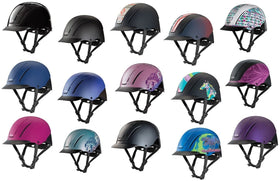
What Are the Real Safety Benefits of Wearing a Helmet?
Beyond tradition and style, the conversation around helmets always comes back to one thing: safety. While a cowboy hat is an iconic part of western riding, it offers no protection in a fall. Understanding the real risks and how a certified helmet can protect you is the first step in making an informed choice for yourself every time you saddle up.
Western Riding Head Injuries by the Numbers
Let's start with the hard facts. A head injury is the most common reason for hospital admission and the leading cause of death for people who ride horses. Even a fall from a stationary horse can generate enough force to cause a serious brain injury. Horses are large, powerful animals, and their behavior can be unpredictable, no matter how well-trained or quiet they are. A sudden spook on the trail or a trip in the arena can happen to anyone. A helmet is the single most important piece of protective horse tack you can own, designed specifically to protect you when the unexpected happens.
Understanding the Statistics
Let's start with the hard facts. A head injury is the most common reason for hospital admission and the leading cause of death for people who ride horses. It’s a sobering thought, but it’s crucial to understand. Even a fall from a horse that is standing still can generate enough force to cause a serious brain injury. We all know that horses are large, powerful animals, and no matter how well-trained or gentle they are, their behavior can be unpredictable. A sudden spook on the trail or a simple trip in the arena can happen to anyone, regardless of skill level. This is why a certified helmet is the single most important piece of protective equipment you can own, designed specifically to protect you when the unexpected happens.
Comparing Riding to Other High-Risk Sports
To put the risk into perspective, consider this: horseback riding has a higher chance of injury per hour than activities many people consider far more dangerous, like downhill skiing, football, or even motorcycle racing. It’s a surprising statistic, but it highlights how serious a fall can be. More than 60% of deaths from horse-related accidents are due to head injuries, which is why head protection is so critical. The good news is that you can dramatically reduce your risk. According to research, wearing a properly fitted, certified helmet can lower your chance of a serious head injury by 70-80%. It’s a simple step that offers a massive amount of protection, making it one of the smartest choices any rider can make.
How Today's Helmets Prevent Brain Injury
Modern equestrian helmets are incredible pieces of safety engineering. They are designed to absorb and distribute the force of an impact, cushioning your head and significantly reducing the risk of skull fractures and traumatic brain injuries. The data shows that wearing a helmet can reduce head and brain injuries by up to 85%. The Equestrian Medical Safety Association strongly recommends wearing a properly fitted ASTM/SEI certified equestrian helmet for all riding activities. This certification means the helmet has passed rigorous, standardized testing for impact resistance and construction, giving you proven protection.
The Unseen Damage of Head Injuries
It’s easy to think of injuries in terms of what we can see, like a broken bone that will eventually heal. But a brain injury is different; it doesn't always heal completely. According to research from the University of Connecticut, even small hits to the head can cause damage that builds up over time. Each new impact can worsen old damage, and your brain may never fully recover. The statistics are sobering: over 60% of deaths from horse-related accidents are due to head injuries. Choosing to wear one of the many certified riding helmets available today is a proactive step that can lower your risk of a serious head injury by as much as 80%, protecting your long-term health and well-being.
Advanced Safety Tech: Mips Explained
As you browse modern helmets, you may come across the term Mips. This stands for Multi-directional Impact Protection System, and it’s a game-changer in helmet technology. Mips is a special "slip layer" built inside the helmet that allows for a slight rotation during an angled impact. This is incredibly important because, as US Equestrian explains, many falls involve hitting your head at an angle, which creates rotational forces that can cause concussions. The Mips system is designed to reduce these twisting forces on your brain. Think of it as an extra line of defense that helps absorb not just the direct impact but also the dangerous rotational motion, offering a higher level of protection.
Protection Beyond Falls: Guarding Against Kicks
A helmet’s purpose extends far beyond just protecting you during a fall. The equestrian environment is dynamic, and accidents can happen on the ground, too. A quality equestrian helmet is designed to protect you from a wide range of potential impacts, whether it's from hitting a low-hanging branch on the trail, bumping your head in the barn, or even getting kicked by a horse. This is why they are constructed differently from other types of helmets, offering more coverage around the back of the head to shield you from various angles. It’s a critical piece of equipment for all-around safety, helping with the crucial task of preventing injuries whenever you're around horses.
Why the "Experienced Rider" Myth Is So Dangerous
One of the most common reasons riders skip a helmet is experience. You might think, "I've been riding my whole life and have never had a bad fall." But experience doesn't make you immune to accidents. As one safety advocate puts it, "Taking risks is not smart or stylish, especially when it comes to brain injury." Your skill level can't prevent a horse from tripping or being startled by a deer on the trail. Relying on experience alone creates a false sense of security. As a company that has been part of the equestrian community for decades, we believe that smart horsemanship means preparing for the worst, even when you expect the best. Protecting your brain is a choice that has nothing to do with your skill and everything to do with your long-term health.
Do Stylish Western-Approved Helmets Actually Exist?
Let’s be honest, a big reason many Western riders skip the helmet is style. The classic cowboy hat is an iconic part of the look, and bulky, traditional helmets can feel out of place. But here’s the good news: helmet design has come a long way. You no longer have to choose between protecting your head and honoring your Western roots. Manufacturers have finally caught on, creating helmets that are not only ASTM/SEI-certified but also designed with the Western rider in mind. You can find options that are comfortable, well-ventilated, and stylish enough to complement your favorite pair of boots and saddle. It’s all about finding the right one for you.
Certified Helmets That Don't Sacrifice Style
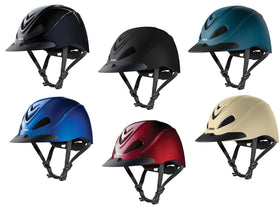
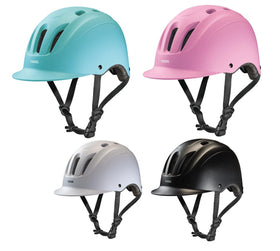
The days of one-size-fits-all, unflattering helmets are over. Today’s market offers a surprising variety of designs that blend modern safety with a classic Western aesthetic. You can find helmets with matte, leather, or suede-like finishes that pair beautifully with traditional horse tack. Some models feature subtle ventilation, streamlined profiles, and even embossed details that give a nod to Western style. There are even innovative helmet designs that look remarkably like a cowboy hat, giving you that iconic silhouette without sacrificing protection. The key is to look for helmets that are specifically marketed to Western riders, as these will have the right look and feel.
How to Choose a Comfortable, Breathable Helmet
If a helmet isn't comfortable, you’re not going to wear it. But discomfort is often a sign of a poor fit, not a bad helmet. A properly fitted helmet should be snug all around your head without creating pressure points. It shouldn't rock forward, backward, or side to side. When you’re trying one on, make sure it covers the back of your head, as this is a common impact zone in riding accidents. Also, consider ventilation. Look for models with discreet air vents that allow for airflow, keeping you cool during long hours in the saddle. Many modern helmets also feature removable, washable liners, which are a huge plus for comfort and hygiene.
How to Balance Safety and Your Western Style
At the end of the day, your well-being is more important than any tradition. Choosing to wear a helmet isn’t a betrayal of Western culture; it’s a smart decision that protects your future. Think of it this way: your ability to ride and care for your horse depends on your health. An accident can have a lasting impact not just on you, but on your family and community, too. Embracing modern safety gear shows respect for yourself, your horse, and the people who love you. You can still wear your cowboy hat when you’re on the ground, but when you swing into the saddle, putting on a helmet is the responsible choice. True horsemanship is about making smart decisions, and prioritizing safety is one of the smartest you can make.
Should You Wear a Helmet Even When It's Not Required?
Deciding to wear a helmet is ultimately a personal choice, especially in disciplines where tradition often favors a cowboy hat. But it’s a choice that should be made with a clear understanding of the risks and benefits. The reality is that horseback riding is an unpredictable sport. Even the most experienced riders on the most reliable horses can find themselves in an unexpected situation. A sudden spook, a hidden gopher hole, or a simple misstep can lead to a fall. When you’re dealing with a 1,000-pound animal, the consequences can be serious.
The conversation around helmets in western riding is shifting. More riders are choosing to protect their heads, and the industry is responding with stylish, comfortable, and certified helmets that don’t sacrifice that classic western look. Moving past the "it's not required" mindset means looking at the bigger picture. It involves weighing your personal risk factors, thinking about the example you set for others in the community, and recognizing when a helmet is simply the smartest piece of gear you can wear. It’s not about fear; it’s about being prepared and respecting the sport and the powerful animals we love to ride.
What's Your Personal Risk Level?
Every time you swing into the saddle, you accept a certain level of risk. It doesn’t matter if you’ve been riding for two years or twenty, or if your horse is the calmest one in the barn. Accidents are, by nature, unplanned. A horse can trip, a piece of horse tack could fail, or a sudden noise could cause a spook. The truth is, you can’t control every variable when you ride. What you can control is how you prepare for the unexpected. A helmet is your best line of defense against a head injury in a fall. It’s a simple piece of equipment that can make a life-altering difference.
Why Your Choice Matters to Other Riders
If you're a parent, instructor, or just a respected rider at your barn, your choices have an impact. Younger and less experienced riders look up to you, and when they see you prioritize safety, they learn to do the same. Research shows that children are far more likely to wear a helmet if they ride with adults who also wear one. By putting on a helmet, you’re not just protecting yourself; you’re helping to build a stronger culture of safety within the equestrian community. You’re showing the next generation of riders that being a smart equestrian and a safe one go hand in hand.
Situations Where a Helmet Is a Must
The simple answer is: every time you ride. While it’s especially critical when you’re on a young horse, trying something new, or out on an unfamiliar trail, the protection a helmet offers is valuable on every single ride. The Equestrian Medical Safety Association notes that certified helmets can reduce head and brain injuries by as much as 85%. Think about it: helmets are standard in sports like cycling, skiing, and hockey. Horseback riding involves a large, powerful animal with a mind of its own, making the argument for protection even stronger. A helmet is your most important piece of safety gear.
Considering Overall Rider and Horse Welfare
True horsemanship is about more than just skill in the saddle; it's a partnership built on respect for both yourself and your horse. When we talk about safety, it’s a two-way street. For the rider, the most critical piece of protective gear is a helmet. The statistics are sobering: according to the Equestrian Medical Safety Association, "A head injury is the most common reason for hospital admission and the leading cause of death for people who ride horses." This isn't meant to scare you, but to highlight how important protection is. A certified riding helmet is a crucial tool that can reduce head and brain injuries by as much as 85%. Choosing to wear one is a fundamental part of responsible riding, ensuring you can be there for your horse for years to come.
The 20% Rule for Horse Carrying Capacity
Just as we protect ourselves, we have a responsibility to protect our horses from strain and injury. A key guideline for this is the "20% rule," which suggests a horse should not carry more than 20% of its own body weight. This total weight includes you, your saddle, and all your horse tack. Overloading a horse can have serious consequences. As noted by Gladiator Equine, "Carrying too much weight can put a lot of stress on a horse's back and legs," which can lead to fatigue, soreness, and even long-term health problems. Adhering to this rule is a simple yet profound way to ensure your horse stays comfortable and healthy, making every ride a positive experience for both of you.
How Can We Shift the Helmet Culture in Western Riding?
Changing long-held traditions takes time, but a cultural shift toward safety in Western riding is already underway. It’s being driven by influential voices, honest conversations about risk, and grassroots efforts within local riding communities. This change isn't about erasing the rich heritage of Western riding; it's about adding a layer of protection so we can all enjoy our passion for years to come. By focusing on positive reinforcement and education, we can create a new standard where helmets are just as common as cowboy boots. It’s a collective effort, and every rider has a part to play in making our sport safer for everyone.
The Power of Role Models and Education
When people we look up to make a change, it gives the rest of us permission to do the same. This is especially true in the Western riding world. Seeing professional riders, like champion barrel racer Fallon Taylor, consistently wear a helmet makes a powerful statement. It shows that safety and skill are not mutually exclusive. These role models are helping to normalize helmets, proving you can still be a top competitor while protecting your head. Their influence trickles down, encouraging riders at all levels to reconsider their gear. When the next generation sees their heroes prioritizing safety, wearing a helmet becomes a natural part of their horse tack and equipment.
How to Address Resistance and Change Mindsets
Let's be honest: the cowboy hat is an icon. It’s deeply woven into the fabric of Western culture, and that tradition is a big reason for the resistance to helmets. Many riders feel that a helmet just doesn't fit the look or that it implies they're not skilled enough to handle their horse. But tradition shouldn't compromise safety. Think about it: we wear seatbelts in cars and helmets for countless other sports. Riding a powerful, thousand-pound animal with a mind of its own is certainly an activity that warrants protection. Changing this mindset starts with reframing the conversation from "tradition versus safety" to "tradition and safety." It's about honoring the spirit of the West while being smart about the very real risks of head injuries involved.
Fostering a Supportive, Pro-Helmet Community
Change happens one rider at a time, and it grows stronger within a community. You can be a part of that shift. If you're a trainer or barn owner, you can set a policy requiring helmets for all riders on your property. At local shows and gymkhanas, organizers can offer small incentives, like a special ribbon or a prize for the highest-placing rider wearing a helmet. Even just talking openly and positively about your choice to wear a helmet can make a difference. When safety becomes a shared value, it stops being a personal debate and starts being a community standard. It reflects a collective commitment to protecting one another, which is something a company with decades of equine expertise can certainly get behind.
How to Choose the Right Western Riding Helmet
Once you’ve decided to wear a helmet, the next step is finding the right one. This choice is about more than just grabbing one off the shelf; it’s a personal decision that balances certified safety with a comfortable fit and a style that feels like your own. A great helmet should feel like a natural part of your gear, giving you the confidence to ride your best without feeling out of place. Think of it as the most important piece of tack you’ll ever own. Finding the perfect match ensures you’re protected during every ride, from a quiet trail to a competitive event. Let’s walk through the three key things to look for to make sure you get it right.
What Safety Certifications Should Your Helmet Have?
The single most important factor in a helmet is its safety rating. Before you even consider color or style, flip the helmet over and look for a label certifying that it meets ASTM/SEI standards. The American Society for Testing and Materials (ASTM) sets the performance standards, and the Safety Equipment Institute (SEI) certifies that the helmet has met them. This little tag is your proof that the helmet has gone through rigorous testing to ensure it can protect your head from impact. Any helmet without this certification isn't worth considering. It’s a non-negotiable feature that ensures you’re getting proven protection when you browse for new horse tack.
Understanding ASTM/SEI and Other Standards
So, what do these letters mean? ASTM stands for the American Society for Testing and Materials, and SEI is the Safety Equipment Institute. Think of it this way: ASTM writes the rigorous test a helmet must pass to be considered safe for riding, and SEI is the independent organization that certifies it has passed. This two-part system is the gold standard for equestrian head protection in the United States. It’s why major organizations like the United States Equestrian Federation (USEF) require headgear to meet or exceed these standards. This certification is your assurance that a helmet is engineered to absorb impact and protect you from a serious head injury during a fall, something your skill level or your horse’s temperament alone can never guarantee.
How to Spot a Non-Approved Helmet
Spotting a non-approved helmet is simple: look for the label. A certified helmet will have a tag sewn into the interior, usually on the harness or liner, that clearly states it is ASTM/SEI certified. If that label is missing, the helmet is not a safe choice for riding, no matter how sturdy it looks or what the price tag says. Helmets that lack this certification offer no real protection; they are just for looks and will not absorb the force of an impact in a fall. When you’re shopping for new riding helmets, making sure that label is present should be your first step. It’s the non-negotiable feature that separates a piece of safety equipment from a simple fashion accessory.
How to Ensure Your Helmet Fits Perfectly
A helmet only works if it fits correctly. A poor fit isn't just uncomfortable; it’s unsafe. If a helmet is too loose, it can shift or even come off during a fall, leaving you unprotected when you need it most. On the other hand, a helmet that’s too tight can cause headaches. The best way to find your fit is to try on different brands and models, as each company’s sizing can vary. A well-fitted helmet should feel snug all around your head with no pressure points. It shouldn't rock forward, backward, or side-to-side when you shake your head. When you have it on, you should feel the skin on your forehead move when you try to wiggle the helmet.
The Importance of a Professional Fitting
While it’s tempting to order a helmet online and hope for the best, the safest route, especially for your first one, is to get a professional fitting. A helmet must fit perfectly to be effective, and an expert can help you get it right. A professional fitter will measure your head correctly and, more importantly, they understand that different brands fit different head shapes. Some helmets are better for round heads, while others suit more oval shapes. They’ll have you try on several options to see what feels best and sits correctly. Think of it as the foundation of your safety gear; getting it right from the start ensures you’re truly protected.
Performing At-Home Fit Tests
Once you have a helmet, or if you're checking an old one, you can perform a few simple tests at home to confirm the fit. First is the eyebrow test: with the helmet on, grab the brim and wiggle it up and down. Your eyebrows should move with the helmet. If they don’t, it’s too loose. Next, with the chin strap unbuckled, shake your head "no" and then "yes." The helmet should stay securely in place without shifting dramatically. Finally, check the position. The front rim should sit about one inch above your eyebrows, and the chin strap should be snug enough that you can fit only one or two fingers between the strap and your chin.
Tips for Riders with Long Hair
Long hair can complicate helmet fitting, but a few tricks make it easy. When you’re being fitted or trying on a new helmet, wear your hair down or in a very low ponytail at the nape of your neck. This allows the helmet to be fitted to your actual head shape. A bulky ponytail or bun placed high on your head will alter the fit and create a dangerous gap between the helmet and your skull. When you ride, secure your hair in a low ponytail or braid, or use a hairnet to smooth it against your head. This keeps your hair tidy without compromising the snug, protective fit of your helmet.
A Note on Helmets for Children
It might seem economical to buy a helmet that’s a little big for your child to "grow into," but this is a dangerous mistake. A helmet that doesn't fit properly won't protect them in a fall. An ill-fitting helmet can easily shift or come off entirely during an accident, leaving your child’s head vulnerable. Children's heads grow much more slowly after the toddler years, so a well-fitted helmet will likely last longer than you think. Investing in one of the certified riding helmets that fits them perfectly right now is the only way to ensure they are safe in the saddle.
Pairing Modern Protection with Classic Style
Let’s be honest: for many western riders, the biggest hesitation is style. The good news is that you no longer have to sacrifice your look for safety. Helmet manufacturers have created a wide range of designs that complement traditional western attire. You can find helmets with matte finishes, leather detailing, and discreet ventilation that blend seamlessly with your show clothes or trail gear. Some brands even offer models with a brim that mimics the look of a cowboy hat. You can absolutely find a certified helmet that feels authentic to your personal style while providing the modern protection every rider deserves.
When to Replace Your Riding Helmet
Just like the rest of your horse tack, your helmet requires care and attention. But unlike a saddle or bridle, a helmet has a firm expiration date. Knowing when to retire your old helmet and invest in a new one is a critical part of responsible horsemanship. It’s not just about looking for visible wear and tear; it’s about understanding the unseen limits of its protective materials. The foam and plastics that keep you safe break down over time and can only absorb one major impact. To ensure your helmet can do its job when you need it most, you need to be aware of its lifespan and treat it with care.
The 3-to-5-Year Lifespan
A helmet isn't a lifetime purchase; it has an expiration date. Even if your helmet has never been in a fall and looks brand new, the materials inside break down over time. Exposure to things like sunlight, heat, and even the sweat from your own head causes the protective foam to degrade and lose its ability to absorb impact. As a general rule, you should plan to replace your helmet every three to five years from the date you first started using it. Think of it like any other critical piece of safety equipment. Investing in new riding helmets on a regular schedule is a small price to pay for the peace of mind that comes with knowing your head is protected by materials that are in their prime.
Why You Must Replace a Helmet After Any Impact
This rule is absolute: if your helmet sustains any kind of impact, you must replace it immediately. This doesn't just mean a fall while riding. If your horse kicks it, or if you accidentally drop it onto a hard surface like concrete, its protective capabilities are compromised. The inner foam liner is designed to crush upon impact to absorb the force that would otherwise go to your head. It’s a one-time-use feature. Even if you can't see any cracks or dents on the outside, the internal structure is likely damaged and will not protect you in another fall. According to US Equestrian, this unseen damage is why replacement is non-negotiable. Don't take the risk; a helmet that has done its job once cannot be trusted to do it again.
Related Articles
- The Ultimate Brown Horse Riding Helmet Guide
- Ride with Confidence: The Ultimate Guide to Equestrian Helmet Safety, Style & Comfort
Frequently Asked Questions
Will I get marked down in a show for wearing a helmet instead of a cowboy hat? Not at all. Major organizations like the American Quarter Horse Association (AQHA) and the National Reining Horse Association (NRHA) have specific rules stating that no competitor can be penalized for wearing protective headgear. Judges are instructed to score your performance, not your choice of headwear. This means you can prioritize your safety in the show pen without worrying about it affecting your score.
Are there any helmets that actually look good with Western tack? Yes, absolutely. Helmet design has improved so much in recent years. You can now find many ASTM/SEI certified helmets created specifically for the Western rider. Look for models with matte, suede, or leather-like finishes, streamlined profiles, and subtle ventilation. Some even have wider brims to give you a more traditional silhouette while still providing full protection.
My horse is calm and I'm an experienced rider. Do I still need a helmet? Even the most seasoned riders on the quietest horses can have accidents. A horse can trip, spook at something unexpected on the trail, or react unpredictably. Your skill level is incredibly valuable, but it can't prevent every possible situation. A helmet isn't a reflection of your experience; it's a smart piece of equipment that protects you from the things you can't control.
How do I know if a helmet is truly safe and fits correctly? First, always look for the ASTM/SEI certification sticker inside the helmet. This is your guarantee that it has passed rigorous safety standards for equestrian sports. For the fit, a helmet should be snug all around your head without causing pressure points or a headache. It shouldn't be able to rock back and forth or side to side. When you try to wiggle it, the skin on your forehead should move with the helmet.
What's the real difference in protection between a cowboy hat and a helmet? A cowboy hat is great for protecting you from the sun and rain, but it offers no protection against impact. In a fall, a felt or straw hat will simply crush. A certified helmet, however, is engineered with a hard outer shell and an inner foam layer designed to absorb and distribute the force of an impact, significantly reducing your risk of a serious head or brain injury.


