


Think of bell boots as an affordable insurance policy for your horse’s soundness. A single overreach injury can lead to expensive vet bills, a lost shoe, and weeks of missed training time. Compared to those costs, a quality pair of boots is a tiny investment that pays for itself many times over. They are a fundamental part of equine leg protection, designed to shield the delicate heel and hoof area from impact. Whether your horse is in high-intensity training, enjoying turnout, or just naturally built to overreach, the right boots make all the difference in their safety and your peace of mind.
What Are Bell Boots and Does Your Horse Need Them?
Bell boots are a cornerstone of equine leg protection, shielding horses’ hooves and heels during a range of activities. Their design has evolved to address the unique biomechanics of the horse’s lower limb, making them indispensable in modern equine care.
What Are Bell Boots?
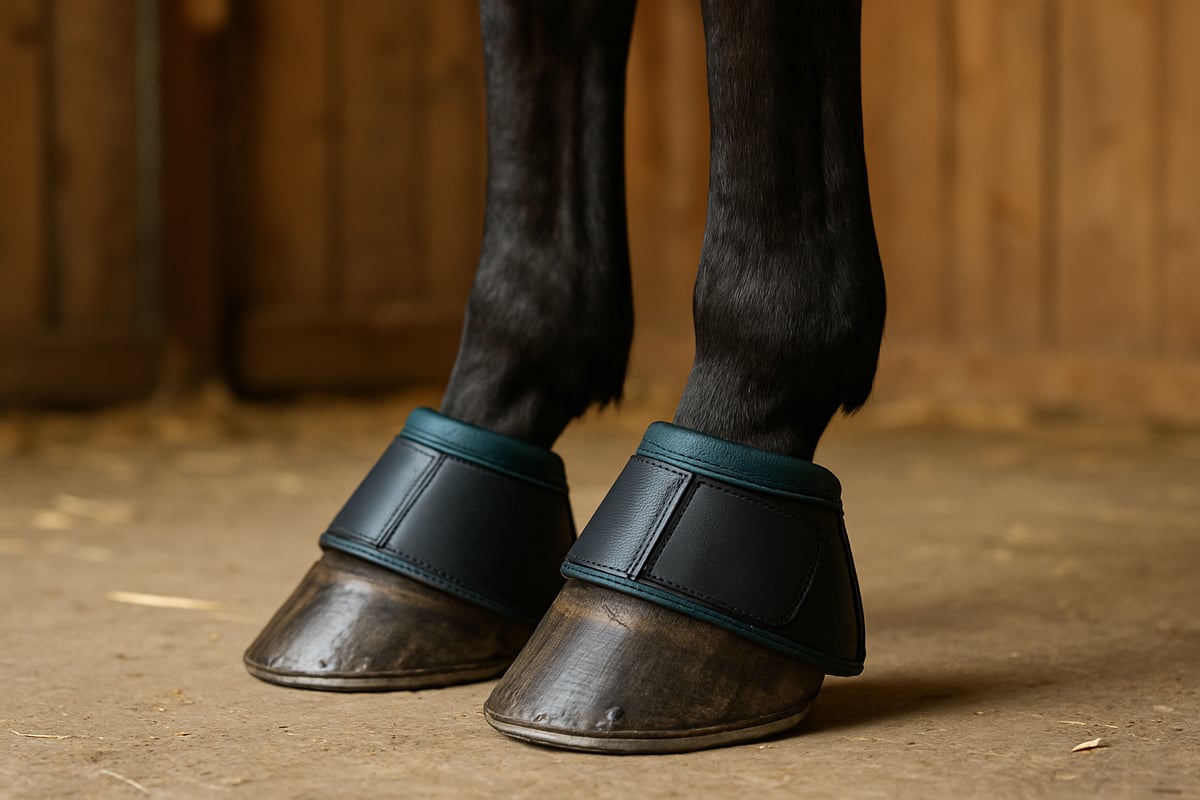
Bell boots, sometimes called overreach boots or no-turn boots, are protective gear that fit around the lower pastern and the hoof. They are shaped like a bell, hence the name, and are usually made from flexible materials such as rubber, neoprene, or advanced synthetics.
Placed just above the hoof, bell boots act as a barrier against injuries caused by a horse’s hind feet striking the front heels or shoes. This overreaching action is common in active or performance horses. The boots are secured with either pull-on, Velcro, or hook-and-loop closures, depending on the design.
Common terminology includes pull-on boots, which stretch over the hoof, and no-turn boots, which feature an internal pad to prevent rotation. Each type of bell boots serves a specific purpose, tailored to the horse’s activity and needs.
Why Does My Horse Need Bell Boots?
Horses benefit from bell boots because they protect against a range of injuries, particularly those caused by overreaching. When a horse moves energetically, especially during jumping, dressage, or galloping, the hind feet can strike the sensitive heel bulbs or even pull off a front shoe.
Bell boots are essential for horses in high-intensity disciplines like jumping, eventing, or western riding, as well as for those prone to forging or interference. During turnout or exercise, they help prevent accidental shoe loss, which can be costly and painful.
By using bell boots, owners can safeguard their horses’ legs whether the animal is training, competing, or simply enjoying time in the paddock. The right boots provide peace of mind and enable horses to perform at their best.
To Prevent Overreaching Injuries
The primary job of a bell boot is to prevent overreaching injuries. This happens when a horse’s hind foot strikes the heel of the front foot, which can cause painful cuts, bruises, or even pull off a front horseshoe. Bell boots act as a shield, covering the front hooves from the pastern down to the heel. They absorb the impact from the hind feet, protecting the sensitive heel bulbs and coronary band. This simple piece of protective gear can save you from costly vet bills and farrier visits, not to mention saving your horse from unnecessary pain. Think of it as an affordable insurance policy for your horse’s soundness, especially during activities where they are moving with more energy and impulsion.
Common Reasons for Overreaching
Some horses are simply more prone to overreaching than others due to their conformation or way of going. Horses with shorter backs and longer hind legs often have a stride that naturally causes their hind feet to land where their front feet just left. Similarly, horses with big, powerful movements or quick hind-leg action are at a higher risk. The risk also increases with certain activities. High-speed work like galloping, jumping, or making quick turns during reining patterns puts a horse in a position where overreaching is much more likely. Understanding if your horse fits these criteria can help you decide when bell boots are a non-negotiable part of their daily wear.
For Coronary Band and Heel Protection
Beyond just preventing a lost shoe, bell boots provide critical protection for the coronary band and heel bulbs. The coronary band is the vital growth center for the hoof wall, and any injury to it can affect hoof growth for months. The heel bulbs are soft, sensitive structures that are easily injured by a misplaced step. Bell boots create a durable barrier against direct impact from a horse’s own hooves, a common occurrence known as overreaching. They also offer a degree of protection from interference, which is when a horse strikes one leg with the opposite foot. This coverage is essential for keeping your horse comfortable and sound, whether in the pasture or the arena.
To Guard Against Interference
While their main purpose is to stop overreaching, bell boots also offer a layer of defense against other types of impact. They are particularly useful for horses that wear horseshoe studs for traction or have therapeutic shoeing, as these can cause more significant damage if a horse strikes itself. In some cases, a horse might interfere or clip its hind feet, and bell boots can be used on the back hooves to prevent scrapes and minor injuries above the hoof. This versatility makes them a staple in any well-stocked tack room, providing an extra measure of safety for horses that need it most during training, travel, or turnout.
Do Barefoot Horses Need Bell Boots?
It’s a common question: if there’s no shoe to pull, does a barefoot horse need bell boots? The answer is often yes. While a barefoot horse can’t pull a shoe, it can still suffer from a painful overreach injury to the heel bulb or coronary band. The decision really comes down to the individual horse. If your horse is prone to overreaching due to its conformation or participates in high-impact disciplines, bell boots are still a smart choice. They provide the same essential protection from impact, regardless of whether the horse is shod. Many of our customers with barefoot horses rely on our best-selling boots for peace of mind during turnout and training.
How Bell Boots Keep Your Horse Safe
The use of bell boots offers multiple advantages for both horse and rider. First, they significantly reduce the risk of hoof and heel injuries, which in turn lowers veterinary expenses. By preventing wounds, bruises, and pulled shoes, bell boots contribute to a horse’s ongoing soundness.
Another key benefit is enhanced performance. Horses and riders can work with greater confidence, knowing that the risk of injury is minimized. Bell boots are highly versatile, suitable for daily turnout, training sessions, and all levels of competition.
Here is a quick summary of the main benefits:
| Benefit | Impact |
|---|---|
| Injury prevention | Protects heels, bulbs, and shoes |
| Cost savings | Reduces vet bills and farrier visits |
| Versatility | Works for turnout, training, competition |
| Confidence | Boosts horse and rider assurance |
Why Skipping Bell Boots Is a Bad Idea
Neglecting to use bell boots increases the likelihood of serious injuries. Horses without this protection face a much higher risk of pulled shoes, bruised heels, and even deep lacerations. Industry estimates suggest that up to 30 percent of sport horses experience overreach injuries each year, making prevention crucial. According to the Equine Injury Database Statistics, leg-related injuries remain one of the leading causes of lost training days and long-term soundness issues.
Long-term, repeated trauma can affect a horse’s performance and comfort, sometimes leading to chronic lameness. Skipping bell boots may seem minor in the short term but can have lasting consequences for your horse’s health and career.
From Pull-On to Velcro: A Guide to Bell Boot Types
The world of bell boots has evolved rapidly, offering horse owners more choices than ever before. In 2025, selecting the right bell boots can make a significant difference in your horse’s protection, performance, and overall wellbeing. Below, we break down the main types of bell boots you’ll encounter, their features, and how to choose the best option for your horse’s needs.
The Classic Choice: Pull-On Bell Boots
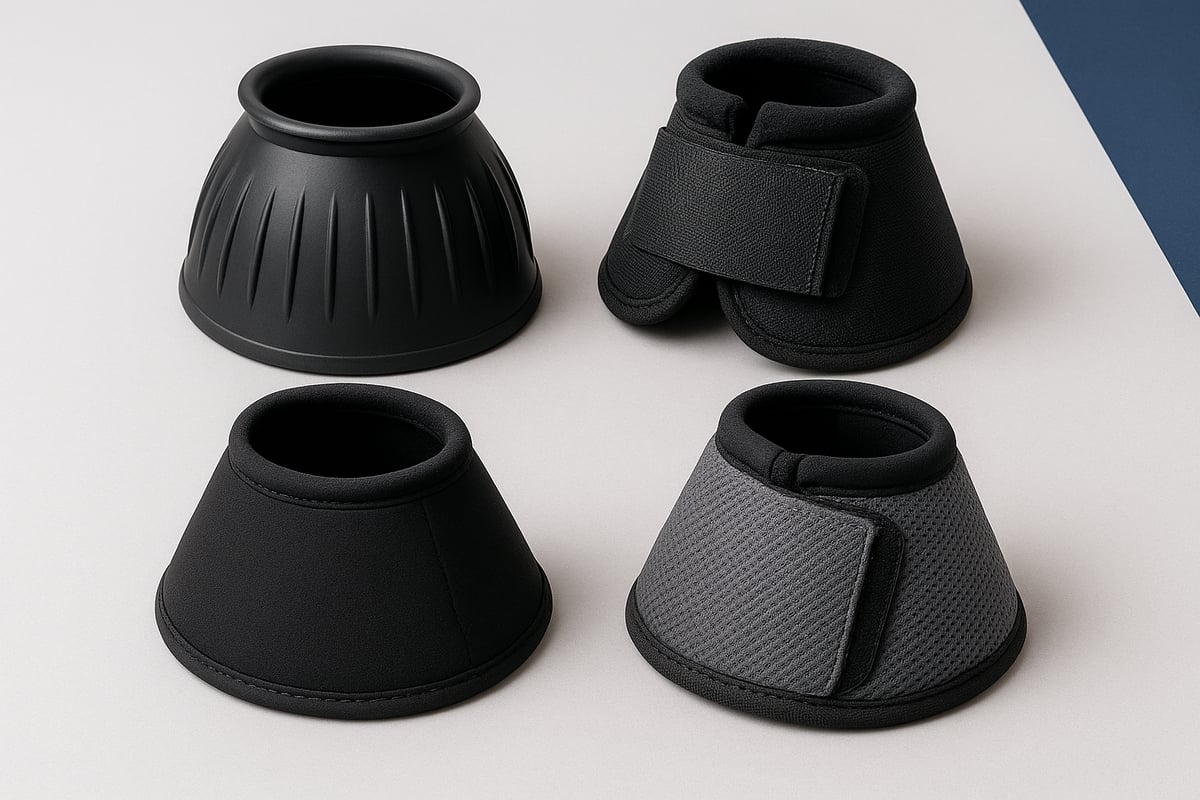
Pull-on bell boots are a classic choice for many equestrians. Made primarily from durable rubber, these boots are designed to be stretched over the hoof for a snug, secure fit that stays in place during turnout or intense activity.
Pros:
- Secure fit that resists accidental removal.
- Minimal hardware, reducing points of failure.
Cons:
- Can be challenging to put on or remove, especially for sensitive horses.
- Over time, rubber may stretch or crack with frequent use.
Pull-on bell boots are especially useful for horses that are rough in turnout or prone to losing their footwear. They offer reliable protection for day-to-day use and are a staple in many stables.
Easy On, Easy Off: Velcro Bell Boots
Velcro or hook-and-loop bell boots feature an adjustable fastening system, making them incredibly user-friendly. These boots are typically constructed from soft synthetic materials or reinforced rubber, providing flexibility and comfort.
Pros:
- Easy and quick to put on and remove.
- Adjustable fit accommodates various hoof shapes and sizes.
Cons:
- Velcro closures can wear out or accumulate dirt and debris.
- May be less secure for horses who are hard on their gear.
Many trainers and riders prefer Velcro bell boots for daily training due to their convenience. These boots are also ideal for horses that require frequent boot changes or adjustments.
For a Secure Fit: No-Turn Bell Boots
No-turn bell boots are engineered with an internal “bulb” or reinforced padding at the heel, preventing the boot from rotating during movement. This design ensures consistent protection and minimizes the risk of chafing or misalignment.
No-turn bell boots are favored in high-movement disciplines such as jumping, barrel racing, and eventing. Their stable fit keeps the protective zone aligned with the heel bulbs, which is essential for horses that perform quick turns or sudden stops.
These boots combine the best of security and comfort, helping both rider and horse maintain confidence during high-stress activities.
Beyond the Basics: Specialty Bell Boots
Specialty bell boots in 2025 feature cutting-edge materials and technologies. Options include magnetic therapy boots for circulation, impact-resistant shells for maximum protection, and antimicrobial linings to reduce odor and bacteria buildup.
Innovations this year include eco-friendly and recycled materials, as well as smart tech integration such as sensors that monitor movement or detect boot displacement. Some therapeutic designs are tailored to horses recovering from injury or requiring targeted support.
Advanced bell boots are ideal for horses with specific medical needs or for riders seeking the latest in equine leg protection solutions.
Which Bell Boot Type Is Right for Your Horse?
Selecting the best bell boots involves matching the type to your horse’s discipline, activity level, and personality. For example, pull-on bell boots are reliable for rough turnout, while no-turn styles are perfect for performance horses that need stability.
Consider your horse’s turnout habits, any history of injuries, and your own handling preferences. Some riders may benefit from exploring a variety of Horse Boots and Leg Protection Collection to find the perfect fit for their needs.
Evaluating these factors ensures your horse receives optimal protection, comfort, and style suited to their unique requirements.
Shop This Post

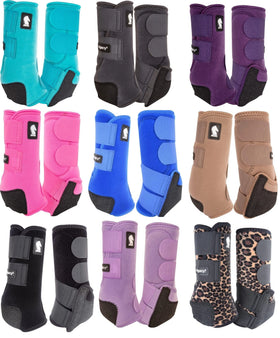
Bell Boot Shopping: Features That Matter Most
Selecting the best bell boots for your horse means evaluating a variety of features that directly impact hoof protection, comfort, and performance. The right choice combines durability, fit, and innovations that suit your horse's needs in 2025.
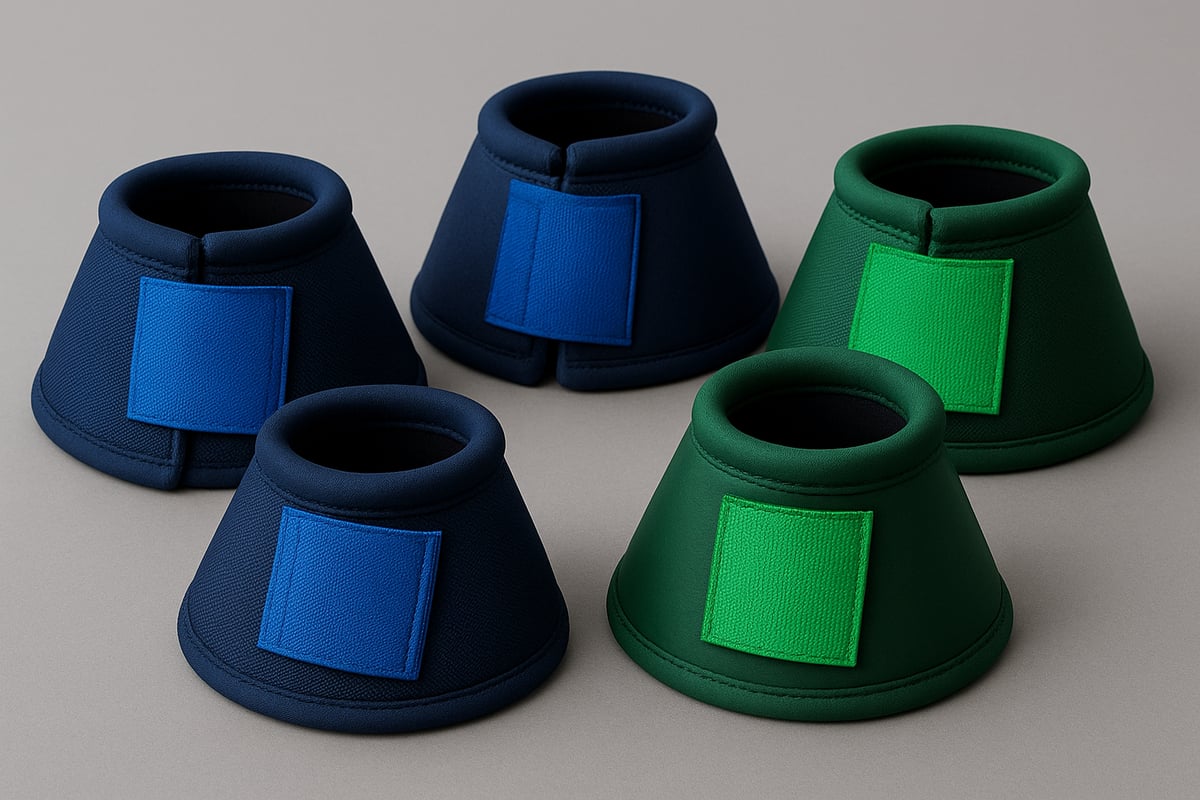
Choosing the Best Bell Boot Material
The landscape of bell boots materials has evolved significantly in 2025. Modern options include advanced synthetic rubbers, ballistic nylon, and high-grade neoprene, each offering unique benefits. Synthetic rubbers deliver excellent flexibility and shock absorption, while ballistic nylon is prized for its abrasion resistance and longevity.
Eco-friendly materials are now more prevalent, with some brands introducing recycled or biodegradable options for sustainability. Waterproof and weather-resistant designs keep your horse comfortable in any climate. For a deeper look at how new designs are reshaping hoof protection, see insights on Equine Turnout Protection Redesign.
Choosing the best material depends on your horse's activity, environment, and sensitivity. Always check that the bell boots you select balance durability with flexibility to ensure optimal protection.
Rubber and Gum Rubber
Rubber is a classic choice for bell boots for a reason—it’s dependable and gets the job done. This material has a great reputation for being durable, lightweight, and easy to clean, making it a practical option for daily use. Its natural stretch allows for a snug fit that provides reliable protection during turnout or training sessions. Because they are so resilient, rubber bell boots are a staple in many tack rooms, offering a straightforward solution to prevent overreach injuries without any fuss. Many equestrians choose this material for its proven track record in keeping horses safe and sound.
Durable PVC
For an option that balances toughness with flexibility, durable PVC (polyvinyl chloride) is an excellent choice. This synthetic material is known for its impressive resistance to wear and tear, making it ideal for horses that are particularly hard on their gear. PVC bell boots can withstand mud, water, and rough terrain while still providing enough give to move comfortably with the horse. They offer solid protection against strikes and scuffs, ensuring the delicate heel and coronary band areas are well-shielded. It’s a cost-effective and low-maintenance material found in a wide variety of reliable horse tack.
Breathable Open Cell Foam
If your horse has sensitive skin or works up a sweat during training, bell boots made with open-cell foam are a game-changer. This modern material is designed for maximum breathability, allowing air to circulate freely around the pastern. This airflow helps reduce heat and moisture buildup, which is crucial for preventing skin irritation, chafing, and potential fungal issues. While still offering great shock absorption, the focus here is on comfort. Choosing a breathable material ensures your horse stays comfortable and their skin stays healthy, even when wearing boots for extended periods during intense work or long turnouts.
High-Performance Carbon-Fiber and Kevlar®
For competitive horses in high-impact disciplines, the latest material innovations offer unparalleled protection. Bell boots incorporating materials like carbon fiber and Kevlar® provide exceptional strength and impact resistance without adding extra weight. These advanced composites are engineered to withstand powerful forces, making them ideal for eventing, jumping, or fast-paced western events where the risk of a serious overreach is higher. Some specialty designs even integrate therapeutic technologies or antimicrobial linings for added benefits. These high-performance options represent the cutting edge of protective equipment, giving riders peace of mind when it matters most.
How Should Bell Boots Fit?
A proper fit is essential for bell boots to function effectively. Begin by measuring your horse's hoof circumference and height, using a flexible tape measure. Compare your measurements to the manufacturer's size chart, which typically ranges from Pony and Cob to Full and Warmblood.
A well-fitting bell boot should fully cover the heel bulbs without restricting movement or causing rubbing. Look for signs of a good fit, such as even contact around the pastern and no gaps or excessive tightness. Try the boots on and observe your horse walking and trotting to ensure comfort and security.
If the fit is off, adjust by trying a different size or style. Remember, an accurate fit provides both protection and comfort for daily use and competition.
Checking the Length
When you're checking the length, the bottom of the bell boot should just graze the ground behind your horse's heels while they're standing on a level surface. This positioning is key because it ensures the boot fully covers the heel bulbs—the main area you want to shield from overreach strikes. If the boot hangs too long, your horse could easily step on it, creating a tripping hazard. On the other hand, a boot that's too short won't offer adequate protection, leaving the sensitive heel area vulnerable. Always start by checking the manufacturer's size guide, as sizing can vary quite a bit between different brands and styles.
Checking the Pastern Fit
The top opening of the bell boot should sit comfortably around the pastern without being restrictive. A good rule of thumb is that you should be able to slide one or two fingers between the boot and your horse’s skin. If the fit is too tight, it can cause painful rubbing and sores, but if it’s too loose, the boot might spin or allow dirt and mud to get trapped inside, leading to irritation. A secure pastern fit is crucial for keeping the boot correctly positioned to do its job. Finding the right piece of horse tack often comes down to these small but important fit details.
Velcro vs. Pull-On: Finding the Right Closure
Bell boots come with several closure systems, each offering different levels of security and ease of use. Velcro, double Velcro, and pull-on styles are the most common choices. Velcro closures make application and removal quick, while double Velcro adds extra security for active horses.
Pull-on bell boots are known for their secure fit but can be challenging to put on or remove, especially with tough or sensitive horses. When selecting closure systems, consider your horse's behavior and activity level.
A secure closure prevents accidental loss during turnout or training, ensuring the bell boots stay in place when it matters most. Regularly inspect closures for wear and replace them as needed to maintain effectiveness.
How Much Protection Does Your Horse Need?
The main job of bell boots is to protect the heel bulbs and lower hoof from overreaching, impact, and abrasion. Look for designs with deep coverage that shield the vulnerable areas without impeding movement.
Reinforced strike zones and extra padding add layers of impact resistance. Lightweight models are suitable for everyday use, while heavy-duty versions are preferred for intense activities like jumping or eventing.
When evaluating protection, balance the need for robust coverage with your horse's comfort and the specific demands of your riding discipline. The right bell boots minimize injury risks and support peak performance.
Keeping Your Horse Comfortable and Chafe-Free
Comfort is a critical consideration when choosing bell boots. Soft linings, rolled edges, and anatomical shaping reduce the risk of rubs and sores, especially during long periods of wear. Materials such as neoprene and fleece are popular for their cushioning and moisture-wicking properties.
Breathability also matters, particularly in hot or humid climates. Select bell boots that allow airflow and prevent heat buildup. Regularly check for any signs of irritation or discomfort, and adjust fit or style as needed.
Prioritizing comfort ensures your horse stays happy and focused, whether in training or competition.
Daily Care to Prevent Rubbing
Even the best-fitting bell boots can cause issues without a consistent care routine. A few simple habits will make all the difference in keeping your horse’s pasterns healthy and chafe-free. Before every use, always brush away any dirt or mud from the hoof and pastern area. Trapped debris is a common cause of rubbing, as it creates friction against the skin. After every ride, turnout, or training session, always remove the bell boots. This lets the skin underneath breathe and dry completely, which is key to preventing moisture-related irritation. A quick daily inspection for any signs of redness or hair loss will help you catch potential problems before they become serious sores. These simple daily habits are just as important as the initial fit for ensuring your horse's comfort.
Function Meets Fashion: Style and Color Options
Bell boots now come in a wide array of styles and colors to suit every need. High-visibility options, including neon and reflective designs, improve safety during turnout or trail riding. Custom patterns and show-ring appropriate styles allow you to match your horse's gear to your personal preferences or competition requirements.
Reflective elements are especially useful for riders who work in low-light conditions. While style should never come at the expense of protection, selecting visually appealing bell boots can boost both confidence and security.
By weighing these key features, you can confidently choose bell boots that deliver the protection, comfort, and style your horse deserves.
How to Get the Perfect Bell Boot Fit
Proper sizing and fit are essential for bell boots to deliver reliable protection and comfort. Ill-fitting boots can cause rubbing, slipping, or even fail to shield your horse’s hooves. Follow this guide to ensure your bell boots provide optimal coverage and performance.
A Step-by-Step Guide to Measuring for Bell Boots
To achieve the right fit, start by measuring your horse’s hoof circumference at the widest point. Use a flexible tape and record the height from the coronet band to the ground. Compare these numbers to manufacturer size charts, which usually list sizes like Pony (24cm/9.5 in) or Full (26cm/10 in).
Trying bell boots on before purchase is ideal. Check that the boots fully cover the heel bulbs without restricting movement or causing gaps. Walk your horse and observe for shifting or discomfort. For a deeper dive into overall leg protection, see the Ultimate Horse Leg Protection Guide.
Putting On Pull-On Boots
Pull-on bell boots are fantastic for their secure fit, but they can be a little stubborn to get on. The best trick is to turn the boot completely inside out first. With the boot inverted, carefully slide it over your horse's toe until it's positioned at the front of the hoof. From there, simply grab the edge and roll it up and over the heel, flipping it right-side-out into place. If the rubber feels stiff, try warming the boots in your hands or a bucket of warm water for a few minutes to make them more flexible. This simple method ensures a snug fit that covers the heel bulbs securely, making them a reliable piece of your horse's horse tack.
Is the Fit Off? How to Fix Common Issues
Bell boots that spin or slip off may be too loose, while chafing or swelling suggests tightness. If your horse frequently loses boots, inspect closure systems and consider switching styles.
Look for signs like rub marks, hair loss, or tripping. Adjust fit by trying a different size, trimming excess material, or choosing a model with a more anatomical shape. Some horses benefit from boots with rolled edges or soft linings to minimize friction.
If persistent issues occur, consult your trainer or farrier for advice on alternative bell boots.
Sizing Tips for Different Breeds and Activities
Breed and activity influence the best bell boots size. Ponies need smaller, snug-fitting boots, while warmbloods and draft horses often require larger sizes with extra coverage.
Eventers typically prefer a close fit to prevent shifting during high activity. Horses used for turnout may need a slightly looser boot for comfort and to accommodate natural hoof expansion.
Always check sizing charts, and remember that some brands offer discipline-specific designs. Custom fitting ensures the bell boots protect without hindering performance.
How to Know When It's Time for New Bell Boots
Inspect your bell boots regularly for cracks, stretching, or failing closures. If you notice frayed stitching, misshapen material, or persistent rubbing, it is time to replace them.
Replacement frequency depends on use. Daily turnout may wear boots faster than occasional competition. New materials and technology in 2025 offer improved durability, so upgrading can enhance protection and comfort.
Stay attentive to your horse’s needs and invest in new bell boots as soon as signs of wear appear.
Your 5-Step Guide to Choosing the Perfect Bell Boots
Choosing the right bell boots in 2025 means considering your horse's unique needs and the latest advancements in equine protection. Follow these five expert steps to ensure your horse stays comfortable, safe, and ready for any challenge.
Step 1: Figure Out What Your Horse Really Needs
Begin by evaluating your horse's daily routine, discipline, and risk factors. Ask yourself: Does your horse participate in jumping, dressage, or western events? Do they spend hours in turnout or have a history of hoof or heel injuries?
Consider past incidents, current training intensity, and the environment where your horse spends most of its time. This initial assessment helps narrow down which bell boots will offer the best protection. If your horse needs comprehensive leg and hoof protection, explore the Horse Protection Essentials Collection for additional options tailored to specific disciplines.
Step 2: Pick the Right Material and Style
Next, match the type of bell boots to your horse's activity level and temperament. For high-energy horses or demanding sports like eventing, ballistic nylon or impact-resistant materials offer robust defense. Sensitive horses may prefer soft rubber or neoprene models for their flexibility and comfort.
Think about your climate and typical riding conditions. Waterproof and weather-resistant bell boots are ideal for wet or muddy environments. Consider eco-friendly materials or advanced linings for horses with allergies or sensitive skin.
Step 3: Get Your Measurements Right
Proper fit is essential for effective protection and comfort. Use a flexible tape measure to determine your horse's hoof circumference and the height from the ground to the back of the fetlock. Compare these measurements with manufacturer size charts, which typically range from Pony to Warmblood.
Once you receive the bell boots, try them on your horse. Watch how they move at the walk and trot. The boots should cover the heel bulbs fully without restricting movement or causing rubs.
Step 4: Check the Closures for Security
Decide which closure system best fits your routine. Pull-on styles are popular for turnout, offering a secure fit that is less likely to come off. Velcro closures provide convenience and adjustability, making them a favorite for daily use.
No-turn bell boots feature an internal pad to prevent spinning, ideal for high-motion activities. Always inspect closures for reinforced stitching and ensure fastenings stay secure during work or play.
Step 5: Balance Comfort, Style, and Price
Finally, inspect the bell boots for features that enhance comfort, such as soft linings, rolled edges, and anatomical shaping. Breathable materials help prevent moisture build-up and chafing, while stylish colors or reflective accents improve visibility on the trail or at shows.
Balance your budget with the features you need. Premium bell boots may offer longer durability and advanced protection, while budget-friendly options still deliver essential coverage for everyday use.
How to Make Your Bell Boots Last Longer
Proper care and maintenance ensure your bell boots last longer, protect your horse effectively, and remain comfortable. Thoughtful cleaning routines, wear prevention, and seasonal adjustments help you get the most from your investment. By following these best practices, you safeguard both the boots and your horse’s wellbeing.
Simple Tips for Cleaning and Storing Your Boots
Regular cleaning is essential for keeping bell boots in great shape. After each use, remove debris, dirt, and mud with a soft brush or damp cloth. For rubber or synthetic bell boots, use mild soap and water, rinsing thoroughly to prevent residue buildup.
Allow bell boots to dry completely before storing. Avoid direct sunlight, which can degrade materials. Store bell boots in a cool, dry place, ideally hanging or upright to maintain their shape and elasticity. Proper storage prevents unwanted odors and keeps the boots ready for the next ride.
How to Spot and Prevent Wear and Tear
Inspect bell boots frequently for signs of cracking, stretching, or worn closures. Rotate between pairs if possible, especially for daily use, to extend the lifespan of each set. For added protection, some owners use boot covers or liners to minimize wear from sand or grit.
Understanding how different materials absorb energy can also help you choose boots that resist damage and protect your horse. For a deeper look at protective effectiveness, read the Energy Absorption in Equine Support Boots study, which highlights how advanced designs reduce impact and extend boot longevity.
Troubleshooting Common Bell Boot Issues
To prevent rubs and sores, check fit regularly and use liners if needed. Make sure bell boots do not spin or slip by adjusting closures and verifying size. If you notice swelling or chafing, try a different style or softer lining.
Velcro closures can collect debris, reducing their grip. Clean Velcro strips frequently and replace them when worn. If bell boots are frequently lost, double-check fit and security, or consider an alternative closure system for improved retention.
Adjusting for Weather: Mud, Heat, and Cold
Adjust your bell boots routine based on weather and turnout conditions. In winter, choose waterproof or insulated boots to keep hooves dry and warm. For summer, prioritize lightweight and breathable options to prevent overheating.
Always dry bell boots thoroughly after wet or muddy rides to prevent mold and odor. In muddy seasons, inspect more often for trapped grit or debris. Adapting your care routine to each season helps maintain both the bell boots and your horse’s comfort.
Our Top Bell Boot Picks
Selecting the right bell boots in 2025 is essential for your horse’s safety, comfort, and performance. With so many options on the market, understanding which models excel in different scenarios will help ensure your horse receives the protection it deserves. Below, we highlight the best bell boots for a range of needs, from everyday turnout to high-level competition.
Our Pick for Best Overall Bell Boots
For 2025, the best overall bell boots combine durability, advanced protection, and a secure fit. Many leading brands now use synthetic rubbers and reinforced ballistic nylon to enhance lifespan and impact resistance. These bell boots often feature double Velcro closures for added security and anatomical shaping for comfort.
Key features to look for include:
- Reinforced strike zones for extra protection
- Soft, moisture-wicking linings
- Weather-resistant materials
Recent innovations in protective gear, such as those discussed in the Diatom-Inspired Helmet Design Study, have contributed to improved design principles in bell boots, resulting in better shock absorption and lighter weight. Riders praise these boots for their versatility, making them suitable for both turnout and performance.
The Best Choice for Turnout
Turnout requires bell boots that can withstand rough play and changing weather. The most effective turnout bell boots in 2025 are pull-on designs made from thick, flexible rubber. These boots are less likely to come off during pasture activity and provide excellent coverage.
Benefits of top turnout bell boots:
- Secure fit around the hoof
- Water and mud resistance
- Easy to clean and maintain
Many riders choose boots with reinforced bottoms for extra longevity. These bell boots are ideal for horses that spend significant time outdoors, ensuring their hooves stay protected from overreach injuries and shoe loss.
The Best Choice for the Show Ring
When it comes to competition, bell boots need to be lightweight, streamlined, and approved for show use. No-turn designs are especially popular, as they stay in place during intense movement and jumping. Many performance-oriented bell boots now use advanced padding and anatomical shaping for a perfect fit.
Features of top competition bell boots:
- Low-profile, show-ring appropriate colors
- Internal bumps to prevent rotation
- Breathable, non-chafing linings
These bell boots enhance your horse’s confidence and performance by providing unobtrusive yet reliable protection. Riders in jumping and dressage appreciate the balance between style and function.
The Best Choice for Sensitive Skin
Sensitive horses require bell boots that minimize rubbing and skin irritation. In 2025, the best options use soft neoprene linings, rolled edges, and hypoallergenic materials. These design elements help prevent sores, making them ideal for horses with delicate skin.
Top features for sensitive horse bell boots:
- Cushioned, seamless interiors
- Flexible, lightweight materials
- Easy-to-adjust closures for a custom fit
Owners often report that these bell boots keep horses comfortable even during long training sessions. Rolled edges further reduce the risk of chafing, offering peace of mind for horse and rider alike.
Our Favorite Budget-Friendly Pick
Quality protection does not have to come at a high price. The best budget-friendly bell boots deliver essential features such as durable rubber construction and reliable closures. While they may lack some advanced materials, these boots still offer solid hoof protection for everyday use.
Tips for getting the most from affordable bell boots:
- Inspect regularly for early signs of wear
- Rotate pairs to extend lifespan
- Choose neutral colors for versatility
These bell boots are a smart choice for riders looking to balance cost with necessary protection, especially for horses in light work or casual turnout.
Where to Buy Quality Bell Boots Online
Finding the right bell boots is easier when you shop with trusted suppliers. Hooves and Paws offers a curated range of top-brand bell boots for every discipline and budget. Enjoy free US shipping, flexible payment options, and a 365-day return policy.
Why choose Hooves and Paws?
- Decades of expertise serving equestrians
- Wide selection of sizes, styles, and colors
- Fast, reliable delivery and excellent customer service
Whether you need bell boots for turnout, competition, or everyday riding, shopping online with reputable retailers ensures you get the best fit and value for your horse.
Now that you know what sets the best bell boots apart in 2025—from the latest material innovations to tips for getting the perfect fit—it's time to put that knowledge to work for your horse. At Hooves and Paws, you'll find a carefully curated selection of top brand bell boots in all sizes, styles, and colors, so you can choose what truly suits your horse's needs. With free US shipping, flexible payment options, and a long standing reputation for expert service since 1994, shopping is both easy and reliable. Ready to give your horse the protection they deserve? Buy Now
Frequently Asked Questions
Can my horse wear bell boots 24/7 for turnout? While it's tempting to leave them on for constant protection, it's best practice to remove bell boots daily. This gives you a chance to clean your horse's pasterns and the inside of the boots, which prevents dirt and moisture from causing skin irritation. Giving the skin time to breathe is crucial for keeping it healthy and avoiding rubs, especially in wet or muddy conditions.
What are the first signs that bell boots are rubbing my horse? The earliest signs of a poor fit or rubbing are often subtle. Look for patches of broken or ruffled hair around the pastern where the top edge of the boot sits. You might also notice redness, puffiness, or that your horse is sensitive to the touch in that area. Catching these early signs by checking every day allows you to adjust the fit or try a different style before a painful sore develops.
My horse is a master at destroying his bell boots in the pasture. Are some types tougher than others? Yes, absolutely. For a horse that is particularly hard on its gear, your best bet is a traditional pull-on style made from thick, heavy-duty rubber. Because they have no Velcro closures to rip or get caked with mud, they tend to hold up much better to the rigors of pasture life. While no boot is completely indestructible, these simple, durable designs often win the battle against a playful horse.
Do I need to use bell boots on the hind feet too? Typically, no. Bell boots are designed to protect the front heels and coronary bands from being struck by the hind feet during an overreach. For this reason, they are almost always used only on the front hooves. In rare cases, a horse might interfere in a way that warrants protection on the hind feet, but their primary and most important job is to shield the front.
What's the real advantage of a "no-turn" bell boot? A no-turn bell boot has a small, soft bulb on the inside that sits in the hollow of the heel, which keeps the boot from spinning around the hoof. This is especially useful during fast work, like jumping or barrel racing, where you need to be certain that the most protective part of the boot stays right where it's needed over the heel bulbs. It ensures consistent, reliable protection when your horse is moving with the most power and speed.
Key Takeaways
- Bell boots are your horse's first line of defense: They provide essential protection for the heel and coronary band, preventing painful overreach injuries and saving you from unexpected vet bills, regardless of whether your horse is shod or barefoot.
- Select the right boot for your horse's lifestyle: A durable pull-on boot is perfect for turnout, while a secure no-turn style is better for high-intensity work like jumping. Consider your horse's daily activities to choose the most effective design.
- A proper fit prevents more than just injuries: The right fit ensures the boot works correctly and avoids painful rubbing. Check that the boot covers the heel and allows one finger's width at the pastern, and always clean them after use to keep your horse's skin healthy.


