


Is your horse constantly losing a shoe or coming in from the pasture with nicks on their front heels? This frustrating problem is often caused by overreaching, where a hind hoof clips the front foot. It can lead to painful injuries and expensive farrier bills. Thankfully, the solution is simple: bell boots for horses. Think of them as a protective shield, guarding the soft heel bulbs and preventing shoes from being pulled off. This guide will help you choose the right type, nail the perfect fit, and know exactly when to use them for maximum protection.
Key Takeaways
- Shield Sensitive Hoof Structures: The primary job of bell boots is to absorb impact and guard the delicate heel bulbs and coronary band from a horse's own hind feet, preventing common overreach injuries.
- Get the Fit Right to Avoid Problems: A boot that's too loose can cause tripping, while one that's too tight will rub and chafe. Ensure it covers the entire heel and allows you to slide one finger comfortably under the top edge at the pastern.
- Match the Boot to the Activity: Select a style based on your horse's needs—like a durable pull-on for turnout or a secure no-turn boot for performance—and keep them clean to prevent skin irritation and ensure they last.
So, What Exactly Are Bell Boots?
Bell boots, which you might also hear called overreach boots, are a common piece of protective gear for horses. They’re shaped like a bell and fit over the horse's hoof, covering the entire hoof down to the heel and protecting the pastern area just above it. Think of them as a simple, effective way to prevent some common and painful leg injuries. They are a staple in many horse tack collections for good reason.
Whether your horse is playing in the pasture, training in the arena, or competing, their hooves are in constant motion, and sometimes they can get in their own way. A misstep can lead to a painful injury that could have been easily avoided. Bell boots provide a crucial layer of defense against these self-inflicted wounds. They come in various materials and styles, each designed to offer specific benefits, but their core purpose remains the same: to shield your horse from hoof and leg injuries caused by their own feet.
What Are They Made Of?
Bell boots are designed with different needs in mind, which is why you'll find a few common styles and materials.
- Styles: Open bell boots use Velcro straps, making them easy to put on and take off. Pull-on boots are made of a stretchy material that slips over the hoof; they’re very secure and great for turnout. No-turn boots have a special design that keeps them from spinning, which is ideal for active performance horses.
- Materials: Durable rubber is a popular choice for its strength and impact absorption. Neoprene offers a softer, more flexible fit that’s lightweight and helps prevent rubbing. For maximum protection against hard hits, some boots are made from tougher materials like plastic or PVC.
How Do They Protect Your Horse?
The primary job of a bell boot is to prevent injuries from “overreaching.” This happens when a horse’s back foot steps on or strikes the heel of its front foot. This action can cause anything from minor cuts and bruises to a pulled horseshoe, which is both painful for your horse and a headache for you.
Bell boots act as a shield, absorbing the impact of that strike. Instead of the hind hoof hitting a sensitive heel bulb or coronary band, it hits the durable boot. This simple barrier can make all the difference in preventing lameness and vet bills, keeping your horse comfortable, sound, and ready for your next ride.
How Are Bell Boots Sold?
When you start shopping for bell boots, you’ll find they are almost always sold in pairs. You'll see a huge variety of options designed to fit different needs and preferences. The most common styles include easy-to-use Velcro closures, ultra-secure pull-on boots perfect for turnout, and specialized no-turn designs that stay put during intense activity. They also come in several materials, from traditional, durable rubber to flexible neoprene and tough ballistic nylon for extra protection. Reputable retailers offer a wide selection of horse tack from trusted brands, so you can find the perfect match for your horse's workload and your budget. Sizing is typically straightforward, with options ranging from Small to X-Large, and they come in nearly every color imaginable, allowing you to coordinate with the rest of your gear or just show off a bit of personality.
Why Might Your Horse Need Bell Boots?
So, what's the big deal with those little bell-shaped boots? It turns out, they do a lot more than just look cute. Think of bell boots as essential safety gear for your horse's hooves, providing a simple yet effective layer of protection. Their main job is to guard the delicate heel and pastern area from the horse's own hind feet, a surprisingly common issue during movement. Whether your horse is enjoying turnout time, training in the arena, or even just standing in a trailer, a misplaced step can lead to painful nicks, cuts, or more serious injuries.
These boots tackle three major concerns for horse owners, offering peace of mind and preventing potential vet bills. First, they are your best defense against overreach injuries, which occur when a hind hoof clips the back of a front hoof. Second, they shield the sensitive structures of the lower leg, like the coronary band, which is the critical growth center for the entire hoof wall. And finally, they can save you a lot of headaches and money by helping to keep your horse's front shoes exactly where they belong. For many horses, from high-performance athletes to happy pasture pals, bell boots are a non-negotiable part of their daily horse tack.
Preventing Painful Overreach Injuries
The number one reason to use bell boots is to prevent overreach injuries. This happens when a horse's hind foot moves forward and strikes the heel bulb of the front foot on the same side. It’s a common misstep, often called overreaching, that can happen during sharp turns, deep footing, or when a horse is particularly energetic. An overreach can cause anything from a minor scrape to a serious wound that requires stitches and stall rest. Bell boots act as a durable shield, absorbing the impact of the hind hoof and protecting the soft, vulnerable tissue of the heel. This simple barrier can make all the difference in keeping your horse sound and comfortable.
Shielding Sensitive Heels and Hooves
Beyond preventing overreaches, bell boots guard some of the most important structures of your horse's lower leg. The back of the hoof includes the delicate heel bulbs and the pastern, both of which are susceptible to nicks and cuts. More importantly, bell boots cover the coronary band, the area at the very top of the hoof where new growth begins. An injury to the coronary band can disrupt hoof growth permanently, leading to long-term soundness issues. By providing a protective covering, bell boots help ensure these vital areas remain safe from accidental trauma during riding, lunging, or turnout.
Stop Losing Shoes (and Money)
If you’ve ever arrived at the barn to find your horse missing a shoe, you know how frustrating it can be. A lost shoe means a call to the farrier, an unexpected bill, and potentially missed riding time. Bell boots are a fantastic tool for preventing this common problem. When a horse overreaches, the edge of the hind hoof can easily catch the heel of a front shoe and pull it right off. This is especially common for horses with special or therapeutic shoeing. Bell boots cover the top and back of the hoof, creating a smooth surface that prevents the hind foot from getting a grip on the shoe, keeping it securely in place.
Guarding Against Shoe Studs
For horses that need extra grip, especially in slippery conditions like wet grass or deep mud, shoe studs can be a game-changer. These small metal additions provide crucial traction, but they also introduce a new risk: self-inflicted injury. A horse can easily strike its opposite leg or the sensitive heel of its front hoof with a studded shoe, causing painful puncture wounds or cuts. This is where bell boots step in as an essential piece of safety equipment. They create a durable barrier that covers the hoof and pastern, effectively shielding these vulnerable areas from the sharp edges of the studs. By absorbing the impact, the boot takes the hit, preventing a minor misstep from turning into a serious injury that could sideline your horse.
When Should Your Horse Wear Bell Boots?
Deciding when to use bell boots isn't always black and white. It’s less about a strict schedule and more about understanding your horse’s individual needs, activities, and even their physical build. Some horses might need them around the clock, while others only require them for specific high-intensity work. The key is to observe your horse and identify situations where their hooves are most at risk.
Think of bell boots as targeted insurance for your horse's front hooves. You use them when there's a higher chance of the hind hooves striking the front heels or coronary bands. This can happen during a lazy pasture stroll just as easily as it can during a competitive event. We’ll walk through the most common scenarios where a good pair of bell boots can make all the difference, from casual turnout to focused training sessions.
During Turnout and Pasture Play
Even a quiet day in the pasture can lead to an overreach injury. When horses play, buck, or make quick turns, their hind feet can easily clip their front heels. This is especially true in muddy or uneven footing where slipping is more likely. Using a durable, flexible pair of bell boots for turnout provides a simple, effective layer of protection against self-inflicted nicks, cuts, and lost shoes. It’s a small step that can prevent a lot of frustration and potential vet bills, ensuring your horse can enjoy their downtime safely.
In the Arena for Training and Shows
When you increase the intensity, you also increase the risk of overreaching. Activities that require collection, speed, or sharp movements—like jumping, barrel racing, reining, or dressage—put the front heels in a vulnerable position. During these demanding exercises, a horse’s hind legs travel further underneath their body, making contact more probable. Equipping your horse with bell boots during training and competition is standard practice for protecting the delicate heel bulbs and coronary band. It also helps secure expensive therapeutic or specialized horse tack, giving you peace of mind so you can focus on performance.
Essential Gear for High-Impact Sports
For high-impact disciplines like jumping, cross-country, and barrel racing, bell boots are less of an accessory and more of a necessity. When your horse is asked to collect, accelerate quickly, or make sharp turns, their hind legs swing further forward, dramatically increasing the risk of an overreach. A single misstep at speed can cause a serious injury to the heel bulb or coronary band, potentially leading to long-term soundness issues. Think of bell boots as a crucial piece of protective equipment that acts as a shield, absorbing the impact from a strike. They are a simple, inexpensive tool that helps ensure your equine athlete stays safe, sound, and ready to perform at their best.
To Accommodate Certain Conformations
A horse’s conformation, or how they’re built, can make them naturally prone to overreaching. Horses with a short back and long hind legs often have a gait where the hind feet land where the front feet just left. Similarly, horses with long, sloping pasterns or low-set heels may need extra protection. For these horses, bell boots aren't just for specific activities; they're a daily necessity to prevent chronic interference injuries. By understanding your horse's unique build, you can provide the support they need to move comfortably and stay sound.
While Aiding in Injury Recovery
If your horse is healing from a hoof-related injury, like an abscess, quarter crack, or a deep bruise, bell boots are essential. They create a protective barrier that shields the sensitive, damaged tissue from accidental knocks from the hind feet or bumps against stall walls and fences. This protection can speed up the healing process by preventing setbacks and keeping the area clean. It’s a simple way to safeguard the hoof as it recovers, ensuring your horse can get back on their feet without further complications.
During Travel and Trailering
Trailering can be a stressful experience for a horse, involving bumps, sudden stops, and tight quarters that challenge their balance. During loading, unloading, or transport, it's easy for a horse to accidentally step on their own front feet. Bell boots provide an essential buffer, offering protection against these inevitable knocks and scrapes. Think of them as a simple piece of insurance that prevents a minor travel mishap from turning into a painful hoof injury. Adding them to your horse’s travel attire is a small step that provides significant peace of mind, ensuring they arrive at your destination safe, sound, and ready to go.
For Protection in Muddy Conditions
Muddy pastures present a unique set of challenges for hoof health and safety. The suction created by deep, wet ground can easily pull a shoe right off, leading to a lost shoe and a call to your farrier. Furthermore, slippery footing increases the likelihood of a misstep or overreach. Using a durable, flexible pair of bell boots for turnout provides a simple, effective layer of protection. They cover the heel of the shoe, reducing the grip of the mud, and shield the hoof from self-inflicted nicks and cuts. It’s a practical solution that can prevent a lot of frustration and keep your horse safer during wet seasons.
On Front vs. Hind Feet
You’ll almost always see bell boots on a horse's front feet, and for good reason. Their primary purpose is to protect the front heels from the hind feet during an overreach. However, there are rare exceptions to this rule. While mostly for front feet, they can be used on hind feet if a horse has a specific issue, such as interfering behind (striking one hind leg with the other) or a tendency to pull hind shoes. This is not common practice and is typically recommended by a vet or farrier for a particular problem. For everyday protection, you can stick to outfitting just the front hooves.
Pairing with Other Protective Gear
Bell boots are a foundational component of a complete leg protection system. They work together with other gear, like splint boots or polo wraps, to offer comprehensive coverage. While splint boots guard the cannon bones and tendons against strikes from the opposite leg, bell boots focus on the lower hoof area. They are a must-have for protecting the hoof, pastern, and coronary band from the impact of a hind foot stepping on a front heel. For many disciplines, especially high-impact sports, pairing bell boots with other protective horse tack is standard practice to keep your horse’s entire lower leg safe from injury.
Shop This Post

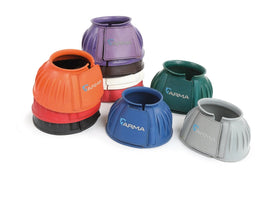
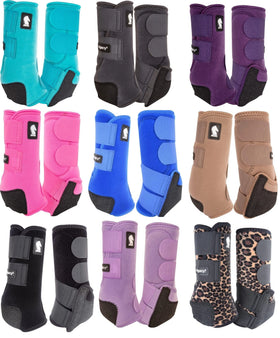
A Guide to Different Bell Boot Types
Walking through the horse tack aisle, you’ll notice that bell boots come in a surprising number of styles, materials, and colors. It’s not just about fashion—each design serves a specific purpose. Choosing the right pair depends on your horse's job, how sensitive their skin is, and even how much time you want to spend tacking up. From simple pull-ons for turnout to high-tech boots for competition, understanding the differences will help you find the perfect match to keep your horse protected and comfortable. Let's break down the main types you'll encounter.
Pull-On vs. Velcro: Which Is Better?
The most basic difference in bell boots is how you put them on. Open-style boots feature strong Velcro closures, making them incredibly easy and fast to apply and remove. This makes them a fantastic choice for daily riding or for horses that are a bit fussy about having their feet handled. On the other hand, pull-on boots are a single, solid ring of rubber or similar material that you stretch over the hoof. They have no straps or closures that can get snagged or come undone, making them the most secure option available. They are the go-to for turnout, lunging, or any situation where a horse might be left unattended.
No-Turn Styles for Serious Performance
If you’ve ever noticed your horse’s bell boots spinning around their hoof, you’ll appreciate the design of a no-turn boot. These boots have a small, soft bulb on the inside that fits into the hollow of the heel, which keeps the boot from rotating. This ensures the widest part of the boot is always at the back, providing consistent protection over the heel bulbs. No-turn styles are especially popular for performance disciplines like jumping, barrel racing, or reining, where precise and reliable protection is critical during fast or complex movements. They give you peace of mind that the coverage is right where it needs to be.
Choosing a Material: Rubber, Neoprene & More
The material a bell boot is made from affects its durability, flexibility, and weight. Traditional rubber is a popular, all-purpose choice known for being tough and long-lasting. A softer, stretchier version called gum rubber is often used for pull-on styles. Neoprene is another common material that is lightweight, cushioned, and flexible, offering a comfortable fit against the pastern. For maximum durability, many modern boots are made from heavy-duty materials like PVC or ballistic nylon, which are exceptionally resistant to rips and tears, making them ideal for horses that are tough on their gear.
Durable Ballistic Nylon
If your horse is the type to test the limits of their gear, ballistic nylon is your best friend. This heavy-duty material is exceptionally resistant to rips and tears, making it the perfect choice for horses that are tough on their equipment. Originally designed for military applications, ballistic nylon provides superior protection against hard knocks and repeated strikes. It’s an incredibly practical option for turnout, cross-country, or any high-impact activity where you need peace of mind. While it might not be the stretchiest material, its strength ensures it will stand up to daily wear and tear, making it a durable piece of horse tack that lasts.
Flexible Gum Rubber
Gum rubber is a classic for a reason. This material is a softer, stretchier version of traditional rubber, making it the ideal choice for pull-on bell boot styles. The flexibility allows you to easily stretch the boot over the hoof for a snug and secure fit without any straps or closures that could come undone in the pasture. Because they are so reliable and comfortable for long-term wear, gum rubber boots are a favorite among horse owners for daily turnout. They offer excellent, no-fuss protection that stays in place, giving you confidence that your horse is covered whether they’re grazing quietly or kicking up their heels.
Stylish Faux and Microfiber Leather
For those who want protection without sacrificing a polished look, bell boots made from faux leather or microfiber are a perfect fit. These materials offer a more aesthetic appeal, making them a popular choice for the show ring or for riders who love to coordinate their gear. But don't let the good looks fool you; these boots still provide solid protection against overreaches and scuffs. They are often lined with soft neoprene to prevent rubbing and feature secure Velcro closures. A major bonus is that they are incredibly easy to wipe clean, helping you maintain a professional appearance with minimal effort.
Prioritizing Comfort with Fleece and Padding
For horses with sensitive skin, the friction from a bell boot can cause rubbing and sores around the pastern. To prevent this, many boots are designed with comfort in mind. You’ll often find styles with a soft fleece or faux sheepskin lining rolled over the top edge. This creates a soft cushion against the horse’s skin, drastically reducing the chance of chafing. This small feature can make a huge difference in your horse’s comfort, especially if they need to wear their boots for long periods, like during all-day turnout or at a show.
Specialized and Therapeutic Boots
Beyond everyday protection, some bell boots are designed for very specific jobs. These specialized boots can be valuable tools for helping a horse recover from an injury or for enhancing a training program. While they might look similar to standard boots, their unique features are tailored to provide targeted support when your horse needs it most. Think of them as advanced equipment in your horse tack toolkit, used to address particular challenges. Whether you're managing a hoof issue or looking to build strength, there’s likely a therapeutic or specialized boot that can help you reach your goals safely and effectively.
Therapeutic Boots for Recovery
When your horse is healing from a hoof injury like a quarter crack, abscess, or a bad bruise, keeping the area safe and clean is a top priority. Therapeutic bell boots are essential in these situations. They create a protective shield over the sensitive, damaged tissue, guarding it against accidental bumps from the hind feet or knocks against stall doors. This simple barrier can make a huge difference in the healing process, preventing painful setbacks and helping the hoof recover without interruption. It’s a straightforward way to support your horse’s recovery and provide peace of mind while they are on the mend.
Weighted Boots for Training
Weighted bell boots can be used to add a bit of resistance to your horse's workout, helping to build muscle and improve performance. The added weight encourages a horse to lift their feet higher, which can enhance their gait and overall strength over time. However, it's crucial to use them correctly. You should always ensure the extra weight doesn't cause discomfort or interfere with your horse's natural way of moving. When used thoughtfully as part of a conditioning program, these boots can be a great tool for helping your equine athlete develop their full potential in a controlled and safe manner.
Is Your Horse a Candidate for Bell Boots?
So, how do you know if your horse is a candidate for bell boots? While they aren't standard equipment for every horse, they're a necessity for some. Think of them as targeted insurance for your horse's hooves and pasterns. If your horse fits into one of the following categories, a good pair of bell boots is a smart move to prevent painful injuries. Let's look at the most common reasons a horse might need them.
The Horse That Overreaches
The most common reason to use bell boots is to protect a horse that "overreaches"—when a hind hoof strikes the heel or pastern of a front hoof. It can happen to any horse, whether they’re playing in the pasture or working under saddle. An overreach can cause anything from a minor scrape to a serious injury that pulls off a shoe or damages the sensitive heel bulbs. Bell boots act as a simple shield, taking the impact so your horse’s hoof doesn’t have to. They are a fundamental piece of our horse tack collection for any horse prone to this.
The Hard-Working Performance Horse
If your horse participates in high-impact disciplines, bell boots are practically part of the uniform. Activities like jumping, barrel racing, and eventing require quick turns and powerful movements that increase the chances of an overreach. Bell boots are especially crucial for horses wearing special shoes, like those with studs for traction, as a misplaced step could cause more serious damage. Providing this layer of protection helps keep your equine athlete safe, allowing them to perform their best without the risk of a preventable injury.
The Horse with a Unique Way of Going
Sometimes, a horse's need for bell boots comes down to its natural build. Certain conformations, like a short back paired with long hind legs, physically predispose a horse to overreaching. Similarly, horses with big, expressive strides or particularly active hind ends are more likely to clip their front heels as they move. For these horses, bell boots aren't just for intense work—they can be a good idea for daily turnout, too. It’s a proactive step to accommodate their unique body shape and movement, keeping them comfortable and injury-free.
How to Get the Perfect Fit
Finding the right bell boots is only half the battle—getting the fit right is what truly protects your horse. A poorly fitted boot can be just as problematic as no boot at all, creating new issues instead of solving them. If a boot is too loose, it can spin, get caught on fencing, or cause your horse to trip over it. On the other hand, if it’s too tight, it can rub, chafe, and create painful sores around the delicate pastern area. Think of it like your own favorite pair of hiking boots; a good fit means you can move with confidence, while a bad one can ruin your day.
Getting the perfect fit isn’t complicated, but it does require a little attention to detail. It all comes down to three simple checks: taking accurate measurements, checking the boot’s position and coverage over the hoof, and ensuring it’s snug without being restrictive. Taking a few extra minutes to confirm the fit will make sure your horse gets all the protection they need without any of the discomfort. This way, you can have peace of mind whether they’re out in the pasture, working in the arena, or traveling in the trailer.
How to Put On Bell Boots Correctly
Putting on bell boots might seem straightforward, but doing it correctly is essential for your horse’s safety and comfort. The right technique ensures the boot stays in place, provides maximum protection, and doesn’t cause rubbing or tripping. The method you use will depend on whether you have a pull-on or a Velcro style. Both are simple once you get the hang of it, but they require slightly different approaches. Taking a moment to learn the proper way will save you a lot of hassle and ensure your horse gets the full benefit of their protective gear without any of the potential downsides.
The Pull-On Method
Pull-on boots are known for their security, but they can be a little tricky at first. The easiest way to put one on is to turn it completely inside out. With your horse’s hoof picked up and held securely between your legs, slide the narrow opening of the boot over the toe of the hoof. From there, pull the boot up the hoof wall until the top edge is around the pastern. Once it’s in position, simply flip the bell part down over the hoof. This inside-out technique gives you much better leverage and makes it easier to stretch the rubber over the widest part of the hoof, ensuring a snug and secure fit that won’t come off in the pasture.
The Velcro Method
Velcro bell boots are the go-to for quick and easy application, making them a favorite for daily riding. Start by opening the Velcro straps completely. Wrap the boot around your horse’s pastern, making sure the widest, most protective part of the boot is covering the heel bulbs. The Velcro closures should be on the outside of the hoof, facing forward or slightly to the side, to prevent them from being accidentally unfastened by the opposite leg. Secure the straps snugly, but not so tight that they restrict movement. You should be able to comfortably slide one finger between the top of the boot and your horse’s pastern, a key step to prevent rubbing and ensure a proper fit.
Step 1: Measure for the Right Size
Before you even add a pair of bell boots to your cart, grab a soft measuring tape. Bell boot sizing isn't standardized across the board; a "Medium" from one brand might fit differently than a "Medium" from another. That’s why relying on your horse’s usual size isn’t always enough.
Start by measuring the width and length of your horse's hoof. Once you have those numbers, you can compare them directly to the manufacturer’s sizing chart. Every reputable brand provides one. This simple step is the most reliable way to choose the correct size from the start and avoid the hassle of returns. When you're browsing different styles of horse tack, always look for that size guide.
Finding Sizes from Mini to Draft
The good news is that bell boots are made for just about every horse, from the smallest miniature to the largest draft breed. You can find a full range of sizes, often labeled from Mini all the way up to XX-Large or XXX-Large. So, whether you're fitting a petite pony or a gentle giant, there's a pair out there designed to fit their hooves. Don't just guess based on your horse's breed; two horses of the same breed can have very different hoof sizes. Taking the time to find the right size ensures your horse gets the protection they need without any discomfort.
This is where the manufacturer's size chart becomes your best friend. Since a "Large" from one brand might be another's "Extra-Large," your horse's actual measurements are the only reliable guide. Once you have the width and length of the hoof, you can confidently compare those numbers to the chart provided for the specific boots you're considering. This step removes the guesswork and is the key to finding a secure, effective fit. Getting the size right is the most important part of selecting any piece of horse tack, and bell boots are no exception.
Step 2: Check for Proper Position and Coverage
Once you have the boots, the next step is to check how they sit on the hoof. The primary job of a bell boot is to protect the soft, sensitive heel bulbs. A correctly fitted boot should cover the entire heel bulb and extend about a quarter to a half-inch below it.
When your horse is standing squarely on a level surface, the back edge of the bell boot should just gently touch the ground. This positioning ensures that the coronet band and heels are fully shielded from impact during an overreach. If the boot sits too high and doesn't cover the heels, it won't offer the protection your horse needs.
Step 3: Ensure the Fit Is Snug, Not Tight
The final check is all about finding that sweet spot between too tight and too loose. The top opening of the bell boot should wrap snugly around your horse’s pastern. A good rule of thumb is the "one-finger test"—you should be able to slide one finger comfortably between the boot and your horse's leg. If you can fit more, it’s too loose and will likely spin or chafe. If you can’t fit one finger, it’s too tight and will pinch or restrict blood flow.
As mentioned before, the bottom of the boot should just brush the ground at the heel. A boot that is too long will create a serious tripping hazard, while one that is too short won't provide enough coverage. Taking the time to select and fit bell boots correctly ensures your horse stays safe, sound, and comfortable.
How to Choose the Right Bell Boots for Your Horse
With so many options available, picking the right bell boots can feel a little overwhelming. But finding the perfect pair comes down to three key things: what your horse will be doing, the quality of the boot, and how it fits. A boot that works for a quiet day in the pasture might not be the best choice for a high-energy training session. Thinking through these factors will help you find a pair that keeps your horse protected, comfortable, and ready for anything. The goal is to find that sweet spot where durability, comfort, and function meet, ensuring your horse’s hooves are safe without causing any irritation.
Match the Boot to Your Horse's Job
First, consider your horse’s daily routine. Are you looking for protection during turnout, or do you need something more robust for training and competition? A horse involved in fast or high-impact activities like jumping, reining, or cross-country will need more substantial protection than one who is mostly walking. For everyday turnout, a simple, flexible rubber pull-on boot is often enough to prevent minor nicks and lost shoes. For more intense work, you might look for a boot made from heavy-duty materials that offers extra coverage and security as part of your complete horse tack setup.
Look for High-Quality, Durable Materials
When you’re comparing bell boots, pay close attention to the materials and construction. Most are made from rubber, neoprene, or PVC, and each offers a different level of protection and durability. Look for features that show thoughtful design, like a "no-turn knob" that prevents the boot from spinning around the hoof. A 360-degree wrap design also ensures full coverage and protection from every angle. Investing in a well-made pair from our collection of best selling products means you won’t have to replace them as often, and you can trust they’ll do their job when it matters most.
Balance All-Day Comfort with Protection
A great bell boot is useless if it doesn’t fit correctly. A proper fit is essential for both protecting your horse and keeping them comfortable. The boot should sit snugly around the pastern and cover the entire hoof down to the heel, but it shouldn't be too tight. As a rule of thumb, you should be able to slide one finger comfortably between the boot and your horse’s leg. If it’s too tight, it can cause rubbing and sores. If it’s too loose, it can slip out of place or twist, failing to provide protection and potentially becoming a tripping hazard.
Caring for Your Horse's Bell Boots
Getting the right bell boots is just the first step. To make sure they last and, more importantly, keep your horse comfortable, a little routine care goes a long way. Just like any other piece of equipment, bell boots work best when they’re clean, in good condition, and stored correctly. Taking a few minutes each day to check on them will protect your investment and prevent rubs, sores, or other irritations on your horse’s sensitive pasterns. A consistent care routine ensures your horse gets the full protective benefit every time they wear them, whether they're playing in the pasture or training in the arena.
Your Daily Cleaning and Inspection Routine
A quick daily check is one of the best habits you can form. Before you put the boots on and after you take them off, run your fingers along the inside and check your horse’s pasterns for any signs of rubbing or irritation. Catching a sore spot early prevents it from becoming a bigger problem. For cleaning, you don’t need anything fancy—just water and a mild soap will do the trick to remove mud and sweat. The most important part is to let them dry completely before using them again. A damp boot can easily cause chafing or create a breeding ground for fungus, so it’s worth taking the extra time to air them out.
Pro Tip: Clean the Underside and Velcro
It’s easy to just hose off the outside of your bell boots and call it a day, but the real grime hides on the inside. The underside of the boot is a prime spot for mud, sweat, and arena footing to collect, which can trap moisture against your horse’s skin and lead to rubbing or even fungal infections. Pay special attention to the Velcro closures, too. They act like magnets for dirt, hair, and bedding, and once they’re clogged, they lose their grip. A boot that won’t stay closed isn’t doing its job. A quick scrub with a stiff brush will clear out the Velcro, and a simple wash with mild soap and water will keep the rest of the boot clean. This little bit of extra effort ensures your horse tack stays secure and your horse stays comfortable.
How to Properly Dry and Store Them
After a ride, turnout, or training session, it’s always a good idea to take the bell boots off. This gives your horse's skin and hair a chance to breathe and air dry completely, which is essential for preventing skin funk and irritation. Once the boots are clean and dry, store them in a place away from direct sunlight. UV rays can break down materials like rubber and neoprene over time, making them brittle and prone to cracking. A hook or shelf in a clean, dry tack room is the perfect spot to keep them in great shape and ready for your next ride. Proper storage is a key part of caring for all your horse tack.
When Is It Time for a New Pair?
Even the most durable bell boots won’t last forever. Make it a habit to regularly inspect them for damage, like cracks in the rubber, tears near the closures, or worn-out Velcro that no longer fastens securely. Using a damaged boot compromises its ability to protect your horse and can even become a safety hazard if it comes loose. If you notice the boots are stretched out or showing significant wear, it’s time for a new pair from our collection of best selling products. A boot that’s too loose can trip your horse, while one that’s too tight won’t offer enough coverage and will cause rubs. Finding a reliable replacement is key to your horse's continued comfort and safety.
Are You Making These Common Mistakes?
Bell boots are fantastic tools for protecting your horse, but using them correctly is key to getting all the benefits without any of the drawbacks. A few common missteps can lead to discomfort or even injury, but they’re easy to sidestep once you know what to look for. Let's walk through the most frequent mistakes so you can feel confident you're giving your horse the best possible protection. Making sure the fit is right, using them at the appropriate times, and keeping them clean will ensure the boots do their job effectively and keep your horse happy and comfortable.
Mistake #1: Choosing the Wrong Size
Fit is everything when it comes to bell boots. A poor fit not only fails to protect your horse but can also create new problems. Boots that are too large can slide around and become a serious tripping hazard, while boots that are too small won't cover the heel bulbs and can pinch or rub the pastern. The ideal fit is snug but not tight—you should be able to slide one finger between the boot and your horse’s leg. The bottom should just brush the ground behind their heel. Taking the time to find the right size in our horse tack collection will make all the difference.
Mistake #2: Using Them Unnecessarily
While some horses need to live in bell boots, not every horse needs them 24/7. It's important to use them when they're actually needed to prevent unnecessary wear on the boots and your horse's skin. Bell boots are most critical during activities where a horse is likely to overreach, such as during training, lunging, or turnout. They are also essential for horses with corrective shoeing or those prone to pulling shoes. If your horse is just relaxing in a stall and doesn't have a history of stepping on himself, he might appreciate a break from his boots.
Mistake #3: Ignoring Signs of Rubbing
Even the best-fitting bell boots can cause irritation if they aren't maintained properly. Make checking your horse's pasterns part of your daily routine, especially if they wear boots for long periods. Look for any signs of redness, hair loss, or sensitivity that could signal a rub is starting. To prevent this, remove the boots daily to let the skin breathe and clean them regularly with mild soap and water. A dirty boot is far more likely to cause sores. Also, inspect the boots for cracks or tears and be sure to replace them when they show signs of wear.
Mistake #4: Using Unsafe Alternatives
When you're in a bind, it can be tempting to try a quick fix or grab the cheapest off-brand option available. However, makeshift solutions like duct tape or poorly constructed boots often create more problems than they solve. They lack the specific design and durable materials needed to properly absorb impact and act as a shield for the sensitive heel bulb and coronary band. An ill-fitting or flimsy alternative can also cause rubbing, create a tripping hazard, or simply fall apart during turnout, leaving your horse unprotected. Investing in a quality pair of bell boots from a trusted horse tack collection is a small price to pay for preventing painful injuries and frustrating, costly calls to the farrier for a lost shoe.
Related Articles
- A Guide to Horse Leg Protection Boots
- The Best Fly Boots of 2025: A Buyer's Guide
- Neoprene Bell Boots for Horses | Classic Protection
Frequently Asked Questions
Can my horse wear bell boots all the time? While some horses with specific conformation or shoeing needs benefit from wearing them around the clock, it’s not always necessary. The most important thing is to remove them daily to clean both the boot and your horse’s leg. This gives the skin a chance to breathe and allows you to check for any signs of rubbing or irritation before they become a problem.
How do I know if my horse is overreaching and needs bell boots? You might not always see the moment it happens, but your horse will leave clues. Check the back of their front hooves for unexplained nicks, scrapes, or patches of missing hair on the heel bulbs or pasterns. Another major sign is if your horse frequently pulls or loosens its front shoes. If you spot these issues, it’s a strong signal that bell boots could help.
What should I do if the bell boots are rubbing my horse's pasterns? First, give your horse a break from the boots to allow the irritated skin to heal completely. Rubbing is often a sign of an improper fit, so once the area is healed, double-check that the boots aren't too tight or too loose. If the fit seems correct, your horse may just have sensitive skin. In that case, try switching to a pair with a soft fleece or sheepskin lining at the top for extra cushion.
Which is better for my horse: pull-on or Velcro boots? The best style really depends on how you plan to use it. Velcro boots are fantastic for daily riding because they are quick and easy to put on and take off. For turnout or any time your horse will be unsupervised, pull-on boots are the safer and more secure option. They have no straps that could get snagged on a fence or come undone in the pasture.
Do bell boots really help keep shoes on? Yes, they are incredibly effective at this. A common reason horses lose front shoes is that they accidentally step on the back edge of the shoe with a hind foot, which pries it right off. Bell boots cover the heel and the top of the hoof, creating a smooth surface that prevents the hind foot from getting a grip on the shoe in the first place.


