


We're diligent about protective gear—helmets for us, saddle pads for our horses. But what about their heels? Bell boots are just as essential, acting as a helmet for your horse’s hooves. They are specifically designed to prevent injuries from overreaching, where a back hoof strikes the front. This is a common issue during pasture play or for horses with a long, athletic stride. A quality pair of bell boot turnout can save you from painful injuries, lost shoes, and surprise vet bills. We'll cover the different types, materials, and fits to help you find the perfect pair.
Key Takeaways
- Protect Heels and Prevent Lost Shoes: Bell boots are your horse's first line of defense against self-inflicted overreach injuries to the heel and coronary band, and they are essential for preventing a horse from stepping on and pulling off a front shoe.
- Choose the Right Boot for the Job: Select highly durable, pull-on rubber boots for horses living outside 24/7, or opt for convenient Velcro styles for easier daily use. A no-turn design is a smart choice for active horses to ensure consistent protection.
- Master the Fit and Maintenance Routine: A proper fit is crucial for safety and comfort—the boot must cover the entire heel area without rubbing the pastern. Make daily cleaning a habit to prevent skin irritation and inspect for damage, so you know exactly when it's time for a replacement.
What Are Bell Boots and Why Does Your Horse Need Them?
If you’ve spent any time around a barn, you’ve probably seen horses sporting those bell-shaped cups around their front hooves. These are called bell boots, or sometimes over-reach boots, and they’re one of the most common pieces of protective gear for a good reason. Think of them as a helmet for your horse’s heels. Their main job is to protect the delicate structures at the back of the hoof—like the heel bulbs and the coronary band—from getting struck by the back hooves as the horse moves.
This simple piece of equipment can prevent a whole range of problems, from minor scrapes and bruises to more serious injuries that could require vet care and stall rest. Beyond protecting your horse, bell boots can also save you a headache and a call to the farrier. By shielding the heel of the front hoof, they prevent the back foot from catching the edge of a horseshoe and pulling it clean off. This makes them an essential part of your horse’s wardrobe, especially for turnout, training, or trailering. They’re a small investment that offers big protection for your horse’s soundness and comfort.
Why Turnout is Essential for Your Horse's Well-Being
We often think of turnout as a simple break from the stall, but it’s one of the most important things we can provide for our horses. It’s fundamental to their health, mimicking the natural lifestyle they are designed for: moving and grazing for most of the day. Limiting this freedom can have significant consequences, affecting everything from their digestion and joint health to their mental state. Providing regular, safe turnout is a cornerstone of responsible horse ownership and directly contributes to a happier, healthier partner. It’s during this free time that protective gear, like the right set of horse tack and bell boots, becomes so important for preventing pasture-related injuries and keeping them sound.
Physical Health Benefits
Horses are built to be in near-constant motion. When they spend too much time confined to a stall, their bodies can suffer. Turnout allows them to move around freely, which keeps their joints lubricated, muscles strong, and tendons flexible. This consistent, low-impact exercise is also fantastic for their circulatory system. According to veterinary experts, good circulation is vital for maintaining healthy hooves, as it ensures a steady supply of blood and nutrients to these critical structures. Simply put, letting your horse stretch their legs in a pasture is one of the best ways to support their long-term physical soundness and mobility.
Improved Digestion and Stronger Bones
Beyond muscles and joints, turnout has a profound impact on a horse's digestive system. Their gut is designed to process small amounts of forage throughout the day, and the gentle movement of grazing helps keep everything moving smoothly. Horses that are stalled and fed large, infrequent meals are at a higher risk for serious issues like gastric ulcers and colic. The simple act of walking around a pasture encourages healthy gut motility. Additionally, this constant movement places a light, consistent load on their skeletal system, which helps build and maintain strong, dense bones, reducing the risk of injury over their lifetime.
Mental and Social Benefits
A horse’s mental well-being is just as important as their physical health. Too much time in a stall can lead to boredom and anxiety, which often manifest as stable vices like cribbing, weaving, or stall walking. Turnout provides essential mental stimulation, giving them a change of scenery and things to see and do. More importantly, it allows them to socialize. Horses are deeply social herd animals, and interacting with pasture mates—whether it's mutual grooming or just grazing side-by-side—is crucial for their happiness. This social time helps prevent loneliness and stress, allowing them to express natural behaviors and simply be horses.
How Much Turnout is Recommended?
So, what’s the magic number for turnout hours? While many equine professionals would ideally love to see horses out 24/7, that isn't always practical. The general consensus is that more is always better. Many experts recommend a minimum of 12 hours of turnout per day, but any amount of time your horse can spend outside the stall is beneficial. The key is consistency and ensuring the turnout environment is safe. For horses that live outside full-time or spend many hours in the pasture, investing in durable equipment is a must. This includes everything from tough, pull-on bell boots found in our best-selling products to reliable fencing, ensuring they can enjoy their freedom safely.
Preventing Painful Overreaching Injuries
The primary reason to use bell boots is to prevent overreaching injuries. Overreaching happens when a horse’s hind foot moves forward and strikes the heel area of the front foot on the same side. It’s especially common in horses with a long stride or during quick, athletic movements like jumping, lunging, or even just a playful buck in the pasture. That impact can cause everything from a simple cut to a deep puncture wound, which can be painful and prone to infection.
Bell boots act as a durable shield, absorbing the force of that strike. Instead of the hind hoof hitting sensitive tissue, it makes contact with the tough rubber or neoprene of the boot. This simple barrier is often all it takes to turn a potentially serious injury into a non-event. As part of a complete set of horse tack, they provide peace of mind, knowing your horse has an extra layer of defense against self-inflicted injuries.
Protecting Hooves from Studs and Scuffs
For riders who use studs to give their horses extra grip on tricky terrain, bell boots are non-negotiable. While studs are fantastic for improving traction during events like cross-country or show jumping, they also introduce a significant risk. The sharp metal points can cause serious puncture wounds if a hind hoof accidentally strikes a front heel. A sturdy bell boot acts as a crucial buffer, absorbing the impact and preventing a stud from doing real damage to the sensitive heel bulbs or coronary band. It’s a simple, inexpensive precaution that protects your horse during demanding activities, ensuring they can perform their best without the risk of a painful, self-inflicted injury that could sideline them for weeks.
Beyond protecting against studs, bell boots are your horse’s everyday defense against general wear and tear. Think about all the minor scrapes, bruises, and scuffs that can happen during turnout, trailering, or even a casual ride on a rocky trail. Bell boots shield the entire back of the hoof from these impacts, preventing damage that could otherwise chip the hoof wall or irritate the coronary band. By making them a standard part of your horse's gear, you’re not just preventing major injuries; you’re also maintaining the overall health and integrity of their hooves. They are a fundamental piece of protective horse tack that provides consistent, reliable protection day in and day out.
Does Your Horse Need Bell Boots for Turnout?
Not every horse needs bell boots, but for some, they’re essential. The most obvious sign is if your horse frequently comes in from the pasture with a missing front shoe. This is a classic indicator that they’re overreaching and catching the heel of the shoe with their back foot. You might also notice recurring nicks, scrapes, or bald patches on their pasterns or heel bulbs.
Some horses are just built in a way that makes them more likely to overreach, such as those with short backs and long legs. Your horse’s personality plays a role, too; an energetic, playful horse is more likely to injure themselves than a quieter one. It’s also a smart idea to use them as a preventative measure if your horse is recovering from a hoof injury or has particularly sensitive heels. When in doubt, adding a pair of bell boots for turnout is an easy way to avoid preventable injuries.
Shop This Post

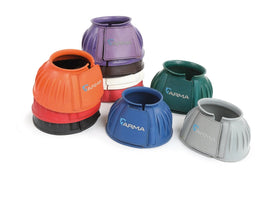
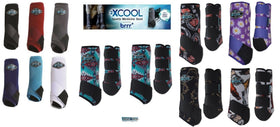
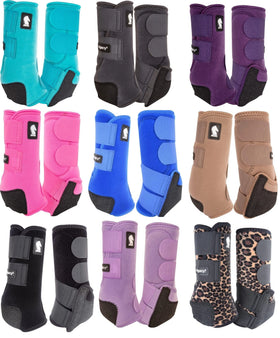
How to Choose the Right Bell Boots for Turnout
Once you’ve decided your horse needs bell boots for turnout, the next step is figuring out which kind to buy. Walking into a tack shop or browsing online can feel overwhelming with all the options available. The good news is that it’s pretty simple to narrow down the choices when you know what to look for. The best bell boot for your horse depends on a few key factors: their activity level in the pasture, how sensitive their skin is, and frankly, how easy you need them to be to get on and off.
Think about your horse’s specific needs and environment. Is your pasture a muddy mess for half the year? That might influence your choice of closure. Is your horse a playful youngster who spends hours galloping around, or a mellow senior who mostly grazes? An active horse might benefit from a more secure, no-turn style. The main differences you’ll find are in the closure style, the material, and special features like a "no-turn" design. Some horses are masters at pulling off their gear, while others might need something softer to prevent rubbing. Thinking about these details will guide you to the perfect pair that keeps your horse protected and comfortable while they’re enjoying their time outside.
Pull-On vs. Velcro: Which Is Better for Turnout?
The debate between pull-on and Velcro bell boots really comes down to security versus convenience. Pull-on boots are the gold standard for durability and staying power. Made from a single piece of flexible rubber, they have no straps or fasteners that can break or come undone in a muddy field. This makes them an excellent choice for horses living outside 24/7 or for those notorious "Houdini" types who can get out of anything. The downside? They can be a real workout to get on and off.
On the other hand, bell boots with Velcro fasteners are incredibly easy to use. You can put them on and take them off in seconds, which is a huge plus for daily use or for horses with sensitive skin that you need to check frequently. While modern Velcro is quite strong, it can get clogged with mud and debris, potentially losing its grip over time.
Why Active Horses Need No-Turn Bell Boots
If you have a particularly active horse, you’ve probably noticed that standard bell boots can spin around the hoof. While this isn’t always a problem, a no-turn bell boot offers more consistent and reliable protection. These boots are specifically designed to stay in place, ensuring the widest part of the boot is always covering the heel bulbs where overreach injuries are most common. They typically have a small, soft knob on the inside that fits into the groove of the heel, preventing any rotation.
This feature is especially helpful for horses that tend to hit themselves while playing hard in the pasture or for those turned out on varied or uneven ground. By keeping the boot correctly positioned, you can be sure your horse is getting the protection they need, right where they need it. Many different styles and materials are available with a no-turn design, so you don’t have to sacrifice this feature for your preferred material.
Specialized Types: Ribbed and Weighted Boots
Beyond the standard pull-on and Velcro styles, some bell boots are designed for more specific jobs. Ribbed boots, for example, feature a textured surface with horizontal ridges that add an extra layer of durability. This design reinforces the rubber, making the boot more resistant to tears and scuffs from rough terrain or a particularly destructive horse. They are a fantastic, budget-friendly option for turnout because they can withstand a lot of abuse. Typically made from tough rubber with a secure closure, they combine convenience with the ruggedness needed for daily wear, making them a reliable part of your horse's essential protective gear.
Weighted bell boots are a more specialized tool, designed less for general turnout and more for specific training purposes. As the name suggests, these boots have small weights strategically placed within them. The goal isn't just protection; it's to encourage the horse to lift its feet higher and be more aware of its movement, which can help improve gait and muscle development. They are sometimes used in disciplines like dressage or for gaited horses to help enhance their natural action. It's important to remember that these are a piece of training equipment and should be used thoughtfully, often with guidance from a trainer, to ensure they are benefiting the horse correctly.
Rubber, Neoprene, or Leather: Which Material Is Best?
The material of a bell boot affects its durability, comfort, and level of protection. The most common and traditional option is rubber. Rubber bell boots are tough, waterproof, and provide great impact protection, making them a go-to for rugged turnout conditions. They are also typically the most affordable choice in our horse tack collection.
Neoprene is another popular material, known for being lightweight, flexible, and soft against the skin. It offers excellent cushioning and is less likely to cause rubbing, making it a great pick for horses with sensitive skin. Many modern designs combine materials, featuring a tough outer shell for durability and a soft neoprene lining for comfort. While you might see leather or synthetic leather boots, these are generally saved for the show ring as they don’t hold up as well to mud and constant moisture.
Exploring Other High-Performance Materials
Beyond the standard choices, you'll find bell boots made from a variety of high-performance materials designed for specific needs. These options often blend durability with advanced protective features, catering to horses in demanding disciplines or those who are particularly tough on their gear. If you've found that traditional rubber or neoprene boots aren't quite cutting it, exploring materials like PVC, ballistic nylon, or even carbon-fiber might be the solution. These materials are engineered to withstand serious wear and tear while offering superior protection against impact, making them a worthwhile investment for your horse's safety and your peace of mind.
Gum Rubber and PVC
Gum rubber is another fantastic option, especially if you struggle with stiff pull-on boots. It’s lighter and more flexible than standard rubber, and here’s a great tip: you can soak gum rubber boots in warm water for a few minutes to make them even softer and easier to stretch over the hoof. On the other end of the spectrum is PVC (Polyvinyl Chloride), a material known for its incredible strength and durability. PVC boots are built to last and can handle rough pasture conditions without breaking down. They often feature heavy-duty closures that add to their reliability, ensuring they stay put as a dependable part of your horse tack essentials.
Ballistic Nylon, Open Cell Foam, and Carbon-Fiber
For horses that need the ultimate level of protection, materials like ballistic nylon, open cell foam, and carbon-fiber are top choices. Ballistic nylon, originally developed for military use, offers exceptional strength and resistance to tearing, making it perfect for horses that are extremely hard on their boots. You'll also find boots that incorporate open cell foam, which is prized for being lightweight and breathable. This material provides excellent shock absorption while allowing heat to dissipate, preventing the hoof area from getting too hot. For high-impact activities like jumping, some boots even feature carbon-fiber reinforcements, a material that is incredibly strong yet surprisingly lightweight, offering maximum protection without adding bulk.
How to Find the Perfect Bell Boot Fit
Getting the right size bell boot is about more than just comfort—it’s essential for effective protection. A boot that’s too big can trip your horse or get pulled off in the mud, while one that’s too small can rub, chafe, and fail to cover the areas that need it most. Think of it like your own favorite pair of boots; the right fit makes all the difference. While brand sizing can vary, figuring out the perfect size for your horse is straightforward once you know what to look for. By taking a few simple measurements and checking the fit, you can ensure your horse gets the full benefit of their turnout boots without any of the risks of a poor fit. Let's walk through the steps to get it just right.
How to Measure Your Horse's Hooves
Before you even start browsing for new horse tack, you need to get your horse’s measurements. This is the most important step to finding a bell boot that fits properly and stays put. To get started, make sure your horse’s hooves are clean and that they are standing squarely on a level surface. Using a flexible measuring tape, measure the widest part of the hoof from side to side. Then, measure the length from the toe to the heel bulb. It’s a good idea to jot these numbers down. Because every brand has its own sizing standards, you’ll want to "measure your horse's hoof width and length, then check the manufacturer's sizing chart" for every pair you consider.
How to Read a Bell Boot Sizing Chart
Once you have your horse's measurements, you can compare them to the sizing chart provided by the bell boot manufacturer. These charts usually list sizes like Small, Medium, and Large alongside the corresponding hoof dimensions in inches or centimeters. The goal is to find a boot that provides complete coverage without interfering with your horse's natural movement. A great rule of thumb is that "the bottom of the boot should cover the heel bulbs and extend about ¼ to ½ inch below them. It might gently touch the ground when the horse is standing still." This ensures the delicate heel area is fully protected from overreach strikes while still allowing for proper breakover.
Good Fit vs. Bad Fit: What to Look For
With the bell boots on your horse, you can perform a final fit check. The top opening of the boot should be snug but not tight. A good test is to see if you can "slip a finger between the boot and the leg." If you can’t, it’s too tight and will likely cause rubbing. If you can fit more than one or two fingers, it’s probably too loose and may spin or get filled with debris. After checking the pastern, watch your horse move. The final step is to "walk and trot your horse to make sure the boots stay in place, don't spin too much, or get in the way of their movement." This will confirm you’ve found one of the best-selling products for your horse's needs.
What Makes a Turnout Bell Boot Durable?
When you’re shopping for bell boots your horse will wear in the pasture, durability is non-negotiable. Turnout boots are on the front line, facing mud, rain, and hours of movement. They need to be tough enough to handle daily life while staying securely in place. But durability isn’t just about withstanding the elements; it’s also about providing consistent protection and comfort day in and day out.
The best turnout boots strike a perfect balance between rugged construction, a comfortable fit that prevents sores, and materials that are easy for you to clean. Investing in a quality pair means you won’t be replacing them every few months, and more importantly, you can trust they’re doing their job to keep your horse safe and sound. Let’s break down the key features to look for.
Addressing Common Weak Points like Velcro
It’s frustrating to buy a new piece of gear only to have it fall apart after a few weeks in the pasture. With bell boots, the most common point of failure is almost always the closure. While Velcro is incredibly convenient for daily use, it’s often the first thing to go. As many horse owners know, Velcro is a magnet for mud, burrs, and arena footing. Once it gets clogged, its gripping power weakens significantly, and you might start finding a lone bell boot in the field. The constant pulling and stress can also cause the stitching that holds the Velcro strap to the boot to fray and eventually break, rendering an otherwise perfectly good boot useless.
To avoid this, look for bell boots designed with heavy-duty, double-locking Velcro systems. This extra layer of security makes a huge difference in keeping the boots in place. It’s also a good habit to regularly clean the Velcro with a stiff brush to remove debris and maintain its stickiness. However, if your horse lives out 24/7 or is particularly destructive, a pull-on boot without any fasteners might be the most reliable choice. By paying close attention to the construction of the closure on any piece of horse tack, you can choose a pair that’s built to last through countless hours of turnout.
Checking for Weather and Wear Resistance
A turnout boot’s primary job is to protect your horse’s hooves and heels. They are designed to prevent injuries from overreaching, which happens when a horse’s back feet clip their front heels as they move. For horses wearing studs, they also provide a crucial buffer against accidental bumps. Because these boots are worn for extended periods in all kinds of conditions, they must be made from materials that can take a beating. Look for boots with a tough, rip-resistant outer shell and reinforced stitching, especially around the closures. A quality boot will hold its shape and function through muddy fields, playful gallops, and whatever else your horse gets into.
Prioritizing Comfort to Prevent Rubbing
An ill-fitting or poorly designed bell boot can cause more harm than good, leading to painful rubbing and sores on your horse’s pasterns. Since turnout boots are worn for hours at a time, comfort is just as important as toughness. Seek out designs with soft, rolled-top edges or fleece lining to create a gentle barrier against the skin. An anatomical or contoured shape is also a huge plus, as it allows the boot to move with the horse instead of against it. The goal is to find a boot that covers the entire hoof and coronary band for full protection without chafing the delicate skin on the pastern.
Save Time with Easy-to-Clean Materials
Let’s be honest—no one wants to spend more time cleaning tack than they have to. The material of your horse’s bell boots directly impacts how easy they are to maintain. Materials like rubber and neoprene are fantastic choices for turnout. Rubber is incredibly durable, waterproof, and offers excellent impact absorption. Neoprene is lightweight, flexible, and provides great cushioning, which helps reduce rubbing. Both are a breeze to clean; a quick spray with the hose is usually all it takes. While other materials might look nice, choosing one of these low-maintenance options will save you time and ensure your horse’s tack is always ready to go.
Our Picks: The Best Bell Boots for Turnout
Choosing the right bell boots can feel overwhelming with so many options on the market. That’s why we’ve done the legwork for you. With over 30 years of hands-on experience with horses, our team at Hooves and Paws has seen it all. We know which boots stand up to muddy pastures and which ones fall apart after a few weeks. We’ve curated a collection of our favorite, most reliable bell boots that we trust for our own horses.
Bell boots are a non-negotiable piece of equipment for protecting your horse’s sensitive heel bulbs and coronary bands from overreach injuries. A good pair prevents the hind hooves from striking the front heels, which can cause painful cuts, bruises, or even pull a shoe. Whether your horse is a playful youngster or simply has a long stride, the right turnout boots provide essential protection and peace of mind. Below, we’re sharing our top picks, highlighting the brands we stand by, and breaking down how to choose between different price points without sacrificing quality.
Our Favorite All-Around Bell Boot
When it comes to daily turnout, you need boots that are tough, secure, and comfortable. One of our go-to recommendations is the Classic Equine No-Turn Bell Boot. It’s made from a rugged DynoHyde material that resists water and stains, and the anatomical positioning bulb helps keep it from spinning. For horses that are especially hard on their gear, we often suggest the Professional’s Choice Ballistic Overreach Boots. They are crafted from the same durable material found in bulletproof vests, offering incredible durability and tear resistance. These are just a couple of the reliable options you’ll find in our horse tack collection.
Trusted Bell Boot Brands We Recommend
The brand name on a pair of bell boots really does matter. Reputable brands invest in quality materials, thoughtful design, and rigorous testing to ensure their products perform well and last long. We proudly stock brands like Classic Equine, Professional’s Choice, and Weaver Leather because they have a proven track record of excellence in the equestrian community. Professional’s Choice is known for its focus on equine athletic performance and protection, while Weaver Leather has built a legacy on superior craftsmanship. When you choose a product from one of these trusted names, you’re investing in gear that’s built for the demands of daily horse life.
Premium vs. Budget-Friendly Options
Bell boots are available at a wide range of prices, and you don’t always have to spend a lot to get a great product. A more budget-friendly rubber pull-on boot can be a perfect, no-fuss solution for a horse that is easy on its gear. On the other hand, a premium boot often features advanced materials, a no-turn design, or a soft fleece collar for added comfort, making it a worthwhile investment for a sensitive horse or one that lives outside 24/7. At Hooves and Paws, we ensure that every product we carry, regardless of price, meets our high standards for quality. You can explore our best-selling products to see what other horse owners love and trust.
Common Bell Boot Mistakes (And How to Avoid Them)
Bell boots are a staple in many barns, but getting the most out of them means using them correctly. It’s easy to fall into a few common habits that can do more harm than good, leading to discomfort for your horse or boots that just don’t last. The good news is that these mistakes are simple to fix. By paying a little extra attention to fit, cleanliness, and your horse’s comfort, you can make sure their bell boots are providing the protection they need without any unwanted side effects.
Choosing the Wrong Size or Fit
The most common mistake is choosing the wrong size. A boot that’s too large can slide around, get filled with mud, or even cause your horse to trip. If it’s too small, it will pinch and rub the pastern, creating painful sores. A good fit is essential because it prevents rubbing and ensures the boots can do their job correctly. To find the right size, measure your horse's hoof width and pastern circumference, then compare those numbers to the manufacturer’s sizing chart. The bottom of the boot should just touch the ground behind the heel, and you should be able to fit one or two fingers comfortably between the top of the boot and your horse’s pastern.
Skipping Daily Checks and Cleaning
Turnout gear gets dirty—it’s a fact of life. But letting mud, sand, and moisture build up inside a bell boot is a recipe for disaster. That trapped grit acts like sandpaper against your horse’s delicate skin, leading to chafing and irritation. Make it a habit to clean the boots regularly with water and mild soap, and always let them dry completely before putting them back on. While you’re cleaning, give the boots a quick once-over. Check for cracks, tears, or worn-out Velcro. A damaged boot won't offer proper protection and should be replaced with a new pair from our horse tack collection.
Ignoring Your Horse's Signs of Discomfort
Your horse can’t tell you when something is bothering them, so it’s up to you to watch for the signs. Leaving bell boots on 24/7 can sometimes cause problems like skin irritation or sores, especially if moisture gets trapped underneath. When you take the boots off, always check the skin on the pastern and heel bulbs. Look for any hair loss, redness, swelling, or sores. If your horse seems sensitive when you touch the area or fusses with the boots in the field, something is wrong. If you notice any irritation, leave the boots off to let the skin breathe and heal. It’s always a good idea to give your horse’s legs a break from their gear each day.
How to Make Your Bell Boots Last
Once you’ve found the perfect pair of bell boots, a little routine maintenance will go a long way. Taking good care of your horse’s boots not only extends their lifespan but also ensures your horse stays comfortable and safe in the pasture. Think of it like any other piece of essential gear—a quick check and regular cleaning are key to getting the most out of your investment. Establishing these simple habits can prevent skin irritation, catch wear and tear before it becomes a problem, and keep your horse’s tack in top shape for turnout. It doesn’t take much time, but it makes a huge difference in your horse’s daily comfort and protection.
Your 2-Minute Daily Safety Check
Before turning your horse out, make it a habit to run a quick daily check on both the bell boots and your horse’s pasterns. This takes less than a minute and is your first line of defense against rubbing and discomfort. Gently lift the boot to inspect the skin underneath for any signs of chafing, redness, or irritation. At the same time, give the boot itself a once-over. Look for any new nicks or mud packed underneath that could cause issues. This simple routine helps you catch potential problems early and ensures the boots are always sitting comfortably and correctly, keeping your horse happy and healthy in the field.
Cleaning Tips to Make Boots Last
Turnout boots are designed to get dirty, but letting mud and grime build up can lead to skin problems and break down the boot’s material over time. The good news is that cleaning them is easy. For daily dirt, a quick rinse with a hose is usually enough. For a deeper clean, use a mild soap and water, gently scrubbing away any stubborn grime. The most important step is to let them dry completely before putting them back on your horse. Hanging them in a well-ventilated area works perfectly. This prevents moisture from getting trapped against the skin, which can cause rubbing and unpleasant odors.
A Simple Trick for Pull-On Boots
Pull-on bell boots are fantastic for their durability—no Velcro to get caked in mud or straps to break. But let’s be real, getting them on can feel like a full-body workout. If you’ve ever found yourself wrestling with a stubborn rubber boot, here’s a simple trick that will change the game: sprinkle a little baby powder or talcum powder inside the boot before you start. The powder reduces friction, allowing the boot to slide over the hoof with surprisingly little effort. This simple step not only saves you from a struggle but also makes the process less stressful for your horse, ensuring that fitting their protective gear is a calm and easy part of your routine. It helps you use the correct size without dreading the application, which is key for effective protection.
When Should You Replace Your Bell Boots?
Even the most durable bell boots won’t last forever. Regular inspections are crucial for your horse’s safety. As you clean the boots, check them for signs of significant wear, like deep cracks in the rubber, tears in the material, or worn-out Velcro that no longer fastens securely. A compromised boot can’t provide reliable protection and may even pose a safety hazard if it comes loose or breaks. Don’t wait for a boot to fail completely. Replacing a worn-out pair is a small, necessary step to ensure your horse continues to get the protection they need. When you spot damage, it's time to shop for a replacement from our collection of best-selling products.
Related Articles
Frequently Asked Questions
My horse keeps losing shoes in the pasture. Will bell boots really help? Yes, this is one of the most common reasons horse owners use them. A lost shoe is often the result of a horse overreaching, where their back hoof steps on the heel of their front shoe and pulls it right off. Bell boots act as a durable shield, covering the heel and the back of the shoe. When the back hoof comes forward, it hits the rubber boot instead of the metal shoe, preventing the shoe from being ripped off and saving you a call to your farrier.
Can my horse wear bell boots 24/7? While many horses live in their bell boots without any trouble, it’s always a good practice to give their skin a break. Leaving boots on constantly can trap moisture and dirt, which may lead to skin irritation or sores over time. The best approach is to remove them daily, clean out any debris, and check your horse’s pasterns and heel bulbs for any signs of rubbing before putting them back on.
How do I know for sure if the bell boots fit correctly? A perfect fit comes down to two key checks. First, check the top opening around the pastern; you should be able to comfortably slide one finger between the boot and your horse’s leg. If it’s any looser, it might spin or fill with dirt, and if it’s tighter, it will rub. Second, look at the length. The bottom of the boot should completely cover your horse’s heel bulbs and just graze the ground when they are standing squarely.
What's the best type of bell boot for a really muddy field? For seriously muddy conditions, a traditional rubber pull-on boot is your most reliable choice. Because they are made from a single piece of rubber with no straps or Velcro, there are no fasteners that can get clogged with mud and fail. They might take a little more muscle to get on, but you can trust that they will stay put through just about anything.
My horse gets rubs easily. Are there bell boots that won't irritate their skin? Absolutely. If your horse has sensitive skin, you should look for boots made from soft, flexible materials like neoprene, which is less likely to chafe than hard rubber. Many designs also include comfort features like a rolled fleece collar or a smooth lining to protect the pastern. A correct fit is the most important factor in preventing rubs, so be extra diligent with your measurements.


