


You wouldn’t wear hiking boots to run a marathon. The same logic applies to your horse—their gear needs to match their job. Sports Medicine Boots are essential athletic equipment, but the right pair for a reining horse is very different from one for a trail horse. Choosing correctly means matching the boot’s features to your horse’s specific activity level and conformation. This guide is your personal shopper. We'll break down the key differences in design, materials, and support so you can make the perfect choice for your partner.
Key Takeaways
- Focus on Protection, Not Support: Sports medicine boots are excellent for shielding your horse's legs from impact and scrapes, but they don't function as a medical brace. Always remove them immediately after a ride to prevent heat buildup and let the legs cool properly.
- Prioritize Fit and Material: A secure fit is crucial for safety, so measure your horse's cannon bone and check the brand's size chart before you buy. Opt for boots made with breathable materials to keep tendons cool and comfortable during intense work.
- Choose Quality and Maintain It: Look past marketing hype and focus on durable construction, strong closures, and proven shock absorption. A quick cleaning and inspection after each ride will extend the life of your boots and ensure they remain safe for your horse.
So, What Exactly Are Sports Medicine Boots?
If you’ve spent any time in the horse world, you’ve seen sports medicine boots. They’re the sturdy, often colorful wraps you see on horses during training, trail rides, and competitions. Think of them as athletic gear for your horse. These boots are designed to cover the lower leg, from just below the knee or hock down to the pastern, shielding the delicate structures of the leg from impact. What makes them different from a simple polo wrap is their unique construction, which often features a distinctive strap that cradles the fetlock joint (the horse's "ankle").
This brings us to the biggest question people have about these boots: do they offer protection or support? The honest answer is that their primary function is protection. They are excellent at absorbing shock and preventing injuries from strikes, scrapes, and interference from their own hooves. However, the actual structural support they offer to tendons and ligaments is minimal. Some scientific studies show that boots provide less than 10% of additional support. So, while that suspensory strap helps a little, it’s not a replacement for a healthy, well-conditioned leg. Think of it less like a medical brace and more like a helmet or shin guard. It’s a crucial piece of protective horse tack designed to prevent injury from external forces.
Does Your Horse Really Need Them?
Whether your horse needs sports medicine boots depends entirely on their job. If you’re doing any kind of athletic work, the answer is likely yes. Activities like dressage, jumping, reining, or even fast-paced trail riding put a horse's legs at risk for interference, where one hoof strikes the opposite leg. These boots act as a crucial shield. They are designed to absorb impact and prevent scrapes during intense exercise. For a horse that just enjoys a quiet walk around the pasture, they probably aren’t necessary. But for an equine athlete, they are a smart, protective investment.
Sports Medicine Boot Myths: Busted
Let’s clear up a couple of common misconceptions. The biggest myth, as we covered, is that these boots provide major orthopedic support. Always be cautious of marketing that makes bold claims about "supporting" ligaments and ask companies for the research to back it up. Another critical point is heat. You should never leave sports medicine boots on for extended periods. They trap heat, and excessive heat can damage the soft tissues in the leg. A good rule of thumb is to remove them as soon as your workout or ride is over to let the legs cool down properly.
Beyond Sports Medicine Boots: Other Types of Horse Leg Protection
Sports medicine boots are a fantastic all-purpose choice, but sometimes your horse’s job calls for something more specific. Just like a ballerina wears different shoes than a basketball player, different equestrian disciplines place unique demands on a horse's legs. Specialized boots are designed to offer targeted protection exactly where it's needed most, whether that’s shielding tendons during a jump or preventing scrapes during intricate lateral work. Understanding the different types of leg protection available helps you make the smartest choice for your horse’s safety and comfort. Let’s look at some of the most common options you’ll find beyond the standard sports medicine boot.
Tendon and Fetlock Boots
If you’re in the world of show jumping or schooling over fences, you’ll see tendon and fetlock boots everywhere. Tendon boots are specifically designed to protect the vulnerable tendons and ligaments running down the back of the horse's front legs from being struck by a hind hoof when going over a jump. Fetlock boots serve a similar purpose for the hind legs, shielding the inside of the fetlock joint from knocks. This combination provides targeted, open-front protection that’s lightweight and doesn’t restrict movement, making it the go-to choice for disciplines where precision and agility are key.
Brushing and Schooling Boots
For everyday flatwork, dressage, or general training, brushing and schooling boots are an excellent option. As the name suggests, their main job is to prevent "brushing" injuries, which happen when a horse's hoof accidentally strikes the opposite leg. These boots offer more comprehensive coverage than tendon boots, wrapping around the entire lower leg to protect the inside, outside, front, and back from general knocks and scrapes. Schooling boots are a step up, often featuring a harder outer shell to provide extra protection during more advanced movements where more impact is possible.
Cross Country Boots
When you’re galloping across varied terrain and facing solid obstacles, you need the toughest protection available. Cross country boots are built for the high-impact demands of eventing. They are engineered with extremely hard, reinforced padding on the front to shield the cannon bone and tendons from direct hits against solid fences. Unlike other boots, they are also designed to be lightweight and not absorb water, which is crucial when you’re navigating water jumps. Think of them as the ultimate armor for your horse’s legs, providing maximum protection without weighing them down during the most demanding phase of competition.
Over Reach (Bell) Boots
Over-reaching is a common issue where a horse’s hind foot clips the heel of its front foot, which can cause painful injuries or even pull a front shoe right off. Over reach boots, often called bell boots because of their shape, are designed to prevent exactly that. They fit around the pastern and cover the entire hoof and heel area, acting as a protective barrier. They are a smart choice for any horse prone to over-reaching, whether during turnout, lunging, or intense exercise. Many riders use them as a daily precaution to keep their horse’s front heels safe and sound.
Protective Bandages
Bandages, or polo wraps, are a more traditional form of leg protection that offers a combination of mild support and protection. Because they are made of soft, flexible fleece, they conform perfectly to the leg, allowing for a full range of motion while shielding against minor scrapes and bumps. However, applying them correctly is an art. It’s essential to use special bandage pads underneath to distribute pressure evenly and provide adequate padding. Without proper padding and wrapping technique, you risk creating pressure points or, worse, a dangerous tendon injury from the wrap itself.
Finding the Perfect Sports Medicine Boots for Your Horse
Picking the right sports medicine boots can feel like a big decision, and it is. These boots are a key piece of equipment for protecting your horse's legs during strenuous activity. But with so many options, how do you know which pair is the right one? It comes down to three main things: getting a perfect fit, matching the boot to your horse’s job, and understanding the materials they’re made from.
Think of it like buying athletic shoes for yourself. You wouldn’t wear running shoes to play basketball, and you definitely wouldn’t buy a size too big or too small. The same logic applies to your horse. A well-chosen boot provides necessary protection and support, while a poor choice can cause discomfort or even injury. We’ll walk through exactly what to look for so you can feel confident you’re making the best choice for your partner.
How to Measure Your Horse for a Perfect Fit
A boot that’s too loose can slip down and get tangled, while one that’s too tight can cause painful rubs and restrict blood flow. The perfect fit is snug but not constricting. To get it right, you’ll need to take a couple of simple measurements. Use a soft measuring tape to find the circumference of your horse’s cannon bone, about midway between the knee and the fetlock. You should also measure the length of the cannon bone.
Most brands offer detailed sizing charts to guide you. It’s important to consult these charts for each specific brand, as sizes can vary. Consider your horse’s overall build, too. A fine-boned Arabian will likely need a different size than a stocky Quarter Horse of the same height.
Matching the Boot to Your Horse's Job
Sports medicine boots are fantastic all-around work boots. They are designed to wrap around the entire lower leg, including the fetlock joint, offering 360-degree protection. A key feature is the supportive strap that cradles the fetlock, which helps absorb impact and reduce strain on the suspensory ligament. This makes them an excellent choice for demanding activities like reining, barrel racing, and intense training sessions where the legs are under a lot of stress from quick stops and turns.
While they offer great protection for many disciplines, they are specifically engineered for this kind of high-impact work. If your primary activity is jumping, you might consider a different style, but for general training and performance, a quality sports medicine boot is one of the most versatile pieces of horse tack you can own.
Health and Safety Considerations
Choosing the right boots is the first step, but using them safely is what truly protects your horse. A few simple practices can make all the difference in keeping your partner sound and comfortable, ensuring their gear helps, not hinders. From proper application to post-ride care, paying attention to the details is key. It’s about creating a routine where safety is second nature, allowing you to focus on the ride ahead with peace of mind. These considerations will help you use your sports medicine boots effectively and responsibly, safeguarding your horse’s well-being during every workout.
Booting All Four Legs for Balance
It might seem like you only need to protect the legs that are at risk, but it's often best practice to boot all four. Sports medicine boots are designed to absorb the impact as the hoof hits the ground, which minimizes the chances of injury to tendons and ligaments. Using them on all four legs helps maintain the horse's natural balance and gait. Putting boots on just the front or hind legs can subtly change how they move, potentially adding uneven strain. By providing consistent protection and weight on all legs, you ensure they can move freely and correctly without compensating for a change in just one pair of legs.
When Your Vet Might Recommend Boots
While sports medicine boots are primarily for protecting healthy legs, they can also play a role in managing certain conditions. Your veterinarian might suggest using them for horses that have a history of bowed tendons, ligament injuries, or even arthritis. In these cases, the boots can offer a bit of extra stability and shield the leg from further aggravation during light work or turnout. However, they are not a substitute for proper medical care or rehabilitation. Always consult your vet to see if boots are an appropriate part of your horse's management plan and to get their recommendation on the right type of horse tack for their specific needs.
Always Check Competition Rules
Before you head to a show, one of the most important things you can do is review the rulebook for your specific discipline. If you compete, always check the rules to make sure your boots are allowed and meet any specific requirements, which can sometimes include color restrictions. Different associations have different regulations about what kind of leg protection is permitted in the warm-up arena versus the competition ring. Taking a few minutes to confirm your gear is legal can save you from the stress and disappointment of being disqualified. It’s a simple step that ensures you and your horse can focus on your performance.
Decoding Boot Materials: Neoprene, Leather, and Beyond
The material of a boot directly impacts its performance, durability, and breathability. Most sports medicine boots are made from neoprene because it’s soft, flexible, and does an excellent job of absorbing shock. However, traditional neoprene can trap heat. That’s why many modern boots now feature perforated or ventilated neoprene, like Air-Tech materials, which allow air to circulate and keep the leg cooler.
The outer part of the boot is often a durable synthetic material or leather that protects against strikes and scrapes. When you’re looking at our best-selling products, pay attention to these material details. A boot with a tough exterior and a breathable, shock-absorbing interior gives you the best of both worlds: protection from the outside and cool comfort on the inside.
Shop This Post

Featured in this article
Shires Arma Overreach Bell Boots - 6mm Rubber Shock Absorbing Double Touch-Close - Multiple Sizes
$19.99
Shop Now →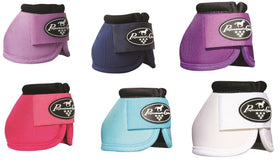
What Makes a Great Sports Medicine Boot?
When you start shopping for sports medicine boots, the number of options can feel overwhelming. They all promise to protect your horse, but how can you tell which ones will actually deliver? The secret is to look past the marketing and focus on a few key features that separate a great boot from a mediocre one. A quality boot isn't just about a flashy color or a brand name; it’s about thoughtful design and materials that work together to keep your horse safe and comfortable. By understanding what to look for in terms of shock absorption, breathability, construction, and fit, you can make a confident choice that provides real protection for your horse's legs.
Look for Superior Shock Absorption
Think about the force your horse’s legs handle with every stride, jump, or sharp turn. That’s a lot of impact. The primary job of a sports medicine boot is to absorb and dissipate that shock, protecting the delicate tendons and ligaments from strain and injury. A quality boot acts as a crucial buffer, preventing scrapes and helping to keep the suspensory ligament from overstretching during intense work. When you’re looking at different horse tack, check for boots with a designated shockproof layer or materials specifically engineered for impact protection. This feature is non-negotiable for any horse in regular training or competition.
Understanding the Numbers: How Much Impact is Absorbed?
It’s one thing to say a boot absorbs shock, but what does that actually mean? The numbers are pretty impressive. Some studies show that a quality sports medicine boot can absorb up to 26% of the total energy from an impact, and as much as 45% of the concussive energy from a hoof hitting the ground. That’s a significant reduction in the force that travels up your horse’s leg. This absorption is what helps protect the delicate tendons and ligaments from the cumulative strain of training. By acting as this crucial buffer, the boot helps prevent the suspensory ligament from overstretching during hard stops or fast turns, making it an essential piece of equipment for performance horses.
Prioritize Breathability and Cooling
A horse's legs can get incredibly hot during exercise, and trapping that heat can damage tendon cells. That's why breathability is a critical feature. The best boots are made from materials like ventilated neoprene or perforated foam that allow air to circulate freely, keeping the legs cool and dry. Some advanced designs even feature special cooling liners. This isn't just a comfort feature; it's a safety one. A boot that allows heat to escape helps maintain the health of the underlying tissues, ensuring your horse can perform their best without the risk of heat-related damage.
Check for Durable Construction
Your horse’s boots are going to see a lot of action, so they need to be built to last. Look for durable outer materials that can stand up to dirt, scuffs, and interference from other hooves. Pay close attention to the stitching and the quality of the closures. Many top-tier boots also feature a supportive sling strap that cradles the fetlock joint, providing essential support to the suspensory ligament. This kind of robust construction ensures the boot not only protects from bumps and hits but also holds up through countless rides, making it a worthwhile investment in your horse's well-being.
Ensure a Secure, Adjustable Fit
A sports medicine boot can only do its job if it fits correctly. A boot that’s too loose will slide down and offer zero support, while one that’s too tight can rub, pinch, and restrict blood flow. A secure, snug fit is essential. Look for boots with strong, high-quality Velcro straps that allow for precise adjustments. These closures make the boots easy to put on and take off while ensuring they stay exactly where they need to be throughout your entire ride. A proper fit prevents chafing and ensures the supportive elements of the boot are correctly positioned to protect your horse.
My Go-To Sports Medicine Boot Brands
With so many sports medicine boots on the market, it can be tough to figure out which ones are truly worth your money. We get it. That’s why we’ve spent time reviewing the top contenders, looking at everything from material science to real-world rider feedback. The brands we’ve chosen stand out for their commitment to quality, innovative design, and proven performance in the arena and on the trail. Whether you’re a competitive barrel racer or a weekend trail rider, this list includes a boot that will meet your horse’s needs. Think of this as your trusted guide to the best horse tack for protecting your partner’s legs.
A Few of My Tried-and-True Favorites
Here at Hooves and Paws, we’re not just a retailer; we’re a team of lifelong horse people with over 30 years of experience. We handpick every item we carry, and sports medicine boots are no exception. Our selection process is simple: if we wouldn’t put it on our own horses, we won’t sell it to you. We understand the trust you place in your equipment, and we take that responsibility seriously. We stand behind the quality and performance of our products, which is why we offer a 365-day satisfaction guarantee on everything we sell. We’ve done the research so you can shop with confidence, knowing you’re getting a product that’s been vetted by experts who care.
Professional's Choice SMBII
Often called the "best-selling equine leg care products in the world," Professional's Choice boots have earned their stellar reputation for a reason. The Sports Medicine Boot II (SMBII) is a true industry icon, trusted by riders in nearly every discipline, from polo and jumping to reining and barrel racing. Their success comes from a simple, effective design that has protected countless performance horses over the years. If you’re looking for a boot with a long history of reliability and a proven track record, this is an excellent place to start. They are a go-to choice for riders who want dependable, all-around protection for everything from daily training to the show pen.
Iconoclast Orthopedic Support Boots
If your horse is recovering from an injury or needs maximum support for strenuous activities, Iconoclast boots are a top contender. Many veterinarians and top trainers recommend them specifically for their exceptional suspensory and sesamoidal support. While they come with a higher price tag, many riders consider them a worthwhile investment for their horse's long-term soundness. They are designed to provide unparalleled stability to the lower leg structures. It's worth noting that some users have found the velcro can wear out over time, but for horses needing serious orthopedic support, Iconoclast is often the first and best choice.
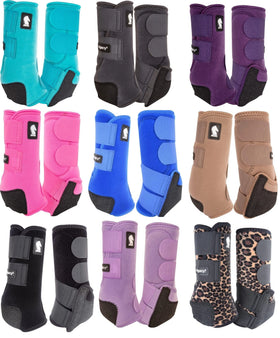
Classic Equine Sports Medicine Boots
Classic Equine offers a fantastic line of sports medicine boots that are known for their effectiveness and durability. They are a popular choice for riders who want solid protection without any fuss. One of the practical features some riders love is that they tend to be slightly shorter in height compared to other brands. This small design difference can prevent rubbing and interference, especially on horses with a shorter cannon bone or those who are sensitive to taller boots. For a reliable, no-nonsense boot that performs well during daily training and competition, Classic Equine is a brand you can count on to get the job done right.
Premier Equine Air-Tech Sports Medicine Boots
Heat buildup is a major concern for any rider, and that’s where Premier Equine truly shines. These boots were designed with breathability as a top priority. They are made with a specialized Air-Tech ventilated neoprene that allows heat and moisture to escape, keeping your horse’s legs cooler and more comfortable during intense work. This focus on ventilation helps protect delicate tendons and ligaments from overheating, which can lead to injury, without sacrificing crucial impact protection. If you ride in a hot climate or have a horse that works hard for long periods, the Air-Tech boots are an outstanding option for supporting performance and health.
Other Reputable Brands to Consider
While my personal favorites cover many of the top names in the industry, the world of equine leg protection is vast, and there are a few other excellent brands worth mentioning. Weaver Leather, for instance, makes the popular Prodigy line of boots, which offer fantastic quality and a great fit at a very approachable price point. They're a solid choice for riders who want reliable protection without a huge investment. Another brand to look into is Back on Track; their boots incorporate a special ceramic-infused fabric designed to reflect your horse's body heat, which can help soothe muscles and reduce inflammation. Exploring all your options ensures you find the perfect match for your horse's specific needs and your budget.
How Materials Impact Performance and Durability
When you’re choosing a sports medicine boot, the material it’s made from is just as important as getting the right size. The right material can make all the difference in your horse’s comfort, the level of protection the boot provides, and how long the boot will last. Different materials offer unique benefits, from superior shock absorption to enhanced breathability, and understanding them helps you make an informed decision based on your horse’s activity level and specific needs. It's easy to get caught up in brands and colors, but the core materials are what do the heavy lifting when it comes to safeguarding your horse's legs.
Think about the work you’re asking your horse to do. A reining horse making hard stops needs incredible impact protection, while a trail horse on a long ride needs something breathable to prevent heat buildup. Some materials are tougher and stand up to daily use, while others might be softer but require more careful cleaning. Looking beyond the marketing to the actual construction of the boot ensures you’re investing in gear that truly supports your horse’s well-being and performance. It’s about finding that perfect balance between protection, comfort, and durability for your specific discipline and climate.
The Pros and Cons of Neoprene
You’ll find neoprene in a lot of sports medicine boots, and for good reason. It’s a synthetic rubber that’s soft, flexible, and does an excellent job of absorbing shock, which is exactly what you want when protecting your horse’s delicate leg structures during strenuous exercise. It conforms nicely to the leg for a snug fit without being restrictive. The main drawback, however, is that traditional neoprene isn’t very breathable. It can trap heat and moisture against the skin, which might lead to discomfort or irritation for your horse, especially during long rides or in hot weather.
Specialized Linings and Neoprene-Free Options
Because of the heat issue, many top brands have developed innovative solutions. You can now find boots with specialized linings and even completely neoprene-free options designed to keep your horse’s legs cool. These boots use advanced, breathable materials that wick away sweat and allow air to circulate, which is crucial for preventing tendon damage. Since hot tendons can get hurt, looking for boots specifically marketed as "neoprene-free" or featuring cooling technology is a smart move, especially if you live in a warm climate or your horse works for long periods. This isn't just about comfort; it's a significant safety feature that supports your horse's long-term soundness.
All-in-One Protection: Combo Boots and Covers
For riders looking for convenience and comprehensive protection, combo boots are a fantastic solution. These innovative boots combine a standard sports medicine boot with an attached bell boot, offering seamless, 360-degree protection around the entire lower leg and hoof. This is especially useful for horses that tend to overreach, as it shields the pastern and coronary band from strikes without the need for a separate piece of equipment. On a related note, if you often ride in muddy or weedy conditions, boot covers are a lifesaver. These simple sleeves slide over your sports medicine boots to keep them clean, protecting your investment and saving you a lot of scrubbing time after your ride.
Why Ventilation and Moisture Control Matter
Because materials like neoprene can hold in heat, ventilation is a critical feature in a quality sports medicine boot. A horse's tendons can be damaged by excessive heat, so it’s essential to choose boots designed to keep things cool. Look for features like perforated materials or strategically placed vents that allow air to circulate and heat to escape. A good boot will also have a soft inner lining that wicks moisture away from your horse’s skin. This helps the leg stay dry and comfortable, which is especially important for horses with sensitive skin prone to rubs or fungal infections.
How a Boot's Structure Affects Support
Beyond the material, the physical design of the boot is what provides stability. A well-structured sports medicine boot wraps securely around the lower leg and fetlock joint, offering coverage from just below the knee down to the pastern. The most important structural feature is the suspensory strap. This strap wraps underneath the fetlock, creating a sling that supports the suspensory ligament during intense work. This design is key for absorbing impact during turns and stops and also helps prevent scrapes and interference. This combination of material and structure is what makes up a great piece of horse tack.
Avoid These Common Boot-Buying Mistakes
Choosing the right sports medicine boots can feel like a big decision, and for good reason. The right pair protects your horse from injury, while the wrong one can cause discomfort and even harm. With so many options out there, it’s easy to make a misstep. But don’t worry, I’m here to walk you through the most common pitfalls so you can shop with confidence. By avoiding these simple mistakes, you’ll ensure your horse gets the protection it needs without any of the guesswork. Let’s get into what to watch out for.
Don't Guess on Sizing
This is hands-down the most common mistake horse owners make. A boot that’s too loose will slip down the leg, offering zero protection and creating a tripping hazard. On the other hand, a boot that’s too tight can rub, pinch, and restrict circulation. The perfect boot should fit snugly without being restrictive. Before you buy, take a moment to measure your horse’s cannon bone circumference and length. Most brands provide a detailed sizing chart, so you can match your horse’s measurements for a perfect fit. When in doubt, remember that a well-fitting boot is a key piece of your horse’s protective tack.
Don't Overlook the Material
Not all boot materials are created equal. Many sports medicine boots are made from neoprene because it’s flexible, soft, and great at absorbing shock. However, traditional neoprene can also trap a lot of heat, which isn’t ideal for long rides or horses working in hot climates. That’s why many modern boots now feature perforated or ventilated neoprene, like Air-Tech, which allows the leg to breathe and stay cooler. When choosing a boot, think about your horse’s activity level and your local climate. A breathable material is crucial for preventing overheating, which can damage soft tissues over time.
Don't Just Believe the Marketing Hype
It’s easy to get swept up by claims of "maximum support," but it’s important to be a discerning shopper. While sports medicine boots are fantastic for protecting against impact, scrapes, and interference, scientific studies show they offer very little actual structural support to tendons and ligaments. Some marketing can be misleading, using limited data to make big promises. Instead of focusing on hype, prioritize features that provide proven protection: quality construction, superior shock absorption, and a secure fit. Stick with trusted brands known for durability and performance, not just flashy advertising.
Explore our full range of horse sports medicine boots to find versatile, durable options trusted by trainers for daily schooling and weekend competition.
What's a Reasonable Price for Sports Medicine Boots?
Figuring out how much to spend on sports medicine boots can feel tricky. When you see prices ranging from under fifty dollars to well over a hundred, it’s natural to wonder what the difference is and if a higher price tag really means better protection. The truth is, the price often reflects the level of technology, materials, and supportive design built into the boot. You can find a solid pair for nearly any budget, from simple, protective boots for everyday use to high-tech options designed for intense competition or rehabilitation. Think of it like buying running shoes for yourself; you could get a basic pair for walking, or you could invest in a specialized shoe with advanced cushioning for marathon training.
The most important thing is to match the boot to your horse's specific needs and workload, not just the price. A weekend trail horse has very different requirements than a barrel racer, a reining horse, or a show jumper. A higher price doesn't automatically make a boot the right choice for your situation, but investing in quality from a trusted brand is never a bad idea when it comes to your horse's health and safety. A well-made boot will not only last longer but will also provide more consistent and reliable protection ride after ride. To help you make an informed decision, let's break down what you can expect to find at different price points so you can find the perfect fit for your partner and your wallet.
The Budget-Friendly Tier: Under $50
You don't have to spend a lot to get reliable protection, especially for light work or turnout. In the under $50 range, you'll find durable, no-frills boots that do a great job of guarding against scrapes, bumps, and interference. These are perfect for riders who need a basic, everyday boot to keep their horse's legs safe without needing advanced orthopedic support. While they may not have the fancy cooling technology or contoured fit of pricier models, they are a practical and affordable part of any horse tack collection. They’re a fantastic starting point for young horses or those in low-intensity disciplines.
The Mid-Range Sweet Spot: $50-$100
This is where most riders will find their perfect match. Boots in the $50 to $100 range typically offer an excellent balance of protection, support, and durability. You’ll start to see more advanced features here, like higher-quality neoprene for a better fit, improved shock absorption, and more breathable materials to help keep legs cool. Many of the industry's most trusted and best-selling products fall into this category because they are versatile enough for everything from daily training to weekend competitions. If you’re looking for a dependable, long-lasting boot that provides solid support for a variety of activities, this is the ideal price range to explore.
When to Invest Over $100
For horses in high-impact sports, recovering from an injury, or needing maximum support, investing over $100 is often a wise choice. These premium boots are engineered for performance, featuring cutting-edge materials, patented support systems, and designs developed with input from veterinarians and top equestrian athletes. You're paying for superior construction that offers unparalleled protection for tendons and ligaments under serious strain. While the price is higher, the peace of mind that comes with providing your horse the best possible support during demanding work is invaluable. It reflects a commitment to quality that we stand by, and you can learn more about our philosophy on our About Us page.
Save Money with Value Packs
If you're looking to outfit your horse without breaking the bank, value packs are one of the smartest buys you can make. Many top brands offer their sports medicine boots in bundles, often a set of four, which can save you a good chunk of change compared to buying them one pair at a time. The savings are great, but the convenience is even better. Having extra pairs on hand means you can rotate them between rides, ensuring you always have a clean, dry set ready to go. It’s also a perfect solution for riders with multiple horses. By investing in a value pack, you ensure your horse is always equipped with consistent, high-quality protective gear, so you can focus on your performance instead of your equipment.
Can Horses Wear Sports Medicine Boots for Long Periods?
This is a question I hear all the time, and the short answer is no. Sports medicine boots are designed for performance and protection during exercise, not for long-term wear. Think of them like a pair of specialized athletic shoes you’d wear for a run; you wouldn't keep them on to lounge around the house all day. Leaving boots on for extended periods can lead to serious issues for your horse.
The main concerns are heat buildup under the boot material and the risk of rubbing or chafing. A boot that’s perfect for an hour-long ride can become a problem if left on in a stall or during turnout. It’s crucial to use these boots for their intended purpose: to provide protection and support when your horse’s legs are under the most strain. Once the work is done, the boots should come off to let the skin breathe and the legs cool down properly.
The Risk of Heat Buildup (And How to Prevent It)
One of the biggest concerns with any leg wrap or boot is heat. As one rider on a forum noted, "Some people worry about how much heat can build up under certain boot materials." This is a valid point because a horse's tendons have very little blood supply, which means they don't cool down efficiently. Trapping heat against the leg can potentially damage the delicate tendon cells.
To prevent this, always choose boots made from breathable materials that allow for airflow. After a workout, remove the boots immediately and feel your horse’s legs. If they feel excessively hot, hosing them with cool water can help dissipate the heat. Investing in quality horse tack with modern, ventilated materials is one of the best ways to keep your horse comfortable and safe.
What About Boots for Turnout?
This is a tricky one, and the answer really depends on your horse. If you have a horse that plays hard in the pasture—bucking, running, and spinning—turnout boots can be a lifesaver. They are excellent for shielding your horse's legs from self-inflicted scrapes and interference injuries. However, it's crucial to remember that sports medicine boots are designed for short-term wear during exercise. The main risk with using them for turnout is leaving them on for too long, which can trap heat and moisture against the leg. This can lead to skin irritation or even damage to the underlying tendons. A good rule of thumb is to only use them if your horse is particularly accident-prone and to remove them daily to let the legs breathe. For a quiet horse that just ambles around, it's often better to let them go without.
How Long Is Too Long?
A good rule of thumb is to only have your horse wear sports medicine boots during your warm-up, ride, or training session. As one expert guide puts it, "Don't leave
Leaving boots on for too long not only traps heat but also increases the risk of skin irritation, rubs, and fungal or bacterial growth in a warm, moist environment. It can also trap dirt and debris against the skin, which can cause sores. Stick to using them for exercise only, which usually means for a couple of hours at most.
When to Take Boots Off After a Ride
The best time to take off sports medicine boots is as soon as you’re done with your cool-down. Make it the first thing you do when you get back to the barn and untack. This allows your horse's legs to start cooling down immediately and gives you a chance to inspect them.
Check for any signs of rubbing, swelling, or irritation. You also want to look for any dirt or sand that might have gotten inside the boot, which can cause problems. A boot that fits well shouldn't allow debris inside, but it's always best to check. A snug fit is key; you should just be able to slide one finger between the boot and your horse's leg. Removing boots promptly and checking the legs should be a standard part of your post-ride routine.
How to Care for Your Sports Medicine Boots
Investing in a quality pair of sports medicine boots is a great step toward protecting your horse's legs. But that investment doesn't stop at the checkout. With just a little bit of care, you can extend the life of your boots, ensuring they perform their best for years to come. Proper maintenance isn't just about saving money; it's about your horse's comfort and safety. Dirty, worn-out boots can cause skin irritation and may not provide the protection your horse needs during strenuous activity.
Think of boot care as part of your daily grooming routine. A few minutes after each ride to clean, inspect, and properly store your gear can make all the difference. It helps you catch small issues before they become big problems and ensures your boots are always ready for your next ride. This simple habit protects both your horse and your horse tack investment.
Your Daily Cleaning and Inspection Checklist
A quick post-ride clean-up is the single best thing you can do for your boots. Start by knocking off any loose mud, dirt, and arena footing. For a deeper clean, use a gentle soap and water, then let the boots air dry completely. Never store them wet, as this can breed bacteria and lead to skin funk. While they're drying, give them a once-over. Check the velcro for fraying or loss of grip, look for any cracks in the material, and inspect the stitching. This simple routine helps prevent skin irritation and lets you spot wear and tear early.
Storing Your Boots the Right Way
How you store your boots is just as important as how you clean them. Tossing them in a pile in your tack trunk can cause them to lose their shape and can damage the velcro. Once your boots are completely dry, close the velcro straps to prevent them from snagging on other items or collecting hay and shavings. If your boots came with a reusable storage bag, use it! If not, a simple breathable bag works perfectly. Storing them this way keeps them clean, organized, and protected from damage, so they're always in top condition for your next ride.
Know When It's Time for a New Pair
Even the most durable boots have a lifespan. Using them past their prime can compromise your horse's safety. The most common sign of wear is the velcro. If it’s lost its stickiness, the boots can loosen and slide down during a ride, creating a serious hazard. Also, check the boot's overall structure. If the material has stretched out, it won't provide a secure fit. A boot that's too loose can let in dirt and debris, causing rubs, while one that's too tight can create dangerous pressure on tendons and ligaments. If you see significant cracks, tears, or worn-out velcro, it's time for a replacement.
Where to Find the Best Sports Medicine Boots
When you’re ready to buy, it’s best to shop with retailers who specialize in equine products and understand the demands of your sport. You’ll find a more knowledgeable staff and a better selection of high-quality gear. Some brands, like Professional's Choice, sell directly to consumers and are well-regarded in the equestrian community for their effective, durable designs. They are a great place to start your research and see what’s available.
Another excellent strategy is to explore retailers that carry multiple brands. Shops like Schneiders Saddlery offer a wide variety of sports medicine boots from different manufacturers, including their own house brand. This allows you to compare features, materials, and prices side-by-side, helping you find the perfect match for your horse’s specific needs and your budget. Shopping at a place with a broad selection gives you the power to make a truly informed decision instead of being limited to just one brand’s offerings.
What to Look for in a Retailer
We might be a little biased, but we believe our shop is one of the best places to find your next set of boots. As a family-owned business with over 30 years of hands-on experience, we personally select every item in our horse tack collection. We only stock boots that we’d trust on our own horses, so you can be confident you’re getting a quality product. Plus, we make shopping easy with free, same-day shipping and a 365-day satisfaction guarantee that gives you plenty of time to make sure you and your horse are happy.
Always Check the Return Policy and Guarantee
Here’s a pro tip: never complete a purchase without first checking the retailer’s return policy, especially for a sized item like a boot. Getting the fit just right is critical for your horse’s comfort and safety, and sometimes you need to try a pair on to be sure. Some companies, like SmartPak Equine, offer free returns on sized items, which can provide great peace of mind. A flexible return policy or a strong satisfaction guarantee shows that a company stands behind its products and is committed to helping you find the perfect gear for your horse.
Related Articles
Frequently Asked Questions
Do sports medicine boots actually support my horse's tendons and ligaments? While some marketing might suggest they act like a brace, their primary job is protection, not structural support. Think of them as shin guards for your horse. They do an excellent job of absorbing shock and preventing injuries from strikes and scrapes. The suspensory strap offers a very small amount of support, but it's not a substitute for strong, healthy legs developed through proper conditioning.
How can I be sure the boots fit my horse correctly? The best way to check the fit is to do the one-finger test. After you've secured the straps, you should be able to slide one finger snugly between the boot and your horse's leg. If you can easily fit two or more fingers, the boot is too loose and could slip. If you can't slide one finger in without a struggle, it's too tight and could restrict circulation or cause rubs.
Is it okay to leave the boots on my horse for turnout? No, sports medicine boots should not be used for turnout. They are designed for active work sessions and should be removed right after your ride. Leaving them on for extended periods traps heat, which can damage the sensitive tendons in the leg. It also increases the risk of dirt and moisture getting trapped against the skin, which can lead to irritation and sores.
With so many options, what's the single most important feature I should look for? If you have to prioritize, focus on a combination of shock absorption and breathability. A boot is useless if it can't protect your horse from impact, but it can be harmful if it doesn't allow heat to escape. Look for boots made with high-quality, shock-absorbing materials that also incorporate ventilation, such as perforated neoprene, to keep your horse's legs cool and safe.
How do I know when it's time to replace my horse's boots? The most critical indicator is the velcro. If the straps have lost their grip and no longer stay securely fastened, it's time for a new pair. A loose boot is a safety hazard. You should also replace them if you see significant cracks in the outer material, if the inner neoprene is compressed and no longer feels protective, or if the boot has stretched out and no longer fits snugly.


