


When you’re out on the trail, you need equipment you can count on. Your reins are your direct line to your horse, connecting you through every creek crossing and rocky path. This is why so many riders rely on the simple, effective design of split reins. Unlike a single looped rein, these two separate straps mean there's no loop for a leg to get caught in if your horse stumbles. That safety feature alone makes them a trail riding essential. But their value doesn't end there. They're also the ultimate tool for teaching and perfecting neck reining, allowing for clear, independent cues. This guide covers how to select, use, and care for them.
Key Takeaways
- Choose split reins for safety and control: Their two-part design prevents dangerous tangles if dropped on the trail and is the ideal tool for developing precise, one-handed neck reining cues.
- Prioritize feel, fit, and function when choosing: Select a material that feels good in your hands, choose a width that fits your grip comfortably, and always inspect the hardware for durability.
- Proper care ensures safety and performance: Regular cleaning and conditioning preserve your reins, while correct handling, like never wrapping them around your hand, is essential for staying safe in the saddle.
What Are Split Reins?
If you’ve ever watched a classic Western or spent time around a ranch, you’ve seen split reins. They are a fundamental piece of horse tack and a hallmark of Western riding. Simply put, split reins are two long, separate straps, usually made of leather. Each rein attaches to one side of the bit and is held independently in the rider's hands. They typically measure between seven and eight feet long, giving the rider plenty of length to work with.
This design isn't just for looks; it’s incredibly functional. Split reins are the tool of choice for neck reining, a technique where the rider uses the weight of the rein against the horse's neck to guide them. This allows for subtle communication and one-handed control, which is essential for many Western disciplines. Let's explore what makes them different from other reins and why they might be the perfect choice for you and your horse.
Split vs. Continuous Reins: Which Is Right for You?
The main difference between split reins and continuous reins is right in the name. Split reins are two separate pieces, while continuous reins (often called roping, barrel, or trail reins) are a single, connected loop. While continuous reins are great for speed events like barrel racing where dropping a rein could be disastrous, they have their downsides. If a horse stumbles, a looped rein can create a dangerous situation if a leg gets caught.
Split reins, on the other hand, simply fall to the ground if one is dropped. This makes them a safer option for trail riding and general training. The choice between them often comes down to your riding style and what you plan to do with your horse.
Why Do Western Riders Love Split Reins?
So, why are split reins the go-to for so many Western riders? It comes down to three key advantages: versatility, safety, and communication. The extra length allows you to easily adjust how much contact you have with your horse’s mouth, all with one hand. This is perfect for transitioning from close-contact work to a more relaxed, loose rein.
The safety factor is a huge plus, especially when riding in unpredictable terrain. If you part ways with your horse unexpectedly, a dropped split rein is far less likely to cause a tangle than a looped one. Finally, they are the ultimate tool for teaching and perfecting neck reining, helping you give clear, precise cues without relying on constant pressure on the bit.
From the Trail to the Ranch: When to Use Split Reins
On the trail or out on the ranch, the practicality of split reins really shines. Their length and design are ideal for riders who need to get on and off their horse frequently to open gates, clear a path, or handle equipment. You can easily use one rein to lead your horse or ask them to ground tie for a moment.
For ranch work, where you often need a free hand to swing a rope or carry gear, the ability to ride one-handed with split reins is essential. They provide the control and communication needed to guide a horse with subtle neck cues, leaving your other hand free to manage the task at hand. This blend of functionality and control makes them an indispensable tool for everyday riding.
How to Choose the Right Split Reins
Finding the perfect pair of split reins can feel a bit like finding the right pair of jeans. It comes down to fit, feel, and function. The right reins create a clear line of communication between you and your horse, so it’s worth taking the time to pick a pair that works for both of you. Your choice will depend on your hand size, your riding discipline, and what feels most comfortable and secure to you.
When you’re shopping, you’ll want to focus on three main things: the material they’re made from, their length and width, and the quality of the grip and hardware. Thinking through these elements will help you find a reliable set of reins that not only looks great but also stands up to countless hours in the saddle. Let’s break down what to look for in each category so you can make a confident choice for your horse tack collection.
What's the Best Material? Leather, Nylon, or Synthetic?
The material of your reins has the biggest impact on their feel, durability, and maintenance. Leather is the traditional choice for a reason. High-quality harness or latigo leather, often oil-finished, offers a supple, broken-in feel right from the start. It provides an excellent grip and a classic look, but it does require regular cleaning and conditioning to stay in top shape. Nylon reins are a budget-friendly and low-maintenance alternative that comes in a variety of colors. On the downside, they can sometimes feel stiff or become slippery when wet. Synthetic options often provide the best of both worlds, mimicking the feel of leather with the easy-care benefits of nylon.
Common Leather Types
When it comes to leather, not all hides are created equal. For split reins, you'll most often see harness and latigo leather. Harness leather is treated with oils and waxes to make it incredibly strong and weather-resistant—it was originally designed for, you guessed it, horse harnesses. Latigo leather goes through a different tanning process that makes it exceptionally soft and flexible from day one. Both are fantastic choices, offering a supple, broken-in feel that provides an excellent grip and a classic look. While they are built to last, this type of high-quality leather tack does require regular cleaning and conditioning to maintain its strength and prevent it from drying out over time.
Oiled vs. Unoiled Leather
You'll also see leather described as oiled or unoiled, and the difference is key for both feel and maintenance. Oiled leather is pre-treated with a generous coating of oils and waxes, which enhances its suppleness and water resistance right out of the box. This makes it a fantastic choice for trail riders or anyone who frequently rides outdoors. Unoiled leather, while still durable, has a more natural, dry finish. It will require a bit more "breaking in" and consistent conditioning to keep it from drying out and cracking, but many riders prefer it because they can condition it to their exact preference. Ultimately, choosing the right reins comes down to how much time you want to spend on maintenance versus how much you enjoy the process of making your gear uniquely yours.
Getting the Right Fit: Length and Width Explained
Split reins typically come in standard lengths of seven to eight feet. This length gives you enough slack for a relaxed head carriage on the trail while preventing the ends from dragging on the ground and creating a hazard. The width of the rein, usually ranging from 1/2 inch to a full inch, is mostly a matter of personal preference. If you have smaller hands, a narrower rein might feel more comfortable and provide a better grip. Riders with larger hands often prefer a wider rein. The key is to find a size that allows you to hold the reins securely without straining your hands.
Standard Rein Lengths
Split reins typically come in standard lengths of seven to eight feet, and this is the sweet spot for most riders. This length gives you enough slack for a relaxed head carriage on the trail while preventing the ends from dragging on the ground and creating a hazard. It’s the perfect balance, offering the versatility to let your horse stretch their neck on a loose rein without creating a tangled mess. This length also comes in handy if you need to dismount and use a rein as a temporary lead. While 7-8 feet is the norm, the most important factor is that you have enough rein to communicate effectively without so much excess that it becomes a safety risk. You can explore a variety of horse tack options to find the length and style that best suit your needs.
Standard Rein Widths
The width of the rein, usually ranging from 1/2 inch to a full inch, is mostly a matter of personal preference. If you have smaller hands, a narrower rein, like a 5/8-inch width, might feel more comfortable and provide a better grip. Riders with larger hands often prefer a wider rein, such as 3/4-inch or 1-inch, as it feels more substantial. Think of it like finding the right handle for a tool; you want something that fits your hand securely without causing fatigue. A rein that’s too wide can be tiring to hold, while one that’s too thin might feel difficult to grip securely, especially if you’re wearing gloves. The goal is to find a width that allows you to maintain a light, confident contact without having to clench your fists.
What to Look for in Rein Grip and Hardware
A good grip is essential for clear communication with your horse. The texture and weight of the reins contribute to how they feel in your hands. Quality leather reins with carefully finished edges tend to offer a secure, comfortable hold. You’ll also want to pay close attention to the hardware. Whether the reins attach to the bit with leather ties (water loops), snaps, or buckles, make sure the connections are solid and well-made. Look for durable materials like stainless steel or brass that won’t rust or break under pressure. Strong hardware ensures your reins will be a reliable part of your gear for years to come.
The Benefit of Weighted Ends
You may notice that some high-quality split reins feel a bit heavier at the ends. This isn't an accident; it's a feature known as weighted ends. These ends, often made from thicker leather, are designed to help the reins hang properly and maintain a constant, gentle feel for the horse, even when you’re riding on a loose rein. This consistent weight ensures that your cues remain clear and subtle, as the rein provides steady, predictable contact. If you happen to drop a rein on the trail, the weight helps it fall straight down instead of coiling up, making it easier to retrieve and reducing the risk of it getting tangled in your horse's legs.
Water Loops and Other Attachments
How your reins connect to the bit is another important detail. The most traditional and popular method for split reins is the water loop. These are simple leather ties at the end of the rein that loop through the bit ring and are secured with a leather lace. This design makes it incredibly fast and simple to attach or change your reins without any tools. While metal snaps offer quick changes, they can jingle, rust, or even break under pressure. Water loops provide a secure, quiet, and durable connection that is a hallmark of quality horse tack, ensuring your focus stays on the ride, not on your equipment.
Shop This Post

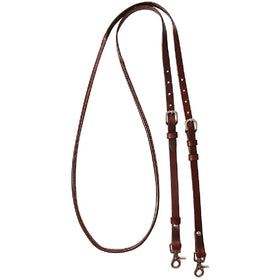
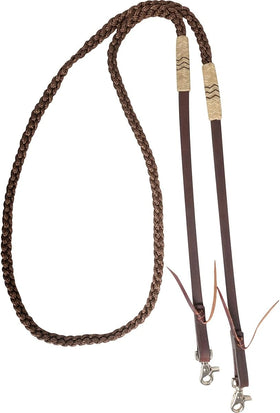
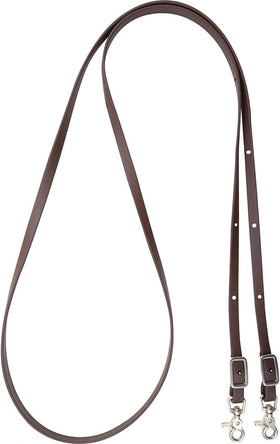
Find Your Perfect Match: Types of Split Reins
Once you start shopping for split reins, you’ll quickly realize they aren’t a one-size-fits-all piece of equipment. The right reins for a quiet trail ride are very different from what a rancher needs for a long day of work. Your riding style and goals will determine the best type of rein for you and your horse. Let’s walk through the most common types so you can find the perfect match for your needs.
Choosing the right equipment is a key part of horsemanship, and we have a wide selection of high-quality horse tack to help you on your journey. Understanding these different rein types will help you make a confident and informed decision.
The Everyday Go-To: Traditional Split Reins
When you picture classic Western riding, you’re likely thinking of traditional split reins. These are two separate leather straps, usually between seven and eight feet long, that connect to each side of the bit. Their main advantage is versatility. Because they aren't connected, you can easily adjust the length of each rein independently. This design is perfect for everyday riding, trail adventures, and general pleasure riding where subtle cues and a relaxed connection are key. They allow for easy one-handed neck reining while leaving your other hand free.
Built for the Job: Roping Reins
Roping reins are built for business. Designed for the tough demands of ranch work, these reins are typically heavier, thicker, and more durable than traditional split reins. They are often made from a single piece of leather that is split only at the bit ends, providing a continuous and secure grip for the rider. This construction is essential when you need to handle cattle or perform other ranch tasks with confidence. The added weight and sturdiness ensure they can stand up to hard use while providing clear, direct communication with your horse when it matters most.
Made for Speed: Barrel Racing Reins
Here’s where things get a little different. While this guide focuses on split reins, it’s important to know that for speed events like barrel racing, most riders use continuous loop reins. A continuous rein is a single loop that can't be dropped, which is a crucial safety feature when making sharp, fast turns. Losing a rein mid-pattern could be disastrous. Some riders may use knotted split reins for extra grip, but the standard for barrel racing is a single, connected rein to ensure you always have constant contact and control when every second counts.
Why Split Reins Can Be Risky in Barrel Racing
The main risk of using split reins in barrel racing boils down to one simple fact: you can't afford to drop a rein. When you're flying around a barrel and reach for the horn to stay balanced, it's easy to lose your grip. With a continuous rein, you can recover. But if you drop a split rein, it falls to the ground completely, instantly cutting your control in half. Losing your steering and stopping power mid-pattern is a recipe for disaster. This is a perfect example of why choosing the right horse tack for your specific discipline isn't just about performance—it's about safety for both you and your horse.
Teaching the Basics: Training Reins for Neck Reining
Split reins are an excellent tool for teaching a horse to neck rein. When you lay a split rein against a horse’s neck to signal a turn, its weight provides a clear and gentle cue. The horse learns to move away from that light pressure, which is the foundation of neck reining. Using two separate reins helps isolate the signals, preventing confusion for a green horse that is still learning what you’re asking. Many trainers prefer leather split reins for this job because their weight and feel offer the perfect amount of communication needed for effective, gentle training sessions.
What Makes a Great Split Rein Brand?
When you’re shopping for split reins, the brand name on the leather matters more than you might think. A reputable brand is a promise of quality, thoughtful design, and durability. These are the companies that have spent years perfecting their craft, listening to riders, and sourcing the best materials. Choosing a trusted brand means you’re investing in a piece of equipment that will not only last but will also improve the connection and communication you have with your horse.
Think of it as a partnership. The right reins feel like a natural extension of your hands, allowing for subtle cues and a confident grip. At Hooves and Paws, we’ve spent decades building relationships with the best names in the business, so you can shop our horse tack collection with confidence. Let’s walk through what sets a great brand apart from the rest.
Defining Quality in a Split Rein
Quality should be the number one thing on your checklist. A well-made rein is crafted from superior materials that are built to withstand the rigors of riding, day in and day out. Brands that prioritize quality, like Weaver Equine, focus on creating reins that give you an excellent feel and reliable control. This isn't just about making a product that lasts; it's about your safety and your horse's comfort. High-quality leather won't stretch unevenly or become brittle, ensuring your cues are consistent and clear every time you ride.
Must-Have Features in a Quality Rein
Beyond the brand name, there are specific features that signal a top-tier rein. Start by examining the leather itself. It should feel supple yet strong, without any blemishes or weak spots. Next, check the hardware. Whether the reins attach with leather ties, snaps, or buckles, the components should be sturdy and rust-resistant. Finally, run your hands along the edges. A great rein will have smooth, carefully finished edges that won’t chafe or dig into your hands, making for a much more comfortable ride, especially on long trails.
Rein End Finishes
The way your reins connect to the bit, known as the rein end finish, is a small detail that makes a big difference in daily use. The most traditional option is the water loop, or slit end, where a leather tie secures the rein for a clean, streamlined look and a very strong hold. For more convenience, many riders opt for buckled ends. These make it simple to switch bits between horses or for different training exercises without having to unthread any leather. Snap ends offer the quickest attachment and release, which can be a real time-saver. When choosing your next pair of reins from our horse tack collection, consider how you'll be using them. The right finish enhances both your comfort and your horse's responsiveness, ensuring a secure and effective line of communication.
How to Spot Superior Craftsmanship
Superior craftsmanship is all in the details. When you pick up a pair of reins, look for signs of meticulous work. Brands like Martin Saddlery are known for using premium Hermann Oak leather and hand-rubbing their reins to give them a comfortable, broken-in feel from the very first use. Pay attention to the stitching; it should be even, tight, and consistent. This level of care shows that the maker is dedicated to creating a product that not only looks good but performs exceptionally well. It’s this attention to detail that transforms a simple strap of leather into a vital piece of communication equipment.
Premium Leather Sources
The best brands are incredibly selective about where their leather comes from. They often use high-quality harness or latigo leather, which is frequently oil-finished to give it a supple, broken-in feel right from the start. This type of leather provides an excellent grip and a classic look that riders love. While it does require regular cleaning and conditioning to stay in top shape, the feel and performance are unmatched. Brands that prioritize quality focus on creating reins that give you an excellent feel and reliable control. This commitment isn't just about making a product that lasts; it's about ensuring your safety and your horse's comfort with every ride.
Matched Rein Pairs
Another hallmark of a premium rein is that they are sold as matched pairs. This means that during the manufacturing process, each rein cut is paired with its adjacent partner from the same hide. This "born together and paired together" process ensures a consistent weight and feel in your hands, which is vital for balanced and clear communication with your horse. When one rein feels heavier or thicker than the other, it can throw off your cues and create confusion. A well-made rein is crafted from superior materials that are built to withstand the rigors of riding, day in and day out, and this attention to detail is a key part of that quality.
Price vs. Performance: Finding the Sweet Spot
While it’s tempting to go for the cheapest option, price should always be weighed against performance. A higher price tag often reflects better materials and more detailed craftsmanship, which translates to a longer-lasting and more reliable product. Think of it as an investment in your riding. A quality pair of reins from our collection of best-selling products might cost a bit more upfront, but it will save you from having to replace a lesser-quality pair down the road. You can find excellent reins at various price points, so focus on finding the best quality you can within your budget.
Shop our full range of western split reins to find the right combination of length, leather, and hardware for your riding needs.
How to Use and Care for Your Split Reins
Once you’ve picked out the perfect pair of split reins, the next step is learning how to handle them with confidence and keep them in great shape. Proper use isn't just about looking the part; it's about clear communication with your horse and staying safe in the saddle. And with a little routine care, your favorite reins can last for years of happy trails. Let's walk through the essentials of using, cleaning, and storing your split reins.
Holding Your Reins the Right Way
Getting a feel for split reins can take a little practice, but it's worth the effort. When you hold them incorrectly, they can be tricky to adjust and might fall to the ground if you loosen your grip. The key is to find a comfortable hold that allows you to make quick, subtle changes in length. A common method is to hold one rein in each hand, with your thumbs pointing up and the tails of the reins falling on the same side of your horse's neck. To get a handle on your reins, practice shortening and lengthening them with one hand until it feels like second nature. This skill is essential for maintaining light, consistent contact and clear communication with your horse.
Staying Safe While Using Split Reins
One of the biggest advantages of split reins is safety, especially when you're riding outside the arena. Because they aren't connected in a loop, there's less risk of your horse getting a leg tangled if they trip or stumble on the trail. This simple design feature provides a lot of peace of mind. Split reins also make it easy to adjust your rein length with one hand, which is incredibly useful when you need to open a gate, carry something, or steady yourself. Just remember one crucial safety rule: never wrap the end of the rein around your hand or the saddle horn. If your horse spooks or pulls away suddenly, you could be seriously injured.
How to Clean and Condition Your Reins
Keeping your reins clean is vital for their longevity and your grip. Quality leather reins are incredibly durable and can stay soft even after getting wet or dirty, but they still need some TLC. After each ride, wipe them down with a damp cloth to remove sweat and dirt. For a deeper clean, use a gentle leather cleaner, then follow up with a good conditioner to restore moisture and keep the leather supple. This prevents cracking and ensures they feel great in your hands. If you have synthetic or nylon reins, care is even simpler; just a quick rinse with water is usually all they need. Taking a few minutes for upkeep protects your investment in quality horse tack.
How to Store Your Reins for Longevity
How you store your reins between rides makes a big difference. Tossing them in a heap can lead to tangles, kinks, and unnecessary wear and tear on the leather. The best way to store them is to hang them up neatly. You can tie the ends together in a simple knot and loop them over your saddle horn or a dedicated bridle rack in your tack room. Hanging your reins keeps them straight, prevents them from getting twisted or stepped on, and allows them to air out properly. This simple habit ensures your reins are always in good condition and ready for your next adventure.
Where to Find the Best Split Reins
Once you have a good idea of the material, length, and style you need, it’s time for the fun part: shopping. Whether you love the convenience of browsing online or prefer the hands-on experience of a local tack shop, there are fantastic options out there. The best place to buy really comes down to your personal preference and what you value most in the shopping experience. As riders ourselves, we’ve spent decades sourcing the best horse tack from brands we trust, so we know exactly what to look for and where to find it. Let’s walk through your options so you can find the perfect pair of reins for you and your horse.
The Pros and Cons of Buying Reins Online
Shopping for split reins online opens up a world of variety right at your fingertips. It’s the easiest way to compare dozens of styles, materials, and brands without ever leaving home. You can find specialty reins for just about any discipline, from trail riding to reining. For example, companies like Weaver Equine offer a huge selection of leather reins known for their great feel and durability. Similarly, you can explore an extensive range of reins from Circle Y Saddles, designed for different riding needs. The sheer convenience and selection make online shopping a go-to for many riders.
When to Visit Your Local Tack Shop
There’s something special about walking into a local tack shop. You get to see and feel the reins in person, which can make all the difference. You can check the weight of the leather, the quality of the hardware, and the overall feel in your hands before you commit. Plus, the staff are usually experienced equestrians who can offer personalized advice. Brands like Martin Saddlery are famous for their craftsmanship, and holding a pair in your hands helps you appreciate the quality. If you’re a hands-on shopper who values expert input, a trip to your local store is a great choice.
How Much Should You Pay for Split Reins?
You’ll find that split rein prices can vary quite a bit, and it almost always comes down to the quality of the materials and the level of craftsmanship. A basic pair of nylon reins will be more affordable than a premium set made from hand-finished harness leather. For example, you can find simple reins starting around $15, while high-end options from brands like Weaver Equine can approach $200. At Circle Y Saddles, prices range from about $50 for rope reins to over $150 for their top leather styles. Think of it as an investment in your communication and safety. The goal is to find the best quality reins that fit your budget and will last for years of riding.
Related Articles
- How to Choose the Right Horse Saddle Reins
- The Ultimate Guide to Choosing Roping Reins
- The Ultimate Guide to Leather Split Reins with Clips
- Weaver Leather Basin Cowboy Collection Split Reins 8'
Frequently Asked Questions
I'm used to looped reins. Is it difficult to get the hang of split reins? It can feel a little awkward at first, but most riders pick it up quickly. The biggest challenge is learning to manage the extra length and hold them so you don't accidentally drop one. Start by practicing at a walk, focusing on shortening and lengthening the reins with one hand. Once you get a feel for it, you'll appreciate how much control and versatility they offer.
Why are split reins so long compared to other types of reins? That extra length is all about function. It gives you the slack needed to let your horse drop its head and relax on a loose rein, which is common in Western riding and trail riding. It also provides enough length to safely lead your horse or ask them to ground tie without having to unclip your reins from the bit.
Are leather reins really worth the extra cost and upkeep? For many riders, absolutely. A good pair of leather reins offers a specific weight and feel that you just can't replicate with synthetic materials. This "feel" translates to clearer communication with your horse. While they do require some cleaning and conditioning, a quality pair will soften beautifully over time and can last for decades, making them a great long-term investment in your tack.
Can I use split reins for barrel racing or other speed events? While you technically can, it's generally not recommended. For fast-paced events like barrel racing, most riders prefer a single, continuous looped rein. The main reason is safety; if you drop a split rein during a high-speed turn, it could be dangerous and cost you precious time. A looped rein ensures you always maintain contact and control when you need it most.
My new leather reins feel really stiff. What's the best way to soften them up? Stiff new leather is completely normal. The best way to break them in is to use them, as the natural oils from your hands will help soften the leather. You can also speed up the process by applying a quality leather conditioner or oil. Work it into the leather with your hands or a soft cloth, let it soak in, and then wipe off any excess. A few treatments will make a big difference.


