


The perfect boot for a dressage rider is completely different from what a show jumper or trail rider needs. Each discipline has unique demands, and your footwear is no exception. A dressage boot is all about structure and stillness, while a jumping boot prioritizes flexibility in the ankle. For long hours on the trail, comfort and durability are key. Choosing a boot designed for your style of riding isn't just about tradition; it’s about setting yourself up for success. We’ll explore how different features in riding boots leather support various disciplines, helping you find the perfect pair for your goals.
Key Takeaways
- Match your boot to your discipline: The ideal boot supports your specific riding style, whether you need the flexibility of a field boot for jumping or the structured support of a dress boot for dressage. Choosing correctly improves both safety and performance.
- Prioritize a perfect fit for lasting comfort: A new leather boot should feel snug, not painful, as it will stretch and mold to your leg over time. Always measure your calf and boot height and compare them to the brand's size chart to find your best match.
- A simple care routine protects your investment: You can keep your boots in great condition for years with consistent care. Wiping them down after each ride, conditioning the leather regularly, and using boot trees for storage prevents damage and maintains their shape.
Why You Need a Great Pair of Leather Riding Boots
A great pair of black leather riding boots is more than just a part of the equestrian uniform; it’s one of the most important investments you can make as a rider. Think of them as essential equipment, right up there with your saddle and helmet. They serve two critical functions: keeping you safe and secure in the stirrups while helping you look polished and professional, whether you're schooling at home or stepping into the show ring. A well-made boot provides the foundation for a confident and effective ride.
Equestrian vs. Motorcycle Riding Boots
While they might both be called “riding boots,” equestrian and motorcycle boots are designed for completely different worlds. Your equestrian boots are tools for communication and performance. They're crafted from materials like high-quality leather that molds to your leg, giving you a close-contact feel and helping you maintain the correct position. Different disciplines require different features; a jumping boot needs ankle flexibility, while a dressage boot offers more structure. In contrast, motorcycle boots are all about protection. They are built with reinforced toes, ankle guards, and abrasion-resistant materials to keep you safe on the pavement. Using one for the other’s purpose isn’t just a style misstep—it’s a safety issue. They are specialized gear, and choosing the right type is essential for your specific activity.
More Than Just Looks: How Boots Keep You Safe
Your boots are your first line of defense in the saddle. A sturdy leather boot protects your ankles and lower legs from rubs, bumps, and the elements. More importantly, the distinct heel prevents your foot from sliding through the stirrup, a crucial safety feature. Good leather boots also offer the right balance of structure and flexibility, supporting your joints while allowing you to feel and connect with your horse. The type of leather, from supple calfskin to durable full-grain, determines how the boot moves with you, ensuring you can apply leg aids effectively and comfortably.
Style and Poise for Every Ride
Beyond safety, black leather boots are a timeless symbol of equestrian style. They complete your look, offering a clean, traditional silhouette that’s required for most competitions. Whether you’re in the dressage court or the jumper ring, the right boots show you respect the sport and its traditions. But they aren't just for show days. A well-fitted pair provides a professional look for lessons, clinics, and even casual hacks. While fashion has borrowed the riding boot style, true equestrian boots are designed to hug your leg for a close-contact feel, ensuring function always comes first.
Key Features of a Great Riding Boot
When you’re shopping for riding boots, it’s easy to get caught up in the style. But the best boots are more than just a pretty accessory; they’re a critical piece of equipment. The right pair will protect you, improve your communication with your horse, and stand up to the demands of the barn. Knowing what to look for will help you choose a pair that feels as good as it looks, ride after ride. Let’s walk through the key features that separate a great boot from an average one.
The Foundation: Quality Leather and Build
A great riding boot starts with high-quality materials. Most top-tier boots are handmade from smooth calfskin or full-grain leather, which offers the perfect blend of durability, flexibility, and a polished look. While they might feel a bit stiff at first, quality leather molds to your leg over time for a custom-like fit. Think of your boots as an investment. Solid construction and expert craftsmanship mean they won't just look good for a season; they'll be a comfortable, strong, and stylish part of your horse tack for years to come.
Finding Your Balance: Fit, Flex, and Comfort
Fit is everything when it comes to riding boots. A boot that’s too loose will slide down or bunch at the ankle, while one that’s too tight will cut off circulation and be painful to wear. Your new leather boots should feel snug, almost like a second skin. Don't worry if they feel a little tight at first; they will stretch and soften after a few rides. Many modern boots also include elastic panels along the zipper or shaft. These panels provide extra comfort and flexibility, allowing the boot to move with you instead of against you.
Breathable Linings and Shock-Absorbing Footbeds
While the outer leather gets all the attention, what’s inside your boot is just as important for all-day comfort. A well-made boot includes a breathable lining that helps manage moisture and keep your feet comfortable, whether you're riding on a hot summer day or a cool fall morning. This feature is key for maintaining foot health during long hours at the barn. Equally important is the footbed. Look for boots with shock-absorbing properties, often designed with rubber padding, to cushion your feet and reduce fatigue in your joints. When you spend hours in the saddle, this small detail makes a huge difference, allowing you to focus on your ride instead of aching feet. These internal features are a hallmark of quality horse tack and contribute directly to your performance.
The Details That Matter: Zippers, Soles, and More
The small details can make a huge difference in your daily experience. A full-length zipper, especially one with a sturdy pull tab, makes getting your boots on and off so much easier. Look for features like a zipper guard at the top to prevent it from unzipping while you ride. The sole is another critical component. A good sole provides the right amount of grip in the stirrup without being too bulky, giving you stability and a secure feeling in the saddle. These practical features are signs of a well-designed boot built with the rider in mind.
Functional Details: Hidden Zippers and Toe Shapes
Let's talk about the little things that add up to a lot. When you're comparing boots, details like the zipper and toe shape might seem secondary, but they play a huge role in your comfort and safety. A full-length zipper is a game-changer, saving you from the struggle of pulling boots on and off. But look closer: a well-designed boot will also have a zipper guard at the top. This small leather snap prevents the zipper from sliding down mid-ride, a crucial safety detail. Similarly, the shape of the toe—whether you prefer a classic round or a modern square—affects more than just style. It influences how your foot sits in the stirrup, impacting your balance and stability. These are the kinds of functional details that show a boot was made by people who truly understand a rider's needs.
How to Spot a Boot That's Built to Last
Durability is non-negotiable. Your boots will face mud, water, and plenty of wear and tear, so they need to be tough. Good leather boots are often waterproof and provide essential protection for your ankles and joints. The type of leather, whether it’s cowhide, calfskin, or full-grain, also plays a role in the boot's longevity and performance. As a company with decades of experience, we know that investing in well-made gear is always the right choice. A durable, well-constructed boot will keep you safe and comfortable, letting you focus on what really matters: enjoying the ride.
Which Riding Boot Style Is Right for You?
Choosing the right riding boot can feel overwhelming with so many options available. The best style for you really comes down to your primary riding discipline and personal comfort. Let's break down the main types so you can find the perfect match for your needs in the saddle and around the barn.
Tall Boots or Ankle Boots: Which to Choose?
The most basic choice you'll make is between tall boots and ankle boots. Tall boots, which extend up to your knee, are the classic equestrian choice. They offer excellent protection for your leg and create a secure, stable feeling that helps you connect with your horse. Ankle boots, on the other hand, provide more flexibility and are often easier to wear for casual riding or everyday barn chores. Many riders start with ankle boots and add half chaps for more grip and protection, giving them a similar function to a tall boot with a bit more versatility.
Field Boots vs. Dress Boots: What's the Difference?
If you decide on tall boots, you'll find they generally fall into two categories: field boots and dress boots. Field boots are designed for jumping disciplines like eventing and show jumping. They feature laces at the ankle, which gives you the flexibility needed for a shorter stirrup length and a two-point position. Dress boots are more formal and rigid. They are tailored for dressage, hugging the leg closely to encourage a long, still leg position and clear communication with your horse. This close fit is a key part of your overall horse tack for formal events.
Paddock Boots: Your Everyday Go-To
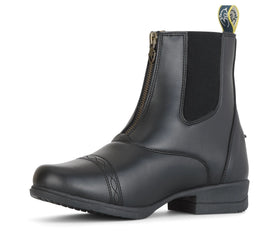
Paddock boots are the workhorse of the equestrian world. These ankle-height boots are celebrated for their versatility, making them a fantastic choice for riders of all levels. Their design allows for easy movement, so you can comfortably wear them for everything from mucking stalls to taking a lesson. For extra coverage and grip in the saddle, you can pair them with half chaps. This combination makes them a practical and popular option for training, trail riding, and everyday use around the farm. You can learn more in our equestrian riding boots review.
Pairing with Half Chaps: Materials and Styles
When you pair paddock boots with half chaps, you get the best of both worlds: the flexibility of an ankle boot and the protection of a tall boot. The key is finding the right material and fit for your needs. Suede half chaps offer excellent grip, while full-grain leather provides a more polished, show-ready look that pairs beautifully with leather paddock boots. For a secure fit that moves with you, look for chaps with a sturdy zipper and an elastic panel. This feature provides that extra bit of stretch for a snug, custom-like feel without feeling restrictive. This versatile combination is a core part of many riders' everyday horse tack because it’s perfect for schooling, lessons, and trail rides.
Winter and Country Boots for All-Weather Riding
Riding doesn't stop when the temperature drops, but your gear needs to be up for the challenge. Winter and country boots are designed to keep you warm, dry, and safe in cold, wet conditions. Look for features like waterproof leather or rubber construction to keep moisture out, and insulated linings to retain warmth. A durable, high-traction sole is also essential for navigating icy patches and muddy ground safely, both in the saddle and around the barn. These durable boots are built for long hours in tough weather, providing the comfort and protection you need to focus on your horse, not your feet.
Explore our full selection of leather riding boots to find a pair built for performance, durability, and timeless equestrian style.
Shop This Post

Featured in this article
Shires Moretta Clio Plus Paddock Boots - Black, Lace-Up Equestrian, Gently Used
$29.99
Shop Now →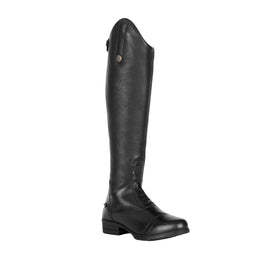
Match Your Boots to Your Riding Discipline
Not all riding boots are created equal, and that’s a good thing. The specific demands of your riding discipline, whether it’s the precision of dressage or the ruggedness of a mountain trail, call for different features in your footwear. Choosing a boot designed for your style of riding isn’t just about following the rules; it’s about setting yourself up for success, safety, and comfort. Let’s look at how boot design supports riders in dressage, jumping, and trail riding.
Dressage: The Need for Structure and Form
When it comes to dressage, your boot is an essential tool for communication. The goal is a still, elegant leg, and dressage boots are built to help you achieve that. They feature a tall, slender silhouette and are noticeably stiffer on the outside to provide structure and support. The inside, however, is crafted from softer leather, allowing you to maintain a close feel and connection with your horse’s side. This smart design helps you deliver quiet, precise aids for those intricate movements, making your boot a key piece of your horse tack.
Jumpers: Prioritizing Flex and Close Contact
Jumping, on the other hand, is all about freedom of movement. Show jumpers and eventers need a boot that moves with them. Jumping boots are made from softer, more pliable leather that allows for greater flexibility in the ankle. This is crucial for shortening your stirrups and folding into your two-point position over fences. The design promotes close contact with your horse, giving you the secure leg you need to stay balanced and connected while navigating a course. This flexibility ensures your boots work with you, not against you, during dynamic efforts.
Trail Riding: Putting Comfort and Durability First
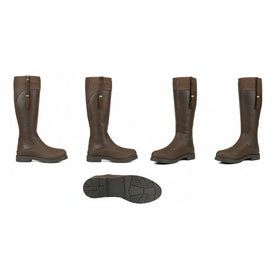
For riders who love spending hours exploring trails, comfort and durability are the top priorities. A great trail riding boot is your best friend for long days in the saddle. Look for high-quality leather that can stand up to the elements, with features like waterproofing to keep you dry. These boots are designed to protect your ankles and joints from the unpredictability of varied terrain. They offer the perfect blend of rugged functionality and all-day comfort, ensuring your feet are the last thing on your mind as you enjoy the ride. Many of our best-selling products are chosen for this exact durability.
Find Your Perfect Fit
Finding a riding boot that fits like a glove is the secret to comfort and confidence in the saddle. A boot that’s too loose can slip and cause blisters, while one that’s too tight can be painful and restrictive. But getting that perfect fit online is easier than you think. It all comes down to taking accurate measurements and understanding how a new leather boot should feel. Let’s walk through how to get it right.
Grab a Tape Measure: Sizing Your Calf and Height
Before you even think about adding a pair of boots to your cart, grab a soft measuring tape. To get the most accurate numbers, put on the breeches and socks you normally ride in. Sit in a chair with your feet flat on the floor and your knees bent at a 90-degree angle. First, wrap the tape around the widest part of your calf to find its width. Next, measure the height from the floor up to the bend behind your knee. Jot down these two measurements, along with your standard shoe size. Every boot in our horse tack collection has a size chart in the product description, so you can easily compare your numbers to find your match.
Understanding Boot Measurements: Shaft, Calf, and Heel
Now that you have your numbers, you can confidently compare them to a brand’s size chart. Your calf measurement is the key to getting that sleek, custom look. It determines whether the boot shaft will fit snugly against your leg, which is the goal. A measurement that’s even slightly off can result in a boot that pinches, gaps at the top, or doesn’t provide the secure feel you need. Your height measurement corresponds to the boot’s shaft height. Don’t be alarmed if new boots feel a little tall at first; quality leather boots are designed to drop an inch or so as they break in and settle around your ankle. This initial extra height ensures they end up at the perfect spot right behind your knee. This attention to fit is a hallmark of quality horse tack and is essential for both comfort and performance.
Making Sense of Size Charts and Brands
Once you have your measurements, you’re ready to tackle the size charts. Keep in mind that sizing can vary from one brand to another, so don’t assume your size in one brand will be the same in another. This is where reading product reviews can be incredibly helpful, as other riders often share their experiences with a specific boot’s fit. For example, many equestrians find that brands like Ariat fit true to size and offer exceptional comfort right out of the box. Always double-check your calf and height measurements against the specific chart for the boots you’re interested in to avoid any surprises.
Finding Your Size: From Standard to Wide-Width
Don’t be discouraged if your measurements don’t align with a standard size. It’s a common challenge, and thankfully, boot manufacturers have responded by offering a wider range of calf sizes, from slim to extra-wide. This means you no longer have to squeeze into a boot that’s painfully tight or settle for one that’s too loose. The goal is to find a boot that zips up snugly over your breeches and socks without cutting off circulation. A proper fit ensures the boot stays in place, providing the support you need without causing discomfort or chafing during your ride.
This is exactly why knowing your calf measurement is so critical. Once you have that number, you can confidently browse the size charts and find the width that corresponds to your specific measurement. Remember that a "wide" in one brand might be a "regular" in another, so always refer to the specific chart for the boot you're considering. Many modern boots also feature a stretch leather panel alongside the zipper, which offers a bit of extra give for a more customized and comfortable fit right from the start. This feature can make a huge difference in accommodating different leg shapes within the same size category.
When your boots arrive, they should feel very snug. It’s a common mistake to choose a pair that feels perfectly comfortable right away, as the leather will stretch and mold to your leg, potentially becoming too loose over time. Wear them around the house for a bit to see how they feel. With our 365-day satisfaction guarantee, you can shop with confidence, knowing you can find the perfect piece of horse tack without the stress. Taking the time to ensure the right fit from the beginning means you’ll have a pair of boots that will support you for years to come.
Too Tight? Too Loose? Solving Common Fit Problems
A brand-new pair of leather boots should feel snug, almost like a second skin. It’s normal for them to be quite tight around your calf and ankle at first. Don’t panic, this is a good thing! Quality leather will stretch and mold to your leg after just a few rides, creating a custom-like fit. You should also expect tall boots to "drop" or settle about an inch as the ankle softens. However, "snug" should never mean painful. If a boot is cutting off circulation or pinching, it’s the wrong size. We want you to be completely happy with your gear, which is why we stand by our 365-day satisfaction guarantee to ensure you find the perfect pair.
Rider-Approved: Our Favorite Boot Brands
With so many boot brands on the market, it can be tough to know where to start. The good news is that you don’t have to sort through them all yourself. Over the years, a few names have consistently risen to the top, earning the trust of riders through exceptional craftsmanship, innovative design, and a deep understanding of what equestrians need. These are the brands that deliver on their promises, whether you’re looking for a durable, everyday boot or a show-stopping pair for the competition ring. They've built their reputations one happy rider at a time, and that's something we take seriously.
From the accessible comfort of Ariat to the premium Italian leather of DeNiro and the precision engineering of Cavallo, each brand brings something unique to the table. Think of them as specialists. Some focus on groundbreaking technology for athletic performance, while others are masters of timeless, elegant style. We’ve spent years working with these brands and listening to rider feedback, so we can confidently point you toward the ones that offer the best quality and value. We believe in carrying products we'd use ourselves, and these brands consistently make the cut. Let’s look at a few of our favorites.
Hooves and Paws' Top Picks
After more than 30 years in the business, we’ve learned a thing or two about what makes a great riding boot. We’ve seen trends come and go, but quality and comfort are always in style. That’s why we’ve put together our guide to the best leather riding boots, where you can discover expert picks by brand, get practical fit tips, and learn about modern tech features. We cover everything from minimalist options under $400 to the best boots for working around the yard, so you can find the perfect pair for your needs and budget.
Ariat: The Rider's Favorite
Ariat is a household name in the equestrian world for a reason. They were one of the first brands to integrate athletic footwear technology into their riding boots, and that commitment to comfort and performance continues today. Riders love Ariat for its consistent fit, durable construction, and wide range of styles that suit nearly every discipline and budget. If you’re looking for a fantastic field boot, many riders agree that the Ariat Challenge Contour is a fantastic choice. It’s a perfect example of how the brand blends classic looks with modern comfort, creating a boot that feels as good as it looks.
DeNiro: For a Touch of Italian Luxury
If you’re ready to invest in a pair of boots that combines luxury with performance, look no further than DeNiro. Handcrafted in Italy, DeNiro boots are known for their high-quality full-grain leather and are a popular choice among riders for their durability and comfort. These boots are celebrated for their elegant, streamlined silhouette and buttery-soft feel that molds perfectly to your leg over time. While they come with a higher price tag, riders who choose DeNiro see them as a long-term investment in their sport. They are truly some of the best equestrian riding boots you can find.
Cavallo: Innovative German Engineering
Known for its precision and attention to detail, Cavallo brings German engineering to the equestrian world. Cavallo boots are recognized for their innovative designs and high-quality materials, making them a favorite among serious equestrians who demand both style and function. The brand excels at creating boots with an anatomical fit that supports the rider’s leg without restricting movement. With sleek designs and thoughtful features like cushioned soles and durable zippers, Cavallo boots are built for riders who spend long hours in the saddle. Their commitment to quality makes them a staple in our collection of best-selling products.
Breaking Down the Cost of Leather Riding Boots
Riding boots are an investment in your safety and performance, and the price can vary quite a bit. Generally, what you pay reflects the quality of the leather, the level of craftsmanship, and the features included. Whether you’re just starting out or looking for a pair to last a lifetime, there’s a boot for every budget. Understanding the different price points will help you find the best value for your needs.
Getting Started: Boots Under $200
You don’t need to spend a fortune to get a safe and functional pair of riding boots. If you’re new to riding or on a tight budget, you can find plenty of great options under $200. These boots are often made from synthetic materials or more economical leather, but they still provide the essential ankle support and heel required for safety in the stirrup. While they may not have the refined look or longevity of pricier models, they are a fantastic starting point. Many leather riding boots are available in this range, giving you a classic look without a hefty price tag.
The Sweet Spot: Mid-Range Boots ($200-$500)
This price range is the sweet spot for many equestrians. For $200 to $500, you can expect higher-quality leather, more comfortable footbeds, and a more elegant, streamlined fit. These boots often require less break-in time and are durable enough for frequent riding. A popular choice in this category is the Ariat Challenge Contour, which costs around $350 and is known for its exceptional comfort and classic style. If you’re an intermediate rider or ready to upgrade from your first pair, you’ll find an excellent balance of quality and affordability here.
The Investment Piece: Premium & Custom Boots ($500+)
For the dedicated rider, premium and custom boots are a worthy investment. Starting at $500 and going well into the thousands, these boots are built for performance, comfort, and longevity. They are crafted from the finest leathers, like smooth calfskin, and feature meticulous construction. You can find beautiful handmade options that offer a nearly custom fit right off the shelf, or you can opt for a fully custom boot made to your exact measurements. These boots provide unparalleled comfort and a polished look that will stand out in the show ring for years to come.
Handcrafted Quality: Boots Over $1,000
When you cross the $1,000 threshold, you’re entering the world of true handcrafted artistry. These boots are for the serious competitor or the rider who views their equipment as a long-term investment in their sport. They are typically handmade by master craftsmen using the finest full-grain or smooth calfskin leathers, resulting in a boot that offers an almost custom fit straight from the box. The meticulous construction and superior materials mean these boots provide exceptional comfort and a polished, professional look that lasts for years. Think of it as the ultimate piece of your horse tack; it’s not just about looking good, but about having equipment that supports your performance at the highest level.
Common Riding Boot Myths, Busted
Let's clear the air about a few things. When you're shopping for riding boots, you'll hear all sorts of "rules" and opinions that can make the process feel overwhelming. Some riders will tell you that you have to suffer through a painful break-in period, while others might imply that quality boots are only for serious competitors. The truth is, a lot of this is just noise.
My goal is to help you separate fact from fiction so you can find a pair of boots that you truly love. Let's bust some of the most common myths out there.
Breaking In Your Boots (Without the Pain)
Many riders dread the break-in period, picturing weeks of blisters and stiff ankles. While it's true that new leather boots need time to mold to your leg, it should never be an agonizing process. If a boot is causing you serious pain right out of the box, it's likely the wrong size or shape for you.
A well-made boot crafted from quality leather should feel snug but comfortable from the first wear. Modern designs often include features like softened leather ankles and elastic gussets to minimize break-in time. You can expect the leather to soften and the ankle to drop slightly, but you shouldn't have to suffer for your sport.
Myth: "Good Boots Are Only for Pros"
It's easy to think that you don't need a "good" pair of boots until you're jumping higher fences or competing every weekend. This couldn't be further from the truth. Quality boots are essential for every rider, regardless of your experience level. They provide the necessary grip, support, and protection to keep you safe and secure in the saddle.
In fact, investing in a good pair of boots early on can help you develop a stronger and more stable leg position. Think of it this way: you wouldn't run a 5k in flip-flops. The right equipment helps you perform your best and enjoy the ride, whether you're on a trail or in the show ring.
Myth: "All Leather Is the Same"
Walking into a tack store can feel like a sea of black leather, but not all boots are created equal. The type and quality of leather used have a huge impact on a boot's comfort, durability, and appearance. For example, soft calfskin offers a custom-like fit but may be less durable than a boot made from sturdy full-grain leather.
Beyond the leather, you'll find a variety of other features. Some boots have different soles designed for extra grip, while others have specific toe shapes or zipper placements. Understanding these small but important differences will help you choose a boot that truly suits your needs and riding style, ensuring you get the best value for your money.
Tips for Buying Leather Riding Boots Online
Buying your next pair of leather riding boots online can feel like a bit of a gamble, but it doesn't have to be. With a little know-how, you can shop with confidence and find the perfect pair without ever leaving your home. The key is to look beyond the photos and product descriptions. Understanding how to find the best prices, what to look for in shipping policies, and how to use a return policy to your advantage will make the entire process smooth and successful. Let's go over a few simple tips to help you score a great pair of boots online.
How to Find the Best Deals and Sales
Everyone loves a good deal, and with a little patience, you can find high-quality boots without paying full price. Many online retailers have dedicated "sale" or "closeout" sections where you can find last season's styles or discontinued models at a significant discount. Keep an eye out for seasonal promotions, like end-of-summer or Black Friday sales, as these are prime times to find deals on top brands like Ariat and Dublin. A lower price tag doesn't mean you're sacrificing quality; it often just means you're getting a fantastic boot at an even better value. Don't be afraid to shop these sections first—you might just find your dream boots waiting for you.
The Value of Free Shipping
When you're comparing prices online, don't forget to factor in the cost of shipping. A heavy, bulky box containing your new boots can come with a surprisingly high shipping fee, quickly turning a great deal into an average one. That's why finding a retailer with a generous shipping policy is so important. Here at Hooves and Paws, we want to make your shopping experience as simple and affordable as possible. We offer free shipping on all orders within the continental U.S., with no minimum purchase required. This takes the guesswork out of the final cost and ensures the price you see is the price you pay.
Understanding Return Policies and Fees
A clear and fair return policy is your best friend when buying boots online. Even with the most careful measurements, sometimes a boot just doesn’t feel right once you try it on. Before you commit to a purchase, take a moment to read the retailer's return policy. Look for the length of the return window, whether you'll be charged any restocking fees, and if you're responsible for return shipping costs. A company that stands behind its products will make this process easy and transparent. We know how critical the right fit is, which is why we offer a 365-day satisfaction guarantee, giving you plenty of time to make sure you've found the perfect pair.
Using Email Alerts and Membership Programs
One of the easiest ways to stay on top of sales and special offers is to sign up for email newsletters from your favorite tack stores. It’s a simple step that can pay off in big savings. Retailers often send out exclusive discount codes, early access to sales, and notifications about new arrivals directly to their subscribers. Some even offer a welcome discount just for signing up. This is a low-effort way to make sure you never miss a chance to save money on your next big purchase, whether it's a new pair of boots or other essential gear for your horse.
Make Your Leather Boots Last a Lifetime
A great pair of leather riding boots is an investment in your comfort, safety, and style. With just a little bit of regular attention, you can keep them looking sharp and feeling great for years to come. Think of it less as a chore and more as a routine that protects your gear. A few minutes after each ride can make a world of difference, preventing premature cracking and wear while keeping that beautiful leather supple and strong. This simple care routine will ensure your boots are always ready for your next ride.
The 5-Minute Daily Cleaning Routine
The best time to clean your boots is right after you take them off. Start by using a soft brush or a damp cloth to gently wipe away any dust, mud, and sweat. This quick step prevents dirt from settling into the leather and causing scratches or stains. If your boots have laces, it’s a good idea to remove them first to get a more thorough clean around the eyelets. Taking just a couple of minutes for this daily wipe-down is the single most effective thing you can do to extend the life of your boots.
How to Condition and Polish Your Boots
While daily cleaning is essential, your boots also need deeper care every so often to keep the leather healthy. Conditioning is like moisturizer for your boots; it restores the natural oils that keep the leather from drying out and cracking. Using a clean, damp cloth, apply a quality leather conditioner in small, circular motions. Let it soak in, then wipe away any excess with a fresh cloth. Be careful not to overdo it, as too much conditioner can leave a sticky residue that attracts more dirt. Polishing is the final step for that show-ring shine, but conditioning is what truly maintains your horse tack for the long haul.
How to Store Your Boots the Right Way
How you store your boots is just as important as how you clean them. Always keep them in a cool, dry place that’s out of direct sunlight, as UV rays can cause the leather to fade and become brittle. A closet or a tack room is a perfect spot. To help your boots hold their shape and prevent the ankles from dropping or creasing, use boot trees. They are one of the best tools for preserving the structure of tall boots. This simple habit ensures your boots won't slump over, which can cause permanent damage to the leather over time.
Related Articles
- Equestrian Riding Boots: The Ultimate Guide
- The Ultimate Guide to Genuine Leather Riding Boots
- Riding Leather Boots 101: A Complete Guide
- The Ultimate Guide to Women's Equestrian Riding Boots
- 9 Best Equestrian Riding Boots: Our 2026 Picks
Frequently Asked Questions
How can I be sure my new boots fit correctly if they feel so tight? It’s completely normal for new leather boots to feel very snug, almost like a second skin. A proper fit means they are tight enough that you don't have any bagging or bunching at the ankle. However, they should never be painful, cause numbness, or cut off your circulation. Quality leather will stretch and mold to your leg over time, and you should also expect tall boots to "drop" about an inch as the ankle softens.
How often should I be conditioning my leather boots? This really depends on how often you ride and in what conditions. A good rule of thumb is to give them a thorough conditioning once a month if you ride regularly. If your boots are frequently exposed to mud, rain, or intense sun, you might need to condition them more often. The most important thing is the daily wipe-down after each ride; this simple step does more to preserve the leather than anything else.
Can I use one pair of boots for both jumping and dressage lessons? While you certainly can, it’s not ideal because the boots are designed for very different functions. Field boots, made for jumping, have ankle flexibility that can make it harder to maintain a still leg for dressage. Conversely, the stiffness of a dress boot can feel restrictive when you shorten your stirrups for jumping. If you have to choose just one pair for multiple disciplines, a quality field boot is generally the more versatile option.
What's the most common mistake riders make when buying their first pair of tall boots? The biggest mistake is choosing a pair that feels perfectly comfortable and a little roomy right out of the box. Unlike sneakers, riding boots need to start out very snug to account for the leather stretching and the ankle dropping over time. Buying a boot that’s too loose from the start will result in a sloppy, unsupportive fit after just a few months of riding.
Are expensive, high-end boots really worth the investment? For many dedicated riders, they absolutely are. A higher price tag usually reflects superior leather quality, expert craftsmanship, and a more anatomical design. This translates to a boot that fits better, performs at a higher level, and lasts significantly longer with proper care. Think of it as a long-term investment in your comfort and safety in the saddle.


