


Think of a saddle pad like the performance socks you’d wear with hiking boots. You wouldn’t wear thin dress socks for a ten-mile trek, right? The right socks provide cushioning, prevent blisters, and wick away sweat. A saddle pad does the exact same job for your horse. Even with a perfectly fitted saddle, the wrong pad can cause rubbing and soreness. It’s the essential buffer that absorbs impact and keeps your horse’s back healthy. This guide breaks down the different saddle pads for horses to help you find the perfect match for your discipline and your partner.
Key Takeaways
- Prioritize function over fashion: A quality saddle pad is essential for protecting your horse's back from pressure, improving saddle stability, and wicking away sweat to keep them comfortable and healthy.
- Choose a pad based on your specific situation: The right material, thickness, and shape depend entirely on your riding discipline, saddle type, and your horse's individual conformation.
- Remember a pad is a partner, not a problem solver: Never use a pad to compensate for a poorly fitting saddle; instead, focus on proper care and regular inspections to know when it's time for a replacement.
Why Do Horses Need Saddle Pads?
Think of a saddle pad as more than just a colorful accessory; it’s a critical piece of equipment for your horse’s comfort and health. This essential layer sits between the saddle and your horse, serving three vital functions: protecting the back, improving saddle fit, and absorbing sweat. While it might seem simple, the right saddle pad can make a world of difference in your horse's performance and willingness to work. It prevents painful friction, distributes pressure evenly, and keeps your horse comfortable during long rides. A well-chosen pad can be the difference between a happy, willing partner and a sore, resistant one. It’s a fundamental part of ensuring every ride is a positive experience for both of you. Investing in a quality pad is just as important as finding the perfect saddle, as it’s a key component of your complete horse tack setup. From casual trail rides to competitive events, the saddle pad is working hard behind the scenes to support your horse every step of the way. It’s the unsung hero that absorbs impact, wicks away moisture, and ensures your saddle stays put, allowing you to focus on the ride ahead.
Shield Your Horse's Back from Pressure
The most important job of a saddle pad is to provide a protective cushion for your horse’s back. It acts as a buffer, absorbing shock and distributing the weight of the rider and saddle evenly across the horse's spine and muscles. This helps prevent pressure points, which can lead to soreness, rubbing, and even long-term injury. A good pad minimizes the impact from every stride, jump, and turn. It’s important to select the right pad for the job, as an ill-fitting or inappropriate one can sometimes create new back problems for your horse. Ultimately, the goal is to ensure your horse stays comfortable and sound for years to come.
Create a More Stable, Secure Saddle Fit
While a saddle pad can never fix a poorly fitting saddle, it can certainly enhance the fit of a well-matched one. Horses, like people, change shape with age, fitness levels, and seasons. A saddle pad helps accommodate these minor fluctuations by filling in small gaps, ensuring a snug and secure fit. This stability prevents the saddle from shifting, rolling, or slipping, which gives you a more secure seat and your horse more confidence in its movements. The ideal pad depends on your horse's conformation and riding discipline, so it’s worth taking the time to find the perfect match.
Keep Your Horse Cool and Dry
Horses work hard, and that means they sweat. A saddle pad plays a crucial role in managing moisture to keep your horse comfortable and its skin healthy. Quality pads are made from breathable, moisture-wicking materials that pull sweat away from the body, allowing it to evaporate. This process helps regulate your horse's temperature and prevents the skin from becoming irritated or developing fungal infections. A dry back also reduces the risk of saddle sores. As a bonus, the pad protects the leather of your saddle from the damaging effects of salt and moisture, helping preserve your investment. The choice of saddle pad material is key to ensuring effective sweat absorption for any activity.
Find the Right Pad for Your Riding Style
Just like you wouldn't wear running shoes to go hiking, your horse needs the right gear for the job. The type of riding you do, called your discipline, plays a huge role in choosing the right saddle pad. Each discipline uses a specific saddle shape, and the pad needs to match it perfectly to provide the right support and comfort for your horse. Whether you're schooling in the arena, hitting the trails, or competing in the show ring, there’s a saddle pad designed to meet the demands of your sport.
Using the correct pad isn't just about following rules; it's about ensuring your horse can move freely and comfortably. A dressage pad under a jumping saddle, for example, can bunch up and create pressure points, while a thin English pad won't offer enough protection for a long day of Western trail riding. Let's look at the main types of pads so you can find the perfect match for your saddle and your riding style. We have a great selection of horse tack to fit any discipline.
For English Riders: All-Purpose Pads
If you ride in an English saddle for pleasure, lessons, or a bit of everything, an all-purpose pad is your go-to. These pads are shaped to fit the forward flap of a general-purpose English saddle, offering a versatile option for flatwork and small jumps. They come in a huge variety of colors and materials, from classic quilted cotton to fun patterns that let you show off your style. The main job of an all-purpose pad is to keep your saddle clean and provide a light layer of cushioning, making it a staple for everyday riding and schooling.
Specialized Pads for Dressage and Jumping
For more specialized English disciplines, you’ll need a pad cut specifically for your saddle. Dressage pads have a straight cut along the front to match the long, straight flaps of a dressage saddle. This design prevents the pad from bunching up and interfering with your leg contact. In contrast, jumping pads, often called close-contact pads, have a forward cut that follows the shape of a jumping saddle’s flaps. This ensures the pad stays in place over fences and gives the rider the close feel they need. Using the right shape is key for both comfort and performance.
Western Saddle Pads for the Trail and Arena
Western riding demands a completely different style of pad. Because Western saddles are designed to distribute weight over a larger area, the pads are thicker, larger, and more robust. They are essential for your horse's comfort and play a big role in how the saddle fits. For long trail rides, a thick wool or felt pad provides excellent shock absorption and breathability. If you're into performance events like reining or barrel racing, you might choose a contoured pad that allows for closer contact and freedom of movement. The right Western pad protects your horse's back during hours in the saddle.
Other Pad Styles to Consider
Beyond the common English and Western pads, the world of horse tack includes several specialized styles designed for unique situations. Whether you're looking for a closer connection with your horse, a traditional look, or a solution for a hard-to-fit equine partner, there's likely a pad out there for you. Understanding these alternative options can help you find the perfect setup that keeps both you and your animal comfortable and happy. Let's explore a few of these specific pad types.
Bareback Pads and Saddle Blankets
For riders who love the feeling of riding without a saddle but want a bit more comfort and grip, a bareback pad is an excellent choice. These pads are designed to give you a close-contact feel while providing extra cushioning for you and your horse. They often feature a non-slip surface or handhold to help you feel more secure. On the other hand, saddle blankets are a more traditional option, typically used under Western saddles. While they can be used alone for a lightweight ride, they are often layered for added protection. Made from materials like woven wool, they offer a classic look and feel for riders who appreciate a simpler setup.
Pads Designed for Mules
Mules are incredible partners, but their unique body shape requires special consideration when it comes to tack. Because a mule's back conformation is different from that of a horse, a standard saddle pad often won't fit correctly. Specialized pads for mules are built to accommodate their distinct shape, often featuring a wider cut and additional support to ensure a proper, comfortable fit. Using a pad designed for a mule prevents discomfort and pressure points, allowing them to move freely and carry a load without strain. Choosing the right equipment is essential for keeping your long-eared companion happy and sound on the trail.
When to Use Half Pads and Correction Shims
Half pads and correction pads are specialized tools used to fine-tune saddle fit or add extra cushioning. A half pad sits between your regular saddle pad and the saddle, offering an extra layer of shock absorption, which is great for horses with sensitive backs. Correction pads take this a step further with pockets for shims, allowing you to make minor adjustments to the saddle's balance. However, it's important to remember these are not a substitute for a properly fitting saddle. They should only be used to correct small imbalances, not to fix a saddle that is fundamentally wrong for your horse. Our team has the expertise to help you make the right choice.
Choosing the Best Saddle Pad Material
The material of your saddle pad is more than just a detail; it’s the direct interface between your saddle and your horse's back. The right fabric can make a world of difference in your horse's comfort, performance, and overall health. Different materials offer unique benefits, from moisture-wicking and breathability to shock absorption and pressure distribution. Understanding these options helps you make an informed choice that suits your horse, your discipline, and the climate you ride in. Let's look at the most common materials to help you find the perfect match.
The Pros and Cons of Wool and Cotton
Natural fibers are a classic choice for a reason. Wool is a fantastic workhorse, known for its ability to wick away moisture and regulate temperature, keeping your horse comfortable in various conditions. It also provides excellent cushioning and shock absorption. Cotton is another popular option, prized for its softness and breathability. Many cotton pads are machine washable, making cleanup simple, and some even feature a mesh spine to allow for extra airflow. When you’re browsing for new horse tack, you’ll find these reliable materials in pads for nearly every discipline.
Merino Wool Felt vs. Standard Wool
When you look closer at wool pads, you'll often see two main types: Merino wool felt and standard wool. Think of Merino as the premium version. Its fibers are finer and softer, which allows the pad to conform beautifully to your horse's back, distributing pressure more evenly and preventing sore spots. Merino wool is also a champion at wicking away sweat, keeping your horse cooler and drier during intense work. Standard wool is still a very effective and durable option, providing great shock absorption. However, it can be a bit thicker and less breathable than its Merino counterpart. Ultimately, choosing a high-quality pad made from the right material is a key part of your horse tack investment and makes a huge difference in your horse's comfort.
When to Choose Fleece or Gel Pads
Synthetic materials often provide specific performance benefits at a great value. Fleece pads are incredibly soft and comfortable, offering a plush barrier between the saddle and your horse. They are also durable and easy to maintain, which is a huge plus for busy equestrians. Gel pads, on the other hand, are designed for superior shock absorption and stability. The gel helps prevent the saddle from slipping and provides a close-contact, streamlined fit without adding extra bulk. These are great for riders who need a little extra grip and impact protection during their rides.
More Than Shock Absorption: Other Gel Pad Benefits
While gel pads are famous for their incredible shock absorption, their benefits don't stop there. One of their biggest advantages is stability. The unique, slightly tacky texture of the gel material helps prevent your saddle from slipping forward, backward, or side-to-side during a ride. This creates a much more secure and stable fit, giving both you and your horse more confidence, whether you're on a tricky trail or in the show ring. Plus, gel pads offer this stability without adding a lot of extra bulk. They provide a streamlined, close-contact feel, so you can maintain clear communication with your horse while still ensuring their back is protected from pressure and potential injury. It's a smart piece of horse tack that enhances both safety and performance.
High-Tech Help: Memory Foam and Shock-Absorbing Pads
For riders seeking the latest in comfort and technology, advanced materials are the way to go. Memory foam pads conform perfectly to your horse’s back, creating a custom fit that distributes pressure evenly and eliminates potential sore spots. Think of it as a high-end mattress for your horse. Other shock-absorbing materials are specifically engineered to reduce the impact from high-intensity activities like jumping or long trail rides. Investing in a pad with these features can significantly improve the riding experience, ensuring your horse stays comfortable and sound.
Exploring Synthetic and Specialty Materials
While natural fibers have a long-standing reputation, modern synthetic and specialty materials offer unique advantages that can be a game-changer for certain riders and horses. These high-tech options are engineered to solve specific problems, from providing extra grip to offering unparalleled durability with minimal upkeep. If you're looking for a pad that's easy to care for, provides enhanced stability, or simply offers a different feel, exploring these materials is a great idea. They often come at a budget-friendly price point without sacrificing performance, making them a smart addition to your collection of horse tack.
Durable Synthetics like Acrylic
Synthetic saddle pads, often made from materials like acrylic, are a practical choice for many equestrians. They are incredibly lightweight and easy to handle, which is a welcome feature after a long ride. One of their biggest selling points is their resistance to the elements; many are waterproof and won't develop mold or mildew, making them perfect for riding in all weather conditions. Plus, they are typically very budget-friendly and a breeze to maintain. Most synthetic options can be cleaned with just soap and water, saving you time and effort on laundry day.
Specialty Non-Slip Materials
If you've ever felt your saddle shift during a ride, you know how unsettling it can be. Specialty non-slip materials are designed to tackle this exact problem, keeping your saddle securely in place for improved safety and confidence. Gel pads are a popular choice in this category, engineered for both stability and superior shock absorption. The gel material helps prevent the saddle from rolling or slipping, providing a close-contact fit without adding unnecessary bulk. This feature is especially helpful for high-intensity activities, as it minimizes movement and helps you maintain a secure seat when it matters most. Choosing between fleece or gel pads often comes down to your specific performance needs.
Shop This Post

Featured in this article
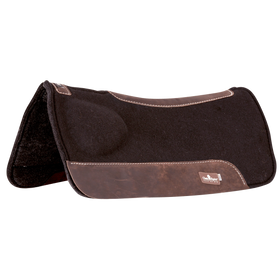
Professional's Choice 100% Wool Felt Contoured Saddle Pad - Steam-Pressed Pressure Relief & Moisture Wicking
$158.99
Shop Now →
Getting the Fit Right: Size and Thickness Matter
Finding the right saddle pad is a bit like finding the perfect pair of shoes. It needs to be the right size and offer the right amount of cushioning for the activity. A pad that’s too big, too small, or the wrong thickness can cause discomfort and even interfere with your saddle’s fit. Let’s walk through how to get the measurements just right so your horse stays comfortable and happy.
How to Measure for a Perfect Fit
Before you even think about a pad, let's talk about your saddle. A saddle pad is a partner to your saddle, not a fix for a poor fit. If your saddle pinches, bridges, or rocks, a pad won't solve the underlying problem. Once you've confirmed your saddle fits your horse well, you can measure for the pad. The general rule is to have one to two inches of pad visible around the entire edge of your saddle. This ensures the pad fully protects your horse's back from the saddle's panels and skirts without being bulky. Getting the right horse tack is the foundation for a great ride.
A Rule of Thumb for Pad Length
A simple way to check for the right length is to make sure you have about one to two inches of pad visible in front of your saddle and behind it. This extra margin ensures the entire saddle rests on the pad, preventing the edges from digging into your horse's back. A pad that's too short can create pressure points and cause rubbing, leading to soreness and discomfort, which is exactly what we're trying to avoid. This buffer zone is crucial for protecting the wither and loin areas, especially during movement. Think of it as a safety frame around your saddle—it keeps everything contained and comfortable, so your horse can move freely and happily.
How Thick Should Your Saddle Pad Be?
Saddle pad thickness is all about finding the sweet spot between cushioning and close contact. Thicker pads can provide extra support for horses with sensitive backs or less muscle, but be careful. A pad that’s too thick can make a well-fitting saddle too tight, creating new pressure points. Your riding discipline is a great guide for choosing thickness. For shows or reining, a 1/2-inch pad often works well. For daily training, a 3/4-inch pad is a versatile choice. If you’re into trail riding, team penning, or barrel racing, a 7/8-inch pad offers more cushioning for longer hours or higher impact.
Matching Thickness to Your Horse's Shape
Your horse's unique shape is a major factor in picking the right pad thickness. A pad that doesn't fit right can cause sore spots, rubbing, and general back pain, which is the last thing any of us want. For horses with high, prominent withers or a weaker back, a thicker pad can provide extra cushioning and support to protect those sensitive areas. On the flip side, if your horse has flat or "mutton" withers, a thinner pad is often a better choice. Using a thinner pad in this case helps the saddle sit closer to the horse and can prevent it from slipping side-to-side. The correct thickness is key to making riding fun for both of you.
Choosing Thickness for Your Discipline
Remember, a thicker pad isn't automatically better. The best thickness really depends on how your saddle fits and the kind of riding you do. For most everyday riders, a ¾-inch thick saddle pad is a great all-around choice, offering a good balance of cushioning and feel. If you're planning long trail rides or doing more demanding work like roping, stepping up to a 1-inch thick pad will give your horse the extra protection it needs. And if you've invested in a custom-fit saddle that fits your horse like a glove, you can often use a thinner ½-inch pad to maintain that close contact. It's all about matching your horse tack to the activity.
Checking the Fit: What to Look For
Ultimately, the goal is a pad that fits just right. A pad that’s too small won't provide enough coverage, leaving parts of your horse's back unprotected. On the other hand, a pad that’s too large can bunch up, create uneven pressure, and interfere with your leg contact and the saddle's stability. It’s always a good idea to check the fit with your saddle on your horse. If you work with a professional saddle fitter, be sure to talk with them about the pad you plan to use. They can help you make sure the complete setup works in harmony, reflecting our commitment to animal wellness.
What Makes a Great Saddle Pad?
When you're shopping for a new saddle pad, it's easy to get caught up in colors and patterns. But beyond aesthetics, the best pads have specific features designed to keep your horse comfortable and performing at its best. A great saddle pad isn't just an accessory; it's a vital piece of equipment that protects your horse's back, improves saddle stability, and manages moisture. Understanding these key features will help you choose a pad that works as hard as you and your horse do. Let's look at what separates a good saddle pad from a great one.
Look for Breathable, Moisture-Wicking Fabrics
A long ride means a sweaty horse, and that moisture needs somewhere to go. A quality saddle pad is made from breathable materials that wick sweat away from your horse's skin, allowing it to evaporate. This process helps regulate temperature and prevents heat from getting trapped under the saddle, which can lead to discomfort and skin irritation. A pad that stays soggy can contribute to sores and even long-term back issues. Look for materials like natural wool or specially designed synthetic fabrics that promote airflow. The right pad is a key part of your horse's essential tack and plays a big role in their overall comfort during every ride.
Does Your Pad Prevent Slipping?
There’s nothing more distracting or unsafe than a saddle that shifts mid-ride. A good saddle pad should help keep your saddle securely in place. While proper saddle fit is the most important factor, certain pad features provide extra stability. Some pads have a contoured, ergonomic shape that follows the curve of your horse’s back, while others use a special non-slip material on the top or bottom. The goal is to minimize friction and movement without creating pressure points. A stable pad ensures a safer, more comfortable ride for both of you, allowing you to focus on your performance, not your equipment.
A Closer Look at Non-Slip Pad Technology
So, how do these non-slip pads actually work? It’s all about smart design and materials that create extra friction. You’ll often find pads with silicone grip patterns or a fine, rubberized mesh on either the top or bottom surface. These features help anchor the pad to both your horse’s back and the saddle, stopping those annoying shifts mid-ride. This technology often works together with a contoured shape that follows the natural curve of your horse’s back for a snug fit that won't pull or bunch. The best non-slip pads provide this stability without trapping heat, using perforated designs to maintain airflow. Some pads even use a lightweight, perforated gel material that absorbs impact while providing a tacky surface to keep everything perfectly in place.
Even Pressure and Shock Absorption are Key
Every step your horse takes sends impact through their back, and your weight in the saddle adds pressure. A high-quality saddle pad acts as a crucial buffer, absorbing shock and distributing pressure evenly across the horse's back. As experts at Equestroom explain, this is vital for your horse's comfort and performance. Materials like gel, memory foam, or high-density felt are excellent for this purpose. By cushioning the impact, the right pad protects your horse's muscles and spine from strain, reducing fatigue and soreness after a ride. This feature is especially important in high-impact disciplines like jumping or long-distance trail riding.
Key Features for Your Horse's Comfort
Beyond the material and thickness, specific design features can make a huge difference in your horse's comfort. Think of these as the ergonomic details that cater to your horse's unique anatomy. Two of the most important features to look for are wither relief cutouts and flexible spine designs. These aren't just fancy add-ons; they are thoughtful solutions to common problem areas that can cause discomfort and soreness. When you see a pad with these elements, you know the manufacturer has prioritized the horse's well-being. Let's break down why these two features are so essential for a happy, comfortable ride.
Wither Relief Cutouts
The withers are one of the most sensitive areas on your horse's back, and pressure here is a major cause of discomfort. A wither relief cutout is a game-changer. This feature is exactly what it sounds like: a U-shaped opening or a higher contour at the front of the pad that creates space and lifts the pad off the withers. This prevents the pad and saddle from pressing down, rubbing, or pinching. According to equine health experts, providing ample clearance for the withers is crucial for preventing sores and allowing your horse's shoulders to move freely. It’s a simple feature that provides significant relief and makes a world of difference in your horse's willingness to move forward comfortably.
Flexible Spine Designs
Another critical feature is a flexible or contoured spine. A horse's back isn't a flat surface, so your saddle pad shouldn't be either. A pad with a contoured spine is designed to follow the natural curve of your horse's back, dipping down from the withers and rising up again toward the croup. This ergonomic shape ensures the pad lies smoothly without bunching or creating a "tent" over the spine, which can cause pressure points. This design also promotes better airflow along the spinal channel, helping to keep your horse cooler. A pad that moves with your horse instead of against it reduces friction and allows for a greater range of motion, contributing to a more comfortable and athletic performance.
Using Shims for a Custom Fit
Horses' bodies change over time due to age, fitness level, and seasonal weight fluctuations. Sometimes, these changes can affect how your saddle fits. Correction pads with shims offer a fantastic solution for making minor adjustments. These pads have pockets where you can insert shims (thin pieces of foam or felt) to fill in gaps, for instance, if your horse has lost muscle behind the withers. This allows you to temporarily improve the saddle's fit and balance. Shims are a tool for fine-tuning, not a permanent fix for a poorly fitting saddle, but they provide the versatility needed to keep your horse comfortable through physical changes.
Common Saddle Pad Mistakes to Avoid
Choosing the right saddle pad is a big deal for your horse’s comfort and your performance in the saddle. But with so many options, it’s easy to make a mistake. Getting it right means understanding a few common pitfalls that even experienced riders can fall into. Let's walk through the most frequent missteps so you can feel confident you’re making the best choice for your partner.
Mistake #1: Masking a Bad Saddle Fit
This is probably the most important rule of thumb: a saddle pad can’t fix a saddle that doesn’t fit your horse. Think of a pad as the perfect pair of socks for your riding boots; it adds comfort and support, but it can't make a boot that's two sizes too small feel good. An ill-fitting saddle can cause pain, pressure sores, and even behavioral problems. Before you even look at pads, make sure your horse tack starts with a saddle that fits your horse’s unique shape. While correction pads can help with minor imbalances, they are no substitute for a properly fitted saddle.
Mistake #2: Picking the Wrong Size or Material
Saddle pads are definitely not a one-size-fits-all item. A pad that’s too small won’t provide enough coverage, leaving parts of your horse's back unprotected from the saddle. On the other hand, a pad that’s too large can bunch up, create uncomfortable pressure points, and interfere with the saddle's fit. It’s always a good idea to measure your saddle to ensure the pad extends just enough around the edges. The material is just as important. A horse that sweats heavily will need a breathable, moisture-wicking pad, while a sensitive-skinned horse might do better with natural wool.
Mistake #3: Forgetting Your Riding Style
The type of riding you do plays a huge role in what kind of saddle pad you need. A barrel racer requires a pad that offers stability and shock absorption during high-speed turns, which is very different from the needs of a dressage rider, who typically wants a thinner pad for closer contact with the horse. Trail riders might prioritize a thick, contoured pad for long-lasting comfort over many miles. Always consider your specific discipline when browsing for horse tack. The right pad will support both you and your horse, no matter the activity.
Smart Shopping for Saddle Pads
A high-quality saddle pad is an investment in your horse's comfort and soundness, but that doesn't mean you have to break the bank. Smart shopping is about more than just finding the lowest price; it's about recognizing true value. A great deal includes a durable, well-made pad from a company that stands behind its products with helpful policies and expert support. When you know what to look for, you can find top-tier equipment that fits your budget and gives you peace of mind. It’s about making a purchase you feel good about long after you’ve clicked the “buy” button. Let’s explore a few strategies for finding the best pad without compromising on quality, from hunting for deals to understanding the importance of guarantees and shipping policies.
Finding Value in Sale and Clearance Pads
Don't shy away from the sale section. Many riders assume that clearance items are defective or lower quality, but that’s rarely the case. Often, you’ll find brand new, perfect-condition pads that are on sale simply because they are from a previous season's color collection or are part of an overstocked inventory. As the team at Best Ever Pads notes, their sale section is full of top-quality pads at a great price. This is a fantastic way to get a premium pad from a trusted brand for a fraction of the cost. When you shop with us, you can be confident that every item, whether full-price or on sale, has been handpicked to meet our high standards for quality and durability.
Look for Helpful Shopping Policies
The price tag on a saddle pad is only part of the story. The policies of the company you buy from can add significant value and security to your purchase. Before you commit, take a moment to look into the company’s satisfaction guarantee and shipping rules. A strong guarantee gives you the confidence to try a new pad, knowing you can return it if it’s not the right fit for your horse. Likewise, transparent and affordable shipping prevents surprise costs at checkout. These policies reflect a company's commitment to its customers and can make all the difference in your shopping experience.
Why a Satisfaction Guarantee Matters
A satisfaction guarantee is a company’s promise that they stand behind their products. It shows they are confident in the quality and performance of their gear. Some brands offer a 90-day guarantee, which provides a good window to test a pad. At Hooves and Paws, we take that promise a step further with our 365-day satisfaction guarantee. We understand that a horse's body can change with the seasons and fitness levels, and we want you to have a full year to be absolutely sure the pad works for you and your horse. This gives you the ultimate peace of mind to invest in the right equipment without risk.
The Convenience of Free Shipping
Shipping costs can turn a good deal into an expensive one, especially with bulky items like Western saddle pads. Many retailers offer free shipping only after you hit a certain spending threshold, while others have restrictions on where they’ll ship for free. That’s why it’s so important to check the fine print. We believe in making things simple and affordable, which is why we offer free shipping on all orders in the continental U.S. with no minimum purchase required. This means the price you see is the price you get, allowing you to shop for the best horse tack without worrying about extra fees at checkout.
Consider Trade-In Programs and Educational Tools
Some companies go above and beyond by offering unique programs that add extra value. For example, 5 Star Equine Products has a "Trade in - Trade up" program that helps make upgrading to a new pad more affordable. It’s also a sign of a great company when they invest in educational resources to help you make informed decisions. A business that provides expert advice shows they care about more than just the sale; they care about you and your horse's well-being. Our family has over 30 years of hands-on experience, and we’re passionate about sharing that expertise to help you find the perfect products for your four-legged family members.
Saddle Pad Brands We Trust and Recommend
Choosing a saddle pad can feel overwhelming with so many brands on the market. The good news is that many companies have built a solid reputation for creating high-quality, reliable pads that equestrians trust. Investing in a pad from a well-regarded brand often means you’re getting a product that’s been thoughtfully designed and tested for durability, comfort, and performance. Here are a few brands to get your search started, from premium options to budget-friendly performers.
Our Picks for Lasting Comfort and Durability
When you’re looking for a saddle pad that will stand the test of time while keeping your horse comfortable, a few names consistently come up. WeatherBeeta saddle pads are a favorite among many riders because they are designed with the horse’s anatomy in mind, offering a great fit without breaking the bank. Another excellent choice is Toklat, a brand known for its high-quality materials that are incredibly efficient at wicking away sweat. This is a huge plus for keeping your horse cool and comfortable during long rides. Investing in brands like these means you’re prioritizing your horse’s well-being with gear that’s built to last.
Great Performance Without the High Price Tag
Great performance doesn’t always have to come with a high price tag. Several brands offer fantastic, budget-friendly saddle pads that deliver on quality and function. For example, Kavallerie has become a go-to for riders seeking effective half pads that won’t empty their wallets. Their pads are designed to evenly distribute pressure and absorb impact, providing essential back protection for your horse. Finding a brand that balances cost and quality allows you to give your horse the support they need without compromising your budget. It’s all about finding that sweet spot where affordability meets reliable performance.
How to Spot a Quality Saddle Pad Brand
Beyond specific names, it’s helpful to know what signals a quality brand. Look for companies with a strong reputation in the equestrian community; fellow riders are often the best source of honest feedback. A trustworthy brand prioritizes fit, offering features like wither relief and contoured shapes that follow a horse’s natural topline. They also invest in durable materials that hold up to regular use. Ultimately, the best brands design their products to solve real problems for horses and riders. When you’re ready to explore, you can find a great selection of horse tack from brands that riders trust.
Understanding the Variety of Options
Even when you've narrowed your search to a few trusted brands, the sheer number of options can still feel like a lot. This variety isn't meant to be confusing; it exists because every horse, rider, and discipline is unique. The key is to remember that the perfect pad is all about matching it to your specific situation. Start with your riding discipline, as a Western saddle requires a completely different pad than an English one. From there, consider the material. Wool offers amazing breathability, while gel and memory foam provide superior shock absorption. Ultimately, the right pad is a critical piece of horse tack that protects your horse's back and supports a stable saddle fit, ensuring every ride is a comfortable one.
How to Care for Your Saddle Pad
A quality saddle pad is an investment in your horse's comfort. To get the most out of it, proper care is essential. A well-maintained pad lasts longer and does its job better, protecting your horse’s back from pressure and friction. Regular cleaning and correct storage prevent the buildup of sweat, dirt, and bacteria that can lead to skin irritation. Taking a few simple steps after each ride will keep your pad in top shape and your horse happy for years to come.
How to Clean Your Saddle Pad (The Right Way)
The right way to clean your saddle pad depends on its material. Cotton pads are often a favorite because they’re breathable and usually machine washable. For materials like wool or fleece, always follow the manufacturer's instructions to avoid damage. Regardless of the material, it’s a great habit to brush the underside of your pad after every ride. Using a rubber curry comb helps remove hair and dirt before it builds up and irritates your horse’s skin. This simple step keeps your horse tack in better condition and your horse more comfortable.
Is It Time to Replace Your Saddle Pad?
Even the best saddle pad won’t last forever. Knowing when it’s time for a replacement is key to preventing soreness for your horse. Check your pad for hard spots, especially over the shoulders and loin area where pressure is greatest. If the material feels compressed, stiff, or has lost its cushioning, it’s no longer providing adequate protection. While some pads can go for over 100 hours of use before a deep clean, always pay attention to its condition. Using a worn-out pad can lead to irritation and back problems, so it’s better to invest in a new one when you spot signs of wear.
Simple Tips to Extend Your Pad's Life
You can extend the life of your saddle pad with a few simple habits. Proper storage is one of the easiest ways to maintain its shape. Instead of leaving it on the ground, store your pad flat or draped over a saddle rack. This allows it to air out and prevents the materials from breaking down or becoming misshapen. Keeping your pad clean is also crucial. A pad caked with sweat and dirt will wear out much faster and can cause skin issues for your horse. Consistent care ensures your gear stays in great condition and is always ready for your next ride.
Choose the Best Saddle Pad for Your Horse
Choosing the right saddle pad is one of the most important decisions you can make for your horse's comfort and performance. With so many options available, it’s easy to feel overwhelmed. The best approach is to focus on the fundamentals: your horse's unique conformation, the demands of your riding discipline, and how the pad complements your saddle. A well-chosen pad does more than just look good; it protects your horse's back from pressure points and helps keep your saddle secure for a safer, more enjoyable ride.
Think of it as a key piece of equipment that supports your partnership with your horse. The right pad can make a world of difference in their willingness to work and overall happiness. It’s an investment in their long-term health and your shared success, whether you're on the trail or in the show ring.
We know how much your horse's well-being means to you. That's why we've carefully selected a range of high-quality saddle pads from brands we trust. If you're ready to find the perfect match, explore our collection of horse tack today. With over 30 years of experience, we're always here to help you make the best choice for you and your horse.
Related Articles
- 7 Best Saddle Pads for Comfort & Performance 2026
- Top 7 Saddle Pad Picks for Comfort and Performance 2025
- Best Saddle Pads 2025: Top Picks for Comfort & Performance
Frequently Asked Questions
Can I use a thick pad to make my poorly fitting saddle work? While it’s a tempting idea, a saddle pad can’t fix a saddle that doesn’t fit your horse correctly. A pad is meant to provide cushioning and absorb sweat, not to correct major fit issues like bridging or pinching. Using a pad that's too thick can actually make a tight saddle even tighter, creating more pressure points and discomfort for your horse. Always start with a well-fitting saddle, then choose a pad to complement it.
How often do I really need to clean my saddle pad? This depends on how often you ride and how much your horse sweats, but a good rule is to brush the underside with a curry comb after every ride to remove hair and dirt. For a deep clean, you should wash your pad when it starts to feel stiff or has visible grime buildup. For many riders, this might be every few weeks. Regular cleaning not only keeps your horse comfortable but also helps your pad last much longer.
My horse has a sensitive back. What material is best? For horses with sensitive backs, materials that offer excellent shock absorption and pressure distribution are your best friends. Natural wool is a fantastic choice because it provides great cushioning, wicks away moisture, and breathes well. You might also consider a pad with memory foam, which conforms to your horse’s back for a custom fit and helps eliminate pressure points.
What's the main difference between a Western pad and an English pad? The biggest difference comes down to the saddles they are designed to be used with. Western saddles are built to distribute the rider's weight over a large surface area, so Western pads are typically larger, thicker, and more robust to provide cushioning for long hours. English saddles are smaller and lighter, so English pads are thinner and shaped to allow the rider to have closer contact with the horse's sides.
When should I use a half pad or a correction pad? Half pads are great for adding an extra layer of shock absorption without a lot of bulk, which is helpful for horses that need a bit more cushioning. Correction pads are more specialized tools that have pockets for shims. They are used to make very minor adjustments to saddle balance, perhaps if your horse has lost some muscle or is slightly asymmetrical. Think of them as a temporary fine-tuning tool, not a permanent solution for a bad fit.


