


Your confidence in the saddle often starts with the gear in your hands. The right pair of reins provides security, allowing you to communicate clearly with your horse. Simply put, when your reins feel good, you ride better. This guide is here to help you find that perfect pair of leather roping reins. We'll break down the details that matter most: the feel of different leathers, the importance of balanced weight, and the signs of durable craftsmanship. You'll learn how to choose reins that fit your hands and riding style, and we'll even explore custom options for an unmatched feel.
Key Takeaways
- Designed for the Arena: Roping reins are a single, continuous loop made for strength and one-handed control. The leather type, typically harness or latigo, is the most important factor affecting the rein's grip, feel, and durability.
- It's All in the Details: When choosing a pair, look at more than just the leather. The right length and weight create balance, compatible hardware prevents frustration, and the proper width ensures a comfortable, secure grip for your hands.
- Maintenance is Key for Safety: Proper care keeps your reins reliable for years. Make a habit of cleaning off dirt, conditioning the leather to prevent cracks, and inspecting for any wear or damage before every single ride.
What Are Leather Roping Reins?
If you're getting into roping, you'll quickly find that not just any reins will do. Leather roping reins are a specific piece of horse tack designed for the unique demands of the sport. They are built for strength and reliability, giving you the control you need when it matters most. These reins are typically crafted from tough materials like harness leather, latigo, or even braided nylon, all chosen because they can stand up to the intense pressure of roping while still feeling good in your hands. The right pair offers a secure connection to your horse, providing the confidence and functionality you need in the arena.
Unlike split reins that are two separate pieces, a roping rein is usually one continuous loop. This design prevents you from dropping a rein during a run, which is the last thing you want to worry about. It’s all about having a dependable, sturdy piece of equipment that lets you focus on your horse and the task at hand. The weight and feel are also important. They need to have enough substance to give you clear communication with your horse, but not be so heavy that they become cumbersome. Finding that perfect balance is key to a good run.
How Roping Reins Compare to Other Styles
You might be wondering what sets roping reins apart from, say, split reins or barrel racing reins. It all comes down to their job. Roping reins are built for function and control during the fast-paced action of roping. They are usually a single, continuous rein that's thicker and more robust than other types. This substantial feel provides the secure grip and strength you need to handle your horse effectively with one hand while managing your rope with the other. In contrast, split reins are designed for neck reining, and other specialized reins are tailored to the specific needs of their discipline.
Split Reins vs. Barrel Reins vs. Romal Reins
While roping reins are perfect for the arena, it's helpful to know how they stack up against other popular styles. When you're browsing for new horse tack, you'll see options like split reins, barrel reins, and romal reins. Each one is designed with a specific job in mind, and choosing the right one can make a big difference in your ride. Understanding their purpose helps you pick the gear that best supports your communication with your horse, no matter your discipline.
Split reins are what many people picture when they think of western riding. They are two long, separate strips of leather, allowing for precise, independent cues. This design is great for riders who use two hands or are training a horse to neck rein. They're a favorite for trail riding and many western pleasure classes because of the versatility they offer. The main challenge is that you have to manage two separate pieces of leather, and it's possible to drop one if you're not careful, especially during faster work or if you're distracted.
As the name suggests, barrel reins are made for the speed and tight turns of barrel racing. They are typically a single, continuous loop rein, which means you can't accidentally drop one in the middle of a run. They are often shorter and sometimes made from materials like braided nylon or rubber-gripped leather to give you a super secure hold when you're flying around a barrel. The focus here is all on security and quick, direct communication with your horse when every second counts. The single loop makes them easy to manage with one hand while holding on.
Romal reins are a more traditional and specialized style, common in California's vaquero horsemanship. They consist of two reins connected at the ends, with a single, longer strap called a romal attached. You ride one-handed with these reins, holding them together in a fist. The romal is held in your other hand and is used for subtle cues or to guide a cow, not as a whip. It's a system that requires a lot of finesse and is typically used with a finished bridle horse that responds to very light signals.
What to Look for in a Quality Roping Rein
When you're shopping for roping reins, a few key features can make a big difference. Look for high-quality leather, like Hermann Oak Harness Leather, which is famous for its durability and great feel. Some reins also have practical design elements, like a "quick change" feature that lets you easily swap out bits without any tools. This is a huge time-saver if you ride multiple horses or frequently change your setup. Ultimately, you want a pair that balances strength with comfort and practical features that fit your routine. Pay attention to how the reins feel in your hands and how they will connect to your bit.
Finding the Right Leather for Your Roping Reins
When you’re ready to invest in a quality pair of roping reins, the leather is the most important element to consider. The type of hide and its tanning process will determine the rein’s feel, durability, and overall performance. Understanding the differences will help you pick a pair that feels like an extension of your own hands.
Harness vs. Latigo: Which Is Right for You?
When you're looking at leather roping reins, you'll mostly see two types: harness and latigo. Most roping reins are made from harness leather, and for good reason. It’s incredibly strong and durable, built to handle the intense demands of roping, whether you're in training or competition. Brands like Hermann Oak are known for their top-tier harness leather, so seeing that name is a good sign of quality. Latigo leather is another popular choice in the world of horse tack. It’s combination-tanned to be more pliable and often has a waxy or oily feel. While harness leather offers unmatched strength, latigo provides a softer, more broken-in feel right from the start. Your choice really comes down to personal preference and the feel you want in your hands.
Other Leather Options: Bridle and Rawhide
Beyond harness and latigo, you might also come across reins made from bridle leather or rawhide. Bridle leather is specifically tanned to be strong and smooth, making it a fantastic material for all kinds of horse tack. It’s known for its durability and polished finish, offering a reliable feel that stands up to regular use. On the other hand, rawhide, which is untanned hide, offers a much stiffer and more traditional feel. While very strong, rawhide reins require consistent maintenance to keep them from becoming brittle and can feel less forgiving in your hands compared to tanned leathers. Ultimately, your choice depends on the feel you prefer and how much time you want to dedicate to upkeep.
Grip, Flex, and Feel: Why Leather Choice Matters
The leather you choose directly affects how your reins perform when it matters most. A secure grip is crucial for clear communication with your horse, and premium leather reins provide that reliable control you need for every ride. The texture and finish of the leather determine how it feels in your hands and how well you can hold on, especially during a fast-paced run. Flexibility is another key factor. Some leathers, like harness leather, start out a bit stiffer but soften and mold to your hands over time. This creates a custom feel that many riders love. Durability is non-negotiable. Roping is tough on gear, so you need reins made from high-quality material that can withstand constant use without stretching or breaking. Investing in good leather isn't just about performance; it's about safety and having equipment you can trust for years to come.
Exploring Synthetic Rein Materials
While the classic feel of leather is hard to beat, it's not the only option on the table. Synthetic roping reins have come a long way, offering a fantastic alternative with their own unique set of advantages. If you ride in unpredictable weather, prefer low-maintenance gear, or are looking for a more budget-friendly choice without sacrificing performance, synthetic materials are worth a serious look. They provide a consistent feel right out of the box, with no break-in period required. For many riders, the practicality and reliability of modern synthetics make them the perfect choice for everyday training and tough competition.
Nylon, Poly Rope, and Polypropylene Reins
Nylon, poly rope, and polypropylene are the workhorses of the synthetic rein world. These materials are incredibly durable and resistant to the wear and tear of daily use. One of their biggest selling points is their performance in wet conditions; unlike leather, they don't absorb moisture, so they won't get heavy, stiff, or slippery when you get caught in the rain. This weather resistance also makes them exceptionally easy to clean—a quick rinse or wipe-down is usually all it takes. Many riders also appreciate that they are often lighter than leather and come in a huge variety of colors to personalize your horse tack. As noted by equestrian experts, the benefits of synthetic tack make it a practical and reliable choice for riders in any discipline.
Shop This Post

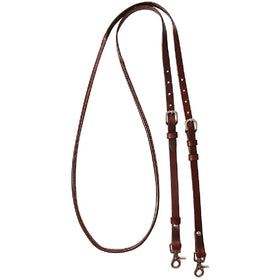
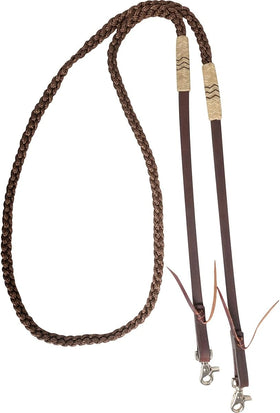
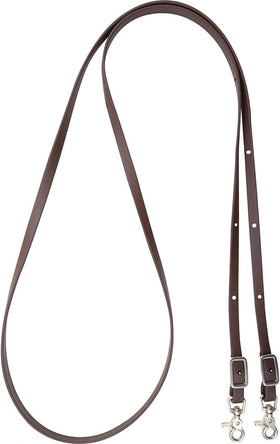
How to Choose the Right Leather Roping Reins
Selecting the right roping reins is about more than just looks; it’s about finding the perfect tool for clear communication between you and your horse. The right pair will feel like a natural extension of your hands, providing the control and confidence you need in the arena or on the trail. When you’re ready to choose, focus on a few key areas: the length and weight, the hardware and bit connection, the quality of the craftsmanship, and the overall fit for your hands and riding style. Breaking it down this way makes it much easier to find a set of reins you’ll love for years to come.
Getting the Feel Right: Length, Weight, and Balance
Most roping reins are a single, continuous piece of leather, typically measuring between seven and eight feet long. The right length gives you enough slack to work with but not so much that it gets in your way. The weight of the rein, often determined by its width, is another point of personal preference. Heavier reins tend to lay quietly on a horse’s neck, while lighter reins can feel more responsive. The goal is to find a set that feels balanced in your hands. A well-balanced rein is essential for effective communication, as it allows you to send subtle, clear cues that your horse can easily understand and respond to.
Specialty Features like Weighted Ends and Markers
Beyond the leather itself, certain features can make a big difference in how your reins perform. Weighted ends are a great example. They add just enough heft to help the reins lay flat against your horse's neck, preventing them from bouncing around during a run. This stability gives you a better feel and a more direct line of communication, allowing for quicker, more precise cues when every second counts. For ropers, that steady connection can be the difference between a good run and a great one, giving you the confidence that your cues are being felt clearly.
Other practical features to look for are rein markers or quick-change ends. If you ride multiple horses or switch bits often, quick-change tabs are a game-changer. They let you swap out your bit in seconds without needing any tools, saving you time and hassle in the tack room. Some reins also include subtle leather markers that help you keep your rein length even, which is great for maintaining consistency. These thoughtful details are all part of finding the right horse tack that works for you, letting you spend less time adjusting gear and more time focusing on your ride.
Ensuring Your Reins and Bit Work Together
The hardware is what connects your reins to the bit, making it a small but mighty feature. You’ll commonly see options like scissor snaps for quick changes or traditional leather water loops (tie ends) for a secure, classic look. Some reins even come with special quick-change hardware, which is a great feature if you ride multiple horses or use different bits. Before you commit, double-check that the hardware is compatible with your bit and made from a quality material like stainless steel that resists rust and wear. Our collection of horse tack features reins with various hardware options to match your setup.
Connecting to the Bit: Slobber Straps and Rein Ends
Slobber straps are another way to connect your reins to the bit, and they serve a purpose beyond just being a connector. These pieces of heavy leather add weight to the end of your reins, which helps provide a pre-signal to your horse. When you pick up the reins, the weight of the slobber straps moves first, giving your horse a subtle cue before the bit even engages. This can lead to a softer, more responsive feel. The rein ends themselves, whether they are simple water loops or feature quick-change snaps, must be secure and well-made. When you're looking at your overall setup, make sure every piece of your horse tack, from the bit to the rein ends, is made from quality materials that you can trust ride after ride.
What Good Craftsmanship Looks Like
A good pair of roping reins is an investment in your safety and performance, so don’t overlook the craftsmanship. Look closely at the stitching, especially at stress points like the bit ends. The stitches should be tight, even, and uniform, which is a sign of durability. Handmade reins often exhibit superior stitching that’s built to withstand the rigors of regular use. You should also feel the edges of the leather. Quality reins have smooth, beveled edges that won’t chafe your horse’s neck or feel rough in your hands. This attention to detail is a hallmark of excellent craftsmanship.
The "Broke-In" Feel: Hand-Rubbed and Oiled Finishes
There’s nothing better than a new pair of reins that already feels like an old favorite. The best leather artisans aim for this "broke-in" feel right from the start. Through a meticulous process of hand-rubbing, hand-oiling, and hand-finishing, they transform a fresh hide into a rein that feels supple and comfortable in your hands from the very first ride. This process eliminates the stiff, awkward phase that can come with new leather, giving you a product that’s ready to perform. This immediate comfort translates to better communication with your horse and more confidence for you in the saddle.
Braid Styles, Lacing, and Grip
The design of the rein itself plays a huge role in how secure your grip feels. If you want extra confidence in your hold, look for reins with braided sections, hand-laced details, or a rolled center. These features add texture and dimension to the leather, giving your hands more to hold onto. You’ll find various braid styles, from a simple 3-plait to a more intricate 5-plait, each offering a slightly different feel. While a smooth rein is classic, these textured designs provide an enhanced grip that can be a game-changer, especially during fast work or in wet conditions. It’s a small detail that makes a big difference in control.
Hardware Quality: Snaps, Buckles, and Ties
The hardware on your reins is more than just a connector; it’s a critical point of contact that needs to be reliable. You’ll find different styles, from convenient scissor snaps that allow for quick bit changes to traditional leather water loops (tie ends) that offer a classic and incredibly secure attachment. Regardless of the style you choose, pay close attention to the material. High-quality hardware made from stainless steel or solid brass will resist rust and wear, ensuring it won’t fail you when you need it most. The quality of the hardware is a direct reflection of the overall quality of the horse tack.
The "Made in the USA" Mark of Quality
When you see a "Made in the USA" stamp on a pair of reins, it often signifies a higher level of quality and attention to detail. American-made tack is frequently crafted by skilled artisans who have access to premium domestic materials, like top-grade, American-tanned leather. This commitment to local manufacturing usually comes with rigorous quality control, resulting in a more durable and reliable product. While it’s not the only indicator of excellence, choosing American-made reins is often a great way to invest in superior craftsmanship that’s built to last for years of hard work in the arena.
The Final Check: Is It the Right Fit?
While length is important, the perfect fit is also about how the reins feel in your hands. The width of the rein, such as 5/8-inch or 3/4-inch, directly impacts your grip. If you have smaller hands, you might find a narrower rein more comfortable and easier to manage. The type of leather also contributes to the feel; some riders love the sturdy, substantial feel of harness leather, while others prefer the soft flexibility of latigo. Ultimately, you want a rein that feels comfortable and secure, giving you the confidence to ride at your best.
Finding Variety in Style, Color, and Size
Beyond Brown: Exploring Different Leather Colors
While the classic, rich brown of harness leather is always a great choice, your roping reins can also be a fun way to show off your personal style. You don't have to stick to tradition if you want to add a pop of color to your setup. Many quality leather reins are available in a variety of shades, including black, tan, and even vibrant colors like red or purple. This gives you the chance to coordinate your reins with the rest of your horse tack, like your saddle pad or breast collar, for a polished, put-together look in the arena. Choosing a unique color doesn't mean you have to sacrifice quality; it's simply about finding a pair that feels good in your hands and reflects your personality.
Choosing Between Oiled and Non-Oiled Finishes
The finish of the leather plays a huge role in how your reins feel from the very first ride. You'll often see reins described as "oiled" or "hand-rubbed." These reins, typically made from latigo or specially treated harness leather, have a waxy, supple feel right out of the box. They feel broken-in and ready to go, offering a comfortable grip from day one. On the other hand, traditional non-oiled harness leather has a firmer, more substantial feel initially. While it might take a few rides to soften up, this type of leather molds to your hands over time, creating a truly custom fit. Neither is better than the other; it’s about whether you prefer an instantly soft feel or enjoy the process of breaking in your gear.
Finding Reins for Ponies and Smaller Horses
A standard eight-foot roping rein might be perfect for a quarter horse, but it can be a handful if you're riding a pony or a smaller horse. Having too much extra rein isn't just awkward; it can be a safety issue, creating loops that can easily get snagged. Thankfully, many manufacturers offer roping reins in shorter lengths specifically for smaller equines. Finding a pair that fits your horse's size is just as important as finding one that fits your hands. The right length ensures you have precise communication and control without wrestling with excess leather. It’s all about creating a safe and effective setup for both you and your partner, no matter their size.
How Much Should You Spend on Roping Reins?
When you start shopping for roping reins, you'll notice the prices can be all over the map. A simple pair might seem like a bargain, while a custom set can feel like a major investment. It’s easy to wonder why there’s such a big difference. The good news is that there’s a reason for the range, and understanding what goes into the cost will help you find the best value for your needs and budget. Let's break down the key factors that influence the price tag.
What Are You Paying For? Price Factors Explained
The price of roping reins is mainly determined by two things: the materials used and the level of craftsmanship involved. You can find basic poly reins for under $30, while intricate, hand-plaited rawhide reins can cost over a thousand dollars. The biggest factor in this range is the quality of the leather. A rein made from a premium, durable hide like Hermann Oak harness leather will naturally cost more than one made from a standard-grade material. Beyond the leather itself, the quality of the hardware and the attention to detail, like precise stitching and carefully beveled edges, also play a significant role in the final price.
Example Price Range for Quality Reins
So, what's a realistic budget for a solid pair of roping reins? For a quality set of leather reins that will feel great and last for years, you can generally expect to spend between $50 and $150. In this price range, you'll find reins made from excellent materials like Hermann Oak harness leather, featuring durable hardware and thoughtful craftsmanship. These are the workhorse reins that offer a fantastic balance of performance and value. While you can certainly find options for less, they might be made from lower-grade leather or synthetic materials that won't offer the same feel or longevity. Investing in a well-made pair from a trusted brand ensures you're getting reliable horse tack that you can count on every time you ride.
Finding Quality Reins at Every Price Point
While it’s tempting to just look at the price tag, it’s more helpful to think in terms of long-term value. A more expensive pair of reins is often an investment in your performance and your horse’s comfort. High-quality horse tack is designed to provide a better "feel," giving you more precise control and clearer communication with your horse. Plus, well-made reins are built to last through years of hard work, saving you from having to buy replacements down the road. Ultimately, a good pair of reins gives you confidence every time you swing a leg over the saddle, and that’s a value you can’t put a price on.
What to Expect from a Great Retailer
Choosing the right roping reins is a big decision, but where you buy them from is just as important. A great retailer does more than just process your order; they provide an experience that gives you confidence in your purchase. When you're investing in essential gear, you want to know you're supported by a company that stands behind its products and understands your needs as a rider. From clear shipping policies and strong guarantees to expert customer support, the right retailer makes it easy to get the high-quality equipment you need. This support is especially crucial when you're buying specialized items like roping reins, where small details can make a big difference in performance and safety.
Shipping and Satisfaction Guarantees
A reputable retailer will always be transparent about their shipping policies. You should be able to easily find information on shipping times, costs, and tracking, so you know exactly when to expect your new reins. Top-tier companies often go a step further to make the process as smooth as possible, offering perks like free shipping with no minimum purchase, which removes any guesswork from the final cost. Some even provide same-day shipping if you order by a certain time, ensuring you get your gear quickly. These aren't just conveniences; they're signs of a retailer that respects your time and is committed to getting you what you need for your horse without delay.
Beyond fast shipping, look for a strong satisfaction guarantee. This is one of the clearest indicators that a company truly believes in the quality of its products. A generous return or exchange policy gives you the peace of mind to try out a new pair of reins, knowing that if they don't meet your expectations, you're not stuck with them. For example, a 365-day satisfaction guarantee shows incredible confidence and a deep commitment to customer happiness. When a retailer stands behind their horse tack with that level of assurance, you can feel confident that you're investing in gear that's built to perform and last.
Customer Support and Payment Options
When you're buying specialized equipment, having access to a knowledgeable support team is invaluable. A great retailer has staff who can do more than just look up an order number; they can answer your questions about leather types, rein weights, or hardware compatibility. This is where decades of experience really shine. A family-owned business with a long history in the equestrian world often has a team that genuinely understands the products because they use them, too. This expertise helps you make an informed choice, ensuring you find the perfect reins for your specific needs and riding style, rather than just guessing.
Finally, a good retailer makes it easy for you to invest in quality gear. High-end roping reins are an investment, and flexible payment options can make them more accessible. Look for companies that offer multiple ways to pay, such as major credit cards, PayPal, or other financing plans. This flexibility allows you to get the durable, high-performance reins you need without having to compromise on quality due to budget constraints. It shows that the retailer understands that quality equipment is important and wants to help you get the best gear for you and your horse, making the entire purchasing process straightforward and stress-free.
How to Make Your Leather Reins Last
Your leather roping reins are an investment in your performance and safety. Like a favorite pair of boots, they get better with age, but only if you take care of them. Proper care ensures your reins stay strong, supple, and reliable for years to come. It doesn't take much time, and building a simple routine will protect your gear and keep you safe in the saddle.
The Right Way to Clean Your Leather Reins
Think of cleaning your reins as a non-negotiable part of your post-ride routine. A quick wipe-down with a damp cloth after every use removes sweat and dirt, which can break down leather fibers over time. This simple step prevents grime from building up and saves you a bigger cleaning job later. For a more thorough cleaning, you’ll want to use a mild soap specifically designed for leather. Harsh soaps or chemicals can strip the leather of its essential oils, leaving it dry and brittle. Gently work the cleaner into the leather with a soft sponge, then wipe away any excess suds. Always let your reins air dry completely, but keep them away from direct sunlight or heat, which can cause them to crack. You can find excellent leather care products to keep your tack in prime condition.
When and How to Condition Your Reins
If cleaning is like washing your hair, conditioning is like using a deep conditioner. It replenishes the oils in the leather, keeping it flexible, strong, and resistant to water. Without regular conditioning, leather can dry out, crack, and eventually break. It’s a crucial step for extending the life of your reins. Plan to condition your leather every few months, or more often if you ride in a very dry or wet climate. Apply a small amount of a high-quality leather conditioner with a soft, clean cloth, working it into the leather in a circular motion. Make sure you cover the entire surface evenly. Let the reins sit for a while so the conditioner can fully absorb before you wipe off any excess. This little bit of effort will keep your reins feeling soft and new.
How to Store Your Reins to Prevent Damage
How you store your reins is just as important as how you clean them. Tossing them in a pile on the floor is a recipe for kinks, creases, and damage. Proper storage helps your reins maintain their shape and protects them from environmental damage that can weaken the leather. Always store them in a cool, dry place away from direct sunlight, which can cause the leather to fade and dry out. The best way to store your reins is to hang them. Use a rounded tack hook or a padded hanger to prevent sharp bends or creases from forming. Avoid folding them tightly or leaving them crumpled in a tack trunk, as this can create permanent weak spots in the leather.
When Is It Time to Replace Your Reins?
Before every ride, take a minute to give your reins a quick inspection. This habit is one of the most important things you can do for your safety. Catching a small crack or a bit of worn stitching early can prevent a dangerous equipment failure when you’re in the saddle. Carefully inspect and maintain your leather goods by looking for any signs of wear, especially cracking, fraying, or stretching. Pay close attention to the areas that get the most stress, like where the reins attach to the bit and around the buckle holes. If you find significant damage, it’s always safer to repair or replace the reins. If it's time for a new pair, you can explore our full collection of horse tack to find the perfect replacement.
Related Articles
- Roping Reins 101: Choose the Perfect Pair
- The Ultimate Guide to Roping Reins for Riders
- Martin Saddlery Roping Rein
Frequently Asked Questions
What is the main advantage of a single roping rein over split reins? The biggest advantage is security. A single, continuous roping rein is designed so you can't accidentally drop one side while you're focused on your rope and the steer. This design allows for confident one-handed control, which is essential in roping. They are also typically heavier and more substantial, providing a clear and steady line of communication with your horse during fast-paced action.
How do I decide between harness and latigo leather for my reins? This choice really comes down to the feel you prefer in your hands. Harness leather is incredibly strong and has a firm, solid feel that softens and molds to your grip over time, creating a custom fit. Latigo leather is combination-tanned to be more pliable from the start, offering a softer, slightly waxy feel right off the shelf. Neither is better than the other; it's about finding what gives you the most confidence and comfort.
How often should I actually clean and condition my leather reins? A good habit is to give your reins a quick wipe with a damp cloth after every ride to remove sweat and dirt. For a deeper clean with a proper leather soap, once a month is a great goal if you ride regularly. You should condition them every few months, or whenever the leather starts to feel a bit dry or stiff. If you ride in a very dry or wet climate, you may need to condition them more frequently to keep them supple and strong.
Can I use roping reins for other disciplines besides roping? Absolutely. While they are designed for the demands of roping, their durability and straightforward design make them a fantastic, reliable option for trail riding, ranch work, or general training. Many riders appreciate the secure feel and simplicity of a single, sturdy rein for everyday riding, making them a very versatile piece of equipment to have in your tack room.
I'm buying my first pair of roping reins. What is the most important thing to look for? Focus on the quality of the leather and the overall craftsmanship. A good pair of reins should feel balanced in your hands and be made from a durable hide that will stand up to hard work. Check the stitching to make sure it's tight and even, and feel the edges to ensure they are smooth. Investing in well-made horse tack from the start is an investment in your safety and your horse's comfort.


