


Finding the right pair of horse spurs isn't about picking the shiniest ones. It’s about choosing the perfect tool to refine the conversation between you and your horse. There's no single 'best' pair. The ideal choice depends on a thoughtful balance of your horse's temperament, your riding discipline, and your own experience in the saddle. A poorly chosen spur can create confusion, while the right one can make your aids clearer and your connection stronger. Before you start looking at equestrian spurs for sale, it’s essential to assess your specific needs. This guide will help you make a confident choice that fosters a more responsive and harmonious ride.
Key Takeaways
- Spurs refine your aids, they don't replace them: The goal is to use spurs to make your leg cues more precise, not louder. This mindset is crucial and requires a rider to have a quiet, independent leg before even considering them.
- Select spurs based on your horse, discipline, and skill: There's no single "best" spur. The right choice is a careful balance, matching a gentle option like a ball spur to a sensitive horse or a specific rowel to the demands of your sport.
- Correct fit and application are non-negotiable: A spur must sit securely on your boot to be effective. Always use your leg first, and only then apply a brief, intentional touch with the spur to reinforce your request.
What Are Horse Spurs and Why Do Riders Use Them?
If you're new to the equestrian world, spurs can seem a bit intimidating. But let's clear the air: when used correctly, spurs are not about punishment. Think of them as a tool for refining the conversation you're having with your horse. They are designed to help you give clearer, more precise signals, essentially making your leg commands more effective. Instead of a general nudge, a spur offers a specific touch, helping your horse understand exactly what you're asking.
This level of detailed communication is essential in many riding disciplines where subtle cues can make all the difference in performance and safety. A well-timed touch from a spur can encourage a horse to engage its hindquarters, move laterally with more precision, or maintain forward momentum. It’s all about enhancing the aids you’re already giving with your legs, seat, and hands. When a rider has developed a stable leg and independent seat, spurs can become a valuable part of their horse tack, allowing for a quieter, more nuanced ride. The goal is always to use the lightest aid possible, and for some horse and rider pairs, spurs help achieve that.
How Spurs Help You Communicate Clearly
Not all spurs are created equal, and the style you choose can significantly impact your communication. Different designs work better for different disciplines because they offer varying levels of precision. For example, rowel spurs, which have a small, often rotating wheel at the end, are common in Western disciplines like reining or cutting. In these sports, riders need to give very specific, defined cues to guide their horses through complex patterns. The type of spur you use acts as a specific dialect in your conversation, ensuring your horse understands the finer points of what you’re asking.
Are You and Your Horse Ready for Spurs?
So, how do you know if you're ready for spurs? The key is having a steady, controlled leg. If you're just starting out, it’s wise to begin with a pair of short, rounded spurs, often called "knob" or "ball" spurs. This allows you to get accustomed to giving commands without accidentally jabbing or overwhelming your horse. The correct way to use a spur is with a deliberate, momentary touch. It involves intentionally turning your heel inward just enough for the spur to make contact with the horse's side. It’s a whisper, not a shout, meant to reinforce a leg cue your horse may have ignored.
The Philosophy Behind Using Spurs Correctly
The most important shift in thinking when it comes to spurs is understanding their purpose. They aren't a gas pedal or a tool for punishment. Instead, think of them as a way to refine the conversation you're already having with your horse. A rider with a quiet, independent leg can use a spur to add clarity and subtlety to their cues, asking for a more specific response without having to use a bigger, less precise leg aid. This approach is built on a foundation of good horsemanship, where the goal is always to use the lightest pressure necessary to get the desired response. It’s about creating a more responsive partner, not a faster one.
Refining Cues, Not Forcing Speed
The true purpose of a spur is to enhance communication, not to create speed or force a reaction. When used correctly, spurs allow for incredibly subtle and precise cues that help your horse become more responsive and "soft" to your leg. It’s the difference between a general nudge with your whole calf and a very specific touch that asks for a particular movement, like moving the haunches over or engaging the hind end. This level of precision fosters a more harmonious partnership, turning a shout into a whisper. Your horse learns to listen for these quieter aids, which ultimately makes for a more relaxed and attentive ride for both of you.
The "Leg First" Principle
A core rule in educated riding is "leg first, always." This means your primary cue should always come from your calf and lower leg. The spur is only used as a reinforcement if your horse doesn't respond to the initial, lighter aid. This hierarchy is crucial because it teaches your horse to listen to the softest signal possible. By consistently applying your leg first, you condition your horse to respond before a spur is even needed. The spur then becomes a secondary tool in your collection of horse tack, reserved for moments when you need to clarify your request, not make the initial request itself. This ensures the spur remains an effective communication tool rather than becoming background noise your horse learns to ignore.
Establishing Leg Aids Before Introducing Spurs
Before you even think about strapping on a pair of spurs, you need to have a steady and effective leg. This is a non-negotiable foundation. Your leg should be able to give clear signals without involuntary movement, and you should have an independent seat that doesn't rely on gripping with your legs for balance. Always start by asking with the calf of your leg first. If you don't get the response you're looking for, then you can gently press with the spur. Mastering this sequence ensures that when you do introduce a spur, it serves its intended purpose as a gentle reinforcement, preventing confusion or discomfort for your horse.
Applying Pressure with Finesse
Using a spur correctly is an art of finesse, not force. The proper application is a deliberate, momentary touch, not a jab or a constant grind. It involves consciously turning your heel inward just enough for the spur to make contact with your horse's side for a brief moment. This intentional movement reinforces the leg cue you just gave. The key is that the touch is both intentional and brief. It’s a clear signal that is immediately released once your horse responds. This teaches your horse to react to the light pressure, knowing it will be removed as soon as they offer the correct answer, which is the basis of effective pressure-and-release training.
Breaking Down the Different Types of Horse Spurs
Walking into a tack shop can feel a bit overwhelming when you see a wall of spurs in all shapes and sizes. They aren’t just for looks; each design offers a unique way to communicate with your horse. The right pair can refine your leg aids, turning a nudge into a clear, precise request. The key is finding the style that matches your riding discipline, your experience level, and, most importantly, your horse’s sensitivity.
Think of spurs as a tool for clarification, not punishment. A rider with quiet, controlled legs uses them to add a layer of detail to their cues that a boot heel alone can’t provide. From the gentle nudge of a ball end to the specific signal of a rowel, the type of spur you choose directly impacts the conversation you have with your horse. Let’s look at the most common types you’ll find in our horse tack collection so you can make an informed choice.
Rowel Spurs: The Classic Western Choice
Rowel spurs are easily identified by the small, rotating wheel at the end of the shank. This wheel, or rowel, can have blunt or pointed teeth, and it’s designed to roll along the horse’s side, providing a distinct signal. You’ll often see these in Western disciplines like reining, where riders need to give very precise cues for complex maneuvers. Because the rowel moves, it can offer a clearer, more specific aid than a fixed-end spur. However, they require a steady leg and an experienced hand to be used correctly and humanely.
Ball Spurs: A Gentler Option
If you have a sensitive horse or are new to using spurs, the ball spur is an excellent choice. Just as the name suggests, this type features a smooth, rounded metal ball at the end of the shank. It provides a soft, gentle pressure that encourages your horse to move away from your leg without a sharp poke. This design minimizes the risk of irritating a thin-skinned horse, making it a popular option in dressage and for general training. It’s a great way to add a touch of reinforcement to your leg aids while prioritizing your horse’s comfort.
Knob End Spurs: For Precise Cues
Don’t let the name intimidate you. Spike spurs, often called knob-end spurs, don’t have a sharp point. Instead, they have a fixed, blunt end that provides a more direct and assertive cue than a ball spur. These are typically used by experienced riders on horses that may not respond to subtler aids. The fixed point allows for a very specific application of pressure. They are a straightforward tool for clear communication, but like any spur, they should be used with a light touch and a quiet leg to avoid over-cueing or upsetting your horse.
Prince of Wales: The English Riding Staple
A true classic in the English riding world, the Prince of Wales spur is known for its versatility. It features a flat, blunt end, often described as a "hammerhead" shape, that offers a happy medium between the gentle pressure of a ball spur and the directness of a spike spur. This makes it a fantastic all-around option suitable for various disciplines, from jumping to eventing. It provides a clear signal without being overly harsh, which is why it’s a go-to for so many riders looking for a reliable and effective tool for daily work.
Dummy Spurs: All the Look, None of the Point
Dummy spurs are exactly what they sound like—spurs with no functional end. The shank is short and completely blunt, meaning they provide no reinforcement. So, why use them? They’re a fantastic training tool for riders learning to keep their heels down and maintain a steady leg position without accidentally jabbing their horse. They can also be used to accustom a young or green horse to the feeling of having spurs on before moving to a functional pair. For some competitions, they simply complete the traditional look without affecting the horse.
Roller Spurs
Roller spurs are a modern take on the traditional rowel, designed with the horse’s comfort in mind. Instead of a wheel with points, they feature a small, smooth ball or a smooth, cylindrical roller that glides along the horse's side. This design provides a gentle, rolling pressure rather than a fixed poke, making it a fantastic option for sensitive horses that might overreact to a sharper cue. The movement of the roller disperses the pressure over a slightly wider area, offering a softer signal. They are an excellent choice for riders who want to refine their aids with an incredibly subtle touch, ensuring the message is clear without causing any irritation or discomfort to their equine partner.
Soft Touch and Humane Spurs
The term "humane spurs" might sound redundant—all spurs should be used humanely—but this category refers to designs specifically created to be as gentle as possible. These often include ball spurs, which we've discussed, as well as spurs with rubber-covered ends or wide, smooth surfaces. The primary goal of a soft touch spur is to provide a broad, dull pressure that encourages a response without any risk of poking or marking a thin-skinned horse. They are the perfect starting point for riders new to spurs or for those working with green horses. At Hooves and Paws, we believe in prioritizing the horse's well-being, which is why we offer a variety of humane spur options that help you communicate effectively and kindly.
Jingle Bob Spurs
A hallmark of traditional Western riding, jingle bob spurs add an auditory element to your cues. These are a type of rowel spur that features small, dangling pendants, or "bobs," attached to the rowel. As the rider's foot moves, the bobs create a subtle jingling sound. This sound acts as a secondary, pre-emptive cue, letting the horse know a leg aid might be coming. For some horses, this auditory signal is enough to get a response, reducing the need for physical contact. While they are more of a specialty item tied to certain Western traditions, they showcase another way riders have adapted their tools to create a more nuanced conversation with their horses.
Shop This Post

Featured in this article
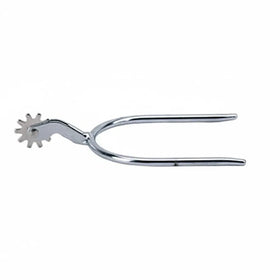
Weaver Leather Women's 21st Century Stainless Steel Spurs - 1" Shank, 3/4" Band
$56.99
Shop Now →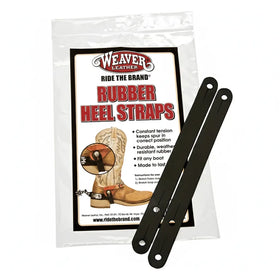

Does the Spur Material Really Matter?
So, does the material of your spurs actually make a difference? The short answer is yes, it absolutely does. The material impacts everything from the spur’s weight and durability to how it feels on your boot and communicates with your horse. While it might seem like a small detail, choosing the right material can affect your comfort and the longevity of your equipment. Think about your daily riding conditions—are you often in wet weather where rust could be an issue? Or maybe you prefer the lightest possible feel on your heel.
Different materials are suited for different needs and disciplines. Stainless steel is a classic for a reason, offering unmatched durability. Aluminum provides a lighter alternative, popular in Western disciplines, while plastic is a fantastic starting point for green riders or sensitive horses. It’s not just about looks; it’s about finding the right tool for the job. As you explore your options, consider how each material aligns with your riding style, your horse’s temperament, and the kind of wear and tear you’ll be putting them through.
Stainless Steel: The Durable All-Rounder
If you’re looking for a reliable, workhorse pair of spurs, stainless steel is your best bet. These spurs are incredibly popular across various disciplines because they are built to last. Their biggest advantage is their resistance to rust and bending, which means you can count on them to hold up through countless rides, rain or shine. This durability also ensures a consistent feel against your horse’s side, so your cues remain clear and predictable. For many equestrians, a quality pair of stainless steel spurs is a one-time purchase that becomes a staple in their horse tack collection for years.
Aluminum: Lightweight and Colorful
For riders who prefer a lighter feel, aluminum spurs are an excellent choice. The reduced weight can make them more comfortable to wear, especially during long hours in the saddle. You’ll often see them in Western riding, where they come in a wide array of intricate designs and finishes, allowing you to add a bit of personal style to your gear. While they may not have the same heft as stainless steel, well-made aluminum spurs are still plenty durable for regular use. They offer a great balance of comfort, function, and style for the discerning rider.
Plastic Spurs: A Great Starting Point
Don’t let the material fool you—plastic spurs have a very important place in the tack room. Often called “dummy” spurs, they are specifically designed to be milder and are perfect for two key situations: training new riders and working with sensitive horses. For riders just learning to use their leg aids with a spur, the softer material provides a gentle introduction without being overly sharp. Similarly, for horses that are highly responsive or thin-skinned, a plastic spur offers a subtle cue that’s less likely to cause irritation or overreaction. They are a smart, kind tool for refining communication.
German Silver: The Premium Choice
When you're looking for a spur that combines timeless elegance with serious durability, German silver is the top contender. Despite its name, it’s not actually silver but a strong nickel-copper alloy prized for its beautiful finish and resistance to tarnishing. This material gives the spurs a refined, classic look that holds up to the demands of daily riding. You’ll often see them in disciplines like dressage, where both aesthetics and performance are paramount. Riders choose German silver because it offers a perfect combination of style and functionality, making it a worthwhile investment for your tack collection. It’s a premium choice for those who want equipment that looks as good as it performs.
Composite Materials: Modern and Versatile
Composite materials are a more recent innovation in the equestrian world, offering a lightweight and versatile alternative to traditional metal. These spurs are designed with both comfort and function in mind, making them a fantastic option for a wide range of riders and disciplines. Their biggest advantage is their ability to provide a gentler touch, which is ideal if you have a sensitive horse or are just learning how to use spurs yourself. Because they are less harsh than metal, they offer a more forgiving introduction to spur use. This makes them a smart choice for fostering clear communication without overwhelming your horse.
Don't Forget the Straps: What to Look For
A great pair of spurs is useless without a reliable set of straps to keep them in place. The straps are what secure the spur to your boot heel, ensuring it stays in the correct position to deliver precise, intentional cues. Look for straps made from high-quality leather or a durable synthetic material that won’t stretch or snap under pressure. A secure fit is non-negotiable for both safety and effectiveness. Investing in good straps is just as important as choosing the right spurs, as they work together to complete your riding equipment.
How Much Should You Spend on Spurs?
Deciding on a budget for spurs can feel tricky, but the price often comes down to the materials, craftsmanship, and intended use. You don't need to break the bank to get a functional pair, but investing a bit more can pay off in durability and performance. Whether you're just starting out or competing at a high level, there's a perfect pair of spurs that fits your needs and your wallet.
The key is to match your investment to your experience level and riding goals. A beginner learning to refine their leg cues has different needs than a professional dressage rider who relies on the most subtle signals. Think of it this way: you're choosing a tool to enhance communication with your horse. The right pair will feel like a natural extension of your leg, while the wrong one can be ineffective or uncomfortable. Let's walk through the different price points to help you find the right balance of quality and cost for your journey in the saddle.
Starter Spurs: What to Expect for $15-$40
If you're new to using spurs or just need a basic pair for occasional use, you can find perfectly good options in the $15 to $40 range. These spurs are typically made from simple, durable materials and are designed to be functional without a lot of bells and whistles. They're a fantastic way to get a feel for using this tool without a big financial commitment. As many seasoned riders suggest, it’s often wise to buy an inexpensive pair first to see what works for you and your horse. This price range gives you the freedom to experiment and learn before deciding to upgrade.
Everyday Quality: The $40-$80 Sweet Spot
For riders looking for a step up in durability and design, the $40 to $80 range offers a sweet spot. In this category, you’ll find spurs made from higher-quality stainless steel with better craftsmanship and more refined details. Many riders feel that spurs under a certain price point can look and feel flimsy, so spending a little more can give you peace of mind. If you're riding regularly and want a reliable pair that will last, exploring these affordable good quality spurs is a great idea. They provide a noticeable improvement in balance and finish that both you and your horse will appreciate.
Show-Ready Spurs: Investing $80 and Up
When precision and performance are top priorities, investing in a premium pair of spurs is well worth it. Priced from $80 to over $200, these are crafted for serious equestrians and competitors. They often feature advanced ergonomic designs, specialized rowels, and superior materials that allow for incredibly subtle and precise communication. The goal of any spur is to help the rider give clear signals to the horse, and these high-end models excel at that. They are built for comfort, effectiveness, and longevity, making them a trusted piece of your horse tack for years to come.
How to Choose the Right Horse Spurs
Selecting the right pair of spurs is about finding the perfect tool to refine the conversation between you and your horse. It’s not a one-size-fits-all decision. The ideal choice depends on a thoughtful balance of your horse's temperament, your riding discipline, your own experience in the saddle, and a proper fit. Think of spurs as an extension of your leg, meant to provide a subtle, precise cue that a simple leg squeeze can’t always achieve. An overly harsh or poorly chosen spur can create confusion and resistance, while the right one can make your aids clearer and your partnership stronger.
Before you make a purchase, it’s essential to assess these four key areas. By taking the time to understand your specific needs, you can choose a pair of spurs that serves as an effective communication tool, fostering a more responsive and harmonious ride. This careful consideration ensures the welfare of your horse and helps you become a more effective rider. Let’s walk through what you need to know to make a confident choice.
Start with Your Horse's Sensitivity
Every horse responds to pressure differently, and your first consideration should always be your partner’s comfort and temperament. A sensitive horse that reacts quickly to a light leg cue needs a much gentler spur. For these horses, it's best to use mild options like ball spurs or short, flat-end spurs with a rounded finish. These designs provide a soft, clear impulse without being sharp or severe, ensuring effective communication without causing discomfort.
On the other hand, a more stoic or less forward horse might not notice a very mild spur. Even so, the rule is to always start with the gentlest option possible and only increase the pressure if absolutely necessary. The goal is to whisper, not to shout. Paying close attention to your horse’s reactions will tell you everything you need to know.
Match the Spur to Your Discipline
Different equestrian sports have their own unique demands and traditions when it comes to spurs. For example, Western disciplines like reining or cutting often use rowel spurs, as the specific movements require very precise and clear cues for spins, stops, and rollbacks. In the English world, dressage riders might use a Prince of Wales or swan neck spur to deliver subtle aids for complex lateral movements.
Before you buy, always check the rulebook for your specific discipline. Many organizations have strict regulations about the type, length, and style of spurs allowed in competition. Choosing a spur that’s appropriate for your sport ensures you’re not only following the rules but also using a tool that’s designed to help you succeed.
Spurs in Roping, Bull Riding, and Saddle Bronc
In the high-speed world of rodeo, spurs play a very different role. For events like roping, bull riding, and saddle bronc, they’re less about subtle refinement and more about maintaining grip and control. When you’re trying to stay on a powerful bucking animal, spurs help you anchor yourself and deliver clear, immediate cues. The technique varies by event; saddle bronc riding, for example, requires a rhythmic finesse to score points, while bull riding is more about using the spurs to help maintain your seat. It’s important to know that sanctioned rodeos operate under strict animal welfare rules, which mandate that spurs have dull, free-spinning rowels to prevent injury. These are specialized tools designed for safety and control in some of the most demanding equestrian sports.
Be Honest About Your Experience Level
Spurs are a tool for experienced riders with a steady leg and an independent seat. If your lower leg isn't quiet, you risk accidentally jabbing your horse with every stride, which can cause pain, create anxiety, and dull their response to your leg aids. If you're new to using spurs, it’s wise to opt for short and strongly rounded spurs, or even "dummy" spurs with no shank at all.
This allows you to get accustomed to the feeling and learn to apply the spur with intention, not by accident. Working with a knowledgeable trainer is the best way to learn how and when to use them correctly. Remember, earning the right to wear spurs is a milestone in a rider's journey.
Why the Right Fit is Non-Negotiable
A spur that doesn’t fit your boot correctly is both ineffective and uncomfortable. A proper fit ensures the spur stays securely on your boot’s spur rest without sliding down or wiggling around. The band should feel snug across your instep and around the heel, but it shouldn't pinch or rub your foot. An ill-fitting spur can be a constant distraction and will prevent you from giving consistent, clear cues to your horse.
When trying on spurs, wear the boots you ride in most often. Check that the band is wide enough for your boot and that the strap holes allow for a secure adjustment. Finding the right fit is a simple but crucial step in selecting the perfect pair from our collection of horse tack.
Anatomy of a Spur: What to Look For
Once you have a general idea of the type of spur you need, it’s time to look at the finer details. The specific features of a spur—from the length of the shank to the style of the rowel—play a huge role in how it functions. These small variations determine how your leg cues are translated to your horse, so paying attention to them is key to finding the perfect pair. Think of it like choosing the right tool for a specific job; the details make all the difference in achieving clear, quiet communication.
The Core Components: Band, Shank, and Rowel
Every spur is made up of three essential parts that work together: the band, the shank, and the rowel. The band is the U-shaped part that wraps around your boot's heel; it needs to fit securely across your instep without pinching to be effective. Extending from the band is the shank, which is the arm of the spur. Its length and curve determine how easily it makes contact with your horse. Finally, at the tip of the shank, you'll find the rowel—the rotating wheel—or a blunt end. The design of the rowel is crucial; generally, more teeth create a gentler, more distributed cue, while fewer teeth provide a sharper signal. Understanding how these components function is key to selecting the right horse riding spurs for clear communication.
Shank Length: How Long is Too Long?
The shank is the part of the spur that extends from the heel band toward your horse. Its length and angle are critical because they dictate how much leg movement is needed to make contact. A longer shank requires a more subtle leg movement, making it suitable for experienced riders with quiet legs. In contrast, a shorter shank provides a wider margin for error, making it a safer choice for less experienced riders.
The angle of the shank also matters. Some shanks are straight, while others curve downward. A "drop shank" that angles down can be helpful for riders with longer legs on smaller horses, ensuring the spur makes contact at the right spot. Different styles of horse tack are suited for different disciplines, and the shank length you choose should align with your specific riding style and your horse’s needs.
Rowels: To Spin or Not to Spin?
If you’re looking at rowel spurs, you’ll notice the little wheels at the end come in many different designs. Some have blunt, rounded points like a cloverleaf, while others have more defined points. The key is to understand that more points generally distribute pressure more evenly, making the cue milder. A rowel with 10 small points is often gentler than one with five larger ones.
The rotation of the rowel is also important. A freely spinning rowel is designed to roll across the horse’s side, creating a clear signal without a harsh poke. This rolling action can provide a more distinct and consistent cue, which is why rowel spurs are popular in disciplines like reining that require incredible precision. The goal is always refinement, and the right rowel helps you speak to your horse with clarity.
Understanding Rowel Severity: Teeth and Shape
Beyond the number of points, the actual shape of the rowel’s teeth is a crucial factor in its severity. A rowel with rounded, blunt edges, like a cloverleaf design, is significantly gentler because it distributes pressure over a wider surface area. This type of design provides a clear signal without a sharp poke. In contrast, rowels with pointed or star-shaped teeth concentrate pressure, delivering a much sharper and more immediate cue. These are intended for highly advanced riders who need that level of precision and have the impeccable leg control to use them humanely. When you explore the different rowel designs, you’ll see that even pointed styles can vary in sharpness, but the fundamental rule remains: the blunter and smoother the edge, the milder the spur.
Spur Straps: Finding a Secure, Comfortable Fit
A great pair of spurs is useless without a good set of straps to keep them in place. Spur straps, which are typically made of leather or nylon, secure the spur to your boot. It’s essential that they are adjustable and fit snugly. If a strap is too loose, the spur can slide up or down your heel, making your cues inconsistent and ineffective. If it’s too tight, it can be uncomfortable for you.
Proper fit ensures the spur stays exactly where you want it, allowing you to apply pressure precisely when needed. For riders new to using spurs, starting with a comfortable, secure fit and a very mild spur is the best approach. This allows you to get used to the feel and learn to apply cues gently, ensuring the experience is a positive one for both you and your horse.
Ready to Find Your Perfect Spurs?
Choosing the right spurs is a big decision, and we get that. It’s about finding a tool that refines your communication and strengthens the partnership you have with your horse. With so many options out there, you need a place you can trust to offer quality equipment that puts your horse’s well-being first. That’s where we come in. We’ve done the homework for you, curating a collection that meets our high standards for performance, safety, and durability.
Explore Our Handpicked Selection
Spurs are all about enhancing the conversation you have with your horse, allowing for clearer, more precise cues. Whether you need a simple pair for daily training or something with a bit more flair for the show ring, our collection has you covered. We stock a wide variety of horse tack from trusted brands known for their craftsmanship and commitment to quality. We believe every rider deserves to find equipment that suits their specific discipline and riding style, so we’ve handpicked spurs that offer reliable performance you can count on, ride after ride.
Our Promise to You and Your Horse
Our first priority is always the health and happiness of your horse. We operate on the firm belief that spurs must never injure or restrict the horse in any way. This principle guides every choice we make, from the products we carry to the advice we share. We also know that spurs are a tool for experienced riders with a steady leg and independent seat, as incorrect use can cause confusion or discomfort for the horse. Our 30 years of expertise means we’re committed to not only providing quality products but also promoting responsible horsemanship. When you shop with us, you’re choosing a partner who cares as much about your horse as you do.
Special Features to Look For
Beyond the basic components like the shank and heel band, many modern spurs include thoughtful features designed to improve both function and comfort. These details might seem small, but they can make a big difference in your daily riding experience. From protecting your expensive boots to offering more versatility in your training, these special additions are worth looking for. They show that a manufacturer has considered the practical needs of equestrians, creating a tool that is not only effective but also convenient and durable. Let's look at a couple of features that can make a good pair of spurs even better.
Protective Coatings and Rubber Grips
When you invest in quality riding gear, you want it to last. That’s why features like protective coatings and rubber grips are so valuable. Some spurs come with a black or coated finish that serves a dual purpose: it helps the spur blend seamlessly with your black boots for a polished look and provides an extra layer of protection against rust and wear. Even more practical are the rubber grips you’ll find on the inside of the heel band on some models. This simple addition is a game-changer for keeping your spurs perfectly in place, preventing them from slipping down your heel. It also creates a protective barrier that safeguards your expensive leather boots from getting scuffed or marked by the metal, preserving your investment for years to come.
Interchangeable Rowels for Versatility
For riders who work with multiple horses or need to adapt their aids for different training scenarios, spurs with interchangeable rowels are an incredibly smart choice. This feature allows you to customize a single pair of spurs by simply swapping out the rowel for one that is milder or more direct, depending on your needs. It’s like having several pairs of spurs in one, offering fantastic versatility and value. You can use a smooth, blunt rowel for a sensitive horse and switch to a different style for a horse that requires a clearer signal. This adaptability ensures you always have the right tool to refine your communication without needing a whole collection of different spurs cluttering up your tack trunk.
How to Fit and Use Your Spurs Correctly
Once you’ve chosen your spurs, knowing how to fit and use them properly is essential for clear communication and your horse's comfort. Think of
Getting the Position Just Right
A good spur fit is about more than just comfort—it ensures the spur stays in the right place to deliver a clear signal. Your spur should rest on the spur ledge of your riding boot, sitting snugly just above the heel. When you fasten the strap, it should be firm enough to prevent the spur from sliding up or down, but not so tight that it pinches your boot or restricts your ankle. The buckle should always be on the outside of your boot. Your leg length can also influence your choice; riders with longer legs may find swan neck spurs more effective, while those with shorter legs might prefer a more direct contact from a shorter shank. Finding the right fit is the first step in building a better connection with your horse through your horse tack.
How to Wear Spurs on Your Boots
Putting on your spurs correctly is straightforward once you know the key steps. First, slide the spur onto your boot so that the band rests securely on the spur ledge, which is that little ridge just above your heel. Next, thread the spur strap through the slots on the spur, making sure the buckle ends up on the outside of your boot—this prevents it from catching on your saddle or horse. Fasten the strap so it’s snug enough to keep the spur from moving up or down, but not so tight that it digs into your boot. A proper fit is non-negotiable; it ensures your cues are intentional and that the spur acts as a precise extension of your leg, not a wobbly distraction.
The Art of the Gentle Cue
Spurs are designed to help you be more exact with your cues, not to be rough. The goal is to use the lightest touch possible. Always apply your leg aid first by squeezing with your calf. If your horse doesn’t respond to the initial cue, you can then turn your heel slightly inward to make contact with the spur. It should be a brief touch or a gentle roll, never a jab. For more sensitive horses, consider using ball spurs or those with a rounded end piece, as they provide a softer, broader point of contact. These gentler options can deliver a clear impulse without being overly sharp, making them some of our best-selling products for riders focused on subtle communication.
Spur Safety 101: Keeping Your Horse Happy
Safety should always be your top priority. Spurs are only appropriate for experienced riders who have developed a steady leg and independent seat. An unsteady leg can cause the spur to bump or poke the horse unintentionally, leading to confusion, irritation, or even dulling their response to leg aids. Using them incorrectly can hurt your horse and damage the trust you’ve built. If you plan to compete, always check the official regulations for your discipline, as organizations like the FEI have specific guidelines on spur design and use. Ultimately, the spur should never leave a mark or cause your horse any distress. Your horse’s well-being always comes first.
How to Care for Your Horse Spurs
Your spurs are an investment in your riding, and with a little attention, you can keep them in great shape for years. Proper care not only preserves their appearance but also ensures they function safely and effectively every time you swing into the saddle.
Simple Cleaning and Maintenance
A little care goes a long way in keeping your spurs looking and working their best. Make it a habit to wipe them down with a soft, dry cloth after every ride to remove dirt and moisture. For extra protection against rust, you can apply a very light coat of oil to the metal. This simple routine is the best defense against corrosion. It's also worth remembering that not all stainless steel is created equal; lower-quality alloys can be more prone to rust spots. Investing in a well-made pair from the start means you'll spend less time on maintenance and more time enjoying your ride with reliable horse tack.
Proper Spur Storage
Where you keep your spurs is just as important as how you clean them. The number one rule is to store them in a dry place. Tack rooms can get damp, so avoid leaving your spurs where moisture can settle on them and cause rust. To prevent scratches and dings, it’s a great idea to use a dedicated spur rack or keep them in a box lined with a soft cloth. A protective case is another excellent option, especially if you travel to shows. Proper storage keeps your spurs in pristine condition and ready for your next ride.
When Should You Replace Your Spurs?
Even the best spurs won't last forever. It's important to know when it's time for a replacement to ensure safety and clear communication with your horse. Give your spurs a regular inspection. If you see any cracks, deep rust that won't clean off, or a bent shank, it's definitely time for a new pair. Fit is also a key factor; if they've become loose or uncomfortable, they won't work effectively. Your needs as a rider can also change. The gentle, rounded spurs you started with might not be the right tool as your skills advance. When you're ready for an upgrade, you can explore a new set from our best-selling products.
Frequently Asked Questions
Are spurs cruel to the horse? This is such an important question, and the answer really comes down to the rider, not the tool. When used correctly by a rider with a steady leg and gentle hands, spurs are a tool for refinement, not punishment. They allow for a lighter, more precise cue, essentially letting you whisper a request instead of using a stronger leg squeeze. The goal is always clearer communication, and a correctly used spur should never cause pain or leave a mark.
How do I know if I'm ready to use spurs? The biggest indicator is having a quiet, controlled lower leg. If you can keep your leg still and apply pressure with your calf without your heel accidentally bumping your horse's side, you're on the right track. You should also have an independent seat, meaning you don't rely on your legs for balance. If you're unsure, a great first step is to ride with "dummy" spurs, which have no point. This helps you get used to the feel and ensures you're only making contact when you truly intend to.
My horse seems unresponsive to my leg. Are spurs the solution? Spurs can be a helpful tool for reinforcing a leg cue that a horse might be ignoring, but they aren't a quick fix for a training problem. Before adding spurs, it's a good idea to rule out any other issues. Make sure your horse isn't experiencing pain, your saddle fits correctly, and there aren't other training gaps. Spurs should clarify an existing aid, not become a replacement for good horsemanship and a responsive horse.
Can I use the same pair of spurs for English and Western riding? While it might seem convenient, it's generally not recommended. English and Western disciplines require different types of communication, and the spurs are designed accordingly. Western spurs, often with rowels, are built to give the very specific, quick cues needed for reining or cutting. English spurs, like the Prince of Wales, are designed for the subtle, close-contact communication used in dressage or jumping. Using the right tool for the job ensures your signals are as clear as possible.
How should I introduce spurs to my horse for the first time? A slow and gentle introduction is always best. Start by wearing a very mild pair, like ball spurs, while you groom and tack up so your horse gets used to seeing and hearing them. For your first ride, focus on using your normal leg aids and only add a light touch from the spur if your horse doesn't respond to your initial cue. Keep the session positive and relaxed. The idea is to show your horse that this is just another way you're communicating, not something to be worried about.


