


When a dog pauses before the stairs, takes longer to rise, or loses enthusiasm for a favorite walk, joint support can feel urgent. The green lipped mussel vs glucosamine decision is not simply a choice between a natural ingredient and a familiar one. These ingredients provide different types of nutritional support, and the better fit depends on your dog's needs, current diet, health history, and the quality of the finished supplement.
Shop expert-curated dog joint supplements
Direct answer: Green lipped mussel provides a broad, whole-food mix that includes omega-3 fatty acids and naturally occurring glycosaminoglycans, while glucosamine is a specific compound used to support cartilage and normal joint structure. Neither is automatically better for every dog. Green lipped mussel may suit owners seeking multi-nutrient mobility support, glucosamine may suit those prioritizing a clearly measured cartilage-support ingredient, and a thoughtfully formulated combination can provide both. Ask your veterinarian which approach is appropriate, especially if your dog has pain, shellfish sensitivity, a chronic condition, or takes medication.
This guide explains what each ingredient can reasonably offer, where marketing claims can become misleading, and how to compare real products. It is designed to help you shop with confidence, not diagnose or treat a joint condition. Persistent limping, sudden mobility changes, swelling, or obvious pain should be evaluated by a veterinarian rather than managed with supplements alone.

Shop This Guide
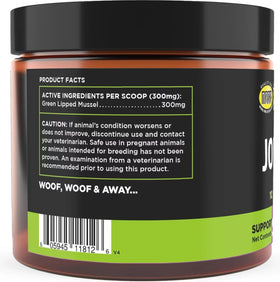
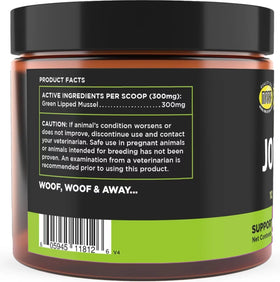
Diggin Joint Power — 100% New Zealand Green Lipped Mussel (5.29 oz)
Single-ingredient GLM powder for dogs & cats — the supplement this guide covers. $42.99
View details →365-day guarantee · Fast 2-day shipping from our American warehouse
Green lipped mussel vs glucosamine at a glance
Both ingredients appear in dog mobility products, but they are not interchangeable. Green lipped mussel, often shortened to GLM, is a shellfish from New Zealand. When processed carefully, it supplies several nutrients in one ingredient. Glucosamine is an amino sugar that may be sourced from shellfish or manufactured through fermentation. It is usually listed as glucosamine hydrochloride or glucosamine sulfate.
The most useful comparison is not which ingredient sounds more powerful. It is whether a product identifies its active ingredients, provides meaningful amounts for your dog's size, comes from a responsible manufacturer, and fits the plan recommended by your veterinarian.
| Comparison point | Green lipped mussel | Glucosamine |
|---|---|---|
| What it is | A whole-food shellfish ingredient | A specific amino sugar compound |
| Primary nutritional role | Broad mobility and joint-comfort support | Cartilage and normal joint-structure support |
| Notable components | Omega-3 fatty acids, glycosaminoglycans, and other nutrients | Glucosamine hydrochloride or glucosamine sulfate |
| Label priority | Source, processing method, and amount per serving | Form and exact milligrams per serving |
| Important caution | May not suit dogs with shellfish sensitivity | Source and suitability can vary by product |
| Can they be combined? | Often included together, but total amounts and veterinary guidance still matter | |
What green lipped mussel offers dogs
Green lipped mussel is valued because it is more than a single isolated compound. It naturally contains marine lipids, including omega-3 fatty acids, along with glycosaminoglycans and other nutrients. In a well-made canine supplement, that profile can support normal joint comfort and mobility as part of a complete care plan. Our complete green lipped mussel guide for dogs offers additional background on serving considerations.
The ingredient's complexity is also why quality evaluation matters. Two products can both say "green lipped mussel" on the front while providing very different amounts or using different processing methods. Marine oils are delicate. Manufacturers commonly use freeze-drying or other controlled methods intended to preserve the ingredient. A credible label should tell you enough to understand what your dog receives per serving, rather than relying on a dramatic front-label claim.
When green lipped mussel may make sense
GLM may appeal to pet owners who want a whole-food ingredient that supports several aspects of mobility. It can be especially practical in a powder that mixes into food, provided your dog accepts the taste and the serving is measured accurately. Our guide to using green lipped mussel powder for dogs explains the format in more detail.
Whole-food does not mean risk-free or universally appropriate. A dog with a known shellfish reaction should not receive GLM without veterinary direction. Digestive upset can occur with many new supplements, and a dog taking medication or managing a chronic condition needs an individualized review. Start only as directed on the product and by your veterinarian. Owners comparing minimally processed options can also read about raw green lipped mussel for dogs before discussing an appropriate format with their veterinarian.
What green lipped mussel cannot tell you by itself
The ingredient name alone does not establish potency, purity, or suitability. A tiny amount added mainly for label appeal may not make a formula worthwhile. Likewise, phrases such as "premium marine complex" do not replace a transparent amount per serving. Look past the marketing language and assess the full panel, manufacturer quality signals, feeding directions, and cautions.
It is also important to set realistic expectations. A supplement may support comfort and normal mobility, but it is not a substitute for diagnosis, prescribed treatment, appropriate exercise, weight management, or environmental changes such as nonslip rugs and ramps.
Shop This Post


What glucosamine offers dogs
Glucosamine is a familiar ingredient in canine joint chews, tablets, powders, and liquids. It is used to support cartilage, the resilient tissue that helps joints move smoothly. Because glucosamine is a defined compound, product labels can state a specific form and milligram amount. That makes side-by-side comparison easier than it is with vague proprietary blends.
Glucosamine is often paired with chondroitin, methylsulfonylmethane, commonly called MSM, or omega-3 sources. Those combinations are intended to cover complementary aspects of joint support. More ingredients are not automatically better, however. A long ingredient list can make it harder to determine which component suits your dog, and combination products can duplicate ingredients already present in another supplement.
When glucosamine may make sense
Glucosamine may be a practical choice when your veterinarian recommends a cartilage-support supplement with a clearly stated amount. It is widely available in dog-specific products and in formats that work for different routines. Chews are convenient but may contain flavoring ingredients or calories that matter for dogs with dietary restrictions. Powders and liquids offer flexibility but require accurate measurement.
Do not give a human glucosamine product simply because the active ingredient looks similar. Human supplements may use inappropriate serving sizes or contain sweeteners and other ingredients that are unsafe for dogs. A dog-specific formula, selected with veterinary input, is the safer shopping standard.
Why the exact label wording matters
Look for the form of glucosamine, the amount in each serving, and the serving size for your dog's weight. If the label only lists a total proprietary blend, you cannot tell how much glucosamine the product actually provides. Clear directions also matter because an initial serving and an ongoing serving may differ. Never assume that more will work faster.
Is one option better for joint comfort?
There is no responsible universal winner in the green lipped mussel vs glucosamine comparison. The ingredients have different profiles, and individual dogs respond differently. A dog's age, body condition, activity, diagnosis, diet, allergies, and medications can all influence the decision. Product formulation matters just as much as the ingredient category.
For example, an owner interested in a broad marine nutrient profile may lean toward green lipped mussel. An owner who wants a specifically measured cartilage-support ingredient may favor glucosamine. Another dog may use a veterinary-approved product containing both. The correct question is not "Which ingredient is strongest?" but "Which transparent, appropriately formulated product fits this dog's complete care plan?"
Hooves and Paws has served animal families since 1994, and we believe informed selection is more valuable than exaggerated promises. To explore the ingredient in greater depth, read our overview of the potential benefits of green lipped mussel.
Can dogs take green lipped mussel and glucosamine together?
Many dog joint products combine green lipped mussel and glucosamine because their nutritional roles can complement one another. A combination can provide the broader nutrient profile of GLM alongside a specified glucosamine amount. That does not mean every dog needs both or that combining separate products is automatically sensible.
The biggest practical concern is duplication. A chew labeled as a glucosamine product may already include GLM, chondroitin, MSM, or added omega-3s. Adding another powder or oil could increase one or more ingredients beyond the manufacturer's directions. Always compare every active panel and show the complete list to your veterinarian.
Compare dog joint supplement formats and ingredients
Use one coordinated plan
Keep all supplements in one written list with product names, serving sizes, and start dates. Include treats with functional ingredients, not just bottles that look medicinal. This record helps your veterinarian spot overlap and gives you a reliable reference if your dog develops digestive upset, itching, appetite changes, or another unexpected response.
Introduce only one new product at a time unless your veterinarian directs otherwise. When several products begin together, it becomes difficult to identify which one helped or caused a problem. A measured, patient approach is safer and produces more useful observations.

How to choose the right joint supplement
A polished package is not evidence of a polished formula. Start with your dog, then evaluate the label, manufacturer, and daily routine. The following sequence keeps the decision grounded in relevant facts instead of front-label buzzwords.
- Assess: Record changes in rising, walking, stairs, play, and recovery after activity. Sudden pain, limping, weakness, or swelling needs prompt veterinary attention before supplement shopping.
- Consult: Ask your veterinarian whether a supplement is appropriate and whether green lipped mussel, glucosamine, a combination, or another approach best fits the dog's history.
- Inventory: List foods, medications, treats, and existing supplements so you can identify duplicate ingredients and possible interactions.
- Compare: Check active amounts per serving, serving size for your dog's weight, ingredient sources, cautions, lot information, and manufacturer contact details.
- Select: Choose a dog-specific format your dog will reliably take and that you can measure correctly every day.
- Introduce: Follow the approved directions, add one new product at a time, and stop to contact your veterinarian if an unexpected reaction occurs.
- Track: Reassess the same mobility behaviors on a consistent schedule and share the record with your veterinarian.
Match the format to your household
Soft chews can be convenient for dogs that enjoy them, but examine calories, flavors, and inactive ingredients. Powders can suit dogs that eat a consistent meal and allow measured servings, though some dogs dislike marine aromas. Tablets may have fewer flavoring ingredients but can be difficult for some dogs to take. Liquids are easy to mix but require careful storage and measurement.
Consider the true cost per day for your dog's weight, not the container price. A less expensive jar may require several servings per day, while a higher-priced product may last longer. Value comes from transparent formulation, reliable quality, and a routine you can maintain, not simply the lowest shelf price.
Look for meaningful quality signals
A trustworthy label identifies the manufacturer, provides a lot number and expiration or best-by date, states storage instructions, and gives clear contact information. It should distinguish active from inactive ingredients and avoid unsupported promises to cure arthritis or eliminate pain. Responsible brands are specific about what a supplement supports and clear about when veterinary guidance is needed.
For more focused GLM shopping criteria, review our guide to choosing the best green lipped mussel supplement for dogs.
How to monitor your dog's response
Joint support should be evaluated with consistent observations, not a vague impression after a few days. Before starting, create a baseline. Record how easily your dog rises after rest, how long a comfortable walk lasts, whether stairs require hesitation, and how the dog behaves later in the day. Short videos taken from the same angle can help you and your veterinarian compare movement over time.
Keep other major routine changes limited during the evaluation period when possible. If you change food, exercise, medication, and supplements at once, it will be difficult to understand what influenced the result. Follow the product directions and your veterinarian's timeline. Some nutritional approaches require sustained, consistent use before a fair assessment is possible.
Track function, comfort, and tolerance
Useful observations include willingness to walk, ease of getting into the car, steadiness on normal surfaces, and recovery after ordinary activity. Also monitor appetite, stool, skin, energy, and any unusual behavior. Stop the supplement and contact your veterinarian if you suspect an adverse response. Do not use an apparent improvement as a reason to increase exercise suddenly or discontinue prescribed care.
Weight management and suitable activity remain central to mobility. Even a well-chosen supplement cannot offset excessive joint load or an exercise plan that does not fit the dog's condition. Your veterinarian can help coordinate nutrition, movement, environmental adjustments, and medical care.
Common shopping mistakes to avoid
- Choosing by headline claim: Words such as "maximum" and "advanced" have little value without transparent active amounts and directions.
- Stacking products: Multiple chews and powders may repeat glucosamine, GLM, MSM, chondroitin, or omega-3 ingredients.
- Ignoring inactive ingredients: Flavorings, sweeteners, and other components may matter for dogs with allergies, dietary restrictions, or sensitive digestion.
- Using a human product: Human serving sizes and inactive ingredients may be inappropriate or unsafe for dogs.
- Expecting a cure: Supplements support a broader plan; they do not replace veterinary diagnosis or prescribed treatment.
- Changing too much at once: A controlled introduction makes benefits and unwanted effects easier to assess.
When you shop, prioritize clarity over complexity. A shorter, transparent formula can be more useful than an impressive-looking proprietary blend. Hooves and Paws handpicks products for animal families, with a focus on trusted brands, helpful service, and practical choices for everyday care.
Shop pet supplements and wellness essentials
Frequently asked questions
Is green lipped mussel the same as glucosamine?
No. Green lipped mussel is a whole-food shellfish ingredient containing several nutrients, including omega-3 fatty acids and naturally occurring glycosaminoglycans. Glucosamine is a specific amino sugar used in supplements to support cartilage and normal joint structure.
Which is better for an older dog, green lipped mussel or glucosamine?
Neither is automatically better for every older dog. The appropriate choice depends on the dog's diagnosis, diet, medications, allergies, body condition, and the quality of the product. A veterinarian can help determine whether one ingredient, a combination, or a different plan is most suitable.
Can a dog take green lipped mussel and glucosamine together?
Many dog-specific joint formulas contain both, but you should check all labels for duplicate ingredients and ask your veterinarian to review the total plan. Combining separate products without reviewing amounts can lead to unnecessary overlap.
How long does a dog joint supplement take to work?
The timeline varies by product and dog. Follow the label and your veterinarian's guidance, give the product consistently, and track the same mobility behaviors over time. Contact your veterinarian sooner if mobility worsens, pain appears, or your dog has an unexpected reaction.
The practical bottom line
Green lipped mussel and glucosamine offer different forms of nutritional joint support. GLM provides a broad marine nutrient profile, while glucosamine offers a defined cartilage-support compound that is easy to identify by amount. Either can be a reasonable option, and some formulas combine them. The strongest choice is a transparent, dog-specific product that fits your veterinarian's recommendations and your dog's daily routine.
Read the complete label, avoid duplicate ingredients, introduce changes carefully, and measure progress with consistent observations. Most importantly, treat stiffness or mobility changes as information worth discussing with your veterinarian. Thoughtful shopping works best when it supports, rather than replaces, individualized care.


