


A sensitive horse will often flinch or tense up when a standard metal spur touches its flank. Finding a soft yet clear way to cue your horse needs a new type of aid.
Shop our premium spurs and straps today to find the perfect gear for your horse.
Western roller ball spurs are gentle training tools designed to give a horse soft, rolling signals instead of sharp pressure. Unlike common spurs with rigid metal points or blunt ends, these spurs use a free-moving plastic or metal ball on the end of the shank. According to equestrian guides on Bay Equest, the rolling motion of the ball cuts down friction and stops grabbing or puncturing the horse's skin. This soft design makes them the perfect choice for sensitive horses that react strongly to standard cues. The rolling ball is also very forgiving for new riders who may nudge their horse by mistake with shaky legs. This guide covers how these spurs work, how to size them, and the key traits of Western and English styles.
If you want to know whether these gentle tools are right for your riding style, we are ready to help. Start by understanding what western roller ball spurs are and why riders reach for them.
What Are Western Roller Ball Spurs, and Why Do Riders Use Them?
Steering a horse is all about clear signals. Many riders want to give cues that are both clear and kind. If your horse has sensitive skin, standard metal spurs might rub or pinch. This is where a gentler design can make a big difference for your horse.
A Long History of Riding Aids
Riders have used metal spurs to guide their horses since ancient times. Long ago, spurs helped riders steer their horses during combat while keeping their hands free to fight. This long history shows how riders have always needed clear ways to communicate. Today, riders do not need combat, but we still want clear cues. Western roller ball spurs offer a soft way to do this.
The Design of a Roller Ball Spur
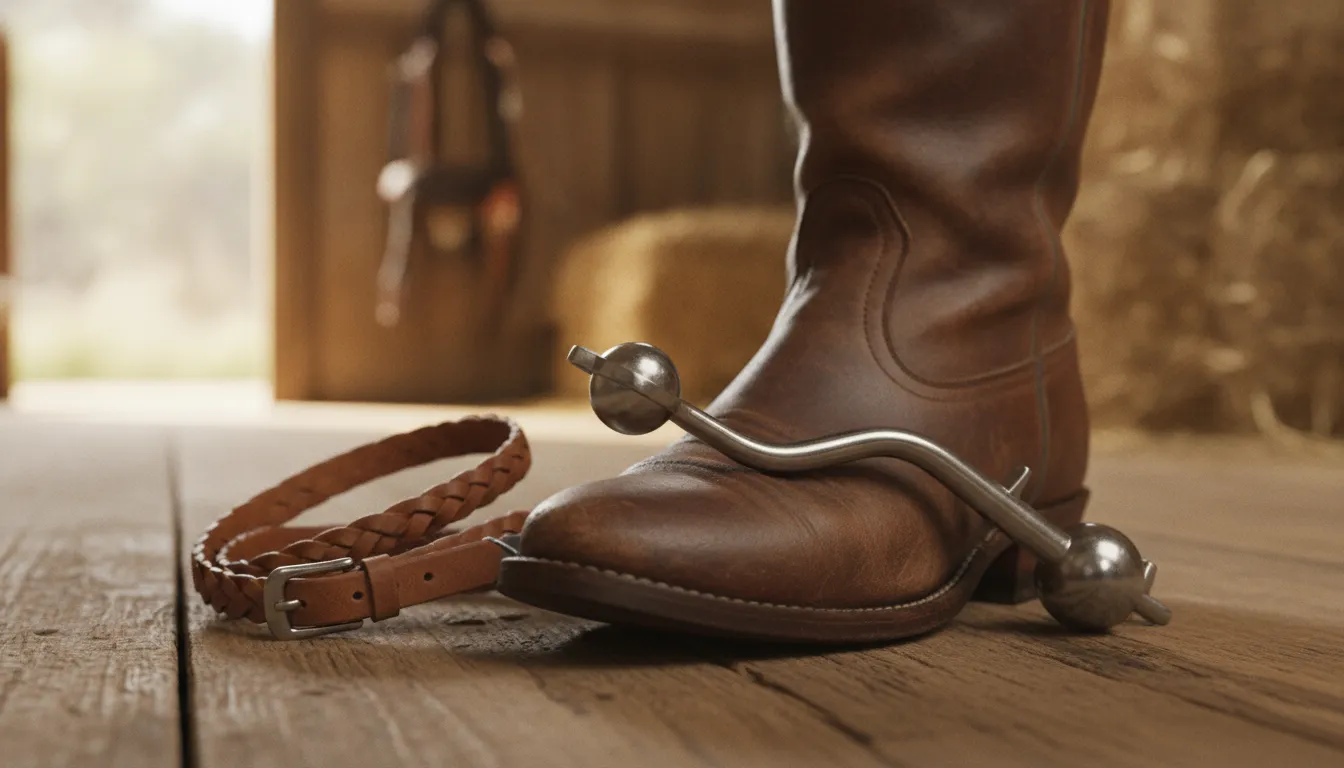
A Western spur has three main parts: the heel band, the shank, and the end contact piece. Standard Western spurs have a static point or a sharp wheel called a rowel. Instead, roller ball spurs have a small metal ball that spins on the tip of the shank. This design change means that when your heel touches the horse, the metal ball rolls across the horse's side rather than dragging. To find the right fit for your boots, you can shop premium spurs and spur straps from trusted brands.
Why Riders Choose Roller Ball Cues
The main reason riders use these spurs is to give a gentler, more forgiving cue. The rolling action of the ball reduces friction, which keeps the spur from rubbing the horse's coat or pinching the skin. Because the ball rolls, it reduces the impact of sudden leg movements. This makes them a great choice for sensitive horses and riders who are still learning. By choosing a softer signal, you can keep your horse happy and willing during every ride.
How Do Roller Ball Spurs Work Without Irritating the Horse?
Key Takeaway: Roller ball spurs use a ball that rolls across the horse's side instead of digging in. This design cuts down on rubbing, prevents skin pinches, and gives a clear, gentle cue.
Some horses have thin skin. A standard spur can pinch their skin or rub off their hair. Western roller ball spurs solve this issue through a simple design. These spurs feature a small ball at the end of the shank. The ball spins freely. When the rider presses the spur against the horse, the ball rolls across the coat.
The rolling ball action
The secret is the rolling ball at the tip. Standard spurs have sharp points or stiff parts that scratch. When these touch the horse, they slide and drag. That drag can cause friction and pain. But the ball on a roller spur rolls when it touches the skin.
This action spreads the pressure of your leg aid. Instead of putting force on one small spot, the rolling ball shares the cue over a wider path. It feels like a firm roll rather than a poke. This is why many riders find that sensitive horses stay calm with these spurs.
How the ball cuts rubbing
Rubbing is a big problem for a horse's flank. Standard spurs can wear away the hair, leaving bare, sore spots. But the ball on these spurs rolls over the coat. This rolling motion cuts down on rubbing. It also prevents the metal from catching or pinching the skin. If you want to keep your horse comfy, you can explore premium spur and strap sets that use this design.
Thin-skinned horses can get touchy when standard rowels make contact. They may swish their tails, kick out, or tense their backs. Using a roller design keeps the cue soft but clear. It lets you send a signal without making your horse mad or sore.
Why smooth spur arms matter
It is not just the rolling ball that keeps your horse safe. The shape of the spur arms also plays a big role. Show rules made by experts say that the arms of the spur must be smooth to prevent rubs and sores.
Smooth metal arms will not dig into the boot or rub the horse's flank. When you buy spurs, check the inside of the band. It should feel smooth and even to your touch. Rough metal can cause raw spots, even if the ball at the tip spins well. Top brands polish these parts to guard your horse's comfort.
Shop This Post

Featured in this article
Weaver Leather Women's 21st Century Stainless Steel Spurs - 1" Shank, 3/4" Band
$56.99
Shop Now →

Western Roller Ball Spurs vs. Rowel, Blunt, and Jingle Bob Spurs
Key Differences in Spur Tips
Each spur style sends a distinct cue to your horse. Standard rowels use a toothed wheel that rotates to make contact. Blunt-end spurs have a solid metal end with no moving parts. Jingle bob spurs feature small, loose metal pieces that rattle with every step to add sound cues. Unlike these styles, western roller ball spurs use a smooth, spinning ball on the end of the shank. This rolling action makes them the gentlest option for daily training and sensitive horses.
Because the metal ball rolls across the horse's side, it does not grab the skin or pull hair. This rolling action helps less skilled riders who may have stray leg movements. Instead of a sharp poke, the horse feels a soft, rubbing cue that is easy to read. Standard spurs can pinch or scratch a thin-skinned horse if the rider's heel slips. This makes the rolling ball style a top choice for teaching young horses and training new riders.
Comparison of Common Spur Designs
Knowing how each spur tip acts on the horse's flank will help you make a safe choice. The following table highlights how western roller ball spurs compare to other common western spur designs.
| Spur Type | Tip Design | Pressure and Friction | Best Use |
|---|---|---|---|
| Roller Ball | Smooth rolling metal ball | Low pressure, zero friction | Sensitive horses and beginner riders |
| Rowel | Toothed spinning wheel | Medium pressure, can pinch if stiff | Skilled riders needing quick response |
| Blunt-End | Flat or rounded solid block | Direct steady pressure, moderate rub | General riding and calm horses |
| Jingle Bob | Rowel with hanging bells | Medium pressure with clicking noise | Trail riding and western pleasure show |
| Bumper | Smooth metal band around heel | Light blunt pressure, no shank | Horses that need minimal cues |
Rule Requirements for the Show Ring
Before you enter a horse show, you must check the official gear rules. Many events have strict safety codes for all horse gear. Under the Nebraska 4-H equestrian rules, any rowelled spurs must be dull and free-moving to prevent skin damage. Sharp or stiff points can lead to getting sent out of the ring. Judges will look at your tack before you enter the show arena to make sure it is safe.
These official rules also govern shank shapes. For example, swan-necked spurs are allowed in some western show classes. If you choose standard rowels, check them by hand before you ride to make sure they turn without sticking. Any spur arms must also be smooth to prevent rubbing the horse's coat raw. Many riders switch to a roller ball design to guarantee they follow all safety codes while keeping their horses safe and happy.
How to Size and Fit Roller Ball Spurs for a Secure, Comfortable Fit
Finding the right fit for your spurs is vital for clear cues and horse safety. When you select and adjust your gear, you must focus on your boot shape. You should also think about how your horse reacts to your leg. Poorly fit spurs can slip, pinch, or cause bad cues in the show ring.
Sizing methods for riding boots
To get a snug fit, you first need to check your boot heel. The spur band must rest right on the spur rest of your boot heel without moving. If the band is too loose, the spur will slide down your boot and distract your horse. If it is too tight, it will pinch your foot and wear down your leather.
You can gently bend the metal arms of your spurs to match the width of your boots. This helps you get a safe and snug fit that stays in place. For a perfect setup, you can also explore premium spur and strap sets to secure your gear.
Selecting shank length and metals
When you choose your spurs, the metal and the spur parts matter. Modern show rules state that spurs must be made of metal, and the shank must point directly back from the center. A common shape for a western spur includes a one-inch band and a one-inch shank with a rolling ball at the end. You must match the shank length to how long your legs are and how your horse reacts.
Riders with long legs often need longer shanks to reach the horse. But if you ride a very sensitive horse, a shorter shank is much safer because it reduces the impact of quick legs. This helps prevent any accidental cues while you are in the saddle.
Steps for fitting your spurs
Follow this quick guide to fit your spurs safely before your next ride. Taking these steps will keep you safe and comfortable in the saddle. It also helps you get the best results from your aids.
- Measure your boot heel. Hold the spur band up to your boot rest to check the width and make sure it sits flat against the back of your heel.
- Check for smooth metal arms. Youth horse show rules from Nebraska 4-H programs state that the arms of the spur must be smooth to protect your horse.
- Check the shank angle. If you use a curved shank, the curve must point straight down rather than up.
- Attach your spur straps. Thread a strong leather strap through the spur loops and buckle it snugly over your instep so the spur cannot shift.
Western vs. English Roller Ball Spurs: Key Differences
While both spur types use a rolling ball to give gentle cues, they are built for different riding styles. Choosing between English and Western roller ball designs depends on your gear and your sport. Each style has its own shape to match specific boots and leg positions. If you are new to spurs, our basic Western spur guide offers general safety tips, but this comparison focuses on the roller ball mechanism.
Shank Length and Riding Disciplines
English roller ball spurs have short shanks. Most English shanks measure about half an inch to one inch in length. They are common in dressage, where riders need to give quick, subtle aids. This shorter length works well because the rider rides with shorter stirrups, keeping their heels close to the horse. Many riders prefer these over the classic Prince of Wales style for sensitive horses.
In contrast, Western designs have much longer shanks. Western shanks often measure up to two inches. This extra length is needed because Western riders ride with longer stirrups. Their legs hang lower, so they need a longer reach to touch the horse. These spurs are popular for trail riding, reining, and Western pleasure classes where quiet, steady leg cues are needed. To find the right fit for your boots, you can Shop premium spurs and spur straps from our curated selection.
Heel Band Design and Boot Styles
The metal heel band, or branch, also differs between the two styles. English bands are slim and lightweight. They sit high on the heel of English riding boots, held in place by small studs. Western bands are much thicker and wider. They sit lower on Western boots, resting on the boot's spur ledge. Western bands often feature beautiful engraving or silver details to match Western show gear.
Dressage and Western Show Rules
Show rules also dictate how you use these tools in competition. According to official show standards, the arms of the spur must be smooth to protect the horse's skin. You can read these specific details in the Nebraska 4-H horse show judging guide. If your spur shank is curved, the rules state that you must wear the spur with the shank pointing downward. These safety rules help ensure that spurs are used only as a helpful, humane aid.
Choosing Western Roller Ball Spurs for Sensitive Horses and Beginner Riders
Comfort for Sensitive Horses
Some horses have very thin skin or a sensitive nature. When you ride with standard spurs, the metal can rub their sides and cause pain. Western roller ball spurs use a smooth, round metal ball that rolls over the horse's coat rather than dragging. This rolling motion prevents pinching, hair loss, and painful skin rubs.
These spurs are designed to give a gentler cue and lower friction. Standard spurs can grab or puncture the skin if a horse reacts with a quick jump. The rolling ball spreads the pressure out over a wider area. It allows you to give clear cues without hurting a sensitive horse.
State rules for horse shows often require spurs to have smooth arms for the safety of the horse. You can find these safety rules in the Nebraska 4-H horse show guide. The guide notes that spur arms must be smooth, which makes roller ball spurs a great choice.
Shop Premium Spurs and Spur Straps
Find the perfect, gentle roller ball spurs for your sensitive horse or new rider. We offer curated equestrian gear backed by our 365-day guarantee.
Shop premium spurs and spur strapsA Safe Option for New Riders
Beginner riders often struggle with leg balance. When a rider is still learning, their heels can bounce or make sudden contact with the horse's flank. Standard spurs can punish a horse for these mistakes and cause them to spook. Western roller ball spurs are very gentle. The rolling ball softens the contact, which reduces the chance of a sudden spook.
Using these spurs allows new riders to focus on their seat and balance without worrying about hurting their horse. It takes time to build a quiet leg, and a gentle tool helps protect the horse during this learning phase. If you want to ride with ease, explore premium spur and strap sets to find the best fit for your boots.
Shop our gentle roller ball spurs and spur straps today
Frequently Asked Questions
Are roller ball spurs gentler than other spurs?
Yes, roller ball spurs are much gentler than standard spurs. Standard styles have metal edges that can pinch or scrape. The rolling ball on these spurs spreads out the pressure. This allows the metal to slide smoothly across the horse's side instead of catching. According to Bay Equest, this rolling action cuts skin friction to give a mild, soft cue.
Are roller ball spurs legal in western show classes?
Yes, they are legal in most Western show events. Rulebooks like the Nebraska 4-H Horse Show Guide state that Western spurs must be metal. The shank must point straight back from the heel. If the shank has a curve, you must wear it pointing down. The spur arms must be smooth. Roller ball spurs meet these safety rules because they have no sharp teeth or edges.
How do you choose the right size of western spurs?
To find the right fit, measure the heel of your riding boot. The metal band of the spur should slide onto your boot heel without being too loose or too tight. It should sit snug just above the heel spur ridge. Many Western ball spurs have a standard size. As one design, some styles made by Weaver Equine use a one-inch band and a one-inch shank. Always use spur straps to hold them in place.
How do you maintain western roller ball spurs?
Clean your spurs often with a damp cloth to remove dirt, sweat, and hair. If they are made of steel, dry them well to prevent rust. You must check the rolling ball before every ride. Spin the ball with your fingers to make sure it rolls freely. If dirt gets stuck inside the ball, wash it out with warm water. This simple care keeps the cue soft and safe for your horse.
Can western roller ball spurs be used on sensitive horses?
Yes, they are great for sensitive horses. Thin-skinned horses often react poorly to sharp metal rowels. Standard spurs can pinch the skin or rub the coat raw. The smooth, rolling ball on a roller spur slides smoothly across the horse's side without grabbing or scratching. This helps you give a clear cue without causing pain. It is a great way to keep your horse calm and focused.
Ready to find the perfect western roller ball spurs today?
Riding with sharp or stiff spurs can cause unwanted pain for your sensitive horse and create extra tension during your daily arena training sessions. When you switch to smooth roller ball spurs today, you will see a quick change in how your horse responds to your leg cues. Our family-owned store offers free shipping and a full satisfaction guarantee so you can buy your premium equestrian gear with complete peace of mind.
Ready to talk to an expert horse gear specialist about finding the correct fit and style for your riding needs? Contact Hooves and Paws to shop premium Western roller ball spurs and spur straps today with free shipping on every order.


