


Struggling with a horse that tosses its head, leans on the bit, or seems resistant to your cues? It's incredibly frustrating. While it’s easy to jump to conclusions about training or attitude, the answer is often simpler than you think. Many of these issues are a direct result of an uncomfortable or ill-fitting horse bridle and bit. Before you spend hours on new training exercises, it’s worth taking a closer look at your tack. This guide will help you troubleshoot your current setup and choose equipment that encourages softness, relaxation, and clear communication.
Key Takeaways
- Focus on communication, not control: Your bridle and bit are tools for having a clear conversation with your horse. Always choose the mildest, most comfortable option that your horse understands and responds to.
- Match the tack to your specific situation: The best equipment is a personalized choice. Select your bridle and bit based on your horse's training level, mouth shape, and the specific requirements of your riding discipline.
- Prioritize a correct fit and consistent care: A well-fitted bridle is essential for your horse's comfort and your safety. Combine a proper fit with a simple, regular cleaning routine to keep your gear reliable and in great condition.
Breaking Down the Horse Bridle and Bit
If you’re new to the equestrian world, all the gear can feel a little overwhelming. Let’s start with two of the most important pieces: the bridle and the bit. Think of them as the communication system between you and your horse. The bridle is the headgear that holds the bit, and the bit is the mouthpiece that helps you guide your horse. Understanding how they work together is the first step toward building a great partnership with your equine friend.
A Brief History of the Horse Bit
The horse bit is a fundamental piece of riding gear that rests in the interdental space of a horse's mouth—that handy gap where there are no teeth. It connects to the bridle and allows you to communicate your intentions through gentle rein pressure on the tongue and bars of the mouth. While modern bits are refined, the concept is ancient. Believe it or not, riders have been using bits to partner with their horses for thousands of years, with early versions made of materials like rope, bone, or wood dating as far back as 3500 B.C. This long history highlights just how essential this tool is for clear and effective communication between horse and rider.
Understanding the Parts of a Bit
At first glance, a wall of bits at a tack shop can look pretty intimidating. They come in countless shapes and styles, but they’re all made from a few basic components. Understanding these parts is the key to figuring out how a specific bit works and whether it’s the right choice for your horse. Every bit has a mouthpiece that goes inside the horse's mouth and either rings or shanks on the outside where the reins and bridle attach. Some bits also include a curb chain for added stability and pressure distribution. Let's break down what each of these parts does so you can feel confident when browsing for new horse tack.
The Mouthpiece
The mouthpiece is the part that sits directly inside your horse's mouth, resting over the tongue. This is where most of the communication happens, so its design is incredibly important for your horse's comfort. Mouthpieces come in a wide variety of styles. They can be a solid, straight bar (a mullen mouth), have a single joint in the middle (a snaffle), or even two joints for a more flexible feel. Some have a port, which is an arch in the middle designed to relieve tongue pressure. The material matters, too—from classic stainless steel to copper, which encourages salivation, the options are designed to suit different preferences and needs.
The Rings or Shanks
On the outside of the horse's mouth, you'll find either rings or shanks. These are the connection points for your bridle's cheek pieces and your reins. Snaffle bits typically have rings, which can be D-shaped, O-rings, or full-cheek style. These rings apply direct pressure; when you pull on the rein, the horse feels a corresponding amount of pressure on that side of its mouth. Shanks, on the other hand, are the long metal arms found on curb bits, common in Western riding. They create leverage, which means a small pull on the reins results in amplified pressure, allowing for more subtle cues with a well-trained horse.
The Curb Chain
The curb chain is a strap or chain that attaches to the bit and sits under the horse's chin in the chin groove. You’ll only find it on curb bits—the ones with shanks. Its job is to work with the shanks to apply pressure and prevent the bit from rotating too far forward in the horse's mouth. When you apply rein pressure, the shanks move back, and the curb chain engages. This action distributes pressure between the mouthpiece, the chin groove, and the poll (the area behind the ears), which helps refine your signals and encourages the horse to lower its head and flex at the poll for better balance and collection.
Getting to Know Your Bridle's Parts
A horse bridle is the set of leather or synthetic straps that fits over your horse’s head. Its main job is to hold the bit securely and comfortably in the horse's mouth. A standard bridle consists of a few key parts: the headstall (which goes over the poll behind the ears), the browband (across the forehead), the throatlatch (under the throat), and the cheek pieces (which attach to the bit). The reins connect to the bit, giving you a direct line of communication. The entire assembly is a fundamental piece of horse tack designed to make riding safe and effective for both of you.
How Does a Horse Bit Actually Work?
The bit is how you send signals from your hands to your horse. When you gently apply pressure on the reins, the bit creates a light sensation inside the horse’s mouth, usually on the tongue and the bars (the toothless space in their jaw). This isn't about force; it's about creating a clear, quiet language. This pressure is how you ask your horse to slow down, stop, or turn. A bit's effectiveness) relies on a rider's gentle hands and is always used in combination with other cues, like your leg position and body weight, to have a full conversation with your horse.
Direct Pressure vs. Leverage
When choosing a bit, you'll mainly encounter two types: direct pressure and leverage. A direct pressure bit, like a snaffle, is the most straightforward. The reins connect directly to the bit's rings, so if you apply one pound of pressure with your hands, the horse feels one pound of pressure in its mouth. It’s a direct line of communication. Leverage bits, on the other hand, use shanks—the long cheekpieces of the bit—to amplify your rein cues. When you pull on the reins, a curb strap or chain engages under the horse's chin, creating pressure on the poll as well. This means one pound of rein pressure results in more than one pound of total pressure, making it a more complex piece of horse tack that requires a very soft, educated hand.
Understanding Key Pressure Points
A common misconception is that bits work by causing pain, but their true purpose is to apply gentle pressure for communication. Different bits are designed to distribute this pressure across several key areas of the horse's head. These points include the bars of the mouth (the toothless gap), the tongue, the lips, the roof of the mouth, the chin groove where a curb strap rests, and the poll, which is the sensitive area at the top of the head. The shape and style of the mouthpiece and cheekpieces determine which of these points are engaged. Understanding this helps you choose a bit that your horse finds comfortable and easy to understand, leading to a more responsive and willing partner.
Debunking Common Myths About Bridles and Bits
There are a lot of misconceptions floating around about bits. One common myth is that any bit is inherently painful or impairs a horse's ability to breathe. In reality, a properly fitted bit used by a rider with soft hands is a comfortable tool for communication. It rests in a space in the horse's mouth where there are no teeth and doesn't interfere with their airway. Another myth is that a stronger bit is the solution for a horse that resists. More often than not, resistance is a sign of a different issue, like dental problems, poor saddle fit, or a training gap. Simply using a more severe bit isn't the answer and can make the problem worse.
What Are the Different Types of Bridles and Bits?
Choosing the right bridle and bit can feel like a big decision, but it’s really about finding the best way to communicate with your horse. The equipment you select is a tool for conversation, not control. From gentle snaffles to bitless alternatives, each type offers a different way to send your cues. Understanding the basics will help you pick the right setup for your horse’s comfort and your riding style, making your time together more enjoyable and effective.
Is a Snaffle Bit Right for Your Horse?
Think of a snaffle bit as the most direct line of communication. When you pull on the reins, it applies simple, direct pressure to your horse’s tongue, the corners of their mouth, and the bars (the toothless space in their gums). Snaffles don’t use leverage, which is why they’re often considered a gentler option and a great starting point for young horses or new riders. They come in many styles, from smooth, single-jointed mouthpieces to more flexible, multi-jointed designs. The key is that the pressure you apply with your hands is the pressure your horse feels, making it an intuitive tool for teaching and learning clear communication through your horse tack.
Eggbutt Snaffle
The Eggbutt is one of the most common and straightforward snaffle bits you'll find, and for good reason. Its name comes from the egg-shaped connection where the mouthpiece meets the rings. This fixed design prevents the horse's lips from being pinched, offering a more stable and quiet feel in the mouth. Because the rings don't move, the rider's signals are slightly more direct, which can be helpful for a horse just learning the aids. As noted by experts at Aussie Saddlery, its simple and gentle nature makes it an excellent choice for starting a young horse or for riders who are still developing steady hands. If you're looking for a reliable, all-purpose bit, the Eggbutt is a fantastic starting point for most horses and disciplines.
Loose Ring Snaffle
As the name suggests, the Loose Ring Snaffle has rings that slide freely through the mouthpiece. This movement can be a great advantage for certain horses, as it encourages them to relax their jaw and gently "mouth" the bit—a sign of acceptance and softness. The free-moving rings also make it harder for a horse to lean or brace against the bit, promoting self-carriage. This design allows for more nuanced communication, making it a popular choice in disciplines like dressage. According to Schneider's Saddlery, it's a good option for sensitive horses that respond well to subtle cues from the rider's hands.
Full Cheek Snaffle
The Full Cheek Snaffle is easily recognizable by the long arms, or "cheeks," that extend above and below the bit rings. These cheeks serve a very specific purpose: they provide gentle guiding pressure against the side of the horse's face when you use a rein aid. This makes it an incredibly useful training tool for young or green horses that are still learning to respond to steering cues. The pressure helps to physically show the horse the direction of the turn, preventing the bit from sliding through its mouth. It’s a fantastic piece of horse tack for building a solid foundation in steering and creating a confident, responsive partner.
French Link Snaffle
Unlike a traditional single-jointed snaffle that can create a "nutcracker" effect on the tongue, the French Link Snaffle features two joints with a small, flat plate in the center. This design allows the bit to lie more comfortably across the horse's tongue and conform to the shape of its mouth, eliminating painful pressure on the roof of the mouth. The result is a much softer and gentler action. It's an excellent choice for horses with low palates or sensitive mouths. Because it provides a milder feel, it's particularly good for young horses, though it may not be effective for horses that tend to be strong or pull against the bit.
Twisted Snaffle
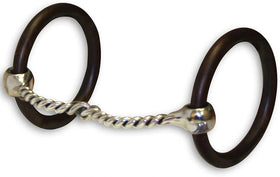
A Twisted Snaffle has a mouthpiece made of one or more twisted pieces of metal. This design creates a rougher surface that applies more specific and concentrated pressure, delivering a much stronger signal than a smooth snaffle. This type of bit is intended for horses that are heavy on the forehand, pull, or have become unresponsive to milder bits. However, it should be used with extreme caution and only by experienced riders with very soft, independent hands. Due to its severity, it is not an appropriate choice for sensitive horses or for everyday training where a gentler form of communication is preferred.
Rubber Snaffle
For horses that are particularly sensitive or just starting their training, a Rubber Snaffle can be a wonderful option. This bit typically has a metal core covered in a soft, flexible rubber or synthetic material. The rubber is warmer and softer in the horse's mouth compared to plain metal, which can encourage a young or fussy horse to accept the bit more readily. While it is a very mild choice, it still allows for clear and effective communication. It’s a great tool for providing comfort without sacrificing clarity, making it a go-to for riders focused on a gentle and encouraging approach to their training.
When Do You Need a Curb Bit?
Curb bits introduce leverage into the conversation, which allows for more nuanced cues. These bits have shanks, or arms, that extend down from the mouthpiece. When you engage the reins, the shanks create leverage that applies pressure to the horse's mouth, the poll (the top of their head), and under their chin via a curb strap. This setup is not about being harsher; it’s about refinement. It’s best suited for well-trained horses and experienced riders who use subtle hand movements. A curb bit) can ask for more complex movements with just a slight signal, making it a popular choice in disciplines like Western pleasure and dressage.
Western vs. English Bridles: What's the Difference?
The bridle you choose often comes down to your riding discipline. English bridles are typically more streamlined and minimalist, designed for close contact and specific jobs like jumping or dressage. They almost always include a noseband, called a cavesson, to help keep the bit stable in the horse’s mouth. Western bridles, on the other hand, are often built for long hours in the saddle. They can be more decorative and are generally heavier. Many Western styles don’t have a noseband at all, and they use a curb bit as the standard. The choice between bridle types reflects the different traditions and practical needs of each riding style.
Is a Bitless Bridle Right for You and Your Horse?
For some horses, a bit is simply not the best option. Whether due to dental issues, past negative experiences, or general sensitivity, they respond better to a bitless bridle. These bridles work by applying pressure to different points on the horse’s head, like the nose, chin, and poll, instead of inside the mouth. This can be a wonderful choice for sensitive horses or for riders who prefer trail riding and want their horse to be able to eat and drink more freely. A bitless bridle can foster a strong connection based on trust and comfort, proving that clear communication doesn’t always require a bit.
Other Common Bit Types
Beyond the widely used snaffles and curbs, there's a range of more specialized bits designed for specific disciplines and training needs. These are not your everyday tools and are certainly not meant to fix training problems. Instead, they are intended for experienced riders and well-trained horses who need a more refined way to communicate. Using these bits correctly requires a deep understanding of their mechanics and a rider with exceptionally soft, independent hands. Let's explore a few of these advanced options.
Gag Bits
A gag bit is a specialized tool used to help with horses that get strong or lean heavily on the rider's hands, a tendency often described as being "heavy on the forehand." Unlike a standard bridle where the bit is fixed to the cheek pieces, a gag bit's mouthpiece can slide upwards. When a rider applies rein pressure, this sliding action creates pressure on the corners of the horse's mouth and at the poll. This encourages the horse to lift its head and rebalance its weight. You'll most commonly see gag bits in fast-paced sports like show jumping or polo, where precise and immediate control is essential.
Pelham Bits
Think of a Pelham bit as a hybrid, combining the actions of both a snaffle and a curb bit into a single mouthpiece. It has shanks to provide leverage like a curb, but it's designed to be used with two sets of reins. One rein attaches directly to the mouthpiece for snaffle-like, direct pressure, while the other attaches to the end of the shanks to engage the curb action. This setup allows a skilled rider to use the two functions separately or together for very clear cues. Because it requires such nuanced hand control, the Pelham is best left to experienced equestrians.
Double Bridles
A double bridle represents one of the most advanced levels of communication between horse and rider. It’s not a single bit but a setup that uses two separate bits at once: a small, slender snaffle called a bradoon and a curb bit known as a Weymouth. The rider manages two sets of reins, one connected to each bit. This allows for incredibly subtle and independent signals to fine-tune the horse's balance, collection, and head position with the slightest movement of the hands. You'll primarily see the double bridle used in upper-level dressage, where this degree of precision is required.
Spade Bits
The spade bit is a highly complex piece of Western horse tack rooted in the Vaquero tradition of horsemanship. With its long, often ornate shanks and a high, wide port that sometimes includes a roller or "cricket," the spade bit is designed for the ultimate in refinement. It is intended for a finished bridle horse that has undergone years of training, often starting in a hackamore. This bit works off of balance and signal, not force, and is only appropriate for expert riders and horses who have been brought along slowly and correctly. It is a symbol of a true partnership built on years of trust and training.
Shop This Post

Featured in this article
AV Bob Avila Double Ring Snaffle Horse Bit - Sweet Iron Mouthpiece, 3" Rings - Multiple Sizes
$165.00
Shop Now →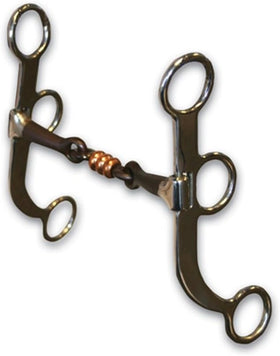

Which Brands Make the Best Horse Bridles and Bits?
When you walk into a tack shop or browse online, the sheer number of brands can feel overwhelming. How do you know which ones are worth the investment? The truth is, the quality of your horse tack directly impacts the conversation you have with your horse. A well-designed bridle and bit can make your cues clearer and your horse more comfortable, while a poorly made one can cause pain, confusion, and resistance. It’s about more than just looks; it’s about safety, performance, and your horse’s well-being.
Over the years, a few brands have consistently risen to the top, earning the trust of riders from all disciplines. These companies have dedicated themselves to understanding equine anatomy and the dynamics between horse and rider. They invest in research, use high-quality materials, and prioritize craftsmanship, resulting in tack that not only lasts but also enhances your partnership with your horse. Choosing a bridle or bit from a reputable brand is one of the best ways to ensure you’re giving your horse the comfort and clear communication they deserve. Below, we’ll look at a few of our favorites that have proven their worth in arenas and on trails everywhere.
Top-Rated Brands for Quality and Comfort
While every horse and rider combination is unique, some brands have built a solid reputation for delivering exceptional quality and thoughtful design. The names that follow are consistently recommended by trainers, veterinarians, and seasoned equestrians for their commitment to the horse. Whether you're schooling in the arena, competing at a high level, or enjoying a quiet trail ride, you can feel confident that tack from these brands is built with performance and comfort as top priorities. Think of this as a starting point for finding the perfect gear for your equine partner.
Myler: Prioritizing Your Horse's Comfort
Myler is a brand that truly puts the horse's experience first. Their philosophy centers on creating a more comfortable and effective way to communicate. As experts note, "Myler bits are designed with the horse's comfort in mind, featuring unique mouthpiece designs that promote relaxation and responsiveness." This focus on relaxation is key, as a tense horse can't listen or perform at their best. Myler’s innovative approach, which often includes curved mouthpieces and independent side movement, helps distribute pressure more evenly and reduces interference with the tongue. This allows your horse to swallow and breathe more easily, leading to a softer, more responsive partner.
Herm Sprenger: A Legacy of Quality Craftsmanship
When you think of precision engineering in the equestrian world, Herm Sprenger often comes to mind. This German brand is famous for its meticulous craftsmanship and use of superior materials. "Herm Sprenger is renowned for its high-quality materials and innovative designs, making it a favorite among riders who prioritize both performance and comfort for their horses." They are particularly well-known for their proprietary metal alloys, like Aurigan and Sensogan, which are designed to encourage salivation and bit acceptance. A Herm Sprenger bit is an investment in durability and effectiveness, crafted with a level of precision that ensures it will be a reliable part of your tack collection for years to come.
Professional's Choice: Tack That's Built to Last
For riders who need gear that can stand up to the demands of daily training and work, Professional's Choice is a trusted name. This brand is known for creating practical, durable, and reliable equipment that doesn't compromise on the horse's well-being. "Professional's Choice offers durable and reliable bits and bridles that are designed to withstand the rigors of daily use while ensuring the horse's comfort and performance." Their products are straightforward and effective, making them a popular choice for everyone from competitive professionals to weekend trail riders. When you choose Professional's Choice, you're getting tack that is built to last and designed to perform, day in and day out.
How to Choose the Right Bridle and Bit for Your Horse
Choosing the right bridle and bit is one of the most important decisions you’ll make for your horse. This equipment is your direct line of communication, and the right setup can make all the difference in your rides. Think of it less as a set of controls and more as a way to have a clear, quiet conversation. A comfortable, well-fitting bridle and an appropriate bit allow your horse to understand your cues without pain or confusion, building trust and improving performance.
Making the right choice involves looking at a few key factors: your horse’s training and temperament, your riding discipline, your horse’s unique mouth shape, and the materials the tack is made from. It’s not about finding the “best” bit, but about finding the best bit for your horse. Understanding the different parts of a bridle, the materials used, and proper fitting techniques can enhance your riding experience and keep your horse happy and willing. Let’s walk through how to find that perfect match for you and your equine partner.
Does the Bit Match Your Horse's Training Level?
A horse’s training level is a huge factor in selecting the right bit. A young or green horse is still learning how to respond to pressure and cues, so it’s best to start with something simple and gentle. A basic snaffle bit is often the go-to for horses in training because it applies direct, easy-to-understand pressure. As your horse becomes more educated and responsive, you might move to a bit that allows for more refined communication. Remember, a stronger bit is never a substitute for good training. It’s a tool for nuance, not for force. The goal is always to use the mildest bit your horse responds to comfortably and correctly.
Factor in Your Riding Discipline and Goals
Your riding style and goals will also guide your choice. The tack used in a dressage arena is quite different from what you’d see on a ranch or a trail ride. English disciplines often use snaffle bridles, while Western riding frequently incorporates curb bits and shanks for neck reining. If you plan to compete, make sure you check the rulebook for your specific discipline, as many have strict regulations on legal bits and bridles. Sizing can also vary slightly between brands, so it’s a good idea to choose the style you want first, then check that brand’s specific size guide to find the right fit for your horse.
Understanding Your Horse's Mouth and Sensitivity
Every horse is an individual, and that includes the inside of their mouth. Take a look at your horse’s mouth conformation. Do they have a thick tongue, a low palate, or fleshy lips? These features will affect how a bit sits and feels. A horse with a sensitive mouth might be uncomfortable with a single-jointed snaffle and may prefer a double-jointed or French link mouthpiece that conforms better to their tongue. As a general rule, the bit should fit snugly against the corners of your horse’s mouth without pinching. Pay close attention to your horse’s reactions; signs like head tossing, a gaping mouth, or anxious chewing can tell you the bit isn’t the right fit.
The Importance of Mouthpiece Thickness
When you're choosing a bit, the thickness of the mouthpiece is a critical detail. There's a common idea that thicker bits are always gentler because they spread pressure over a wider area of the tongue and bars. While that can be true, it really depends on the horse. For a horse with a small mouth, a low palate, or a thick tongue, a bulky bit can actually be uncomfortable, leaving no room and creating constant pressure. The key is to match the bit to your horse’s specific mouth shape. It needs to be substantial enough for comfort but not so thick that it feels crowded. As equine experts note, a well-fitted bit lets a horse comfortably close its mouth and respond softly. Taking the time to explore different horse bits will help you find the perfect thickness for clear, happy communication.
Picking the Right Materials for Comfort and Durability
The materials of your bridle and bit play a big role in both function and your horse’s comfort. Leather is the traditional choice for bridles, prized for its durability, classic look, and ability to mold to your horse over time. Synthetic options are also popular for their easy maintenance and weather resistance. For bits, stainless steel is a common, neutral choice. Other materials like copper and sweet iron are designed to encourage salivation and make the bit more palatable for the horse, which can lead to a softer, more accepting mouth. Choosing quality horse tack made from good materials ensures it will last for years while keeping your horse comfortable.
Considering Your Own Experience Level
It’s important to be honest about your own skill set as a rider. The most gentle snaffle bit can feel harsh in unsteady hands, while a more complex curb bit can be a tool of incredible finesse for a rider with an independent seat and quiet hands. Your ability to give clear, subtle cues directly impacts how your horse experiences the bit. If you're still developing your balance or learning to keep your hands steady, it's best to stick with simpler, direct-pressure bits. This ensures your accidental movements don't send confusing or painful signals. Remember, the equipment is a tool for conversation, and choosing tack that matches your skill set is a fundamental part of being a fair and effective partner for your horse.
How to Fit and Care for Your Bridle and Bit
Once you’ve chosen the right bridle and bit, the next step is ensuring a perfect fit and keeping your gear in top shape. This isn’t just about looking good; it’s about clear communication, your horse’s comfort, and safety for you both. A poorly fitting bridle can cause pain, sores, and resistance, while neglected tack can become weak and break at the worst possible moment. Think of it as a daily ritual that strengthens your partnership with your horse. Taking a few minutes after each ride to check the fit and clean your equipment will pay off in the long run with a happier horse and more confident rides. Let’s walk through how to get the fit just right and create a simple care routine that works.
How to Measure Your Horse for the Right Bit Size
Getting the right bit size is simpler than you might think, and it makes a world of difference for your horse's comfort. The easiest way to get an accurate measurement is with a piece of thick, smooth string. Gently place it in your horse’s mouth where the bit will sit, on the toothless bars of their jaw. Mark the string on both sides right at the edge of their lips, then lay it flat and measure the distance between your marks. This number, usually in inches, is your starting point. You can also find specialized bit-sizing tools that make this process even easier.
A properly fitted bit should create one or two small, soft wrinkles at the corners of your horse’s mouth. If you see more wrinkles, the bit is likely too tight; if there are no wrinkles, it’s too low. You should also see about one-eighth to one-quarter of an inch of the mouthpiece on either side of your horse’s lips. This ensures the bit isn't pinching their cheeks. Remember that sizes can vary slightly between brands, so always double-check the fit of a new bit before you ride. Taking the time to get this right is a simple way to keep your horse happy and responsive.
Step-by-Step: How to Get the Perfect Bridle Fit
Finding the perfect fit for your bridle is a bit like finding the right pair of boots. Sizing can vary between brands, so it’s always a good idea to check the specific style and brand of bridle you want and consult their size guide. Start by placing the bridle on your horse without the bit to adjust the main components. The browband should rest comfortably below the ears without pinching, and you should be able to fit two fingers under the throatlatch. The noseband’s tightness depends on the style, but it should never restrict your horse’s breathing or jaw movement. Once the bridle is adjusted, you can attach the bit to the cheekpieces, aiming for one or two gentle wrinkles at the corners of your horse’s mouth.
How Do You Know if Your Bridle and Bit Fit Correctly?
Your horse will tell you a lot about how their bridle fits. A well-fitted bridle allows for quiet, comfortable contact. The bit should rest gently in the mouth, with the main arms fitting snugly on either side without pulling the lips into a constant smile. You’ll know you’ve got it right when your horse is relaxed and responsive. On the flip side, signs of a poor fit include rubbing or hair loss under the crownpiece or noseband, gaping at the mouth, or constant head tossing. If your horse seems to be tensing its jaw or "grabbing the bit in its teeth)," it could be a sign of discomfort. Always check for pinching and ensure no part of the bridle is too tight or too loose.
Your Quick Guide to Cleaning and Maintenance
A little daily care goes a long way in preserving your horse tack. After every ride, take a damp cloth and wipe down the leather parts of your bridle to remove sweat and dirt, which can break down the material over time. For the bit, a quick rinse in warm water is usually enough. If you have some stubborn grime, a little vinegar can help, but try not to soak the bit for more than five or ten minutes. Once a week or so, treat your bridle to a deep clean with a quality leather cleaner, followed by a conditioner to keep it soft and strong. This simple routine prevents cracks and ensures your gear is always ready to go.
Special Care for Different Materials (Like Sweet Iron)
While a quick rinse works for most bits, some materials need a little extra attention. Sweet iron is a perfect example. If you have a sweet iron bit, you might notice it developing a bit of rust over time—and that’s actually the point. These bits are designed to rust slightly, which creates a sweet taste that encourages your horse to salivate and accept the bit more willingly. However, you still need to clean it regularly to prevent food and saliva buildup and to keep the rust from becoming excessive. After each ride, just give it a good scrub with a stiff brush and some mild soap, then rinse it thoroughly. The goal isn’t to polish it back to a mirror shine, but to keep it clean and functional for your horse.
When Should You Replace Your Bridle and Bit?
Even the highest-quality tack has a lifespan. Regularly inspect your bridle and bit for signs of wear and tear. Check the leather for any cracks, especially around buckles and areas that bend. Look for stretched-out holes in the cheekpieces or reins, as this can affect your adjustments and overall safety. Frayed or broken stitching is another red flag that the integrity of your bridle is compromised. For your bit, check for any sharp edges, rust, or excessive wear that could irritate your horse’s mouth. Riding with worn-out equipment is a risk you don’t want to take, so it’s always better to replace a piece of tack before it fails.
Troubleshooting Common Bitting Issues
Even with a perfectly fitted bridle, you might run into communication roadblocks. Your horse isn't being difficult; they're just trying to tell you something isn't working. Resistance like leaning on the bit, tossing their head, or ignoring your cues is often a sign that the specific type of bit isn't the right tool for the conversation you're trying to have. Before you assume it's a training problem, consider if a small change in your equipment could make your signals clearer. Here are a few common issues and some simple tack adjustments that might help you and your horse get back on the same page.
For More Stopping Power
If you feel like you're losing your brakes and your horse tends to get strong or lean on your hands, you might need a bit that offers a different kind of signal. This isn't about using more force, but about being clearer. A bit that introduces leverage, like a Pelham or a mild gag bit, can help. These bits use pressure on the poll and chin, in addition to the mouth, to ask for a stop. For a strong horse, this multi-point pressure can be a much clearer cue than a direct pull from a snaffle, allowing you to use a lighter hand while still getting a prompt and soft response.
For Better Steering
Does your horse sometimes fall through their shoulder on a turn or seem confused by your steering aids? This is especially common with young horses who are still learning to follow their nose. A bit designed to provide more lateral guidance can be a game-changer. A full cheek snaffle is a fantastic tool for this, as the long bars on the sides of the bit provide a gentle pressure against the horse's cheek, encouraging them to turn. This external cue helps prevent the bit from sliding through the mouth and makes your request to turn much easier for your horse to understand and follow.
For Head Shaking
Constant head shaking or fighting the bit is a major red flag for discomfort. The first step should always be to have a veterinarian rule out physical issues, especially common dental problems that can cause significant pain. If your horse gets a clean bill of health, they may simply be one of the many horses who find any kind of bit distracting or uncomfortable. In this case, a bitless bridle, such as a hackamore or sidepull, can be an excellent solution. These bridles work by applying pressure to the nose, chin, and poll instead of the mouth, offering a completely different way to communicate that many sensitive horses prefer.
For a Sensitive or Sore Mouth
If your horse has a naturally sensitive mouth or is prone to sores at the corners of their lips, making the bit a more pleasant experience is key. First, carefully check your current bit for any sharp edges or signs of wear. If the bit is smooth, you can try using a bit balm. This simple product can be applied before each ride to soothe and protect the skin, reducing friction and preventing irritation. You might also explore bits made from alternative materials, like soft rubber or flexible synthetics, which can be much gentler on a sensitive mouth than traditional metal.
Related Articles
- Horse Bridles: The Complete Guide for Riders
- Horse Bits & Curb Bits for Sale | Quality Tack
- Pelham Bit Guide: Expert Tips for Riders in 2026
Frequently Asked Questions
How can I tell if my horse is uncomfortable in its current bridle or bit? Your horse will give you clues through its behavior. Watch for signs like tossing its head, opening its mouth, chomping on the bit anxiously, or trying to pull the reins from your hands. You might also notice them being tense in their jaw or neck. Sometimes, the signs are more subtle, like being reluctant to accept the bridle in the first place. These behaviors are your horse's way of telling you something isn't right, so it's always worth investigating.
My horse has started resisting the bit. Should I just get a stronger one? No, that's rarely the right answer. Resistance is communication, not disobedience. Before changing your equipment, rule out any physical pain. The first step should always be to have a veterinarian or equine dentist check your horse's teeth for any sharp points or discomfort. You should also check your saddle fit, as pain in the back can often travel up to the mouth. A stronger bit usually just masks the root problem and can create more anxiety for your horse.
Is a bitless bridle a good option for training a young horse? While some trainers successfully start horses bitless, the most common approach is to begin with a simple, gentle snaffle bit. A snaffle provides a very direct and clear signal from your hand to the horse's mouth, which can be easier for a young horse to understand. Bitless bridles work on different pressure points, like the nose and poll, which is a slightly different language. It's a wonderful option for many horses, but for initial training, the clarity of a snaffle is often preferred.
What's the most important thing to check when cleaning my tack? Beyond just wiping away dirt and sweat, the most critical part of your cleaning routine is inspecting for safety. Pay close attention to the leather, especially at stress points like where buckles attach or where the reins connect to the bit. Look for any cracks, stretching, or thinning in the leather. Also, check all the stitching to make sure it's tight and not fraying. Catching a weak spot during cleaning can prevent a dangerous equipment failure during a ride.
Do I really need different bridles for different riding styles? While you don't necessarily need a closet full of bridles, using tack designed for your specific discipline can make a big difference. A Western bridle with a curb bit is designed to work well for neck reining and the needs of a working ranch horse. An English bridle, on the other hand, is built for the close, direct contact required for disciplines like dressage or jumping. Using the right tool for the job ensures the communication with your horse is as clear and effective as possible.


