


The wrong saddle pad can do more than just cause discomfort—it can impact your horse's health and your performance. Thankfully, today's pads have evolved far beyond simple blankets, using advanced materials and thoughtful designs to protect your horse's back. But with so many options, how do you know which ones actually work? We've sorted through the noise to find the real game-changers. This guide highlights the top 7 saddle pads that deliver on comfort, fit, and innovation, helping you make a choice that benefits both you and your horse.
What is a Saddle Pad?
Simply put, a saddle pad is the layer of material that sits between your horse's back and the saddle. While it might seem like a simple accessory, it’s one of the most essential pieces of equipment for any rider. Think of it as the critical connection point that ensures comfort and protection for both you and your horse during every ride. A good saddle pad isn't just about looks; it’s a functional tool that plays a huge role in your horse's well-being and performance. It’s a non-negotiable part of any complete horse tack setup, providing a buffer that can make all the difference between a great ride and a difficult one.
The Purpose of a Saddle Pad
So, what does a saddle pad actually do? Its role is multifaceted, but every function comes back to one main goal: protecting your horse. First and foremost, it provides a layer of cushioning to absorb shock and distribute the rider's weight more evenly, which helps prevent sore spots and pressure points. It also prevents the saddle from rubbing against your horse’s skin, which can cause painful chafing and hair loss. Additionally, a quality pad will wick away sweat, keeping your horse cooler and more comfortable while also protecting the leather of your saddle from moisture and dirt. It’s a true workhorse of an accessory that keeps your horse happy and your gear in top condition.
Common Names: Saddle Pad, Blanket, or Numnah?
You’ve probably heard a few different terms for this piece of gear, and it can get a little confusing. While "saddle pad" is the most widely used term, especially in the United States, you’ll also hear "saddle blanket" or "numnah." For the most part, these names are used interchangeably. A saddle blanket often refers to a thicker, woven pad, common in Western riding. The term "numnah" is more frequently used in English riding disciplines and typically describes a pad that is shaped to the outline of the saddle. No matter what you call it, the function remains the same: to provide that essential layer of protection and comfort under the saddle.
How to Choose a High-Performance Saddle Pad
Choosing the right saddle pad in 2025 involves more than just picking a shape or color. It is about understanding how advanced materials, thoughtful design, and smart features can enhance comfort, protect your horse, and support peak performance. Let us break down the essential factors every rider should consider.
Which Saddle Pad Material is Best?
Materials have a profound impact on saddle pad performance. Wool and felt remain favorites for their natural shock absorption and breathability. Recent data from competitor product specs confirms that wool and felt pads offer superior pressure relief, making them ideal for long rides and sensitive horses.
Synthetic blends, gel, and memory foam inserts are gaining popularity for their ability to wick moisture and relieve pressure points. Memory foam molds to the horse’s back, offering custom support, while gel layers help dissipate impact during intense activities. However, gel and foam can trap heat, so choosing a pad with ventilation channels is vital.
Sustainability is also shaping the 2025 market. Look for eco-friendly or recycled materials when selecting your next saddle pad. If you want to explore the latest advancements, Innovative Saddle Pad Technologies provides a comprehensive overview of new materials and construction techniques.
Sheepskin and Wool
Sheepskin and wool are timeless choices for a reason. These natural fibers are fantastic for their shock absorption and breathability, making them a go-to for riders focused on their horse's comfort. Wool and felt pads provide excellent pressure relief, which is a huge benefit on long trail rides or for horses with sensitive backs. The natural structure of wool wicks away moisture and helps regulate temperature, keeping your horse cooler in the summer and warmer in the winter. Sheepskin adds a layer of plush softness that helps prevent rubbing and sores. If you're looking for a reliable, all-around performer that puts your horse's well-being first, you can't go wrong with a high-quality wool or sheepskin pad from a trusted horse tack collection.
Neoprene
Neoprene is a synthetic rubber material known for its durability and non-slip properties. Many Western riders prefer neoprene pads because they provide a snug, secure fit that helps keep the saddle from shifting during quick movements or on rugged terrain. They are also incredibly easy to clean—a quick hose-down is usually all it takes. However, the main drawback of neoprene is its lack of breathability. It can trap heat and sweat against the horse's back, which may cause discomfort or skin irritation on long, hot rides. For this reason, neoprene pads are often best suited for shorter training sessions or disciplines where saddle stability is the top priority over long-term heat management.
Breathable Materials like Bamboo or Mesh
If you ride in a hot climate or have a horse that sweats a lot, a breathable saddle pad is essential. Materials that trap heat can lead to overheating and discomfort, so look for options designed for maximum airflow. Modern pads often incorporate technical mesh panels, especially along the spine, to allow air to circulate freely and help the horse's back breathe. Bamboo is another excellent choice, as it's a natural fiber known for its moisture-wicking and hypoallergenic properties. These high-tech pads are perfect for demanding sports like endurance riding or eventing, but they're a great choice for any rider who wants to ensure their horse stays as cool and comfortable as possible during work.
Getting the Perfect Fit, Contour, and Size
A well-fitted saddle pad is critical for your horse's health and performance. Anatomical contouring follows the shape of the withers and spine, reducing pressure points and slippage. Pads come in various sizes—pony, barrel, roper, and all-purpose—so it is important to match the pad to both your saddle and your horse.
Thickness matters, too. Options like 1/2", 3/4", 1", and even 1.25" impact how the saddle sits and how much cushioning your horse receives. Thicker pads offer more shock absorption but may alter saddle balance if not matched properly. Contoured designs are especially effective at keeping the saddle pad in place and preventing discomfort.
Research shows that pads with multiple size options increase horse comfort and can reduce the risk of injury. Always measure both the saddle and your horse before purchasing to ensure the best fit.
Choosing the Right Thickness for Your Activity
The right saddle pad thickness is directly tied to your riding discipline. For high-impact activities like barrel racing or jumping, a thicker pad of 3/4" or 1" is often the best choice because it can provide more shock absorption for your horse’s back. However, it’s important to be mindful that an overly thick pad can alter your saddle's balance if it wasn't fitted with that pad in mind. For most riders enjoying daily training or long trail rides, a 3/4" pad usually hits the sweet spot, offering plenty of cushion and support without interfering with a well-fitting saddle.
Ultimately, the goal is to find a balance that supports both your horse and your specific activity. When you select the right thickness and combine it with other key features like anatomical contouring, you create a complete system that works together to distribute pressure evenly across your horse's back. This thoughtful approach is essential for reducing pressure points, preventing frustrating slippage, and ensuring your horse stays comfortable and happy under saddle, no matter what the day brings. It’s a small detail that makes a huge difference in their overall performance and well-being.
Key Features and Customization Options
Performance features set top saddle pads apart. Advanced shock absorption layers protect your horse’s back from impact, while ventilation channels and anti-slip technologies keep both the horse and rider comfortable during long or intense rides. Many modern pads offer customizable options, including embroidery, color choices, and discipline-specific fits.
For riders seeking a unique look or fit, custom saddle pad options allow you to match team colors or display a logo. Maintenance is another key consideration—look for pads with removable liners or antimicrobial treatments to make cleaning easier and extend the pad’s lifespan.
Washability, durability, and the ability to personalize a saddle pad ensure that it continues to perform at its best, ride after ride.
Our 7 Favorite Saddle Pads for Comfort and Performance
Choosing the right saddle pad in 2025 is a game-changer for both horse and rider. Modern designs blend advanced materials, ergonomic fits, and smart technologies to deliver comfort and top-tier performance. Whether you are a competitive rider or a weekend trail enthusiast, the ideal saddle pad can make all the difference in ride quality, horse health, and overall satisfaction.
Below, we present the top 7 saddle pad picks that set the standard this year. Each has been evaluated for durability, comfort, innovation, and rider feedback. For those wanting to explore even more options or compare models, you can shop horse saddle pads to find the latest styles and technologies available today.
Synergy Contoured Performance Saddle Pad – Weaver Equine
The Synergy Contoured Performance Saddle Pad from Weaver Equine stands out as a leading choice for 2025. This saddle pad features a contoured fit that aligns perfectly with your horse's back, minimizing pressure points and slippage. Constructed with a premium wool blend and advanced shock-absorbing inserts, it excels in distributing weight evenly, which is vital for both short rides and all-day adventures.
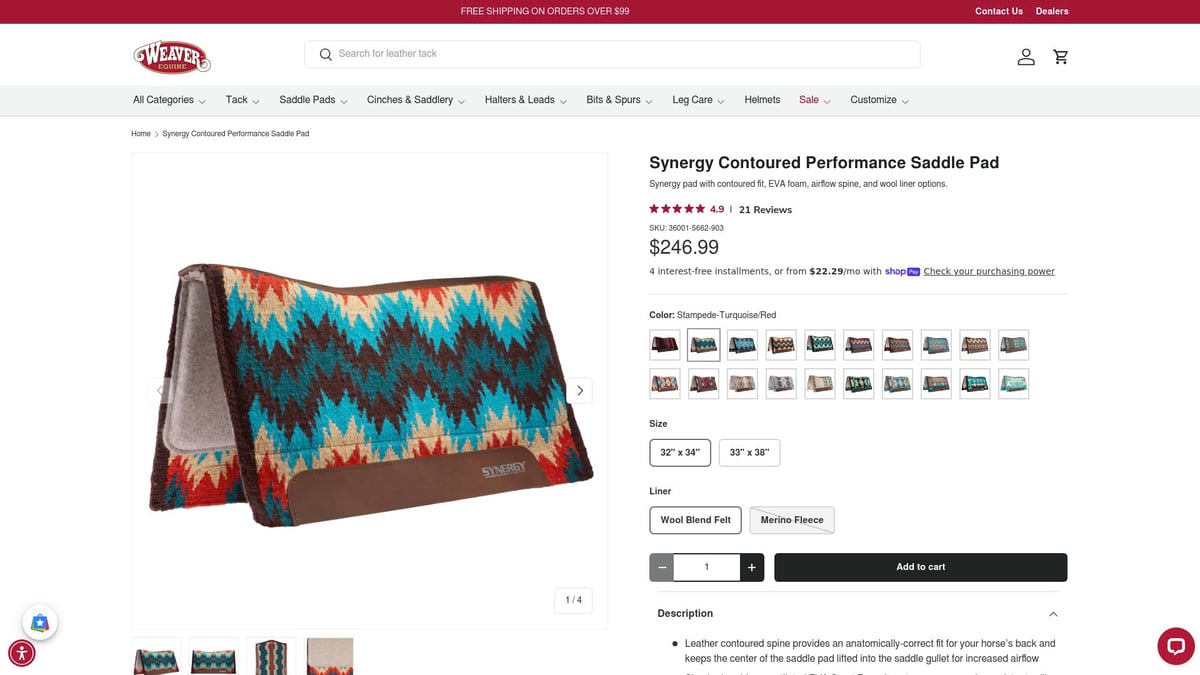
A moisture-wicking liner ensures your horse remains cool and dry, even during intense training sessions. Riders appreciate the anti-slip design, which keeps the saddle pad securely in place, promoting stability and comfort. Customization options allow you to select colors and features that match your discipline or personal style.
The main benefits include superior pressure distribution, high breathability, and a durable build that withstands rigorous use. While the saddle pad comes at a higher price point and is heavier compared to synthetic alternatives, its comfort and longevity justify the investment. Sensitive-backed horses particularly benefit from the pad's supportive structure. Riders consistently rate this saddle pad highly, with long-term comfort being a standout feature.
Black Kush Saddle Pad with Turquoise Navajo – Best Ever Pads
The Black Kush Saddle Pad with Turquoise Navajo from Best Ever Pads is a favorite among Western riders and show competitors. Crafted from 100 percent wool, this saddle pad delivers exceptional shock absorption and moisture management, helping maintain a healthy back for your horse. The contoured spine follows the horse's natural shape, reducing the risk of discomfort during long rides.
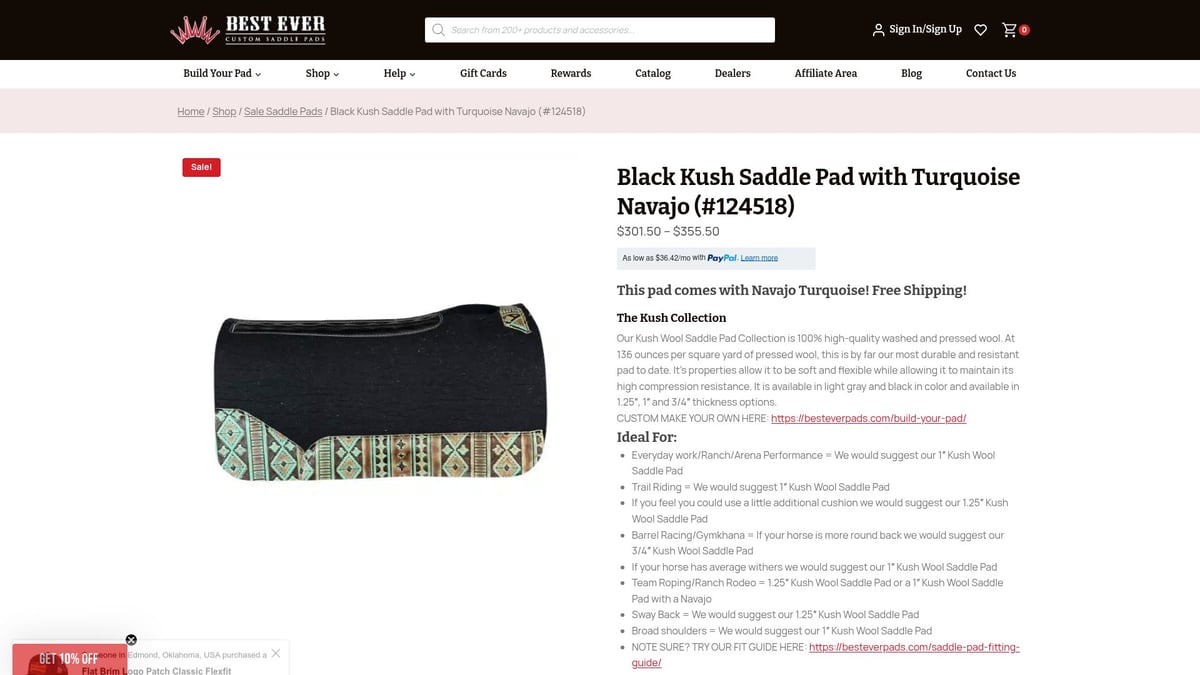
The decorative Navajo design adds a stylish touch, making this saddle pad a standout in the arena or on the trail. Reinforced wear leathers enhance durability, ensuring the pad holds up to frequent use. Riders can choose from multiple sizes and thicknesses, customizing the fit to their horse and saddle.
Key benefits include natural shock absorption, moisture-wicking performance, and the ability to tailor the pad to your needs. This saddle pad is especially popular among professional rodeo riders for its resilience and comfort. While the premium price and Western saddle specificity may limit some buyers, the pad's longevity and style are hard to beat.
Contoured Wool Blend Felt Saddle Pad – Weaver Equine
The Contoured Wool Blend Felt Saddle Pad by Weaver Equine delivers value and versatility for everyday riders. Its contoured design offers anatomical support, reducing pressure points and ensuring a secure fit. The wool blend felt core provides moderate shock absorption, making this saddle pad suitable for various riding activities, from lessons to pleasure riding.
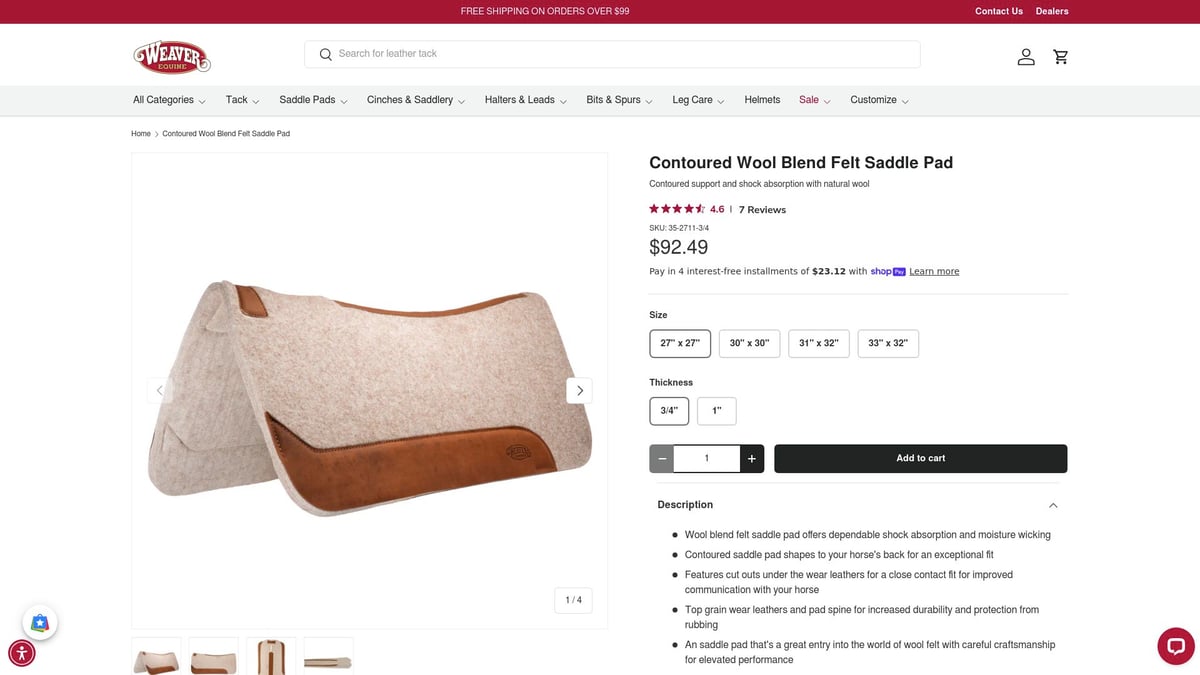
Affordability is a major draw, making it accessible for budget-conscious equestrians without sacrificing quality. The reinforced spine adds durability, and the pad's lightweight construction makes it easy to handle and clean. Available in multiple sizes, this saddle pad can accommodate different horse builds and saddle types.
While this model offers fewer customization options and a more basic design, it excels in durability and ease of use. Many lesson barns and riding schools favor this saddle pad for its ability to withstand frequent washing and daily use. Riders appreciate the balance of comfort, fit, and price.
Gray Kush Fleece Open Extended Wither Saddle Pad – Best Ever Pads
The Gray Kush Fleece Open Extended Wither Saddle Pad is engineered specifically for horses with prominent withers. Its extended wither relief design and plush fleece lining offer maximum comfort, reducing the risk of soreness and rubbing. The contoured build ensures the saddle pad stays in place, adapting to the horse's back and movement.
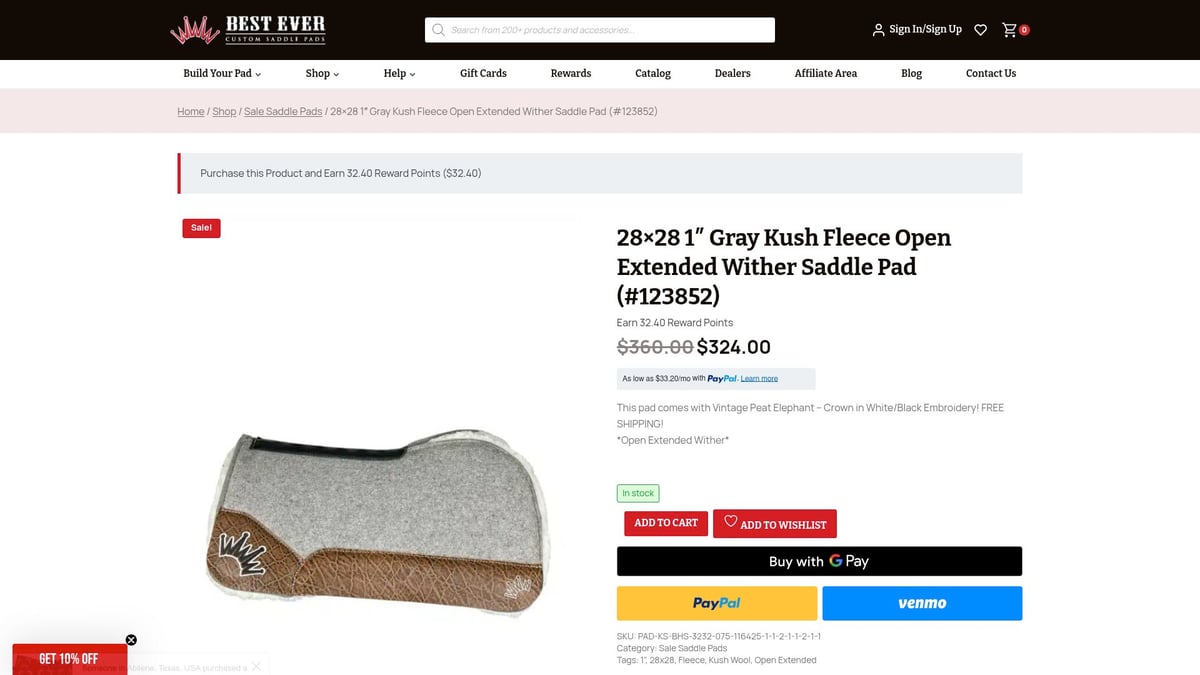
Reinforced wear areas protect high-stress zones, increasing the pad's lifespan. This model is especially well-suited for endurance and trail riders, where comfort over long distances is essential. The fleece lining adds a luxurious feel, and user reviews frequently mention the elimination of wither soreness after switching to this saddle pad.
While the fleece requires a bit more maintenance to keep it clean and fluffy, the benefits in comfort and fit are considerable. The higher price reflects the specialized design and premium materials. Riders with high-withered horses often consider this saddle pad a worthwhile investment.
Custom Synergy Saddle Pad – Weaver Equine
For those seeking a truly personalized experience, the Custom Synergy Saddle Pad by Weaver Equine is an industry leader. Riders can choose every aspect of their saddle pad, from size and color to embroidery and fit, ensuring a product that meets unique needs and preferences. The high-density wool construction and impact foam inserts provide top-level shock absorption and support.
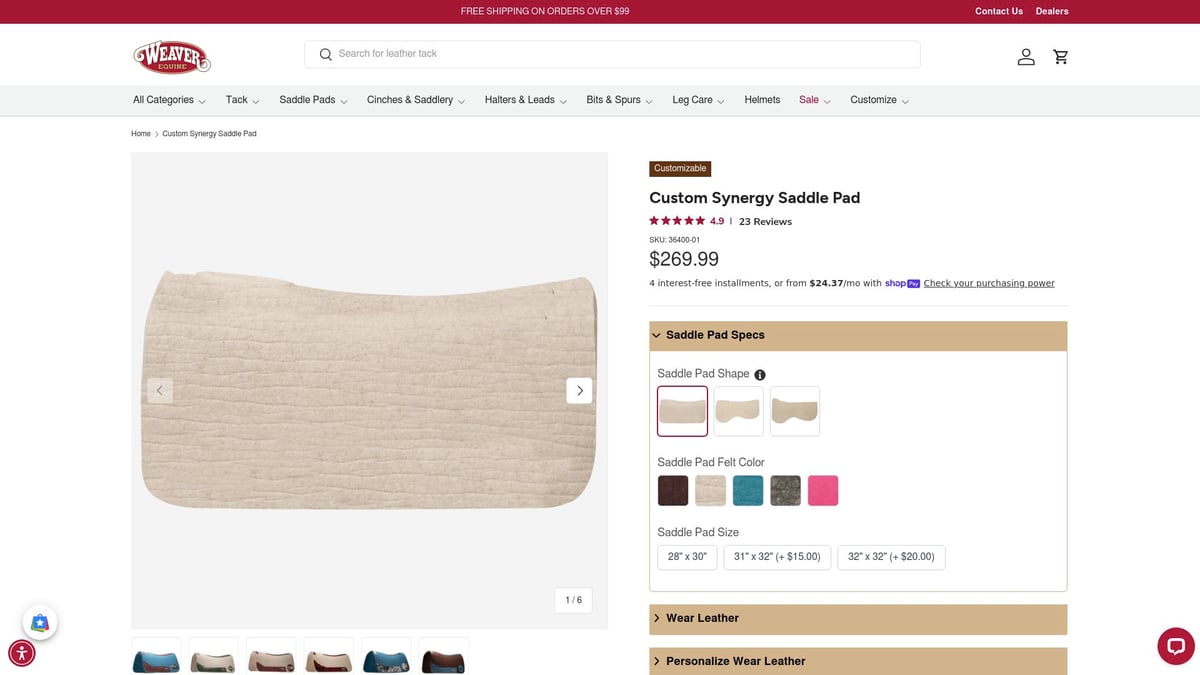
This saddle pad is ideal for show teams, riders in specialized disciplines, or anyone who values both style and function. The tailored fit reduces slippage and optimizes weight distribution, contributing to better horse comfort and performance. Custom embroidery allows for logos or names, making this saddle pad a favorite for teams and competitive riders.
The main considerations are the premium cost and longer delivery times due to custom production. However, the unmatched personalization and high-quality materials make this saddle pad a standout choice for 2025.
28x28 1" Blue Kush Wool Saddle Pad – Best Ever Pads
The 28x28 1" Blue Kush Wool Saddle Pad is designed for riders who want both performance and a pop of color. Made from 100 percent wool, this saddle pad offers superior moisture-wicking abilities, keeping your horse cool and comfortable during intense activity. The contoured spine ensures a close fit that minimizes movement and maximizes stability.
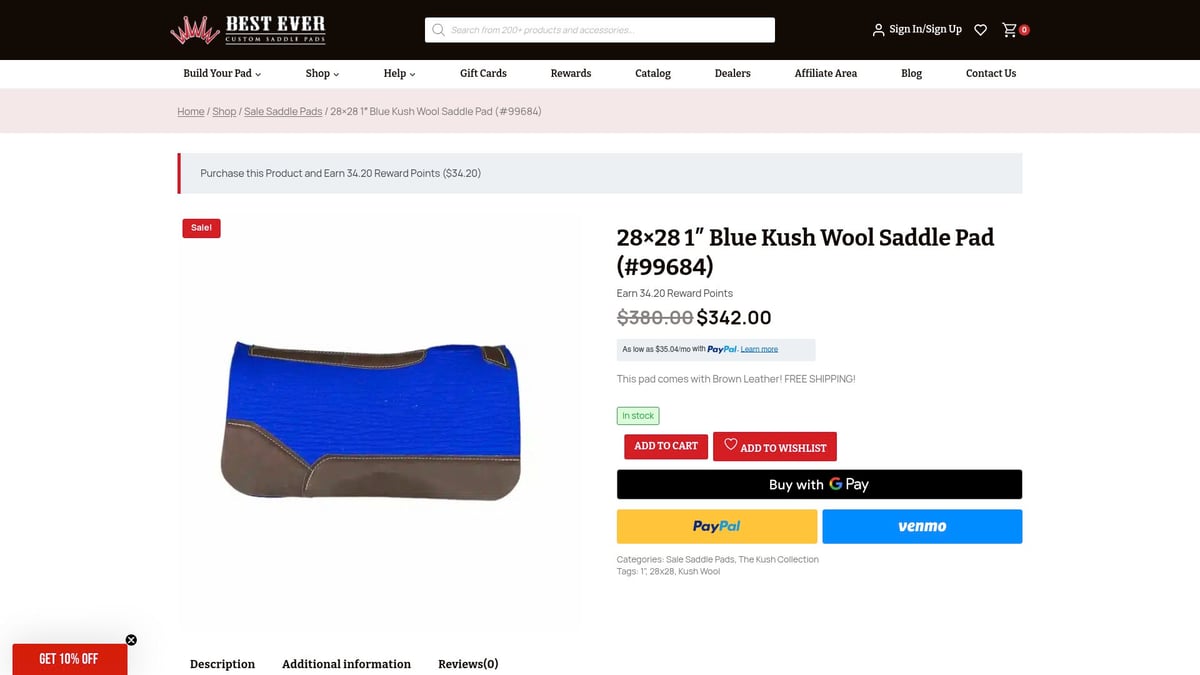
Reinforced leather edges enhance durability, even with frequent use. The vibrant blue color stands out in any arena, making this saddle pad a popular choice among barrel racers and those competing in fast-paced events. Its quick-drying properties are especially valuable in hot climates or after heavy workouts.
While the size may be limited for some saddles, and the price is on the higher end, the combination of style, function, and durability makes this saddle pad a top pick for riders who want to make a statement without compromising on quality.
25x25 1″ OG Wool PONY Saddle Pad – Best Ever Pads
The 25x25 1″ OG Wool PONY Saddle Pad is purpose-built for smaller equines. Its compact size and contoured cut ensure a snug, comfortable fit for ponies, making it easy to handle and position. Constructed from 100 percent wool, this saddle pad provides natural cushioning and moisture management, supporting pony health during lessons or light riding.
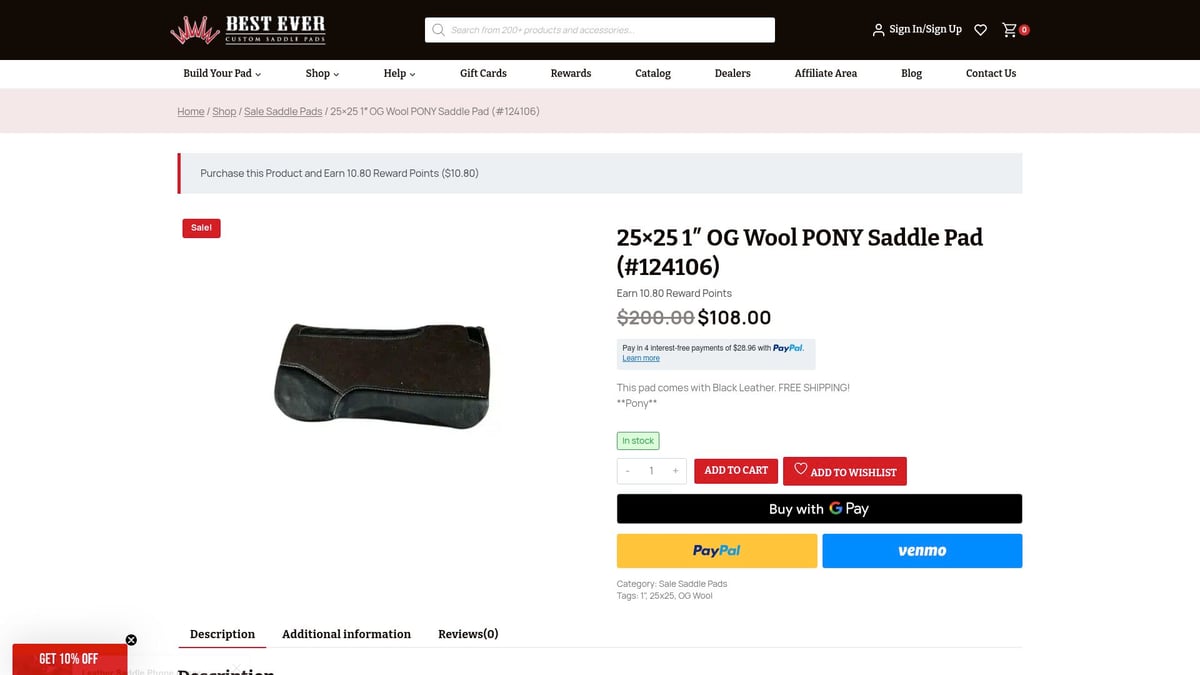
Reinforced edges increase durability, and the lightweight design is appreciated by youth riders and instructors alike. The affordable price point makes this saddle pad accessible for lesson barns or families with young riders. Although the design is basic and not suitable for larger horses, it excels in providing pony-specific comfort and utility.
Instructors frequently recommend this saddle pad for beginner riders, highlighting its ease of use and straightforward maintenance.
Saddle Pad Comparison Table
| Model | Materials | Key Benefit | Target Discipline | Price Range |
|---|---|---|---|---|
| Synergy Contoured Performance | Wool Blend, Inserts | Custom fit, breathability | Trail, Performance | $269.99+ |
| Black Kush with Turquoise Navajo | 100% Wool | Style, shock absorption | Western, Show | $301.50–$355.50 |
| Contoured Wool Blend Felt | Wool Blend Felt | Value, durability | All-purpose, Lesson | $92.49+ |
| Gray Kush Fleece Extended Wither | Wool, Fleece | Wither relief, comfort | Endurance, Trail | $324.00 |
| Custom Synergy | Wool, Foam Inserts | Personalization, fit | Show, Custom | $269.99+ |
| Blue Kush Wool | 100% Wool | Quick-drying, style | Barrel Racing | $342.00 |
| OG Wool PONY | 100% Wool | Pony fit, lightweight | Youth, Lesson | $108.00 |
Each of these saddle pad models addresses specific needs, from anatomical support to style and customization. Choosing the right saddle pad for your horse and discipline can elevate your riding experience, protect your horse’s back, and reflect your personal taste. Remember, the best saddle pad is the one that fits both your horse and your goals for 2025.
Shop This Post

Featured in this article
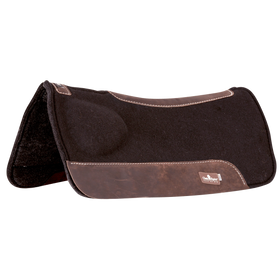
Professional's Choice 100% Wool Felt Contoured Saddle Pad - Steam-Pressed Pressure Relief & Moisture Wicking
$158.99
Shop Now →
Matching a Saddle Pad to Your Riding Style
Selecting the right saddle pad is essential for both horse and rider comfort. Each riding discipline has specific requirements, so understanding these differences ensures optimal performance and health for your horse.
Western vs. English: What's the Difference?
Western and English riding disciplines demand different saddle pad designs. Western pads are larger, often constructed from wool or felt, and typically measure 30x30 inches or more. These pads provide extra cushioning and are suited for roping, barrel racing, and trail riding. In contrast, English saddle pads are lighter, shaped to fit close contact saddles, and often quilted or fleece-lined for a slim profile.
| Feature | Western Saddle Pad | English Saddle Pad |
|---|---|---|
| Shape | Rectangular, contoured | Shaped, square, or half pad |
| Material | Wool, felt, gel, synthetics | Cotton, fleece, quilted |
| Typical Thickness | 1/2" to 1.25" | 1/2" or less |
| Purpose | Shock absorption, protection | Close contact, sweat wicking |
Barrel racers, for example, rely on contoured, shock-absorbing pads to reduce impact during fast turns. English riders often select a saddle pad that enhances saddle stability and wicks moisture without adding bulk.
Do You Need a Specialized Saddle Pad?
Not every horse fits the standard mold. Some require a specialized saddle pad for comfort or health reasons. Horses with high withers, such as seniors or those with unique conformations, benefit from pads with extended wither relief. This design prevents pressure points and sore spots.
Gel inserts are popular for therapeutic needs, offering targeted support for injury recovery or sensitive-backed horses. Riders tackling endurance or summer trails often look for pads with advanced ventilation to keep horses cool and dry. Open wither fleece pads are a top choice for horses prone to saddle sores or rubbing.
When selecting a saddle pad, consider your horse’s anatomy, workload, and climate. Custom options are available for nearly every scenario, ensuring every horse receives the support it needs.
Half Pads for Extra Cushioning
A half pad is a versatile and essential piece of horse tack used for adding an extra layer of cushioning and support. Placed between the saddle and a standard saddle pad, it helps absorb shock during rides and minimizes the impact of both the saddle and the rider's weight. This provides significant comfort to the horse's withers and spine, allowing for freer and more comfortable movement. Many riders use them to improve saddle fit or provide extra protection for horses with sensitive backs, making them a go-to solution for enhancing overall comfort and performance without adding excessive bulk.
Riser Pads for Saddle Balance
When a saddle doesn't sit level on a horse's back, it can create pressure points and discomfort. Riser pads are designed to correct this imbalance. These specialized pads lift either the front or the back of the saddle to achieve a proper fit. A front riser is ideal for a horse with high withers or if the saddle is tilting downward in the front. Conversely, a rear riser helps level a saddle that is tipping backward. By addressing these fit issues, riser pads help distribute the rider's weight more evenly, which is crucial for the horse's long-term back health and comfort.
Anti-Slip Pads for Stability
Saddle slippage is a common and frustrating problem for many riders, especially during competitive events or on horses with rounder body shapes. Anti-slip pads are designed to solve this issue by creating more grip between the saddle pad and the horse's back or between the pad and the saddle itself. These pads are typically thin and made from a tacky, breathable material that helps keep the saddle securely in place without adding extra bulk. This added stability provides peace of mind for the rider and ensures the horse remains comfortable and free from chafing caused by a shifting saddle.
Pads for Specific Disciplines
Your riding discipline heavily influences the type of saddle pad you’ll need. A trail rider has different requirements than a dressage competitor, and the right pad supports the specific movements and saddle style of each activity. From the elegant, close-contact feel needed for dressage to the rugged shock absorption required for jumping, the design of your pad plays a direct role in your performance. Understanding these nuances is key to making a smart choice that benefits both you and your horse. Let's look at what some of the most common disciplines require.
Dressage Pads
In dressage, elegance and precision are everything. That’s why dressage riders typically choose thin, close-fitting pads that don’t interfere with the rider's leg contact. These pads are designed with a straight-cut front to match the long, straight flaps of a dressage saddle, creating a clean and traditional look. While they are slim, they still effectively wick away sweat and provide a light layer of cushioning. The goal is to offer protection without adding bulk, allowing for clear communication between the rider’s leg and the horse’s side. A simple, well-fitted dressage pad complements the sophisticated appearance required in the show ring.
Jumping Pads
Jumping places high-impact demands on a horse's back, making shock absorption a top priority. Jumping pads are thin and lightweight but often incorporate extra foam or gel inserts to protect against the force of landing. Their shape is distinct, with a forward-cut contour that follows the lines of a jumping or all-purpose saddle. This design prevents the pad from bunching up under the rider's knee, ensuring freedom of movement and stability over fences. The right jumping pad strikes a perfect balance, offering crucial protection while still allowing the close-contact feel needed for precise communication on course.
Cutting and Close-Contact Pads
For high-speed, athletic disciplines like cutting, the rider needs to feel every subtle shift in the horse's body. This requires a close-contact pad that allows for maximum communication. These pads are typically thinner than standard Western pads, reducing the barrier between the rider’s seat and the horse’s back. They are contoured to fit securely and stay in place during sharp, quick turns without slipping. While they provide less bulk, they are still crafted from durable, shock-absorbing materials to ensure the horse remains comfortable and protected throughout intense work.
Competition Rules and Regulations
Before you invest in a new saddle pad for shows, make sure you know the rules. Many equestrian competitions have strict regulations regarding the color, shape, and style of horse tack, including saddle pads. For instance, dressage often requires a conservative white pad, while hunter classes may have specific guidelines on fit and appearance. To avoid any surprises on show day, always check the official rulebook for your discipline’s governing body. A quick review can save you from potential penalties or even disqualification over a simple equipment choice.
Simple Tips for a Perfect Fit
Proper fit is crucial in maximizing the benefits of any saddle pad. Start by measuring both your saddle and your horse’s back. The pad should extend slightly beyond the saddle’s edges without interfering with movement. Thickness matters, too: a pad that is too thick can alter saddle balance, while one that is too thin may not provide enough protection.
Look for these signs of poor fit:
- Slippage during riding
- Dry spots or uneven sweat patterns
- Noticeable pressure points after use
If you notice any of these issues, it may be time to reassess your saddle pad choice. For more in-depth solutions, refer to this Solving saddle fit problems guide, which covers common fit issues and offers practical fixes.
Remember, the right saddle pad can adapt to seasonal changes in your horse’s weight and muscle tone. Regularly checking fit helps prevent discomfort and long-term back issues for your equine partner.
How to Clean and Care for Your Saddle Pad
Proper care of your saddle pad is essential for maintaining both horse comfort and gear longevity. Regular maintenance not only prolongs the life of your investment but also ensures that your saddle pad continues to deliver optimal performance ride after ride.
Routine cleaning is the foundation of good saddle pad care. For most pads, hand washing with mild soap and cool water is recommended. This method helps preserve material integrity, especially for wool or fleece. If your saddle pad is machine washable, use a gentle cycle and avoid high heat when drying to prevent shrinking or warping.
To keep your saddle pad free of sweat, hair, and stains, use a curry comb or stiff brush after each ride. This quick action removes debris before it embeds in the fibers. For stubborn stains, spot clean with a damp cloth and gentle cleaner. Deep cleaning should be done weekly or as needed, depending on how often you ride.
Storing your saddle pad properly is just as important as cleaning. Always allow the pad to dry completely before putting it away. Store in a cool, dry place to prevent mold and mildew from forming. Hanging pads or placing them flat on a rack helps maintain their shape and allows air circulation.
Knowing when to replace your saddle pad is crucial for horse health. Look for signs such as compressed or uneven padding, persistent odors that do not wash out, or visible wear and tear. A worn saddle pad can cause discomfort or even injury by failing to provide adequate cushioning.
Wool saddle pads, in particular, benefit from regular brushing and airing out. This simple practice helps wool retain its natural resilience and shape, extending the life of the pad. For more comprehensive care tips and how saddle pads fit into your overall tack routine, visit this essential horse tack overview.
Investing time in proper saddle pad maintenance ensures every ride is comfortable and safe for your horse. With these habits, your gear will stay reliable and your horse’s back will thank you.
Washing Wool and Felt Pads
Wool and felt saddle pads require a gentle touch to maintain their performance and shape. Unlike synthetic materials, these natural fibers can be damaged by harsh detergents or high heat. The best approach starts with routine care after every ride. Wool saddle pads, in particular, benefit from regular brushing and airing out. This simple practice helps wool retain its natural resilience and shape, extending the life of the pad. For a deeper clean, hand-wash your pad in cool water with a cleaner specifically designed for wool. Avoid scrubbing aggressively, as this can cause the fibers to felt or mat together. Gently squeeze out excess water without wringing or twisting the pad, which can distort its form and compromise its cushioning ability.
Proper Drying and Storage
How you dry and store your saddle pad is just as important as how you wash it. Improper drying can lead to mildew and break down the pad’s fibers, while poor storage can ruin its shape. Always allow the pad to dry completely before putting it away. Lay it flat or hang it over a rail in a well-ventilated area away from direct sunlight, which can cause fading and damage. Store it in a cool, dry place to prevent mold and mildew from forming. Hanging pads or placing them flat on a rack helps maintain their shape and allows for proper air circulation. Taking these extra steps ensures your horse tack remains in top condition for years to come.
Getting the Most Out of Your Saddle Pad
Achieving optimal comfort and performance for both horse and rider depends on more than just the right saddle pad. Small adjustments and regular checks can make a significant difference in your horse’s well-being and your ride quality. Explore these expert strategies to get the most out of your saddle pad investment.
Should You Use Liners or Layer Pads?
Thoughtful layering can extend the life of your saddle pad and enhance protection for your horse’s back. Use a pad liner when you need added cushioning or want to keep your main pad cleaner, especially during intense training or long trail rides.
Doubling up pads is not always better. In most cases, a single high quality saddle pad designed for your discipline offers better stability and reduces bulk under the saddle. Choose liners made from breathable, moisture-wicking materials to prevent overheating. Regularly assess whether your current setup is providing enough support and adjust as your horse’s needs change.
The Risks of Double Padding
Using two saddle pads might seem like a simple way to add extra cushioning, but this approach often causes more harm than good. When layered, pads can shift against each other, which makes your saddle unstable and can throw off your balance. To counter this slippage, you might find yourself over-tightening the cinch, creating uncomfortable pressure for your horse. The extra bulk can also change your saddle's fit entirely, leading to new pressure points and restricting your horse’s shoulder movement. Ultimately, this setup can result in soreness, reduced performance, and even long-term back problems. It's always best to invest in a single, high-quality pad that fits both your horse and saddle correctly, ensuring you have the right piece of essential horse tack for a safe, comfortable ride.
How to Adapt to Your Horse's Changing Back
Horses’ bodies change with seasons, training, and age. As your horse gains or loses weight or develops muscle, your saddle pad needs may shift. Switching pads between horses? Always check for proper fit, as a saddle pad suited to one horse may cause pressure points or slippage on another.
Watch for changes in your horse’s back shape and adjust pad thickness or contour accordingly. If you rotate pads among multiple horses, clean them frequently to avoid skin irritations. With regular monitoring, you can ensure each saddle pad continues to deliver optimal comfort and prevents injury.
Using Shims for Minor Fit Adjustments
Sometimes, even with a well-fitting saddle, you might notice small gaps or pressure points because of your horse's unique conformation. This is where shims can be incredibly useful. Shims are foam or gel inserts designed to fit into special pockets in a saddle pad, allowing you to make minor fit adjustments. They are perfect for balancing a saddle, relieving pressure around high withers, or filling in hollows behind the shoulders on a horse with a sway back. Think of them as a way to fine-tune an already good fit, not as a fix for a poorly fitting saddle. If your pad is constantly slipping or causing soreness, the saddle itself is likely the root problem. Using shims correctly can make a world of difference in your horse's comfort, but they work best when paired with properly fitted horse tack.
Checking Saddle Fit and Your Horse's Comfort
Consistent monitoring of your horse’s back and saddle pad fit is crucial for long term health. Look for signs like swelling, dry spots, uneven sweat patterns, or behavioral changes during saddling. These can signal discomfort or poor pad fit.
Perform regular checks by running your hand under the saddle pad after each ride. Replace any pad that shows signs of compression or shape loss. Riders often report improved performance and fewer back issues after upgrading to a well fitted, shock absorbing saddle pad. Prioritizing checks can prevent minor issues from becoming major setbacks.
What a Slipping Pad Might Mean
A slipping saddle pad is more than just an annoyance—it’s a clear signal that something in your tack setup needs attention. Most often, the culprit is an ill-fitting saddle that fails to sit securely on your horse’s back, causing the pad to shift with every movement. However, the pad itself could be the problem. If it lacks proper anatomical contouring, is the wrong thickness, or is sized incorrectly for your saddle, it won’t stay in place. This constant motion can create friction and uneven pressure points, leading to discomfort, sores, and even long-term back issues for your horse. Addressing the root cause is essential for your horse's health and performance.
What Are the Latest Trends in Saddle Pads?
Staying informed about the latest saddle pad trends can help you make smarter gear choices. In 2025, innovations include smart pads with integrated sensors for real time pressure mapping, eco-friendly materials, and increased options for customization.
Personalization is on the rise, with more riders choosing unique colors, embroidery, and fit options. For a deep dive into current innovations and what’s popular among top riders, explore the 2025 Custom Saddle Pad Trends. Adopting these trends ensures your saddle pad meets both performance and style demands in the modern equestrian world.
Now that you’ve explored the top saddle pad options for comfort and performance in 2025, you can see just how much the right choice impacts both you and your horse’s well-being. Whether you’re seeking advanced materials, custom fits, or practical solutions for everyday riding, investing in quality pads is a step toward better rides and healthier horses. At Hooves and Paws, you’ll find a carefully curated selection that reflects these priorities—plus the added benefit of free US shipping and flexible payment options. If you’re ready to upgrade your gear and elevate your riding experience, Buy Now and discover the difference for yourself.
Frequently Asked Questions
How often should I replace my saddle pad? There isn't a strict expiration date for a saddle pad, but you should keep an eye out for signs of wear. A pad that has become compressed, lumpy, or has lost its original shape is no longer distributing pressure evenly and needs to be replaced. A high-quality pad that is well-cared-for can last for years, while a heavily used, lower-quality pad might need to be retired after a single season.
Can a new saddle pad fix a poorly fitting saddle? Think of a saddle pad like a good pair of socks—it can make a well-fitting shoe more comfortable, but it can’t fix a shoe that’s the wrong size. While certain pads with shims can help with minor fit issues, they are not a solution for a saddle that pinches, bridges, or rocks. Your first priority should always be a saddle that fits your horse correctly. A great pad is there to enhance that fit, not to correct a bad one.
My horse has a sensitive back. What should I look for in a saddle pad? For a horse with a sensitive back, your focus should be on materials that provide excellent shock absorption and pressure distribution. Natural fibers like high-quality wool or sheepskin are fantastic choices because they cushion effectively and are very breathable, which prevents heat buildup and skin irritation. Pay close attention to the pad's shape, too. A contoured design that follows the curve of your horse's spine and offers wither relief will prevent unnecessary pressure on those key areas.
With so many options, what's the single most important thing to get right when choosing a pad? If you have to prioritize just one thing, make it the fit. A pad can be made from the most advanced material, but if it doesn't fit both your horse and your saddle, it won't perform correctly. An ill-fitting pad can slip, bunch, and create the very pressure points you're trying to avoid. Make sure the pad is the right shape and size for your saddle, extending just slightly beyond the edges without interfering with your horse's movement.
Is it really necessary to wash my saddle pad after every ride? A full, deep wash isn't necessary after every single ride, but you should definitely give the pad some attention. After you untack, take a moment to brush off any caked-on sweat, dirt, and hair with a stiff brush. This simple step prevents buildup that can irritate your horse's skin and break down the pad's fibers over time. Let it air dry completely before you put it away, and save the deep cleaning for a regular schedule based on your riding frequency.
Key Takeaways
- Focus on Fit and Function First: While color and style are fun, the right saddle pad starts with a contoured shape that matches your horse's back and a material suited to your climate. A proper fit prevents sore spots and slippage, making it the most important factor for your horse's comfort.
- Choose a Pad Designed for Your Discipline: A thick, shock-absorbing pad for barrel racing won't work for dressage, where close contact is key. Always select a pad with the specific shape, thickness, and features required for your activity to support both your performance and your horse's well-being.
- Make Your Investment Last with Proper Care: A good saddle pad isn't cheap, so protect it with routine maintenance. Regular brushing, proper washing based on the material, and correct storage will extend its life and ensure it continues to protect your horse's back effectively.


