


Your saddle pad does so much more than just sit under your saddle. It’s a high-performance piece of gear responsible for absorbing shock, managing moisture, and ensuring your saddle stays securely in place. A pad that fails at any of these jobs can lead to a sore back for your horse and a frustrating ride for you. With so many options on the market, from contoured designs to advanced materials, it’s important to understand what makes a pad truly effective. We’ll cover the essential features to look for in a great western saddle pad, helping you find the right fit to keep your horse comfortable and performing their best.
Key Takeaways
- Prioritize the Perfect Fit Above All Else: A saddle pad should complement your saddle, not compensate for a poor fit. Look for a contoured shape that follows your horse's back and ensure the pad extends 1-2 inches beyond your saddle on all sides to prevent rubbing and pressure points.
- Choose Your Material Based on Your Riding Style: The best material is the one that meets your specific needs. Natural wool and felt excel at wicking moisture for long trail rides, while gel or memory foam pads provide superior shock absorption for high-impact training.
- Proper Care Protects Your Horse and Your Investment: A dirty, worn-out pad can cause skin irritation and sores. Keep your pad effective by brushing it after every ride, washing it correctly based on its material, and always allowing it to dry completely before storing it.
What Does a Western Saddle Pad Actually Do?
Think of a Western saddle pad as the essential layer of communication and comfort between your saddle and your horse. It’s much more than just a colorful blanket; it’s a critical piece of equipment designed to protect your horse’s back and improve your riding experience. At its core, a saddle pad is a protective barrier that absorbs shock from movement, wicks away sweat to keep your horse cool, and helps distribute the weight of the saddle evenly across their back. Without one, the direct pressure and friction from the saddle could cause serious discomfort, sores, and even long-term back problems for your horse.
The importance of a high-quality saddle pad really can't be overstated. First and foremost, it’s about your horse’s well-being. A well-designed pad prevents painful pressure points and soreness, which is crucial for keeping your horse happy, healthy, and willing to perform. When your horse is comfortable, they can move more freely and confidently. A good pad also enhances the fit of your saddle, filling in minor gaps to create a more stable and secure connection. While it can't fix a poorly fitting saddle, it is a vital component of a proper setup. Finally, it protects your investment by keeping the underside of your leather saddle clean from sweat and dirt, extending its life. Investing in the right pad is a fundamental part of responsible horse ownership and a key piece of horse tack for every rider.
A Guide to Western Saddle Pad Materials
Choosing the right saddle pad often comes down to the material. Each type offers a unique combination of comfort, durability, and performance, so understanding the differences is key to finding the perfect match for you and your horse. From traditional wool to modern gel inserts, the material directly impacts how the pad absorbs shock, manages sweat, and fits your horse’s back. Let’s walk through the most common options you’ll find.
The Classic Choice: Felt Saddle Pads
Felt is a classic, tried-and-true material for a reason. Typically made from pressed wool fibers, felt pads are known for their incredible durability and excellent shock-absorbing qualities. They do a fantastic job of wicking away moisture and heat, keeping your horse’s back cooler and drier during rides. Over time, a good felt pad will conform to your horse’s back, providing a more customized fit. Because they are so rugged, they are a favorite for everyday work, ranch riding, and demanding trail conditions. If you need a reliable workhorse of a pad that can handle years of use, felt is an outstanding choice in your horse tack collection.
Soft & Supportive: Fleece Saddle Pads
If you’re looking for softness and comfort, fleece saddle pads are a popular option. While they can be made from synthetic fleece or natural wool, they all offer a plush, cushioned feel against your horse’s back. Fleece is great at wicking away sweat, which helps prevent sores and keeps your horse comfortable, especially in warmer weather or on long rides. These pads are generally easy to clean and maintain, making them a practical choice for many riders. They provide good cushioning without a lot of bulk, offering a close-contact feel while still protecting your horse’s back from friction and pressure points.
The All-Natural Performer: Wool & Merino Wool
For top-tier performance, 100% wool and merino wool pads are hard to beat. Wool is a natural fiber with amazing properties: it’s breathable, highly effective at wicking moisture, and provides superior shock absorption. Unlike some synthetic materials, wool fibers can absorb a significant amount of moisture before feeling damp, pulling sweat away from the skin to keep your horse comfortable. These pads are also known for their ability to distribute pressure evenly and conform perfectly to your horse’s shape over time. While they are an investment, their longevity and performance make them some of our best-selling products for serious riders.
Explore our full range of western saddle pads — long-lasting, high-performance options trusted by serious riders in various thicknesses to match every need.
High-Tech Comfort: Gel & Memory Foam Pads
Think of gel and memory foam pads as the high-tech option for ultimate comfort and pressure relief. These pads feature inserts or layers of gel or memory foam strategically placed to absorb shock and eliminate pressure points. This makes them an excellent solution for horses with sensitive backs, those recovering from an injury, or performance horses in high-impact disciplines. The memory foam molds to the horse’s back for a precise fit, while the gel provides a consistent layer of cushioning that won’t compress or break down. If your priority is maximum shock absorption, a gel or memory foam pad is a fantastic choice.
The Modern Mainstays: Neoprene & Synthetic Fleece
Neoprene and synthetic fleece pads are the go-to choices for riders who need practical performance and easy maintenance. Neoprene is a standout for its excellent shock absorption, providing a comfortable cushion for your horse’s back during demanding work. Many neoprene pads are designed with vents or perforations to improve airflow, which helps reduce heat and sweat buildup. On the other hand, synthetic fleece offers a plush, soft feel that is gentle on your horse’s skin while effectively wicking away moisture to prevent sores. Both materials are incredibly easy to clean, making them a favorite for everyday riding. These modern materials are a staple in many horse tack collections because they deliver reliable comfort and function without a lot of fuss.
The Luxury Feel: Sheepskin Pads
Often considered the gold standard in comfort, sheepskin pads offer a luxurious feel with incredible performance benefits. The natural fibers provide exceptional softness and cushioning, making them an ideal choice for sensitive horses or those prone to back soreness. Sheepskin is also highly breathable and excels at wicking moisture, keeping your horse’s back dry and comfortable even on long rides. Over time, the wool conforms perfectly to your horse's unique shape, which allows it to distribute pressure more evenly than many other materials. For riders who prioritize their horse's comfort above all else, a sheepskin pad is a worthwhile investment that delivers unparalleled softness and support.
Durable & Affordable: Synthetic Blends
Synthetic blend saddle pads offer modern performance with the benefit of being lightweight and easy to care for. Often made from materials like acrylic yarns or other engineered fibers, these pads are designed to be durable, breathable, and quick-drying. They come in a huge variety of colors and woven designs, so you can easily find one that matches your style. While they may not offer the same level of moisture-wicking as pure wool, they are a practical and often more affordable option for training, casual trail riding, and everyday use. Their simple maintenance routine—just a quick hose-off and air dry—is a huge plus for busy riders.
What Makes a Great Saddle Pad?
When you’re shopping for a new saddle pad, it’s easy to get drawn in by the colors and patterns. But a great saddle pad does so much more than just look good—it’s a critical piece of horse tack that protects your horse’s back, ensures their comfort, and supports your saddle. Think of it as the ultimate performance layer between you and your horse. The right pad can make a world of difference in your ride, so it’s worth knowing what features truly matter. From absorbing shock to wicking away sweat, let’s look at the key elements that separate a top-tier saddle pad from the rest.
Protecting Your Horse's Back: Shock Absorption
Every ride involves impact, whether you’re on a leisurely trail or training in the arena. A high-quality saddle pad acts as a crucial buffer, absorbing shock to protect your horse’s back muscles and spine from the pressure of the saddle and your weight. This cushioning also makes the ride more comfortable for you. Pads made from materials like dense wool felt, memory foam, or specialized gel inserts are designed specifically for this purpose. Investing in a pad with excellent shock absorption helps prevent soreness and fatigue, keeping your horse comfortable and willing to work, ride after ride.
Keeping Cool: Breathability & Moisture-Wicking
A hard-working horse is a sweating horse, and that moisture needs somewhere to go. A saddle pad without good airflow will trap heat and sweat against your horse’s back, which can lead to skin irritation, discomfort, and even muscle soreness. That’s why breathability is non-negotiable. Look for pads made from materials known for their moisture-wicking properties, like natural wool. These materials pull sweat away from the skin and allow it to evaporate, keeping your horse cooler, drier, and much more comfortable. This feature is essential for maintaining your horse’s well-being, especially during long rides or in warm weather.
Built to Last: Durability and Construction
A saddle pad is an investment, and you want one that’s built to last. The durability of a pad comes down to two things: the quality of the materials and the craftsmanship. A well-made pad will feature sturdy wear leathers, tight stitching, and materials that resist compression and matting over time. While a cheaper pad might save you money upfront, it will likely break down quickly, losing its cushioning and supportive qualities. A durable, high-quality pad from a trusted brand will withstand regular use and countless cleanings, providing reliable protection for your horse for years to come.
Staying Put: The Importance of a Secure Fit
There’s nothing more distracting or dangerous than a saddle pad that shifts and bunches up during a ride. A secure, non-slip design is essential for keeping your saddle in place and ensuring an even distribution of pressure on your horse’s back. Some pads have a grippy texture on the underside, while others rely on a contoured shape and proper fit to stay put. A great rule of thumb is to make sure the pad extends about two to three inches beyond the edge of your saddle on all sides. This provides an adequate margin to prevent slipping without adding unnecessary bulk.
A Perfect Fit: Contour & Spine Relief
Horses aren’t flat, so their saddle pads shouldn’t be either. A high-quality pad will have a contoured shape that follows the natural curve of your horse’s back, rising over the withers instead of pressing down on them. This design provides crucial spine relief by creating a channel that prevents pressure on the sensitive vertebrae. Some pads even have a "cutback" design specifically for high-withered horses. This anatomical fit not only makes the ride more comfortable for your horse but also helps the saddle sit correctly, preventing rubbing and soreness along the topline.
Shop This Post

Featured in this article
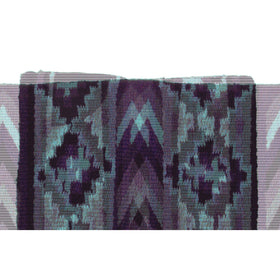
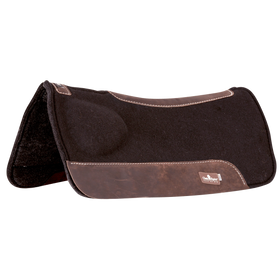
Professional's Choice 100% Wool Felt Contoured Saddle Pad - Steam-Pressed Pressure Relief & Moisture Wicking
$158.99
Shop Now →
How to Choose the Right Size and Fit for Your Horse
Finding the right saddle pad is about more than just style—it’s about your horse’s comfort and performance. A pad that fits poorly can cause soreness, pressure points, and even long-term back problems. The perfect fit creates a harmonious connection between your horse, your saddle, and you. Let’s walk through how to get the measurements right so you can choose a pad that protects your horse and supports every ride.
Step 1: Measure Your Saddle and Horse
Before you can pick a pad, you need two key measurements. First, measure your saddle’s length from the front of the pommel to the back of the cantle, following the curve. This gives you the core number you’ll work with. Next, take a good look at your horse’s back. Do they have high withers or a flatter back? Is their back straight or swayed? While you don’t need a tape measure for this part, understanding their conformation helps you choose a contoured or straight pad. This ensures the pad follows their natural shape, preventing uncomfortable pressure on the spine. Getting these basics right is the first step to finding the perfect piece of horse tack.
Step 2: Decode Saddle Pad Dimensions
Saddle pad sizes are usually listed with two numbers, like 32”x32”. The first number is the length along the horse’s spine, and the second is the drop, which is the width from the spine down the horse’s side. Here’s a simple rule to follow: your pad’s length should be about two to three inches longer than your saddle’s length. This extra room ensures the pad extends beyond the saddle skirts in the front and back, preventing the saddle from rubbing directly on your horse. It also gives the pad space to move with your horse without shifting out from under the saddle. This small buffer makes a huge difference in comfort and protection on the trail or in the arena.
Step 3: Avoid These Common Sizing Mistakes
It can be tempting to think "bigger is better," but that’s not the case with saddle pads. A pad that is too small won’t provide enough coverage, leaving the edges of your saddle to create pressure points on your horse’s back. On the other hand, an overly large pad can be just as problematic. Excess material can bunch up, creating uneven pressure and interfering with the saddle's fit. It can also get in the way of your leg cues, creating a barrier between you and your horse. The goal is a balanced fit that protects without getting in the way. Taking the time to measure properly helps you avoid these common issues and keep your horse comfortable and happy.
How Thick Should Your Saddle Pad Be?
The thickness of your saddle pad is just as important as its length and width. Pads typically range from 1/2 inch to over an inch thick. The right thickness depends almost entirely on how well your saddle fits. If your saddle is a perfect fit, a thinner pad (around 1/2” to 3/4”) is all you need for cushioning and moisture-wicking. Using a pad that’s too thick with a well-fitting saddle can make the fit too tight, pinching your horse’s withers. A thicker pad (1” or more) is better suited for saddles that are slightly too wide, as it helps fill in the extra space. As a visual guide, you should see no more than one to two inches of pad around the edges of your saddle. Many of our best selling products come in various thicknesses to match your needs.
Using Shims for Minor Saddle Fit Adjustments
While it’s crucial to remember that a saddle pad can’t fix a poorly fitting saddle, it can help with minor imperfections. This is where shims come in. Shims are small foam or gel inserts that you can place inside specific pockets on a pad to make subtle adjustments. They are incredibly useful for balancing a saddle, relieving targeted pressure points, or accommodating a horse with a unique conformation, like high withers or a sway back. If your horse has asymmetrical muscle development, shims can help create a more level surface for the saddle. Many modern corrective pads are designed with shim pockets, giving you the flexibility to customize the fit as your horse’s body changes with training and age.
Exploring Specialty Pads and Common Shapes
Beyond the standard pads you see every day, there’s a whole world of specialty pads designed for specific jobs. Whether you need to correct a minor saddle fit issue, keep your saddle secure during high-speed events, or provide extra comfort on a long-distance ride, there’s a pad built for the task. These designs often feature unique materials, shapes, and construction to meet the demands of different disciplines and equine conformations. Understanding these options can help you find the perfect solution to keep your horse comfortable and performing at their best. Let’s look at some of the most common specialty pads you’ll encounter.
Corrective and Support Pads
Corrective and support pads are designed to solve problems. They are the go-to choice when you need to address specific saddle fitting challenges or provide extra support for a horse with a unique back shape. These pads are particularly helpful for horses that are still developing muscle, those getting back into work after a break, or senior horses who may have lost some topline. By using features like built-in lifts or customizable shims, these pads help distribute weight more evenly and prevent the saddle from pinching, bridging, or rocking. They are a smart tool for fine-tuning your setup and ensuring your horse stays comfortable.
Riser Pads
A riser pad does exactly what its name suggests: it lifts or "rises" one part of the saddle. These pads are typically wedge-shaped and are used to balance a saddle that is tilting either forward or backward. A front riser pad adds lift under the pommel, which is helpful for horses with high withers, preventing the saddle from pressing down. A rear riser lifts the cantle, which can help balance a saddle on a horse with a downhill build. They are a simple but effective way to correct the saddle’s position and ensure even pressure distribution.
Half Pads
Half pads are smaller, versatile pads that are placed between your main saddle pad and the saddle. They are used to add an extra layer of shock absorption or to make minor adjustments to saddle fit without adding bulk along the horse’s entire back. Many half pads are made from high-tech materials like memory foam or gel and often include pockets for shims, allowing for very precise corrections. They are a great option for adding targeted cushioning right where it’s needed, helping to eliminate pressure points and improve overall comfort for your horse.
Performance-Focused Pads
When your riding demands more than just a casual trail cruise, performance-focused pads step up to the challenge. These pads are engineered for specific disciplines, prioritizing features that support both horse and rider during intense activity. Whether it’s providing maximum grip for tight turns, exceptional breathability for long endurance rides, or superior shock absorption for reining stops, these pads are built with a purpose. They use advanced materials and thoughtful designs to handle the stress of competition and rigorous training, ensuring your horse stays comfortable and your equipment stays securely in place when it matters most.
Anti-Slip Pads
There’s nothing more frustrating than a saddle that won’t stay put. Anti-slip pads are designed to solve this problem by creating extra grip to keep your saddle from shifting. They are an excellent choice for horses with round, flat backs that don’t offer much natural stability for a saddle. They are also popular in high-motion events like barrel racing or cutting, where a secure saddle is essential for safety and performance. These pads often feature a tacky, rubber-like material on one or both sides to anchor the pad and saddle in place without causing friction or discomfort.
Endurance Pads
Long hours in the saddle require a pad that can go the distance. Endurance pads are built specifically for long trail rides and endurance competitions. Their primary features are exceptional durability, advanced moisture-wicking capabilities, and superior cushioning that won’t compress over time. They are designed to keep your horse’s back cool and dry while providing consistent shock absorption to prevent fatigue and soreness on all-day rides. Though they are incredibly tough, they are often surprisingly lightweight to reduce the overall burden on the horse, making them a must-have for any serious distance rider.
Other Popular Options
Beyond the specialized categories, there are a few other popular types of pads and blankets that every rider should know about. These options serve different purposes, from providing a unique riding experience to adding a touch of personal style to your setup. They might not be designed for correcting saddle fit or for a specific high-performance discipline, but they hold an important place in the tack room for their comfort, versatility, and practicality. Whether you’re looking to build a closer connection with your horse or simply add another layer of protection, these are worth considering.
Bareback Pads
For riders who love the close-contact feel of riding without a saddle but want a bit more comfort and security, a bareback pad is the perfect solution. These pads provide a cushioned seat for the rider and a layer of protection for the horse’s back. Most bareback pads are designed with a non-slip underside to keep them from shifting and often include a handle or grab strap for balance. They are a fantastic tool for improving your seat and balance while enjoying a more connected ride with your horse.
Saddle Blankets
Often confused with saddle pads, saddle blankets are typically thinner, woven pieces that can be used in a couple of different ways. A high-quality woven wool blanket can be used on its own for a very close-contact ride with a well-fitting saddle, or it can be layered over a plain felt or foam pad. This allows you to add a pop of color and personality to your look while also adding a bit of extra protection. Saddle blankets are versatile, easy to clean, and come in countless beautiful patterns, making them a popular choice for the show ring and the trail alike.
Understanding Pad Shapes: Contoured vs. Square
The shape of your saddle pad is one of its most important features, as it directly impacts how it fits your horse’s back. The two most common shapes you’ll find are the traditional square pad and the more modern contoured pad. Square pads are the classic Western style—a simple rectangle of material that provides ample coverage under the saddle. They are straightforward and offer plenty of protection, but their flat design can sometimes put pressure on a horse’s withers, especially if the horse has a prominent topline. They work best on horses with flatter, less defined backs.
Contoured pads, on the other hand, are designed with the horse’s anatomy in mind. They feature a curved shape along the top edge that follows the natural dip of a horse’s back and rises up over the withers. This creates a channel of open space over the spine, preventing the pad from pressing down on the sensitive vertebrae and allowing for better airflow. This anatomical fit provides superior comfort and helps the saddle sit more securely. For most horses, a contoured pad is the best choice for preventing soreness and ensuring a comfortable ride, which is why you’ll find so many great options in our horse tack collection.
Find the Right Pad for Your Riding Style
The perfect saddle pad isn't a one-size-fits-all solution. The demands of a long trail ride are completely different from the precision needed in an arena or the polished look required for a show. Thinking about how you spend your time in the saddle is the best way to narrow down your options and find a pad that supports both you and your horse, no matter where your adventures take you. Let’s look at the specific needs for three common riding styles.
Best Pads for Trail Riding
When you’re out on the trail for hours, your horse’s comfort is the top priority. You need a pad that can handle varied terrain and long durations under the saddle. Look for materials like wool, felt, or memory foam that offer excellent shock absorption to reduce fatigue on your horse's back. Many pads are specifically designed to "absorb shock, keep your horse cool, and wick away sweat," which is crucial for preventing soreness and hot spots on all-day rides. A contoured design that allows for spine relief is also a must-have for keeping your horse comfortable mile after mile.
Best Pads for Arena Work & Training
For training sessions and arena work, a proper fit is everything. Because you’re asking your horse for precise movements, you can’t have a pad that slips or bunches. A well-fitting pad should extend about "two to three inches farther than the saddle" on all sides, providing a protective barrier without excess bulk. Pay close attention to the wither area; the pad should never sit too low or pull down on the withers, as this can cause serious discomfort. Materials that offer a good grip without sacrificing breathability, like high-quality felt or specialized synthetic blends, are excellent choices for keeping your horse tack secure.
Choosing a Pad for Competition
In the show ring, your saddle pad has to perform well and look sharp. A clean, polished appearance is just as important as function. When choosing a show pad, you’ll want to "choose a pad that will have no more than 1-2” of pad showing around your saddle." This creates a tidy silhouette that complements your horse and your saddle. Many riders opt for wool or felt pads with leather trim for a classic look. These pads offer a fantastic "blend of traditional design and modern performance," ensuring your horse is comfortable while you both look your best for the judges.
Pads for Barrel Racing
Barrel racing is all about speed, agility, and explosive power. During those tight, high-speed turns, your saddle pad needs to stay put while providing critical protection. The ideal pad for this discipline is one that is lightweight, offers excellent cushioning, and absolutely will not slip. A heavy pad can slow you down, while a pad that shifts can be dangerous and throw off your balance. Look for contoured pads made from high-density felt or specialized foam that absorb impact without adding bulk. A secure, non-slip design is non-negotiable to keep your saddle stable as you and your horse make those quick, powerful movements around the barrels.
Pads for Cutting
Cutting demands an incredible connection between horse and rider, where every subtle shift in weight is a cue. For this reason, cutting requires a close-contact pad that allows you to feel the horse’s every move. A thick, bulky pad would muffle that essential communication, so riders in this discipline prefer thinner, more streamlined options. The goal is to find a pad that provides enough protection and shock absorption to keep your horse comfortable during sharp, athletic stops and turns, but is thin enough to not interfere with your leg and seat cues. High-quality wool felt is a popular choice, as it offers protection and breathability in a dense, low-profile design, ensuring your horse tack enhances your performance, not hinders it.
Top-Rated Western Saddle Pad Brands to Know
When you start shopping for a saddle pad, the number of brands can feel overwhelming. The good news is that many companies have built solid reputations for creating high-quality, durable, and comfortable pads. Investing in a product from a trusted brand means you’re getting a pad that’s been thoughtfully designed and tested by fellow equestrians. These brands often use superior materials and construction techniques that protect your horse’s back and stand up to the demands of regular riding.
Choosing a well-known brand also gives you access to a wealth of reviews and community feedback, so you can see how a pad performs in the real world. From innovative shock-absorbing technology to classic hand-woven wool, different brands specialize in different features. We’ve rounded up a few of the top names in the industry to help you find a saddle pad that both you and your horse will love. These brands are known for their commitment to quality and performance, making them a great place to start your search.
Hooves and Paws Premium Selection
Here at Hooves and Paws, we’ve handpicked a collection of saddle pads from brands we trust and use ourselves. Our selection includes favorites like Classic Equine, Cashel, Impact Gel, and Mustang, among others. We believe in offering a variety of options because we know every horse and rider combination is unique. Whether you need a pad for long trail rides, ranch work, or showmanship, you can find a reliable option in our horse tack collection. By curating products from the best in the business, we make it easier for you to shop with confidence, knowing you’re getting a quality pad that’s built to last.
Classic Equine Performance Options
Classic Equine is a go-to for riders who want a perfect blend of traditional Western style and modern performance. Many of their pads feature beautiful, hand-woven designs made from premium yarns that look great in and out of the arena. But they’re not just about looks—these pads are engineered for function. They offer excellent comfort and fit, helping to distribute pressure evenly under the saddle. If you’re looking for a pad that honors classic craftsmanship while incorporating features that support your horse’s athletic needs, Classic Equine is a fantastic choice.
Impact Gel Shock-Absorbing Technology
If your top priority is protecting your horse’s back from impact, look no further than Impact Gel. This brand is famous for its innovative gel technology, which provides unmatched shock absorption. This is especially beneficial during high-impact activities like barrel racing or roping, but it’s a great feature for any riding discipline. Riders often report that Impact Gel pads hold up incredibly well over time, providing consistent comfort and support for both horse and rider. An Impact Gel pad is a smart investment in your horse’s long-term soundness and comfort.
Cashel Comfort-Focused Designs
Cashel has earned a reputation for putting the horse’s comfort first. Their saddle pads are specifically designed to provide exceptional support and cushioning where it’s needed most. Many of their designs feature contoured shapes that follow the natural curve of the horse’s back, preventing uncomfortable pressure points along the spine. Cashel pads are an excellent choice for trail riders who spend long hours in the saddle or for horses that are sensitive and need a little extra cushioning. When you choose a Cashel pad, you’re choosing a product designed with your horse’s well-being in mind.
CSI and Dura-Tech Professional Options
For the serious competitor or dedicated rider, brands like CSI and Dura-Tech offer professional-grade options built for performance. CSI Pads are a favorite among many riders for their unique system that includes a breathable inner layer and a built-in shock-absorbing pad. This design promotes airflow while protecting the horse’s back during intense work. Similarly, Dura-Tech is known for creating tough, no-nonsense pads that can handle the rigors of daily training and competition. These brands are ideal for riders who demand the highest level of performance and durability from their equipment.
Common Mistakes to Avoid When Buying a Saddle Pad
Choosing the right saddle pad is one of the most important decisions you can make for your horse’s comfort and performance. While it might seem straightforward, a few common missteps can lead to discomfort, pressure sores, and even long-term back problems for your partner. Let’s walk through the most frequent mistakes so you can feel confident you’re making the best choice for your horse. By avoiding these pitfalls, you ensure every ride is a great experience for both of you.
Is Too Much Padding a Bad Thing?
It’s a common myth that more padding equals more comfort. In reality, overpadding can do more harm than good. A saddle pad that’s too thick can alter how your saddle fits, creating tight spots and pressure points. This often leads riders to overtighten the cinch to keep the saddle secure, which can cause painful cinch sores and restrict your horse’s movement. The goal is to find a pad that complements your saddle’s fit, not one that tries to fix it. Think of it as finding the perfect insole for a shoe—it should support, not cram. A well-fitting saddle needs just enough padding to absorb shock and distribute weight evenly, a concept that challenges the enduring myth that thick pads solve all problems.
Forgetting to Consider Material Sensitivity
Every horse is an individual, and that includes their skin sensitivity. A material that works wonderfully for one horse might cause irritation or heat buildup for another. Synthetic materials can sometimes trap heat and moisture, while natural fibers like wool offer excellent breathability. It’s also crucial to consider the upkeep. For instance, it's best to avoid harsh soaps on felt and fleece pads, as residue can be difficult to rinse out completely and may irritate your horse's skin. Pay attention to how your horse’s back looks after a ride. Is it evenly damp, or are there dry spots indicating pressure? Answering these questions will help you find the best saddle pad material for your horse’s specific needs.
Getting the Size and Shape Wrong
A saddle pad needs to be just the right size—not too big and not too small. Pads that are too small won't provide enough coverage, leaving the edges of the saddle bars to press directly on your horse’s back. On the other hand, overly large pads can bunch up under the saddle or interfere with your horse’s hip and wither movement, creating uncomfortable friction. A good rule of thumb is to have about one to two inches of pad visible around the entire perimeter of your saddle. This ensures complete protection without excess material getting in the way. When browsing for new horse tack, always double-check the pad’s dimensions against your saddle’s measurements.
How Much Should a Good Saddle Pad Cost?
Figuring out how much to spend on a saddle pad can feel a bit like a guessing game. You’ll see prices ranging from under $50 to well over $300, and it’s not always clear what you’re getting for your money. The truth is, there are great options at every price point. The cost of a saddle pad usually comes down to three things: the quality of the materials, the complexity of the construction, and any special technology used for shock absorption or fit.
While it’s tempting to just grab the cheapest option, think of a saddle pad as an investment in your horse’s comfort and your saddle’s longevity. A well-made pad protects your horse’s back from pressure and friction, wicks away sweat, and helps your saddle fit securely. Spending a little more often gets you a pad that will perform better and last much longer. Let’s break down what you can expect to find in three common price ranges so you can find the perfect pad for your budget and your riding needs.
Starter Pads: What to Expect for $30-$60
If you’re just starting your equestrian journey or enjoy casual, infrequent rides, you don’t need to break the bank to find a solid saddle pad. In this price range, you can find dependable pads that get the job done without all the bells and whistles. These are often made from durable synthetic materials or basic felt and are perfect for protecting your horse’s back during light work. Some brands even offer fantastic deals on high-quality pads that might have minor cosmetic blemishes or are from a previous season. For example, you can often find brand new pads that are an excellent choice for beginners at a deeply discounted price. This is a great way to get a quality product while you figure out what you and your horse need long-term.
Mid-Range Pads: The Sweet Spot for $60-$120
When you start spending more hours in the saddle, whether training in the arena or hitting the trails, you’ll want to step up to a mid-range pad. This is where you’ll see a significant jump in material quality and design. Pads in this category often feature better moisture-wicking properties, more effective shock absorption, and contoured shapes that provide better spine relief for your horse. You’ll find pads made from high-quality wool blends, fleece, and advanced synthetic fabrics. For instance, a good performance Western saddle pad might combine a traditional, hand-woven design with modern, durable yarns. These pads offer a great balance of performance, durability, and price, making them a popular choice for many dedicated riders.
Premium Pads: Investing in Quality for $120+
For the serious competitor, long-distance trail rider, or anyone who wants the absolute best for their horse, a premium saddle pad is a worthy investment. These pads, which can range from $120 to over $375, are crafted from the finest materials and incorporate cutting-edge technology to offer superior comfort, protection, and longevity. In this tier, you’ll find pads made from 100% merino wool, advanced gel inserts, and memory foam. They are meticulously designed for optimal fit, pressure distribution, and breathability. Companies specializing in high-performance gear offer a variety of woven saddle pads engineered to withstand the rigors of intense work while keeping your horse comfortable. While the upfront cost is higher, these pads are built to last for years and provide unparalleled support for your horse’s back.
What to Expect from Woven and High-End Pads ($300+)
When you see a saddle pad with a price tag of $300 or more, it's natural to wonder what makes it worth the investment. These high-end pads aren't just about looks; they represent the peak of performance, materials, and craftsmanship. You're typically looking at pads made from 100% pure wool or merino wool, which are natural fibers with incredible properties. They are exceptionally breathable, wick moisture away more effectively than any synthetic blend, and provide unmatched shock absorption to protect your horse’s back during intense work. The construction is also superior, with intricate woven designs and reinforced wear leathers that are built to last. This level of quality means the pad is an investment in your horse's long-term comfort and a durable piece of horse tack that will stand up to years of demanding use.
How to Clean and Maintain Your Saddle Pad
A clean saddle pad is more than just a nice-to-have—it’s essential for your horse’s comfort and skin health. Regular cleaning prevents the buildup of sweat, dirt, and bacteria that can cause sores and irritation. Plus, taking good care of your horse tack helps it last longer, saving you money down the road. Proper maintenance involves three key steps: knowing how to clean different materials, drying and storing your pad correctly, and recognizing when it’s time for a replacement.
A Simple Guide to Cleaning Your Pad
The right cleaning method depends entirely on what your pad is made of. Before you start, always scrape or brush off as much loose hair, dirt, and sweat as you can with a curry comb or stiff brush.
For felt and fleece pads, it’s best to avoid soaps and detergents. These materials can hold onto residue, and if not rinsed completely, it can irritate your horse’s skin. A high-pressure hose nozzle is your best friend here. Simply spray the pad thoroughly until the water runs clear.
Wool pads can be cleaned similarly with cold water. If you have a tough stain, you might use a cleaner specifically designed for wool, but rinse, rinse, and rinse again.
Synthetic and neoprene pads are generally the easiest to clean. You can hose them down, and if needed, use a mild soap. Just be absolutely sure you’ve washed out every last bubble before letting it dry.
How to Properly Store and Dry Your Pad
How you dry and store your pad is just as important as how you wash it. Never store a damp saddle pad, as this is a perfect recipe for mold and mildew, which can damage the pad and harm your horse’s skin.
After washing, hang your pad over a saddle rack or fence rail to air dry completely. Avoid placing it in direct, intense sunlight for long periods, as UV rays can break down the fibers over time. Make sure it’s laid flat or hung evenly to help it keep its shape. Once it’s bone-dry, store it in a clean, dry tack room, either flat or draped over a rack. Avoid piling heavy saddles or other gear on top of it, which can compress the material and reduce its effectiveness.
When Should You Replace Your Saddle Pad?
Even the best-cared-for saddle pad won’t last forever. Using a worn-out pad can do more harm than good, so it’s important to know when to retire it.
First, look for visible signs of wear. If the pad is thinning in key pressure point areas, fraying at the edges, or has compressed spots that no longer spring back, its ability to absorb shock is compromised. Second, check the fit. Over time, a pad can stretch or lose its contoured shape. A pad that’s too small won’t provide enough coverage, while one that’s too large can create new pressure points and interfere with the saddle’s fit. If you notice your pad is slipping or bunching up, it may be time for a new one. Finally, if the pad is permanently stiff with grime despite your best cleaning efforts, it’s time to find a replacement.
Ready to Buy? Here's Where to Look
Once you have a good idea of the type, material, and size you need, it’s time to start shopping. Finding the right place to buy your saddle pad is just as important as choosing the pad itself. You want to purchase from a retailer you can trust, one that offers a great selection and stands behind its products. Let’s walk through the best ways to find and purchase the perfect pad for you and your horse.
The Pros and Cons: Online vs. In-Store
Deciding between shopping online or at a local tack shop comes down to selection and convenience. Local stores are great for getting your hands on a pad, feeling the materials, and checking the construction quality up close. However, their selection is often limited to a few brands. Online retailers, on the other hand, typically offer a much wider variety of styles and brands, like Classic Equine and Cashel. This makes it easier to find a specific pad that meets all your criteria. At Hooves and Paws, we combine a huge online selection of horse tack with the expertise you'd expect from a local shop, so you get the best of both worlds.
How to Find the Best Deals
Everyone loves a good deal, and you can often find high-quality saddle pads at a discount if you know where to look. Many online stores have dedicated sales sections where you can find brand-new, top-tier pads for a fraction of the price. It’s a great way to get a premium pad without stretching your budget. I always recommend signing up for email newsletters from your favorite retailers to get alerts about seasonal sales and special promotions. This way, you’ll be the first to know when the pad you’ve been eyeing goes on sale.
Why You Should Always Read Reviews
Before you click "buy," take a few minutes to read what other riders are saying. Customer reviews are an invaluable resource for getting honest feedback on a saddle pad’s real-world performance. Product descriptions can tell you about features, but reviews tell you how the pad holds up after months of trail riding or how well it wicks sweat during a hot summer day. Look for comments on durability, fit, and whether it stays in place. A company with a long history of equine expertise will always value and display honest customer feedback to help you make an informed choice.
Related Articles
- Top 7 Saddle Pad Picks for Comfort and Performance 2025
- Professional's Choice Cowboy Air Ride Saddle Pad | Contoured Back Shock Absorbing, Breathable, Moisture Wicking Wool Felt Western Horse Riding Saddle Pad
Frequently Asked Questions
Can a new saddle pad fix my poorly fitting saddle? This is such an important question, and the short answer is no. Think of a saddle pad as a supportive layer, not a corrective tool. While a quality pad can help fill in minor gaps if your saddle is slightly too wide, it cannot solve fundamental fit issues. A poorly fitting saddle will create pressure points and discomfort with or without a pad. Your first priority should always be ensuring your saddle fits your horse correctly; the right pad is the essential final piece that enhances that fit and provides comfort.
How often should I be cleaning my saddle pad? The ideal cleaning schedule really depends on how often you ride and how much your horse sweats. As a general rule, it's a great habit to brush off loose hair and dirt with a curry comb after every single ride. For a deep clean, if you're riding several times a week, washing your pad every few weeks is a good target. In hot weather when your horse is sweating more, you'll likely need to wash it more frequently to prevent skin irritation from built-up grime and salt.
My horse has high withers. What kind of pad should I look for? For a horse with high withers, you'll want to look for a pad with a "contoured" or "cutback" design. A standard, straight-backed pad will lay flat across the withers, putting uncomfortable pressure on that sensitive area. A contoured pad is shaped to follow the natural curve of your horse's back, rising up and away from the withers. This creates a channel of space that prevents rubbing and pinching, ensuring your horse can move freely and comfortably.
Is it better to have a thicker pad for more cushioning? Not necessarily. It's a common myth that thicker is always better, but the right thickness depends entirely on how your saddle fits. If your saddle is a perfect match for your horse, a thinner pad (around 1/2 to 3/4 inch) is all you need to absorb shock and wick away sweat. Using a pad that's too thick can actually make a well-fitting saddle too tight, creating pressure and pinching your horse. Thicker pads are best reserved for helping a saddle that is slightly too wide fit more securely.
With so many options, what's the single most important factor when choosing a pad? If I had to pick just one thing, it would be the overall fit. While materials and features like shock absorption are incredibly important, none of it matters if the pad doesn't work with your saddle on your horse. The right pad must be the correct size and shape to protect your horse's back completely without bunching up or slipping. It should complement your saddle's fit, not interfere with it, to create an even and comfortable connection between you and your horse.


