


When you see a dirty western saddle pad, it’s tempting to grab a pressure washer and some strong soap. But that approach can do more harm than good. The wrong cleaning methods can force dirt deeper into the fibers or strip away the natural properties that make your pad effective. The secret to getting it right is understanding the material. A wool pad needs a completely different approach than a synthetic or felt one. Using the wrong technique can leave you with a stiff, misshapen pad. We’ll show you how to wash your pad correctly based on what it’s made of, helping you avoid costly mistakes.
Key Takeaways
- Identify the Material Before You Wash: Different materials like wool, felt, and synthetics require specific cleaning methods, so checking the material first is the key to preventing damage like shrinking or warping.
- Wash Gently and Dry Correctly: Always use mild, pH-neutral soaps and cool water for washing, then lay the pad flat to air dry to preserve its shape and ensure a proper, comfortable fit for your horse.
- Practice Daily Maintenance: A few minutes of care after each ride makes a huge difference; brush away loose hair and dirt, and hang your pad to dry completely to prevent grime buildup and extend its life.
More Than Just a Layer: Why Your Saddle Pad Matters
Before we get into cleaning, it’s important to understand why your saddle pad is such a critical piece of equipment. It’s not just a decorative accessory or a simple barrier between your saddle and your horse. A quality saddle pad is essential for your horse's comfort, the fit of your saddle, and overall performance. It absorbs shock, wicks away sweat, and distributes pressure evenly across your horse’s back. Choosing the right one—and keeping it clean—directly impacts your horse’s well-being and your experience in the saddle. Think of it as the foundation of a good ride; if the foundation isn’t right, everything built on top of it will be off-balance.
The Purpose of a Western Saddle Pad
A Western saddle pad serves two primary functions: protecting your horse’s back and ensuring your saddle fits as well as possible. It acts as a crucial buffer, absorbing impact and preventing the saddle from rubbing or creating sore spots. During long rides or strenuous work, this layer of protection is what keeps your horse comfortable and willing to perform. It also helps manage sweat and heat, drawing moisture away from the skin to prevent irritation. A well-chosen pad can even help correct minor saddle fit issues, filling in small gaps to create more uniform contact and pressure distribution for a happier, healthier horse.
Protecting Your Horse and Improving Saddle Fit
The most important job of a saddle pad is to protect your horse. It cushions the back from the weight of the rider and the saddle, distributing pressure to avoid painful pinch points. According to the experts at Weaver Equine, saddle pads are "very important for how a saddle fits, how comfortable the horse is, and how well the horse performs." A pad that’s too thin, too thick, or worn out can compromise this protection, leading to soreness. It’s a key component of your overall tack setup, working in tandem with your saddle to create a secure and comfortable fit that allows your horse to move freely and confidently.
Enhancing Comfort and Performance
When your horse is comfortable, their performance naturally improves. A good saddle pad prevents the friction and pressure that can cause distraction and resistance. By absorbing shock and allowing for better airflow, the right pad keeps the back muscles cooler and less fatigued. This is especially important during demanding activities like ranch work, long trail rides, or competitions. Pads come in various thicknesses, which allows you to fine-tune your saddle fit for optimal comfort. This small adjustment can make a world of difference in your horse's willingness to work and overall athletic ability.
Finding the Perfect Fit
Finding the right saddle pad isn’t a one-size-fits-all situation. The ideal fit depends on your horse’s conformation, your saddle’s design, and the type of riding you do. A pad should extend slightly beyond the saddle on all sides without interfering with your horse’s hip or shoulder movement. Look for features that match your horse’s unique shape, such as a contoured spine that follows their topline or a cutout over the withers to relieve pressure. Taking the time to find the perfect fit ensures the pad can do its job effectively, providing maximum comfort and protection every time you ride.
Contoured Shapes and Special Features
Modern saddle pads are designed with the horse’s anatomy in mind. Many feature a contoured shape that follows the natural curve of the spine, preventing the pad from bunching up and creating pressure points over the withers and back. Some pads also include wither relief cutouts or built-up sections to accommodate high withers or fill in gaps behind the shoulders. Brands like Impact Gel offer many different kinds of pads with unique features designed for specific needs. These thoughtful details ensure a more ergonomic fit, allowing for greater freedom of movement and preventing the discomfort that can lead to behavioral issues.
Choosing the Right Thickness and Size
The thickness of your saddle pad plays a huge role in how your saddle fits. A thicker pad can help a saddle that’s slightly too wide, while a thinner pad is better for a saddle that already fits well. However, be careful not to over-pad, as this can make a well-fitting saddle too tight. The size is just as important. The pad should be large enough to frame your saddle, with about one to two inches of material visible around the edges. This ensures the saddle skirts aren’t sitting directly on your horse, preventing rubbing and distributing weight properly.
Common Materials and Their Benefits
Saddle pads are made from a wide range of materials, each with its own set of advantages. Traditional options like wool and felt are prized for their natural durability and performance, while modern synthetic fabrics and gel inserts offer advanced shock absorption and easy maintenance. Understanding the properties of each material will help you choose a pad that suits your horse, your discipline, and your climate. Whether you prioritize breathability, cushioning, or ease of cleaning, there’s a material out there that will meet your needs and keep your horse comfortable on the trail or in the arena.
Why Wool Is a Popular Choice
Wool is one of the most popular materials for a reason. As noted by 5 Star Equine Products, natural wool is highly valued because it’s breathable, manages sweat effectively, and is incredibly durable. Its fibers naturally wick moisture away from the horse’s back, helping to keep them cool and dry. Wool also conforms well to a horse’s shape over time, providing a near-custom fit. Plus, its natural elasticity offers excellent shock absorption. While it requires specific care, a high-quality wool pad is a fantastic investment in your horse’s long-term comfort and one of our best-selling options for dedicated riders.
The Role of Gel and Performance Fabrics
In addition to traditional wool, many modern pads incorporate advanced materials like gel inserts and performance fabrics. Gel is excellent for absorbing and distributing shock, making it a great choice for high-impact disciplines or for horses who need extra cushioning. Performance fabrics, like fleece or specialized synthetic blends, are often designed for superior airflow and moisture management. These materials can be a great option for hot climates or for horses that sweat heavily. They often have the added benefit of being easier to clean and quicker to dry than their natural-fiber counterparts.
Exploring Different Styles and Costs
Once you’ve narrowed down the fit and material, you can explore the different styles of Western saddle pads available. From intricately woven show pads to rugged felt work pads, the style you choose often reflects your riding discipline. The cost can vary significantly, with prices ranging from under a hundred dollars to several hundred for premium, high-performance models. It’s helpful to understand what drives these price differences—typically material quality, craftsmanship, and special features—so you can make an informed decision that balances your budget with your horse’s needs.
Woven, Felt, and Performance Pads
Western saddle pads generally fall into a few main categories. Woven pads, often made with a wool blanket top, are popular in the show ring for their vibrant colors and patterns. Felt pads, typically made from pressed wool, are workhorses known for their durability and excellent moisture-wicking properties, making them ideal for everyday riding and ranch work. Performance pads are a broader category that includes pads with special features like gel inserts, contoured designs, or advanced synthetic materials, built for specific disciplines like reining, cutting, or barrel racing. Each style offers a different combination of function and aesthetics.
Understanding Quality and Price
When it comes to saddle pads, you often get what you pay for. A higher price tag usually reflects superior materials, such as 100% virgin wool felt, and better construction that will stand up to years of use. For example, premium woven pads from top brands can cost between $300 and $400, reflecting the quality of the materials and craftsmanship. While it might be tempting to go for a cheaper option, a well-made pad is an investment in your horse’s comfort and soundness. A quality pad will not only last longer but will also do a better job of protecting your horse’s back.
Shop This Post

Featured in this article
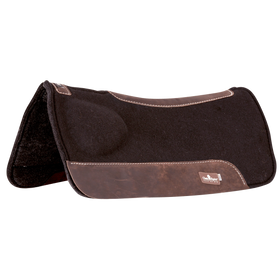
Professional's Choice 100% Wool Felt Contoured Saddle Pad - Steam-Pressed Pressure Relief & Moisture Wicking
$158.99
Shop Now →
What's Your Western Saddle Pad Made Of?
Before you grab a hose or a brush, the first step is to identify what your saddle pad is made of. Different materials react differently to water, soap, and scrubbing, so knowing your pad’s composition is key to cleaning it correctly without causing damage. Using the wrong method can lead to shrinking, warping, or a complete breakdown of the fibers, which is the last thing you want for a piece of gear that protects your horse’s back. Think of it like doing laundry; you wouldn’t wash a silk shirt the same way you wash your gym clothes.
Every pad, from a simple fleece liner to a thick, contoured wool blanket, has its own set of care requirements. Ignoring them doesn't just shorten the life of your pad, it can also affect your horse's comfort. A stiff, misshapen pad won't distribute pressure evenly. Taking a moment to check the material will save you time, money, and potential frustration down the road. Let’s break down the most common materials you’ll find in Western horse tack and what makes each one unique.
Caring for Wool Pads
Wool is a fantastic material for saddle pads. It’s incredibly durable, breathable, and does an excellent job of wicking moisture away from your horse's back to keep them comfortable. The main challenge with wool comes on cleaning day. Wool pads get very, very heavy when they’re soaked with water, which can make them difficult to handle. They also require a gentle touch during the cleaning process to prevent the natural fibers from felting together or losing their shape. Careful handling is essential to keep your wool pad in top condition for years to come.
Cleaning Synthetic Fiber Pads
If you’re looking for a low-maintenance option, synthetic saddle pads are a great choice. Materials like neoprene, fleece, or other synthetic blends are often favored for how easy they are to clean. Unlike wool, you typically don’t have to worry as much about damaging the fibers with water or gentle detergents. This makes them a practical and convenient option for everyday riding, especially if you find yourself needing to wash your pad frequently. Their durability against repeated washing means you can easily keep them clean and fresh for your horse without a lot of fuss. For many riders, this simple care routine is a major advantage.
How to Handle Felt Pads
Felt pads, especially those made from thick, pressed wool felt, are another popular choice known for their excellent shock absorption and comfort. When it comes to cleaning, felt has its own set of rules. Because of its dense construction, the best way to clean a felt pad is usually by hosing it down. This method effectively removes surface dirt, sweat, and hair without oversaturating the material or compromising its tightly pressed fibers. A good rinse is often all it takes to refresh a felt pad and get it ready for your next ride.
Washing Cotton and Blended Pads
Cotton saddle pads are generally the easiest to care for out of the bunch. They are lightweight, breathable, and many can be tossed right into the washing machine. However, it’s absolutely crucial to read the manufacturer’s care instructions before you do. Some cotton blends can shrink or lose their shape if washed or dried with high heat. Always double-check the tag for specific guidelines on water temperature and drying methods to ensure your pad comes out looking just as good as it did going in. A few minutes of reading can prevent a laundry mishap.
Your Saddle Pad Cleaning Toolkit
Before you get your saddle pad wet, it’s a good idea to have all your cleaning supplies ready to go. Having everything on hand makes the whole process much smoother and ensures you’re not scrambling for a brush mid-rinse. The specific tools you’ll need depend on your pad’s material, but a few basics will get you started on the right foot.
Think of this as setting up your workstation. You’ll want a clean, flat surface where you can lay the pad, access to a hose, and your chosen cleaners within arm’s reach. This simple prep work can make a huge difference, turning a chore into a straightforward task. We’ll walk through the essential tools, the best cleaners for different materials, and a few things you should definitely keep away from your saddle pad.
The Must-Have Cleaning Tools
You don’t need a lot of fancy equipment to get your saddle pad clean. Start with a good rubber curry comb to loosen and lift away caked-on dirt, sweat, and hair. After a thorough currying, use a vacuum with a hose attachment to suck up all that loose debris. This step alone will remove a surprising amount of grime. You’ll also want a hose with a gentle spray nozzle for rinsing and a bucket for mixing your cleaning solution. A simple, stiff-bristled brush can also be helpful for working on stubborn spots without being too abrasive.
Choosing the Right Cleaner for Your Pad
When it comes to cleaners, gentle is the name of the game, especially for natural fibers. For wool pads, you want to preserve the natural lanolin oils that give them their moisture-wicking properties. Look for a mild, pH-neutral soap specifically designed for wool, or even a gentle dish soap in a pinch. Avoid standard laundry detergents, as they can be too harsh and strip the fibers. For synthetic pads, you have a bit more flexibility, but a mild soap is still your safest bet to protect the material and your horse’s skin.
Cleaning Products to Skip
Knowing what not to do is just as important as knowing what to do. First, never use a high-powered pressure washer on your saddle pad. While it might seem like a quick way to blast away dirt, the intense pressure can drive grime deeper into the fibers and damage the pad’s structure. Also, keep wool pads far away from the washing machine and dryer. The agitation and heat can cause them to shrink, warp, or fall apart. Finally, steer clear of harsh chemicals like bleach or strong, scented detergents that can irritate your horse’s skin.
How to Prep Your Pad for a Wash
Before you even think about getting your saddle pad wet, a little prep work will make a world of difference. Taking a few minutes to get it ready ensures a much deeper clean and helps you spot any potential issues before they become bigger problems. Think of it as setting yourself up for success. A well-prepped pad not only cleans up better but also protects your washing machine from getting clogged with horse hair and grime. This simple routine can also extend the life of your pad, saving you money and keeping your horse comfortable.
Step 1: Brush Off Dirt and Hair
First things first, let's get rid of all that surface-level gunk. Your saddle pad picks up a surprising amount of hair, dirt, and sweat with every ride. Grab a stiff brush or a rubber curry comb and give the pad a thorough brushing on both sides. This will lift away the majority of the caked-on mud and loose hair. For an even deeper clean, you can follow up with a shop vac or a vacuum with a hose attachment. Getting this debris off now means it won't turn into a muddy mess during the wash. This step is essential for all your horse tack care.
Step 2: Check for Stains and Wear
Once the loose dirt is gone, give your pad a good look-over. This is the perfect time to play detective and check for any deep-set stains or signs of wear and tear. Look for thinning spots, frayed stitching, or any compressed areas that might not be providing enough cushion anymore. Regular inspections are key to your horse’s comfort, as a worn-out pad can lead to rubs, sores, and an improper saddle fit. Catching these issues early helps you know when it’s time for a repair or a replacement, ensuring your horse stays happy and comfortable on the trail.
Step 3: Pre-Treat Tough Stains
If you found any stubborn sweat marks or grass stains during your inspection, it’s a good idea to pre-treat them. For most materials, especially wool, a gentle, pH-neutral soap works well. You can apply a small amount directly to the stain and gently work it into the fibers with your fingers or a soft brush. Some riders prefer to avoid soap entirely, worried that residue might irritate their horse’s skin. If that’s you, a simple paste of baking soda and water can also be effective. Let your pre-treatment sit for about 15 minutes before moving on to the main wash.
How to Wash Your Western Saddle Pad
Once you’ve prepped your pad, it’s time for the main event: the wash. The right method depends entirely on the material you’re working with. Wool and other delicate fibers need a gentle, hands-on approach to prevent damage, while some synthetic pads can handle a machine wash. For those pesky spots that pop up between deep cleans, a quick spot treatment can work wonders. Choosing the correct technique will not only get your pad clean but also help it last for many more rides to come.
Hand-Washing Your Wool or Felt Pad
For wool and other delicate materials, hand-washing is your best and safest option. Start by rinsing the pad thoroughly with a hose, using cool or lukewarm water. A great tip is to spray from the center of the pad outward; this pushes the dirt and grime to the edges instead of driving it deeper into the fibers. If you need a little extra cleaning power, use a mild, pH-neutral soap. Gently work the soap into the pad with your hands or a soft brush, paying special attention to the underside where sweat and dirt build up. This careful process protects the delicate fibers that are essential to your horse tack.
Machine-Washing Your Synthetic Pad
If you have a synthetic saddle pad or a thinner cotton blanket, you might be able to use a washing machine. Before you toss it in, always double-check the manufacturer’s care label for any specific instructions. Set your machine to a gentle or hand-wash cycle with cool water to prevent the material from shrinking or becoming lumpy. It’s best to use a mild detergent designed for delicates. Keep in mind that thick felt pads should never go in the washing machine, as the agitation can cause irreversible damage and ruin their shape. When in doubt, it's always safer to wash by hand.
How to Spot-Clean Stubborn Areas
For stubborn stains or quick clean-ups between full washes, spot-cleaning is a fantastic solution. A simple mixture of white vinegar and water can help break down grime and kill germs without being too harsh on the material. Just apply it to the stained area with a spray bottle, let it sit for a few minutes, and gently blot with a clean, damp cloth. You can also use a small amount of mild soap on a damp cloth to work out specific spots. This method is perfect for maintaining your pad’s cleanliness without having to do a full, time-consuming wash.
How to Rinse and Dry Your Pad Correctly
You’ve done the hard work of washing your saddle pad, but don’t rush through the final steps. How you rinse and dry your pad is just as crucial as the wash itself. Getting this part right ensures your pad keeps its shape, stays comfortable for your horse, and lasts for many more rides. A little patience here goes a long way in protecting your investment and your horse’s back. Proper care preserves the integrity of your equipment and supports your horse's well-being.
The Best Way to Rinse Your Pad
Once the soap has done its job, it’s time to rinse thoroughly. The best technique is to start rinsing from the center of the pad and work your way toward the edges. This method effectively pushes all the soap and loosened grime off the pad instead of driving it deeper into the fibers. If you used a mild soap, be extra diligent to get it all out. Avoid using a high-pressure nozzle or spraying directly into the pad, as this can damage the material and trap dirt within the core. A gentle, steady stream of water is all you need to get the job done right.
Why You Should Air-Dry It Flat
After a final rinse, resist the urge to hang your saddle pad from a corner. This can stretch the material and cause it to lose its form. Instead, gently press out any excess water and lay the pad flat to air dry, with the top side facing up. A clean fence rail or a dedicated saddle rack works perfectly for this. This simple step is the secret to helping your pad maintain its original shape and structure, ensuring a proper fit on your horse’s back for years to come. It might take a bit longer to dry, but the result is worth the wait.
Where (and Where Not) to Dry Your Pad
Two final things to keep in mind are temperature and location. Always use cool or lukewarm water for rinsing to prevent the fibers, especially wool, from shrinking. Hot water is a definite no-go. After rinsing, you can use clean towels to gently press out excess moisture, but never wring or twist the pad. When you lay it out to dry, find a spot with good air circulation that’s out of direct sunlight. The sun’s UV rays can cause the colors to fade and may even degrade the material over time. A shaded porch or a well-ventilated barn aisle is an ideal spot.
Common Saddle Pad Cleaning Mistakes
You’ve invested time and effort into washing your saddle pad, so the last thing you want to do is damage it during the process. A few common missteps can shorten your pad’s lifespan, reduce its effectiveness, or even ruin its shape entirely. Knowing what to avoid is just as important as knowing the right steps to take. By steering clear of these cleaning mistakes, you can ensure your pad stays in top condition for years, providing the best possible comfort and protection for your horse. Let’s walk through some of the most frequent errors so you can keep your gear in great shape.
Avoiding Harsh Chemicals and High Pressure
It can be tempting to grab a pressure washer or a strong detergent to blast away caked-on dirt, but this approach often does more harm than good. High-pressure water and harsh chemicals can force dirt and grime deeper into the pad’s wool fibers instead of lifting them out. This clogs the material, preventing it from wicking away sweat effectively. Always opt for gentle, pH-neutral cleaners specifically formulated for wool or the material of your pad. A gentle hand and the right products will protect the integrity of your horse tack and ensure it continues to perform its job correctly.
How to Prevent Shrinking and Warping
How you dry your saddle pad is critical to preserving its shape and size. A common mistake is hanging a wet, heavy pad by the corners or using clothespins. The weight of the water can pull the pad out of shape, causing stretching and distortion that can affect how it fits under your saddle. To prevent this, always lay your pad flat to air dry on a saddle rack or a clean fence rail with the top side facing up. This method allows it to dry evenly without gravity working against it, helping it maintain the original form your horse is comfortable with.
Are You Washing or Storing It Wrong?
While a clean pad is essential, washing it too often can cause premature wear and tear, especially for wool pads. Wool is a durable material, but it doesn't need a deep clean after every single ride. You should never put a wool saddle pad in a washing machine or dryer, as the agitation and heat can damage the delicate fibers and cause it to shrink or fall apart. With proper care and only occasional deep cleans, a quality wool pad can last for a decade or even longer. Between washes, make sure you store it in a dry, well-ventilated area to prevent mold and mildew.
Maintaining Your Pad Between Deep Cleans
A full wash isn't necessary after every ride, but a little daily care goes a long way. Keeping your saddle pad clean between deep washes is key to protecting your horse’s back and extending the life of your gear. These small habits prevent dirt, sweat, and bacteria from building up, which can lead to skin irritation for your horse and break down the pad’s materials over time. A few minutes of attention after you untack can save you a lot of scrubbing later and keep your equipment in top shape for years to come.
Give It a Quick Brush After Every Ride
After each ride, make it a habit to give your saddle pad a quick brushing. Once you’ve removed your saddle, use a stiff brush or a rubber curry comb to whisk away loose hair, dirt, and dried sweat. Focus on the underside of the pad where most of the grime collects. This simple step prevents buildup from working its way deep into the fibers, which can cause uncomfortable pressure points for your horse. Making this part of your post-ride routine ensures your horse tack is always ready for the next adventure.
The Right Way to Store Your Saddle Pad
How you store your saddle pad is just as important as how you clean it. Never leave a damp pad sitting under your saddle or balled up in a corner, as this traps moisture and creates a perfect environment for mold and mildew. Instead, always hang your pad up to air out after every ride. Drape it over a saddle rack or a fence rail with the dirty side up. This allows air to circulate freely on both sides, drying it out completely and keeping it fresh for your next ride.
How Often Should You Wash Your Saddle Pad?
Daily brushing and proper storage are fantastic, but they don't replace a good wash. You should inspect your pad every few rides to decide if it’s time for a deep clean. If the pad feels stiff, has caked-on grime that won’t brush off, or starts to smell, it’s definitely time for a wash. Regularly washing your saddle pad not only keeps your horse comfortable but also helps maintain the integrity of the materials, ensuring your favorite best-selling products last as long as they should.
Related Articles
- 7 Best Saddle Pads for Comfort & Performance 2026
- Felt Saddle Liners: Essential Comfort & Protection for Western Riders
- Professional's Choice Cowboy Air Ride Saddle Pad | Contoured Back Shock Absorbing, Breathable, Moisture Wicking Wool Felt Western Horse Riding Saddle Pad
Frequently Asked Questions
How often should I actually wash my saddle pad? There isn't a magic number, as it really depends on how often you ride and how much your horse sweats. Instead of following a strict schedule, look for the signs. If the pad feels stiff with dried sweat, has visible grime that won't brush off, or starts to smell, it's time for a deep clean. For most riders, a thorough wash every few months is a good baseline, with regular brushing after every ride in between.
Can I just use my regular laundry detergent to wash my pad? It's best to skip the standard laundry soap. Many detergents contain harsh chemicals, enzymes, and fragrances that can strip the natural oils from wool fibers and, more importantly, irritate your horse's sensitive skin. A mild, pH-neutral soap specifically made for wool or delicates is always your safest bet. Your horse's comfort is worth the extra step.
My pad still has a funky smell even after I've washed it. What can I do? Lingering odors are usually caused by bacteria that have settled deep in the fibers. A great way to handle this is with a white vinegar rinse. Before you wash with soap, you can spray the pad with a solution of one part white vinegar to three parts water and let it sit for about 15 minutes. The vinegar helps neutralize odor-causing bacteria without using harsh chemicals. Just be sure to rinse it out completely before you proceed with washing.
Is it really that bad to hang my wet saddle pad to dry? Yes, it can be. When a saddle pad, especially a thick wool or felt one, is saturated with water, it becomes incredibly heavy. Hanging it from a corner or draping it over a thin line puts all that weight on one small area, which can stretch the material and permanently warp its shape. Laying it flat allows it to dry evenly and maintain the contoured form that keeps your horse comfortable.
What's the single most important step in the cleaning process? If you only do one thing, make it the pre-wash prep. Taking a few minutes to thoroughly brush off all the loose hair, dirt, and caked-on sweat before you add water is a game-changer. This step prevents all that dry debris from turning into a muddy mess that gets ground deeper into the pad's fibers during the wash, making your job much easier and the final result much cleaner.


