


As horse owners, we spend countless hours ensuring our horses are safe in their stalls and pastures. We check fences, secure gates, and remove hazards. Yet, one of the most overlooked safety risks can be the very halter on your horse’s head. The discussion around nylon vs leather horse halters isn't just about style or durability; it's a critical conversation about safety. An unbreakable halter can become a dangerous liability in a panic situation, while a halter designed to break under extreme force can prevent a catastrophic injury. Understanding this fundamental difference is one of the most important things you can do to protect your horse. We’ll explore the real-world physics of why leather’s breaking point is a feature, not a flaw, and help you make an informed choice for every situation.
Key Takeaways
- Safety is the priority: A leather halter's ability to break under pressure is a life-saving feature, not a weakness. Always use a leather or breakaway halter for turnout, tying, and trailering to prevent serious injury.
- Use the right halter for the job: Reserve sturdy nylon halters for supervised tasks like grooming and leading. For any unsupervised situation, like turnout, a leather or breakaway halter is the only safe choice.
- Proper care protects your investment: While nylon is low-maintenance, a leather halter can last for years with consistent cleaning and conditioning. This simple routine preserves the leather's strength and safety, making it a worthwhile choice over time.
Nylon vs. Leather Halters: Key Differences
When you're shopping for a new halter, the first big choice you'll face is material: nylon or leather? It might seem like a simple decision, but these two materials offer very different benefits and drawbacks. Understanding the key differences in strength, comfort, maintenance, and cost will help you pick the right halter for your horse and your specific needs. Both have a place in a well-stocked tack room, so let's break down what sets them apart.
Strength and Durability
This is probably the most critical difference between the two materials, and it directly impacts your horse's safety. Nylon halters are incredibly strong, capable of withstanding over 2,000 pounds of force. While that sounds like a good thing, it can be a serious safety hazard. If your horse panics and gets caught on a fence or gate, a nylon halter is unlikely to break, which can lead to severe injury. In contrast, a leather halter is designed to give way under about 500 to 600 pounds of force. This breaking point isn't a flaw; it's a crucial safety feature that can save your horse from a dangerous situation.
Fit and Comfort
Think of a leather halter like a good pair of leather boots; it gets better with age. Over time, leather softens and molds to the unique contours of your horse's face, creating a custom, comfortable fit. This breathability and softness help prevent rubs and sores, making it an excellent choice for sensitive horses or for longer periods of wear. Nylon halters, on the other hand, tend to be more rigid. They don't conform to the horse's head in the same way, which can sometimes lead to chafing if not fitted perfectly or if worn for extended periods.
Weather Resistance and Upkeep
Your lifestyle and how much time you want to spend cleaning tack will definitely influence your choice. Nylon is the undisputed winner for low maintenance. It stands up to rain, mud, and grime without any special care, and you can simply hose it off or toss it in a bucket of soapy water to clean it. Leather requires more commitment. To keep it soft, strong, and safe, you'll need to clean it regularly and apply a conditioner. While it's an extra step, proper care ensures a leather halter can last for a decade or more, making it a worthwhile part of your horse tack collection.
Cost
At first glance, nylon halters are the more budget-friendly option, and their low upfront cost is appealing. They offer great durability for daily use without a big initial investment. However, leather halters are a long-term investment. While they cost more to purchase, a quality leather halter that receives proper care can last for 10 to 15 years, sometimes even longer. When you factor in its longevity and built-in safety features, the higher price of a leather halter often proves to be more economical over the life of your horse.
Which Halter Is Safer: Nylon or Leather?
When it comes to your horse's safety, the halter you choose plays a bigger role than you might think. It’s not just about color or style; the material itself has inherent properties that can either help or harm your horse in a dangerous situation. The debate between nylon and leather often comes down to a single, critical question: is it better for a halter to be unbreakable or to have a breaking point? Let's look at what that means for your horse.
The Danger of Unbreakable Halters
Nylon halters are known for their incredible strength and durability. While that sounds like a great quality, it can become a serious hazard. If a horse wearing a nylon halter gets caught on a fence post, a bucket handle, or even a stray branch, their instinct is to pull back. Because the nylon is so strong, it likely won't break. This can lead to a terrifying struggle, resulting in severe injuries to the horse's poll, neck, or jaw. An unbreakable halter essentially turns into an anchor, and a panicking horse can inflict serious, sometimes permanent, damage on itself.
Why Leather's Breaking Point Is a Feature, Not a Flaw
In contrast, a quality leather halter is designed with a built-in safety release. It’s engineered to break under extreme pressure, typically at the crownpiece. This isn't a defect; it's a crucial safety feature. Research shows that a leather halter will often break when subjected to 500-600 pounds of force. A nylon halter, on the other hand, can withstand over 2,000 pounds of force. That breaking point in a leather halter can be the difference between a minor incident with a broken strap and a catastrophic injury. It’s far easier and less expensive to replace a broken crownpiece than to deal with a vet emergency.
Breakaway Halters: The Best of Both Worlds
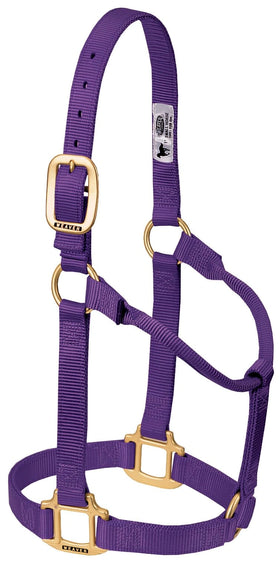
If you like the vibrant colors and easy care of nylon but worry about the safety risks, a breakaway halter is an excellent solution. These halters offer a perfect compromise by combining a durable nylon body with a dedicated, replaceable breaking point. Most feature a thin leather crownpiece or a special quick-release tab that is designed to snap under pressure, just like a full leather halter would. This gives you the everyday convenience and strength of nylon for leading and handling, plus the peace of mind that comes with a safety release, making it a popular choice for turnout. You can find a great selection of these hybrid options within our horse tack collection.
Shop This Post

Featured in this article
Weaver Leather Adjustable Nylon Halter - Triple-Ply Brass Hardware
$26.59
Shop Now →
Nylon Halters: Pros and Cons
Nylon halters are a staple in almost every barn, and for good reason. They're practical, come in a rainbow of colors, and are a key part of any horse tack collection. But like any piece of equipment, they have their strengths and weaknesses. Understanding these differences helps you decide when a nylon halter is the right choice for the job and when you might want to reach for something else.
Pros
The biggest advantages of nylon halters are their durability and affordability. These halters are built to last through daily use and are easy on your wallet, which is great when you need several for the barn. Their strength also makes them a reliable choice for handling, especially if you're working with a horse that tends to test its equipment. Plus, they come in countless colors and patterns, so you can always find one that matches your style. They are easy to clean; just a quick scrub with soap and water is usually all it takes to make them look new again.
Cons
The incredible strength of a nylon halter is also its biggest safety risk. A nylon halter can withstand thousands of pounds of force, meaning it will not break if your horse panics and gets caught on a fence post, a bucket hook, or even a stray branch. This creates a serious danger of injury. Because of this, you should never turn a horse out in a standard nylon halter or leave one on while they're unsupervised in a stall. The risk of them getting snagged and not being able to break free is just too high.
Leather Halters: Pros and Cons
A leather halter has a timeless look that many equestrians love. It’s a classic piece of horse tack that you’ll find in barns all over the world. But beyond its traditional appeal, a leather halter offers a unique set of benefits and requires specific care. Understanding these pros and cons is key to deciding if it’s the right choice for you and your horse. Let's break down what makes leather a great option for some situations and why it might not be the best fit for others.
Pros
The biggest advantage of a leather halter is its safety feature. Leather is designed to break under significant pressure, usually around 500 to 600 pounds of force. This means if your horse panics and pulls back while tied, or gets their halter snagged on a fence, the halter will likely snap. This breaking point is a crucial feature that can prevent serious injury to your horse's neck or poll. Over time, leather also becomes incredibly comfortable. It softens and molds to the unique contours of your horse's face, providing a custom fit that reduces the chance of rubbing. With proper care, a quality leather halter is also very durable and can last for a decade or more, making it a worthwhile long-term investment.
Cons
Of course, leather halters aren't perfect for every situation. The most obvious drawback is the initial cost. A good quality leather halter is typically more expensive than its nylon counterpart, which can be a deciding factor if you're on a budget. Leather also demands consistent upkeep to stay in top condition. To keep the leather supple and strong, you'll need to commit to a routine of regular cleaning and conditioning. Without this care, it can dry out, crack, and lose its strength, defeating its purpose as a safe and durable tool. Finally, leather halters can be heavier than nylon ones, which is a minor point but something to consider.
Choosing the Right Halter for the Job
Just like you wouldn't use a screwdriver to hammer a nail, you shouldn't use one type of halter for every single task. The best halter for your horse depends entirely on the situation. While you might love the bright colors of a nylon halter or the classic look of leather, the most important factors are safety and function. Thinking about the specific job at hand, whether it's a quiet grooming session or a long trailer ride, will help you make the safest and most practical choice.
Many experienced horse owners keep both nylon and leather halters in their tack room, and for good reason. One isn't universally "better" than the other; they simply have different strengths. A durable nylon halter might be perfect for a quick walk to the paddock, but it could be a serious hazard during turnout. Understanding when to use each type is a fundamental part of responsible horse ownership. Let's break down the most common scenarios to help you decide which halter to grab.
Everyday Handling and Groundwork
For daily tasks like leading your horse to and from the pasture, grooming, or tacking up, a nylon halter is a practical and popular choice. They are strong, come in a huge variety of colors, and are easy to clean, making them perfect for everyday barn life. Since you are actively handling your horse during these moments, the risk of them getting caught on something is low. The durability of nylon stands up well to daily wear and tear, but always remember that its strength means it won't break if your horse panics and pulls back unexpectedly.
Turnout
When your horse is turned out in a pasture or paddock, safety is the number one priority. If you must leave a halter on, a leather halter or a nylon halter with a leather breakaway crownpiece is the only safe option. Horses are curious and can easily get a halter snagged on a fence post, a tree branch, or even a bucket handle. A leather halter is designed to break under this kind of extreme pressure, freeing the horse and preventing a potentially devastating injury. A nylon halter will not break, which can lead to panic and serious harm.
Trailering and Tying
Trailering and tying are high-stress situations where a horse might panic and pull back. For this reason, a leather halter is the safer choice. If a horse fights against a tie, a leather halter will break at the crownpiece, releasing the pressure before the horse can sustain a serious neck, poll, or spinal injury. While it’s frustrating to have a broken halter, it’s infinitely better than a broken horse. The same logic applies in a trailer, where a panicked horse in a confined space needs that breakaway option. All the essential horse tack you use should prioritize safety, and your halter is no exception.
Shows and Events
When it’s time to head to a show, a clean, well-fitted leather halter is the gold standard. It offers a professional, polished, and timeless look that complements your horse’s features. For in-hand classes like showmanship or halter, a beautiful leather halter is practically part of the uniform. It signals that you pay attention to detail and respect the traditions of the sport. While function is key in the barn, presentation matters in the show ring, and a quality leather halter always makes a great impression.
Training and Young Horses
Working with young or green horses requires extra safety precautions, as they are more likely to be spooky or pull back when learning new things. Using a leather halter while teaching a horse to tie or lead is a smart move. If the horse panics, the halter will break, preventing a traumatic experience that could set their training back. This built-in safety release helps build the horse's confidence by ensuring their first encounters with pressure are not painful or terrifying, creating a better foundation for future learning.
Debunking Common Halter Myths
When it comes to horse halters, there’s a lot of "barn wisdom" that gets passed around. But some of the most common beliefs about halter materials and safety are actually myths. It's easy to get confused by conflicting advice, especially when your horse's safety is on the line. Let's clear the air and look at the facts behind three of the most persistent halter myths, so you can make the best choice for you and your horse.
"Nylon is always safer."
This is one of the most dangerous misconceptions. While nylon halters are praised for their strength, that very strength can be a huge liability. If a horse panics while tied or gets caught on a fence, a nylon halter is incredibly difficult to break. Research from experts at Grewal Equestrian shows that nylon requires four to five times more force to break than leather. This means a horse can struggle violently and suffer severe injuries before the halter gives way. A halter that breaks under extreme pressure isn't a flaw; it's a critical safety feature that can prevent a tragedy.
"Leather is too high-maintenance."
It's true that a leather halter needs more care than a nylon one, but "high-maintenance" is a stretch. A simple routine of weekly cleaning and monthly conditioning is usually all it takes to keep a leather halter in great shape. Think of it less as a chore and more as protecting your investment. With proper care, a quality leather halter can last for 10 to 15 years, or even longer. When you consider you might go through several nylon halters in that same timeframe, the little bit of upkeep for leather starts to look like a very smart and economical choice.
"A more expensive halter is always better."
Price doesn't always equal safety. The most important thing is to choose the right halter for the job. As noted by the team at Smart Halter, the top priority should always be what’s safest for the horse. In many cases, a more expensive leather halter is considered safer precisely because it's designed to break under pressure, preventing serious injury. The "best" halter is one that fits properly, is made from the right material for the situation (like turnout versus trailering), and is in good condition. You can find a wide variety of safe and effective horse tack without simply defaulting to the highest price tag.
How to Care for Your Halter
A good halter is an essential piece of your horse's wardrobe, but it only works well if you take care of it. Proper maintenance isn't just about keeping your gear looking sharp; it's a critical part of ensuring your horse's safety and comfort. A well-cared-for halter will last longer and perform reliably when you need it most. The cleaning routine for your halter really depends on what it’s made of. Nylon and leather have very different needs, so let's walk through how to keep each type in top condition and when it's time to retire an old favorite for a new one.
Caring for Nylon Halters
If you love a low-maintenance routine, the nylon halter is your best friend. These durable halters are built to handle daily life at the barn, from muddy turnout sessions to dusty arenas. Cleaning them is incredibly simple. For light dirt, just hose it off and let it air dry. For a deeper clean, you can scrub it in a bucket of soapy water, rinse it thoroughly, and hang it up. Because they’re so easy to care for, nylon halters are a practical and popular choice for everyday use, standing up to whatever your horse throws at them.
Caring for Leather Halters
Leather halters, with their classic look and feel, require a bit more attention to stay safe and supple. Think of it as a small investment of time that pays off in longevity and reliability. I recommend giving your leather halter a quick wipe-down with a damp cloth after each use to remove sweat and dirt. Once a week, give it a proper cleaning with a good leather cleaner. Follow that up with a monthly conditioning treatment to keep the leather from drying out and cracking. This routine is essential for maintaining its strength, and you can find great horse grooming and coat care products to help.
Knowing When to Replace Your Halter
No matter how well you care for it, every halter has a lifespan. Regularly inspecting your equipment is one of the most important safety habits you can develop. Check for signs of wear like frayed stitching on nylon halters, cracked or stretched-out leather, and rusty or bent hardware on the buckles and rings. If you notice any of these issues, it’s time for a replacement. A compromised halter can fail at a critical moment, so it's always better to be safe. Investing in quality horse tack and knowing when to retire it is part of being a responsible horse owner.
Do You Really Need Both?
After weighing all the pros and cons, you might still be wondering if you have to choose just one. The short answer? No. In fact, most experienced horse owners will tell you that having both a nylon and a leather halter in your tack room is the smartest approach. It’s not about picking a single winner, but about having the right tool for the right job to keep your horse safe and comfortable.
Think of it like having different shoes for different activities. A leather halter is your go-to for turnout because its ability to break under extreme pressure can be a literal lifesaver if your horse gets snagged on a fence or a tree branch. For times when you need more control, like during a veterinary visit or while hand-walking, a sturdy nylon halter gives you that reliable strength. You can even find nylon options with a leather breakaway crown piece for added peace of mind.
Beyond safety, it’s also about practicality. Your nylon halter can be the rugged workhorse for daily chores, handling mud, rain, and repeated washings without a second thought. Then, you have your leather halter, which offers a timeless, professional look perfect for shows, clinics, or even just a nice portrait with your horse. Having both options means you’re prepared for everything from a messy grooming session to a formal event, ensuring you always have the right piece of horse tack for the situation. Owning both isn’t an extravagance; it’s about being a prepared and responsible horse owner.
Find Your Perfect Halter at Hooves and Paws
Choosing the right halter comes down to understanding your horse, your daily routines, and your priorities. Now that you’re familiar with the key differences between nylon and leather, you can make a confident choice that keeps your horse safe and comfortable. The most critical takeaway is that a halter's ability to break under extreme pressure can be a life-saving feature, not a flaw. This is why so many seasoned equestrians prefer leather or breakaway styles for turnout and other unsupervised situations.
While a sturdy nylon halter is a fantastic, affordable tool for leading, grooming, and bathing, it’s wise to have a safer option for times when your horse is tied or turned out. Having both types in your tack room ensures you’re prepared for any scenario. At Hooves and Paws, we’ve handpicked a collection of halters designed to meet the real-world needs of horse owners like you. We know that quality and reliability are non-negotiable when it comes to your horse’s safety.
You can explore our full range of horse tack, where you’ll find everything from durable nylon halters for everyday tasks to classic leather halters that offer both style and safety. We also carry innovative breakaway options that provide extra peace of mind. Because we’re horse people ourselves, we only stock products we’d trust with our own animals. With our 365-day satisfaction guarantee and free, fast shipping, you can feel good about finding the perfect fit for your partner.
Related Articles
- 7 Best Horse Halters for Comfort & Durability
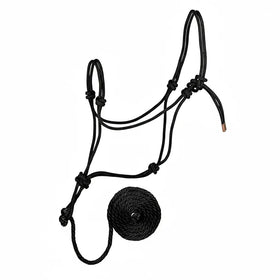
- The Ultimate Rope Halter Guide for 2026
- 7 Best Horse Halters for Comfort and Style in 2025
Frequently Asked Questions
So, which halter is truly safer for my horse? For situations where your horse is unsupervised, like turnout or tying, a leather halter is the safer choice. Its most important feature is its ability to break under extreme force. This can prevent a serious injury if your horse panics or gets caught on something. A standard nylon halter is so strong that it won't break, which can turn a simple snag into a dangerous situation.
Is a leather halter really worth the extra cost and maintenance? Think of a leather halter as a long-term investment in your horse's safety. While it does cost more upfront, a quality leather halter that receives proper care can last for more than a decade. The cleaning and conditioning routine is a small price to pay for the peace of mind that comes with its built-in safety features and incredible durability over time.
What exactly is a breakaway halter? A breakaway halter offers a great middle ground. It usually has a sturdy nylon body but includes a replaceable leather crownpiece or a special tab designed to snap under pressure. This gives you the easy care and fun colors of a nylon halter combined with the essential safety release of a leather one, making it a very popular and safe choice for turnout.
Can I just use a nylon halter for everything to save money? While nylon halters are perfect for supervised tasks like leading and grooming, you should not use them for turnout or tying. Their strength becomes a significant safety risk in those situations. It's much smarter and safer to have the right tool for the job, which means using a leather or breakaway halter when your horse isn't under your direct supervision.
How often should I replace my halter? There's no set timeline, so regular inspection is key. Check your halters frequently for signs of wear, such as frayed stitching on nylon, or cracked and stretched leather. Also, look for any rusty or bent hardware. If you notice any damage, it's time to replace it. A compromised halter is a safety hazard, so it's always best to invest in new horse tack before an accident happens.


