


If you’ve ever fumbled with a dropped rein while trying to open a gate or wished for a more secure grip during a quick maneuver, you understand the need for practical, reliable gear. That’s where the simple genius of a roping rein comes in. Designed as a single, continuous loop, this style eliminates the risk of losing one side, offering a level of security that split reins just can’t match. When crafted from quality materials, the best leather roping reins for horses provide a substantial feel that improves communication and control. They are a cornerstone of functional horse tack for a reason, offering a blend of tradition and performance that works just as well on the trail as it does in the arena.
Key Takeaways
- Match the Leather to Your Riding Style: Decide if you want the immediate comfort of soft Latigo leather, which feels broken-in from day one, or the unmatched durability of Hermann Oak, which molds to your hands over time for a custom fit.
- Focus on Features for Better Communication: Key details like a 5/8-inch width provide a secure grip without causing fatigue, while quality hardware and tight stitching ensure your reins are a safe and reliable tool for giving clear cues.
- Maintain Your Reins for Lasting Performance: Protect your investment with a simple routine: wipe your reins down after rides, condition them periodically to keep them supple, and store them properly to prevent cracks and ensure they remain a dependable part of your tack.
What Are Leather Roping Reins?
If you’ve spent time in the Western riding world, you’ve likely seen leather roping reins. They are a specialized type of rein, typically made from a single, continuous piece of leather. Unlike split reins, which are two separate pieces, a roping rein forms one complete loop that connects to both sides of the bit. This design is incredibly practical; it allows you to easily drop the rein over the horse's neck, so you don't have to worry about losing one during quick maneuvers or when you need a free hand for opening a gate. This single-loop construction offers security and convenience that’s hard to beat.
These reins are a staple piece of horse tack for a reason. They are designed to provide a strong, reliable connection between your hands and your horse’s mouth. Traditionally made from braided or folded leather for maximum durability, you can find them in various styles to suit your preference. The construction gives them a bit of weight and a substantial feel in your hands, which many riders find helps with clear communication. Their simple, effective design makes them a go-to for many riders, whether they're competing in the arena or just enjoying a ride out on the trail. They embody a blend of function and tradition that has kept them popular for generations.
Roping Reins vs. Other Western Reins
So, what really sets roping reins apart from other Western reins, like split reins? The most obvious difference is the single-loop design versus two separate reins. Beyond that, roping reins are often wider, with a common width of 5/8 inches. This width provides a substantial feel in your hands, offering the grip and control needed for various activities. While many Western riders prefer a stiffer feel, the best leather for reins is often a high-quality bridle leather, which is known for its perfect balance of durability and flexibility, breaking in beautifully over time.
Are They Just for Roping?
Don’t let the name fool you. While they are certainly designed for the demands of roping, these reins are incredibly versatile. Their durability and secure, one-piece design make them an excellent choice for many other situations. Many riders use them for training young horses, since you can’t accidentally drop one side. They’re also great for working cattle, trail riding, and everyday arena work. The reliable grip and no-fuss construction make them a practical and safe option for anyone looking for a dependable rein that can handle a variety of riding scenarios.
Hermann Oak vs. Latigo: Choosing Your Leather
When you start looking at high-quality leather roping reins, you’ll quickly notice two names pop up again and again: Hermann Oak and Latigo. These are the top contenders in the world of leather, and for good reason. Think of them as two different paths to the same destination: a reliable, comfortable connection with your horse. Choosing between them often comes down to personal preference and what you value most in your horse tack. Do you prefer something that feels perfectly broken in from day one, or do you enjoy the process of shaping a piece of leather to your hands over time?
Hermann Oak is renowned for its incredible toughness and longevity, making it a lifetime investment. Latigo, on the other hand, is celebrated for its immediate softness and flexibility. Neither one is inherently better than the other; they just offer different experiences. Understanding the unique qualities of each will help you decide which leather best fits your riding style, needs, and what you want to feel in your hands as you guide your horse. Let’s look at what makes each of these leathers special.
Hermann Oak: The Strong, Durable Choice
If you’re looking for reins that are built to last through years of hard work, Hermann Oak is your answer. This American-tanned leather is famous for its exceptional strength and durability, making it a top choice for cowboys, trainers, and serious riders. It’s processed using traditional, time-honored methods that result in a dense, tight-fibered leather that stands up to sweat, weather, and friction without stretching or breaking.
While Hermann Oak reins might feel a bit stiff at first, that initial firmness is a sign of their quality. With each ride, the leather will slowly soften and mold to your hands, developing a rich patina and a custom feel that’s uniquely yours. It’s an investment that pays off in reliability and performance for years to come.
Latigo: Flexible From Day One
For riders who want that soft, comfortable feel right out of the package, Latigo leather is the perfect fit. This leather is combination-tanned and infused with oils and waxes, giving it a supple, pliable texture from the very beginning. Many riders love Latigo because it provides an instant 'broke-in' feel, eliminating the break-in period that comes with stiffer leathers.
This flexibility makes Latigo reins comfortable to hold for long hours in the saddle and allows for clear, gentle communication with your horse. While still durable, Latigo’s primary appeal is its immediate comfort and buttery-soft feel. If you prioritize a rein that feels great in your hands from the first ride, you’ll likely appreciate the qualities of Latigo.
Why Some Reins Use Both
Why choose one when you can have the benefits of both? Many rein makers leverage the strengths of Hermann Oak and Latigo by combining them into a single, high-performance product. You might find reins constructed with a Hermann Oak body for maximum strength and durability, paired with Latigo ends or ties for flexibility where it’s needed most.
This hybrid approach creates a rein that is both tough and comfortable. It gives you the unyielding reliability of Hermann Oak at key stress points while providing the soft, pliable feel of Latigo in your hands. It’s a smart design that offers a balanced solution for riders who refuse to compromise on either strength or comfort.
Shop This Post

What to Look for in Leather Roping Reins
Once you’ve decided on the type of leather that suits your needs, it’s time to look at the finer details. The right length, feel, and construction can make a world of difference in your ride, affecting everything from your comfort to your communication with your horse. Paying attention to these features ensures you’re investing in a piece of equipment that is not only safe and effective but also a pleasure to use for years to come.
Length and Width
The dimensions of your reins play a huge role in how they function. For width, 5/8" is the most common and versatile choice for both roping and everyday western riding. This width strikes a perfect balance, offering a substantial feel in your hands for a secure grip without being too bulky or difficult to hold. It provides enough surface area to communicate clearly with your horse while remaining comfortable for you. When it comes to length, most roping reins are around 8 feet long, which is standard for creating the single loop around the horse's neck with enough slack for proper function.
Hardware and Attachments
How your reins connect to the bit is a critical detail. Roping reins are typically a single, continuous piece of leather designed to be used as a loop. This creates a direct line of communication from your hands to the bit. Look for secure attachments like leather water loops or sturdy scissor snaps. The hardware should be made from a durable material like stainless steel to prevent rust and breakage. When you’re putting together your setup, remember that your reins are just one part of your complete horse tack, and every piece should be chosen with quality and safety in mind.
Grip and Feel
The ideal reins should feel like a natural extension of your arms. This comes down to balance. Quality roping reins are weighted to hang correctly, but they aren't so heavy that they feel cumbersome or cause fatigue. They shouldn't be overly stiff, as this can hinder the subtle cues you give your horse. A good rein has enough flexibility to allow for soft communication but enough body to provide clear guidance when needed. Ultimately, the right feel helps you maintain a light, consistent contact, which is the foundation of good horsemanship.
Stitching and Craftsmanship
High-quality craftsmanship is what separates a good pair of reins from a great one. Pay close attention to the stitching, especially at stress points like the bit ends. The stitches should be tight, even, and consistent, as this is a key indicator of durability. Some of the best reins are made from premium materials like English bridle leather, which is tanned specifically for strength and flexibility. Investing in well-made reins means you’re getting a product that will not only perform well but will also withstand the rigors of regular use, making it a safer and more reliable choice for you and your horse.
Leather vs. Nylon and Cotton Reins
While you can find reins made from nylon or cotton, leather remains the top choice for many riders, and for good reason. Synthetic materials like nylon can be a practical option for training in wet conditions or for beginners, as they are often less expensive and require minimal upkeep. Cotton reins offer a soft feel but can become slippery when wet and may stretch over time. However, when it comes to a superior combination of durability, feel, and performance, leather is in a class of its own. Investing in quality horse tack is about finding gear that works with you and your horse, and leather reins are designed to do just that. They mold to your hands, provide clear communication, and are built to handle the demands of regular riding.
Durability
Leather roping reins are the classic choice when you need reins that can withstand long days in the saddle. A well-made pair is an investment that can last for years, if not decades, with proper care. Unlike nylon, which can become brittle and fray with sun exposure, or cotton, which can weaken and rot from moisture, leather is a natural material that holds up to friction and tension. The best leather for reins, like English bridle leather, is specifically tanned and finished for exceptional strength and performance. This makes it the ideal material for the hard work of roping or the rigors of daily training, ensuring your reins won't fail when you need them most.
Feel and Comfort
The connection you have with your horse often comes right through your hands, and this is where leather truly shines. Leather reins are often considered the "softest" option, allowing you to apply less tension while maintaining a comfortable, secure grip. Over time, the leather absorbs oils from your hands and becomes even more supple, creating a custom feel you just can't get from synthetic materials. This softness contributes to a more natural and responsive line of communication, helping you give subtle cues that your horse can easily understand. Nylon can feel stiff or rough, while cotton can be bulky, but leather offers a balanced, comfortable feel from the very first ride.
Performance and Control
Ultimately, your reins are a tool for control, and leather provides a distinct advantage in performance. The weight and substance of leather offer a direct, clear signal to the bit, without the stretchiness of cotton or the overly light, "floaty" feeling of some nylon reins. This ensures your cues are precise and immediate. Roping reins are specifically designed to provide both control and comfort, ensuring you can guide your horse effectively while maintaining a balanced feel in your hands. The reliable grip and feedback from a good pair of leather reins give you the confidence you need, whether you're in the practice pen or out on the trail.
Our Favorite Leather Roping Reins
When it comes to choosing the right roping reins, the options can feel endless. We've handled a lot of horse tack over the years, and we definitely have our favorites. While many brands produce excellent reins, a couple stand out for their consistent quality, feel, and durability. These are the brands we find ourselves recommending time and time again to fellow riders who want gear they can depend on. Whether you're looking for something that feels perfectly broken-in right out of the box or a rein you can customize to your exact needs, these two makers have you covered.
Weaver Equine Leather Roping Reins
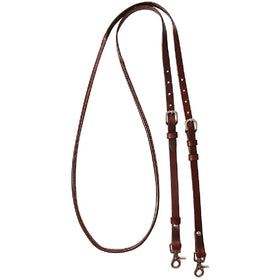
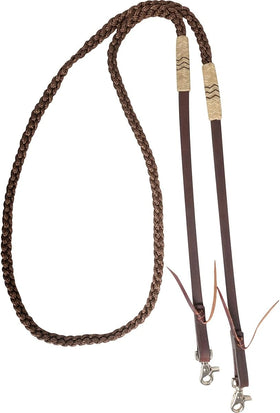
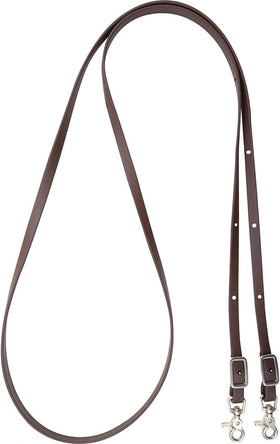
Weaver is a name you can trust in the equestrian world, and their reins are no exception. They offer a fantastic variety of leather reins that balance durability with a comfortable feel in your hands. What I appreciate most is the range of materials they use, from classic Bridle and Harness leather to supple Latigo. This means you can find a rein with the exact weight and flexibility you prefer. With so many styles, including roping, split, and barrel reins, plus different color options, it’s easy to find a pair that not only performs well but also matches the rest of your tack perfectly.
Martin Saddlery Roping Reins
If you love the feel of an old, favorite rein but don't want to wait years to get it, you need to check out Martin Saddlery. Their reins are famous for having that "perfectly broken-in" feel from the very first ride. They use premium Hermann Oak and Latigo leather, and you can feel the quality. Each rein is crafted using traditional cowboy methods, including being hand-rubbed and oiled, which gives them incredible character and a soft, pliable grip. Martin Saddlery focuses on creating reins that offer excellent control and comfort, making them a top choice for riders who spend long hours in the saddle and demand the best from their equipment.
How to Care for Your Leather Reins
You’ve found the perfect pair of leather roping reins, and they feel just right in your hands. Now, let's make sure they last. Taking care of your leather reins is about more than just keeping them looking good; it’s about protecting your investment and ensuring your equipment is safe and reliable every time you ride. Leather is a strong, natural material, but it needs a little consistent care to stay in top condition. By following a few simple steps, you can keep your reins supple, strong, and ready for action for years to come.
Clean After Each Ride
Make it a habit to wipe down your reins after every ride. It might seem like a small thing, but sweat, dirt, and moisture are the biggest culprits when it comes to breaking down leather fibers. A quick wipe with a soft, slightly damp cloth is usually all it takes to remove the day's grime. This simple two-minute task prevents buildup that can make leather stiff and abrasive over time. Think of it as a quick thank you to your gear for a good ride, ensuring it’s clean and ready for the next one.
Condition Regularly to Prevent Cracks
Just like your own skin, leather can get dry and needs moisture to stay healthy. Conditioning replenishes the natural oils in the leather, keeping it flexible and preventing painful, and potentially dangerous, cracks. A few times a year, or whenever your reins start to feel a little stiff, take the time to treat them. Using a quality leather conditioner from our horse grooming collection, apply a small amount with a clean cloth, work it in, and give it time to absorb. This simple step will keep your reins feeling soft and strong in your hands.
Store Them Properly
Where you keep your reins when you’re not using them is just as important as how you clean them. Avoid leaving them in direct sunlight, a hot car, or a damp, musty corner of the barn. Extreme temperatures and moisture can cause leather to fade, turn brittle, or even grow mildew. The best place for your reins is a cool, dry tack room. Hang them neatly over a rounded hook or coil them loosely in your tack trunk. Proper storage protects the leather fibers and helps your reins maintain their shape and strength.
Common Care Mistakes to Avoid
Good rein care is also about what you don't do. A few common habits can damage your reins or create unsafe situations for you and your horse. First, never wrap the reins around your hand or wrist; if your horse spooks or pulls away, you could be seriously injured. Also, avoid letting your horse stand on the reins, as this can cause a sudden, sharp pull on the bit and potentially weaken or snap the leather. Finally, never tie your horse using your reins. They aren't designed to hold a horse and can easily break, risking injury to your horse’s mouth. Treating all your horse tack with respect is a cornerstone of good horsemanship.
Common Myths About Leather Roping Reins
When you're choosing gear for your horse, it's easy to get tangled up in opinions and old adages. Leather roping reins, in particular, seem to have a few persistent myths floating around. Let's clear the air and separate fact from fiction so you can feel confident about the reins you put on your horse. Understanding the truth behind these common misconceptions will help you choose the right equipment for your needs and riding style.
Myth: "All Leather Reins Are the Same"
This is one of the biggest misconceptions out there. It’s like saying all saddles are the same. The truth is, reins are specialized tools, and leather roping reins have a very specific design. Unlike split reins, roping reins are a single, continuous piece of leather that loops around the horse's neck. This design prevents you from dropping a rein when you need your other hand free. Beyond the basic construction, they vary in leather type, like sturdy Hermann Oak or flexible Latigo, as well as in length and width. Each of these details changes how the rein feels in your hand and communicates with your horse, making the choice a very personal one.
Myth: "Leather Reins Are Too Heavy"
Some riders, especially those used to nylon or cotton, might pick up a pair of leather roping reins and think they feel heavy. But that weight is actually a feature, not a flaw. A good leather rein has enough body to offer a direct line of communication and a great "feel." This substance helps your cues be clear and allows the rein to fall away instantly when you release pressure, providing a quick reward for your horse. As experts note, leather is a classic choice because it offers both strength and a quick response. The right weight helps you be a quieter, more effective rider, which is something we all strive for.
Myth: "They're Only for Advanced Riders"
While you’ll definitely see leather roping reins in the hands of professional ropers, they are far from exclusive to the advanced crowd. The best rein for you depends more on your riding discipline than your skill level. In fact, the continuous loop design can be a great choice for intermediate or even beginner riders. You can’t drop one rein and lose steering, which is a common frustration when learning to manage split reins. Whether you're on the trail, in the practice pen, or just enjoying a ride, the simplicity and security of a roping rein can be a huge asset. The key is to find the right piece of horse tack for the job you're doing.
Find the Right Reins for You
Choosing the right pair of leather roping reins comes down to a few key details that make a big difference in the saddle. Since you’ll be spending a lot of time with them in your hands, comfort is just as important as function. Leather is a classic choice for a reason; it’s durable and offers that traditional feel many riders love for long days on the trail or in the arena.
When you start looking at different options, you’ll notice they come in various widths. A 5/8-inch width is a popular go-to for both roping and everyday western riding. It strikes a great balance, giving you enough substance for a secure grip without feeling too bulky. Think about how the reins will feel after a few hours, as you want something that offers control without causing fatigue. The way roping reins are constructed, as a single loop of leather, also helps with this. This design gives you a continuous, smooth feel and helps you maintain clear communication with your horse.
The type of leather also plays a huge role. While some riders prefer a stiffer rein, many find that high-quality, flexible leather, like English bridle leather, offers the perfect blend of strength and softness right from the start. Ultimately, the best way to decide is to consider what feels right for your hands and your riding style. When you're ready to explore your options, you can find a great selection of quality horse tack to suit your needs. Taking a moment to think through these factors will help you pick a pair of reins you’ll love for years to come.
Related Articles
- Roping Reins 101: Choose the Perfect Pair
- The Ultimate Guide to Roping Reins for Riders
- Weaver Leather Roper Reins
- Martin Saddlery Roping Rein
Frequently Asked Questions
I’m not a roper. Can I still use roping reins? Absolutely. Despite the name, roping reins are incredibly versatile and a favorite for many types of riding. Their single-loop design is perfect for trail riding since you can easily drape them over your horse's neck without worrying about dropping one. Many trainers also prefer them for working with young horses for the same reason. Their durability and secure feel make them a practical choice for almost any Western discipline.
How do I decide between Hermann Oak and Latigo leather for my reins? This really comes down to what you prefer to feel in your hands. If you value equipment that is incredibly tough and you enjoy the process of breaking in leather until it molds perfectly to you, Hermann Oak is a fantastic choice. If you want that soft, comfortable, ready-to-go feel from the very first ride, you will likely prefer Latigo. Neither is better than the other; they just offer two different paths to a great connection with your horse.
Are leather roping reins a good choice for a beginner rider? Yes, they can be a great option. While learning, it's common to get flustered managing two separate split reins, and it's easy to drop one. Since roping reins are one continuous loop, you can't lose half of your steering. This simple, secure design can help you build confidence while you focus on other aspects of your riding, making them a very practical tool for new and intermediate riders.
Why is the weight of a leather rein important? Isn't lighter better? The weight of a quality leather rein is actually one of its best features. That substance allows your cues to be more clear and direct, so you don't have to use as much pressure to communicate. It also helps the rein fall away instantly when you release, giving your horse a quick and obvious reward. A rein that is too light can feel "floaty" and make your signals less precise.
What is the most important thing I can do to make my leather reins last? The single most effective habit is to wipe them down with a cloth after every single ride. This removes sweat and dirt, which are the primary things that break down leather fibers and cause them to become stiff and brittle. Beyond that, regularly applying a good conditioner from our horse grooming collection will keep the leather supple and prevent it from cracking, ensuring your reins stay safe and comfortable for years.


