


Joint health for dogs depends on maintaining the smooth cartilage and fluid that allow limbs to move without pain. Experts at Cornell University suggest that starting supplements early may be better than waiting for symptoms. This early care often helps stop arthritis instead of just slowing it down later in life. A balanced plan includes the use of glucosamine and chondroitin to help cartilage, alongside natural tools like omega-3 fatty acids and turmeric to manage swelling. Combining these items with regular weight control creates a strong base for long-term comfort. For over 30 years, Hooves and Paws has helped pet families make these choices with expert-curated dog health essentials and personal service.
Shop Joint Health Essentials for Your Dog Today →
Keeping your companion active requires knowing how their body changes as they age. This process starts with Understanding Joint Health in Dogs and learning how common issues like arthritis develop over time. Once you know the signs of wear, you can take steps to protect their daily comfort. The path to better health begins with...
Shop This Guide
Diggin Joint Power — 100% New Zealand Green Lipped Mussel (5.29 oz)
Single-ingredient GLM powder for dogs & cats — the supplement this guide covers. $42.99
View details →365-day guarantee · Fast 2-day shipping from our American warehouse
Understanding Joint Health in Dogs
Joint health for dogs depends on healthy cartilage and joint fluid that allow pain-free movement. When cartilage wears down or joints develop incorrectly, dogs experience stiffness and discomfort. Starting joint support early with glucosamine and chondroitin can help protect cartilage and maintain mobility as your dog ages.
Joint health is a core part of your dog's daily comfort and movement. At Hooves and Paws, we have spent over 30 years helping pet owners find the right dog health essentials to keep their animals active. To help your dog, you must first learn how their joints work and what causes them to break down over time.
How dog joints work
Healthy joints allow your dog to run, jump, and play without pain. A thin layer of cartilage covers the ends of the bones to act as a cushion. This tissue, along with a thick fluid, helps the bones glide smoothly. When this system works well, it absorbs the shock of every step. But when the cartilage wears down or the joint does not form right, your dog may feel stiff or sore.
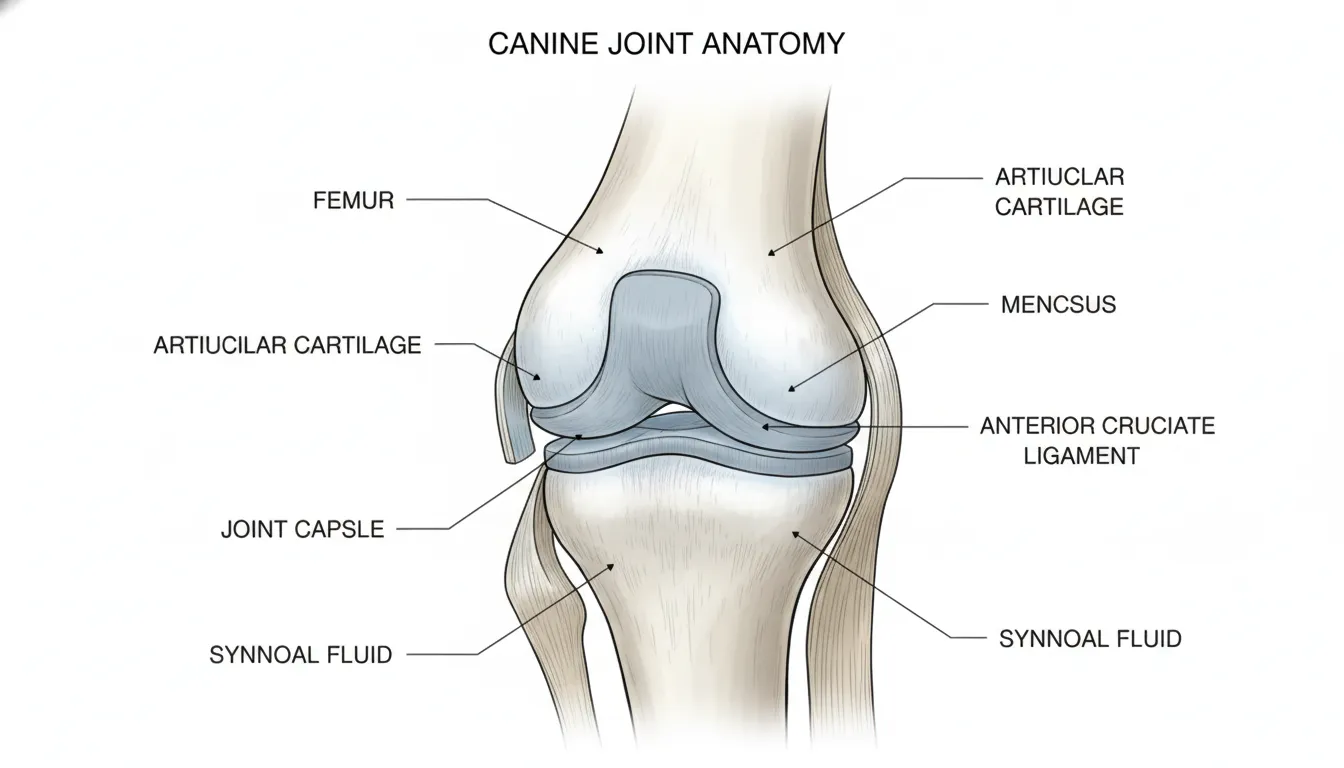
Two types of joint pain
Most joint issues in dogs fall into two main groups. Degenerative joint disease, also called osteoarthritis, is a slow process where the cartilage wears away until the bones rub together. This often happens as a dog gets older. The second group is developmental issues. These are genetic problems, like hip dysplasia, where the joint does not fit together well from birth. Experts at the Cornell University College of Veterinary Medicine note that hip dysplasia is an inherited looseness that can lead to pain and long-term damage.
Breeds prone to joint issues
Any dog can have joint trouble, but some breeds face a higher risk due to their size or genes. Large and giant breeds often put more stress on their frames. Common breeds that need extra care include German Shepherds, Labrador Retrievers, and Golden Retrievers. Other dogs prone to issues are Bernese Mountain Dogs, Rottweilers, Newfoundlands, and Dachshunds. If you own one of these breeds, starting joint support early may help keep them active as they age.
What Are the Signs of Joint Discomfort in Dogs?
Signs of joint discomfort in dogs include limping, stiffness after rest, difficulty climbing stairs, reluctance to jump, licking at specific joints, and muscle loss in the hind legs. Dogs also hide pain through behavior changes like reduced playfulness, avoiding touch, or becoming irritable. Early recognition allows for faster intervention.
Watching your dog age is a part of life, but it can be hard to see them slow down. Many pet owners think a slow pace is just a sign of getting old. In many cases, it is a sign of joint pain. Finding these signs early is key to keeping your dog happy and moving. When you catch the signs fast, you can start steps to help them feel better and stay active.
Dogs are experts at hiding pain. This comes from their wild roots where showing weakness was a risk. You must look for small changes in how they move or act each day. If you notice your dog is less eager to greet you at the door, it might not be a lack of love. It could be that their joints hurt too much to get up fast.
Physical clues to watch for
Most signs of joint pain show up in how your dog uses their body. You might see them walk with a stiff gait after they wake up from a nap. This stiffness often gets better as they move around and warm up their muscles. But if the stiffness lasts a long time, it is a clear red flag. You should check your dog's gait on both hard floors and grass to see if there is a change.
The experts at Purina suggest watching for a few key signs of joint issues. These physical signs often mean your dog needs extra support for their joint health. Watch for these common signs in your pet:
- Limping or leaning on one leg over the others.
- Stiffness when getting up from a bed or the floor.
- Trouble sitting down or standing up after a rest.
- Trouble climbing stairs or jumping into a car.
- A slow or awkward way of walking.
- Licking at an exact joint or area of a leg.
- Muscle loss in the back legs or hips.
Changes in mood and play
Not all signs of joint pain are physical. Sometimes, a dog will change how they act because they do not feel well. A dog that used to love long walks might now stop halfway and look back at the house. They may also stop playing with their favorite toys or avoid other pets in the home. These choices are often made to avoid the sharp pain that comes with quick moves.
You may also see a change in your dog's mood. A sweet dog might become grumpy or snap when you touch them near their hips. They might hide in a quiet room or stay under a table more than usual. These mood changes are ways for a dog to tell you they are in pain. Giving them dog health essentials can help support their body during these times.
Why early help matters
Getting help for your dog early can make a big change in their life. Research from the Cornell University College of Veterinary Medicine shows why early care is so vital. Their findings show that supplements may be better at stopping joint issues than fixing them once they start. This means starting support before your dog is in a lot of pain is the best path.
When you spot the signs early, you have more ways to give care. You can change their diet, start light play like swimming, or use the best chews. These small steps help keep the cartilage healthy for a longer time. By acting now, you can help your dog enjoy their senior years with less pain and more play.
Shop This Post

Featured in this article
Zymox Otic Pet Ear Care with 0.5% Hydrocortisone - Enzymatic Ear Solution for Dogs & Cats - 1.25 oz
$22.49
Shop Now →
Glucosamine and Chondroitin: The Foundation of Joint Support
Glucosamine helps build new cartilage tissue, while chondroitin protects existing cartilage by attracting water to keep joints cushioned. Together, these two compounds form the core of most veterinary joint support plans. Starting them early in middle age may slow arthritis progression and maintain joint function over the long term.
Glucosamine and chondroitin are the two most trusted names in pet joint care. They are the first tools a vet uses to support joint health for dogs. These parts are found in healthy cartilage and joint fluid. By working together, they maintain the structure of every joint in your dog's body.
Most pet owners start looking for these parts when they see a dog slowing down. These building blocks do more than just help a dog move better. They give the body what it needs to fix small bits of damage early. Using a high-quality joint pill is a proactive way to care for your pet's long-term comfort.
How Glucosamine Builds Cartilage
Glucosamine is a natural sugar compound that exists in the fluid around joints. It is the main part of nearly every joint health product. The ingredient helps the body build new cartilage. This tough tissue coats the ends of bones so they do not rub together.
As dogs grow older, their bodies make less glucosamine on their own. This is why many vets suggest starting a supplement in middle age. You can find several vet-backed options in our pet supplements and wellness collection. These products are easy for a dog's system to use well.
How Chondroitin Protects and Cushions
While glucosamine helps build cartilage, chondroitin helps protect it. Chondroitin is a large molecule that attracts and holds water in the joint tissue. This keeps the tissue spongy so it can absorb shocks. It helps the joints handle the impact of running and jumping.
Chondroitin also blocks the harmful enzymes that break down healthy tissue. This dual action is why the glucosamine-chondroitin pair works so well. According to researchers at Cornell University, these supplements are safe for long-term use. Dr. Christopher Frye says starting them early may slow the signs of arthritis.
Choosing Quality Over Cost
When you shop for a joint supplement, quality is more important than price. The pet supplement industry is not controlled like human medicine. This means some brands might not have the right amount of ingredients. To protect your dog, always look for the NASC quality seal on the bottle. Shop trusted brands in our pet supplements and wellness collection.
The NASC seal shows that a third party has tested the product for safety. Trusted brands like Dasuquin and Cosequin have been used by vets for many years. These products often mix glucosamine with other helpful ingredients. This provides a full approach to joint care for your pet.
Always talk to your vet to find the best plan for your dog. They can help you pick the right dose based on your pet's weight and breed. A vet can also make sure these products fit with other dog health essentials in your pet's routine.
Additional Ingredients That Support Joint Health
Beyond glucosamine and chondroitin, ingredients like MSM, omega-3 fatty acids, turmeric, and green-lipped mussels provide complementary support. MSM helps control inflammation, omega-3s reduce joint pain markers, turmeric offers natural pain relief, and green-lipped mussels provide full-spectrum joint nutrition with over 90 beneficial fatty acids.
While glucosamine and chondroitin are the most common choices, they are not the only tools for joint health for dogs. Many owners now use a mix of vitamins, fatty acids, and superfoods to help their pets stay mobile. Adding these options can help target the many ways joints wear down over time. Using more than one ingredient often works better than using a single one.
Choosing the right mix depends on your dog's age and health. Some pets need more help with swelling, while others need more fluid to help them move. By looking at all the options, you can build a plan that keeps your dog active for years. This is part of the expert care we have shared at Hooves and Paws for over 30 years.
Natural anti-inflammatory support
Reducing swelling in the joints is a key goal for most pet parents. Omega-3 fatty acids, like EPA and DHA, are very good for this. These healthy fats often come from fish oil and help lower the markers of joint pain. High levels of these fats can stop the body from making the things that cause swelling. Browse our pet supplements and wellness collection for vet-recommended omega-3 options.
| Ingredient | Primary Benefit | How It Works |
|---|---|---|
| Glucosamine | Builds cartilage | Provides building blocks for new cartilage tissue |
| Chondroitin | Protects existing cartilage | Attracts water to keep joints cushioned and lubricated |
| MSM | Fights swelling | Supports healthy inflammatory response in joint tissues |
| Omega-3s (EPA/DHA) | Reduces inflammation | Lowers markers of joint pain and stiffness |
| Green-Lipped Mussel | Full-spectrum support | Natural COX/LOX blocker with 90+ fatty acids |
| Turmeric (Curcumin) | Anti-inflammatory | Plant-based compound that helps ease joint discomfort |
You can find high-quality fish oils in the pet supplements and wellness collection at Hooves and Paws.
Another helpful tool is methylsulfonylmethane, or MSM. This compound helps the body maintain a healthy way to fight swelling in the tissues. Research shows that using MSM with glucosamine can support total joint health better than using either one alone. This duo works to both build cartilage and keep it from hurting. Some people also use turmeric for its active part called curcumin. Curcumin is a natural spice that helps fight the pain caused by swelling in old or stiff joints. It is a safe, plant-based way to help your pet feel better every day.
The power of green-lipped mussels
Green-lipped mussels (GLM) are a unique superfood from the sea. They offer more than just one or two perks for a dog's hips and joints. These mussels contain about 90 different fatty acids that work to soothe the body. They also have vitamins C and E, plus minerals like zinc and copper. These nutrients work together to feed the joint from the inside out.
Experts from My Pet Nutritionist explain that GLMs act as natural COX and LOX blockers. This means they work like many vet medicines to stop pain paths, but without the hard side effects. They provide a safe way to help your dog feel better during walks or play. Because they are a whole food, the body can often use these nutrients more easily than man-made ones. This makes them a top choice for owners who want a natural path to care.
Four mechanisms of joint health
To keep a dog's joints in top shape, you must look at four main areas. These are swelling, wear, cell damage, and fluid. Swelling is what causes the most pain and heat in the joint. Wear is the slow loss of the cartilage that cushions the bones. Cell damage comes from age and stress, and fluid is the liquid that keeps joints moving smoothly. If one of these areas is weak, the whole joint can fail.
Green-lipped mussels are rare because they help with all four of these areas at once. Other parts like collagen also play a big role in a dog's life. Collagen is a type of tissue that lines the joints to keep them slippery and tough. This helps the bones glide without rubbing or clicking. Experts at Cornell University say starting these aids early helps. This may prevent the slow loss of joint function in nearly every dog as they age. A proactive plan is the best way to ensure your dog stays happy and fast.
How Can Diet and Exercise Support Joint Health for Dogs?
Keeping your dog at a lean weight is the single most effective way to reduce joint stress. Low-impact exercise like swimming and short, frequent walks maintains muscle strength around the joints. A balanced diet with anti-inflammatory foods such as fish oil and turmeric complements supplements for comprehensive joint care.
Keeping your dog at a lean weight is the best way to prevent joint stress. When a dog carries extra pounds, every step puts more pressure on their hips and knees. This extra weight can speed up the wear on cartilage. Research from the Cornell University College of Veterinary Medicine shows that staying lean helps prevent joint problems from starting. If your dog is already stiff, losing just a few pounds can help them feel much better.
Weight control for joint health
Most vets agree that weight is the top factor in dog joint health. Heavy dogs are much more likely to have pain as they age. You should be able to feel your dog's ribs without a thick layer of fat. If you cannot feel them, it might be time to cut back on treats. Changing their food even a little bit can make a big difference over time. Keeping them slim reduces the load on sore spots. This also helps them recover faster from walks and play.
Balanced diet and foods that fight swelling
A good diet is the base for a healthy pet. While pills and chews help, they cannot fix a poor diet. Many owners add whole foods to the bowl to help their dogs feel better. Fish oil is full of omega-3 fats that help joints stay healthy. You can also look for turmeric, which has curcumin to help with joint pain. At Hooves and Paws, we have the dog health essentials you need to support a clean diet. Our team handpicks every item to ensure your dog gets the best care possible.
Low-impact exercise and movement
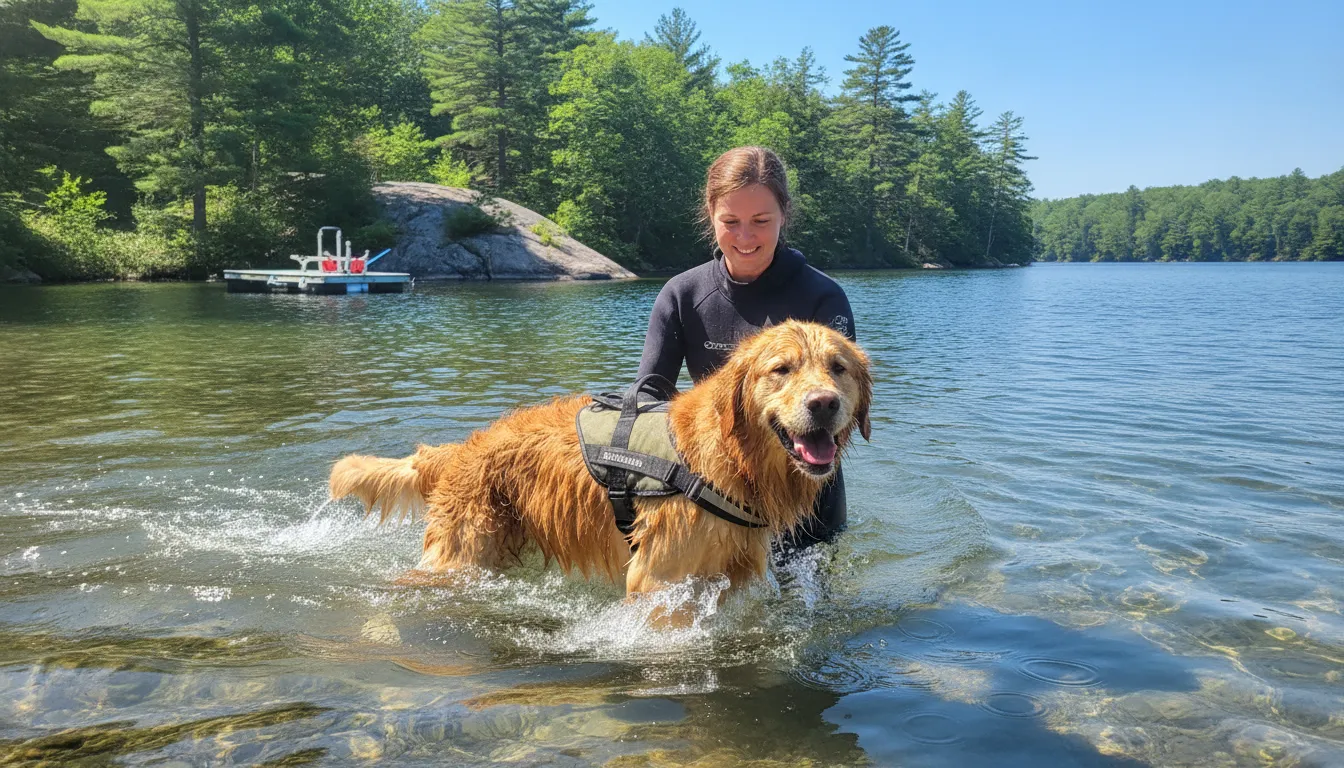
Moving every day keeps joints loose and muscles strong. Strong muscles help hold joints in place, which lowers the risk of injury. But the type of movement matters. Low-impact exercise like long walks or swimming is best for dogs with joint issues. High-impact play like jumping for balls can cause more harm. You should try to keep walks short and frequent rather than one long trek. This keeps the blood flowing without overworking the dog's body.
Since 1994, our family has helped pet owners find the right tools for their dogs. With over 70,000 five-star reviews, you can trust us to help you keep your dog moving. We offer personal service and expert advice for every pet parent. Plus, we offer free shipping on all orders to make it easy to get what you need for your dog's joint health journey.
When Should You Start Giving Your Dog Joint Supplements?
Large and giant breeds may benefit from joint supplements as early as one to two years old. Most medium and small dogs should begin around age six or seven. Starting supplements before symptoms appear is more effective than waiting for stiffness or pain to develop, as it helps preserve existing cartilage rather than trying to repair damage.
Many pet owners wonder when to start giving their pets extra help. The right time often depends on the size and breed of your dog. You do not have to wait for your dog to get old or stiff to start a plan. In fact, many experts say that early care is the best way to help. Joint health for dogs is about staying ahead of the problem.
The best age to begin
Big dogs often need help much sooner than small ones. Our dog health essentials include breed-specific options tailored to large breeds. Breeds like Great Danes or Labs put a lot of weight on their joints. You might start a plan for these dogs as young as one or two years old. For most other dogs, age six or seven is a good time to start. This is the stage when the body begins to slow down.
Early care is helpful because of how these products work. Experts from the Cornell University College of Veterinary Medicine suggest that it is easier to protect joints than to fix them. These tools may help stop issues from getting worse over time. Starting early helps keep the cartilage thick and strong as your dog grows older.
How to find quality products
Not all pet products are made the same way. The law does not track pet chews as strictly as it tracks drugs. This means the quality can change from one brand to the next. You must look for certain signs to know a product is safe and full of good ingredients. These steps help you find the best care for your pet.
One key sign of quality is the NASC seal. This stands for the National Animal Supplement Council. This seal shows that the brand follows strict rules and has third-party tests. You should also check the list of ingredients on the back of the bottle. Most good options will have these three items:
- Glucosamine to help build new cartilage.
- Chondroitin to keep joints moist and flexible.
- MSM to help with a healthy response to swelling.
The need for a vet plan
You should always talk to your vet before you start any new pill or chew. A vet can look at your dog's weight and health history to find the best path. They can also make sure the ingredients do not clash with other drugs. This step keeps your dog safe while you try to improve their joint health.
Your vet might also suggest specific dog health essentials based on your pet's needs. Some dogs may need more fish oil, while others do better with herbs like turmeric. A custom plan ensures your dog gets the exact support they need. This keeps them active and happy for many years to come.
Frequently Asked Questions
What is the best thing to give dogs for joint health?
The best way to help your dog is to use a mix of good food, weight control, and key nutrients. Vet experts at Cornell University say that keeping your dog at a lean weight helps reduce stress on their bones. Most owners also use supplements with glucosamine and chondroitin to help protect cartilage. Adding easy exercise like swimming or short walks can also keep their joints moving well without pain.
What is the #1 vet recommended hip and joint supplement for dogs?
Dasuquin and Cosequin are the top brands often suggested by vets for hip and joint care. These products use a mix of glucosamine and chondroitin to help slow down wear in the joints. When you shop for these, look for the NASC quality seal to make sure the product is safe. At Hooves and Paws, we only sell trusted brands that meet high quality standards for your pet.
What joint supplements can dogs with pancreatitis take?
Dogs with pancreatitis need low-fat options to stay safe. Many vets suggest green-lipped mussel powder. It is a natural way to help joints without the high fat found in fish oil. According to My Pet Nutritionist, these mussels have fatty acids that help lower swelling. You should always talk to your vet before you start a new supplement. This is very important if your dog has a sensitive stomach or other health issues.
Are joint supplements safe for dogs to take every day?
Most joint supplements are safe for daily use to help prevent arthritis. Experts from Cornell University state that these products can slow joint issues over time. It is best to start them early in a dog's life, especially for large breeds. While side effects are rare, always watch for signs of a sick stomach. Check with your vet to find the right amount for your dog's weight and age.
Shop Joint Health Essentials for Your Dog Today
Your dog depends on you to spot the early signs of joint discomfort and take action. From glucosamine and chondroitin supplements to natural options like green-lipped mussels and omega-3 fatty acids. The right support can make a real difference in your pet's quality of life. At Hooves and Paws, we have been helping pet families find trusted solutions for over 30 years. Our family-owned shop offers 18,000+ curated products from the best brands, backed by 70,000+ five-star reviews and a 365-day satisfaction guarantee.
Shop dog health essentials at Hooves and Paws and get free shipping on all orders with same-day shipping available before 2 PM PST. Keep your best friend moving with confidence.


