


A great pair of boots does more than just complete your look—it can completely change the feel of your ride. The right pair of leather riding boots provides a stable foundation for your leg, helping you give precise cues and feel more connected to your horse. But an ill-fitting pair? That just leads to discomfort, frustration, and a sloppy leg position. That’s why investing in quality is so crucial. This guide will show you what true quality looks like, from expert craftsmanship to the small details that make all the difference in a perfect, comfortable fit.
Key Takeaways
- Focus on fit and function first: Your boots should feel snug and slightly too tall when new, as they will drop and stretch over time. Match the boot’s design to your riding discipline—stiffer leather for dressage support and flexible field boots for jumping.
- A simple care routine is non-negotiable: To make your boots last, wipe them down after every ride, use boot trees to hold their shape, and stick to a cream polish. Never use leather grease, as it will ruin the boot's supportive structure.
- Invest wisely by shopping smart: Quality boots are a long-term purchase, so understand what you’re paying for at different price points. While seasonal sales offer great deals, the best value is always a well-made boot that fits you perfectly.
Top Leather Riding Boot Brands We Swear By
Finding the right pair of riding boots is a big deal. It’s an investment in your comfort, safety, and performance in the saddle. While we stock a huge variety of horse tack, we know that boots are one of the most personal pieces of gear you'll buy. The market is full of options, which can feel overwhelming. That’s why we’ve put together a list of brands that consistently deliver on quality, craftsmanship, and style.
These are the names that our team of experienced riders trusts and our customers rave about. Whether you're a dedicated competitor looking for a custom fit or a passionate equestrian who needs a durable boot for daily schooling, there's a brand here for you. We've broken down what makes each one special, from the type of leather they use to the unique features they offer. Think of this as your starting point for finding a pair of boots that you’ll love for years to come.
The Shortlist: Our Top Brand Picks
When you’re ready to invest in a quality pair of leather riding boots, certain brands just stand out from the pack. They’ve earned their reputations through years of exceptional craftsmanship, innovative design, and a deep understanding of what riders truly need. Here are the brands that consistently make our list of top recommendations.
Other Notable Brands
Beyond our absolute favorites, a few other brands have earned a solid reputation in the riding world, and they’re definitely worth a look if you're still searching for that perfect pair. FUNDIS Equestrian, for example, provides an impressive collection of riding boots made from high-quality leather, with excellent options for different disciplines, including supportive dressage models and insulated winter boots. They really focus on performance-driven craftsmanship. Another noteworthy option is CO, which is known for its beautiful handmade leather boots. They pay close attention to the little things that make a big difference, like using smooth calfskin leather, adding invisible zippers, and including anti-slip rubber soles for a boot that is as functional as it is elegant.
You also can't talk about quality leather without mentioning Frye. While not exclusively an equestrian brand, they are masters of stylish and durable leatherwork that holds up beautifully in the saddle. Their reputation is built on generations of craftsmanship, so you know you’re getting a boot that looks great and provides real support. They offer a wide variety of women's leather boots, from tall to mid-calf, that fit a range of styles. These brands all share a commitment to the quality and detail every rider deserves. Whether you’re focused on discipline-specific features, handmade artistry, or timeless style, exploring these options will get you one step closer to finding boots you’ll love for years.
DeNiro: Unmatched Italian Craftsmanship
If you appreciate true artistry, DeNiro is a brand you need to know. They are famous for their handmade leather riding boots, which are crafted from start to finish in Italy. What sets DeNiro apart is their incredible attention to detail. They manage to create boots that are not only beautiful and elegant but also built for top-tier performance and comfort. For riders who want a boot that looks as good as it feels and can stand up to the demands of the sport, DeNiro is an outstanding choice.
Franco Tucci: Your Perfect Custom-Fit Boot
For the serious show rider, a perfect fit isn't just a preference—it's a necessity. Franco Tucci specializes in creating boots that feel like they were made just for you. Their Sofia Tall Boots are a prime example of exquisite Italian craftsmanship, using fine leather that molds beautifully to your leg. These boots offer incredible support and comfort without sacrificing that polished, elegant look required for the show ring. They are a long-term investment in both your performance and your confidence.
Vogel: The Professional's Choice for Durability
When your boots are part of your daily uniform, you need them to last. Vogel has built a reputation for creating exceptionally durable boots, with many riders reporting that their pairs last for a decade or more. The Brooklyn Tall Boot is designed specifically for professional riders who need show-ring style combined with workhorse performance. Made from high-quality European leather and custom-fitted, these boots provide the serious support and comfort required for long hours in the saddle.
Fabbri: Classic Italian Style and Comfort
Fabbri offers that coveted luxurious Italian style at a more accessible price point, making it a fantastic option for many riders. Their Prime Tall Dress Boots are crafted from incredibly soft Italian leather, which means the break-in period is often much shorter—sometimes just a few rides. They provide a sleek, elegant silhouette that looks sharp in any arena. If you want a high-end look and a comfortable fit without the wait, Fabbri is an excellent brand to consider.
Ariat: Blending Tradition with Performance Tech
Ariat is a go-to for riders who want a blend of traditional style and modern technology. Their Women’s Palisade Show Tall Riding Boot is a perfect example and a great choice for anyone buying their first pair of high-quality show boots. They feature a modern square toe and a cushioned footbed that provides all-day comfort, making them versatile enough for both shows and daily lessons. Ariat consistently delivers practical, well-made boots that meet the needs of riders at every level.
More Than Just Tall Boots: Exploring Different Styles
While the classic, knee-high leather boot is an iconic part of equestrian style, it’s far from the only option available. The reality is that a rider’s life involves much more than just time in the saddle. From mucking out stalls in the mud to schooling in freezing temperatures, different situations call for different types of footwear. Relying on a single pair of expensive show boots for every task is not only impractical but can also shorten their lifespan. That’s why the world of riding boots is so diverse, offering specialized designs for every season, discipline, and activity around the barn.
Understanding these different styles helps you choose the right tool for the job, ensuring you’re always comfortable, safe, and prepared. Whether you need the rugged protection of a polo boot, the warmth of an insulated winter pair, or the convenience of a short boot for daily chores, there’s a perfect match for your needs. Many experienced riders build a collection of boots over time, recognizing that having the right footwear makes every aspect of horse ownership a little bit easier and more enjoyable. Let's look at some of the most common styles you'll encounter.
Types of Riding Boots
Beyond the standard dress or field boot, several specialized designs cater to specific conditions and disciplines. These boots are engineered with particular features to handle everything from icy weather to the high-impact demands of certain equestrian sports. Having a pair designed for a specific purpose not only improves your comfort and performance but also helps preserve your primary riding boots for their intended use. Here are a few key types that every rider should know about.
Winter Riding Boots
If you live in a climate with cold winters, a dedicated pair of winter riding boots is a game-changer. Standard leather boots offer very little protection against the cold, which can make winter rides miserable and even unsafe. To keep your feet comfortable, look for winter riding boots that feature a soft, thick lining for insulation. Many are also made with waterproof materials to keep your feet dry in snow and slush, and they often have a more rugged tread on the sole to provide better grip on icy surfaces. Investing in a good pair means you can continue training comfortably all year long.
Yard and Rubber Boots
Every horse owner needs a tough, no-fuss pair of boots for barn chores. Yard boots, often made of durable rubber or waterproof materials, are perfect for tasks like mucking out, turning out horses, and bathing. For beginners, cheaper options like rubber riding boots or a combination of ankle boots with chaps are a great starting point. Ankle-high paddock boots paired with half chaps offer a versatile and comfortable alternative for daily schooling, giving you the leg protection you need without the formality or expense of a tall boot.
Polo Boots
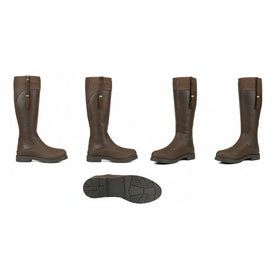
Polo boots are built for toughness and protection, designed to withstand the intense, high-contact nature of the sport. Unlike the sleek, form-fitting style of dressage or show jumping boots, polo boots are more rugged. They are typically made from thick, sturdy brown leather and often feature a front zipper and sometimes laces, which provide a secure fit and make them easier to put on over padded gear. This robust construction is essential for protecting the rider’s legs from mallets and the ball during a fast-paced game.
Beyond Tall Boots: Other Heights and Colors
Your options aren't just limited by function; they also extend to style. Riding boots come in a variety of heights and an expanding palette of colors, giving you more ways to express your personal taste. While tradition still dictates the look for formal competitions, your everyday riding wear is a great place to show some personality. From practical short boots to boots in rich, seasonal hues, you can find footwear that is both functional and fashionable.
Short and Mid-Calf Boots
Not every day at the barn requires a full knee-high boot. Many riders prefer the comfort and convenience of shorter styles for everyday tasks and schooling. Many brands offer styles in tall, mid-calf, and short heights. Short boots, also known as paddock boots, are incredibly versatile. They are comfortable for walking, easy to pull on for a quick ride, and can be paired with half chaps to create the feel and function of a tall boot. Mid-calf boots offer a stylish middle ground, providing more coverage than a paddock boot without the full height of a traditional riding boot.
Classic and Seasonal Colors
While black is the standard for many formal disciplines like dressage and show jumping, you have plenty of other color choices for schooling and more casual riding. Brown is another timeless, classic color that is popular in the hunter ring and for everyday wear. Beyond these staples, many brands now offer their boots in beautiful seasonal colors like rich saddle, warm walnut, or even deep cranberry. Choosing a different color is a simple yet effective way to personalize your riding attire and stand out in the schooling ring.
Why You Might Need More Than One Pair
As you can see, different boots are designed for very different jobs. This is why so many riders own multiple pairs of boots for their various activities. It might seem like an indulgence at first, but it’s actually a very practical approach. Using one pair of high-end show boots for everything from daily schooling to bathing your horse will quickly wear them out. By having a dedicated pair for each task—a pristine pair for shows, a comfortable and durable pair for lessons, and waterproof yard boots for chores—you protect your investment and ensure each pair lasts as long as possible. It’s all about having the right equipment in your horse tack collection so you’re prepared for anything.
Shop This Post

Featured in this article
Shires Moretta Clio Plus Paddock Boots - Black, Child, Lace-Up Equestrian, Gently Used
$29.99
Shop Now →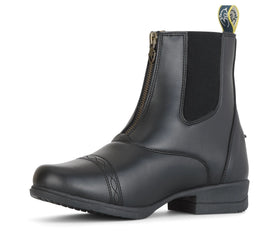
How to Choose Your Perfect Pair of Leather Riding Boots
Finding the right pair of leather riding boots is a bit like a matchmaking service for your feet. It’s an investment in your comfort, safety, and performance in the saddle, so it pays to be picky. The perfect boot should feel like a natural extension of your leg, offering support without restricting your movement. When you’re trying on different pairs, think beyond just the brand or style. Focus on the quality of the materials, the precision of the fit, and the small details that make a big difference in the ring or on the trail. Taking the time to find your ideal match will ensure you and your boots have a long, happy partnership.
Don't Compromise on Leather Quality
High-quality leather is the heart and soul of a great riding boot. It’s not just about looking sharp—though that’s a nice bonus! The right leather provides the perfect balance of suppleness and stability, giving you a secure grip in the saddle while molding to your leg for a custom-like fit over time. When you’re examining a boot, feel the leather. It should be smooth and consistent, not plasticky or overly stiff. Look at the stitching, especially around the zipper and sole. Clean, even stitches are a sign of quality craftsmanship that will hold up to the demands of riding.
Getting the Sizing Just Right
Your new boots should feel snug all around your foot, ankle, and calf, but they should never be painful. Think of it as a firm, supportive hug. A little tightness is normal, as the leather will stretch and soften with wear. If you find your calf measurement is between two sizes, it’s almost always better to choose the larger size. You can easily wear a thicker sock to fill any extra space, but you can’t stretch a boot that’s cutting off your circulation. Also, consider what you’ll be wearing under them. Always try on boots with the breeches and socks you typically ride in to get the most accurate fit.
How to Measure for the Best Fit
Here’s a pro tip that makes all the difference: always measure for your boots in the evening. Your legs can swell slightly throughout the day, so measuring later on gives you the most accurate reading. Put on the same breeches and socks you normally ride in to ensure you’re accounting for their thickness. While seated in a chair with your feet flat on the floor and knees at a 90-degree angle, have a friend help you take two key measurements. First, find the widest part of your calf for the width. Second, measure the height from the floor to the crease behind your knee. Every brand’s sizing is a little different, so always compare your measurements to the specific size chart for the boots you’re considering.
Accounting for the "Settling" Period
One of the trickiest parts of buying new tall boots is accounting for the "drop." This is a completely normal process where the leather around the ankle softens and creases as you break the boots in, causing the overall height to sink, or "drop," by one to two centimeters. This means a perfectly fitting new boot should actually feel a little too tall at first. It might even feel a bit uncomfortable behind your knee when you bend your leg. Trust the process—this initial height is what ensures that after a few months of riding, your boots will settle into that perfect, elegant height. If they feel just right from day one, they'll likely end up too short and look sloppy in the saddle.
Finding Your Ideal Boot Height and Calf Fit
This is where a little trust in the process comes in. When you first try on a new pair of tall boots, they should feel a bit too tall—about a half-inch to an inch higher than is comfortable behind your knee. Why? Because as you break them in, the leather around the ankle will soften and drop, causing the boot to settle into the perfect height. It might feel awkward at first, but resisting the urge to buy a shorter boot will pay off. The ankle should feel secure, holding its shape while still allowing your heel to drop naturally.
Options for Wide Calves
Finding boots that fit a wider calf can feel like a frustrating search, but you absolutely don't have to settle for a pair that pinches or sags. Many high-quality brands now offer wide-calf sizes as a standard option, so always check the size chart first. If off-the-shelf boots still aren’t quite right, exploring semi-custom or fully custom options can be a game-changer. Brands like Vogel are renowned for their durability and can create a boot tailored to your exact measurements, ensuring a perfect fit that lasts for years. The type of leather also makes a difference; the incredibly soft Italian leather used by brands like Fabbri can provide more comfort and flexibility. Remember, the goal is a snug, supportive feel—never painfully tight. The right boot is out there, and finding it will make a world of difference in your comfort and confidence.
Soles and Safety: What Really Matters
A riding boot is a critical piece of safety equipment. The most important feature to look for is a heel that’s about one inch high. This small detail is designed to prevent your foot from accidentally sliding all the way through the stirrup, which can be incredibly dangerous. The sole should be relatively thin and smooth to allow for good feel, but it still needs to be durable. A reinforced or steel toe can offer extra protection for your feet on the ground. Finally, the tall shaft of the boot isn't just for looks; it protects your leg from getting pinched by your saddle’s stirrup leathers, which is a key part of your horse tack.
The Importance of an Anti-Slip Sole
The sole of your boot is your direct line of communication to your horse through the stirrup, so its design is incredibly important. You need a sole that is thin enough to give you a good "feel" for the stirrup iron, allowing for subtle adjustments in your position. At the same time, it has to be tough enough to withstand daily wear and tear at the barn. A well-made boot strikes this perfect balance, offering a smooth surface that won’t get caught, but with just enough texture to provide a secure grip. This thoughtful design ensures you can easily slide your foot out of the stirrup when needed while maintaining a stable base for your leg.
Understanding Heel Height
Of all the features on a riding boot, the heel is arguably the most critical for your safety. A heel that is approximately one inch high is the industry standard for a very good reason: it acts as a stopper. This small but essential detail is specifically designed to prevent your foot from slipping all the way through the stirrup. If that were to happen during a fall, you could be dragged, leading to serious injury. This isn't a matter of style; it's a functional safety feature that should be a non-negotiable part of your boot selection, and it's a standard you'll find across all our quality riding boots.
Matching Your Boots to Your Riding Discipline
The perfect pair of riding boots isn’t just about style—it’s about function. The demands of your specific riding discipline play a huge role in determining which boot will support you best in the saddle. A boot designed for the precision of dressage won’t offer the flexibility needed for a cross-country course, and a trail rider needs something that prioritizes all-day comfort. Understanding these differences is the key to finding a boot that not only looks great but also enhances your performance and keeps you safe. Before you start shopping, think about where you spend most of your time riding. This will help you narrow down your options and invest in a pair that truly works for you and your horse, whether you’re schooling in the arena or competing for a blue ribbon.
Dressage: Why You Need a Stiffer Boot
In dressage, every movement is about precision and control, and your leg needs to be as still and effective as possible. That’s where a traditional dressage boot comes in. These boots are intentionally designed with very stiff leather, especially on the outside of the calf. This rigidity helps you maintain a long, stable leg position, preventing your ankle from collapsing and allowing for subtle, clear communication with your horse. The goal is to create a seamless line from your hip to your heel. Many dressage boots also feature a high Spanish cut at the top, which elongates the leg for a more elegant and formal appearance in the show ring. While they take some time to break in, the support they offer is essential for any serious dressage rider.
Jumping and Cross-Country: Why Flexibility is Key
Unlike the quiet leg required in dressage, jumping and eventing demand constant movement and adjustment. You need a boot that moves with you as you shorten your stirrups, sink into your heels, and fold into a two-point position over fences. That’s why jumping boots are made from much softer, more supple leather. Most jumpers prefer field boots, which have laces at the ankle to provide extra flexibility and a snug fit. This design allows your heel to drop down comfortably without the boot digging into your ankle. The softer construction helps you maintain close contact with your horse’s side, giving you the freedom you need to stay balanced and secure through tight turns and over obstacles on a cross-country course.
Schooling and Trail Riding: Balancing Comfort and Durability
If you spend most of your time schooling, taking lessons, or hitting the trails, your top priorities are comfort and durability. You need a boot that can handle long hours in the saddle and stand up to daily wear and tear. For many everyday riders, this means choosing a boot made from high-quality leather with a cushioned footbed and a sturdy, all-weather sole. Good construction with strong stitching ensures your boots will last longer and feel better. While tall boots are always an option, many riders prefer the comfort and convenience of paddock boots paired with half chaps for daily use. This combination offers great support and protection without the break-in period of a stiff tall boot, making it a practical choice for all your favorite activities with your horse.
First Pair? Advice for Beginners and Young Riders
Buying your first pair of riding boots is a huge milestone. It’s the moment you go from borrowing gear to having your own, and it feels like a true commitment to the sport. While it’s tempting to jump straight to a beautiful pair of tall leather boots, that’s not always the most practical first step, especially for young riders who are still growing. The best initial investment is often a more flexible and budget-friendly option that provides the same essential safety and support. Think of your first pair as the foundation of your riding journey. You want something that is comfortable, durable, and allows you to focus on developing your skills without worrying about a stiff break-in period or outgrowing an expensive pair of boots in a single season. Starting smart will set you up for success and make the transition to your dream boots even more rewarding down the road.
Starting with Paddock Boots and Chaps
For most new riders, the combination of paddock boots and half chaps is the perfect starting point. Paddock boots are sturdy, ankle-high boots with the required heel for safety, and half chaps are separate leather or suede coverings that zip up over your calf. Together, they function just like a tall boot, protecting your leg from the stirrup leathers and providing grip, but with far more versatility. This setup is often more comfortable, easier to fit, and significantly more affordable than a pair of tall boots. It’s an incredibly practical solution, allowing you to use the paddock boots for barn chores and then simply zip on your chaps when it’s time to ride. This approach gives you the proper feel and support in the saddle as you learn the ropes of equestrian gear.
The Case for Rubber Riding Boots
When it comes to young, rapidly growing riders, rubber riding boots are a lifesaver for parents. They offer all the necessary safety features of a traditional boot—including the essential one-inch heel and a smooth sole—at a fraction of the cost of leather. This makes them much easier and cheaper to replace as your child’s feet grow, which can feel like it happens overnight. Rubber boots are also incredibly low-maintenance; you can just hose them off after a muddy lesson, and they’re ready for the next ride. While they don’t offer the same breathability or custom fit as leather, they are the ideal choice for getting a young equestrian started safely and affordably. They provide the correct look and function for lessons and early shows without the hefty price tag.
What to Expect to Pay for Quality Leather Boots
Investing in leather riding boots is a big step, and it helps to know what you’re getting for your money. The cost reflects the quality of the leather, craftsmanship, and performance features designed to keep you comfortable and secure in the saddle. Let’s break down the typical price ranges so you can find the perfect pair that fits your budget and riding needs.
Entry-Level Boots: Great Value ($250-$400)
If you’re just starting out or ride more casually, you can find a solid pair of leather boots for between $250 and $400. These boots are a fantastic way to get the classic look and feel of leather without a huge upfront cost. They provide the necessary support and grip for schooling and are designed to be comfortable from the get-go. While they may not have the longevity of a premium pair, they offer a great balance of quality and affordability for the novice equestrian.
Non-Leather and Paddock Boot Options
Tall leather boots aren't the only path to a great ride. For many equestrians, especially those who spend a lot of time on groundwork or barn chores, paddock boots are a more practical and comfortable choice. They offer excellent support and are much easier to walk in for extended periods. Synthetic options are particularly popular because they are affordable and incredibly easy to clean—no special conditioners required. When paired with half chaps, paddock boots provide the grip and protection of a tall boot but with more flexibility at the ankle, allowing you to feel your horse’s side effectively. This combination is a fantastic, durable solution for daily schooling and is a core piece of horse tack for riders who value versatility.
Stepping Up: Mid-Range Options ($400-$750)
For dedicated riders who spend a lot of time at the barn, the mid-range price point of $400 to $750 is often the sweet spot. In this category, you’ll see a significant jump in the quality of the leather, construction, and overall durability. These boots are built to withstand the demands of frequent riding and often include more refined features for enhanced comfort and a closer fit. This is a great long-term investment in your daily riding experience.
The Investment: Premium & Custom Boots ($750+)
When you’re looking for an unparalleled fit and performance, you’ll enter the premium and custom boot category, which starts at $750. These boots are handcrafted by expert artisans from the finest, most supple leathers available. Brands in this tier often offer made-to-measure options, ensuring the boot fits your leg like a second skin. For the serious competitor or any rider who demands the absolute best, a custom boot provides exceptional comfort and a polished, professional look in the ring.
Why Do Prices Vary So Much?
The wide price range for leather boots comes down to a few key factors: materials, craftsmanship, and features. Higher-quality leather is more durable, supple, and provides a better feel in the saddle. The construction process for premium boots is also far more detailed and labor-intensive. These boots often include advanced comfort technology and are built to last for years with proper care. A higher price tag means you’re paying for superior materials that enhance the performance and lifespan of your horse tack.
Making Them Last: How to Care for Your Leather Riding Boots
Investing in a quality pair of leather riding boots is just the first step. To make sure they last for years of rides, you need to give them the right care. It doesn't have to be complicated—a few simple habits can protect the leather, maintain the boot's shape, and keep them looking sharp. Think of it as part of your post-ride routine, just as important as cooling down your horse. A little bit of attention goes a long way in preserving your favorite pair. Here’s how to keep your boots in top condition.
Your Daily Boot Care Checklist
After every single ride, take a few minutes to wipe down your boots. Horse sweat and arena dust aren't just dirty; they can be corrosive to leather over time. All you need is a soft cloth or sponge and some lukewarm water to gently remove this daily grime. This simple step prevents dirt from working its way into the leather's pores and breaking down the material. It’s crucial to never use a stiff brush, as the bristles can easily scratch and damage the leather's finish. A quick, gentle clean is the most effective way to preserve their look and feel for your next ride.
Clean Manure Off Immediately
It’s bound to happen, but it’s important to act fast when it does. Horse manure is acidic and can seriously damage the leather on your boots if left to sit. As soon as you can, wipe it off completely. If you need to use a damp cloth, that’s fine, but the next step is crucial: let your boots dry naturally. Never place them near a heater, radiator, or in direct sunlight to speed up the process. Intense, direct heat will dry out the leather’s natural oils, leading to cracking and stiffness. A little patience allows the leather to dry slowly and safely, preserving the integrity of your horse tack investment.
Keep Zippers Clean
A broken zipper can be a costly repair and can put your favorite boots out of commission. The best way to prevent this is with a little routine maintenance. Dirt, dust, and arena footing can easily get lodged in the zipper teeth, causing them to stick or break over time. Keep a small, soft brush (an old toothbrush works perfectly) in your tack trunk and give the zippers a quick brush-off after your ride. This simple habit will keep them running smoothly and extend the life of your boots significantly. If a zipper starts to feel stiff, a specialized zipper lubricant can also work wonders.
The Art of Conditioning (Without Overdoing It)
It might seem counterintuitive, but you should avoid using leather grease on your riding boots. While great for saddles or harnesses, greasing your boots can make the leather too soft, causing them to lose their supportive structure and sag around the ankles. A tall boot needs that stiffness to help support your leg position. Instead, focus on keeping them clean. If you want to add a bit of shine and protection, a high-quality shoe polish is a much better choice. It restores color and creates a protective barrier without compromising the boot's integrity. You can find great care products in our horse tack collection.
How to Safely Dry and Store Your Boots
How you dry your boots is just as important as how you clean them. After wiping them down, let them dry naturally in a well-ventilated area, like a tack room or mudroom. Never place them near a radiator, heater, or in direct sunlight. Intense heat forces the moisture out too quickly, causing the leather’s natural fibers to shrink and become brittle, which leads to cracking and warping. The best method is to stand them upright and let the open air do the work. This gentle approach preserves the leather’s suppleness and ensures your boots don’t lose their carefully crafted shape.
Why You Should Use Boot Trees and Shapers
Boot trees or shapers are your best friend for maintaining the form of your tall boots, especially while they dry. After cleaning, slide them inside to keep the boots standing upright. This prevents the ankle from collapsing and developing deep creases, which can eventually weaken the leather and become uncomfortable. Boot shapers also help the boots retain their original calf shape and allow air to circulate inside, which aids in the drying process. Using them consistently also makes the boots easier to zip up for your next ride. It’s a small step that makes a huge difference in the longevity and comfort of your investment.
Beyond the Leather: Modern Boot Features to Consider
Riding boots have come a long way from being just simple leather footwear. Today’s top brands blend traditional craftsmanship with modern technology to create boots that are more comfortable, durable, and functional than ever before. While classic leather quality is still key, looking for a few specific features can make a huge difference in your daily riding experience. These aren't just flashy add-ons; they're thoughtful innovations designed to support you in the saddle and around the barn. From materials that keep your feet dry during a summer lesson to soles that cushion every step on concrete aisleways, these advancements can prevent discomfort and even extend the life of your boots. Understanding what to look for helps you invest in a pair that truly works for you. Here are the modern features you should have on your checklist when browsing for new horse tack.
Stay Dry with Moisture-Wicking Linings
There’s nothing worse than the feeling of sweaty, slippery feet inside your boots after a long ride, especially on a hot day. That’s where moisture-wicking linings come in. These technical fabrics are designed to pull sweat away from your skin and allow it to evaporate, keeping your feet dry and comfortable. This isn't just about comfort—it also helps prevent blisters and chafing. High-quality boots with breathable materials are a game-changer for riders who spend hours in the saddle. When your feet can breathe, you can focus on your ride instead of your discomfort. This feature is a must-have for maintaining foot health and overall performance in any equestrian discipline.
Comfort in the Stirrup: Shock-Absorbing Soles
Your feet take a lot of pressure, both in the stirrups and on the ground. Modern riding boots often include shock-absorbing soles designed to cushion the impact and reduce fatigue. Think of it as having built-in suspension for your feet. Features like gel footbeds or multi-layered soles absorb the concussion from walking on hard surfaces and provide better stability in the iron. This is especially important for instructors, grooms, or any rider who spends a lot of time on their feet around the barn. A boot with a good shock-absorbing footbed feels comfortable right out of the box and helps protect your joints over the long term, making our best selling products a great place to start your search.
Browse our full range of leather riding boots to find options with shock-absorbing footbeds that feel comfortable right out of the box and protect your joints for the long term.
Keep Your Feet Dry with Water-Resistant Leather
Barn life involves water, mud, and unpredictable weather. While traditional leather needs careful protection from moisture, many modern boots come with water-resistant or even fully waterproof treatments. This feature is essential for keeping your feet dry during rainy rides, mucking out stalls, or hosing down your horse. These treatments work by creating a barrier that repels water without sacrificing the leather's breathability. It also helps protect the leather from water damage, stains, and salt, extending the life of your boots. For riders in wet climates or those who need all-weather gear, looking for boots with water-resistant properties and a good grip is a smart move.
Making Them Your Own: Customization Options
Finding a boot that fits perfectly off the shelf can be a challenge. That’s why many brands now offer extensive customization options that go far beyond just your foot and calf size. You can often choose from different leather finishes, colors, and details like patent leather top cuffs or decorative stitching. But customization is about more than just style. It allows you to get a boot that is truly made for you, accommodating unique calf shapes, ankle sizes, or foot widths. A custom-designed boot not only looks great but also provides superior comfort and support, ensuring your gear enhances your performance rather than holding you back.
Are You Making These Boot-Buying Mistakes?
Investing in a quality pair of leather riding boots is a big step, and you want to get it right the first time. A great pair can last for years, but a poor choice can lead to discomfort, buyer's remorse, and even safety issues in the saddle. It’s easy to get swept up in the look of a boot or a tempting sale price, but a little knowledge goes a long way. By sidestepping a few common pitfalls, you can ensure the boots you choose are a perfect match for your needs, providing comfort and support ride after ride. Let’s walk through the most frequent mistakes riders make so you can shop with confidence and find a pair you’ll love for the long haul.
Don't Forget to Factor in the Break-In Period
One of the most common surprises for first-time buyers is how tall new boots feel. Don't panic! Quality leather boots are designed to "drop" or settle around the ankle as you break them in. A brand-new boot should feel about a half-inch to a full inch taller than you think you need. This extra height accounts for the leather creasing and softening at the ankle joint. If they feel perfect in height right out of the box, they’ll likely be too short once they’re broken in. So, give them a chance—wear them around the house for a bit before making a final decision.
Not Accounting for How Leather Stretches
Just as boots drop in height, they also mold to the width of your leg. Leather is a natural material that will stretch and shape itself to your calf over time for a near-custom fit. That’s why you want a snug—but not painfully tight—fit when you first try them on. If there’s a significant gap in the calf area from day one, the boots will only get looser, leading to a sloppy fit that can slide down while you ride. A snug fit ensures the boot will provide the right amount of support and a clean, elegant look once it settles.
Why Function Should Always Come Before Style
It’s easy to fall for a beautifully designed boot, but remember that riding boots are essential pieces of your horse tack, not just a fashion statement. Function should always come first. The best leather boots are strong, durable, and designed to help you maintain a secure grip and proper leg position in the saddle. While you don’t have to sacrifice style, make sure the boot’s core features—like a supportive ankle, a sturdy sole, and quality construction—meet your riding needs. A gorgeous boot that doesn’t offer the right support or fit is a waste of money and can hinder your performance.
Why You Should Use Polish, Not Grease
Proper care starts the moment you bring your boots home, and using the wrong product can ruin them. A frequent mistake is treating new boots with leather grease or heavy oils. While these products are great for work boots or saddles, they can make the structured leather of a riding boot too soft. This causes the boot to lose its shape and supportive structure, especially around the ankle. Instead, stick to a quality cream-based polish. Polish will clean, condition, and protect the leather without compromising the stiffness needed to support your leg properly.
Where to Find the Best Deals on Riding Boots
Quality leather riding boots are an investment, but that doesn't mean you have to pay top dollar. With a little strategy, you can find the perfect pair without draining your bank account. It’s all about knowing where to look and when to shop. Whether you're a seasoned competitor or a weekend trail rider, finding a great deal feels almost as good as a perfect ride. By timing your purchase and comparing your options, you can get high-end boots that offer the support, durability, and style you need at a price that makes sense.
Timing is Everything: Shop Seasonal Sales
One of the best ways to save on leather riding boots is to shop during seasonal and end-of-year sales. Retailers often discount items to make room for new inventory, and you can find markdowns of up to 40% on top-quality brands. Keep an eye out for sales around major holidays and at the end of a riding season. Signing up for email newsletters from your favorite retailers is a great way to get notified about these promotions first. This approach requires patience, but it’s the perfect way to snag a premium pair of boots at a much lower price.
Online vs. In-Store: Where Should You Buy?
When you’re hunting for a deal, it pays to explore both online stores and your local tack shop. Online retailers often have a wider selection and competitive pricing, plus perks like free shipping that add to your savings. On the other hand, a local shop lets you try on different styles and feel the craftsmanship in person. You can get expert advice on fit, which is invaluable. A smart strategy is to visit a local shop to determine your size in a specific brand, then compare prices online to find the best deal. This way, you get the confidence of a perfect fit with the benefit of a great price.
When to Pay Full Price (and When to Wait)
Knowing when to wait for a sale versus when to buy now is key. If your current boots are broken beyond repair or you have a show right around the corner, paying full price for the right pair is a necessary investment. The same goes if you find boots that fit your unique measurements perfectly. However, if your current boots are still in decent shape and you can be patient, waiting for a sale is almost always worth it. Good boots typically range from $250 to $750, so a discount can lead to significant savings. The priority is always finding a boot that fits your discipline and personal needs.
How Long Will Your Leather Riding Boots Last?
A great pair of leather riding boots is an investment. With the right care, high-quality boots can last for years, sometimes even more than a decade. But how long your specific pair will last depends on a few key factors, from the quality of the leather to how often you're in the saddle. Knowing what to expect and how to identify signs of wear can help you get the most out of your boots and decide when it’s time for a repair or a brand-new pair.
What Affects Your Boot's Lifespan?
The lifespan of your riding boots comes down to three main things: quality, use, and care. It starts with the materials. Boots made from high-quality, full-grain leather with strong, reinforced stitching are built to withstand the rigors of riding. They’re more comfortable, breathe better, and will outlast cheaper alternatives every time. How often you ride also plays a big role; a daily rider will naturally put more wear on their boots than someone who rides once a week. Finally, consistent care is crucial. A simple routine of wiping down, conditioning, and storing your boots properly can easily double their life.
Know the Signs: When to Replace Your Boots
Even the best boots eventually wear out. One of the clearest signs is a poor fit. If your boots have stretched so much that your foot slides around or your heel lifts significantly, they no longer offer the stability you need. On the flip side, painful pinching behind the knee or at the ankle means the boot has lost its shape or was never right for you. Look for visible damage like deep cracks in the leather, a sole that has worn completely smooth, or a collapsed ankle area. If the boot no longer provides proper support for your leg, it becomes a safety issue, and it's time to find a replacement among quality horse tack options.
Repair or Replace? When to Call a Professional
Before you toss a beloved pair of boots, consider a professional repair. A skilled cobbler can work wonders and is often more affordable than buying new. Common fixes include replacing broken zippers or resoling worn-out bottoms. If your boots feel a little too tight or have become too loose over time, a specialist can often stretch or tighten them for a custom fit. They can also patch small tears and restitch failing seams. Just be sure to avoid DIY fixes with the wrong products. Never use leather grease on your riding boots; it can make the leather too soft, causing it to lose its supportive shape.
Professional Fit Adjustments
If your boots are close to perfect but just a little too snug, don't give up on them. A skilled cobbler can often work magic by carefully stretching the leather in the calf or across the foot to give you that extra bit of room you need. This is a much safer option than trying DIY methods that could damage the leather. A professional adjustment ensures the boot's structure remains intact while providing a more comfortable, custom-like fit. This is especially important because a boot that pinches or restricts circulation isn't just uncomfortable—it can affect your feel and stability in the saddle.
On the other hand, if your boots are too loose, a professional can sometimes help with that, too. They might be able to add inserts to take up extra volume or, in some cases, even alter the calf for a tighter fit. A boot that slips down your leg while you ride is distracting and can lead to a sloppy leg position. Getting the fit just right is a crucial part of ensuring all your horse tack works together to support you and your horse, so it's worth consulting an expert before deciding a pair is a lost cause.
Related Articles
- Riding Boots – Hooves and Paws
- Leather Saddle Bags Guide: Choosing the Perfect Fit for 2025
- The Best Fly Boots of 2025: A Buyer's Guide
- Weaver Leather Bell Boots, Black
Frequently Asked Questions
My new boots feel too tall and tight. Did I get the wrong size? This is a completely normal and even desirable feeling with a new pair of quality leather boots. They are designed to be snug in the calf and feel a bit too tall behind your knee at first. As you wear them, the leather will stretch and mold to your leg, while the ankle area will soften and "drop" into the perfect height. If they feel just right out of the box, they will likely end up too short and loose once they're broken in.
Do I really need different boots for dressage versus jumping? Yes, the design of the boot is tailored to the specific needs of each discipline. Dressage boots are intentionally very stiff to help you maintain a long, quiet leg for precise communication. In contrast, jumping boots are made from much softer leather and often have laces at the ankle for flexibility. This allows you to easily shorten your stirrups and sink into your heels over fences without restriction.
What's the most important thing I can do to make my boots last? The single best habit you can form is to wipe your boots down with a damp cloth after every ride. This simple step removes the corrosive sweat and dirt that can damage the leather over time. It takes less than a minute but will do more to preserve your investment than anything else. Just be sure to let them air dry naturally, away from direct heat.
Why are some riding boots so much more expensive than others? The price tag reflects the quality of the leather and the level of craftsmanship. Premium boots are made from higher-grade, more supple leathers that offer a better feel and last much longer. They also feature more detailed construction, advanced comfort technology in the footbed, and are built to withstand the demands of daily riding. Essentially, you are paying for superior performance, durability, and a longer lifespan.
How do I know when it's time to replace my boots? You should start looking for a new pair when your current boots no longer provide proper support. Key signs include a collapsed ankle that offers no stability, deep cracks in the leather, or a sole that has worn completely smooth. If the boot has stretched so much that your foot slides around or the calf constantly slips down, it's not only unhelpful for your riding but can also become a safety concern.


