


It’s natural to think that thicker, heavier boots offer the most protection for your horse’s legs. For years, that was the standard approach. But thanks to incredible advances in material science, that’s no longer the case. Today’s lightweight horse leg protection can offer fantastic support and impact absorption without the extra weight and heat retention of older designs. Modern engineering focuses on creating gear that is both strong and smart, using materials that effectively disperse impact while allowing the leg to breathe. This guide will explain how these advanced materials work and why choosing a lighter option doesn’t mean sacrificing safety. You can find the right balance of features in the many horse boots and leg protection options available today.
Key Takeaways
- Choose the right boot for the job: Different activities pose different risks, so always match your horse's leg protection to your discipline. Use open-front tendon boots for jumping, durable brushing boots for trails, and flexible splint boots for daily training.
- Focus on fit and airflow: A boot that fits poorly can cause more harm than good, so always measure for the correct size. Also, choose breathable materials to allow heat and moisture to escape, which is critical for protecting your horse's sensitive tendons.
- Trust modern lightweight designs: Don't mistake a lighter boot for a weaker one. Today's leg protection uses advanced materials and targeted strike guards to absorb impact effectively without the heavy bulk that can restrict movement or trap dangerous heat.
A Guide to Lightweight Horse Leg Protection
Choosing the right leg protection for your horse can feel overwhelming with all the options out there, but it doesn't have to be complicated. The main goal is always to support your horse and prevent injuries without adding unnecessary weight or bulk that could restrict their natural movement. Lightweight options are fantastic for this because they offer solid protection while keeping your horse comfortable, especially during long rides or in warm weather. With so many styles of horse leg protection available, it really helps to know what each one is designed to do.
Different boots and wraps serve very specific purposes, from preventing a horse from stepping on its own hooves to shielding its legs from brushing against each other. The right choice depends on your discipline, your horse's unique conformation, and even its experience level. For instance, a young horse that is still developing its coordination might need different protection than a seasoned show jumper clearing high fences. To help you feel confident in your choice, let's walk through some of the most common lightweight options and what they're best for.
Bell Boots
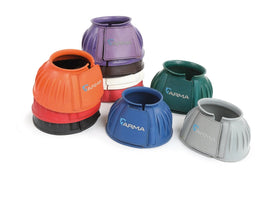
Think of bell boots as a protective helmet for your horse's heels and coronary band. Their main job is to prevent injuries from "overreaching," which happens when a hind hoof steps on the back of a front hoof. This is common during turnout, lunging, or strenuous activities like jumping and barrel racing. Bell boots come in pull-on styles, which are very secure but can be tricky to get on, and Velcro styles that are much easier to manage. Some are even designed with a special shape to keep them from spinning around the hoof. They are a simple, effective way to prevent painful grabs and lost shoes.
Splint Boots
Splint boots are one of the most versatile types of leg protection, designed to shield the splint bone area on the inside of the cannon bone. This area is vulnerable to strikes from the opposite hoof, especially in young horses who are still developing their coordination or in disciplines that involve a lot of lateral movement. These boots are typically made from soft, flexible materials like neoprene and have a reinforced strike pad for added durability. They are easy to put on, provide excellent everyday protection for flatwork and light training, and are a go-to choice for many riders.
Polo Wraps
Polo wraps are long, soft, stretchy bandages that you wrap around your horse's lower leg. They offer mild support and protection from minor scrapes, bumps, and "brushing" injuries where the legs interfere with each other. Many riders like using them because they conform perfectly to the leg's shape, providing a snug, custom fit. They also help keep muscles and ligaments warm, which can be beneficial during warm-ups. While they offer great coverage, it's important to learn how to apply them correctly to avoid uneven pressure or wrapping them too tightly.
Brushing Boots
As the name suggests, brushing boots are specifically designed to protect a horse's legs from brushing injuries. These occur when one leg strikes the other during movement, which can happen with any horse, regardless of discipline. Brushing boots cover the lower leg and have a padded strike plate on the inner side to absorb impact. They are often more contoured and anatomically shaped than splint boots, providing a secure fit that doesn't slip. They’re a popular choice for everything from dressage and flatwork to trail riding, offering reliable protection without restricting the horse's natural gait.
Tendon Boots
Tendon boots are essential for jumping disciplines. These boots have an open-front design that leaves the front of the cannon bone exposed while protecting the tendons running down the back of the leg. This design serves two purposes: it shields the delicate tendons from being struck by the hind hooves as the horse goes over a fence, and it allows the horse to feel a rail if it gets a bit too close. This feedback helps the horse learn to be more careful with its front legs. They are almost always used on the front legs and are often paired with matching fetlock boots on the hind legs.
How to Match Leg Protection to Your Horse's Activity
Choosing the right leg protection is all about matching the equipment to the job. Just as you wouldn’t wear flip-flops for a hike, your horse needs specific gear for different activities. Each discipline places unique demands on their legs, from the high-impact forces of jumping to the quick-pivoting agility of reining. Using the correct boots or wraps not only prevents injuries but also allows your horse to perform confidently and comfortably. Think of it as setting your partner up for success, no matter what your ride has in store. Below, we’ll walk through the common types of riding and the best lightweight protection to keep your horse’s legs safe and sound.
Trail Riding
Trail riding is one of the best ways to bond with your horse, but unpredictable terrain comes with its own set of challenges. From rocky paths and fallen branches to muddy crossings, the trail can present numerous hazards to your horse’s delicate lower legs. For these adventures, you’ll want durable, full-coverage horse boots and leg protection that shield against scrapes, impacts, and punctures. Look for boots made from tough, water-resistant materials that won’t hold moisture or debris. A secure fit is crucial to prevent slipping or rubbing during a long ride, ensuring your horse stays comfortable and protected from the trailhead to the trailer.
Jumping
For jumpers, protecting against impact is the name of the game. The force of takeoff, landing, and hitting a rail can put immense stress on the tendons and ligaments. The right pair of boots can absorb shock and prevent a minor knock from turning into a major setback. Open-front tendon boots are a classic choice because they offer hard-shell protection to the back of the cannon bone while allowing the horse to feel a rail in front. For the hind legs, ankle boots protect the fetlock joints from interference. This combination provides targeted protection exactly where your jumping horse needs it most.
Arena Work and Flatwork Training
During daily flatwork, dressage, or general schooling, the primary goal is to protect your horse from interfering, which is when one hoof strikes the opposite leg. Brushing boots are perfect for this job, offering flexible padding along the inside of the cannon bone where impacts are most likely to occur. Polo wraps are another popular option, providing light support and full-coverage protection. Because they can be worn for longer schooling sessions, it’s important to choose breathable materials that won’t trap excessive heat. Paired with one of your favorite saddle pads, the right leg wear completes a safe and comfortable setup for training.
Western Disciplines (Barrel Racing and Reining)
Western performance sports like barrel racing and reining demand incredible agility, speed, and power. These quick stops, tight turns, and explosive sprints place unique stress on the lower leg and fetlocks. Splint boots are a go-to for protecting the cannon bones and splint bones from interference during fast work. For disciplines involving sliding stops, like reining, skid boots are essential to protect the back of the hind fetlocks from burns and scrapes. When choosing gear, look for boots that offer a secure fit without restricting the range of motion your horse needs to perform at their best.
Turnout
Even when they’re just being a horse in the pasture, leg protection can offer valuable peace of mind. A playful kick from a pasture mate or a simple misstep can easily lead to cuts and scrapes. Lightweight, breathable turnout boots are designed for extended wear, protecting the legs without causing overheating or discomfort. They are especially useful for horses that are prone to stocking up or need a little extra protection while recovering from a minor injury. Having a good pair on hand is just as important as keeping a well-stocked horse health and first aid kit in the barn.
Shop This Post

Why Choose Lightweight Leg Protection?
When you think about protecting your horse's legs, your first instinct might be to reach for the thickest, most heavy-duty boots you can find. While there’s a time and place for that level of protection, modern advancements in materials mean that "lightweight" no longer means "less effective." Choosing lightweight horse boots and leg protection offers a fantastic balance of safety, comfort, and performance that can benefit nearly any horse.
Opting for a lighter design can make a huge difference in your horse's comfort and willingness to perform. These boots are engineered to provide critical support without adding unnecessary bulk or weight that can hinder movement. They also play a significant role in managing heat and moisture, which is essential for protecting the delicate tendons and ligaments in the lower leg. From a casual trail ride to a competitive event, lightweight leg protection provides the versatile and reliable support your horse needs to feel and perform their best. Let's look at exactly why these options are such a great choice for so many riders.
Freedom of Movement
Heavy or poorly fitting boots can feel like wearing a pair of clunky ski boots to go for a run. They can restrict your horse's natural range of motion, causing them to alter their gait and potentially affecting their performance and long-term soundness. Lightweight leg protection is designed to move with your horse. As noted in a Cheshire Horse blog post, modern boots use supportive yet flexible materials that protect vulnerable structures without interfering with the flexion of the joints. This freedom is essential for everything from a jumper tucking their knees over a fence to a reiner executing a sliding stop, allowing for optimal athleticism and comfort.
Heat and Sweat Reduction
A horse's lower legs have very little muscle and a lot of tendons and ligaments, which don't have the same robust blood supply to help cool them down. When you wrap them in a non-breathable material, heat gets trapped, especially during exercise. Traditional materials like neoprene are excellent for shock absorption but can act like a wetsuit, holding heat and sweat against the skin. This can lead to discomfort, skin irritation, and an increased risk of tendon injury. Lightweight boots are often made from more advanced, breathable materials that allow heat and moisture to escape, keeping your horse's legs cooler and drier.
Breathability and Tendon Health
That brings us to one of the most important benefits: tendon health. Overheating is a major concern for the sensitive tendons in a horse's legs. When tendons get too hot, the cells within them can start to break down, making them more susceptible to strain and injury over time. Lightweight boots made from breathable mesh or perforated synthetic fabrics promote constant airflow. This ventilation is crucial for regulating temperature and preventing the dangerous heat buildup that can compromise tendon integrity. Think of it as giving your horse's legs the ventilation they need to stay healthy and strong, even when they're working hard.
Versatility Across Activities
Because they offer a great combination of protection, comfort, and breathability, lightweight boots are incredibly versatile. They are an excellent choice for a wide range of disciplines and activities. Whether you're schooling on the flat, navigating a technical trail, or warming up for a class, a good pair of lightweight boots provides adequate protection without being overkill. This adaptability makes them a practical and economical choice for many horse owners who participate in more than one type of riding. As a guide from Back on Track explains, understanding your options helps you choose the right boot for any situation, and lightweight designs often fit the bill for daily work.
Does Lightweight Mean Less Protection?
It’s a fair question to ask. When you’re looking at a sleek, lightweight boot next to a thick, bulky one, it’s natural to wonder if you’re sacrificing safety for a streamlined design. The short answer is no, lightweight does not automatically mean less protection. Thanks to incredible advances in material science and design, today’s lightweight leg protection can offer fantastic support and impact absorption without the extra weight.
The old way of thinking was that more bulk equaled more protection. But that bulk often came with downsides, like trapped heat and restricted movement. Modern engineering focuses on creating gear that is both strong and smart. It’s about using materials that can effectively disperse impact and support delicate structures, all while allowing your horse’s legs to breathe and move naturally. The key is to understand that different activities and different horses have different needs. It’s not about finding the single "best" boot, but about finding the right balance of features for your horse’s specific job.
Modern Materials vs. Bulk
Gone are the days when heavy felt or thick, non-breathable neoprene were the only options. Today’s market is filled with innovative materials that challenge the idea that bulk is better. Advanced options like the lightweight, supportive materials found in Professional's Choice boots are engineered to protect your horse's legs while promoting airflow. While traditional neoprene is known for its shock absorption, it can also trap a lot of heat.
Modern horse boots and leg protection often use breathable mesh and perforated synthetic fabrics that offer excellent protection from strikes and interference without causing the leg to overheat. These materials are designed to be tough on the outside but flexible and cool on the inside. This shift means you can get robust protection from gear that is lighter, more comfortable, and healthier for your horse’s tendons in the long run.
Impact Absorption in Lightweight Boots
A primary job of any leg protection is to absorb and distribute the force from a knock, scrape, or overreach. You might be surprised to learn how well lightweight boots handle this task. Their effectiveness doesn’t come from sheer thickness, but from smart design and specialized materials. Many lightweight boots feature strategically placed strike guards made from durable yet light materials like TPU (thermoplastic polyurethane) over vulnerable areas like the tendon and fetlock.
Inside, they may use shock-absorbing foams that are engineered to dissipate impact energy. This design philosophy ensures that protection is concentrated where it’s needed most, preventing a minor bump from becoming a more serious injury. By understanding the different types of horse leg protection, you can choose a boot that offers targeted impact absorption without unnecessary weight, keeping your horse’s legs safe and comfortable.
When Heavier Protection Is the Better Choice
While lightweight options are perfect for many situations, there are times when more substantial, heavier protection is the right call. High-impact disciplines like cross-country, polo, or reining often require boots with more rigid shells and extensive coverage to guard against high-velocity impacts with solid obstacles or other horses. Similarly, some horses may need heavier boots for turnout if they are particularly active or prone to injuring themselves in the pasture.
It’s essential to weigh the risks and benefits before choosing your horse’s gear. If your horse is competing in a demanding sport or has a history of significant interference, the added security of a heavier boot may be worth the trade-off in weight and breathability. The goal is always to match the level of protection to the level of risk.
What to Know About Lightweight Materials
When you’re shopping for leg protection, the material a boot is made from is just as important as its shape and style. The right material can make all the difference in your horse’s comfort, safety, and performance. Different fabrics offer unique benefits, from shock absorption to breathability, and understanding them will help you make the best choice for your horse and your riding discipline. Let’s walk through the most common lightweight materials you’ll find and what they’re best for.
Neoprene
Neoprene is a soft, flexible synthetic rubber that you’ll see in a lot of sports medicine boots. Its popularity comes from its fantastic shock-absorbing qualities and its ability to conform snugly to your horse’s leg for a secure fit. It provides excellent support and a bit of stretch, which is great for protecting ligaments and tendons during strenuous work. The main thing to keep in mind with neoprene is that it can trap heat. Because it isn’t very breathable, it’s best for shorter training sessions rather than all-day wear, especially in warm climates. Many modern horse boots and leg protection options now feature perforated neoprene to help with airflow.
Breathable Mesh and Synthetic Fabrics
For hot summer days or horses prone to overheating, breathable materials are a game-changer. Lightweight mesh and advanced synthetic fabrics are designed to allow air to circulate freely around the leg, which helps dissipate heat and reduce sweat buildup. This is crucial for keeping tendons cool and healthy. These materials are also the top choice for fly boots, as they create a physical barrier against biting insects without causing your horse to get too warm during turnout. If you’re looking for effective fly season protection that keeps your horse comfortable, boots made from mesh are an excellent solution. They are lightweight, easy to clean, and dry quickly.
Fleece and Fabric Wraps
Polo wraps, typically made from soft fleece, are a classic and versatile option for leg protection. They are inexpensive, come in tons of colors, and offer light support and protection from minor scrapes and bumps during flatwork or lunging. The stretchy fleece material conforms perfectly to the leg for a custom fit. However, the effectiveness and safety of polo wraps depend entirely on their application. Wrapping them too tightly can restrict blood flow, while wrapping them too loosely can cause them to slip and create a hazard. If you’re new to using them, it’s a great idea to have an experienced horse person show you the correct technique.
TPU and Hard Shell Options
For disciplines that carry a high risk of impact, like jumping or cross-country, you’ll want something with a bit more armor. This is where materials like Thermoplastic Polyurethane (TPU) come in. TPU is a durable, lightweight plastic that creates a hard shell to deflect energy from strikes. You’ll often find it on the front of tendon boots and around the back of ankle boots to protect against interference or contact with poles. While the outer shell is tough, these boots are almost always lined with a soft material like neoprene or foam to ensure they are comfortable against your horse’s leg. These designs offer incredible protection without the bulk of older, heavier boots, making them a top choice for many performance horses.
How to Choose the Best Lightweight Leg Protection
Once you’ve decided that lightweight protection is right for your horse, the next step is picking the perfect pair. With so many options available, it can feel a little overwhelming. Focusing on a few key details like fit, closures, and materials will help you make a confident choice that keeps your horse comfortable and protected. Let's walk through what to look for.
Fit and Sizing
Getting the size right is the single most important part of choosing any leg protection for your horse. An ill-fitting boot or wrap can do more harm than good. If it’s too tight, it can restrict blood flow and cause pressure sores. If it’s too loose, it can slip down, fail to provide protection, and even become a tripping hazard. Debris can also get trapped inside a loose boot, leading to painful rubbing and skin irritation. Before you buy, measure the length and circumference of your horse's cannon bone. Compare these measurements to the manufacturer’s sizing chart, as sizes can vary between brands. When you try the boot on, you should be able to slide one finger snugly between the boot and your horse’s leg. This ensures it’s secure without being restrictive.
Closure Systems
The closure system is what keeps the boot securely in place during activity. Most modern horse boots and leg protection use hook-and-loop fasteners, which you probably know as Velcro. This type of closure is popular because it’s quick, easy to use, and offers a lot of adjustability for a custom-like fit. The main downside is that it can lose its grip when it gets clogged with mud, water, or arena footing. For more demanding disciplines like cross-country or trail riding through heavy brush, you might consider boots with more secure buckle or tab-and-slot closures. While they can take a little longer to put on, they offer extra peace of mind that the boots will stay put no matter what.
Terrain and Weather Conditions
The best leg protection for your horse also depends on where you’ll be riding. Think about your typical environment. If you frequently ride through mud and water, look for boots made from materials that don’t absorb moisture. A waterlogged boot becomes heavy and can hold cold mud against your horse’s skin. In this case, boots with a closed-cell foam or a smooth, non-absorbent lining are a great choice. For hot and humid climates, breathability is your top priority. Choose boots with mesh panels or perforated materials to allow heat and sweat to escape, keeping tendons cooler and more comfortable during work.
Washability and Durability
Horse boots can get pretty grimy, and keeping them clean is about more than just looks; it’s about your horse’s skin health. Trapped sweat, dirt, and bacteria can lead to skin infections like "cannon crud." When choosing boots, consider how easy they are to clean. Many modern synthetic boots can be hosed off and left to air dry, while some fabric wraps may be machine washable. Durability is also key to a good investment. Look for boots with reinforced stitching, high-quality closures, and durable strike pads in high-impact areas. A well-made, durable boot might cost more upfront, but it will hold up to regular use and cleaning, saving you money in the long run.
How to Avoid Common Leg Protection Mistakes
Selecting the right leg protection is about more than just preventing scrapes; it’s a crucial part of keeping your horse sound and comfortable. With so many options available, it’s easy to make a few common missteps. Getting the choice right means understanding your horse’s specific needs for the job at hand. Avoiding these frequent mistakes will ensure your horse gets the support it needs without any unintended consequences, like overheating or restricted movement. Let’s walk through what to watch out for so you can choose with confidence.
Choosing the Wrong Type for the Discipline
Using leg protection designed for a different activity is one of the most common errors. Choosing the right horse boots and leg protection is one of the smartest things you can do for your horse's soundness, as the right pair can absorb impact and prevent a minor knock from turning into a major setback. For example, a lightweight brushing boot is perfect for flatwork but won’t offer enough protection for a cross-country course. Similarly, using bulky splint boots for a dressage test might be unnecessary and could even hinder the horse's movement. Always match the boot to the intensity and specific risks of your ride.
Getting the Fit Wrong
Sizing is the most important part of choosing the correct protection for your horse’s legs. A boot that’s too tight can cause pressure points and restrict blood flow, potentially leading to tendon damage. If it’s too loose, it can slip down, become a tripping hazard, or allow dirt and pebbles to get trapped inside, causing rubs and irritation. Always measure your horse’s cannon bone length and circumference and compare it to the manufacturer’s sizing chart. You should be able to slide one finger snugly between the boot and your horse’s leg. Don’t guess on size, as a poor fit completely negates the boot's protective benefits.
Overlooking Ventilation and Material Quality
Your horse’s tendons can generate a lot of heat during exercise, and trapping that heat is a serious risk. Materials like traditional neoprene are popular for their flexibility and shock-absorbing qualities, but they can also trap heat. Look for boots made with modern, breathable materials or those that incorporate perforated designs to allow for airflow. For turnout during warmer months, boots made from breathable mesh are a great tool for fly season protection, keeping legs cool while preventing bites. Investing in quality materials with durable stitching and secure closures ensures the boots will perform correctly and last longer.
How to Care for Your Horse Boots and Wraps
Investing in quality horse boots and leg protection is a great first step, but proper care is what makes them last. A consistent cleaning and storage routine does more than just keep your gear looking good; it ensures the materials function correctly and protects your horse from rubs, irritation, and discomfort. Dirty, worn-out boots can cause more harm than good, so taking a few minutes after each ride to care for them is essential for your horse’s well-being and safety.
Cleaning Routines
Your cleaning method will depend on the material of your boots or wraps. For synthetic boots, a quick rinse with a hose is often enough to remove mud and arena footing. Pay special attention to Velcro closures. Use a stiff brush or a pin to pick out hair, lint, and dirt so the straps maintain a secure grip. Leather boots require a bit more attention, much like your saddle or bridle. Clean them with saddle soap and apply a leather conditioner periodically to keep them from drying out and cracking. For polo wraps and other fabric styles, brush off loose dirt after every use. When it’s time for a deeper clean, you can wash most wraps in a machine; just place them in a mesh laundry bag to prevent tangling.
Storage Tips
How you store your leg protection is just as important as how you clean it. The golden rule is to store everything in a dry, well-ventilated area to prevent mold and mildew from growing. Damp, musty boots can irritate your horse’s skin and cause the materials to break down prematurely. Always make sure boots and wraps are completely dry before putting them away. Rolling wraps neatly and fastening the straps on your boots will help them keep their shape and make them easy to grab for your next ride. A simple hook, shelf, or designated gear bag in your tack room works perfectly to keep everything organized and in good condition.
When to Replace Them
Even with the best care, all leg protection eventually wears out. Regularly inspect your boots and wraps for signs of damage, as failing gear can pose a serious safety risk. Look for cracked plastic on shell boots, frayed stitching, and elastic that has lost its stretch. The most common point of failure is the closure system. If the Velcro no longer sticks securely, it’s time for a replacement. A boot that comes loose during a ride can trip a horse or fail to provide protection at a critical moment. While you might be able to make small repairs, significant wear and tear means it’s time to find a new pair to ensure your horse stays safe and sound.
Find the Right Lightweight Protection for Your Horse
Choosing the right leg protection for your horse can feel like a big decision, but it doesn't have to be complicated. The best choice comes down to balancing your horse's specific needs with the demands of their activity. By focusing on a few key factors, you can confidently select lightweight boots or wraps that offer comfort and support without unnecessary bulk. Think of it as finding the perfect pair of athletic shoes; you want something that protects and performs without getting in the way.
Before you buy, consider what your horse will be doing. The needs for a leisurely trail ride are very different from the high-impact demands of jumping or reining. Next, look at the materials. While traditional neoprene offers excellent flexibility, it can sometimes trap heat. Many modern boots use advanced, breathable mesh and synthetic fabrics that provide protection while allowing crucial airflow to keep tendons cool. Understanding these material differences is essential for maximizing the benefits of any leg protection. Above all, proper fit is non-negotiable. A boot that is too loose can slip and cause a hazard, while one that’s too tight can restrict circulation and cause painful rubs.
Once you have a clear idea of your horse's size and primary activities, you can start exploring the different styles available. Seeing the variety of closure systems, materials, and shapes will help you visualize what will work best for your partner. You can browse a wide selection of lightweight horse boots and leg protection to compare options from trusted brands. Remember, the goal is to support your horse's natural movement and keep them comfortable, so they can perform their best, whether in the arena or out on the trail.
Related Articles
- A Guide to Horse Leg Protection Boots
- The Complete Guide to Leg Protection Boots
- Easy-Fit Splint Boots | Horse Leg Protection
Frequently Asked Questions
Is lightweight leg protection really safe enough for my horse? Yes, it absolutely can be. Modern horse boots and leg protection use advanced materials that are engineered to absorb and disperse impact without needing a lot of bulk. The effectiveness comes from smart design, like reinforced strike pads, not just thickness. The key is to match the level of protection to the activity. A lightweight brushing boot is perfect for flatwork, while a jumper might need a lightweight boot with a hard shell over the tendons.
How can I tell if my horse's boots are the right size? A proper fit is the most important factor for safety and comfort. When you put the boot on and fasten the straps, you should be able to slide one finger snugly between the boot and your horse’s leg. If you can fit more than that, the boot is too loose and could slip or let debris in. If you can’t fit a finger at all, it’s too tight and could restrict circulation or cause pressure sores.
What's the main difference between splint boots and brushing boots? This is a great question, as they look very similar. Both are designed to protect the lower leg from interference, which is when a hoof strikes the opposite leg. The main difference is often in the fit and shape. Brushing boots tend to be more contoured and anatomically shaped to provide a very close, secure fit. Splint boots are a fantastic, versatile option that offers great general protection and are often a go-to for everyday training and young horses.
Can my horse wear boots all day for turnout? It depends on the boot. You should not leave standard riding boots, especially those made from non-breathable neoprene, on your horse for extended periods. Trapped heat and moisture can damage tendons and irritate the skin. If you want protection for turnout, choose boots specifically designed for that purpose. These are typically made from highly breathable mesh materials that allow for maximum airflow, keeping the legs cool and comfortable.
How often do I need to clean my horse's leg boots? It’s a good habit to at least brush off any loose dirt, mud, or arena footing after every single ride. This prevents grime from building up. For a deeper clean, hosing them down or washing them once a week is a great routine. If you ride in very muddy conditions, you’ll want to clean them more often. Keeping the boots clean, especially the part that touches your horse’s skin, is essential for preventing skin infections and irritation.


