


That wall of spurs in the tack shop can be intimidating. With so many shank lengths, rowel shapes, and materials, it's hard to know where to start. But choosing the right pair isn't a mystery—it's about matching the tool to the job. Your experience, your horse's sensitivity, and your riding style all play a critical role. This guide is here to make it simple. We'll break down the most common types of mens western spurs and explain what makes each one different, giving you a clear roadmap for choosing with confidence.
Key Takeaways
- Use spurs to clarify, not command: Spurs are an advanced tool for refining your leg cues, not for making a horse go faster. They allow experienced riders with a steady leg to communicate with more precision, turning a leg squeeze into a subtle, specific request.
- Choose spurs based on three key factors: Your selection should always depend on your experience level, your horse's individual temperament, and the demands of your riding discipline. A gentle ball end spur for a sensitive horse is just as correct as a specific rowel for a reining competitor.
- A secure fit and a light touch are essential: Your spurs should rest snugly on your boot's heel ledge without slipping. When riding, always use your leg as the primary cue and apply the spur with a gentle touch only to reinforce your request, ensuring clear and fair communication.
What Are Western Spurs & Do You Really Need Them?
Let's talk about spurs. If you're new to riding, you might see them as intimidating tools, but in the right hands, they're anything but. It's a common misconception that spurs are for jabbing a horse to go faster or for punishment. The reality is quite the opposite. Think of Western spurs not as a gas pedal, but as a tool for refining the conversation you're already having with your horse. They aren't meant to hurt; instead, they allow for more precise and subtle cues, taking your communication from a shout to a whisper. They are an advanced aid, meant for riders who already have a steady leg and independent seat. This ensures the horse receives intentional cues, not accidental bumps from an unsteady leg.
When used correctly, spurs can help you achieve a higher level of horsemanship. They build a stronger connection based on clear, quiet signals and add finesse to your leg aids, allowing you to ask for specific movements with minimal pressure. For example, you can ask for more collection or a sharper turn with a simple touch, rather than a strong leg squeeze. This not only makes your riding more effective but also keeps your horse more responsive and willing. In this guide, we'll cover what Western spurs are, why they're used, and how to choose the right pair for you and your horse.
How Spurs Refine Your Cues
At their core, spurs are simply an extension of your natural aids. Just as you use your seat, hands, and legs to guide your horse, spurs add another layer of detail to your leg cues. They help riders communicate clearly by allowing for a very specific point of contact. Instead of using your entire heel, you can use the spur to apply a light touch exactly where you need it. This precision is invaluable for asking for complex movements, like a side pass or a sharp turn, without having to use a lot of leg pressure. It’s about working smarter, not harder, and rewarding your horse for responding to the lightest possible signal from your horse tack.
Spurs Across Western Disciplines
While both Western and English riders use spurs, the design and application differ quite a bit. Western spurs are typically shorter and wider, designed for the quick, precise communication needed in disciplines like reining or cutting. When a rider needs to ask for a fast spin or a sudden stop, these spurs allow for a swift, clear signal. The goal is to get an immediate response with a very light touch. This contrasts with the longer, thinner spurs often seen in English riding, which are used for different types of cues. Understanding this distinction is key to choosing the right equipment from our best-selling products for your riding style and ensuring you and your horse are on the same page.
Browse our full collection of men's western spurs and spur straps to find the right combination for your horse and riding style.
Breaking Down the Types of Western Spurs
Spurs aren't a one-size-fits-all tool. The right pair depends on your riding style, your horse's sensitivity, and your experience level. Think of them as a way to refine your communication, not as a way to force a response. Choosing the correct type is the first step in ensuring that conversation is clear, quiet, and gentle. The world of spurs can seem a little overwhelming at first, with different shanks, rowels, and materials. But it really boils down to a few main categories. From the traditional spinning rowel seen in classic Westerns to the softer, rounded ends designed for more sensitive partners, each design offers a different feel and level of pressure. We'll walk through the most common options you'll find, helping you understand the purpose behind each style. This will help you select a pair that feels like a natural extension of your leg.
Rowel Spurs: The Classic Western Staple
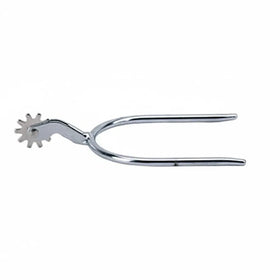
When you picture a classic Western spur, you're probably thinking of a rowel spur. These are widely used in many Western disciplines. The rowel is the small, star-shaped wheel at the end of the shank that rotates when it touches the horse. These come in many styles, from cloverleaf rowels with dull, rounded points to sharper-pointed wheels for more specific cues. The key is that the rowel should spin freely to roll along the horse's side rather than jab. This design allows for a quick signal, making it a staple in our horse tack collection for experienced riders.
Blunt End Spurs: A Gentler Option
If you're looking for a milder option, blunt end spurs are an excellent choice. Also known as knob end or polo spurs, they don't have a rowel at all. Instead, the shank simply ends in a squared-off or slightly rounded tip. Blunt end spurs are designed to provide a gentler touch, making them suitable for riders who prefer a less aggressive approach. They apply broad, soft pressure, which is perfect for sensitive horses or for riders who are just learning to use leg aids with more refinement. They offer a subtle cue without the intensity of a pointed rowel.
Ball End Spurs: Perfect for Sensitive Horses
For the most sensitive horses, ball end spurs are often the best fit. Similar to blunt spurs, they lack a rowel, but the shank ends in a smooth, metal ball. This design distributes pressure over a wider surface area, making it one of the gentlest spurs available. Ball end spurs are often recommended for sensitive horses because they provide a softer application of pressure compared to traditional rowel spurs. They’re a great tool for riders who need just a little extra reach to reinforce their leg cues without causing discomfort or anxiety for their horse.
Specialty Spurs: For Speed & Precision
Once you get into specific performance events, you’ll find specialty spurs built for the job. For example, spurs designed for barrel racing or roping often have unique features that enhance speed and precision during performance. These might include shanks with a specific upward or downward curve to ensure contact is made exactly when needed, or rowels designed for a very light, quick touch. These spurs are highly specialized tools for advanced riders who need to pick the right spurs to fine-tune their communication in fast-paced competition.
Understanding Spur Design and Severity
It's easy to look at a spur and make a quick judgment about how harsh it is, but looks can be deceiving. The severity of a spur has less to do with its appearance and more to do with its design and how it's used. A spur with a large, intimidating-looking rowel might actually be much gentler than a smaller, seemingly harmless one. It all comes down to how pressure is distributed. Understanding the mechanics of different spur designs is the key to choosing a tool from our horse tack selection that is both effective and fair to your horse. This knowledge empowers you to select a spur that matches your horse's needs and your skill level, ensuring your communication stays clear and kind.
The Principle of Rowel Design
The most iconic feature of a Western spur is the rowel—the small, spinning wheel at the end of the shank. Its entire purpose is to roll along the horse's side, providing a clear signal without poking or jabbing. A well-made rowel should spin freely with the slightest touch. This rolling action is what makes it an effective communication tool, as it creates a distinct sensation that a horse can easily understand. Rowels come in countless styles, from cloverleaf designs with rounded points to more defined stars for very specific cues. The right choice depends on the level of refinement you need, but the fundamental principle is always the same: the spur should roll, not drag, to deliver a precise and humane cue.
Why Larger Rowels Can Be Gentler
Here’s a piece of wisdom that surprises many riders: a larger rowel is often gentler than a small one. It seems counterintuitive, but it all comes down to physics. Think of it this way: poking your hand with the sharp point of a pencil concentrates all the pressure in one tiny spot, which is quite sharp. Now, imagine poking your hand with the flat eraser end. The pressure is spread out over a much larger surface area, making the sensation duller and far less intense. The same logic applies to spurs. A large rowel with many points distributes the pressure across a wider area of your horse's side, resulting in a milder signal than a small, pointy rowel would.
Rowel Types for Beginners and Sensitive Horses
If you have a particularly sensitive horse or are just beginning to use spurs, starting with the gentlest option is always the best approach. Ball end spurs are a fantastic choice because they don't have a rowel at all. Instead, the shank ends in a smooth, rounded metal ball that glides along the horse's side. This design spreads pressure very broadly, making it one of the mildest spurs you can find. It gives you a little extra reach to reinforce your leg aid without causing any discomfort. As a company built on decades of equine expertise, we always recommend starting with a tool that prioritizes clear, gentle communication for a happy and willing partner.
Shop This Post

Featured in this article
Weaver Leather Heel Straps with Rubber - 8" Length - Durable Black Rubber and Leather Spur Straps
$13.75
Shop Now →
Finding Your Perfect Pair of Western Spurs
Picking the right pair of spurs is about much more than style. It’s about finding the perfect tool to refine the conversation between you and your horse. The right spurs can make your cues clearer and more precise, but the wrong pair can cause confusion or discomfort. Think of it as choosing the right bit or saddle; it requires careful consideration of your skills, your horse’s personality, and the job you need to do. Let’s walk through the key factors to help you make a confident choice.
Choosing Spurs Based on Your Skill Level
Before you even think about strapping on a pair of spurs, it’s important to do an honest self-assessment of your riding skills. Spurs are not for beginners. They are designed for riders who have developed a steady leg and independent seat, meaning you can control your leg movements without relying on the saddle for balance. For less experienced riders, it’s easy to accidentally jab a horse, which can be counterproductive. If you’re still developing your leg control, it’s best to ride without spurs. As you advance, you can introduce a very mild spur, like one with a small, blunt end, to start learning how to apply subtle cues.
Matching Spurs to Your Horse's Personality
Every horse is an individual, and your spur choice should reflect that. A sensitive, forward-moving horse will likely need a much gentler spur than a more laid-back horse that needs a bit more encouragement. The goal is to use the lightest possible cue to get the desired response. For a sensitive horse, a simple ball end spur or a rowel that rolls easily might be all you need. Using a spur that’s too severe for your horse’s temperament can create anxiety and resistance. Pay close attention to how your horse reacts and always choose the kindest option that still allows for effective communication. Our collection of best-selling products includes gear trusted by riders for all types of horses.
Finding the Right Spur for Your Sport
The type of riding you do plays a huge role in selecting the right spurs. Different events demand different levels of precision and types of cues. For example, a barrel racer might use a spur with a soft, rolling rowel for quick encouragement around a turn. A reining competitor, on the other hand, needs to deliver incredibly subtle signals for intricate maneuvers, often preferring a spur with a specific shank length and rowel type. Trail riders might opt for a simple, all-purpose spur for occasional use. Always match the tool to the job by selecting spurs from a quality horse tack collection that aligns with the specific needs of your discipline.
Why Shank Length and Angle Matter
Getting into the details, the shank is the part of the spur that extends from the heel band to the rowel. Its length and angle are critical. A longer shank requires less leg movement to make contact with the horse, making it suitable for riders with very quiet, controlled legs. A shorter shank is more forgiving and requires a more deliberate leg movement to use. The angle of the shank also matters. A straight shank or one that curves down is generally milder, while a shank that angles up will make contact more readily. As a family-owned company with decades of experience, we know how important these details are, and you can learn more about our commitment to quality on our About Us page.
Spur Availability for Men, Women, and Youth
Just like your favorite pair of boots, spurs need to fit properly to work correctly. Thankfully, you don't have to settle for a one-size-fits-all approach. Many top brands recognize that riders come in all shapes and sizes, offering spurs specifically designed for men, women, and youth. You'll find that most quality horse tack retailers stock a variety of sizes. For example, brands like Weaver Equine and Schneiders provide a great selection for every member of the family, while places like Colorado Saddlery have options for both adults and children. This wide availability ensures you can find a pair that sits correctly on your boot, allowing for precise and fair communication with your horse.
Spur Materials: What's the Difference?
The material of your spurs affects everything from their weight and durability to how much time you’ll spend cleaning them. While a fancy silver overlay looks sharp in the show ring, it might not be the most practical choice for daily training or ranch work. Thinking about how and where you ride will help you pick a material that fits your needs, your style, and your budget. Let's look at the most common options and what makes each one a solid choice.
Stainless Steel: Built to Last
If you’re looking for a reliable, workhorse material, you can’t go wrong with stainless steel. It’s incredibly popular for a reason: it’s strong, stands up to tough conditions, and won’t rust if you get caught in the rain or ride through a muddy patch. This makes cleanup a breeze, as you can simply wipe them down after a ride. Because they are so low-maintenance, stainless steel spurs are a fantastic choice for everyday riding, training, and trail riding. They offer performance you can count on without requiring a lot of extra care, letting you focus on your horse.
Brass & Copper: For That Timeless Style
For riders who want to add a bit of personality to their gear, materials like brass, copper, and nickel silver are excellent choices. These metals give spurs a classic, traditional Western look that stands out. You’ll often find them used in decorative overlays and accents on a steel or stainless steel base. While they might require a bit of polishing to keep their shine, the beautiful patina they develop over time is part of their appeal. These materials are perfect for the show ring or for any rider who appreciates the artistry of finely crafted horse tack and wants their equipment to reflect their personal style.
Popular Spur Finishes
Beyond the base material, the finish on your spurs adds another layer of style and can even offer some practical benefits. A popular choice for a rugged, traditional look is an antique brown or black steel finish. These finishes are often designed to wear over time, developing a unique patina that many riders love. They’re great for everyday use because they don’t show every scratch and scuff. On the other end of the spectrum, you have polished stainless steel or spurs with intricate silver overlays. These are your showstoppers, designed to catch the light and complete a polished look in the show pen. When choosing a finish, think about how it will coordinate with the rest of your horse tack and whether you prefer a low-maintenance tool or a piece of art you're willing to polish.
Don't Forget the Straps and Buckles
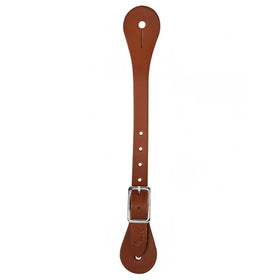
The spur itself is only half the equation; the straps and buckles that hold it in place are just as important. Spur straps are essential for securing the spur to your boot, preventing it from slipping or shifting while you ride. Most straps are made from leather, so you’ll want to choose a high-quality, durable leather that can withstand regular use while remaining supple. The buckle material often matches the spur, from simple stainless steel for function to engraved silver for a more polished look. A good set of straps ensures your spurs stay exactly where you need them for clear and effective communication with your horse.
How to Clean and Care for Your Spurs
Proper care will keep your spurs in great shape for years to come. For all materials, it’s a good habit to wipe off any mud or moisture before it has a chance to dry. You can use a semi-soft brush to gently scrub away any stubborn, dried-on dirt. Stainless steel is the easiest to maintain, usually just needing a quick wipe with a damp cloth. For materials like silver, brass, or those with decorative engraving, you may need a specific metal polish to prevent tarnish and restore their shine. Taking a few minutes to clean your riding equipment after each use will protect your investment and keep it looking its best.
Getting the Fit Right: Using Your Spurs Safely
Using spurs correctly is all about clear communication and respect for your horse. It starts with a proper fit and ends with a gentle touch. When your
How Your Spurs Should Fit and Sit
A well-fitting spur is a safe spur. It should feel like a natural extension of your boot, not a wobbly or tight accessory. Your spur should rest securely on the spur ledge of your boot heel, without sliding up or down as you ride. The band needs to be snug enough that it doesn't move, but not so tight that it digs into your boot or foot. The key to a perfect fit often comes down to the spur straps. These straps wrap over the top of your foot and buckle securely, holding the spur in place. When you're trying on spurs, make sure you can adjust the straps for a custom fit. A spur that’s too loose can shift and deliver an inconsistent cue, while one that’s too tight is just plain uncomfortable for you.
Key Tips for a Perfect Fit
Getting the fit right is crucial for both safety and clear communication. Your spur should rest comfortably on the spur ledge of your boot heel, feeling like a secure extension of your foot rather than a loose accessory. The band should be snug enough to prevent any wiggling or sliding up and down, but not so tight that it pinches your boot or restricts your ankle. An ill-fitting spur can cause problems; if it’s too loose, it can shift and send mixed signals to your horse, and if it’s too tight, it will be uncomfortable for you. Take the time to bend the spur band for a more custom fit around your boot before you even attach the straps.
How to Wear Spur Straps Correctly
Spur straps are what lock your spurs in place, so using them correctly is just as important as the spur itself. The golden rule is that the buckle should always face the outside of your boot. This prevents the buckle from getting caught on your saddle, cinch, or other gear, which can be a serious safety hazard. When you fasten the strap, it should run over the top of your boot's instep. Adjust it to be snug but not constricting. We always recommend choosing high-quality leather straps from a trusted horse tack collection, as they will hold up to regular use while remaining flexible and secure ride after ride.
Essential Safety Tips for Riding with Spurs
Think of spurs as a tool for clarification, not acceleration. They are meant to reinforce your leg cues, not replace them. Before you even think about touching your horse with a spur, you should have a quiet, independent seat and good control over your lower leg. Your leg should stay still unless you are intentionally giving a cue. When you do apply a spur, it should be a light touch or a gentle roll against your horse's side, initiated by turning your heel slightly inward. It’s a whisper, not a shout. The goal is to get a quicker or more precise response to a leg aid your horse might be ignoring. Effective horsemanship is built on this principle of gentle, clear communication.
How to Properly Use Spurs
Once you've found the right pair and ensured they fit correctly, the next step is learning how to use them effectively and humanely. Proper spur use is an art that relies on timing, feel, and a deep respect for your horse. It’s never about force. Instead, it’s about adding a layer of refinement to the conversation you’re already having with your leg. The goal is to use the lightest touch possible to get a response, teaching your horse to stay sharp and attentive to your subtle cues. This approach builds a partnership based on trust and clear, quiet communication.
The Step-by-Step Cueing Process
Using spurs correctly follows a clear sequence of aids, always starting with the softest cue first. Begin by applying pressure with your leg, just as you would without spurs. This is your primary signal. If your horse doesn't respond, don't immediately go to the spur. Instead, slightly turn your heel inward to reinforce the request. Only if your horse still ignores this cue should you apply a light touch with the spur. This process teaches your horse to listen to your initial leg aid to avoid the spur's pressure. Remember, spurs are an advanced tool for refining your leg cues, not for making a horse go faster or for punishment.
How Spurs Improve Leg Position
One of the indirect benefits of riding with spurs is that they encourage you to develop a quieter, more stable lower leg. Because spurs are an extension of your heel, any unintentional movement—like a bouncing leg—can result in an accidental cue. This immediate feedback helps you become more aware of your leg position, training you to keep your heels down and your leg still unless you are actively signaling your horse. Over time, this helps you build the muscle memory for a correct and effective leg position, making all of your aids, from your seat to your hands, more precise. It’s another way that quality horse tack can help you become a more thoughtful and skilled rider.
Are You Making These Common Spur Mistakes?
One of the most common mistakes is relying on spurs as a primary cue. Your seat, legs, and hands should always be your first line of communication. Using spurs constantly or jabbing your horse can make them dull to your leg aids or even cause fear and resentment. It’s crucial to use them gently to avoid causing your horse any pain or discomfort. Another frequent error is an unsteady lower leg. If your leg swings with your horse's movement, you might accidentally bump them with the spur, sending confusing signals. This is why developing a strong seat and leg position is so important before adding spurs to your horse tack. Always choose a spur that matches your experience level and your horse's sensitivity to avoid over-cueing.
Simple Care to Make Your Spurs Last
With a little care, your spurs can last a lifetime. After every ride, take a moment to wipe them down. Use a soft-bristled brush to gently remove any dirt, mud, or hair from the band and rowel. This simple step prevents buildup that can interfere with the spur’s function. If you have stainless steel spurs, a quick cleaning will keep them looking new and prevent rust. For spurs with a black or brown steel finish, you may want to apply a very light coat of gun cleaning oil after cleaning to prevent rust from forming. Avoid using abrasive cleaners or steel wool, as these can scratch the metal and damage the finish. Don’t forget to inspect your leather spur straps for any signs of cracking or wear and condition them as needed.
Replacement Parts and Warranties
When you invest in a quality pair of spurs, it’s smart to think about their long-term durability. Even the best equipment can show wear over time, especially on moving parts like the rowel or the pin that holds it in place. This is why choosing a reputable brand is so important. Many top manufacturers offer replacement parts, so you can easily maintain your spurs and extend their life without buying a whole new pair. A solid warranty also speaks volumes about craftsmanship, giving you peace of mind that your purchase is protected against manufacturing defects. At Hooves and Paws, we share that commitment to quality and stand behind all of our horse tack with a 365-day satisfaction guarantee, so you can always shop with confidence.
What to Pay for Men's Western Spurs (And Where to Find Them)
Finding the right pair of spurs also means finding a pair that fits your budget. The good news is that western spurs come in a wide range of prices, from simple, functional models to ornate, handcrafted pieces. Whether you're a beginner just learning the ropes or a seasoned professional, there's a perfect pair out there for you. The key is knowing where to look and what to expect at each price point. At Hooves and Paws, we believe in quality gear that lasts, which is why we only carry horse tack from brands we trust. Let's walk through what you can find at different budget levels.
Great Spurs on a Budget
If you're new to using spurs or just need a reliable, no-frills pair for everyday riding, you don't need to spend a fortune. Many excellent entry-level options provide the function you need without the fancy details. For instance, you can find basic spur straps and simple spurs for under $20. These are perfect for getting a feel for how spurs work with your leg cues and for general training. Retailers like Colorado Saddlery offer a great range of affordable spurs and spur straps that are perfect for riders just starting their collection or those who prefer a classic, understated look.
Solid Choices for the Everyday Rider
For riders with a bit more experience or those looking for a specific style, the mid-range market offers a fantastic balance of quality, durability, and design. In this category, you can expect to pay anywhere from $40 to around $130. These spurs often feature more detailed engraving, better-quality metals, and a wider variety of rowel and shank styles. This price point is ideal for amateur competitors and dedicated hobbyists who want reliable gear that also looks sharp. Paul Taylor Saddle Company has a wide selection of over 60 different men's spurs in this range, giving you plenty of choices to match your personal style and riding needs.
Investing in Professional-Grade Spurs
When you get into the high-end and professional-grade spurs, you're paying for superior craftsmanship, premium materials, and designs built for top-level performance. These spurs, which can cost over $100, are often made from heavier stainless steel with intricate silverwork and are designed to last a lifetime. They are a true investment for the serious equestrian, from professional trainers to competitive show riders. Brands like Weaver Equine are known for their exceptional spurs collection, where the focus is on creating a durable, well-balanced tool that offers precise communication and traditional style in the arena.
Legendary Spur Makers
In the world of Western riding, some spur makers are true legends, known for their exceptional skill and artistry. These craftsmen create spurs that are not just tools, but functional pieces of art sought after by top professionals. One of the most respected names is Kerry Kelley, whose handmade bits and spurs are crafted in his Weatherford, Texas, shop. Top horse trainers across the country use his products because they are perfectly balanced, durable, and designed with a deep understanding of horsemanship. These makers blend tradition with performance, creating gear that stands the test of time and becomes a cherished part of a rider's collection.
The Cost of Craftsmanship
When you invest in a pair of spurs from a master craftsman, you're paying for more than just metal; you're paying for expertise, time, and artistry. For example, a pair of men's spurs from a renowned maker like Kerry Kelley typically costs between $1,275 and $1,325. This price reflects the hours of hands-on work, the quality of the materials, and the maker's reputation for excellence. Additional services, like personalizing a pair with your brand or initials, might add around $150. While it's a significant investment, these spurs are built to last a lifetime and are considered by many to be essential pieces of professional-grade horse tack.
The Custom Spur Process
If you're dreaming of a completely custom pair of spurs, it’s important to understand the process. Because of the incredible demand for their work, top makers often have very long waitlists. It’s not uncommon to wait 1.5 to 2 years for a custom order to be completed. For many riders, a more practical approach is to purchase a beautiful pair of spurs that are already made and then have them personalized. This gives you the high-quality craftsmanship you want without the extended wait time, allowing you to add a personal touch like your initials or brand to a ready-made masterpiece.
Spurs in Popular Culture: A Yellowstone Connection
Spurs are more than just riding aids; they are powerful symbols of cowboy heritage and tradition. This was beautifully captured in an episode of the hit TV show 'Yellowstone,' where legendary spur maker Billy Klapper made a guest appearance. In a memorable scene, he gives the character Rip Wheeler a pair of his handmade spurs. This moment wasn't just about a gift; it was meant to show the passing of knowledge, respect, and tradition from one generation of cowboys to the next. It highlights how a great pair of spurs can represent a rider's journey and their connection to Western culture.
Brands and Retailers You Can Trust
No matter your budget, the most important thing is to buy from a reputable source. A well-made spur from a trusted brand will be properly balanced, durable, and safe for your horse. Companies like Paul Taylor Saddle Company and Weaver Equine have built their reputations on quality and are trusted by riders of all levels. When you shop from a retailer that understands the needs of equestrians, you can be confident you're getting a quality product. That’s why we carefully select every item we carry, ensuring you get reliable gear that stands up to the demands of riding.
Related Articles
- Horse Spurs 101: The Ultimate Buyer's Guide
- Equestrian Spurs for Sale: A Buyer's Guide
- Equisential Cowgirl Spurs by Professionals Choice - Western Riding Spurs
Frequently Asked Questions
Are spurs supposed to hurt my horse? Absolutely not. When used correctly, spurs are a tool for communication, not punishment. Think of them as a way to add precision to your leg aids, allowing you to use a very light touch to ask for a specific response. The goal is to refine the conversation you're having with your horse, making your cues clearer and more subtle, not to cause any pain or fear.
How can I tell if I'm experienced enough to start using spurs? The most important prerequisite for using spurs is having a steady, independent leg. This means you can maintain your balance in the saddle without gripping with your lower leg, and your leg doesn't swing or bounce with the horse's movement. If you have good control over your leg position, you can ensure any contact with a spur is intentional and not an accidental bump.
What's the best type of spur for a sensitive horse or for a rider just starting out with them? For a sensitive horse or a rider new to spurs, a very mild option is always the best choice. I'd recommend starting with a ball end or blunt end spur. These types don't have a spinning rowel and instead use a smooth, rounded surface to apply gentle, broad pressure. They allow you to add a little reinforcement to your leg cue without being sharp or intense.
How exactly do I apply a spur cue correctly? A proper spur cue is a quiet, deliberate movement, not a kick. It should only be used to reinforce a leg aid that your horse didn't respond to. To apply the cue, you simply turn your heel slightly inward so the spur makes light contact with your horse's side. For a rowel spur, this would be a gentle roll. The action is small, precise, and should be released as soon as your horse responds.
How do I make sure my spurs fit my boots correctly? A good fit is essential for safety and effectiveness. The spur should rest securely on the spur ledge of your boot's heel and should not slide up or down. The heel band should be snug enough to prevent movement, but not so tight that it's uncomfortable. Use the spur straps to secure the spur over the top of your foot, adjusting them so everything stays firmly in place while you ride.


