


That nagging ache in your neck. The one that shows up after a long day at your desk or too much time scrolling on your phone. If this sounds familiar, you’re not alone. With our modern habits, finding effective relief is more important than ever. A neck stretcher offers a simple, practical way to decompress your spine and ease that built-up tension right at home. This guide will walk you through how these devices work, what to look for when choosing one, and how to use it correctly for lasting comfort. It's time to take care of yourself.
This guide will show you how a neck stretcher can make a real difference. We share expert-backed insights on choosing the best device, using it safely, and maximizing your results. Ready to take control of your neck health? Let’s dive into actionable steps and the latest trends for lasting comfort.
What's Really Causing Your Neck Pain?
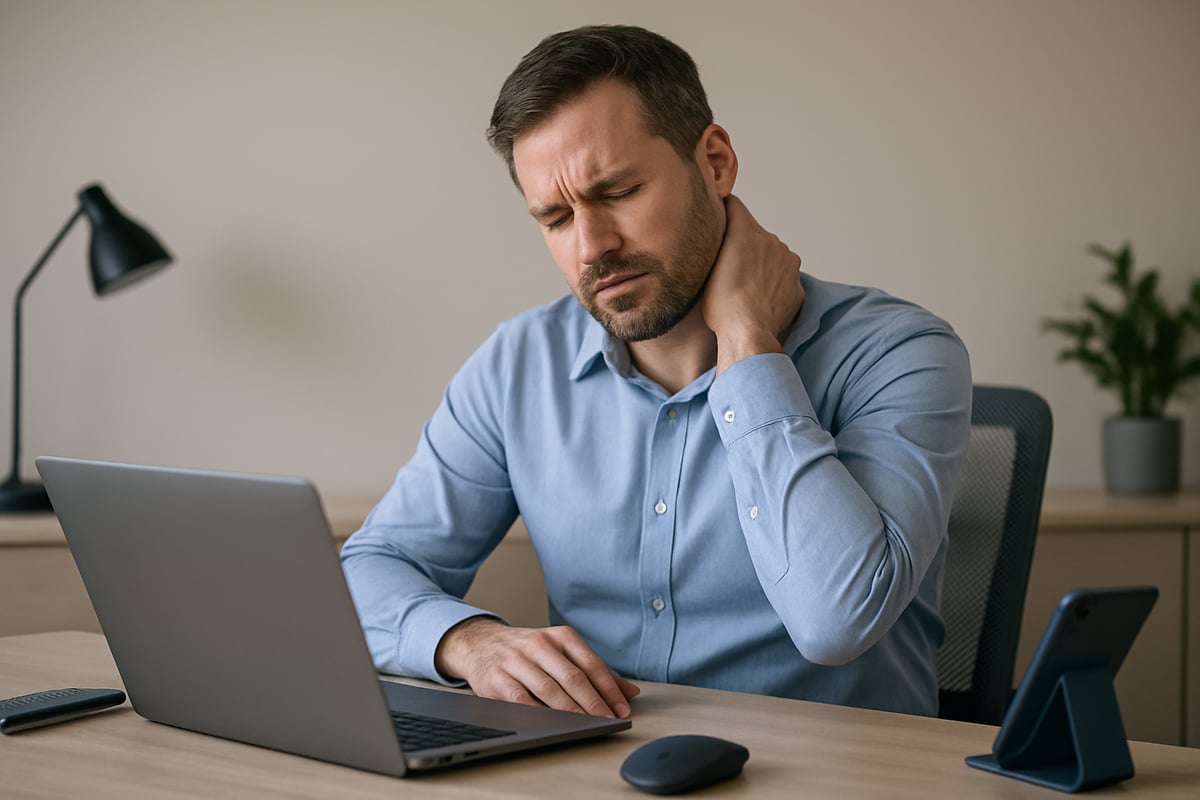
Neck pain is a growing concern for people of all ages in 2025. With so many of us spending hours on digital devices, discomfort in the neck and upper back is more common than ever. Understanding why this happens is the first step toward effective relief, including using a neck stretcher safely and wisely.
Why Neck Pain Is So Common Today
Recent years have seen a significant rise in neck pain cases. According to the CDC data brief on neck pain statistics, over 30 percent of adults experience neck discomfort annually. This trend is closely tied to increased screen time, remote work, and the constant use of smartphones and tablets.
Common causes of neck pain include:
- Poor posture from slouching or craning toward screens
- Repetitive strain from typing or texting
- High stress levels leading to muscle tension
- Accidents or injuries, such as whiplash
Neck pain affects more than just comfort. It can disrupt sleep, reduce productivity, and even lower your overall quality of life. Chronic neck pain differs from acute pain. Chronic pain persists for weeks or months, while acute pain is usually sudden and short-lived.
| Type | Duration | Common Triggers |
|---|---|---|
| Acute Neck Pain | Less than 6 weeks | Injury, strain, stress |
| Chronic Neck Pain | Over 6 weeks | Poor posture, habits |
Modern habits like working remotely or checking phones in bed increase the risk. While most cases are manageable, some symptoms, such as numbness, weakness, or severe headaches, may signal a more serious condition that needs medical attention. If you notice these, seek professional advice before using a neck stretcher.
How Do Neck Stretchers Provide Relief?
A neck stretcher is designed to relieve pressure in the cervical spine through gentle traction and decompression. This process helps separate the vertebrae slightly, which can reduce tension on discs and nerves. By using a neck stretcher, you may increase blood flow and relax tight muscles, supporting your body's natural healing process.
Cervical traction works differently from other pain relief methods like massage or medication. Instead of masking pain, a neck stretcher addresses the root cause by promoting alignment and easing pressure. Clinical studies and user testimonials show that many people experience relief after regular use.
However, a neck stretcher is not a cure-all. It works best when combined with posture correction and healthy habits. Results can vary based on the cause and severity of your symptoms. People with chronic tension, mild disc issues, or postural problems are most likely to benefit. Always follow instructions carefully and consult a healthcare provider if you have underlying medical conditions or recent injuries before starting any neck stretcher routine.
Creating Space Between Vertebrae
Think of your spine as a stack of building blocks with soft cushions in between. Over time, from hunching over a laptop or even just from gravity, these blocks can get compressed, squeezing the cushions (your discs) and pinching nerves. A neck stretcher works by applying gentle traction to your cervical spine. This process, known as decompression, carefully separates the vertebrae. According to experts at WebMD, this slight separation can relieve pressure on your discs and nerves, which is often the source of that nagging pain and stiffness. It’s a simple mechanical solution that gives your neck the space it needs to breathe and function without discomfort.
Restoring the Natural Neck Curve
Your neck is supposed to have a gentle, natural "C" shape, but modern habits like constantly looking down at your phone can flatten this curve, leading to what's often called "tech neck." This poor posture strains your muscles and can cause chronic pain. A neck stretcher is designed to help guide your neck back into its proper alignment. As one chiropractic resource explains, regular use can help correct bad posture and maintain the normal shape of your cervical spine. By supporting this natural curve, the device allows tense muscles to relax and reduces the daily strain that contributes to long-term discomfort, helping you stand taller and feel better.
Finding Your Fit: A Guide to Different Neck Stretchers
Choosing the right neck stretcher can be overwhelming with so many options available in 2025. Understanding the features, benefits, and drawbacks of each type is the first step to finding a solution tailored to your needs. This section breaks down the most popular neck stretcher categories, offering clear guidance to help you make an informed decision.
Manual Devices: Simple, Hands-On Relief
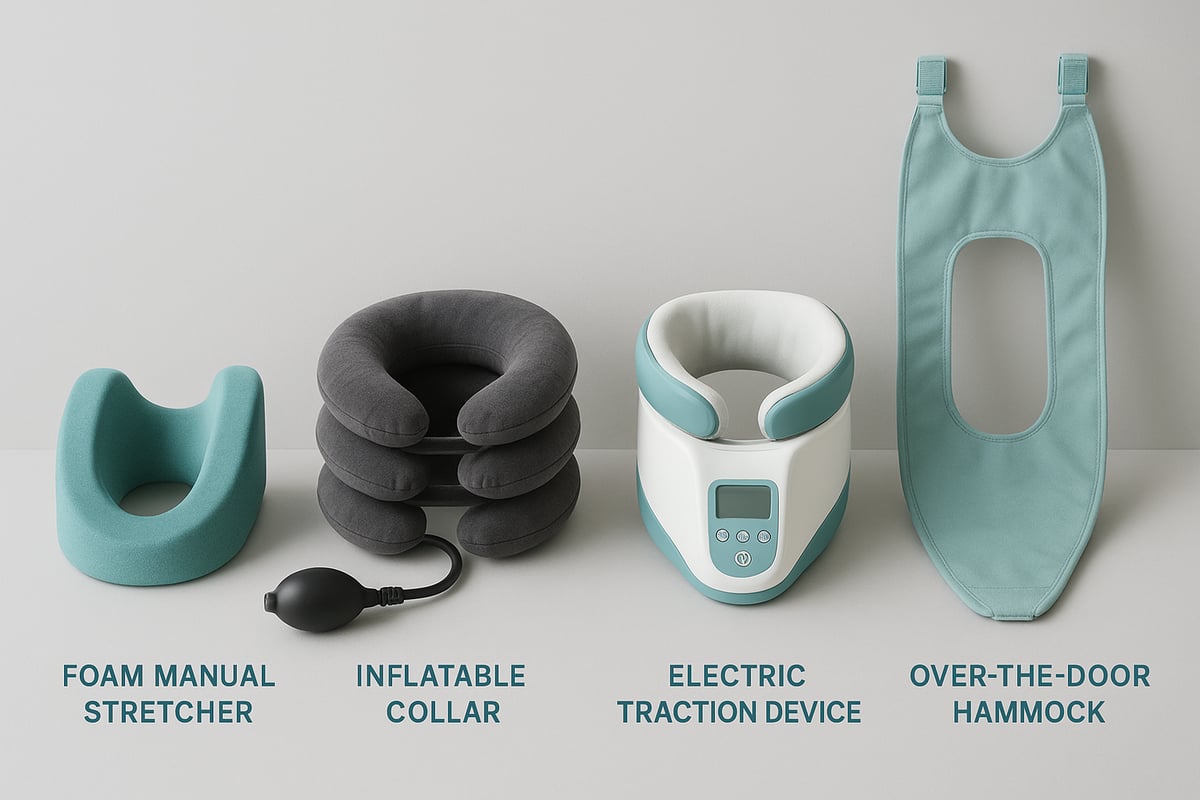
Manual neck stretcher options include foam pillows and traction blocks designed for cervical support. These devices use gravity and ergonomic contours to gently stretch the neck, helping relieve tension and pressure.
Pros:
- Affordable and accessible
- Lightweight and portable
- Simple to use, no assembly required
Cons:
- Limited adjustability
- May not fit every body type
- Less intense traction compared to other devices
Popular choices include ergonomic neck pillows often found on platforms like Amazon. If you prefer a low-tech, budget-friendly approach, a manual neck stretcher can be an effective tool for daily relief.
Inflatable Collars: Adjustable Air-Powered Support
An inflatable neck stretcher, often shaped like a collar, uses an air pump to provide customizable traction. You control the level of stretch by inflating or deflating the device, making it suitable for various neck sizes.
Pros:
- Adjustable traction intensity
- Fits a range of neck shapes and sizes
- Portable for use at home or work
Cons:
- Bulkier than manual options
- Risk of over-inflation if not careful
- May require practice to achieve proper fit
A widely recognized example is the Sentryse Neck Stretcher, available at major retailers. If you want flexibility and personalized comfort, an inflatable neck stretcher could be ideal.
Electric Models: Advanced Features for Deeper Relief
Electric and automated neck stretcher models feature powered air pumps and programmable cycles. These devices automate the stretching process, offering precise control over traction strength and duration.
Pros:
- Consistent, hands-free operation
- Advanced comfort settings
- Timed cycles for safety
Cons:
- Higher price point
- Requires a power source
- Less portable due to size and components
The makemate Cervical Neck Traction Device illustrates this category. For users seeking advanced technology and ease of use, an electric neck stretcher is a top choice.
Hammocks and Over-the-Door Units: At-Home Traction
Over-the-door and hammock-style neck stretcher devices use suspension to decompress the cervical spine. Typically, you attach the setup to a door or secure anchor, allowing gravity to provide traction.
Pros:
- Delivers strong, effective traction
- Suitable for severe or chronic cases
- Adjustable for different heights
Cons:
- Setup can be complex
- Not easily portable
- May feel uncomfortable for some users
The Neck Cloud Cervical Traction Hammock is a well-known example. This type is best for those needing a deeper stretch or dealing with long-term neck discomfort.
Which Neck Stretcher Is Right for You?
Selecting the best neck stretcher depends on your pain severity, lifestyle, and budget. Evaluate each type’s safety profile and comfort features. Many devices now qualify for FSA/HSA reimbursement, and some insurance plans may offer partial coverage.
Look for ergonomic design, durable materials, and positive user reviews. Clinical endorsements and medical certifications can provide added peace of mind. For a broader approach to neck and body wellness, explore complementary products in the Horse Health and Wellness Collection, which highlights options that support overall musculoskeletal care.
Take time to compare models, read customer feedback, and consult a healthcare provider if you have underlying conditions. The right neck stretcher can make a significant difference in daily comfort and long-term health.
Can a Neck Stretcher Actually Help? The Real Benefits
Neck pain is a growing concern for millions, but relief is possible. A neck stretcher offers targeted support, and the latest research highlights real advantages for pain management and overall wellness.
Ease Pain and Move More Freely
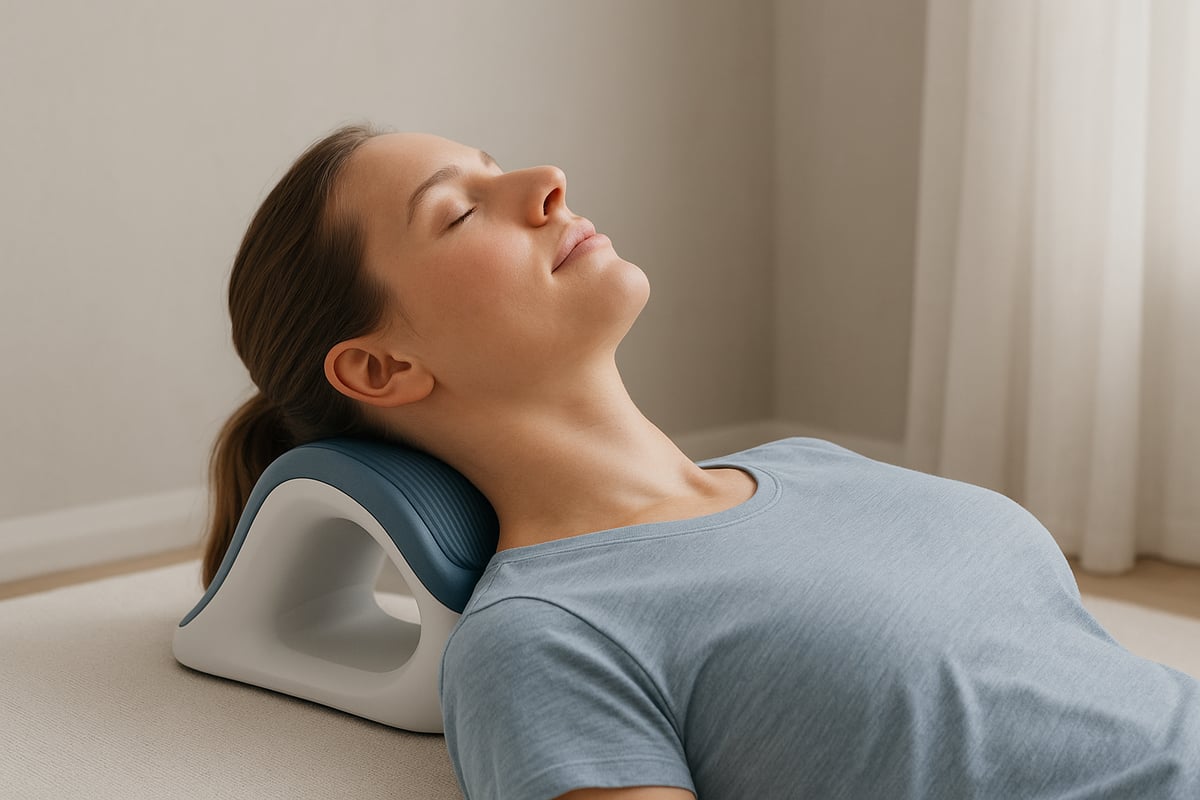
The primary benefit of a neck stretcher is effective pain relief. By gently decompressing the cervical spine, these devices help reduce pressure on nerves and discs. This leads to less tension, fewer headaches, and greater freedom of movement.
Clinical studies and user reviews confirm that regular use can decrease discomfort and boost neck mobility. According to the Global burden of neck pain projections to 2050, neck pain continues to affect a significant portion of the population, making reliable solutions more important than ever.
Stand Taller with Better Posture
A neck stretcher can play a vital role in correcting poor posture and realigning the cervical spine. Modern lifestyles often lead to "tech neck" and forward head posture, which strain muscles and ligaments.
Using a neck stretcher encourages the natural curve of the neck, supporting better spinal alignment. Over time, this can lessen chronic strain and help prevent the long-term effects of poor posture. Consistent use is key for noticeable improvement.
Improve Circulation and Find Calm
Another advantage of a neck stretcher is improved circulation. Gentle traction increases blood flow to neck muscles, which helps deliver nutrients and remove waste products.
This process aids in muscle relaxation and stress reduction. Many users report feeling calmer and less tense after sessions with a neck stretcher. Enhanced relaxation can also contribute to better sleep and overall well-being.
Get Ahead of Long-Term Neck Problems
Early and regular use of a neck stretcher may help prevent minor neck pain from developing into chronic problems. By addressing tension and misalignment promptly, you can reduce the risk of ongoing discomfort.
People who spend long hours at desks, use smartphones frequently, or have mild neck stiffness may benefit most. Incorporating a neck stretcher into your routine can be a proactive step for spinal health.
Medical Conditions Neck Traction Can Address
While a neck stretcher is great for relieving everyday tension, its benefits extend to more specific medical conditions. Cervical traction is a recognized therapy used to manage symptoms associated with nerve compression and degenerative changes in the spine. By creating space between the vertebrae, it can alleviate pressure on sensitive structures and help restore function. If you're dealing with more than just minor stiffness, understanding how traction works for these issues can help you have a more informed conversation with your doctor about whether it’s a suitable option for your care plan.
Pinched Nerves and Herniated Discs
One of the most common reasons people seek out neck traction is for relief from pinched nerves or herniated discs. A pinched nerve, or cervical radiculopathy, happens when a nerve root in your neck is compressed, causing pain, numbness, or weakness that can radiate down your arm. Similarly, a herniated disc occurs when the soft center of a spinal disc pushes through a tear in its exterior, often pressing on nearby nerves. Neck traction gently pulls the head away from the neck, which can help widen the space where nerves exit the spinal canal, providing much-needed relief from that persistent, nagging pressure.
Spondylosis, Stenosis, and Arthritis
Neck traction is also used to address degenerative conditions that affect the spine over time. Spondylosis is a general term for age-related wear and tear of the spinal discs, while spinal stenosis refers to the narrowing of the spinal canal, which can put pressure on the spinal cord and nerves. Arthritis in the neck can cause joint pain and stiffness. According to health experts at WebMD, neck traction can help with these muscle, joint, or bone problems by gently stretching the soft tissues and separating the spinal joints, which may reduce pain and improve mobility for those with these chronic conditions.
Clinical vs. At-Home Neck Traction
When you hear the term "neck traction," it can refer to two very different settings: a professional treatment in a clinical environment or a self-administered session using a device at home. While both aim to decompress the cervical spine, the methods, intensity, and level of supervision are distinct. Understanding the difference is key to choosing the right approach for your needs and ensuring you use these tools safely and effectively. A physical therapist can provide guidance on which method is best suited for your specific situation.
Manual Traction by a Professional
Manual traction is a hands-on technique performed exclusively by a trained professional, like a physical therapist or chiropractor. During a session, the therapist uses their hands to gently pull your head and neck away from your body, holding the stretch for short intervals at various angles. This method allows for precise, real-time adjustments based on your feedback and the therapist's assessment of your muscle response. It’s a highly personalized approach that ensures the traction is applied safely and targeted to the exact area that needs relief, making it an excellent option for acute injuries or complex conditions.
Mechanical Traction Devices
Mechanical traction involves using a specialized machine to apply a pulling force. In a clinical setting, you typically lie down while a harness is placed on your head, which is then connected to a system that gently and consistently pulls. The at-home neck stretchers we've discussed, like inflatable collars and over-the-door units, are based on these same principles. While at-home devices offer convenience and are great for managing chronic tension and mild symptoms, clinical mechanical traction provides a stronger, more controlled force that is monitored by a healthcare provider, making it suitable for more significant spinal issues.
What to Know Before You Start
While a neck stretcher provides many benefits, there are important limitations. It is not suitable for everyone, especially those with acute injuries, fractures, or certain medical conditions.
Consulting a healthcare professional before starting any new device is essential. Overuse or improper technique can lead to increased discomfort. Always follow manufacturer guidelines and monitor your body's response for safe, effective results.
Shop This Post

Featured in this article
Shires Soft Feel Lunge Line - 26ft (8m) - Black Tubular Nylon with Swivel Trigger Clip
$18.29
Shop Now →

Important Safety Precautions and Risks
While a neck stretcher can be a fantastic tool for finding relief, it's crucial to approach it with care. Like any health device, it isn't a one-size-fits-all solution, and using it correctly is key to avoiding injury. Before you begin, it’s important to understand the potential risks and recognize when a neck stretcher might not be the right choice for you. This section covers the essential safety guidelines, from medical conditions that rule out its use to warning signs that mean you should stop immediately. Your well-being is the top priority, so let's walk through how to use this tool safely and effectively.
When to Avoid Using a Neck Stretcher
Not everyone is a good candidate for neck traction. Certain health factors can make using a neck stretcher unsafe, potentially worsening your condition instead of helping it. It's vital to be aware of these contraindications before you even consider purchasing or using one.
Medical Conditions of Concern
If you have an acute injury, a fracture, osteoporosis, or a spinal cord tumor, you should not use a neck stretcher. The pulling force can cause serious harm in these situations. Other conditions like severe anxiety, an aortic aneurysm, or recent neck surgery also make neck traction a risky choice. The same goes for long-term disc degeneration. If you have any of these underlying health issues, the gentle pull of a stretcher could lead to more damage. Always put safety first and check with your doctor if you're unsure.
Pregnancy and High Blood Pressure
Neck traction is also not recommended for individuals who are pregnant or have untreated high blood pressure. The changes your body goes through during pregnancy and the risks associated with high blood pressure mean that adding cervical traction could introduce unnecessary complications. Your health and your baby's health are paramount, so it's best to find alternative, doctor-approved methods for pain relief during this time. If you have high blood pressure that isn't managed, speak with your healthcare provider before trying any new at-home therapies.
Warning Signs to Stop Immediately
Your body is excellent at sending signals when something isn't right. When using a neck stretcher, it's essential to listen to those signals. If you experience any unusual or uncomfortable symptoms, it's a clear sign to stop what you're doing and reassess. Ignoring these warnings can lead to more significant problems.
Headaches, Dizziness, or Vision Changes
While the goal is to relieve pain, you should stop immediately if the device causes new headaches, dizziness, or any changes to your vision. These symptoms could indicate that the traction is affecting blood flow or nerves in a negative way. Don't try to push through the discomfort. Instead, discontinue use and consult a doctor to understand what might be happening. Your safety is more important than finishing a session.
Nerve Pain, Weakness, or Sudden Disappearance of Pain
Pay close attention to any neurological symptoms. This includes nerve pain shooting down your arms or legs, muscle weakness, or numbness. Interestingly, a sudden disappearance of pain can also be a red flag, as it might signal a serious nerve issue. If you notice any of these signs, stop using the neck stretcher right away. These are not typical side effects and warrant a conversation with a healthcare professional to rule out any potential injury.
Understanding the Risks of At-Home Use
Using a neck stretcher at home offers convenience, but it also comes with the responsibility of managing your own treatment. Without a professional guiding you, it's easier to make mistakes. Understanding the specific risks of at-home use can help you avoid common pitfalls and ensure you're getting relief, not causing harm.
The Danger of Applying Too Much Force
It can be tempting to think that more stretching equals more relief, but that's a dangerous misconception. Applying too much force with a neck stretcher can strain your muscles or, worse, damage your spine and nerves. At-home devices give you full control, which means you also bear the risk of overdoing it. Start with the lowest possible intensity and listen carefully to your body's feedback to avoid causing more harm than good.
Why Professional Guidance Is Key
The safest way to begin with neck traction is to get professional advice first. A physical therapist can assess your specific condition and confirm if a neck stretcher is a safe and effective option for you. They can also show you the proper technique and recommend the right amount of force. According to experts, some at-home traction devices should only be used for specific issues like a herniated disc in the neck. Getting that initial guidance ensures you're on the right track from day one.
Your Step-by-Step Guide to Using a Neck Stretcher Safely
Using a neck stretcher can provide relief and support recovery, but safety and proper technique are essential. This guide walks you through each step to ensure you get the most benefit while minimizing risk. Always approach new wellness routines thoughtfully and prioritize your well-being.
Step 1: Talk to a Pro and Define Your Goals
Before you begin with a neck stretcher, take time to evaluate your symptoms. Is your neck pain acute, chronic, or linked to another condition? Identifying the root cause is crucial. If you have a history of spinal injuries, neurological symptoms, or severe pain, seek advice from a healthcare provider first.
A medical professional can help determine if a neck stretcher is appropriate for your situation. They may recommend specific models or advise against use in certain cases. Consulting a doctor ensures you avoid aggravating underlying issues and start your routine safely.
Step 2: Pick the Perfect Device for You
Selecting the best neck stretcher for your needs involves several factors. Consider your pain type, desired adjustability, comfort, and budget. Some people benefit from simple foam pillows, while others require inflatable or electric options for more precise traction.
Read product reviews and look for endorsements from medical professionals. Compare key features such as adjustability, portability, and safety. If possible, test different models to see which neck stretcher feels most supportive and comfortable for your anatomy.
Step 3: Get Your Stretcher Set Up Correctly
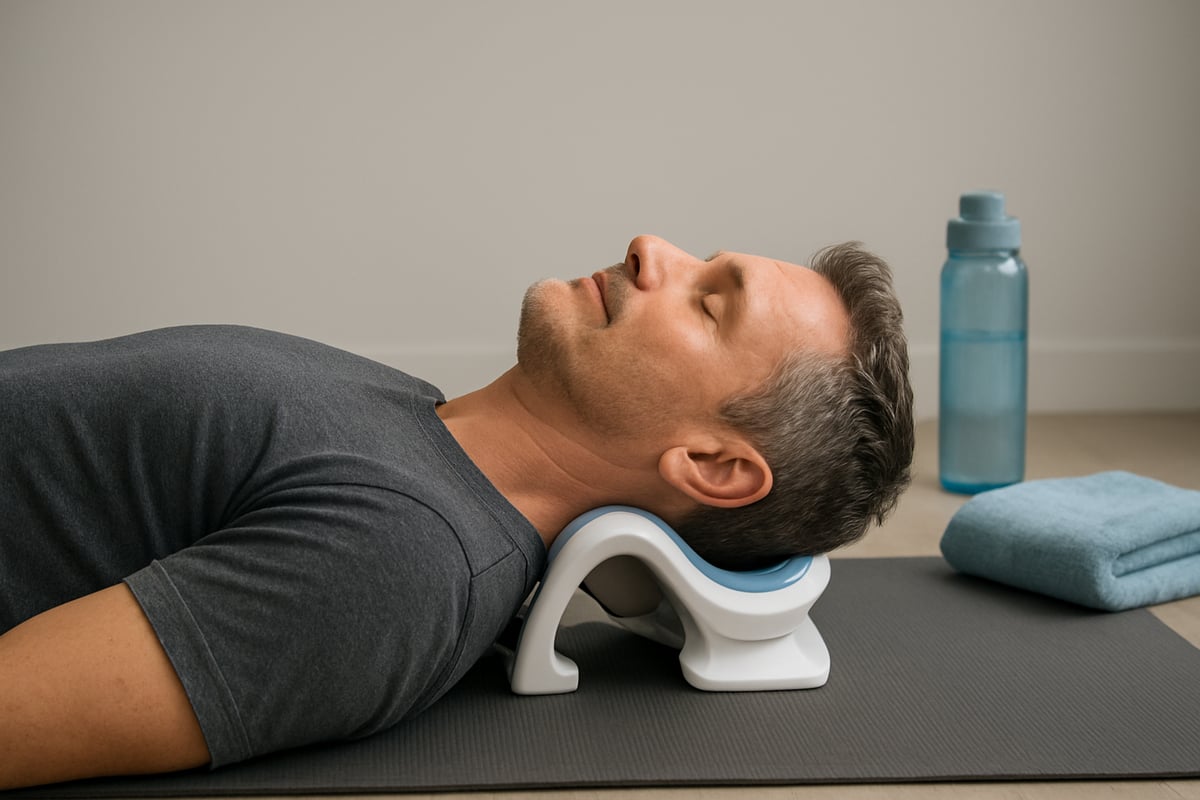
Unbox your neck stretcher and review the manufacturer’s instructions. Some devices require assembly or inflation, while others are ready to use out of the box. Place the neck stretcher on a flat, stable surface like a yoga mat or firm bed.
Adjust the stretcher for your body size and comfort, especially if it’s inflatable or electric. Perform a safety check to ensure straps or fasteners are secure and the device is not damaged. A proper setup helps maximize comfort and prevents injury during use.
Step 4: Find the Right Position and Start Stretching
Position yourself according to the instructions for your specific neck stretcher. For most devices, lie on your back with your head and neck cradled comfortably. Keep your spine in a neutral position, and avoid straining your muscles.
Start with short sessions, such as 5 to 10 minutes per day. Use the neck stretcher at a gentle setting, and listen to your body. If you experience discomfort, dizziness, or increased pain, stop immediately and reassess your technique or consult a professional.
Proper Body Alignment for Pillow-Style Devices
To use a pillow-style device correctly, lie down on a firm, flat surface and place the stretcher under the base of your neck. Your goal is to allow your head to relax back into the cradle, which helps gently stretch and align your neck and upper back. Bend your knees with your feet flat on the floor to help relax your lower back and maintain a neutral spine. Let your arms rest comfortably at your sides. Avoid tensing your shoulders or trying to force the stretch; gravity should do most of the work. Proper alignment is key to ensuring the device targets the right muscles and vertebrae without causing strain.
Using Dual-Sided Stretchers for Different Intensity
Many popular neck stretchers are dual-sided to offer varying levels of intensity. One side, typically convex, provides a gentler stretch and is perfect for beginners or those with significant sensitivity. The other side, usually concave, delivers a stronger, deeper traction for more advanced users. Always start with the gentle side to allow your neck muscles to acclimate. Once you feel comfortable and believe you need a deeper stretch, you can flip the device to the more intense side. This feature allows you to customize your session based on your daily needs and progress over time.
Session Duration: Starting Slow vs. Clinical Standards
When you first begin, limit your sessions to just five minutes once a day. This gives your body time to adjust to the new sensation of cervical traction. While clinical traction sessions can last longer, at-home use requires a more cautious approach. Listen to your body—if you feel any sharp pain, stop immediately. As your neck becomes more accustomed to the device, you can gradually increase the duration, adding a minute or two every few days. Most manufacturers recommend a maximum of 10-15 minutes per session to avoid overstretching.
Allowing for an Adaptation Period
It’s completely normal for your neck to need an adaptation period when you start using a stretcher. You might feel some mild discomfort or unfamiliar sensations as your muscles and vertebrae adjust to the new alignment. This adjustment phase typically lasts between one and three days. Think of it like starting a new exercise—your body needs time to get used to the movement. However, this feeling should be a gentle stretch, not sharp or radiating pain. Be patient with the process and stick to short, gentle sessions during this initial period for the best and safest results.
Step 5: What to Do After Your Session
After using a neck stretcher, take a few minutes to perform gentle neck exercises and stretches. Slowly tilt and turn your head to restore natural mobility. Hydrate well, as stretching can improve circulation and may leave you feeling thirsty.
Consider applying a warm compress or taking a short walk to relax your muscles further. Regular post-stretch routines help reinforce the benefits and support long-term neck health. This step is essential for maximizing results and minimizing stiffness.
Step 6: Track Your Progress and Make Adjustments
Track your pain levels, range of motion, and overall comfort after each session with the neck stretcher. If you notice steady improvement, you may gradually increase the duration or frequency of use based on manufacturer guidance.
If symptoms persist or worsen, consult a healthcare provider. You may need to adjust your device, technique, or explore alternative therapies. Monitoring your progress ensures that your neck stretcher routine remains safe, effective, and tailored to your needs.
Step 7: Avoid These Common Mistakes
Avoid overusing your neck stretcher or applying excessive traction, as this can strain muscles and ligaments. Never use the device if you have contraindicated conditions like recent surgery, fractures, or severe disc problems.
Do not ignore pain, numbness, or tingling during or after use. Skipping setup instructions or neglecting safety checks can lead to ineffective or unsafe sessions. Staying mindful of these common pitfalls promotes safer, more effective relief.
How to Get the Most Out of Your Neck Stretcher
Integrating a neck stretcher into your wellness routine can be transformative if you follow expert guidance. By combining consistent use, complementary therapies, and a personalized approach, you’ll maximize both comfort and results. Here’s how to get the most from your neck stretcher in 2025.
How to Fit Stretching Into Your Daily Life
Consistency is key for effective results. Schedule your neck stretcher sessions at the same time each day, such as after work or before bed, to form a habit.
Pair your session with ergonomic improvements in your workspace. Adjust your monitor height, use a supportive chair, and take frequent breaks to reduce strain.
- Set reminders on your phone or calendar.
- Start with 5 to 10 minutes per session.
- Track your progress in a journal.
Making the neck stretcher part of your regular day helps reinforce positive changes and enhances relief.
Other Habits That Help Relieve Neck Pain
A neck stretcher is most effective when paired with other wellness strategies. Combine stretching with gentle massage or heat therapy to boost relaxation and circulation.
Incorporate posture correction exercises and strengthen neck and upper back muscles. Schedule movement breaks throughout the day, especially if you work at a desk.
- Try yoga or Pilates for flexibility.
- Use foam rollers for muscle release.
- Stay hydrated and manage stress.
This holistic approach ensures your neck stretcher delivers the best results possible.
Device-Free Neck Traction Exercises to Try
While a neck stretcher is a fantastic tool, you can also find relief through simple movements that create gentle traction. These device-free exercises are perfect for supplementing your routine or for quick relief at your desk. The goal is to gently stretch the muscles and create space between the vertebrae, which can ease tension and improve mobility. Remember to move slowly and stop if you feel any sharp pain.
Here are a few simple exercises you can do almost anywhere:
- Chin Tucks: Sit or stand tall with your shoulders back. Look straight ahead and gently tuck your chin toward your chest, as if you’re trying to make a double chin. You should feel a stretch at the back of your neck. Hold for five seconds and repeat five times.
- Side Bends: Slowly tilt your right ear toward your right shoulder until you feel a light stretch along the left side of your neck. Hold for 15 to 20 seconds, then gently return to the center and repeat on the other side.
- Forward and Backward Tilts: Gently lower your chin toward your chest, holding for 15 seconds to stretch the back of your neck. Then, slowly tilt your head back to look at the ceiling, stretching the front of your neck.
Tailor Your Routine to Your Specific Pain
Tailor your neck stretcher routine to address your specific symptoms. For tension headaches, use gentle traction and focus on relaxation. If you have shoulder pain or posture issues, adjust device settings for more targeted support.
Listen to your body and modify the intensity or duration as needed. Some devices offer customizable settings—take advantage of these features for maximum comfort.
- Adjust frequency based on severity.
- Switch devices if current one feels ineffective.
- Consult product guides for symptom-specific advice.
Personalization makes your neck stretcher experience more effective and enjoyable.
Stories From People Who Found Relief
Many users report significant relief from daily stiffness and improved mobility after adding a neck stretcher to their routine. For instance, one user shared that consistent use helped reduce their tech neck symptoms and improved sleep quality.
However, some individuals experience mild discomfort or side effects, often due to overuse or improper device selection. Learning from real experiences can help you avoid common pitfalls.
- “Helped with daily neck stiffness” is a common review.
- Some users caution against excessive traction.
- Success often comes from gradual, mindful use.
Gathering insights from others can guide your own neck stretcher journey.
How to Tell if the Treatment Is Working
Knowing if your efforts are paying off is important for staying motivated. With a neck stretcher, progress isn't always dramatic overnight. Instead, look for small, consistent improvements. The most immediate sign is often a reduction in pain and stiffness after a session. You might also notice that you can turn your head more freely or that tension headaches become less frequent. Many people report feeling a greater sense of mobility and less daily discomfort. Tracking these subtle changes helps you see the positive impact your new routine is having over time.
A Note on "Neck Hump" and Posture
One of the most common goals for using a neck stretcher is to address postural issues, including what’s often called a "neck hump" or forward head posture. This condition develops from prolonged strain on the cervical spine. A neck stretcher works by gently decompressing the vertebrae and encouraging the natural curve of your neck to return. While you might not see a visible difference in your posture immediately, you should feel a change. You may feel less strain in your upper back and find it easier to maintain good posture throughout the day. Over weeks of consistent use, these small adjustments can lead to noticeable improvements in your spinal alignment and a reduction in the appearance of a neck hump.
When Is It Time to See a Doctor?
While a neck stretcher can be highly beneficial, certain symptoms require medical attention. If you notice worsening pain, tingling, numbness, or any neurological changes, stop using the device and consult a healthcare provider.
Physical therapists and chiropractors can offer guidance on safe traction techniques and may recommend specific devices suited to your condition. Early intervention ensures you avoid complications.
- Seek help for acute injuries.
- Ask professionals about device suitability.
- Never ignore persistent discomfort.
Your safety should always come first when using a neck stretcher.
Staying Up-to-Date on Neck Care
Stay updated on new developments in neck stretcher technology. Look for devices with smart features, such as app integration or AI-driven adjustments, to personalize your experience.
Join online forums or follow professional associations to access the latest research and user tips. Keeping informed helps you make the best choices as trends evolve.
Adapting to innovations ensures your neck stretcher routine remains effective and safe for years to come.
Your Smart Buyer's Guide to Neck Stretchers
With so many options available, selecting the right neck stretcher in 2025 requires careful consideration of features, safety, brand reputation, pricing, and smart shopping strategies. Here is a comprehensive guide to help you make an informed choice.
Understanding the Market: Price and Popularity
The market for neck stretchers is surprisingly large, with major retailers like Walmart offering hundreds of options designed for everything from general stiffness to more specific issues like TMJ pain. This wide selection means there’s a device for almost every budget and need. Prices can range from budget-friendly manual pillows and traction blocks to more sophisticated electric models with programmable settings. Popularity is often driven by user reviews, where many people report significant relief from daily discomfort and better mobility. When you're shopping, you'll find simple, effective tools like the Sentryse Neck Stretcher alongside advanced automated devices. The key is to match the product's features and price point to your specific goals for pain relief and comfort.
Features and Materials That Matter
When evaluating a neck stretcher, focus on ergonomic design that supports healthy alignment and comfort. Look for durable materials such as medical-grade foam, breathable fabrics, or reinforced plastics. Adjustable traction settings are essential for personalizing your experience and ensuring proper support.
Consider devices with removable covers for easy cleaning. A well-designed neck stretcher should fit your body shape and allow for gradual increases in traction. Always check for user-friendly instructions and intuitive assembly.
Common Materials like Polyurethane Foam
Polyurethane foam is a popular choice for neck stretchers because it strikes a great balance between being firm enough for support and soft enough for comfort. This material is known for its density and sturdiness, which allows the device to maintain its shape while providing the gentle traction needed to relieve pressure. For example, many top-rated models are made from a high-quality polyurethane foam that effectively cradles the cervical spine. This material is not only durable but also lightweight, making your neck stretcher easy to use at home, at the office, or even while traveling. As you explore different devices, you'll also find other materials like breathable fabrics for covers and reinforced plastics for structural components, all designed to enhance comfort and usability. Considering how these materials work together will help you find the perfect fit for your needs.
Is It Safe? Look for Certifications
Before purchasing, verify if the neck stretcher has relevant safety certifications. FDA registration or clearances signal that the device meets medical safety standards. Clinical endorsements from physical therapists or orthopedic specialists add credibility.
Check for warranties and return policies, which indicate manufacturer confidence in product quality. Some premium stretchers include documentation of clinical testing or third-party lab results for added assurance.
What Certifications Like OEKO-TEX Mean
You might see a label like OEKO-TEX on a neck stretcher and wonder what it means. This is a globally recognized certification that ensures any fabric components, like the cover or straps, have been tested for over 1,000 harmful chemicals. Essentially, if a product has an OEKO-TEX certification, it confirms the materials touching your skin are free from substances that could cause irritation or harm. This is especially important for a device you'll be using on a sensitive area like your neck. It’s a mark of safety and quality, showing the manufacturer has gone the extra mile to ensure their product is safe for you.
A Quick Comparison of Top Models
Researching top brands is key to finding a reliable neck stretcher. Leading models on Amazon and Walmart typically have user ratings above 4 stars, reflecting consistent satisfaction. Compare features like adjustability, portability, and included accessories.
| Model Type | Avg. User Rating | Adjustability | Portability |
|---|---|---|---|
| Manual Pillow | 4.1 | Low | High |
| Inflatable | 4.3 | High | Medium |
| Electric | 4.5 | Very High | Medium |
Read verified customer reviews to gauge real-world performance and durability.
Finding the Best Value for Your Budget
Neck stretcher prices in 2025 range from affordable entry-level models to premium devices with advanced features. Entry-level options may cost $20 to $40, offering basic comfort and portability. Premium models, often priced $80 and up, include electronic controls, heat, or massage.
Evaluate what is included at each price point, such as carrying cases or extra pads. Many stretchers are eligible for FSA/HSA spending or partial insurance reimbursement, making them accessible for more users.
Tips for Buying a Neck Stretcher Online
When buying a neck stretcher online, prioritize authentic reviews and avoid suspiciously low prices. Look for clear product images, detailed descriptions, and responsive customer support. Protect your purchase by choosing reputable retailers and checking return policies.
Understanding the root causes and risk factors of neck pain can guide your selection process. For a deeper dive into these issues, consider the Neck pain epidemiology and risk factors resource for background on prevalence and contributing habits.
By focusing on these criteria, you can confidently select a neck stretcher that meets your needs and supports your wellness goals.
What's Next in Neck Pain Relief?
The neck stretcher market is evolving rapidly as technology and wellness trends shape new solutions for pain relief. In 2025, users can expect a wave of innovations designed to maximize comfort, safety, and effectiveness for all lifestyles.
Smarter Tech for Better Relief
Modern neck stretcher devices are now smarter, with built-in sensors and Bluetooth connectivity. Many models offer app integration, allowing users to customize traction settings from their smartphones. AI-driven feedback adjusts the stretch to your needs, tracking progress over time for safer, more effective sessions.
Some neck stretcher products even log session data and provide reminders, making it easier to stick to a wellness routine. These advancements help users monitor their neck health and optimize each session for pain relief.
Connecting Neck Health to Overall Wellness
Today’s neck stretcher designs often blend multiple therapies. Devices may combine traction with heat, vibration, or gentle massage to boost relaxation and circulation. Some brands offer bundled wellness kits, pairing neck stretchers with posture trainers or ergonomic pillows for a comprehensive approach.
This holistic integration supports not only pain relief but also overall well-being. As wellness becomes a lifestyle priority, expect more devices to offer multi-modal features that fit seamlessly into daily routines.
What Are People Looking for in a Device?
The demand for neck stretcher devices has surged, particularly after the pandemic’s shift toward remote work. Consumers now favor portable and travel-friendly designs that fit busy lives. Lightweight, foldable models are popular, reflecting a desire for convenience without sacrificing effectiveness.
| Trend | 2023 | 2025 (Projected) |
|---|---|---|
| Portable Designs | 60% | 80% |
| App-Connected Devices | 15% | 40% |
| Bundled Wellness Kits | 20% | 35% |
This table highlights the growing market share for innovative neck stretcher features. As preferences evolve, manufacturers are prioritizing user-friendly options.
How New Standards Keep You Safer
In 2025, increased focus on consumer safety has led to updated medical device regulations for neck stretcher products. Buyers should look for FDA registration and compliance with the latest standards. Product labels now clearly state intended use, safety warnings, and eligibility for insurance reimbursement.
For those seeking preventative or therapeutic solutions, exploring options similar to those found in the Horse Protection Essentials Overview can provide insight into best practices for injury prevention and recovery. This emphasis on safety ensures users can trust the devices they choose.
What the Experts Are Watching
Physiotherapists and orthopedic specialists predict that future neck stretcher devices will focus on personalization. Expect to see more AI-driven adjustments, adaptive settings, and data-driven recommendations for optimal use. Experts also recommend combining device use with professional guidance for best results.
Look for emerging research on long-term outcomes and new guidelines addressing safe frequency and intensity. Staying informed will help users make smart, health-focused decisions.
Where to Find More Information
To keep pace with neck stretcher innovations, join online forums, subscribe to wellness newsletters, and follow professional associations. Many manufacturers offer apps or websites with tips and updates. Engaging with these resources ensures you have access to the latest research, product launches, and user communities, so you always make informed choices.
If you’re ready to take the next step toward lasting neck relief, remember that choosing the right neck stretcher can make all the difference in your comfort and recovery. We’ve covered the benefits, expert tips, and what to look for in 2025—now it’s your turn to put this knowledge into action. At Hooves and Paws, you’ll find quality, carefully selected products designed to support your well being and your pet’s needs, all backed by free US shipping and flexible payment options. Explore the best options for you and Buy Now.
Frequently Asked Questions
How often should I use my neck stretcher, and for how long? When you're just starting, it's best to begin with one session of about five minutes each day. This gives your neck and muscles time to adjust to the new sensation. As you become more comfortable over a week or so, you can gradually work your way up to 10 or 15 minutes. Remember, consistency is more effective than intensity, so a short daily session will give you better results than a long one once a week.
Is it okay to feel some discomfort when I first start using it? You should expect to feel a gentle stretching sensation, which might feel a bit unfamiliar at first. This is a normal part of the adaptation process. However, you should never feel sharp, shooting, or radiating pain. If you experience any new headaches, dizziness, or numbness, stop using the device immediately and speak with a healthcare professional.
Can I use a neck stretcher for general stiffness, or is it only for serious conditions? Absolutely. Neck stretchers are fantastic for easing the general tension and stiffness that builds up from daily life, like working at a computer or spending time on your phone. While they are used to help with specific medical issues, they also work very well as a proactive tool to maintain good neck health and relieve muscle tightness before it becomes a chronic problem.
How soon can I expect to feel relief? Many people notice a sense of release and openness in their neck right after their very first session. For more significant, long-term benefits like better posture and a lasting reduction in discomfort, it generally takes a few weeks of consistent daily use. Progress is gradual, so be patient with yourself and focus on incorporating it into your regular routine.
Which type of neck stretcher is best if I'm just starting out? If you're new to neck traction, a manual device like a contoured foam pillow is a great place to start. They are simple to use, affordable, and provide a gentle stretch using just gravity and your body weight. This allows you to get comfortable with the process without having to manage adjustable settings or worry about applying too much pressure.
Key Takeaways
- Decompress and Realign for Relief: A neck stretcher provides relief by creating space between your vertebrae to ease pressure on nerves and discs, while also guiding your neck back toward its natural, healthy curve.
- Choose Wisely and Start Slowly: Select a device that fits your specific needs and budget, but always begin with short, 5-minute sessions at the lowest intensity to allow your body to adapt safely.
- Think Beyond the Stretch: For lasting results, use your neck stretcher as one part of a broader strategy that includes improving your daily posture, making ergonomic changes to your workspace, and performing simple neck-strengthening exercises.


