


Let's clear up a common myth right away. Thanks to old cowboy movies, many people think spurs are for jabbing a horse into a gallop. The reality is far more nuanced and respectful. True horsemanship is about clear, quiet communication, and that’s exactly where western spurs come in. When used correctly, they are not tools of force, but tools of finesse. Think of them as a way to whisper a request instead of shouting it with your whole leg. They allow for a lighter, more precise touch that can deepen the connection with your horse. This guide is your starting point for understanding how these tools work, how to choose the right pair, and how to use them as part of a respectful conversation with your equine partner.
Key Takeaways
- Use spurs to clarify, not command: Spurs are tools for refining your leg cues with a lighter, more precise touch. Their purpose is to add clarity to your requests, not to force a reaction or create speed.
- Start with a mild and well-fitted pair: When choosing your first spurs, look for a design with a short shank and a gentle rowel, like a cloverleaf style. A proper fit is crucial, so ensure the spur band sits securely on your boot's heel without slipping.
- A stable leg is essential for safe use: Before using spurs, you must have a quiet, controlled leg. Always apply your leg aid first, and only use the spur for a light touch to reinforce the cue if your horse doesn't respond.
What Are Western Spurs and How Do They Work?
If you’re getting into Western riding, you’ve likely seen experienced riders wearing spurs and wondered what they’re all about. Let's clear something up right away: contrary to what old cowboy movies might suggest, spurs aren't for aggressively kicking a horse into a gallop. Instead, they are refined communication tools that allow a rider to give subtle and precise cues. When used correctly, they act as an extension of your leg, helping you communicate more clearly with your horse without having to use big, distracting movements.
Think of it this way: using your heel to cue a horse is like trying to type with your whole hand, while using a spur is like typing with your fingertip. It allows for a much lighter and more specific touch. This precision helps your horse understand exactly what you're asking, which can lead to a more responsive and harmonious partnership. They are meant to refine your aids, not replace them. For many riders, spurs are an essential piece of equipment for everything from ranch work to the show ring. Before you can use them effectively, it’s important to understand their basic parts and how they function as a tool for better horsemanship.
The Anatomy of a Western Spur
At first glance, spurs might look complicated, but they’re made of just a few key parts that work together. Understanding the anatomy will help you choose the right pair and use them properly. All Western spurs are part of a rider's essential horse tack and share the same basic structure.
The three main components are:
- Yoke: This is the U-shaped band that wraps around the heel of your riding boot. It’s what holds the spur in place.
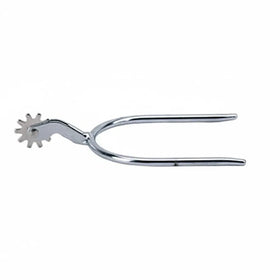
- Shank: This is the arm that extends backward from the center of the yoke. Shanks come in different lengths and shapes, which affects how and where the spur makes contact with the horse.
- Rowel: This is the small, spinning wheel at the end of the shank. Rowels come in many styles, from simple, blunt-edged wheels to more pointed stars, each offering a different level of pressure.
Using Spurs to Cue Your Horse
The primary purpose of a spur is to reinforce your leg cues with a light, specific touch. When you press your leg against your horse’s side, you’re asking for a response, like moving forward, shifting sideways, or picking up speed. If the horse doesn’t respond to the initial leg pressure, a gentle roll of the spur can add the clarity needed to get the message across.
It’s critical to remember that spurs are for applying pressure, not pain. A rider with good leg control can use them to deliver a perfectly clear signal without causing discomfort. They are a tool for refinement, not force. With the right pair and a gentle hand (or leg, in this case), you can choose Western spurs that become a seamless part of the conversation between you and your horse.
What Are the Different Types of Western Spurs?
When you start shopping for spurs, you'll quickly notice they come in a few distinct styles. The main difference is the design of the end piece, which changes how the spur communicates with your horse. Some are designed for very light, subtle cues, while others offer a more direct signal. Understanding these types will help you find the perfect match for your riding style and your horse's sensitivity. Choosing the right spur is a key part of building clear communication and a trusting partnership with your horse.
Rowel Spurs: The Traditional Choice
Rowel spurs are what most people picture when they think of Western riding. They feature a small, rotating wheel, called a rowel, at the end of the shank. This traditional design is meant to roll along the horse's side, providing a clear signal without a harsh poke. Rowels come in many shapes and sizes, from small, blunt-toothed wheels to larger ones with more defined points. The key is that they rotate, which allows for more precise and humane communication when used correctly. They are a versatile tool in a rider's collection of horse tack and can be adapted for various disciplines.
Blunt End Spurs: For Gentle Cues
If you're looking for one of the mildest options available, blunt end spurs are an excellent choice. Instead of a pointed rowel, they might have a cloverleaf design or a rowel with very dull, rounded teeth. These spurs are designed to provide gentle reinforcement, making them a great starting point for riders new to using spurs or for horses that are particularly sensitive to leg cues. They allow you to add a little more clarity to your aids without being sharp. Think of them as a way to refine your communication, not to force a reaction.
Ball End Spurs: Ideal for Sensitive Horses
For the most sensitive horses, ball end spurs are often the best fit. As the name suggests, these spurs have a smooth, metal ball at the end of the shank. This design makes it nearly impossible to jab or irritate the horse. Instead, it provides a soft, broad pressure that encourages a response without causing discomfort. Ball end spurs are perfect for riders who need to give very subtle cues to a highly responsive horse. They are a fantastic tool for refining your aids and building a light, responsive connection with your equine partner.
Prince of Wales Spurs: Built for the Show Ring
Often seen in English disciplines but also popular in the Western show ring, Prince of Wales spurs are known for their clean, elegant design and effectiveness. They typically have a flat or slightly rounded end, offering a more direct cue than a ball end spur but still remaining relatively mild. Their simple, classic look makes them a favorite among competitive riders who want a functional tool that also looks polished. They come in various shank lengths and styles, allowing riders to choose the level of refinement they need to communicate effectively in a competitive setting.
How to Choose Your First Pair of Western Spurs
Walking into a tack shop or browsing online can feel a bit overwhelming when you see the wall of spurs. With so many different styles, shanks, and rowels, how do you know where to begin? Don't worry, I've been there. The key is to remember that spurs are tools for refining communication, not for punishment. Your first pair should be mild, comfortable for you and your horse, and built to last. They are meant to add precision to your leg cues, not to create speed or force a reaction.
Choosing the right spurs comes down to a few key elements: the quality of the materials, the length and angle of the shank, the design of the rowel, and the fit on your boot. It’s not about picking the fanciest-looking pair; it’s about finding what works best for your leg length, your horse’s sensitivity, and your riding style. Thinking through each of these factors will help you find a pair that feels like a natural extension of your leg, allowing you to give subtle, effective cues. Let’s break down exactly what to look for so you can make a confident choice for you and your riding partner.
Focus on Quality Materials and Construction
When you’re shopping for spurs, the first thing to check is what they’re made of. High-quality materials like stainless steel are your best bet because they resist rust and are strong enough to withstand daily use without bending or breaking. A well-constructed spur will feel solid and balanced in your hand. Investing in a durable pair from the start means you won’t have to replace them anytime soon. It also ensures the surfaces that touch your horse are smooth and consistent, which is essential for clear communication. You can find a great selection of reliable horse tack built with quality in mind.
Find the Right Shank Length and Angle
The shank is the part of the spur that extends from the back of your heel. Its length and angle determine how easily it makes contact with your horse’s side. As a beginner, it’s wise to start with a shorter shank. A shorter shank requires a more deliberate leg movement to use, which helps prevent you from accidentally bumping your horse. As one rider on Reddit put it, with smaller spurs, it's "much harder to sour a horse and you already have plenty of other things to pay attention to." Riders with longer legs might eventually need a longer shank to reach their horse’s side effectively, but for now, keeping it simple and short is the safest approach.
Select the Best Rowel Design and Size
The rowel is the small, spinning wheel at the end of the shank. For your first pair, look for a rowel that is blunt and gentle. Cloverleaf rowels, which look like a small flower, are an excellent choice for beginners because their rounded points are among the mildest available. They are designed to roll across your horse’s side, providing a soft nudge rather than a sharp poke. As you and your horse gain experience, you might explore other options, but starting with a gentle rowel like a cloverleaf ensures your cues are always kind. The right combination of rowel and shank depends entirely on the horse, the event, and the rider's skill level.
Consider Band Width for a Comfortable Fit
The band, or yoke, is the U-shaped part that wraps around your boot heel. A proper fit is crucial; it should be snug enough that it doesn’t slide up or down, but not so tight that it pinches your boot. When you try on spurs, make sure you’re wearing the riding boots you use most often to get an accurate feel. Bands come in different widths to accommodate men’s, women’s, and youth boots, so you can find one that feels secure. A spur that fits correctly will stay in place, allowing you to apply cues precisely when you intend to. Many of our best selling products are popular because they offer a reliable and comfortable fit for a wide range of riders.
Whether you're a beginner or a seasoned rider, browse our full range of western spurs and spur straps to find the right fit for your discipline.
Shop This Post

Featured in this article
Weaver Leather Women's 21st Century Stainless Steel Spurs - 1" Shank, 3/4" Band
$56.99
Shop Now →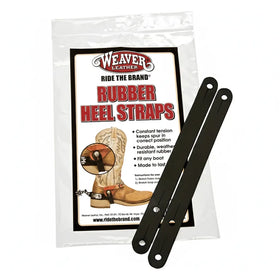

How to Fit and Adjust Your Western Spurs
Finding the right spurs is only half the battle; getting them to fit correctly is what truly makes a difference for you and your horse. A poorly fitted spur can slide around, deliver unclear cues, or cause discomfort, while a well-fitted one feels like a natural extension of your boot. The goal is a secure, stable fit that keeps the spur exactly where you need it without being too tight. Taking a few extra minutes to get the size and adjustments right before you ride ensures your cues are effective and your horse stays comfortable.
Measure Your Boot to Find the Right Size
Before you even think about straps, the spur band itself needs to fit your boot. Every pair of riding boots is slightly different, so it’s important to try spurs on with the specific boots you’ll be wearing in the saddle. The spur band should rest snugly on the heel ledge of your boot without pinching the leather or wobbling from side to side. If there’s a large gap or you have to force it on, it’s not the right size. A proper fit ensures the spur stays level and doesn’t slip down or ride up your heel as you move. Getting this right is the foundation for all other adjustments and is key to using your horse tack effectively.
Adjust the Spur Straps for a Secure Fit
Spur straps are what hold everything in place, so getting the adjustment right is crucial. You want the strap to be tight enough to prevent the spur from moving, but not so tight that it digs into your instep or restricts your ankle. Fasten the buckle on the outside of your boot for a clean look and to prevent it from catching on anything. Wider spur straps can help distribute pressure more evenly across your foot, adding to your comfort during long rides. Take your time to find that sweet spot where the spur feels secure through every movement without causing any pressure points on your foot.
Test the Fit Before You Get in the Saddle
Once you have the spurs on your boots and the straps adjusted, it’s time for a final check. As one expert tip suggests, "When you try on a pair of spurs, wear the boots you intend to ride with so you can ensure a proper fit." Walk around for a few minutes to simulate movement. Do the spurs stay put, or do they slide up and down your heel? They should feel stable and secure, resting comfortably on the boot’s heel ledge. Make sure the band isn’t pressing into your ankle bones. This simple test helps you catch any issues on the ground, so you can ride with confidence knowing your equipment is fitted perfectly. It’s this attention to detail that reflects our commitment to quality and your horse’s well-being.
What Are the Best Western Spur Brands?
When you start shopping for spurs, you’ll quickly see there are dozens of brands on the market. Figuring out which ones are worth your money can feel like a big task. The truth is, the “best” brand is the one that makes a quality product that fits your needs, your horse’s sensitivity, and your budget. Some brands are famous for their intricate silverwork, perfect for the show ring, while others are known for their rugged, no-fuss designs built for daily ranch work.
The key is to look for brands with a solid reputation for using high-quality materials like stainless steel that won’t easily rust or bend. A well-made spur will not only last longer but will also function more effectively and safely. Pay attention to the construction details, like how the shank is attached to the band and whether the rowel spins freely. Rider reviews and recommendations from trainers can also be incredibly helpful in identifying brands that stand the test of time. To help you get started, we’ve broken down some of the top options, from the brands we personally stand by to other industry favorites and even the unique world of custom spur making. This will give you a great starting point for finding a pair you can rely on.
Our Handpicked Selection at Hooves and Paws
We believe the perfect pair of spurs is a personal choice, and our goal is to make that choice easier for you. Over our 30 years in business, we’ve carefully selected brands that we trust to deliver consistent quality and performance. The spurs you’ll find in our horse tack collection are chosen for their durable construction, thoughtful design, and effectiveness for different riding disciplines. We look for brands that offer a variety of styles, from gentle ball-end spurs for sensitive horses to more traditional rowel spurs for experienced riders. You can shop with confidence knowing every pair has been picked with both horse and rider in mind.
Other Trusted Industry Brands
While we have our favorites, the equestrian world is full of fantastic manufacturers. One brand that consistently gets high marks is Weaver Leather, which is well-regarded for producing reliable and often gentle spurs. Their rosebud rowel spurs, for example, are a popular choice for riders who need to provide a light cue without being too harsh. Other brands like Classic Equine and Partrade are also staples in the Western community, known for creating durable spurs for everyday riding and competition. Exploring what different reputable brands offer can help you compare features and find the perfect fit for your specific needs.
The Appeal of Custom and Handcrafted Spurs
For riders looking for something truly special, custom spurs are the ultimate investment. A handcrafted pair is more than just a tool; it’s a piece of functional art tailored specifically for you. Working with a custom spur maker allows you to choose every detail, from the band width and shank length to the rowel design and decorative silver overlays. This is an excellent option if you have a specific need that isn’t met by off-the-shelf products or if you simply want a unique, heirloom-quality pair. A quick online search for custom spur makers will introduce you to many talented artisans who can create the exact spurs you’re looking for.
How Much Do Western Spurs Cost?
The cost of Western spurs can run the gamut, and it all comes down to what you're looking for. You can find a simple, functional pair for a very reasonable price, or you can invest in a handcrafted set that's as much a piece of art as it is a riding tool. The price is usually a reflection of the materials used, the level of craftsmanship, and the brand's reputation. For example, a basic steel spur will cost less than one with intricate silver inlays.
Think of it like buying any other piece of essential gear. There are great options available at every price point, so you don't have to break the bank to get a quality pair that works for you and your horse. The key is to understand what you're paying for. Are you paying for durability and function for daily use, or are you investing in detailed artistry for the show ring? Knowing your needs will help you find the perfect pair that fits your budget and gives you confidence in the saddle.
What to Expect for Entry-Level Spurs
When you're just starting out, you don't need the fanciest spurs on the market. Entry-level spurs are designed with beginners in mind, focusing on safety and clear communication. They often have shorter shanks and milder rowels to help you learn how to apply cues correctly without accidentally over-cueing your horse. Brands like Reinsman make excellent beginner spurs that are built to be forgiving for the rider and comfortable for the horse. You can typically find a solid, reliable pair in the $25 to $50 range, making them an accessible starting point for any new rider.
Mid-Range Options for the Everyday Rider
For the everyday rider who spends a lot of time in the saddle, mid-range spurs hit the sweet spot between affordability and durability. These are your workhorse spurs, built from quality materials like stainless steel that can stand up to regular use on the trail or in the arena. While they might not have the elaborate silverwork of high-end models, they often feature tasteful designs and a variety of shank and rowel options to suit your specific needs. You can expect to find a great selection of these spurs in the $50 to $150 price range, offering a significant step up in quality and style.
The Cost of High-End and Custom Spurs
High-end and custom spurs are where function meets artistry. These spurs are often handcrafted by skilled artisans and feature premium materials like sterling silver overlays, intricate engraving, and unique designs. They are an investment, with prices often starting around $175 and going up significantly from there, especially for custom pieces. Riders in the show ring or those who want a truly personal piece of equipment often choose these spurs. While the price is higher, you're paying for exceptional craftsmanship, superior materials, and a tool that can last a lifetime.
Where to Find the Best Value
Finding the best value isn't just about finding the lowest price; it's about getting the most quality for your money. The best value comes from a durable, well-made spur from a trusted brand that fits your riding style and your horse's needs. Brands like Weaver Equine offer a wide variety of styles, making it easier to find a pair that works for you without overspending. Ultimately, the best place to look is a retailer that curates a selection of quality horse tack from reputable brands. This way, you know you're choosing from gear that's already been vetted for its performance and durability.
How to Use Western Spurs Safely and Effectively
Using spurs is all about refining the conversation you're having with your horse. They aren't for kicking or punishing; they're a tool for adding precision to your leg cues. When used correctly, spurs can help you communicate more subtly, allowing for a lighter touch and a more responsive partner. The key is to remember that spurs are an extension of your leg, not a replacement for it. Before you ever put them on, you should have a solid, independent seat and a stable lower leg. This foundation ensures that any contact you make with the spur is intentional, clear, and gentle.
Maintain the Correct Leg Position
Your leg position is the foundation for using spurs safely. Without a stable leg, you risk accidentally jabbing your horse, which can cause confusion, irritation, or even fear. To use spurs effectively, you need to maintain the correct leg position with your toes pointing forward and your heel down. This allows you to grip with your inner leg muscles, keeping your leg quiet and steady against the horse's side. An unstable leg that swings back and forth will make it impossible to apply a precise cue. Focus on keeping your leg still until you intend to use the spur, ensuring every signal is deliberate.
Apply Gentle, Clear Cues
Spurs are designed to apply specific pressure, not pain. Think of them as a way to whisper a cue after you’ve already asked with your leg. The proper sequence is to first apply a light leg squeeze. If your horse doesn't respond, you can then turn your ankle slightly to make gentle contact with the spur. It’s a roll or a touch, never a jab. This reinforces your initial request and teaches your horse to respond to lighter aids. Using the right horse tack is about clear communication, and spurs are simply one tool to help you achieve that with finesse.
Common Mistakes to Avoid
It’s easy to develop bad habits with spurs, so it's important to be mindful of how you use them from the start. One of the biggest mistakes is using them constantly. Think of it like talking; if you never stop, your horse will eventually tune you out. Use spurs only when you need to give a specific signal. Another common error is using spurs to correct or punish. They are a communication tool, not a disciplinary one. Finally, avoid relying on your spurs as a crutch. They should refine your leg aids, not replace them. Always ask with your leg first.
How to Care for Your Western Spurs
A good pair of Western spurs is an investment in your riding. With just a little bit of regular attention, you can keep them in top condition for years to come. Proper care not only preserves their appearance but also ensures they function safely and effectively every time you get in the saddle. It doesn't take much time, and building it into your post-ride routine will make your equipment last. Here’s a simple process to follow.
Daily Cleaning and Proper Storage
To keep your spurs looking and working their best, a little daily maintenance goes a long way. After each ride, give your spurs a quick rinse with warm water. This washes away sweat, which is acidic and can corrode metal over time, along with any dirt. For stubborn grime, a soft-bristled brush (an old toothbrush works perfectly) can help you clean the details without scratching the finish. The most important step is to dry them completely with a clean cloth before putting them away. Storing your spurs in a dry place, like a tack box or a well-ventilated tack room, prevents moisture buildup that leads to rust.
How to Prevent Rust and Damage
Rust is the biggest threat to the longevity of your spurs, but it’s easy to prevent. Always wipe off any wet material, like mud or damp arena footing, as soon as you take them off. For an extra layer of protection, you can periodically apply a gentle metal polish to help maintain the finish and ward off corrosion. Be sure to avoid harsh household chemicals, as they can strip protective coatings from the metal, leaving it exposed. Taking these simple steps will help all your horse tack last longer and stay in great working order.
Knowing When to Replace Your Spurs
Even with the best care, spurs don’t last forever. It’s a good idea to inspect them regularly for signs of significant wear and tear. Look for deep rust that you can’t clean off, any cracks in the metal, or a shank that has become bent or loose. A spur that no longer fits your boot properly or has a rowel that doesn’t spin freely can hinder your performance and send unclear signals to your horse. A cracked spur could break under pressure, creating a dangerous situation. If you notice any structural damage, it’s time to retire that pair and find a replacement to ensure your cues remain safe and effective.
Are Western Spurs Right for You and Your Horse?
Deciding to use spurs is a significant step in your riding journey. It’s a choice that depends less on your discipline and more on your skill level and your horse's training. Spurs are not for beginners. Before you even consider adding them to your boots, you should have a secure seat and independent leg control. This means you can move your hands and upper body without your legs shifting and accidentally bumping your horse.
Think of spurs as a tool for refinement, not force. They aren't meant to make a horse go faster or to punish them. Instead, they allow you to give more precise, subtle cues. When used correctly, spurs can be an extension of your leg, helping you communicate with a lighter touch. A well-trained horse will respond to the slightest pressure, and spurs can help you deliver that specific signal without having to use a larger, less-defined leg movement. Before you decide to purchase a pair, be honest about your abilities and discuss it with a trusted trainer who knows both you and your horse.
For Ranch Work and Trail Riding
On the ranch or out on the trail, clear communication is essential for safety and efficiency. Whether you're navigating tricky terrain, opening a gate from the saddle, or sorting cattle, you need your horse to respond to precise cues. Spurs can provide that clarity. They allow you to apply specific pressure to ask for a side pass or a quicker turn without major leg movements. For this type of practical riding, you’ll want a functional, durable pair of spurs from our horse tack collection that can stand up to daily work. A moderate shank and a mild rowel, like one with at least eight points, are often a great choice for everyday use.
For Western Pleasure and Show Events
In the show ring, especially in disciplines like Western pleasure, the goal is to make every maneuver look smooth and effortless. The judge wants to see a horse that responds willingly to nearly invisible cues. This is where spurs shine. They allow you to deliver subtle signals that are almost undetectable to an observer, helping you ask for a slight change in gait or a more collected frame. As noted by experts at Schneider Saddlery, specific designs like cloverleaf rowels or 10-point rounded tips are popular because they provide just enough encouragement without being harsh. These spurs help you achieve that polished, winning look.
For Speed Events and Competitions
When you’re racing against the clock in barrel racing or roping, every second counts. Communication needs to be instant and unmistakable. In these high-energy situations, spurs can help you deliver a quick, sharp cue to ask your horse to rate their speed coming into a turn or to drive forward on the way home. It’s not about kicking harder; it’s about delivering a clear signal through the noise and adrenaline. Many riders in speed events prefer a shorter shank to avoid making accidental contact. The right spur helps you stay in sync with your horse when you need to be your most athletic and responsive.
Related Articles
Frequently Asked Questions
Aren't spurs just a cruel way to make a horse go faster? That's a common misconception, but it's not the purpose of spurs at all. When used correctly, spurs are a tool for clear communication, not force. Think of them as a way to add precision to your leg cues, like using a fingertip to point instead of your whole hand. The goal is to apply a very light, specific pressure to get a refined response. A rider with a steady leg and good horsemanship uses them to whisper, not to shout.
I'm a beginner rider. Should I be using spurs? It's best to wait. Before you consider using spurs, you need to have a solid and independent seat. This means you can control your upper body and hands without your lower leg moving around unintentionally. If your leg isn't stable, you risk accidentally bumping your horse with the spur, which can be confusing and uncomfortable for them. Master your leg control first, and then talk to a trainer about whether spurs are the right next step for you.
How do I know which shank length is right for me? As a general rule, it's always best to start with a shorter shank. A short shank requires a more deliberate movement of your heel to make contact, which helps prevent accidental cues. The main reason a rider might need a longer shank is if they have very long legs, as it allows them to give a cue without having to lift their heel unnaturally. For most riders, especially those new to spurs, a shorter shank provides more control.
What is the most important feature to look for in my first pair of spurs? For your first pair, the most important thing to look for is a mild design. You want a tool that is forgiving as you learn. I recommend starting with a spur that has a very gentle end, like a smooth ball end or a cloverleaf rowel with rounded points. These styles provide a soft, broad pressure instead of a sharp poke, ensuring your first experiences are positive for both you and your horse.
How can I tell if my horse is uncomfortable with my spurs? Your horse will give you clear signals if they are bothered by the spurs. Pay close attention to their body language when you apply leg pressure. Signs of discomfort can include pinning their ears, aggressively swishing their tail, tensing their body, or trying to kick out. A horse that is comfortable with the cues will remain relaxed and responsive. If you see any negative reactions, it's a sign that you should switch to a milder spur or revisit your technique with a trainer.


