


Beyond performance and communication, there is a critical, practical reason why so many experienced horse people rely on split reins: safety. In the event of an unexpected dismount, a continuous or looped rein can become a serious hazard. It can easily get tangled around the horse's head or snag on a leg, causing panic and potentially leading to a severe injury. A pair of western split reins, on the other hand, will simply fall to the ground as two separate straps, greatly reducing the risk of your horse getting caught up. This simple design feature provides invaluable peace of mind, whether you’re training in the arena or out enjoying a quiet trail ride.
Key Takeaways
- Prioritize Clear Cues and Safety: Split reins are a Western riding staple because they enable independent signals to your horse, leading to clearer communication. Their two-piece design also prevents dangerous tangles if you happen to dismount unexpectedly.
- Match Reins to Your Needs: The right pair feels like an extension of your arms, so select a length, width, and weight that fits your hand size and riding style. A comfortable grip is essential for effective communication and control.
- Choose Quality and Maintain It: A great pair of reins is an investment in your riding. Look for durable leather and solid craftsmanship, and protect that investment with regular cleaning and conditioning to keep them safe and effective for every ride.
What Are Split Reins and Why Use Them?
If you’ve spent any time in the Western riding world, you’ve seen split reins. They are the classic choice for many riders and consist of two long, separate strips of leather that connect individually to each side of the bit. Unlike a single, continuous rein that loops around the horse's neck, split reins require the rider to manage each rein independently. This design isn't just for looks; it’s fundamental to the close communication and subtle cueing that defines many Western disciplines. Think of it as having two separate lines of conversation open with your horse, one for the left side and one for the right.
Using split reins allows for a direct line of communication to each side of your horse’s mouth. This separation helps you give more precise, isolated signals for everything from a simple turn to a complex maneuver like a rollback or side pass. They are an essential piece of horse tack that can refine your riding by encouraging lighter hands and a more responsive horse. Beyond performance, they also offer a distinct safety advantage, which is a major reason why trainers often introduce them to riders as they advance. Whether you're training a young horse, competing, or just enjoying a trail ride, understanding how to use split reins is a key skill.
Split vs. Continuous Reins: What's the Difference?
The main difference between split and continuous reins comes down to control and communication. Continuous reins, also called roping or trail reins, are a single, connected loop. They are simple to hold and you’re less likely to drop one, making them popular for trail riding or for beginners. However, that single loop means your cues are less independent. A pull on one side can sometimes send a mixed signal to the other.
Split reins are two separate pieces, which allows for more nuanced rein management. You can apply pressure, give a signal, or create slack on one side of the horse without affecting the other. This independent control is what enables the precise cues needed for more advanced Western riding, giving you a clearer and more direct conversation with your horse.
How Split Reins Improve Communication with Your Horse
Split reins are all about clear and direct communication. Because each rein functions independently, you can isolate your cues with incredible precision. Need to ask your horse to soften its jaw on the right side or pick up a specific shoulder? A split rein lets you apply a subtle feel to just that one side. This direct line prevents muddy signals that can happen with a looped rein, where a pull on one side can inadvertently create pressure on the other. This clarity is essential for teaching a horse advanced movements and achieving true responsiveness. It encourages both horse and rider to listen more closely to one another.
The Safety Advantage of Split Reins
One of the most practical benefits of split reins is safety. If you have an unexpected dismount, a continuous or looped rein can easily get tangled around the horse's head or snag on a leg as it runs off. This can cause a panic and lead to a serious accident for your horse. Split reins, on the other hand, will simply fall to the ground as two separate straps. This greatly reduces the risk of your horse getting caught up and injured. Their length also makes it easier to maintain control from the ground if you need to dismount quickly or if your horse spooks.
Which Riding Disciplines Use Split Reins?
Split reins are the standard in many Western disciplines, and in some cases, they are even required for competition. You will almost always see riders using split leather reins in events that demand precision and subtle communication. Disciplines like reining, western pleasure, cutting, and horsemanship rely on the independent cues that only split reins can provide. If you plan to compete or train seriously in any of these areas, becoming comfortable and proficient with a good pair of split reins is not just an advantage, it’s a necessity for you and your horse.
What Makes a Quality Pair of Split Reins?
When you’re shopping for split reins, it’s easy to get overwhelmed by the options. But the truth is, not all reins are created equal. The material, weight, and craftsmanship play a huge role in how they feel in your hands and how clearly you can communicate with your horse. A great pair of reins feels like an extension of your arms, offering a direct and subtle line of connection. Investing in quality means you get better performance, a longer lifespan for your gear, and a more responsive partner in your horse. Let’s break down the key elements that separate a good pair of reins from a great one.
Choosing Your Leather: Hermann Oak and Other Options
The heart of a great pair of split reins is the leather. You want something that’s durable enough to last for years but supple enough to feel good in your hands from day one. Top-quality harness leather, especially from renowned tanneries like Hermann Oak, is a fantastic choice. This type of leather is often pre-oiled and rubbed, so it arrives soft and ready to use, with a perfect drape that hangs correctly. When you’re looking at horse tack, pay attention to the leather’s finish. It should be smooth and consistent, without feeling stiff or dry. Good leather will only get better with time, molding to your hands with proper care.
Considering Synthetics for All-Weather Riding
While leather is the traditional choice, synthetic reins have their place, too. If you frequently ride in the rain or live in a particularly wet climate, synthetic materials can be a practical option. They are generally easier to clean and maintain than leather and aren’t as susceptible to water damage. However, many experienced riders still stand by leather for its unmatched feel, weight, and durability over the long haul. Ultimately, the choice comes down to your specific needs and riding conditions. For everyday training and showing, it’s hard to beat the classic feel and performance of well-made leather reins.
Finding the Right Weight, Balance, and Feel
Have you ever picked up two pairs of reins that looked identical but felt completely different? That comes down to weight, balance, and feel. The quality of the leather, along with its width and thickness, determines how the reins hang and respond to your cues. A quality pair will feel balanced, with each rein matched perfectly in weight. This consistency helps you deliver even, precise signals to your horse. You want a rein that has enough weight to hang correctly without feeling heavy or cumbersome in your hands. This perfect balance is what allows for subtle, effective communication between you and your horse.
Built to Last: Key Construction Details to Look For
Beyond the material, the construction of the reins is what ensures they’ll stand up to years of use. Look for smooth, beveled edges that won’t chafe your hands or your horse’s neck. The ends of the reins, where they attach to the bit, should be securely fastened with high-quality hardware or leather ties (water loops). A well-crafted pair will be soft and flexible throughout its length, allowing for a fluid connection. When each rein is perfectly matched for feel and weight, it creates a sense of harmony that helps you and your horse work better together as a team.
Shop This Post

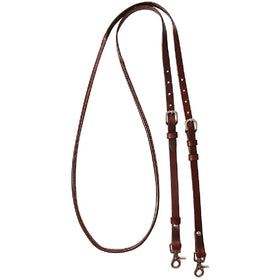
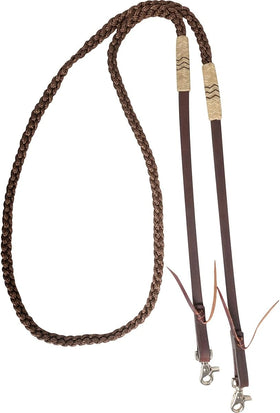
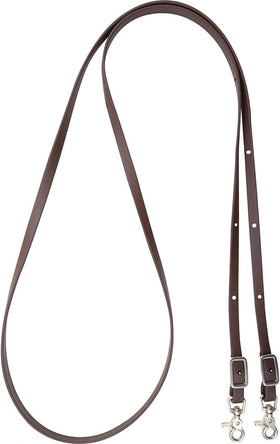
How to Choose the Perfect Split Reins
Picking out a pair of split reins is a lot like finding the perfect pair of boots. It’s a personal choice that comes down to feel, function, and your unique needs as a rider. The right reins feel like a natural extension of your arms, allowing for quiet, clear communication with your horse. But with so many options for length, width, and material, how do you know where to start?
Think about what’s most important for you and your horse. Are you training a young horse that needs clear signals, or are you a seasoned competitor looking for a specific weight and drape? Your hand size, your horse’s build, and the type of riding you do will all influence your decision. Let’s walk through the key factors to consider so you can find a pair that feels just right and helps you build a better connection with your horse. We’ll cover everything from getting the right dimensions to matching your reins to your experience level.
A Guide to Rein Length and Width
When you’re looking at split reins, the two most important measurements are length and width. Most split reins come in standard 7-foot or 8-foot lengths. An 8-foot rein is the go-to for most average-sized horses, giving you enough length to comfortably neck rein and provide slack when needed. If you ride a smaller horse or a pony, a 7-foot rein might be a better fit, as it leaves you with less excess leather to manage.
Widths typically range from 1/2 inch to 3/4 inch. A 5/8-inch rein is a popular middle ground, but the best choice depends on your hands. If you have smaller hands, a 1/2-inch rein will be easier to hold, while a 3/4-inch rein can provide a more substantial, secure grip for those with larger hands. The right combination of length and width will make your entire collection of horse tack work better for you.
Finding Your Grip: How to Pick the Right Thickness
Beyond width, the thickness and weight of the leather play a huge role in how the reins feel. As any experienced rider knows, two pairs of split reins can ride very differently depending on their construction. A thicker, heavier rein will have a nice drape and stay put, which is great for disciplines where you ride with a looser contact. However, it can also feel bulky if you have small hands.
On the other hand, a thinner, lighter rein offers a more delicate feel, allowing for subtle cues and closer contact. This can be ideal for sensitive horses or riders who prefer a lighter touch. Ultimately, it’s about finding a balance that feels comfortable and secure in your hands. Don’t be afraid to hold a few different pairs to get a sense of what you prefer. The right thickness will give you confidence in your grip without causing fatigue.
Matching Reins to Your Experience Level
Your skill level should definitely factor into your choice of reins. If you’re just starting out with split reins, you might prefer a medium-weight rein in a standard 5/8-inch width. This provides a secure feel that’s easy to manage while you’re getting used to handling the two separate strips of leather. It’s forgiving and functional, which is exactly what you need when you’re learning.
More experienced riders often develop specific preferences based on their discipline. Many Western events, from reining to horsemanship, require split reins. A reiner might look for a heavier rein that hangs clearly to signal a loose rein, while a trail rider might want something lighter and more flexible for navigating obstacles. As you advance, you’ll learn what works best for your riding style and your horse’s responsiveness.
Common Mistakes to Avoid When Buying Reins
It’s easy to get distracted by fancy buckles or unique colors, but focusing on the wrong details is a common pitfall. One of the biggest mistakes is buying reins that don’t fit your hands. If they’re too wide or thick, you’ll struggle to hold them correctly, which can interfere with your cues. Always prioritize a comfortable, secure grip over aesthetics.
Another mistake is not considering the leather quality. A cheap, stiff pair of reins won’t have the right feel or drape, making subtle communication nearly impossible. They can also be uncomfortable for both you and your horse. Instead, invest in a quality pair that is supple and well-balanced. Finally, don’t get a pair that’s excessively long for your horse. While you need enough slack, too much extra length just gets in the way and can become a nuisance on the trail.
Top Western Split Rein Brands to Know
When you start shopping for split reins, you’ll quickly notice a handful of brands that riders trust year after year. The right brand for you will depend on your riding style, personal preference for feel, and budget. Some brands are known for their buttery soft, high-end leather, while others are celebrated for their rugged, work-ready durability. Think about what’s most important for you and your horse. Do you need something that feels perfectly broken-in right out of the box, or are you looking for a versatile pair that can handle trail rides, arena work, and everything in between? Knowing your priorities will help you find a brand that feels like it was made just for you. Let's look at a few of the top names in the industry to get you started.
Spotlight: Hooves and Paws Premium Split Reins
With over 30 years of hands-on experience with horses, we’ve learned what separates good tack from great tack. That’s why we’ve developed our own line of premium split reins, designed with the dedicated rider in mind. We focus on sourcing high-quality, durable leather that offers the perfect combination of weight, balance, and feel. Our reins are crafted to provide clear communication between you and your horse without being too heavy or stiff. We believe every rider deserves reliable equipment they can trust, so we ensure our horse tack meets the highest standards of quality and craftsmanship. When you choose Hooves and Paws, you’re choosing gear that’s been thoughtfully selected by people who live and breathe the equestrian life.
A Look at Weaver and Buckaroo Leather
Weaver is a household name in the western world for a reason. They offer an impressive variety of reins, from their classic ProTack Oiled Split Reins that come soft and ready to use, to their durable Working Cowboy series built for daily work. Weaver’s commitment to quality and function means you can find a reliable pair of reins for almost any need or preference. Similarly, Buckaroo Leather is known for its versatility. Their products are designed to be great for many western riding disciplines, making them a fantastic choice for riders who do a little bit of everything. They focus on creating dependable, all-around reins that perform well whether you're on the trail or in the ring.
Exploring Options from Billy Royal and Dennis Moreland
If you’re looking for a more premium feel, Billy Royal is a brand to consider. They are well-known for their beautiful craftsmanship, particularly their Oiled Hermann Oak Harness Leather Split Reins. These reins are pre-oiled to feel great in your hands and drape perfectly alongside your horse from the very first ride. For riders in more specialized disciplines, a brand like Dennis Moreland might be the perfect fit. His reins are often oriented toward cowhorse work, typically measuring around 7 to 7.5 feet. This specific design provides the right length and feel for the quick, precise cues needed in that discipline, showing how some brands tailor their gear for specific performance needs.
What to Expect at Different Price Points
The cost of split reins can vary significantly, so it’s helpful to know what your money gets you. You can find entry-level options starting around $15, while high-end, handcrafted reins can cost nearly $200. For example, a quality pair from a brand like Buckaroo Leather might fall in the $68 to $98 range, depending on the width and length you choose. The price is influenced by several factors: the quality of the leather, the type of hardware used, and the level of craftsmanship. A higher price tag often reflects superior leather, hand-finished edges, and more durable hardware, all of which contribute to better balance, feel, and longevity.
How to Buy and Care for Your Split Reins
Once you've found the perfect pair of split reins, you'll want to make them last. A great pair of reins is an investment in your connection with your horse, so choosing wisely and caring for them properly is key. Let's walk through how to make a smart purchase and maintain your new tack so it serves you and your horse well for years to come. Taking these simple steps ensures your reins stay safe, supple, and ready for any ride.
Shopping for Reins: Online vs. Your Local Tack Store
Deciding where to buy your reins often comes down to personal preference. Your local tack shop is fantastic for getting your hands on the leather to feel the weight, thickness, and drape in person. However, you can’t beat the sheer variety offered by online stores. Reputable online retailers provide a wide selection of durable leather reins designed for a great feel and reliable control. Here at Hooves and Paws, we’ve carefully selected a collection of high-quality horse tack that we trust and stand behind, letting you easily compare excellent options from home.
How to Read Product Specs and Reviews
When you’re browsing online, the product description is your best friend. Pay close attention to details like the type of leather used, the length and width, and the kind of hardware. But don’t stop there; customer reviews are where you find the real story. For instance, riders often praise premium heavy leather split reins for their exceptional quality and craftsmanship. Reviews give you honest, real-world feedback on how the reins feel in hand and hold up over time, helping you choose with much more confidence.
Simple Care Tips for Long-Lasting Reins
A little care goes a long way in extending the life of your leather reins. After each ride, it’s a good habit to wipe them down with a damp cloth to remove sweat and dirt. Periodically, you’ll want to clean and condition them with a product made specifically for leather. This process keeps the leather supple and prevents it from drying out and cracking. Proper use is also part of care. Ensuring your western reins are adjusted correctly with other equipment, like a martingale, prevents unnecessary wear on both your gear and your horse.
Getting the Best Value for Your Money
Getting the best value doesn’t just mean finding the lowest price. True value is in a pair of reins that balances quality materials, durable construction, and a fair price point. You want reins that feel good in your hands, allow for clear communication with your horse, and are built to withstand regular use. A great pair of reins is an investment in your riding, combining comfort, function, and classic style. At Hooves and Paws, we focus on providing products that offer this kind of lasting value, all backed by our 365-day satisfaction guarantee.
Related Articles
- How to Choose the Right Horse Saddle Reins
- Roping Reins 101: Choose the Perfect Pair
- The Ultimate Guide to Roping Reins for Riders
- The Ultimate Guide to Horse Saddle Reins
Frequently Asked Questions
Are split reins difficult for a beginner to use? There is a small learning curve, but it’s more about building new habits than actual difficulty. The main adjustment is learning to manage two separate pieces of leather instead of a single loop. At first, you might feel like you're all hands, but with a bit of practice, handling them becomes second nature. The improved communication you'll gain with your horse makes the initial adjustment period well worth it.
How do I know if my reins are the right length when I'm riding? A good way to check is to sit comfortably in your saddle and hold the reins in a relaxed riding position. You should have enough slack to move your hands forward to your horse’s mane without pulling on the bit. You also want enough length so that if you were to drop one rein, you could lean over and pick it up without dismounting. If you have long tails of leather dragging near your feet, they are likely too long for your horse.
Is it okay to use split reins for trail riding? Yes, many experienced trail riders prefer them. The biggest reason is safety. If you have to dismount quickly or you fall, the two separate reins will simply fall to the ground, reducing the risk of your horse getting a leg tangled in a loop. They also allow you to give precise cues when navigating tight spots or obstacles on the trail.
What's the real difference between a $50 pair of reins and a $150 pair? The price difference almost always comes down to the quality of the leather and the level of craftsmanship. A more expensive pair is typically made from superior, pre-oiled leather that feels supple and balanced in your hands right away. They often feature hand-finished edges and better hardware. Essentially, you are investing in a better feel for clearer communication and a piece of tack that will last for many years.
How often should I be cleaning and conditioning my leather reins? For best results, wipe your reins down with a damp cloth after every ride to remove sweat and dirt. As for a deep clean and conditioning, the frequency depends on your climate and how often you ride. A good rule of thumb is to give them a thorough cleaning and conditioning every couple of months, or any time the leather starts to look dull or feel a bit stiff to the touch.


