


Your riding boots are the primary point of contact between you and your horse’s side, making them a critical tool for communication. A great boot does more than just complete your outfit; it provides the stability and close-contact feel that gives you confidence in the saddle. When your leg is secure and comfortable, you can focus on your ride and your connection with your horse. The search for the perfect pair of womens tall leather riding boots is about finding a partner that supports your goals. In this guide, we’ll cover the key features that contribute to a better ride, from high-quality leather to supportive footbeds.
Key Takeaways
- Prioritize a precise fit: Your perfect boot requires more than just a shoe size; accurately measuring your calf width and boot height is the most important step for finding a pair that is comfortable, safe, and supportive.
- Your discipline determines the design: The right boot style directly supports how you ride, so choose flexible field boots for jumping or stiffer dressage boots for flatwork to get the specific features you need for optimal performance.
- Make boot care a habit: You can significantly extend the life of your boots with a simple routine: wiping them down after each ride, conditioning the leather regularly, and using boot trees for storage will keep them in top shape.
What Makes a Great Riding Boot?
Finding the right pair of tall riding boots can feel like a quest, but it’s one of the most important investments you’ll make as a rider. A great boot isn’t just about looking polished in the saddle; it’s a critical piece of equipment that affects your comfort, safety, and communication with your horse. So, what separates a decent boot from a truly great one? It comes down to a perfect blend of fit, material, support, and style.
First and foremost, the fit has to be right. A well-fitting boot should feel like a second skin, providing stability without restricting circulation. It needs to be snug through the ankle and calf to keep your leg secure and prevent the boot from dropping too much as it breaks in. This precise fit ensures clear communication with your horse and helps you maintain the correct leg position.
The material is just as crucial. High-quality, full-grain leather is the gold standard for a reason. It’s durable, breathable, and molds to your leg over time for a custom-like fit. While synthetic options have improved, nothing beats the longevity and classic look of genuine leather. Think of it as an investment that, with proper care, will last for years of lessons, trail rides, and shows. Many top brands offer a variety of women's tall riding boots in both leather and synthetic materials to suit different needs and budgets.
Finally, a great boot is built for performance from the inside out. Look for features that provide superior support and cushioning, like a well-designed footbed and a sturdy sole that offers good grip in the stirrup. After all, long hours at the barn and in the saddle demand a boot that can keep up without leaving your feet sore. When you find a boot that combines that perfect, secure fit with quality materials and thoughtful construction, you’ve found a true partner for your ride.
The Best Brands for Tall Leather Riding Boots
When you’re investing in a pair of tall leather riding boots, the brand name on the box really does matter. Certain brands have earned their stellar reputations by consistently delivering on quality, comfort, and durability. They understand the demands of the sport and design their boots with the rider’s anatomy and performance in mind. From innovative footbed technology that keeps you comfortable during long hours at the barn to supple, high-quality leather that offers a close contact feel, these are the names that riders trust. Choosing a boot from a well-regarded brand means you’re not just buying footwear; you’re investing in a piece of equipment designed to support your passion for years to come.
Our Handpicked Selection
To help you get started, we’ve put together a list of our favorite brands. Each one brings something special to the table, whether it’s world-renowned Italian craftsmanship, cutting-edge ergonomic technology, or a perfect blend of style and function. We selected these brands based on their commitment to quality and their popularity among equestrians of all levels, from dedicated competitors to weekend trail riders. Think of this as your trusted guide to finding a brand that aligns with your needs, style, and budget.
Ariat
Ariat is a powerhouse in the equestrian world, and for good reason. They are masters of blending traditional craftsmanship with modern athletic footwear technology. Many of their boots feature the brand’s signature footwear technology, which provides incredible support and cushioning for your feet. This makes them exceptionally comfortable for all-day wear, whether you’re in the saddle or walking the showgrounds. Ariat offers a wide range of styles, from classic dress boots to versatile field boots, ensuring there’s a perfect pair for nearly every rider and discipline.
DeNiro
If you’re looking for luxury, elegance, and a bespoke fit, DeNiro Boot Co. is the brand for you. Handcrafted in Italy, DeNiro boots are celebrated for their exquisite attention to detail and use of the finest calfskin leather. They are known for offering a near-custom feel right out of the box, molding beautifully to the rider’s leg for a sleek, polished look. While they are a significant investment, their durability and timeless style make them a favorite among serious dressage and show jumping competitors who demand the best in both performance and presentation.
Tredstep
Originally from Ireland, Tredstep is known for its focus on creating a boot that truly fits the rider. They are celebrated for their innovative designs, which allow for immediate ankle flexion and can reduce break-in time. Tredstep boots are designed with the rider’s anatomy at the forefront, offering a sculpted fit through the calf and a comfortable, supportive footbed. This meticulous approach, which you can learn about through their design technology, results in a boot that feels like it was made just for you, providing the close contact and flexibility needed for top performance.
Mountain Horse
Mountain Horse excels at creating boots that are as functional and durable as they are beautiful. This Swedish brand is known for its high-quality materials and thoughtful features designed to withstand the rigors of equestrian life, including harsh weather. Many of their designs incorporate ergonomic comfort features and premium full-grain leather, offering a stylish look without sacrificing practicality. Mountain Horse boots are a fantastic choice for riders who need reliable, all-weather footwear that looks just as good in the schooling ring as it does out on the trail.
Ovation
Ovation Riding delivers impressive style and comfort at a price point that’s hard to beat. This brand is a go-to for riders who want a high-quality leather boot without the premium price tag. Ovation offers a fantastic range of women's tall boots that cater to different needs and calf sizes, making them a versatile and accessible option. They focus on creating comfortable, supportive, and stylish footwear that allows riders of all levels to look and feel their best. Their boots are perfect for growing equestrians, casual riders, or anyone looking for a great value.
Find the Right Style for Your Ride
Choosing the right tall riding boot is a lot like picking the right partner for a dance. It needs to fit well, support you, and match your style of movement. The type of riding you do will be the biggest factor in deciding which boot is best for you, as each style is designed with specific functions in mind. From the formal arena to the open field, the right boot is a key piece of your horse tack that provides comfort, stability, and a polished look. Let's walk through the most common styles to help you find the perfect pair for your discipline and needs.
Dressage Boots
Dressage boots are the black-tie attire of the equestrian world. They are designed for elegance and precision, featuring a stiff exterior and a high Spanish cut at the top to create a long, streamlined leg line. This rigidity helps you maintain a still, correct leg position, which is essential for communicating subtle cues to your horse. While they look formal, modern dressage boots are crafted to allow for maximum flexibility and close contact with your horse’s side. They don't have laces, which contributes to their sleek, polished appearance in the show ring.
Field Boots
If you’re spending your time in the jumping arena or out on a cross-country course, field boots are your go-to. Their defining feature is the lacing at the ankle, which provides the flexibility you need for a shorter stirrup length and a secure two-point position. This design allows your heel to drop comfortably over fences. Field boots are typically made from softer, more supple leather than dressage boots, which means a much shorter break-in period. They offer a fantastic combination of traditional style and athletic performance, making them a favorite among hunter, jumper, and event riders.
All-Purpose Boots
Not quite ready to commit to a single discipline? An all-purpose boot is a fantastic and versatile option. Think of it as a hybrid, blending features from both dressage and field boots. They offer more structure than a typical field boot but more flexibility than a stiff dressage boot. This makes them a great choice for riders who enjoy a little bit of everything, from flatwork and trail riding to small jumps. They’re also an excellent starting point for new riders who are still exploring different equestrian activities and want a boot that can handle it all.
Winter Riding Boots
Riding doesn't stop just because the temperature drops, and your feet shouldn't have to suffer for it. Winter riding boots are specifically designed to keep you warm, dry, and safe during cold-weather rides. They are typically insulated with materials like fleece or Thinsulate and often feature waterproof construction to protect you from snow and slush. Most importantly, they are built with safety in mind, including a distinct heel to prevent your foot from slipping through the stirrup and a sole with extra grip for walking on icy surfaces around the barn. They’re the perfect way to stay comfortable all season long.
Shop This Post

Featured in this article
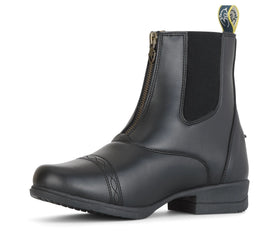
Shires Moretta Clio Plus Paddock Boots - Black, Lace-Up Equestrian, Gently Used
$29.99
Shop Now →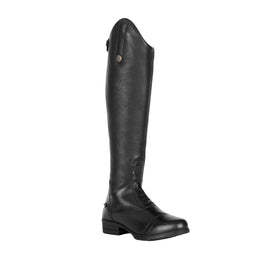
How to Find the Perfect Fit
Finding the right riding boot is about so much more than just your shoe size. A perfect fit is the foundation for comfort, stability, and a correct leg position in the saddle. When your boots fit properly, you can focus on your ride instead of pinching, rubbing, or slipping. On the flip side, ill-fitting boots can cause painful blisters, chafing, and even create safety issues if your foot gets stuck or slips in the stirrup. It’s a common mistake to just order your street shoe size and hope for the best, but tall boots require a more precise approach.
To get it right, you need three key measurements: your foot size, your calf width, and the boot height. Taking the time to measure correctly is the single most important step you can take before adding a new pair of boots to your horse tack collection. It’s the difference between a boot that feels custom-made and one that gathers dust in your closet. Don't worry, it's a simple process, and getting it right will pay off in every ride. Let’s walk through exactly how to find the measurements that will lead you to your perfect pair.
Measure Your Foot and Calf
Start with what you know: your standard shoe size. But don't stop there. The most critical measurement for a tall boot is your calf. For an accurate number, sit in a chair with your feet flat on the floor and your knees bent at a 90-degree angle. It’s best to do this while wearing the breeches and socks you typically ride in. For the calf measurement, have a friend use a soft measuring tape to find the circumference of the widest point of your calf muscle. Make sure to measure both calves, as they can differ slightly, and use the larger measurement for your order.
Find Your Correct Width
Your calf measurement directly translates to the boot width you’ll need. Each brand has a size chart that pairs foot sizes with different calf widths, often labeled as slim, regular, wide, or extra-wide. To find the best fit, you’ll use that number you just found by measuring around the fullest part of your calf. Always compare your measurement to the specific brand’s sizing guide, as a “regular” in one brand might be a “slim” in another. This simple step prevents the dreaded feeling of a boot that’s too tight to zip or so loose it slouches at the ankle.
Get the Right Boot Height
Next up is height. While still seated in the same position, measure from the floor up to the bend at the back of your knee. This number determines how tall the boot shaft should be. When you first try them on, the back of the boot should fit on the high back of the knee. It might feel a little restrictive at first, but this is exactly what you want. As you break them in, the leather around the ankle will soften and "drop" by an inch or two. Starting with the correct initial height ensures they don’t end up too short after they settle.
How to Break in Your New Boots
Let’s be honest: your new leather boots will probably not be comfortable during your first few rides. Stiff, quality leather needs time to soften and mold to the unique shape of your leg and foot. The best way to speed up this process is to wear them around the house for a few hours at a time. You can also wear thick socks to help stretch the leather. If the back of the boot is digging into your knee, try using heel lifts temporarily. This will give you a little extra clearance until the boots drop. Patience is key, and soon they’ll feel like a second skin.
Spotting a High-Quality Riding Boot
When you’re investing in a pair of tall riding boots, you want to know they’ll last. A great boot isn’t just about looks; it’s about performance, safety, and comfort that holds up ride after ride. Knowing what to look for can make all the difference between a pair that falls apart after a season and one that becomes a trusted part of your riding gear for years. By paying attention to a few key details like the leather, construction, and sole, you can confidently choose a boot that meets your needs.
Leather Quality 101
The material of your boot is its foundation, and high-quality leather is the gold standard for a reason. Full-grain leather is the most durable and breathable option, and it has a beautiful ability to mold to your leg over time for a nearly custom fit. While many modern boots use synthetic materials, which can be great for easy care and affordability, they often lack the longevity and personalized comfort of genuine leather. When you’re examining a boot, feel the leather. It should feel supple and strong, not stiff or plastic-like. A well-made leather boot is a long-term partner in your riding journey, providing support and a classic look that never goes out of style.
Prioritizing Comfort and Support
You spend hours in your boots, so comfort is non-negotiable. A high-quality boot is designed with the rider’s anatomy in mind, offering features that reduce fatigue and keep you focused. Look for cushioned footbeds, which absorb shock both in and out of the saddle. Many top brands incorporate their own support technology, like layered insoles that provide rebound and stability. A moisture-wicking lining is another essential feature, as it helps keep your feet dry and comfortable during intense rides. Don’t overlook ankle support; a well-structured boot will help stabilize your leg position without feeling restrictive. These comfort-focused details are hallmarks of the best-selling products trusted by equestrians.
Explore our curated selection of women's riding boots to find a pair that combines lasting comfort with timeless equestrian style.
Check the Sole and Grip
The sole is where the rubber literally meets the stirrup, and its design is critical for your safety and performance. A proper riding boot sole has two key features: a defined heel and a suitable tread. The heel should be about one inch high to prevent your foot from accidentally slipping through the stirrup. The tread should offer enough grip for stability without being so deep that it gets stuck. Look for durable rubber soles that can withstand walking on various surfaces around the barn. The overall fit, especially around the calf, also contributes to how the boot feels and performs, ensuring your foot stays securely in place.
Consider Weather Protection
Your riding doesn’t stop when the weather turns, and your boots shouldn’t have to, either. Think about the conditions you ride in most often. If you frequently ride outdoors or live in a rainy climate, a waterproof boot can be a game-changer. Many all-weather boots feature waterproof membranes and sealed seams to keep your feet completely dry without sacrificing breathability. For those in colder regions, insulated boots provide extra warmth without adding bulk. While a sleek, non-waterproof boot might be perfect for the show ring or an indoor arena, having a pair of reliable, weather-protected horse tack is a smart move for any dedicated rider.
Breaking Down the Cost of Riding Boots
When you start shopping for tall leather riding boots, the price tags can feel like they're all over the map. It helps to know what you're getting for your money at different price points. You can find a great, safe boot for everyday riding without spending a fortune, but you can also invest in a pair that feels like it was made just for you. Understanding these tiers will help you find the perfect balance between your budget and your riding goals. Whether you're a weekend rider or a seasoned competitor, there's a boot out there that fits your needs and your wallet.
Budget-Friendly Options ($94-$300)
For riders just starting out or those who don't spend every day at the barn, budget-friendly boots are a fantastic choice. In this range, you'll find durable boots made from quality grained leather or a combination of leather and synthetic materials. They offer the essential support and protection you need for safe riding without a hefty price tag. Many reputable brands offer excellent entry-level boots that are stylish, comfortable, and built to last through many lessons and trail rides. It's the perfect way to get the classic look and feel of a tall boot without a major financial commitment.
Mid-Range Selections ($300-$600)
If you're riding several times a week or starting to compete, you'll appreciate the step up in quality that mid-range boots offer. This is where you’ll start to see boots made from softer, more supple full-grain calfskin that requires less break-in time. They often include more advanced features like cushioned footbeds, moisture-wicking liners, and more refined detailing. These boots provide a closer contact feel with your horse and are designed for greater durability and comfort during long hours in the saddle. Think of this category as a solid investment in your performance and daily comfort.
Premium Investment Pieces ($600+)
For the dedicated equestrian, premium boots are the ultimate investment in performance and craftsmanship. These boots are typically crafted from the finest European leathers and offer an almost custom-like fit right out of the box. You can expect exquisite details, superior construction, and features designed for top-level performance. Many brands in this tier offer semi-custom or full custom boot options, allowing you to choose everything from the leather type to the zipper placement. While they come with a significant price tag, these boots are built to last for years with proper care, making them a worthwhile choice for serious riders.
Common Boot-Buying Mistakes to Avoid
A great pair of riding boots is an investment in your comfort, safety, and performance. But with so many options out there, it's easy to make a misstep that leads to painful break-in periods or a boot that just doesn't last. We want to help you get it right the first time. Avoiding a few common mistakes will ensure you end up with boots you love to wear, ride after ride. Here are the most frequent slip-ups to watch out for so you can shop with confidence.
Prioritize Function Over Fashion
It can be tempting to grab a stylish pair of "riding-style" boots from a fashion brand, but they aren't built for the real work of riding. True equestrian boots are designed for performance. As one shopping guide points out, fashion boots often have different silhouettes and lack the snug fit and support needed for schooling and competition. A proper riding boot provides stability in the stirrup, protects your leg, and allows for clear communication with your horse. When you're looking for reliable horse tack, always choose brands that understand the demands of the sport.
Don't Forget Your Calf Width
A perfect fit is non-negotiable, and that goes way beyond your shoe size. The most common reason a boot doesn't work out is an incorrect calf measurement. A boot that’s too tight is painful, while one that’s too loose will bunch at the ankle. To find your best fit, a boot fitting guide recommends you "take a measuring tape, and measure around the fullest part of your calf." It's also a great idea to measure both legs while wearing your usual breeches and socks. If the measurements differ, another guide on measuring for tall boots suggests you should "use the larger size" to ensure a comfortable fit.
Match the Boot to Your Discipline
Not all riding boots are created equal. The right boot for a dressage rider is very different from what a show jumper needs. As the experts at Ovation Riding note, fitting riding boots properly is essential for your safety and performance. Dressage boots, for instance, are typically much stiffer to encourage a long, still leg position. Field boots have laces at the ankle to provide the flexibility needed for a shorter stirrup length over fences. Choosing a boot designed for your specific discipline ensures you have the right support and freedom of movement to ride your best.
Keep Your Boots in Top Shape
A great pair of riding boots is an investment in your comfort, safety, and style. Just like the rest of your horse tack, your boots need consistent care to stay in prime condition. A little effort goes a long way in extending their life and keeping the leather supple and strong. By building a simple care routine, you can protect your boots from the daily wear and tear of barn life and ensure they look sharp for years to come. Here’s how to keep them looking and feeling their best, from daily wipe-downs to long-term storage.
Your Daily Care Routine
After every ride, take a minute to wipe down your boots with a slightly damp cloth or sponge. This simple step removes dirt, manure, and sweat before they have a chance to settle in. These contaminants can leech into the leather over time, causing it to dry out, crack, and weaken. Think of it as a quick reset for your boots that prevents long-term damage and keeps them ready for your next ride. It’s the single most effective habit for prolonging the life of your leather and takes less time than cooling out your horse.
How to Deep Clean and Condition
For a more thorough cleaning, use a leather-specific cleaner to gently lift away any built-up grime. Pay special attention to zippers and closures, as sand and mud can cause them to stick or break. After cleaning, apply a quality leather conditioner to restore moisture and flexibility. To help your boots hold their shape perfectly, slide boot trees in while the leather is still slightly damp from cleaning. This prevents the ankles from dropping and creasing as they dry, keeping them looking crisp and tall for a polished look in the ring.
Store Your Boots Properly
How you store your boots is just as important as how you clean them. Always use a good pair of boot trees to maintain their upright shape and prevent sagging at the ankle. Store them in a cool, dry place away from direct sunlight or heat sources like vents, which can dry out and fade the leather. For extra protection against dust and scuffs, especially when traveling or storing them for a longer period, a boot bag is a great idea. Proper storage ensures your boots are always protected and ready to go when you are.
Ready to Find Your Perfect Pair?
Finding the right tall leather riding boots is an investment in your comfort, safety, and style. With so many options out there, it’s all about matching the right features to your needs in the saddle. Whether you spend long hours training or enjoy leisurely trail rides, the perfect boot will feel like it was made just for you. Now that you know what to look for in terms of quality, fit, and function, you can shop with confidence.
Brands like Ariat are renowned for their innovative 4LR technology, which offers incredible support and cushioning for all-day wear. For those who appreciate fine craftsmanship, the luxurious Italian leather and elegant design of Parlanti boots are a top choice among competitive riders. You can also explore a wide selection of tall riding boots from trusted names like Tredstep and DeNiro, ensuring you find a pair that fits your personal style and performance demands.
Before making a final decision, the most important step is to get your measurements right. A proper fit is essential for performance and comfort, so take a moment to measure your calf and foot height accurately. This simple step will make all the difference in how your boots feel and perform, preventing pinching, slipping, and discomfort down the line.
With these insights, you’re well-equipped to find boots that will enhance your riding experience for years to come. You can start by exploring our curated collection of horse tack, where we’ve handpicked quality options to suit every rider.
Related Articles
- 9 Best Equestrian Riding Boots: Our 2026 Picks
- The Ultimate Guide to Women's Equestrian Riding Boots
- English Riding Boots 101: The Complete Guide
- Best Equestrian Riding Boots Guide | Hooves & Paws
Frequently Asked Questions
What's the single most important factor when choosing a new pair of riding boots? Without a doubt, the most important factor is the fit. A great boot should feel snug through your calf and ankle without cutting off circulation. To achieve this, you need to take three measurements before you buy: your foot size, the width of your calf at its widest point, and the height from the floor to the back of your knee. Getting these numbers right is the key to finding a boot that is comfortable, safe, and helps you communicate clearly with your horse.
How do I decide between field boots and dress boots? Your decision should be based on the type of riding you do most often. Field boots have laces at the ankle, which offer the flexibility needed for jumping disciplines like hunters, jumpers, and eventing. Dress boots are much stiffer and have no laces, creating a formal, elongated leg line that is preferred for dressage. If you ride in multiple disciplines or are just starting out, a field boot is often the more versatile choice.
Is it really necessary to spend a lot of money on riding boots? Not at all. You can find safe, durable, and stylish boots without a premium price tag, which are perfect for casual riders or those new to the sport. As the price increases, you are typically paying for higher-grade, softer leathers, more advanced comfort technology in the footbed, and finer craftsmanship. The best approach is to match your investment to how frequently you ride and what your performance goals are.
My new boots feel really stiff. Is that normal? Yes, that is completely normal and actually a good sign. Quality leather boots require a break-in period, and that initial stiffness means the material is sturdy and built to last. The leather will soften and mold to the specific shape of your leg over time. The best way to speed this up is to wear them around the house for short periods before you ride in them.
How can I make my new leather boots last as long as possible? Consistent care is the secret to a long-lasting pair of boots. The most effective habit is to wipe them down with a damp cloth after every single ride to remove sweat and dirt, which can degrade the leather. Periodically, you should also use a proper leather cleaner and conditioner to restore moisture. Finally, always store them with boot trees inside to help them keep their shape and prevent the ankles from sagging.


