


A lost shoe is more than just an inconvenience. It’s a call to the farrier, a disruption to your riding schedule, and an unexpected bill. The usual culprit? A simple misstep called an overreach, where the back foot clips the front heel, ripping the shoe right off and causing painful cuts. But you can prevent this frustrating cycle. A quality pair of overreach boots for horses is a small, proactive investment that saves you from these recurring headaches. Think of them as affordable insurance for your horse’s soundness and your farrier bills. Let's find the perfect pair for your horse's needs and your budget.
Key Takeaways
- Prevent Costly Injuries: Overreach boots are your first line of defense against painful hoof strikes that can lead to lameness, pulled shoes, and vet bills. Think of them as essential safety equipment, not just an optional accessory.
- Prioritize Fit and Function: The best boots are made from durable materials, have secure closures, and fit comfortably. Always measure your horse's pastern for the right size and ensure you can slide one finger under the top edge to prevent rubbing.
- Use Them When It Counts: Your horse should wear overreach boots during any high-energy activity, including training, jumping, turnout, and trailering. Match the boot style (like no-turn or traditional rubber) to the specific activity for the best protection.
What Are Overreach Boots and Does Your Horse Need Them?
If you've spent any time around horses, you've likely seen bell-shaped rubber boots fitted around their front hooves. These are called overreach boots, and they're more than just an accessory. They serve as essential protective gear, shielding your horse from a common and painful injury known as an overreach. Understanding what this injury is and how these simple boots can prevent it is a key part of responsible horse care. Let's get into what makes them such a vital piece of equipment for many horses.
What Is an Overreaching Injury?
An overreaching injury happens when a horse's back hoof clips the heel or pastern area of its front foot while in motion. Think of it as the horse accidentally stepping on its own front heel. This can happen during training, turnout, or even when traveling in a trailer. The resulting damage can range from a minor scrape to a deep cut that affects critical structures like joints and tendons. It can also cause the horse to pull off a front shoe, which is frustrating for you and uncomfortable for them. Some horses are more prone to overreaching due to their conformation or gait, making protection even more important.
Is Your Horse at a Higher Risk for Overreaching?
While any horse can take a bad step, some are naturally more susceptible to overreaching. Several factors, from their physical build to the ground they walk on, can increase the odds of a hoof-to-heel collision. It’s not about finding flaws in your horse, but about understanding their individual needs so you can provide the best care. Knowing these risk factors helps you stay one step ahead and decide when protective gear is not just a good idea, but a necessity. Let's look at the key things that might put your horse in the high-risk category.
Conformation and Gait
A horse's natural build plays a huge role. Horses with a short back and long hind legs often have a harder time keeping their back feet from catching their front ones. Similarly, a horse with a big, powerful stride or quick hind-leg action is more likely to overreach simply because their back feet cover so much ground so quickly. This isn't a flaw; it's just their unique way of moving. If your horse is built more like a sports car—compact and powerful—you'll want to be extra vigilant about protecting their front heels during exercise and turnout. Using the right horse tack can support proper movement, but physical protection is the most direct solution.
Hoof Balance and Shoeing
Proper hoof care is critical for preventing interference injuries. A hoof with a long toe and low heel has a slower "breakover," which is the moment the hoof rolls forward to leave the ground. This delay can leave the front foot in the path of the incoming hind foot for a split second too long. An imbalanced hoof can also cause unsteady movement, increasing the chance of a misstep. This is why a great relationship with a skilled farrier is so important. They can ensure your horse's hooves are trimmed and shod to promote an efficient, clean stride, which is a fundamental part of maintaining soundness and preventing self-inflicted injuries.
Age and Fitness Level
Just like people, horses can be a bit clumsy at different life stages. Young horses are often still figuring out where all their long legs are supposed to go, making them prime candidates for accidental nicks and scrapes. Their coordination is still developing, so missteps are common. On the other end of the spectrum, any horse can overreach when it gets tired. Fatigue leads to sloppy movements and a loss of precision. Pushing a horse beyond its current fitness level can easily result in an injury, so it's important to build stamina gradually and know when to call it a day.
Ground Conditions
The surface your horse works on can dramatically affect their stride and stability. Deep, muddy, or heavy ground can create a suction effect, slowing the front feet from lifting away cleanly. This gives the back feet a perfect opportunity to catch up and strike the heel. Likewise, slippery or uneven terrain can disrupt a horse's natural rhythm and balance, causing them to scramble and step on themselves. When you're riding or turning your horse out in challenging conditions, using a durable pair of overreach boots provides an essential layer of defense against the unexpected.
How Do Overreach Boots Actually Protect Your Horse?
Overreach boots, also known as bell boots, create a physical barrier around the horse's front hooves. They are designed to absorb the impact if the hind hoof strikes forward, protecting the delicate heel bulbs and coronary band from cuts and bruises. Think of them as a helmet for your horse's heels. This simple piece of protective horse tack can save you from dealing with painful injuries, lost shoes, and potential vet bills. By covering the entire hoof, they ensure that any impact from the hind foot is deflected, keeping the sensitive parts of the front foot safe and sound during exercise or turnout.
Choosing the Best Overreach Boots: What to Look For
When you start shopping for overreach boots, the sheer number of options can feel overwhelming. From different materials and colors to various closure types, how do you know which pair is right for your horse? The key is to look past the surface-level features and focus on the three pillars of a quality boot: durability, security, and comfort. These elements are what truly make a difference in protecting your horse from painful overreach injuries that can lead to lameness and costly vet bills.
Choosing the right boot is an investment in your horse's health and your own peace of mind. A well-made pair will stand up to daily use, stay securely in place, and keep your horse comfortable, allowing them to perform their best without irritation or distraction. Think of it like buying a good pair of work boots for yourself; you wouldn't settle for something flimsy that falls apart or gives you blisters. Your horse deserves the same consideration. Let’s break down exactly what to look for in each of these areas so you can make a confident and informed choice.
Why Material and Durability Matter Most
The first thing to check is what the boots are made of. Since their main job is to absorb impact, you need a material that can handle wear and tear. Look for boots made from tough, hard-wearing materials like rubber or Ballistic nylon. These boots are specifically designed to protect a horse's hooves from overreaching, so they need a strong outer layer to be effective. A durable boot won't just protect your horse better; it will also save you money in the long run since you won't have to replace it as often. Investing in quality materials is always a smart move for essential horse tack.
Find a Closure System That Stays Put
A boot is only as good as its ability to stay on your horse’s hoof. A secure closure system is non-negotiable. Most overreach boots use hook-and-loop fasteners (like Velcro), and you’ll want to find a pair with strong, reliable closures that won’t pop open mid-ride. The best designs are secure enough to stay in place during turnout or exercise but are also easy for you to put on and take off. A boot that’s constantly slipping or falling off is not only annoying but can also become a tripping hazard, so never overlook the importance of a good closure.
Prioritize Comfort and Breathability
Protection shouldn't come at the cost of comfort. A poorly fitting or rough boot can cause rubbing and irritation around your horse’s pastern. To prevent this, look for boots with soft linings made from materials like neoprene, fleece, or faux fur. Some of the best boots also feature an "UltraShock" lining that absorbs energy from impacts, keeping the hoof, cornet band, and heel bulbs safe and comfortable. Making sure the boot is a good fit will prevent chafing and ensure your horse is happy to wear it. At Hooves and Paws, we believe that comfortable gear is essential for a happy horse.
Shop This Post

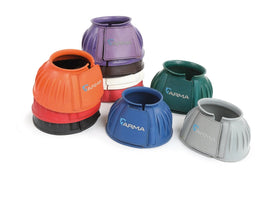
How to Get the Right Fit for Overreach Boots
Finding the right overreach boots is about more than just picking a size off the shelf. A proper fit is the key to ensuring your horse is comfortable and the boots are actually doing their job. Boots that are too tight can cause rubbing and sores, while boots that are too loose can spin, get filled with debris, or even trip your horse. Taking a few minutes to measure and check the fit will save you a lot of headaches down the road and keep your horse safe and sound. Think of it like finding the perfect pair of running shoes for yourself; you wouldn't just guess your size and hope for the best. Let's walk through the simple steps to get it right.
Start by Measuring Your Horse's Pastern
The most reliable way to find the correct size is to start with a measurement. Grab a soft fabric measuring tape and wrap it around the widest part of your horse's pastern, which is the area just above the hoof. This simple circumference measurement is the number you'll need. Most manufacturers provide a size chart on the packaging or online product description. You can compare your horse's measurement to their chart to find the recommended size. This takes the guesswork out of the equation and gives you a solid starting point for selecting the right horse tack.
Getting the Length Just Right
After you've checked the fit around the pastern, the next step is to assess the length. This is crucial because a boot that's too short won't protect the areas that need it most. The bottom of the overreach boot should cover the entire hoof wall down to the heel bulbs, extending about a quarter to a half-inch below them. When your horse is standing still, the back of the boot should just touch or hover slightly above the ground. This positioning ensures it creates a physical barrier to absorb impact from a hind hoof. Be careful that it isn't too long, though; a boot that bunches up or gets stepped on can become a tripping hazard, turning a piece of protective horse tack into a liability.
Avoid These Common Sizing Mistakes
Many horse owners make a couple of common mistakes when sizing overreach boots. First, they focus too much on the coronet band. For most boot styles, the pastern circumference and the height of the hoof are actually more important for a secure fit. Another frequent error is measuring at the wrong time. For the most accurate sizing, always measure your horse's hooves right after a fresh trim. This is when the hoof is at its smallest in the trim cycle, ensuring the boots won't become too tight as the hoof grows. Avoiding these pitfalls will help you find a great fit from the start.
How to Tell if the Boots Fit Correctly
Once you have the boots, it’s time for a quick fit check. The top of the boot should sit comfortably around your horse's pastern. It needs to be snug enough that it doesn't spin around or slide up and down, but you should still be able to fit a finger between the boot and your horse's skin to prevent rubbing. If you've chosen a no-turn style, look for the small nodule on the inside. This bump is designed to sit neatly between the heel bulbs to keep the boot in place. A well-fitting boot provides protection without interfering with your horse's natural movement.
Testing the Fit in Motion
A stationary fit check is a great start, but the real test happens when your horse is moving. After you’ve put the boots on, ask your horse to walk and trot a few steps in a straight line. Watch closely to see how the boots behave. They shouldn't twist, rub, or bounce excessively. If they seem to be impeding your horse's stride in any way, they might be too big or bulky. Remember, a well-fitting boot provides protection without interfering with your horse's natural movement. This final check ensures the boots are not only secure but also comfortable for your horse during any activity, from a quiet trail ride to an energetic training session.
A Quick Tip for Applying Pull-On Boots
Pull-on rubber boots are known for their durability, but they can be a real struggle to get on. Here’s a simple trick to make it easier: turn the boot completely inside out first. Then, slide it over your horse's toe and position it correctly. Once it's in place, simply grab the bottom edge and roll it up and over the heel. This method gives you much better leverage and saves you from wrestling with stiff rubber. For boots with strap closures, the process is more straightforward—just place the boot over the heel and fasten it snugly. This little hack can make your grooming routine much smoother.
Which Type of Overreach Boot is Right for You?
Once you start shopping for overreach boots, you'll notice they come in a few different styles. While they all serve the same basic purpose of protecting your horse's front hooves, some are better suited for specific situations than others. Understanding the key differences in design will help you pick the perfect pair for your horse’s needs, whether they’re out in the pasture or training for an event. Let's look at the most common types you'll find.
Bell Boots vs. No-Turn: What's the Difference?
Traditional bell boots are the classic, bell-shaped rubber boots you’ve likely seen before. They are simple, affordable, and get the job done for general protection during turnout or light work. Their main drawback is that they can spin around the pastern, which might leave the heel bulb exposed at the exact moment you need it covered.
No-turn boots solve this problem with a clever design. They have a small, soft bulb on the inside that fits into the hollow of your horse's heel, or they are shaped more anatomically to prevent rotation. This feature keeps the boot securely in place, making them an excellent choice for riding, jumping, or any activity involving quick movements where consistent coverage is key.
Choosing Between Ribbed and Smooth Designs
You'll also see overreach boots with either a smooth or a ribbed exterior. Smooth boots are the standard and are incredibly easy to wipe clean, which is a huge plus after a muddy turnout or a dusty ride. They offer solid, reliable protection for everyday use and are a popular choice for their simplicity.
Ribbed boots feature horizontal grooves that add an extra layer of durability and shock absorption. The idea is that these ridges help deflect impact and provide a bit more reinforcement against strikes from the hind hooves. While some riders swear by them for intense work, the choice between ribbed and smooth often comes down to personal preference. The most important factor is always a proper fit, not just the texture of the boot.
Pull-On Boots for Maximum Security
For the horse that seems to have a magical ability to destroy or lose their boots in the pasture, pull-on boots are a game-changer. These boots have no fasteners at all; they are made from a durable, stretchy rubber that you literally have to pull on over the entire hoof. While they require a bit more muscle to get on and off, their biggest advantage is their security. Once they’re on, they stay on. This makes them an ideal choice for heavy use or long turnout periods where you can’t be there to check on them. If you’re tired of searching for lost boots in a muddy field, the reliability of a pull-on style is hard to beat.
Specialty Boots for Extra Protection
Sometimes, a standard boot just doesn't cut it. That’s where specialty overreach boots come in, offering features tailored to specific needs. For instance, if you often ride at dawn or dusk, you can find boots with reflective strips to increase visibility and safety. Other designs incorporate extra padding around the toes or offer unique support for horses recovering from certain hoof injuries. You can also find boots lined with genuine sheepskin for horses with sensitive skin that is prone to rubbing. These specialized options ensure you can find the perfect piece of horse tack that provides not just protection, but also addresses the unique requirements of your horse and your riding discipline.
Matching the Boot to Your Riding Discipline
The right boot also depends on what your horse will be doing. For turnout, you’ll want something tough, waterproof, and easy to clean with secure closures that can stand up to mud and hours of wear. For training and exercise, look for a lightweight, breathable boot that won’t cause rubbing or overheating; many riders prefer a no-turn style for this. When you’re hauling or competing, a sturdy boot that offers maximum protection is essential to prevent injury in the trailer or the ring. Our collection of best-selling products includes durable options perfect for any situation.
My Top Picks for Overreach Boots
With so many options on the market, finding the perfect pair of overreach boots can feel like a big task. That’s why we’ve done the legwork for you. Drawing on our team’s decades of hands-on experience with horses, we’ve put together a list of our favorite boots from brands we trust. We stand behind these recommendations because we know they offer the protection, durability, and fit that your horse deserves. Whether you’re schooling, competing, or just turning your horse out to pasture, these picks will help keep their hooves safe and sound.
For Everyday Use: The Hooves and Paws Collection
Overreach boots, often called bell boots, serve a critical purpose: they protect your horse’s front hooves and heels. They act as a shield, preventing the back hooves from striking the sensitive heel bulbs or pulling off a front shoe during movement. At Hooves and Paws, we’ve carefully selected a range of boots that meet our high standards for quality and performance. We look for tough materials and secure closures that can handle daily wear and tear. You can explore our full selection of horse tack to find the perfect match for your horse’s needs, knowing each pair is chosen with safety and durability in mind.
Trusted Brands: Professional's Choice & Classic Equine
When it comes to reliable protection, Professional's Choice and Classic Equine are two brands that consistently deliver. Professional’s Choice Ballistic Overreach Boots are a popular choice for good reason; they feature an UltraShock lining that does an incredible job of absorbing energy from an overreach, protecting the most vital areas of the hoof. Similarly, Classic Equine develops its protective gear alongside professional horsemen, ensuring every design is tested for real-world performance. These brands are staples in our collection because they create some of the most dependable and best-selling products available for riders who refuse to compromise on quality.
Performance Favorites: Woof Wear & Equilibrium
For riders looking for variety and innovation, Woof Wear and Equilibrium are fantastic brands to consider. They offer boots made from a wide range of hard-wearing materials, from traditional rubber to advanced carbon-effect shells, so you can find the right level of protection for any activity. Woof Wear is known for its durable, no-frills designs that are perfect for everyday use, while Equilibrium often incorporates thoughtful features for enhanced comfort and fit. We love these brands because they provide excellent, specialized options that cater to different disciplines and horse sensitivities, ensuring there’s a great boot for every horse in the barn.
When Should Your Horse Wear Overreach Boots?
So, you have the perfect pair of overreach boots. Now, when exactly should your horse wear them? The simple answer is: anytime they might be at risk of an overreach injury. While some horses are more prone to it due to their conformation or gait, many situations can increase the chances of a hoof strike. Think of these boots as essential safety gear, just like a helmet for a rider. Using them consistently during high-risk activities is one of the easiest ways to prevent painful, costly, and frustrating injuries. Let's walk through the most common scenarios where overreach boots are a must-have.
For Daily Training and Exercise
Anytime you're asking for more effort from your horse, overreach boots are a smart choice. During training sessions, especially when jumping, lunging, or working on uneven terrain, the risk of a hind hoof clipping a front heel increases. The exertion can alter their stride just enough to cause a misstep. These boots act as a crucial shield for the delicate heel bulbs and coronary band. By making them a standard part of your horse's tack for every ride, you're building a routine that prioritizes safety and helps prevent injuries that could sideline your training schedule. It’s a simple step for major peace of mind.
In the Pasture and the Show Ring
Protection doesn't stop when the training session ends. Many horses are surprisingly active during turnout, and a playful buck or quick turn in the pasture can easily lead to an overreach injury. If your horse has a history of pulling shoes or injuring themselves in the field, boots can be a lifesaver. The same goes for the high-energy environments of competitions and even just trailering. The stress and excitement of a new place can lead to bigger movements and a higher risk of injury. Using a durable, well-fitting pair of bell boots provides that extra layer of security, ensuring your horse arrives and performs safely.
Safety Considerations and Competition Rules
Overreach boots are a fantastic piece of safety equipment, but using them effectively means being aware of a few key details. It’s not just about strapping them on and hoping for the best; being an informed owner means understanding the full picture. This includes knowing exactly how they protect your horse from injury, being mindful of the specific rules if you compete, and recognizing potential risks to avoid. Thinking through these points ensures you’re using the boots to their full advantage while keeping your horse as safe as possible. It’s all part of being a proactive and knowledgeable partner for your horse, whether you're on the trail or in the show ring.
Protection from Interference and Brushing
The main job of an overreach boot is to act as a physical barrier for your horse's front hooves. Think of them as a helmet for the heels. When a horse's hind hoof swings forward and strikes the front, these boots are designed to absorb the impact, shielding the most vulnerable areas. This includes the delicate heel bulbs and the coronary band, which is critical for healthy hoof growth. By taking the brunt of the force, they prevent painful cuts, bruises, and the all-too-common frustration of a pulled shoe. This simple layer of protection can make a huge difference in preventing lameness and keeping your horse comfortable and sound.
Know the Rules for Your Discipline
If you plan to compete, it's crucial to know that not all overreach boots are show-ring legal. Different equestrian disciplines have specific rules about the type of equipment allowed, and boots are no exception. For example, some high-level dressage or FEI-sanctioned events may prohibit certain styles, materials, or weighted boots. Before you head to a show, always take a moment to check the rules for your specific discipline and governing body. This simple step can save you from the disappointment of being disqualified over a tack violation and ensures you’re competing on a level playing field.
Understanding Potential Safety Risks
While they offer great protection, it's also important to be aware of potential safety risks associated with overreach boots. A poorly fitting boot can cause rubbing and sores around the pastern, so ensuring a proper fit is your first priority. Some experts also caution that a horse could potentially stumble if they step directly on a traditional rubber boot. Additionally, if the boots are too loose, mud and debris can get trapped underneath, leading to skin irritation. Regularly checking the fit and keeping the boots clean will help you avoid these issues and ensure they remain a helpful tool, not a hazard.
A Guide to Overreach Boot Prices
Figuring out your budget is a great first step when shopping for overreach boots. The good news is that there’s a pair for every price point, so you can find the right protection without overspending. Prices can range from less than $20 for a basic pair to over $100 for high-performance, premium models. The difference in cost usually comes down to the materials used, the durability of the construction, and any special features like no-turn designs or soft fleece lining. A higher price often means tougher, more resilient materials that can withstand rigorous training, but that doesn't mean less expensive options can't do a great job for daily use.
Whether you need a simple, sturdy pair for daily turnout or a specialized set for the show ring, understanding the price tiers can help you make a smart choice. We can break down the options into three main categories: budget-friendly, mid-range, and premium. This will give you a clear idea of what to expect from each price level and help you find the perfect balance of quality and cost for your horse’s needs. Let’s look at what you can get for your money so you can feel confident in your purchase.
The Best Options Under $30
You don’t have to spend a lot to get effective protection. In the under-$30 range, you’ll find plenty of reliable overreach boots that get the job done. These are often made from durable rubber or neoprene and are perfect for everyday use, light riding, or turnout. They’re also a great choice if your horse is particularly skilled at losing or destroying their boots in the pasture. For example, options like the Shires ARMA Over Reach Boots often sell for around $19.99, while you can find pairs like the Pro Cho Ballistic Overreach Boots for about $27. These boots provide the essential protection your horse needs without a big financial commitment, making them a practical part of your horse tack collection.
Quality Finds from $30 to $60
This price range is the sweet spot for many horse owners, offering a fantastic balance of performance, durability, and price. Mid-range boots often feature tougher materials, more secure closures, and thoughtful design elements like no-turn knobs that keep them perfectly in place during exercise. A popular choice in this category is the Professional's Choice Quick-Wrap Bell Boots, which provide excellent coverage and are built to withstand regular training and competition. Investing in a mid-range pair is a smart move if you ride frequently and need boots that can keep up. These options are often among the best-selling products for their reliability and value.
Investing in Premium Boots (Over $60)
For riders seeking the highest level of performance and quality, premium overreach boots are the way to go. Priced at $60 and up, these boots are crafted from superior materials like genuine leather, high-grade synthetics, or even sheepskin for ultimate comfort. They are designed for maximum durability and protection during intense activities like jumping or cross-country. An example is the Kentucky Horsewear Leather Overreach Boots, which retail for around $109.99. While they are a bigger investment, their expert craftsmanship, enhanced comfort, and long-lasting build make them a worthwhile choice for serious competitors or horses with specific protection needs. You can explore a full range of horse tack to find the perfect premium option.
Where to Shop for the Best Deals
Finding the right overreach boots for your horse shouldn't mean emptying your wallet. With a little savvy shopping, you can get high-quality protection at a price that makes sense for your budget. The key is knowing where to look and how to recognize a genuinely good offer when you see one. Whether you're browsing from your couch or your tack room, great deals are out there.
The internet has made it easier than ever to access a massive variety of tack from countless retailers. This competition is great for us as consumers because it keeps prices competitive and pushes stores to offer better value. Plus, you can read reviews from other horse owners to get honest feedback before you buy. It’s all about taking a few extra minutes to do your homework, which can save you a good amount of money in the long run.
Why Shopping Online Can Save You Money
One of the biggest advantages of shopping online is the sheer volume of options at your fingertips. You can find a huge range of horse overreach boots that fit nearly any budget, from simple, everyday pairs to high-performance models. This allows you to see what’s out there without having to drive to multiple tack shops. Many online retailers also run sales and promotions you won't find in stores. For example, it’s common to find a great selection of overreach boots where popular brands are offered at a significant discount, making it the perfect time to stock up.
How to Spot a Great Deal
A great deal isn't just about the lowest price tag; it's about the best overall value. When you're hunting for bargains, be sure to compare prices across a few different websites. You’ll often find a variety of options from different brands, which helps you get a feel for the market rate for the type of boot you want. Also, factor in shipping costs and return policies, as free shipping or a hassle-free return policy can make a slightly higher-priced item the better deal. Specialty retailers are another excellent resource, as they often have a wide selection of bell boots specifically curated for budget-conscious equestrians, proving you don’t have to sacrifice quality for price.
Making Your Overreach Boots Last: Care Tips
Overreach boots work hard to protect your horse, so it’s only fair we give them a little TLC in return. Taking good care of your horse’s boots not only makes them last longer, saving you money, but it’s also crucial for your horse’s comfort and health. Dirt and sweat buildup can cause skin irritation, and a worn-out boot can fail when you need it most. A simple care routine will keep your boots in top shape, ensuring they’re always ready for your next ride, turnout, or competition. Think of it as a small investment of your time to protect a bigger investment: your horse's well-being and your high-quality gear.
Simple Cleaning and Maintenance Habits
A little daily attention goes a long way. After every use, whether it's a ride or turnout, take the boots off. This gives your horse's skin and hair a chance to air dry, which helps prevent chafing and fungal infections. Most boots just need a quick rinse with a hose to remove mud and sweat. For a deeper clean, use a gentle soap and a soft brush, then rinse thoroughly. It's also a great practice to check your horse's hooves daily to spot any issues early. Remember that even breathable boots shouldn't be left on for more than 12 hours at a time.
How to Store Them & Know When It's Time for a New Pair
Once your boots are clean, let them air dry completely before putting them away. Storing them in a dry, cool place away from direct sunlight will prevent materials like rubber and neoprene from cracking or degrading. Hanging them by their closures is a great way to help them keep their shape. Regularly inspect the boots for signs of wear, like cracks, tears, or worn-out Velcro that won't stay fastened. A compromised boot can’t provide reliable protection and might even become a safety hazard. When you see significant damage, it’s time to invest in a new pair to ensure your horse stays protected. You can find durable replacements in our horse tack collection.
Related Articles
- Bell Boots vs Overreach Boots: Which to Choose?
- Shires Arma Overreach Fleece Bell Boots – Ultimate Hoof Protection
- Professional's Choice Horse Equine Overreach Ballistic Spartan II Bell
Frequently Asked Questions
Do all horses need to wear overreach boots? Not every single horse requires them, but they are a smart precaution for many. Horses with a specific conformation, a long stride where the hind feet track closely to the front, or a history of pulling shoes are prime candidates. They are also highly recommended for specific activities like jumping, lunging, or shipping, where the risk of an accidental hoof strike is higher. Think of it as an easy, preventative measure to avoid a painful and potentially expensive injury.
Are "bell boots" and "overreach boots" the same thing? Yes, the terms are used interchangeably in the horse world. "Bell boots" is a nickname that comes from their classic bell-like shape. "Overreach boots" is the more technical term that describes their actual function, which is to protect a horse from an overreaching injury. So, whether you call them bell boots or overreach boots, you're talking about the same essential piece of protective gear.
Can I leave overreach boots on my horse 24/7 for turnout? It's best to avoid leaving them on around the clock. You should remove the boots at least once a day to clean them and let your horse's skin breathe. Trapped moisture and dirt can lead to skin irritation or fungal issues. A good rule of thumb is to not leave them on for more than 12 hours at a time. This daily check also gives you a chance to inspect your horse's pasterns and heels for any signs of rubbing.
My horse's boots keep spinning around. Is that a problem? While it's common for traditional, pull-on style boots to spin, it can be a problem. If the boot has rotated at the exact moment your horse overreaches, the heel bulbs might be left exposed and unprotected. If you find this happening, especially during training or exercise, you should consider a "no-turn" style. These boots have a small bump or an anatomical shape on the inside that keeps them locked in the correct position.
How do I know when it's time to replace my horse's boots? You should inspect your horse's boots regularly for signs of significant wear. Look for deep cracks in the rubber, tears in the material, or stitching that is coming undone. The most critical thing to check is the closure system. If the hook-and-loop fasteners are full of debris and no longer stick securely, the boot can easily come off and fail to do its job. A compromised boot is an unreliable one, so it's best to replace it as soon as you notice any major damage.


