


Diarrhea sends many dog owners shopping before they know what caused the upset. The right probiotic choice starts with safety, canine-specific support, and realistic expectations.
Browse dog health essentials at Hooves and Paws
Probiotics for dogs with diarrhea can support balanced gut flora and may help loose stools return to normal, but they do not treat every cause. Evidence is mixed: one clinical trial found probiotic-treated dogs recovered fastest on average, yet results did not differ significantly from placebo or metronidazole. Before buying, look for a dog-specific formula with named strains, a guaranteed CFU count, clear storage directions, and dosing suited to your dog's size. Ask your veterinarian before starting a supplement, especially if your dog has other health conditions or takes medication. Seek veterinary care promptly if diarrhea is severe or persistent, or appears with blood, vomiting, or lethargy, because those signs can point to a larger problem.
Choosing a supplement becomes easier once you know where probiotic support ends and veterinary care begins. Probiotics for Dogs With Diarrhea: What They Can and Cannot Do answers that question before we carefully compare labels, strains, and formats. Here's how.
Probiotics for Dogs With Diarrhea: What They Can and Cannot Do
Probiotics are live microorganisms that may help support a healthier balance of bacteria in a dog's gut. They are often sold as powders, chews, capsules, or ingredients in certain foods. Owners exploring supportive care can browse dog health essentials while discussing the right product with their veterinarian.
How probiotics may support the gut
Diarrhea can disrupt the normal mix of microorganisms in the digestive tract. Probiotics aim to support that gut community, which may help stools return to a firmer and more usual form. They do not simply stop bowel movements or mask every cause of loose stool.
Results can differ from one dog to another. A systematic review of probiotics for canine gastrointestinal disease found mixed evidence of benefit, though the products were generally safe. This means probiotics may be useful supportive care, but owners should keep their expectations practical.
A dog may still need other care while taking a probiotic. Fresh water, the right diet, and any treatment advised by a veterinarian can all affect recovery. Owners should follow the product label and their veterinarian's directions rather than changing the amount on their own.
What probiotics cannot treat
Probiotics do not diagnose why a dog has diarrhea. Loose stool may follow a sudden food change, stress, infection, or another health problem. A probiotic cannot remove a swallowed object, correct dehydration, or treat a serious illness on its own.
Because the cause matters, probiotics should not replace an exam or a treatment plan from a veterinarian. They may be one part of that plan when the vet thinks gut support is a good fit. Choosing a pet-specific product is also important because it is made for the needs of dogs.
Probiotics also do not promise an instant change in stool. Owners should watch the dog's full condition instead of judging progress from one bowel movement. A dog that seems worse needs a fresh veterinary review, even if a supplement was started.
When veterinary care comes first
Call a veterinarian when diarrhea is severe, keeps returning, or lasts longer than expected. Prompt care also matters when loose stool comes with vomiting, blood, weakness, poor appetite, pain, or unusual behavior. Puppies, older dogs, and dogs with health conditions may need help sooner.
Even mild diarrhea deserves close attention. Track stool changes, drinking, appetite, energy, and any new foods or medicines. The guide to signs your dog needs probiotics can help owners review common gut-related clues before speaking with their veterinarian.
Bring those notes to the appointment and share the probiotic label. This information helps the veterinarian assess the problem and decide whether supportive care is enough. If symptoms seem serious or the dog is getting worse, seek veterinary care before adding supplements.
When Should You Use Probiotics for a Dog With Diarrhea?
Use dog probiotics for short-term digestive support after diet changes, stress, travel, or antibiotic use when your veterinarian says home care is appropriate. Call a vet first for severe, bloody, repeated, or long-lasting diarrhea.
Probiotics for dogs with diarrhea may offer support when a mild stomach upset follows a clear, short-term trigger. Common triggers include stress, a diet change, travel, boarding, or eating something unusual. Still, a probiotic does not treat every cause of diarrhea.
Evidence on how well probiotics work for canine gut problems is mixed. A systematic review of probiotics for dogs found limited evidence of benefit, though these products were generally safe. Think of them as one part of care, not a cure.
Stress, travel, and diet changes
A new food, rich treat, boarding stay, or long trip can upset a dog's normal routine. When loose stool starts near one of these events, a dog-specific probiotic may help support gut balance. Keep fresh water available and watch how your dog acts.
Dogs with a sensitive stomach may also have repeat loose stools after small food changes. In these cases, probiotics may fit into a longer care plan. A steady diet matters too, so review any new treats, chews, table scraps, or sudden food swaps.
Food often plays a key role in sensitive digestion. Our guide to digestive support dog food explains what to look for when choosing a gentler diet. Ask your veterinarian before making major diet changes during an active illness.
Loose stool during or after antibiotics
If diarrhea starts during or after antibiotics, contact the prescribing veterinarian before adding a probiotic. The vet can check whether the medicine may be involved and advise on timing. Do not stop an antibiotic or change its dose without that guidance.
When your vet agrees, choose a product made for dogs and follow its label. Avoid guessing based on a human probiotic. Dog-specific products are made with canine needs in mind, but the right choice still depends on your dog's health and current medicines.
Owners can also learn the wider signs a dog may need probiotics before selecting a product. Look at the full pattern, including appetite, energy, stool changes, and recent events. Share those details with your veterinarian.
When to call your veterinarian
Call your veterinarian when diarrhea is severe, keeps returning, or does not improve. Seek prompt care if it comes with vomiting, blood in the stool, marked tiredness, pain, or poor appetite. Puppies, older dogs, and dogs with health problems may need earlier care.
A veterinarian can look for infection, illness, diet problems, or another cause that probiotics alone cannot fix. Bring notes on stool frequency, color, recent foods, travel, stress, and medicines. This clear timeline helps the vet guide the next step.
Shop This Post

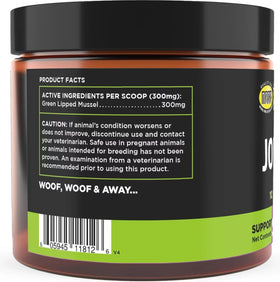

How to Choose the Best Dog Probiotic for Diarrhea Support
Choose a dog-specific probiotic with named strains, clear CFU details, easy serving directions, storage instructions, and transparent ingredients. The safest choice fits your dog's size, symptoms, sensitivities, and veterinarian's guidance.
Choosing probiotics for dogs with diarrhea starts with a clear label, not the loudest promise on the package. A useful label helps you compare what is inside, how to serve it, and how to keep it fresh. Your veterinarian can then help match the product to your dog's needs.
Clear strains and CFU details
Look for a label that names each probiotic strain, rather than listing only a broad term such as probiotic blend. The label should also show the colony-forming unit count, often shortened to CFU. Favor products that clearly state when that count applies, such as at manufacture or through the expiration date.
More strains and a higher CFU count do not always make a product the right choice. A multi-species formula may offer several types of helpful bacteria, but clear labeling still matters most. Ask your veterinarian which strain mix and serving size fit your dog's health, age, and current symptoms.
| Selection criterion. | What shoppers should look for. | Why it matters. |
|---|---|---|
| Strain label. | Each strain named in full. | Makes products easier to compare. |
| CFU details. | Clear count and timing statement. | Shows what the label promises. |
| Delivery format. | Powder, chew, capsule, or paste your dog accepts. | Supports steady use. |
| Storage. | Simple directions and a clear expiration date. | Helps protect product quality. |
| Added ingredients. | Prebiotics and flavors listed plainly. | Helps spot unwanted ingredients. |
| Brand trust. | Lot number, contact details, and quality information. | Supports informed buying. |
A format your dog will take
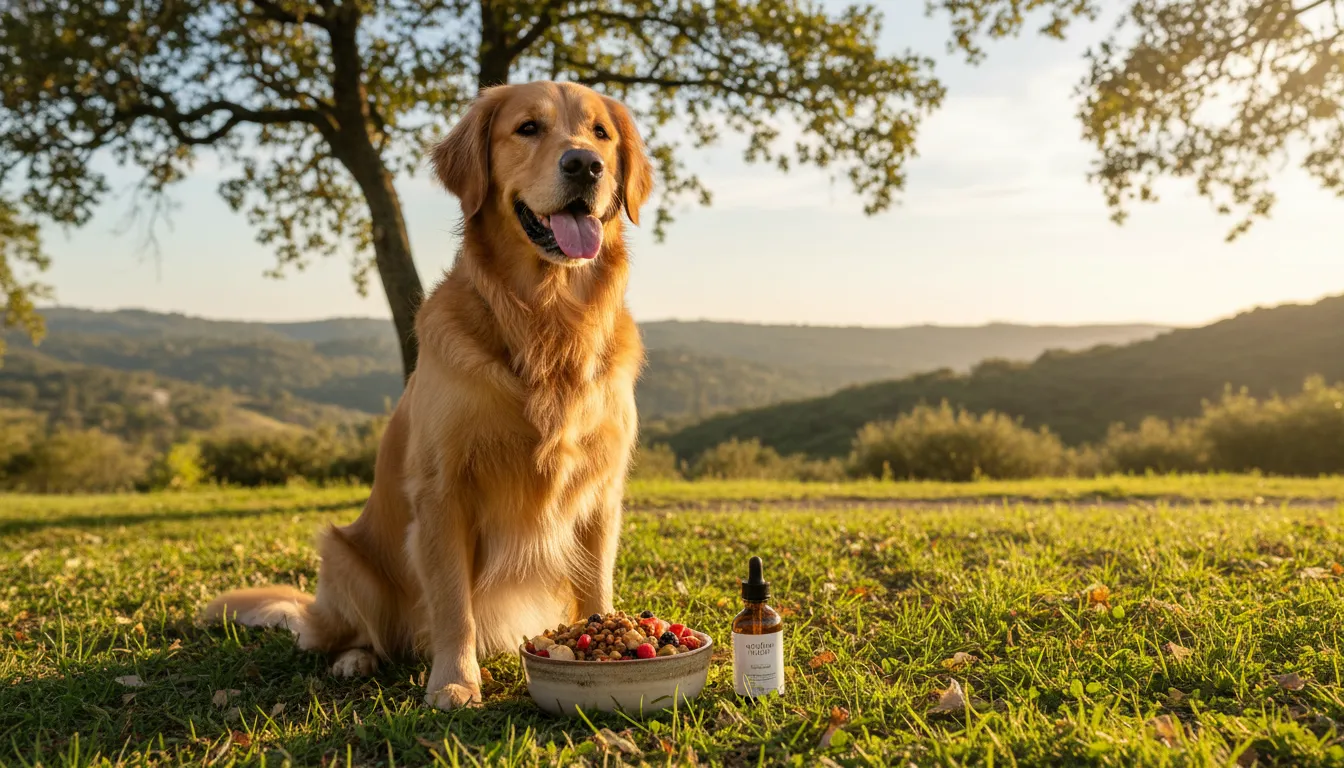
The best formula cannot help if your dog refuses it. Powders mix into food, while chews can work well for dogs that enjoy treats. Capsules may suit dogs that take pills easily, and pastes can offer a direct way to serve a measured amount.
Check flavors, fillers, and other added ingredients before buying. Some formulas also include prebiotics, which are ingredients paired with the probiotic blend. If your dog has food sensitivities, share the full ingredient list with your veterinarian before starting the product.
Storage needs should also fit your routine. Check whether the package calls for refrigeration, a cool dry place, or another method. Choose a size your dog can finish before the listed expiration date, and follow the package directions after opening.
Trust, safety, and veterinary guidance
A trusted brand makes the label easy to read and provides contact information for questions. Look for a lot number, expiration date, clear serving directions, and details about quality checks. Avoid products that promise a cure or hide the contents behind vague blend names.
Evidence for probiotics in canine digestive disease is mixed, though a systematic review of canine gastrointestinal studies found they were generally safe. That makes careful selection important, especially when diarrhea has an unknown cause. A probiotic supports care, but it does not replace a veterinary exam.
Pet-specific formulas are a sensible place to start. Review the signs your dog needs probiotics, then ask your veterinarian about the right product. You can also compare curated options in the pet supplements and wellness collection.
What Forms of Dog Probiotics Are Easiest to Give?
Powders and chews are often easiest for daily use, while capsules and pastes can work for dogs that need measured servings. Pick the format your dog will accept consistently.
Powders and food toppers
Powders are simple when a dog eats full meals without fuss. Measure the label-directed amount, mix it into moist food, and check that the bowl is empty. This form also makes it easy to adjust portions for dogs of different sizes. Still, it can be hard to know the dose eaten if a dog leaves food behind.
Food toppers offer similar ease, but their taste and texture may appeal more to picky dogs. They work well for daily routines because serving them feels like part of a meal. Before buying, compare the serving directions, storage needs, and listed strains. A broad look at pet supplements and wellness options can help shoppers compare forms without assuming one type suits every dog.
Capsules and chews
Capsules provide a measured serving and travel neatly. Some dogs swallow them in a treat, while others notice and reject them. Many capsules can be opened over food, but only do this when the label allows it. In a multi-dog home, giving each capsule by hand helps prevent one dog from eating another dog's share.
Chews can be the easiest choice for dogs that treat them like snacks. They are quick to hand out, simple to track, and useful for daily maintenance. Yet a picky dog may dislike the flavor or texture. Keep chews apart from regular treats so family members do not give an extra serving by mistake.
Pastes and the right fit
Pastes can be useful when a dog will not eat a normal meal during a brief stomach upset. The marked syringe or tube can make serving direct and controlled. However, some dogs resist the texture or dislike having paste placed in the mouth. Follow the label closely, and never force a struggling dog to take it.
For probiotics for dogs with diarrhea, the easiest form is the one the dog takes fully and safely. Form alone does not prove that a probiotic will resolve diarrhea. A clinical study of acute canine diarrhea found no clear difference in resolution time among probiotic, antibiotic, and placebo groups.
Choose based on the dog's habits and the household routine. Powders and toppers fit reliable eaters. Capsules simplify separate servings, chews support daily use, and pastes suit short-term direct serving. Review the signs your dog needs probiotics. Contact a veterinarian when diarrhea is severe, persistent, or paired with other concerning symptoms.
How to Start a Probiotic Safely
Start with the label directions or your veterinarian's instructions, introduce one product at a time, and watch stool quality, appetite, and energy. Stop and call your vet if symptoms worsen.
Before the first serving
Probiotics for dogs with diarrhea may support recovery, but they do not fix every cause. A systematic review of canine probiotics found mixed evidence of benefit, though these products were generally safe. Ask your veterinarian whether a probiotic fits your dog's symptoms, health history, and current medicines.
Choose a product made for pets rather than sharing your own supplement. Read the full label and check the intended age, weight range, storage directions, and expiration date. The label should also explain how much to give and how often. Check the ingredient list for flavors or added items your dog must avoid.
A careful introduction routine
Use this simple routine unless your veterinarian gives different instructions. Avoid adding several new foods or supplements at once, since that can make changes harder to track. Keep the package nearby in case you need to discuss the product with the clinic.
- Confirm the product and serving. Check that the probiotic is meant for dogs and suits your dog's age and weight. Follow the product label or your veterinarian's directions instead of guessing the amount.
- Start as directed. Give the first serving at a time when you can watch your dog afterward. Do not double a missed serving unless your veterinarian tells you to do so.
- Keep meals simple. Ask your veterinarian whether a bland diet or digestive support dog food is right for your dog. Do not make a sudden diet change without guidance.
- Track daily changes. Note stool frequency and firmness, plus your dog's appetite, water intake, and energy. Also watch for vomiting, gas, discomfort, or diarrhea that becomes worse after starting the product.
- Reassess the plan. Contact your veterinarian if symptoms do not improve within the time they advised. Bring your notes and the probiotic package so the veterinarian can review the strains, serving, and other ingredients.
When to call your veterinarian
Stop treating the problem as routine if diarrhea is severe, keeps returning, or comes with other concerning signs. Call your veterinarian promptly for blood in stool, repeated vomiting, marked tiredness, poor appetite, pain, or trouble drinking. Puppies, older dogs, and dogs with chronic illness may need earlier care.
Do not rely on a probiotic while your dog appears to be getting worse. A veterinarian can check for the cause and decide whether tests or other care are needed. Reviewing the signs your dog needs probiotics may help you organize observations before the visit.
What Else Helps Dogs With Loose Stool?
Hydration, steady food choices, avoiding rich treats, and prompt veterinary care for warning signs matter as much as supplements. Probiotics work best as one part of a careful digestive support plan.
Loose stool calls for more than one type of support. Probiotics for dogs with diarrhea may play a role, but daily care and close tracking matter too. These steps should support, not replace, advice from your veterinarian.
Water and hydration checks
Keep fresh water available, and watch whether your dog drinks as usual. Offer clean water often rather than trying to make your dog drink a large amount at once. Also note changes in energy, appetite, and bathroom trips.
Do not give sports drinks, flavored water, or human electrolyte products unless your veterinarian approves them. If your dog cannot keep water down or refuses to drink, contact the clinic promptly. Ask for help early if you are unsure about your dog's condition.
Probiotics can complement this basic care, but results vary among dogs. A systematic review of probiotics for canine gastrointestinal disease found mixed evidence of benefit, though probiotics were generally safe. Your veterinarian can help decide whether a probiotic fits the cause and your dog's health needs.
Simple, steady food choices
A temporary bland diet may help some dogs, but it is not right for every dog. Ask your veterinarian before changing meals, especially for puppies or dogs with ongoing health conditions. Follow the clinic's feeding plan instead of guessing at ingredients or portions.
When your veterinarian recommends bland food, keep meals simple and make later changes slowly. Avoid adding several new foods at once. A steady approach makes it easier to tell what helps and what may worsen the stool.
Once your dog is ready to return to regular meals, transition at the pace your veterinarian suggests. Our guide to digestive support dog food explains how food choices can fit a broader gut care plan.
Treats, symptoms, and vet follow-up
While stool is loose, keep treats simple and familiar. Skip rich chews, table scraps, and new snacks that could cloud the picture. Do not introduce several supplements together, since that makes each product's effect harder to track.
Keep a short daily log of stool changes, meals, treats, water intake, energy, and any vomiting. Note when each symptom starts and whether it improves. This record gives your veterinarian a clearer view of what is happening.
Seek veterinary care for severe or persistent diarrhea, lethargy, vomiting, or blood in the stool. For veterinarian-approved gut support, browse the curated dog health essentials and choose products made for dogs.
Common Buying Mistakes to Avoid
Avoid vague labels, human products without veterinary approval, cure-all promises, unclear storage instructions, and using supplements when your dog needs medical care. Good buying starts with safety and transparency.
Choosing the wrong product
A human probiotic may look like a simple substitute, but it was not made for a dog's gut. Ask your veterinarian before giving one to your dog. A pet-specific formula is the safer starting point when shopping for probiotics for dogs with diarrhea. Learn more about the signs your dog needs probiotics before choosing a product.
Do not judge a probiotic by the front label alone. Read the full label for its strains, serving directions, expiration date, and storage needs. Check whether the directions match your dog's size and life stage. If any detail is unclear, ask your veterinarian or the maker before use.
Another mistake is treating a high strain count or a long ingredient list as proof of quality. More is not always a better fit. Look for clear product details and directions you can follow with care. Avoid products that make broad cure claims or hide key label information.
Expecting an instant cure
Probiotics can support the gut, but they do not fix every cause of diarrhea. Research on canine gut disease finds that probiotics are generally safe, while evidence of benefit remains mixed. This systematic review of probiotics for dogs shows why realistic expectations matter.
Avoid switching food, treats, supplements, and probiotics at the same time. Too many changes make it hard to tell what helped or made symptoms worse. Keep a simple daily note of meals, doses, stool changes, and other symptoms. Share that record with your veterinarian if the diarrhea continues.
Missing storage rules and warning signs
Do not overlook the storage directions after opening the package. Heat, moisture, or an unsealed container may work against the product's stated care instructions. Keep the probiotic as its label directs, and check the expiration date before each new course. Replace any product that looks damaged or was stored incorrectly.
Finally, do not let a supplement delay needed veterinary care. Call your veterinarian when diarrhea is severe or keeps returning. Also call if your dog has vomiting, blood in the stool, low energy, or other worrying changes. While your vet guides treatment, browse dog health essentials that fit the care plan.

Frequently Asked Questions
Can probiotics help dogs with diarrhea?
Probiotics may support a dog's gut bacteria and help stools return to normal, but results vary. In one clinical study of acute canine diarrhea, dogs receiving probiotics recovered fastest on average, yet the difference from placebo was not statistically significant. Probiotics should support care, not replace finding and treating the cause of diarrhea.
What probiotic strains are best for dog diarrhea?
No single probiotic strain is best for every dog or every cause of diarrhea. Evidence across canine digestive conditions remains mixed, according to a systematic review of canine probiotics. Choose a dog-specific product that identifies its strains, guaranteed live CFUs, expiration date, and storage needs. Ask a veterinarian which studied formula fits your dog's symptoms and health history.
When should I see a vet for dog diarrhea?
Contact a veterinarian when diarrhea is severe, keeps returning, or continues instead of improving. Seek prompt care if it occurs with blood in the stool, repeated vomiting, lethargy, weakness, pain, or trouble drinking. Puppies, senior dogs, and dogs with ongoing health conditions may need earlier assessment. A veterinarian can identify the cause and decide whether a probiotic is appropriate.
Can I give my dog human probiotics for diarrhea?
Do not assume a human probiotic is suitable for a dog. Products made for pets are designed around the needs of canine gut bacteria, while human formulas may use different strains, doses, or added ingredients. Ask a veterinarian before giving any human supplement, especially when diarrhea is active. A dog-specific product with clear dosing directions is the safer shopping choice.
What is the recommended dosage of probiotics for dogs?
Some veterinary experts suggest 1 to 10 billion colony-forming units, or CFUs, per day for dogs, as noted in this probiotic guide. However, the right amount depends on the product, strain, dog's size, and health. Follow the product label and veterinarian's directions rather than comparing scoop sizes, because products can contain very different CFU amounts.
Ready to choose digestive support for your dog?
Waiting to address ongoing digestive trouble can prolong discomfort and make it harder to understand what is helping. Starting now gives you time to compare labels, ask your veterinarian about your dog's needs, and choose with greater confidence before you buy. A careful choice today also lets you monitor results sooner and avoid repeatedly buying products that do not suit your dog's specific needs.
Before adding any supplement, contact your veterinarian if diarrhea is severe, keeps returning, or comes with other worrying signs such as low energy or vomiting. Ready to make a careful choice? Shop trusted dog health essentials to compare options and start supporting your dog's routine with a plan you understand.


