


Wrapping your horse’s delicate legs can be nerve-wracking. Go too tight, and you risk serious damage. Too loose, and the wrap is useless—or worse, it could slip and cause a spook. This uncertainty keeps many owners from using one of horse care's most helpful tools. But learning to properly apply standing wraps for horses is a skill you can master. We're here to give you that confidence. This guide breaks down the entire process into simple steps, from getting the tension just right to choosing the perfect wraps for your horse.
Key Takeaways
- Master the Wrapping Technique to Prevent Injury: Applying a standing wrap correctly is the most important step. Focus on achieving snug, even pressure without pulling tightly over tendons to ensure you are helping, not harming, your horse's legs.
- Prioritize Material and Fit When Choosing Wraps: The right wrap is about more than a brand name. Look for breathable materials and durable fasteners, and always measure your horse's leg to guarantee a proper fit that provides support without slipping or constricting.
- Partner with Your Vet for Serious Issues: Standing wraps are for support and minor issues, not a replacement for professional medical advice. For any significant injury, lameness, or unexplained swelling, consulting your veterinarian is always the safest course of action.
What Are Standing Wraps for Horses?
If you’ve spent time around a barn, you’ve likely seen horses with their lower legs neatly bundled up. Those are standing wraps, a fundamental tool in any horse owner’s care kit. Standing wraps, also called standing bandages, consist of two parts: a soft, padded inner layer and a supportive outer bandage that holds it in place. Their main job is to provide gentle compression to a horse's lower leg, from just below the knee or hock down to the coronet band. This is especially important when a horse is standing still for long periods, like during stall rest or while traveling in a trailer. The light pressure helps prevent fluid from pooling in the lower legs, a common issue known as "stocking up." They also offer protection for minor nicks and scrapes, keep wounds clean, and provide support for ligaments and tendons during recovery from soreness or strain. They are an essential piece of horse tack for managing everyday health and aiding in recovery.
Exploring the Different Types of Wraps
When you start shopping for standing wraps, you'll notice a few different options. While they all serve the same basic purpose, the variations in materials and design cater to different needs and preferences. The inner, padded part is what usually varies the most. Common types include no-bow wraps, which are designed with dense foam to ensure even pressure and prevent tendon bowing. You'll also find quilted wraps and pillow wraps, which offer plush, soft cushioning for extra comfort. The materials range from classic cotton and flannel to modern fleece, each offering a different level of breathability and softness for your horse's legs.
Shipping Wraps vs. Shipping Boots
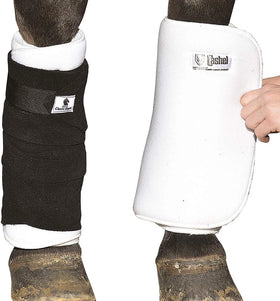
When it comes to trailering, you'll also encounter shipping wraps and shipping boots, which are specifically designed for travel. While both aim to protect your horse's legs, they have key differences. Shipping wraps are very similar to standing wraps but are applied for transport to provide support and guard against scrapes. Many owners find them easier to apply and adjust, making them a great choice for short hauls. Shipping boots, on the other hand, are the heavy-duty option. They are typically made from thicker, more rigid materials like neoprene and offer more substantial protection against impacts. Because they cover more of the leg, from the knee or hock down past the heel, they are often the preferred choice for long-distance travel or for horses that tend to get restless in the trailer. The best option really depends on your horse's temperament and the length of your journey. You can find a great selection of horse boots and leg protection to suit any travel need.
When Does Your Horse Need Standing Wraps?
Knowing when to apply standing wraps is key to using them effectively. One of the most common reasons is to prevent or reduce swelling when a horse is confined to a stall for long periods. After a strenuous workout, trail ride, or competition, wraps can help support tired legs and aid in recovery. They are also invaluable during shipping to protect against bumps and scrapes while providing circulatory support. If your horse has a minor leg injury, a standing wrap can help keep the wound clean and reduce inflammation, but you should always consult your vet for serious injuries.
The Real Benefits of Standing Wraps
So, how does a simple wrap accomplish so much? It’s all about gentle pressure and warmth. The wrap is designed to trap a small amount of your horse's natural body heat, which in turn helps increase blood flow to the area. This improved circulation brings more oxygen and nutrients to the tissues, which can speed up the healing process. At the same time, the light compression supports the lymphatic system in draining excess fluid away from the lower leg. This combination effectively reduces swelling, eases soreness, and provides stable support for a comfortable recovery.
Preparing Your Horse and Your Materials
Before you even think about touching your horse’s leg, a little prep work will make the entire process smoother and safer for both of you. Like any important task, success is all in the setup. Having your supplies clean, organized, and within arm's reach means you won’t have to leave your horse’s side once you start. It also ensures you can focus completely on the task at hand: applying a perfect, supportive wrap. A calm and prepared handler often leads to a calm and cooperative horse, so taking these few extra minutes to get organized is one of the smartest things you can do. This preparation involves not only gathering the right materials but also making sure your horse’s leg is clean, dry, and ready for wrapping.
Gathering Your Wrapping Supplies
Think of this as your pre-flight checklist. You’ll need a set of standing wraps, which includes the inner padding and the outer bandage. Make sure both parts are clean and completely dry before you begin. It’s a good practice to roll your outer bandages tightly and neatly after each use so they are ready to go for next time. There’s nothing more frustrating than trying to wrap a leg with a tangled, messy bandage. Have everything laid out on a clean surface near your horse, but not so close that they can step on it. Having all your essential health supplies organized will help you stay focused and efficient, which your horse will definitely appreciate.
Pillow Wraps vs. No-Bow Wraps
The padded layer is the heart of the standing wrap, and you’ll generally choose between two main types: pillow wraps and no-bow wraps. Pillow wraps are exactly what they sound like—plush, soft, and quilted for extra cushioning and comfort. No-bow wraps are made from a denser foam material specifically designed to distribute pressure evenly across the leg. This design is excellent for preventing the bandage from being pulled too tight over the tendons, which can cause a dangerous condition known as a "bandage bow." Both are effective, so the choice often comes down to your horse’s specific needs and your personal preference.
Outer Bandages
The outer bandage, or track bandage, is what holds the padding in place and provides the supportive compression. These bandages come in a few different materials, each with its own feel. Traditional flannel is soft and has a bit of give, while fleece is a popular modern option that is durable and easy to wash. You might also see some made from a cotton or knit blend. The most important feature, regardless of material, is a secure fastener. Most wraps use a long strip of Velcro, which should be strong enough to hold the wrap firmly in place without popping open.
DIY Padding Options
While you might hear old-timers talk about using things like bed quilts or cotton sheets for padding, it’s best to stick with commercially made wraps. Professionally designed pillow and no-bow wraps are manufactured to provide consistent thickness and even pressure, which is critical for safety. DIY options can bunch up, create pressure points, or fail to provide adequate cushioning, increasing the risk of injury. For the safety and comfort of your horse, investing in a quality set of pads is always the right call. They are designed by experts to do the job correctly and reliably every time.
Prepping Your Horse's Leg
Always start with a clean, dry leg. Use a soft brush to remove any dirt, mud, or loose hair from the knee or hock down to the hoof. Any debris left under the wrap can cause rubs, skin irritation, or even infection. If you’ve just bathed your horse, be sure the leg is completely dry before applying a bandage. If you plan to use a liniment or poultice, apply it evenly and make sure it’s rubbed in well. It takes practice to apply a wrap smoothly, without wrinkles, and with just the right amount of tension. A wrap that’s too loose, too tight, or wrinkled can hurt your horse, so take your time. Having the right grooming supplies on hand makes this step quick and easy.
How to Apply Standing Wraps Correctly
Applying standing wraps might seem tricky at first, but it's a fundamental skill for any horse owner. With a little practice, you'll be wrapping your horse's legs like a pro, ensuring they get the support and protection they need. The key is to focus on even pressure and the correct direction. Let's walk through the process together, step by step.
Using Poultices and Liniments Under Wraps
Sometimes, a standard dry wrap isn't enough. For times when you need to address specific issues like swelling, soreness, or inflammation, you can enhance the effects of a standing wrap by adding a poultice or liniment. Think of it as giving your horse a targeted spa treatment right in their stall. These additions can help draw out heat, increase circulation, and provide soothing relief after a tough workout or during recovery. Having the right products on hand is essential, which is why we always recommend keeping a well-stocked horse health kit with your favorite poultices and liniments ready to go. This preparation ensures you can act quickly and provide the best care when your horse needs it most.
Applying Poultice Correctly
Poultice is a clay-based paste that works wonders for drawing heat and inflammation out of a horse's leg. To use it effectively, apply a generous, even layer directly to your horse's clean, dry leg. The real trick to success is creating a barrier between the poultice and your wrap. You can use a layer of wet paper (like from a feed sack), a paper towel, or plastic wrap over the poultice. This simple step is crucial because it ensures the poultice stays moist and active on your horse’s leg, rather than just getting absorbed into the pillow wrap. Once your barrier is in place, you can proceed with applying the pillow wrap and outer bandage as you normally would.
Common Liniments for Wraps
Liniments are another great option for use under wraps, especially for stimulating blood flow and soothing sore muscles. They come in different forms, and the one you choose depends on your goal. Gel liniments are excellent for targeting specific spots because they stay put, while liquid liniments can be diluted and used as a brace or wash over a larger area. When using a liniment under a wrap, it's important to choose one that’s safe for prolonged contact and won't blister or irritate the skin. The wrap will intensify the liniment's effects, so always start with a mild formula and test it on a small area first to ensure your horse doesn't have a sensitive reaction.
Levels of Support: From Dry Wraps to Sweats
Not all situations call for the same level of intervention. Understanding the different levels of support you can provide with standing wraps allows you to tailor your care to your horse's specific needs. Think of it as a tiered system. The most basic level is a dry standing wrap, perfect for simple support, protection during travel, or managing minor stocking up. For a medium level of support, you can apply a mild liniment before wrapping to gently increase circulation and soothe tired legs after a moderate workout. For the strongest level of support, often called a "sweat wrap," you’ll use a poultice under the wrap to aggressively draw out heat and reduce significant swelling from an injury or intense exertion.
Your Step-by-Step Wrapping Guide
First, get your materials ready. Roll your outer wraps tightly with the Velcro fastener on the inside of the roll; this makes unrolling much smoother. Start with the inner quilt or no-bow wrap, placing the end on the front of the cannon bone, about halfway down. Wrap from front to back, moving down the leg and then back up, overlapping each layer by about 50%. You should wrap counter-clockwise on the left legs and clockwise on the right legs. Once the inner wrap is secure, apply the outer bandage the same way, starting in the middle of the leg. Make sure you leave about half an inch of the quilt visible at the top and bottom.
Creating the Fetlock 'V'
As you wrap down toward the fetlock, you’ll need to create a supportive cradle for the joint. This is where the 'V' shape comes in. Once you reach the bottom of the inner wrap, begin to wrap back up the leg. As you cross over the front of the fetlock joint, you'll naturally form a 'V' pattern. This technique provides crucial support without restricting movement, a key principle for any form of horse leg protection. Continue wrapping upward, overlapping the layers evenly. Aim to finish the wrap so the Velcro closure fastens on the outside of the horse's leg, away from potential interference. The final product should be smooth, with the outer bandage covering most of the inner padding. Leaving too much of the soft inner wrap exposed can tempt a bored horse to chew on it.
Finishing the Wrap Correctly
The final, and arguably most critical, step is checking the tension. A wrap that is too tight can cause more harm than good, potentially leading to serious tendon damage, often called a "bandage bow." To check your work, you should be able to comfortably slide two fingers between the wrap and your horse's leg at both the top and bottom. The wrap needs to be snug enough to stay in place without slipping down, but it should never feel constricting. Take a moment to run your hands over the entire wrap, feeling for any lumps, wrinkles, or uneven spots. A smooth, uniform application ensures even pressure, which is the whole point of the wrap. Getting this right is a core part of your horse's at-home care and a vital skill for any horse health routine.
Perfecting Tension and Direction
Proper tension is the most important part of wrapping a horse's leg. The goal is a snug, even pressure that feels firm but not tight. A good rule of thumb is to pull the wrap taut as you move across the front of the cannon bone and relax the tension as you come around the back, over the delicate tendons. Never pull the wrap tight over the tendons, as this can cause serious injury. Always wrap from front to back and outside to inside. This technique helps support the structures of the lower leg without putting them at risk. It takes practice to get the feel just right, so don't be discouraged if your first few attempts aren't perfect.
The Two-Finger Rule for Safety
When applying standing wraps, getting the tension just right is crucial for your horse's safety and comfort. A great guideline to follow is the "two-finger rule." This simply means that while the wrap needs to be snug enough to stay put, you should be able to easily slide two fingers between the wrap and your horse’s leg, both at the top and the bottom. If you can't, the wrap is too tight and could restrict blood flow or even cause serious damage to the tendons and ligaments—exactly what we're trying to prevent. As experts advise, always double-check the tension to ensure it is firm but not constricting, providing the right level of leg protection without risk.
Leaving an Even Border
Another key detail for a perfect wrap is leaving an even border of the inner padding visible at the top and bottom. As you spiral the outer bandage back up the leg, make sure you maintain that same 50% overlap you used on the way down. The finished product should look smooth and uniform, with about a half-inch of the softer quilt or no-bow wrap showing. This ensures the pressure from the outer wrap is distributed evenly. It also serves a practical purpose. As some trainers point out, leaving too much of the fluffy inner wrap exposed can be an irresistible temptation for a bored horse to chew or pull on, which could unravel all your hard work.
Common Wrapping Mistakes (And How to Avoid Them)
Two common mistakes can make wrapping ineffective or even dangerous. The first is wrapping too loosely. A loose wrap can easily slip down, which can startle or trip your horse. The second, and more serious, mistake is wrapping too tightly. Excessive pressure can restrict blood flow and damage the sensitive tendons and ligaments in the leg, potentially causing a bowed tendon. Uneven pressure is also a problem, as it can create pressure points and discomfort. When you're finished, you should be able to slip a finger comfortably between the wrap and your horse's leg. Always check your work to ensure the wrap is smooth and secure.
How Long Should You Leave Wraps On?
Standing wraps are not meant to be left on indefinitely. As a general rule, you should remove and re-wrap them at least every 12 hours. Over time, even the best-applied wrap can shift, bunch up, or become too damp from sweat or liniment. These wrinkles and damp spots can irritate the skin and create pressure sores. Making it a habit to check and reset your horse's wraps twice a day ensures their legs stay comfortable, clean, and properly supported. This simple check-in is a crucial part of your horse's care when using any kind of horse tack or leg protection.
Shop This Post

Featured in this article
Professional's Choice Polo Wraps - 9-Foot Length, Set of 4, Premium Double-Sided Fleece Horse Leg Support
$27.52
Shop Now →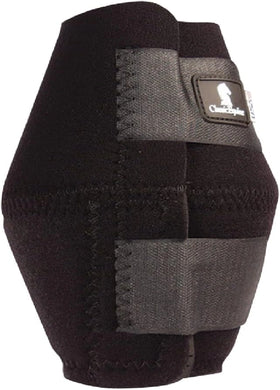

Choosing the Best Standing Wraps for Your Horse
Picking the right standing wraps is about more than just color or brand. It’s about finding the perfect combination of support, comfort, and durability for your horse's specific needs. With so many options available, it helps to know what to look for. Think about the material, the fit, how breathable it is, and whether your horse needs a standard or therapeutic wrap. Getting these details right ensures the wraps do their job effectively, whether you’re managing swelling, protecting an injury, or providing support after a workout. Let’s walk through the key factors to consider so you can feel confident in your choice.
Focus on Material and Quality
The first thing to inspect is the fabric. Quality standing wraps are typically made from a strong, slightly stretchy material that can withstand regular use without losing its shape. This slight give is important because it allows for a snug fit that supports the leg without constricting it. Look for durable hook-and-loop fasteners (like Velcro) that are stitched securely. These fasteners need to hold strong to prevent the wrap from slipping or coming undone in the stall. Investing in well-made horse tack from trusted brands ensures you get a product that is both safe for your horse and built to last.
Finding the Right Size and Fit
A wrap that’s too big will slip, and one that’s too small won’t provide adequate coverage or support. To find the right size, use a soft measuring tape to measure your horse's leg from just below the knee down to the bottom of the fetlock joint. Horse leg sizes can vary, so it's always best to measure instead of guessing. Most brands offer a sizing chart, but a good rule of thumb is to choose the next size up if your horse falls between two sizes. This ensures you have enough length to cover the area completely without having to pull the wrap too tight.
Understanding Standard Wrap Sizes
Once you have your horse's measurement, you'll notice that standing wraps are usually sold in standard lengths, like 12, 14, and 16 inches. These numbers refer to the length of the inner padded wrap, not the outer bandage. As a general guide, 12-inch wraps are great for ponies and smaller horses, 14-inch wraps fit most average-sized horses like Quarter Horses and Thoroughbreds, and 16-inch wraps are designed for larger breeds such as Warmbloods and Draft crosses. While these guidelines are helpful, remember that every horse is built differently. If your measurement puts your horse between two sizes, it's always safer to choose the larger one. This ensures you have plenty of wrap to provide complete coverage without stretching it too thin. You can find a great selection of horse boots and leg protection in various sizes to get the perfect fit.
Why Breathability Is a Must-Have
Your horse might wear standing wraps for several hours, so breathability is essential for their comfort and skin health. A breathable fabric allows air to circulate, which helps prevent heat and moisture from building up against the skin. This is crucial for reducing the risk of skin irritation or fungal infections. Many modern wraps are designed to be non-compressive, meaning they support the leg without squeezing it tightly. This design, combined with breathable materials, allows for safe, extended wear, sometimes for up to 12 hours, keeping your horse comfortable and their legs protected.
Therapeutic vs. Standard: Which Do You Need?
Standard standing wraps are fantastic all-rounders. They are used to reduce swelling, protect minor injuries, provide support during travel, and help with general soreness. They are a staple in almost every horse owner’s tack trunk. Therapeutic wraps, on the other hand, offer something extra. These wraps are infused with special materials or technologies designed to provide additional benefits, like increasing circulation to aid in recovery. Some of our best selling products include therapeutic options that can be a great choice for horses in heavy work, those recovering from injury, or older horses with arthritis.
Browse our horse boots and leg protection collection for standing wraps, polo wraps, and therapeutic options trusted by riders and trainers.
Ceramic Therapy Wraps
Ceramic therapy wraps are a popular choice for performance horses and those needing extra support. These wraps are made with special ceramic-infused fibers that work by capturing your horse's natural body heat and reflecting it back into the leg as far-infrared energy. This gentle, radiant heat helps to increase blood circulation, which can reduce inflammation, ease stiffness, and accelerate the healing process for soft tissue. They are excellent for warming up muscles before a ride or aiding in recovery afterward. Many owners find them particularly helpful for managing chronic conditions like arthritis, as the improved blood flow can provide significant comfort and support overall horse health.
Copper Therapy Wraps
Copper therapy wraps offer another way to support your horse's legs, especially when dealing with muscle soreness or strain. These wraps have copper threads woven directly into the fabric. The idea is that the copper helps increase blood flow and can have anti-inflammatory properties, aiding in the recovery of muscles, ligaments, and tendons. A key advantage of copper wraps is that they provide these therapeutic benefits without significantly heating up the leg. This makes them a great option for use in warmer weather or on horses that are sensitive to heat. They provide gentle compression and support while encouraging the body's natural healing mechanisms to work more efficiently.
Moisture-Wicking Wraps
For horses that tend to sweat or for use in humid climates, moisture-wicking wraps are a game-changer. These wraps are specifically designed with breathable materials that pull moisture away from the skin and allow it to evaporate. This keeps the leg cooler, drier, and much more comfortable, especially during extended periods of wear. By preventing a damp environment from forming against the skin, you significantly reduce the risk of skin irritation, chafing, or fungal and bacterial infections. These wraps still provide the necessary compression and support you expect from a standing wrap, making them a smart piece of horse leg protection for everyday use.
Our Favorite Standing Wrap Brands
Why We Stand Behind These Brands
Choosing the right standing wraps can feel overwhelming with so many options out there. That’s why we’ve done the homework for you. At Hooves and Paws, we only stock products we’d trust for our own animals. With over 30 years of experience, our team has seen what works. We’ve handpicked a selection of top-rated brands known for their quality, durability, and effectiveness. These are the names that equestrians turn to time and again for reliable support and protection. You can feel confident that any wrap from these brands is a solid investment in your horse’s well-being. Our About Us story is built on this commitment to quality.
Professional's Choice
Professional's Choice is a household name in the equestrian world for a reason. Their standing wraps are designed to provide excellent support without sacrificing comfort. Made from high-quality, breathable materials, they help keep your horse’s legs cool and healthy during stall rest or recovery. Horse owners consistently praise these wraps for their durability; they hold up well to repeated use and washing, making them a practical choice for any barn. Whether you’re managing a minor strain or providing support after a tough workout, these wraps are a reliable go-to. You can find them among our curated selection of horse tack.
Classic Equine
If you’re looking for innovative solutions, Classic Equine is a brand that consistently delivers. They are known for creating products that blend traditional support with modern technology. Their standing wraps are designed to offer effective compression and stability, which is crucial for managing tendon strains and promoting healing. A great example is their MagNTX therapy line, which uses magnets to help improve circulation and ease soreness. It’s an excellent option for horses in rehabilitation or those needing a little extra therapeutic care. You can explore their full range of products directly on the Classic Equine website.
Back on Track
Back on Track is celebrated for its unique therapeutic approach. Their standing wraps feature a special Welltex fabric, which is infused with ceramic particles. This innovative material reflects your horse’s own body heat back as a soothing infrared warmth. This gentle heat can help reduce inflammation, ease tension, and speed up the healing process. Many horse owners have seen fantastic results with these wraps, especially for horses dealing with chronic stiffness or recovering from injury. They are a wonderful, non-invasive way to support your horse’s comfort and health, which is why they are consistently among our best selling products.
When Should You Avoid Using Standing Wraps?
Standing wraps are a fantastic tool in any horse owner's toolkit, but they aren't a one-size-fits-all solution. Knowing when not to use them, or when to proceed with caution, is just as important as knowing how to apply them correctly. Using a wrap improperly can do more harm than good, so it’s crucial to understand the risks and recognize situations that call for a different approach or professional guidance. Before you reach for a wrap, take a moment to assess your horse’s situation. Is there significant heat, swelling, or a potential injury you haven't had checked out? These are all signs that you might need to pause and consult an expert. Remember, the goal is always to support your horse's health and well-being, and sometimes that means putting the wraps back in the tack trunk and picking up the phone instead.
The Dangers of Wrapping in Hot Weather
When the temperature climbs, it's time to rethink your wrapping routine. A standing wrap's job is to trap body heat to increase circulation, but in hot weather, this becomes a serious risk. Wraps hold in heat, and too much of it can overheat the delicate tendons and ligaments in your horse's legs, potentially causing damage to the tissues. This is especially true during long trailer rides on a warm day when air circulation is already limited. A simple rule to follow is if you feel hot and sweaty, your horse likely does too. In these conditions, it's best to avoid wraps altogether to ensure you're not accidentally cooking the very structures you're trying to protect.
Hot Weather Alternatives to Wrapping
So, what can you do for your horse's legs when it's too hot to wrap? Thankfully, there are several effective and safer alternatives. Cold hosing is a fantastic option; running cool water over your horse's legs for 15-20 minutes can significantly reduce heat and inflammation. For more targeted cooling, you can use ice packs or specialized ice boots. Gentle hand walking is another great choice, as it encourages natural circulation to prevent stocking up without trapping any heat. These methods provide the support and relief your horse needs without the risks associated with wrapping in the heat. Keeping a well-stocked first-aid kit with items for icing and general care is always a smart move for any horse owner. You can find everything you need in our horse health and first aid collection.
Your Standing Wrap Safety Checklist
The most critical rule of wrapping is to do it correctly. It sounds simple, but an incorrect wrap can cause serious and lasting harm. If you apply a wrap too tightly or pull it in the wrong direction, you can put dangerous pressure on the delicate tendons and ligaments in your horse's leg. This is why it's so important to learn the proper technique and practice until you feel confident. Always use even, consistent tension and ensure there are no wrinkles in the padding or the bandage. An improper wrap won't just be ineffective; it can restrict blood flow and even lead to permanent damage to the horse's leg.
Regularly Checking Your Horse's Wraps
Once a wrap is on, your job isn't quite done. Think of it as an ongoing responsibility. Standing wraps should never be left on indefinitely; as a rule, they need to be removed and reset at least every 12 hours. Even the most perfectly applied wrap can shift, bunch up, or get damp from sweat over time. These little wrinkles and damp spots are more than just untidy—they can create painful pressure sores and irritate your horse's skin. Making it a habit to check the wraps twice a day is a simple but vital part of your horse's care routine, just like checking any other piece of horse tack. This quick check-in ensures the wrap remains smooth, secure, and comfortable, providing the consistent support your horse needs.
Warning Signs of an Improper Wrap
A wrap that’s too tight, especially one that pulls on the tendons at the back of the leg, can cause a painful injury known as a "bowed tendon." This condition can permanently damage these sensitive structures, so it's something to take very seriously. After wrapping, run your fingers over the bandage to check for lumps, wrinkles, or areas of uneven pressure. Also, keep an eye on your horse’s behavior. If they seem uncomfortable, are fidgeting with the wrap, or show signs of lameness, it’s best to remove it immediately and reapply. Another pro tip: if you need to wrap one leg for an injury, you should also wrap the companion leg. This provides balanced support and makes your horse less likely to bother the wraps.
When to Call Your Vet
While standing wraps are useful for managing minor issues, they are not a substitute for veterinary care. You should always talk to your veterinarian before using wraps, especially if your horse has a specific injury, unexplained swelling, or a skin condition. They can provide a proper diagnosis and confirm if wrapping is the right course of action. If you plan to use wraps with any kind of topical treatment, like a poultice or liniment, getting your vet's approval first is essential. Their expertise will help you keep your horse's legs safe and ensure you're supporting their recovery, not hindering it. When in doubt, a quick call to your vet is always the best move.
Ready to Find the Right Wraps?
Choosing the right standing wraps is a big part of caring for your horse. These wraps are essential for managing injuries, reducing swelling, and giving your horse’s legs the support they need. They’re especially helpful for horses spending long hours in a stall or trailer, as they can prevent fluid from pooling in the lower legs. With so many options out there, it can feel overwhelming, but finding the perfect match ensures your horse stays comfortable and sound. We’re here to help you find exactly what you need, so you can focus on your horse’s health and well-being.
Shop Our Expert-Approved Collection
We’ve handpicked a collection of standing wraps to meet a variety of needs. Whether you’re looking for standard bandages and no-bow wraps for daily support or quick wraps and therapeutic options for recovery, you’ll find the right fit in our store. Our team has over 30 years of experience with horses, so we only stock products we’d trust for our own animals. You can browse our full selection of horse tack to find durable, high-quality wraps that provide the perfect amount of support and protection for your horse’s specific requirements.
Enjoy Fast and Free Shipping
We know that when your horse needs something, you need it fast. That’s why we offer free shipping on all orders within the continental U.S., with no minimum purchase required. If you place your order before 2 PM PST, we’ll even ship it out the very same day. Getting the right supplies for your horse shouldn’t involve long waits or extra fees. Our goal is to get your order to your barn as quickly as possible, so you can have peace of mind knowing you’re prepared for whatever comes your way.
Shop Confidently with Our 365-Day Guarantee
Your trust is important to us, and we stand behind every product we sell. That’s why we offer a 365-day satisfaction guarantee. We want you to feel completely confident in your purchase. If you’re not 100% happy with your standing wraps for any reason, we’ll work with you to make it right. As a family-owned business, we’re committed to providing the best for you and your animals. You can learn more about our dedication to quality and customer care on our About Us page.
Related Articles
Frequently Asked Questions
What’s the difference between a standing wrap and a polo wrap? That's a great question, as they can look similar but have very different jobs. Polo wraps are made of a thinner, stretchier fleece and are designed for use only during exercise to provide light support and protection from bumps. Standing wraps, which consist of a thick inner quilt and an outer bandage, are made for when your horse is stationary. They provide gentle compression and warmth to reduce swelling and support ligaments while the horse is in a stall or trailer. Using a polo wrap in a stall is dangerous, as its elastic nature can restrict circulation if applied incorrectly for long periods.
Can I turn my horse out in standing wraps? You should never turn a horse out in standing wraps. They are specifically designed for stall rest or shipping and are not secure enough for movement in a pasture. The wraps can easily slip down, unravel, or get caught on fences or branches, which could cause a serious panic or injury. For turnout, it's best to use protective gear designed for that purpose, like splint boots or bell boots, if your horse needs extra protection.
How should I clean my standing wraps? Keeping your wraps clean is important for your horse's skin health. After use, it's a good idea to let them air out completely. For washing, fasten all the hook-and-loop closures to prevent them from snagging or collecting lint. You can place them in a mesh laundry bag and wash them in your machine on a gentle cycle with a mild detergent. It's best to let them air dry, as high heat from a dryer can damage the fabric's elasticity over time.
Is it okay to apply liniment or poultice under a standing wrap? You can, but you should always check with your veterinarian first. Some topical treatments can create excess heat or moisture when covered by a wrap, which could irritate your horse's skin. Your vet can recommend products that are safe to use under a bandage and give you the right instructions for application. Proper use can be very therapeutic, but it's a situation where professional guidance is definitely the best approach.
Why is it important to wrap both legs, even if only one is injured? Wrapping the opposite leg, often called a "sympathy wrap," is a standard practice for good reason. When a horse has an injury in one leg, they will naturally shift their weight to put more pressure on the healthy leg. This extra strain can lead to soreness, swelling, or even injury in the supporting limb. Applying a wrap to the healthy leg provides balanced support, helps manage any potential fluid buildup from the increased load, and makes your horse more comfortable overall.


