


Choosing a new headstall feels like a big decision, because it is. You're met with a wall of options: browband, single-ear, slip-ear, leather, nylon, and endless silver accents. It's easy to get lost wondering which features actually matter. This guide is here to cut through the noise. We'll break down the practical purpose of each style, compare different materials, and show you how to measure for a perfect fit. You'll leave with the confidence to choose the right western horse headstall for your horse, your budget, and your specific discipline.
Key Takeaways
- A Comfortable Horse is a Happy Partner: The right fit is crucial for clear communication and your horse's well-being. Take the time to measure correctly and choose a style that prevents rubbing and pressure points for a better, safer ride.
- Match Your Headstall to Your Mission: Your riding discipline should guide your choice. A durable nylon headstall is perfect for casual trails, while a tooled leather one fits right in at a show. Selecting the right material and style ensures your gear works for you.
- Good Care Equals Lasting Gear: A quality headstall can last for years with simple, routine maintenance. Regular cleaning and proper storage not only preserve the leather but also give you a chance to inspect for wear and tear, keeping your equipment safe and reliable.
What is a Western Headstall and Why Does it Matter?
Think of a Western headstall as the main line of communication between you and your horse. It’s the part of the bridle that fits around your horse’s head, holding the bit in place and connecting to your reins. Essentially, it’s the framework that allows you to give gentle cues and guidance, whether you’re on a relaxed trail ride or competing in a show ring. But its importance goes far beyond simply steering.
Choosing the right headstall is crucial for your horse’s comfort and performance. A poorly fitted one can create pressure points, rub uncomfortably, and cause irritation, which can lead to head tossing, resistance, and a generally unhappy partner. When a headstall fits correctly, it distributes pressure evenly and allows your signals to be clear and direct. This builds trust and ensures your horse can focus on you and the task at hand, not on discomfort. It’s a fundamental piece of horse tack that directly impacts the quality of your ride and the strength of your partnership. Getting it right from the start makes all the difference for both of you.
Which Western Headstall Style is Right for You?
Once you start shopping for horse tack, you'll notice headstalls come in a few common styles. The right one for you and your horse often depends on your riding discipline, your horse’s temperament, and frankly, your personal taste. Each design offers a slightly different fit and function, so understanding the basics will help you make a confident choice. Let's walk through the most popular types you'll find.
The Classic Browband Headstall
The browband headstall is probably the most recognizable style. It features a strap that runs across your horse's forehead, just below the ears. This "browband" does more than just look classic; its main job is to keep the headstall stable and prevent the crownpiece from sliding back. This ensures the bit stays in the correct position in your horse's mouth. Because of their secure fit, browband headstalls are a versatile and popular choice for everything from trail riding to reining and are often required in show rings. They provide a proper and stable fit for a wide range of horses.
Single-Ear: A Sleek and Simple Look
If you prefer a more minimalist look, the single-ear (or one-ear) headstall is a fantastic option. Instead of a browband, this design has a single, shaped loop that slides over one of your horse's ears—usually the left one. This simple style is lightweight and offers a clean look, making it a favorite for everyday riding, training, and barrel racing. It’s a great choice for well-trained horses that don't need the extra stability of a browband. When choosing the right tack, many riders appreciate the simplicity and quick application of the single-ear design.
Double-Ear: For a Symmetrical Style
As the name suggests, the double-ear headstall features two individual ear loops instead of one. This symmetrical design provides a bit more security than a single-ear style without the need for a full browband. It’s an excellent middle-ground for riders who want a secure fit but have a horse that is sensitive to pressure across the forehead. The two loops help keep the headstall centered and stable, even during more active riding. This style is less common than browband or single-ear designs but offers a unique and functional alternative for the right horse and rider pair.
Slip-Ear: The Ultimate Convenience
A slip-ear headstall is a variation of the single-ear style, but with a key difference in its construction. The ear loop is not fixed in place; instead, it can slide along the crownpiece. This adjustability makes it incredibly easy to slip on and off, which is a huge plus when you’re tacking up multiple horses or just want to save a little time. The sliding loop allows you to position it perfectly over your horse’s ear for a comfortable fit. It’s a practical and convenient choice, especially popular in training barns and for casual riding.
Slit Ear: A Minimalist Option
The slit-ear headstall, sometimes called a slotted-ear, takes minimalism a step further. Instead of a separate loop that goes over the ear, this design has a simple slot cut directly into the crownpiece itself. Your horse’s ear passes right through this opening, eliminating the need for any extra leather. This creates an incredibly clean, close-contact look that is highly favored in the show ring for its polished appearance. It’s an ideal choice for riders who want the most streamlined profile possible and for horses that are sensitive to bulk around their poll and ears. Since the slot is in a fixed position, getting the right fit is essential for your horse’s comfort, making this a specialized piece of horse tack for a truly refined look.
Going Bitless: Hackamore and Sidepull Headstalls
For horses that are sensitive to bits or for riders who prefer a different communication method, bitless headstalls and hackamores are wonderful alternatives. Instead of using a bit in the horse's mouth, these designs apply gentle pressure on the nose, jaw, and poll. A mechanical hackamore uses shanks to create leverage, while a sidepull or bosal offers more direct pressure. These options can be incredibly effective and humane when used correctly. They are a testament to the idea that control comes from clear communication, not just the equipment you use in your horse's mouth.
What's the Best Material for a Western Headstall?
Choosing the right material for your headstall is just as important as picking the style. The material impacts everything from durability and maintenance to the overall look and feel. You’ll want to think about how you ride, how much time you want to spend on upkeep, and the specific look you’re going for. The three main players in the headstall game are classic leather, practical nylon, and eye-catching specialty materials like rawhide.
Each option has its own set of pros and cons. Leather is the traditional choice, loved for its timeless look and rugged strength, but it requires regular care. Nylon is the low-maintenance, budget-friendly workhorse perfect for everyday use. Specialty materials offer a chance to show off your personal style with unique details. There’s no single "best" material—the right one for you is the one that fits your needs, your horse, and your riding discipline. For example, a serious competitor in Western pleasure will almost always choose a high-quality leather headstall, while a casual trail rider might prefer the easy-care nature of nylon. Understanding the benefits of each will help you make a smart investment that keeps both you and your horse happy. Let’s break down what makes each one a solid choice.
Leather: The Timeless Standard
When you picture a classic Western setup, you’re probably picturing leather. Leather headstalls are the top choice for a reason; they are known for their strength and durability, making them a popular choice among horse owners. A well-made leather headstall is built to last for years, providing both functionality and a classic aesthetic. It’s the go-to for the show ring and a dependable option for daily riding. To keep it in top shape, you’ll need to clean and condition it regularly, but that small effort pays off in longevity and a beautiful, supple feel that molds to your horse over time.
Types of Leather: Bridle, Harness, and Latigo
Not all leather is created equal, and when you're looking at headstalls, you'll often see a few specific types mentioned. Bridle leather is a common choice, known for its smooth, refined finish and impressive strength, making it perfect for bridles and headstalls. Harness leather is its tougher, thicker cousin, designed for heavy-duty work and maximum durability. Then there's latigo leather, which is treated with a special combination of oils and waxes to make it exceptionally flexible yet strong, which is why it's often used for ties and straps on other pieces of horse tack. Understanding these differences helps you appreciate the craftsmanship and choose a headstall built for your specific needs.
Understanding Leather Finishes: Oiled vs. Non-Oiled
When you're browsing leather headstalls, you'll notice options for oiled and non-oiled finishes. Oiled leather has been treated with oils to make it extra supple and water-resistant right from the start. This makes it a fantastic choice if you ride in all sorts of weather, as it helps protect the leather from the elements. Non-oiled leather has a more natural, matte finish and is just as durable, but it will require a bit more consistent maintenance from you to keep it from drying out over time. Neither is better than the other; it really comes down to whether you prefer a ready-to-go, weather-resistant finish or enjoy the process of caring for your tack yourself.
Popular Leather Colors
Choosing a leather color is one of the most enjoyable parts of picking out a new headstall. It’s where you can let your personal style shine and find something that perfectly complements your horse’s coat. Classic colors like rich brown and sleek black are always popular because they look sharp on any horse and are suitable for almost any discipline. But you don't have to stop there. Many headstalls are available in lighter shades like tan or even bold colors like red. The color you choose is a great way to complete your look, whether you’re aiming for a traditional appearance in the show ring or a unique style out on the trail.
Nylon: Affordable and Low-Maintenance
If you’re looking for a practical, no-fuss option, nylon is your answer. Nylon headstalls are lightweight and typically more affordable than their leather counterparts. Their biggest selling point is how easy they are to clean and maintain, which makes them a fantastic choice for trail riding, training, or everyday barn use. A little soap and water is all it takes to make them look new again. Plus, nylon horse tack comes in a huge variety of colors, so you can easily find one to match your saddle pad or express your personal style. While it’s incredibly durable, it doesn’t offer the traditional look required for some show disciplines.
Rawhide & Specialty Materials for a Unique Look
For riders who want to stand out, headstalls made from rawhide and other specialty materials are the way to go. These options often feature unique and intricate designs, such as hand-braided rawhide accents, colorful beads, detailed tooling, or rustic buck stitching. These decorative elements can turn a simple piece of tack into a work of art that enhances your horse's appearance. You’ll often find these details on premium headstalls, where craftsmanship is on full display. They’re perfect for shows, parades, or any time you want to add a little extra flair to your ride.
Common Rawhide Accent Colors
When you start looking at decorative headstalls, you'll notice rawhide is a popular choice for adding both durability and a touch of style. It’s often braided around the cheekpieces or browband for a textured, traditional look. While natural-colored rawhide is always a classic, many makers use dyes to add a pop of color that complements the leather. You’ll frequently see accents in rich shades like turquoise, deep burgundy, and bold black. These colors can be subtle or striking, allowing you to match your headstall to your saddle pad or other gear. It’s a simple way to personalize your horse tack and show off a bit of your style without sacrificing quality.
Unique Decorative Elements: Knots, Dots, and Paint
Beyond color, the real artistry in headstall design often comes down to the details. Many high-quality pieces feature intricate, hand-braided knots with names like "Futurity Knots" or "Pineapple Knots," which add dimension and showcase incredible craftsmanship. Another common feature is buck stitching—a thick, contrasting stitch that adds a rustic, handmade feel. You might also see polished silver dots, colorful beadwork, or even hand-painted floral designs that turn a functional piece of equipment into a true statement piece. These unique elements are what give a headstall its character and allow riders to find a piece that truly reflects their personal taste.
Shop This Post

Featured in this article
Cashel Lopper/Saw Scabbard - Black - Heavy-Duty Cordura Trail Maintenance Tool Holder - 18.5" Deep x 6.5" Wide
$30.55
Shop Now →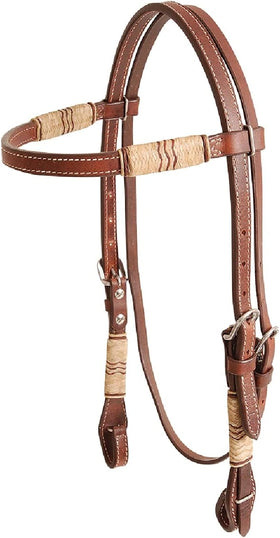
How Much Should You Expect to Pay for a Headstall?
Headstall prices can vary quite a bit, from simple, functional pieces to ornate, show-ready works of art. The good news is that there’s a quality option for every budget. Understanding what goes into the price tag—like materials, craftsmanship, and brand—can help you find the perfect piece of horse tack for your needs. Whether you’re schooling at home or stepping into the show ring, let’s break down the typical price ranges so you know what to expect.
Budget-Friendly Finds ($25-$45)
This is a great starting point for everyday use, training, or if you’re just getting into riding. Headstalls in this range are typically made from standard-grade leather or durable nylon and feature simple, functional hardware. While they might not have the intricate details of more expensive options, they get the job done reliably. You can find a solid, no-frills headstall that’s perfect for trail rides or daily schooling without making a huge dent in your wallet. It’s all about practical performance that you can count on day in and day out.
The Mid-Range Sweet Spot ($45-$70)
For many riders, this price range is the sweet spot. Here, you’ll find headstalls that offer a fantastic balance of quality, durability, and style. The leather is often more supple and of a higher grade, the stitching is more refined, and the hardware is built to last. These headstalls are perfect for riders who spend a lot of time in the saddle and want equipment that looks great and holds up to regular use. You’ll start to see more decorative elements like subtle tooling or nicer buckles, giving you a more polished look without the premium price tag.
Premium & Performance Headstalls ($70+)
When you move into this category, you’re investing in top-tier craftsmanship and materials. These headstalls are designed for serious competitors, professionals, or anyone who demands the very best for their horse. Expect to find high-end features like premium Hermann Oak leather, intricate hand-tooling, sterling silver accents, and superior construction. These pieces are not only built for optimal performance and comfort but are also stunning works of art. A premium headstall is a long-term investment that will stand the test of time and turn heads in the show pen.
High-End and Custom Headstalls ($200+)
In this top tier, you’re looking at more than just a piece of equipment; you’re investing in exceptional craftsmanship and superior materials designed to last a lifetime. These headstalls are often made from the finest leathers available, like Hermann Oak, which is renowned for its supple feel, strength, and beautiful finish that only gets better with age. This category is for the serious competitor, the professional trainer, or any rider who demands the very best for their equine partner. These pieces are built to perform under pressure and are often considered works of art, ready for the show ring or years of reliable use.
This is also where you find incredible custom options that allow you to express your personal style. Think intricate, hand-tooled floral patterns, sterling silver conchos, and unique buck stitching that make your tack truly one-of-a-kind. But these headstalls aren't just for show; they are built to be strong and reliable for everything from competitive arena events to daily ranch work. Investing in a high-end headstall from a trusted collection of horse tack is a commitment to your horse's comfort and performance, allowing for clearer communication and a stronger, more trusting partnership.
What Factors Influence the Price?
So, what makes one headstall $30 and another $300? It really comes down to three main things: materials, craftsmanship, and brand. A headstall made from high-grade, vegetable-tanned leather will naturally cost more than one made from standard leather or nylon. Intricate, hand-tooled designs require hours of skilled labor, which adds to the price compared to a plain, machine-stitched piece. Finally, well-known brands with a reputation for quality and durability often command a higher price, but you’re also paying for their expertise and proven track record. You can explore a variety of trusted brands in our collection of best-selling products.
Explore our full range of western headstalls and halters from trusted brands — versatile options for everyday riding, local shows, and everything in between.
Craftsmanship and Origin
The difference between a good headstall and a great one often lies in the details of its creation. Think about the skill it takes to hand-tool intricate floral patterns or execute a perfect, even buck stitch. This level of artistry and attention to detail is a significant factor in the price. Similarly, where the materials come from matters. A headstall made from premium, American-sourced leather is an investment in durability. This kind of horse tack is built to withstand years of use, unlike cheaper alternatives that might stretch or crack. You're not just buying a piece of equipment; you're investing in quality craftsmanship that ensures safety and longevity for you and your horse.
Which Brands Make the Most Reliable Headstalls?
When you’re shopping for a headstall, it’s easy to get caught up in the beautiful tooling or shiny conchos. But beyond the style, the most important factor is reliability. A well-made headstall from a trusted brand isn’t just a purchase; it’s an investment in your horse’s safety and comfort. The good news is that several brands have built a solid reputation for producing durable, high-quality horse tack that stands up to the demands of riding.
One of the most recognized names is Circle Y. With over 60 years in the business, they’ve earned their reputation by consistently delivering exceptional craftsmanship. When you buy a Circle Y headstall, you know you're getting a product backed by decades of experience. Another go-to for riders everywhere is Weaver Leather. They are known for their high-quality materials and attention to detail, making them a dependable choice for everything from trail riding to ranch work.
You’ll also find that brands like Professional's Choice and Billy Cook are mainstays in tack rooms for a reason. They focus on creating functional, durable gear that you can count on day in and day out. Sticking with these established brands means you’re less likely to deal with stretching leather, weak hardware, or premature wear and tear. It gives you peace of mind knowing your equipment is as hardworking as you and your horse are.
How to Choose the Right Western Horse Headstall
Picking the right headstall is about more than just looks—it’s a key piece of communication between you and your horse. A well-fitting headstall ensures your cues are clear and your horse is comfortable, which makes for a safer and more enjoyable ride for everyone. But with so many options out there, how do you find the perfect one?
It really comes down to four main things: getting the measurements right, understanding how the headstall adjusts, prioritizing your horse’s comfort, and matching the style to your riding discipline. Think of it as finding the perfect pair of boots. You need the right size, the right fit, and a style that works for what you’re doing, whether that’s a day on the ranch or a competition in the show ring. By focusing on these key areas, you can confidently choose a headstall that’s durable, functional, and a great fit for your partner.
How to Measure Your Horse for a Perfect Fit
Before you even start shopping, grab a soft measuring tape. An ill-fitting headstall can cause rubbing, pinching, and general discomfort, so getting the size right from the start is the most important step. You’ll want to measure from the corner of your horse's mouth on one side, up over the poll (behind the ears), to the corner of the mouth on the other side. This will give you the correct length for the cheekpieces.
Most headstalls come in standard sizes like pony, cob, average (or horse), and draft. Knowing your horse’s measurements helps you select the right category and fine-tune the fit. Always pick the correct size for your horse to ensure the bit sits properly and there are no uncomfortable pressure points.
Decoding Headstall Sizing and Adjustments
A good headstall should have plenty of room for adjustment. Look for cheekpieces with multiple holes, which allow you to get the bit placement just right—typically with one or two gentle wrinkles at the corner of your horse’s mouth. The throatlatch, if it has one, should be loose enough to fit three or four fingers between it and your horse’s jaw.
Different styles offer different points of adjustment. A classic browband headstall is adjustable on both sides, while a single-ear or slip-ear style offers a more streamlined fit that relies heavily on the cheekpiece length. When you’re looking at different types of horse tack, pay close attention to how each piece can be customized to your horse’s unique head shape.
Choosing the Right Strap Width
You might not think much about the width of the straps on a headstall, but it’s a detail that impacts comfort, durability, and even safety. Wider straps, typically 5/8 to 3/4 inch, distribute pressure more evenly across your horse’s poll and face, which can be a great choice for sensitive horses or for long hours on the trail. Narrower straps offer a more refined look that can complement a horse with a delicate head. It’s also important to know that some riding organizations have rules about strap width, often requiring chin straps to be at least a half-inch wide for safety. When browsing different styles of horse tack, consider your horse’s build and your discipline. A sturdy, wider strap is ideal for ranch work, while a sleeker, narrower design might be perfect for the show ring.
Is Your Horse Comfortable? What to Look For
Comfort is king. A happy horse is a willing partner, so look for features that put their well-being first. The leather or material should be smooth and supple to prevent chafing, especially around the ears and poll where pressure can build up. Check the hardware to make sure it’s smooth and won’t dig into your horse’s face.
Some horses are particularly sensitive around their ears. For them, a shaped crownpiece that is cut away from the ears can make a world of difference. If you’re considering a browband style, make sure it’s long enough that it doesn’t pull the crownpiece forward onto the ears. Always run your hands under the headstall after tacking up to check for any potential rubbing or tight spots.
Does Your Headstall Match Your Riding Style?
Finally, think about how you’ll be using the headstall. Are you trail riding, working on the ranch, or competing in the show pen? Your riding discipline will guide your choice. For everyday use and ranch work, a sturdy, no-fuss leather or nylon headstall is a practical choice. It’s built for durability and function over flash.
For the show ring, you might want something with a bit more style, like silver accents or intricate tooling. These headstalls are designed to look good while still being comfortable and functional for your horse. Many of our best-selling products are versatile enough for both everyday riding and local shows, giving you a great combination of performance and style.
How to Keep Your Western Headstall in Top Shape
A quality headstall is an investment in your horse's comfort and your safety. With just a little bit of routine care, you can keep your leather tack in great shape for years, ensuring it stays strong, supple, and reliable. Think of it as a small way to thank your gear for all the hard work it does. Proper maintenance not only preserves the look and feel of the leather but also prevents premature wear and tear that could lead to a dangerous equipment failure. A consistent care routine helps you spot potential problems before they become serious, giving you peace of mind on every ride. By following a few simple steps for cleaning, conditioning, and storing, you’ll protect your investment and keep your horse safe.
Your Regular Cleaning and Conditioning Routine
The best way to extend the life of your headstall is to keep it clean and conditioned. Sweat, dirt, and dust can break down leather fibers over time, causing them to become brittle and crack. After each ride, take a moment to wipe down the headstall with a soft, damp cloth to remove surface grime. For a deeper clean, use a quality saddle soap and a sponge to gently work away any built-up dirt. Once it’s clean and dry, apply a leather conditioner to restore moisture and flexibility. This simple habit keeps your horse tack feeling soft and comfortable against your horse’s skin while preventing damage.
Smart Storage to Prevent Damage
How you store your headstall between rides makes a huge difference. Tossing it in a pile can cause the leather to crease, stretch, or get tangled, weakening it over time. The ideal storage spot is a cool, dry place away from direct sunlight, as UV rays can fade and dry out the leather. Hang your headstall on a dedicated bridle rack or a smooth, rounded hook. This helps it maintain its natural shape and allows air to circulate, preventing mildew. Proper storage is a simple, no-cost way to protect your gear. At our family-owned business, we’ve seen firsthand how a little care goes a long way in preserving tack for generations.
When Is It Time for a Repair or Replacement?
Regularly inspecting your headstall is crucial for safety. Make it a habit to give your gear a quick once-over every time you clean it. Pay close attention to stress points, like the areas around buckles and where the bit attaches. Look for any signs of cracking, fraying, or thinning in the leather. Check the stitching to make sure it’s tight and intact, and inspect all metal hardware for rust or bending. If you notice a buckle hole starting to stretch or a strap looking dangerously thin, it’s time to replace that part. Catching wear and tear early is far better than dealing with broken equipment mid-ride. You can always find reliable replacements among our best-selling products.
Related Articles
Frequently Asked Questions
What’s the difference between a bridle and a headstall? Think of the headstall as the main component of the bridle. The headstall is the set of straps that fits over your horse’s head to hold the bit. A complete bridle includes the headstall, the bit, and the reins. So, when you're buying a headstall, you're purchasing the foundational piece that connects everything together.
How can I tell if my headstall fits my horse properly? A great fit is all about comfort and clear communication. The bit should rest comfortably in your horse's mouth, creating one or two soft wrinkles at the corners. If you have a throatlatch, you should be able to easily slide three or four fingers between it and your horse’s jaw. Most importantly, check for any signs of rubbing or pinching, especially around the ears and poll, to ensure there are no uncomfortable pressure points.
Is a browband or a single-ear headstall better for my horse? Neither style is universally "better"—it really depends on your horse and your riding needs. A browband headstall offers more stability, which is great for training, trail riding, or for horses that might try to rub their bridle off. A single-ear headstall provides a clean, minimalist look and is often preferred for well-trained, finished horses in disciplines like barrel racing. The best choice is the one that keeps the headstall secure and your horse comfortable.
How often do I really need to clean my leather headstall? For a leather headstall that you use regularly, a quick wipe-down with a damp cloth after every ride is a great habit to get into. This removes sweat and dirt before they can damage the leather. A more thorough cleaning with saddle soap followed by a quality leather conditioner should be done every month or two, or more often if you ride in harsh weather. Consistent care is what keeps your tack safe and supple for years.
Can I use the same headstall for both training and showing? Absolutely. A high-quality, classic leather headstall is incredibly versatile and can easily transition from the practice pen to the show ring. Many riders prefer a simple, well-maintained headstall made of good leather for all their riding. If you compete at a high level, you might want a separate show headstall with more decorative elements like silver, but for most riders, one great headstall is all you need.


