


Is your horse fussy under the saddle? Do you ever feel like you're fighting your equipment instead of working with it? I've been there. The world of saddlery can feel overwhelming, but getting it right is one of the most important things you can do for your horse's comfort and your own riding. It’s the foundation for better communication and a stronger partnership. This guide breaks down everything you need to know—from proper fitting and selection to essential care and the latest gear. We'll demystify the details and give you simple, actionable steps for a better ride.
Discover how the right saddlery can transform comfort, performance, and horse welfare. Explore key fundamentals, compare modern materials, follow stepwise fitting guides, and stay ahead with maintenance tips and trending advancements. Ready to achieve mastery? Let’s begin your path to saddlery excellence.
Saddlery 101: What Every Rider Needs to Know
Unlocking the world of saddlery starts with understanding its essential types and components. The right saddlery not only supports the rider's goals but also ensures the horse's comfort and performance. In this section, we break down the main elements, their purposes, and the impact of proper equipment selection.
What Do "Saddlery" and "Tack" Mean?
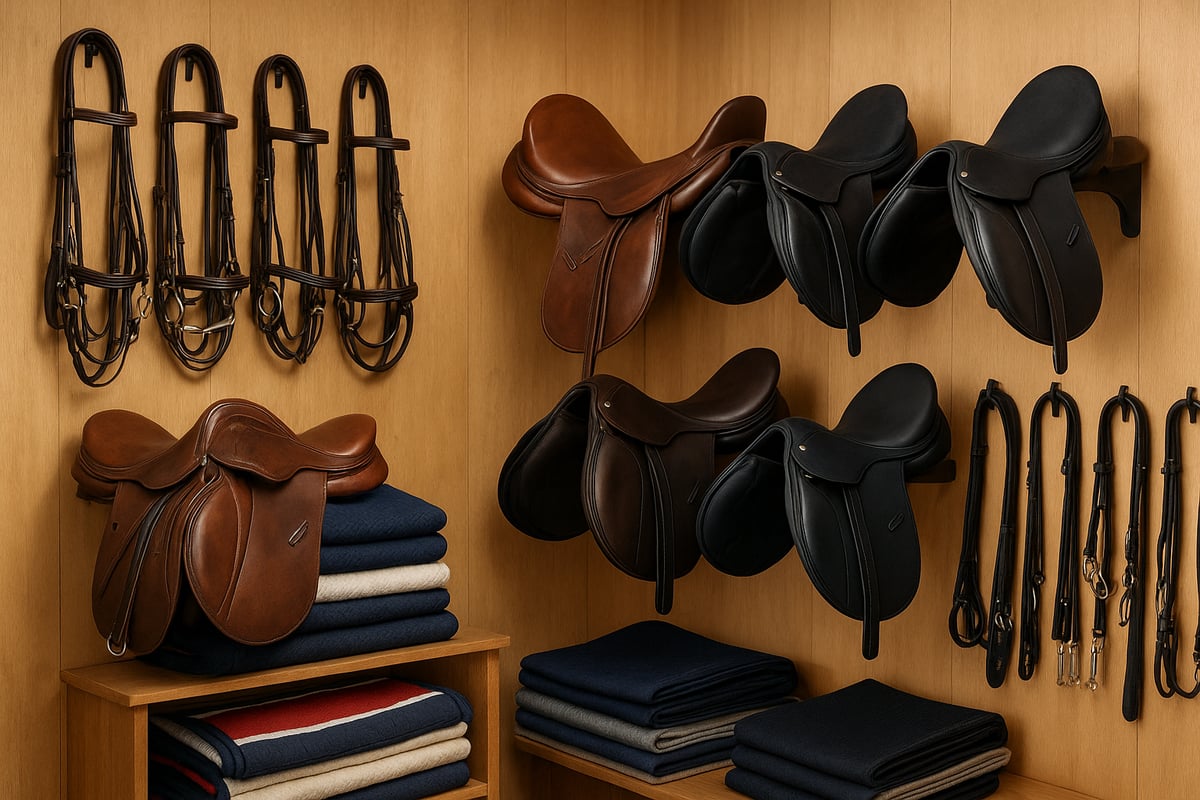
If you're spending time around the barn, you've likely heard the words "saddlery" and "tack," sometimes used as if they mean the same thing. While they're closely related, there's a key difference. Think of saddlery as the big-picture term that covers all equipment made for horses, including saddles, harnesses, and other essential gear. The word also refers to the craft itself—the specialized work done by a "saddler," who makes, repairs, and sells these items. Understanding this broad category is the first step for any rider looking to properly equip their horse for comfort and performance, ensuring you have a solid foundation of knowledge.
On the other hand, "tack" refers more specifically to the gear you use when riding or working your horse. This includes the everyday items like bridles, saddles, girths, and reins. The common barn phrase "tacking up" simply means putting all this equipment on your horse before a ride. So, when you're browsing for a new saddle pad or a durable bridle, you're shopping for pieces of horse tack. Knowing the distinction helps you communicate clearly with other equestrians and find exactly what you need for your four-legged partner.
A Brief History of Saddlery
The art of saddlery is far from new; it has a rich history that stretches back centuries and across many cultures, with deep influences from the nomadic traditions of places like Mongolia. This long legacy has directly shaped the equipment we trust today, blending timeless principles of horse comfort and rider security with the benefits of modern materials and ergonomic designs. Every time you place a saddle on your horse's back, you're taking part in a craft that has been carefully refined over generations, built on a profound understanding of equine anatomy and movement.
Interestingly, the craft has always been remarkably adaptable. As the world modernized and the daily need for horse equipment declined with the invention of the automobile, many saddlers pivoted. They applied their expert leatherworking skills to new trades, creating other high-quality goods like durable luggage, handbags, and even footballs. This flexibility not only ensured the craft survived but also highlighted the incredible skill and precision involved in saddlery. It’s a powerful testament to the artisans who have always prioritized functional, beautiful, and long-lasting work—a standard we still seek in our equipment today.
Western, English, or Specialty: Which Saddle Is for You?
Saddles are the cornerstone of any saddlery collection. Western saddles, known for their deep seats and sturdy horns, are favored in the United States, with Statista (2023) reporting their ongoing popularity. English saddles, lighter and designed for closer contact, excel in disciplines like dressage, jumping, and eventing.
Specialty saddles, such as endurance or Australian stock models, cater to unique riding needs. The main differences between these saddle types include design, weight, and how they position the rider. For example, a dressage saddle offers a long, straight flap for leg extension, while a jumping saddle features a forward-cut flap to support shorter stirrups. Selecting the correct saddle is vital, as it directly affects comfort, security, and rider effectiveness. For a deeper dive into choosing the right option, see Choosing the Right Horse Saddle.
Decoding Bridles, Bits, and Other Tack Essentials
Bridles play a crucial role in communication between horse and rider. The main types include snaffle, double, and hackamore bridles. Snaffle bridles are commonly used for their simplicity and direct rein action, while double bridles offer refined control for advanced dressage. Hackamores, which use nose pressure instead of a bit, are popular for horses with sensitive mouths.
Bits come in various materials such as stainless steel, sweet iron, and copper inlays. Each material can influence the horse's comfort and responsiveness. Accessories like reins, martingales, and breastplates have specific functions, such as stabilizing the saddle or providing extra control. Bitless options are increasingly considered for welfare, as they can reduce mouth discomfort and promote a more relaxed horse.
How Horse Bits Actually Work
A bit is a key piece of communication equipment that rests in a horse's mouth on the gums, in the space between their front and back teeth. It's important to remember that a bit isn't about force; it's a tool for sending subtle signals through the reins. When a rider applies pressure, the bit communicates a request to slow down, turn, or stop. The style and fit must be perfect for your horse to be comfortable and for the bit to function correctly. An ill-fitting bit can cause pain and resistance, undermining your connection. That's why exploring different types of horse tack and finding the right bit is a fundamental step for any rider dedicated to their horse's well-being and clear communication.
Bridles: English vs. Western
While both English and Western bridles serve the same basic purpose, their designs reflect their disciplines. English bridles typically feature a noseband, known as a cavesson, and have reins that buckle together for a clean, simple look suited for sports like dressage and jumping. Western bridles, on the other hand, often don't have a noseband and are made from thinner leather. They are known for their long, separate "split" reins or shorter, connected "romal" reins, which are practical for ranch work and trail riding. The choice between them isn't just about style; it's about matching your equipment to your saddle and the type of riding you do, ensuring both you and your horse are properly outfitted for the task at hand.
Stirrups and Rider Safety
Stirrups are much more than just a footrest; they are essential for helping a rider maintain balance and stability in the saddle. However, they also come with a significant safety consideration. If a rider falls, their foot can get caught in the stirrup, which can lead to being dragged—a truly dangerous situation. To prevent this, always wear proper riding boots that have a distinct heel and a smooth sole. The heel stops your foot from sliding all the way through the stirrup, while the smooth sole makes it easier to slip your foot out if you do fall. Many riders also opt for safety stirrups, which are designed to release the foot in an emergency, adding an extra layer of protection.
Halters and Harnesses: What's the Difference?
For newcomers to the horse world, the terms "halter" and "harness" can sometimes be confusing, but their functions are completely different. A halter is a simple set of straps that buckles around a horse's head and is used for leading or tying up the animal. Think of it as the equine equivalent of a dog's collar. A harness, in contrast, is a much more complex set of straps and equipment designed to connect a horse to a load, such as a cart, carriage, or plow. It distributes the weight across the horse's body so they can pull efficiently and comfortably. You would never use a harness to tie a horse, nor would you use a halter to pull a cart.
Other Essential Riding Aids and Protections
Beyond the saddle and bridle, several other pieces of equipment play important roles in riding. Accessories like martingales and breastplates help keep the saddle stable or provide the rider with additional control by influencing the horse's head position. It's also crucial to think about your horse's physical protection. Leg protection, such as splint boots or polo wraps, is commonly used to shield the horse's delicate lower legs from impact and injury during exercise or turnout. Having a complete set of well-maintained saddlery and tack ensures you’re prepared for safe and effective training sessions, keeping your horse comfortable and sound for years to come.
Securing Your Saddle: A Guide to Girths and Cinches
Girths and cinches are essential saddlery components that secure the saddle to the horse. Innovations in materials have led to choices like neoprene, traditional leather, and advanced synthetic blends. Neoprene offers easy cleaning and anti-chafe properties, while leather provides classic durability.
Proper fitting is critical for both safety and comfort. A girth should be snug yet not overly tight, preventing saddle slippage without restricting movement. Stirrup leathers, which connect the stirrups to the saddle, must be robust and regularly checked for wear. Ensuring these parts fit well can help avoid accidents and sore spots on the horse.
Why Saddle Pads and Blankets Matter for Your Horse
Saddle pads and blankets enhance comfort by distributing pressure and managing sweat. The main types include shaped pads, square pads for general use, half pads for added cushioning, and gel pads for pressure relief. Material options range from natural wool and sheepskin to high-tech foams and synthetic fabrics.
The right saddle pad can prevent pressure points and wick moisture away, keeping the horse's back dry and cool. Wool is prized for breathability and shock absorption, while synthetics are valued for easy maintenance. Choosing the correct pad is an important aspect of comprehensive saddlery care.
How the Right Saddlery Impacts Your Ride
Saddlery directly influences both rider and horse performance through ergonomics and biomechanics. A well-fitted saddle supports balanced movement and effective aids, while poorly fitted tack is a leading cause of back pain in horses, as noted by Equine Vet J (2022).
Rider preferences often focus on comfort and discipline-specific features, but veterinary recommendations emphasize proper fit and periodic assessments. When saddlery is correctly chosen and maintained, it helps prevent injury and maximizes the potential of both horse and rider.
Saddlery Materials: From Traditional to Tech-Forward
The landscape of saddlery has transformed dramatically, blending tradition with innovation. Today’s riders benefit from centuries of craftsmanship and a wave of new technology, all aimed at improving horse welfare and rider performance.
The Classics: Why Leather, Wool, and Metal Endure
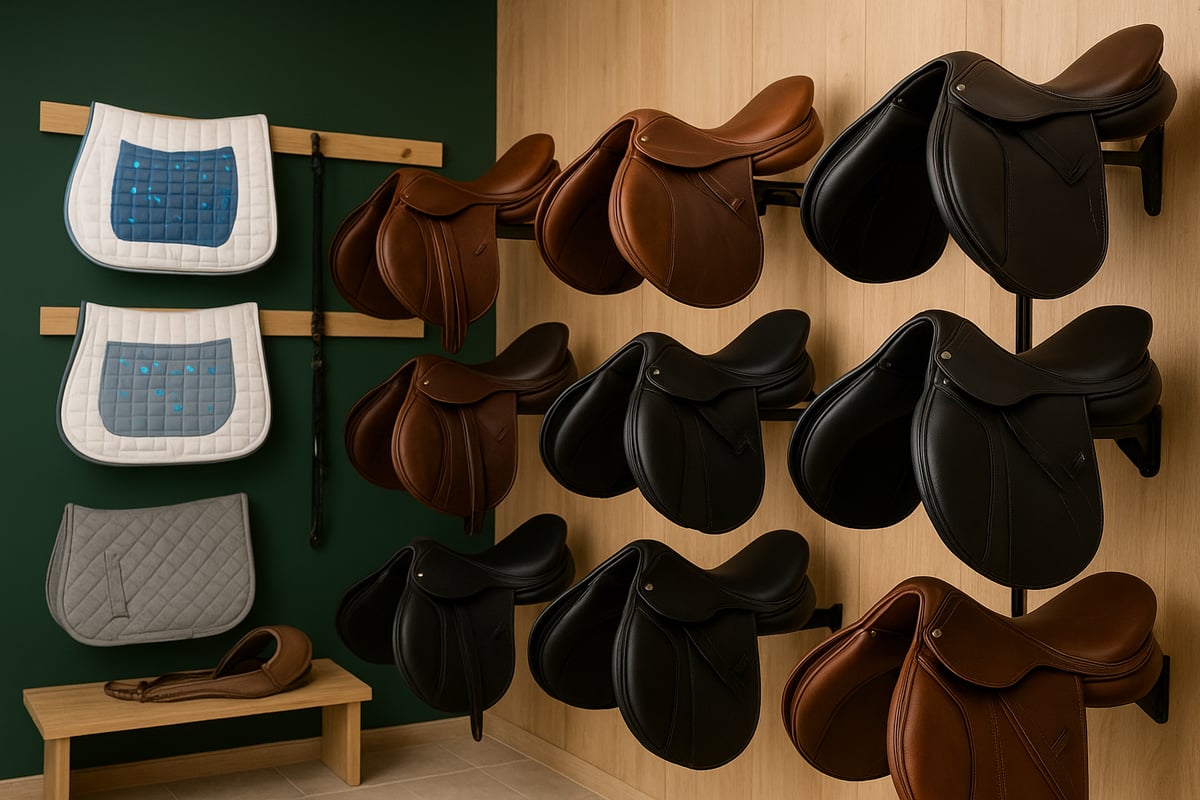
For generations, leather has been the cornerstone of saddlery. Its durability, flexibility, and classic appeal have made it the material of choice for saddles, bridles, and girths. High-quality leather is defined by its grade and tanning process, often resulting in tack that lasts decades with proper care.
Wool flocking remains a preferred filling for saddle panels. It adapts to a horse’s back and can be adjusted or replaced as needed, ensuring ongoing comfort. Metals such as stainless steel and brass are used for buckles, stirrups, and bits, providing strength and longevity.
Traditional saddlery materials not only offer timeless aesthetics but also set the foundation for performance and reliability.
The New Guard: Synthetics, Memory Foam, and More
Modern saddlery has embraced synthetic materials, offering lighter weight and easier maintenance compared to leather. Synthetic saddles, made from high-tech fabrics and polymers, are popular for their affordability and resistance to weather.
Memory foam and gel inserts have revolutionized saddle pads and panels. These materials distribute pressure evenly across the horse’s back, helping to prevent soreness. Carbon fiber saddle trees and flexible panels are now used to tailor fit and maximize comfort.
These innovations allow riders to find saddlery that fits their specific needs, whether prioritizing weight, adjustability, or ease of care.
When Tech Meets Tack: The Rise of Smart Saddlery
The digital age has ushered in a new era for saddlery. Smart saddle pads equipped with pressure-mapping sensors provide real-time feedback on fit, helping riders and fitters fine-tune tack for optimal performance.
RFID tags are increasingly used for gear tracking and security, making it easier to manage valuable equipment. Notably, there has been a 15% rise in smart tack sales, reflecting the growing demand for data-driven solutions.
For those seeking to address fit issues, technology like pressure-mapping and corrective pads can make a significant difference. For a deeper dive into tackling these challenges, explore this Solving Saddle Fit Problems guide.
Saddlery with a Conscience: Eco and Ethical Options
Sustainability is now central to saddlery development. Eco-friendly options like vegan leather and recycled synthetics are gaining ground, appealing to environmentally conscious riders.
Ethical sourcing of materials is also a focus, with brands prioritizing animal welfare and transparency in their supply chains. Some companies now offer biodegradable saddle pads, reducing the environmental impact of discarded tack.
Choosing saddlery that aligns with these values ensures that both horse and planet are cared for, demonstrating that innovation can go hand in hand with responsibility.
How to Find and Fit the Perfect Saddlery: A Step-by-Step Guide
Selecting and fitting the right saddlery is a crucial process for both horse and rider success. The following step-by-step guide will help you navigate the choices, ensuring comfort, safety, and optimal performance in 2025.
Step 1: What's Your Riding Style?
Your journey with saddlery begins by defining your riding discipline and personal objectives. Are you focused on dressage, eventing, trail riding, or a combination of activities? Each discipline places unique demands on the rider and horse, which directly influences the type of saddlery best suited for your needs.
For example, jumping saddles offer forward-cut flaps and support for jumping, while dressage saddles provide a deeper seat and straight flaps for precision. Endurance riders often favor lightweight, cushioned saddlery for long distances. If you ride across multiple disciplines, consider versatile options designed for adaptability.
A clear understanding of your goals ensures your saddlery selection aligns with both your ambitions and your horse’s comfort.
Step 2: Getting the Right Measurements (For Both of You)
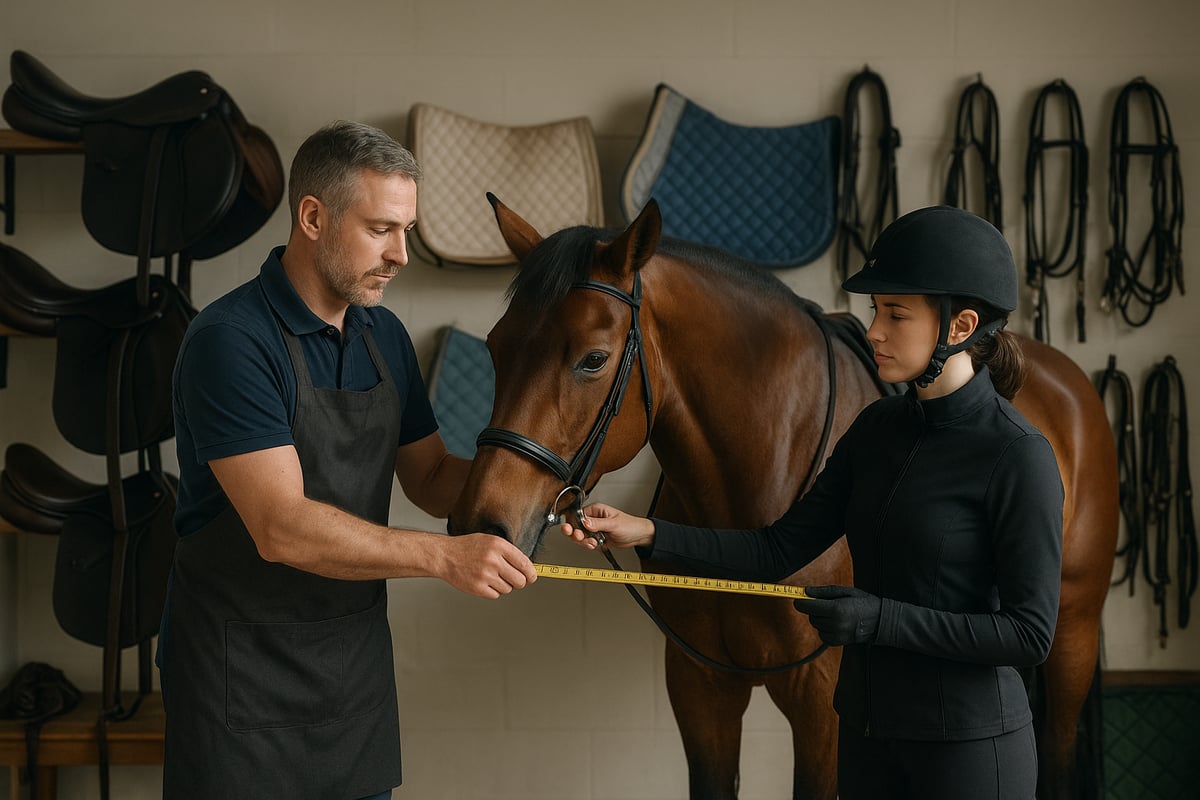
Accurate measurement is the foundation of proper saddlery fit. Begin with the gullet width to match your horse’s withers and back shape. Next, determine the seat size for the rider and the flap length, considering leg length and riding style.
Essential tools include flexible measuring tapes, wither tracers, and manufacturer templates. Many tack shops offer digital tools to assist with precise fitting. Remember, research indicates that 65% of saddle fit issues arise from incorrect measurements, so take your time.
By prioritizing comprehensive measurements, you lay the groundwork for saddlery that supports both safety and performance.
Step 3: The Comfort Check: Evaluating the Fit
Once you have the right measurements, assess the saddlery fit dynamically. Start with static checks to ensure even contact along the horse’s back, adequate clearance at the withers, and correct panel alignment. Watch for warning signs such as bridging, rocking, or uneven pressure.
During movement, observe the horse at walk, trot, and canter. Indicators like white hairs, swelling, or behavioral changes may signal discomfort. For a detailed approach, refer to the Saddle fit simplified guide, which outlines how saddle fit directly impacts horse welfare and performance.
A thorough evaluation at this stage ensures your saddlery enhances, rather than hinders, your partnership.
Step 4: Taking It for a Spin: Trials and Adjustments
Trial periods are invaluable when finalizing your saddlery choice. Many retailers offer test rides or fitting services, allowing you to assess the saddle under real riding conditions. Adjustable saddles and pads provide flexibility for minor modifications.
A professional fitter can identify subtle issues and recommend shims or padding to optimize fit. Investing in this step reduces the risk of injury and ensures long-term satisfaction with your saddlery.
Document any changes during the trial, and communicate with your fitter for ongoing adjustments as your horse’s shape evolves.
Step 5: Making a Smart Investment: Budget and Value
Budgeting for saddlery involves balancing quality, durability, and affordability. Compare the costs between new and used options, keeping in mind that premium brands often retain higher resale value. While initial expenses may be significant, investing in quality saddlery reduces maintenance and replacement costs over time.
Evaluate features such as craftsmanship, warranty coverage, and after-sales support. For beginners, focus on essential items, gradually upgrading as skills and needs develop.
A thoughtful approach to budgeting helps you maximize the value and longevity of your saddlery investment.
Step 6: Where to Shop: Retail, Custom, and Online
Today’s riders have access to a variety of saddlery sources. Brick-and-mortar stores provide hands-on fitting and expert advice, while online platforms offer convenience and a broader selection. Custom makers deliver tailored solutions, but often require longer lead times and higher costs.
Consider the pros and cons of each source. Online purchases are increasingly popular, with 40% of riders now buying tack through digital channels. Always verify return policies and customer support before committing.
Choosing the right retailer or maker ensures your saddlery meets both your expectations and your horse’s needs.
Step 7: Don't Go It Alone: Professional Help and Aftercare
Ongoing support is essential for saddlery longevity and horse welfare. Schedule regular saddle fit assessments, especially after changes in your horse’s condition or training routine. Certified fitters can spot issues early and recommend repairs or adjustments.
Collaborate with trainers and veterinarians to address performance concerns linked to saddlery. Prompt repairs and proper maintenance extend the life of your tack and protect your investment.
A proactive approach to aftercare ensures your saddlery continues to deliver comfort and performance year after year.
How to Care for Your Saddlery and Make It Last
Proper maintenance is the foundation of reliable saddlery. Consistent care not only preserves the appearance of your gear but also extends its functional life, ensuring safety and comfort for both horse and rider. Explore the best practices for cleaning, storing, repairing, and preparing your saddlery for every season.
Your Cleaning Checklist for Different Materials
Caring for saddlery starts with tailored cleaning routines for each material. Leather saddlery demands regular attention: wipe down after each ride, clean weekly with saddle soap, and condition monthly to retain suppleness. Avoid over-oiling, which can weaken stitching. For synthetic saddlery, use mild soap and water, then dry thoroughly to prevent mildew. Specialty cleaners are available for tough stains on synthetics. Metal components like buckles and stirrups require polishing and rust prevention. Always inspect for dirt buildup and address it promptly to prevent long-term damage to your saddlery.
A Routine for Regular Tack Cleaning
Creating a consistent cleaning routine is the best way to protect your investment in quality horse tack. For leather gear, a quick wipe-down with a damp cloth after every ride removes sweat and dirt before they can set in. Once a week, set aside time for a deeper clean using a good saddle soap, followed by a monthly conditioning treatment to keep the leather supple and strong. Be careful not to over-oil, as this can damage the stitching over time. Synthetic tack is simpler to maintain; a wash with mild soap and water is usually all it takes, but make sure to dry it completely to avoid mildew. Finally, don't forget the metal hardware. Regularly polishing your buckles, bits, and stirrups prevents rust and ensures they function safely and smoothly for every ride.
The Right Way to Store Your Saddlery
Storing saddlery correctly is essential for its longevity. Keep all gear in a climate-controlled environment with moderate humidity to prevent mold and cracking. Use saddle racks, bridle hooks, and breathable covers to maintain shape and protect against dust. In humid climates, add silica gel packs or dehumidifiers to your tack room for extra protection. Never store saddlery in direct sunlight or near heat sources, as this accelerates material degradation. Regularly rotate gear to ensure even wear and check storage spaces for pests that could harm your saddlery.
Tips for Long-Term Storage
If you need to store your saddlery for an extended period, taking a few extra steps will ensure it stays in top condition. First, find a climate-controlled space with moderate humidity; this is key to preventing leather from cracking or growing mold. Always keep your gear away from direct sunlight or heat sources, which can cause materials to degrade quickly. To help your quality horse tack maintain its shape, use a proper saddle rack and hang bridles on hooks. A breathable dust cover is a great idea, but avoid plastic bags that can trap moisture. In particularly humid environments, consider placing a dehumidifier or silica gel packs in the storage area. Finally, give the space a quick check every so often for any signs of pests to keep your investment safe.
When to Repair vs. Replace Your Saddlery
Timely repairs preserve the safety and value of your saddlery. Address minor issues like loose stitching or worn billets with DIY fixes if you have the skills. For more complex repairs, such as tree damage or flocking replacement, consult a professional saddler. Common problems include stretched leather, broken buckles, or compressed padding. Schedule annual inspections to catch small issues before they worsen. Data shows that regular maintenance extends tack life by 30 percent, making proactive care a smart investment for your saddlery collection.
Caring for Your Saddlery Through the Seasons
Seasonal changes require adjustments to your saddlery care routine. Before winter, deep clean and condition all leather to prevent cracking during colder months. Store gear in breathable bags and avoid damp areas to reduce mold risk. In summer, check for sweat buildup and rotate equipment to allow thorough drying. For long-term storage, disassemble saddlery and store components separately to maintain shape. Consider insuring high-value saddlery, especially if it is custom or antique, to protect your investment against loss or damage.
Handling Common Leather Problems
Even with the best care routine, leather tack can face challenges like stiffness, water damage, or mildew. Knowing how to handle these common issues is key to keeping your saddlery in top condition. Addressing problems quickly not only saves your gear but also ensures it remains safe and comfortable for your horse. From breaking in a new bridle to salvaging a rain-soaked saddle, here’s how you can tackle the most frequent leather problems head-on, restoring your tack’s health and extending its life for many more rides to come.
Caring for New Leather
New leather often feels stiff and needs some help to become soft and pliable. Before you do anything, give it a gentle cleaning if it has a protective coating from the factory. To condition it, a product like Neatsfoot Compound works wonders for breaking in new tack. The key is to apply it sparingly. Use a cloth to add one thin layer to the top, or grain side, of the leather. Then, apply two thin layers to the more absorbent underside, or flesh side. Be extra cautious with stirrup leathers; over-conditioning can cause them to stretch, which can compromise their strength and safety over time.
What to Do with Wet Tack
Getting caught in the rain happens, but letting your tack stay wet can cause serious damage. Water strips the natural oils from leather, causing the fibers to stretch and then stiffen and crack as they dry. If your tack gets soaked, act fast. First, wipe off any mud or dirt immediately with a damp cloth. While the leather is still damp, apply a light conditioner, such as Belvoir Leather Balsam or a small amount of Neatsfoot Compound. This helps replenish the oils as the water evaporates. Finally, let the tack dry slowly and naturally, far away from any direct heat sources like radiators, vents, or fires, which will only make it brittle.
Treating Dry or Cracked Leather
Over time, leather naturally loses its oils, causing the fibers to become stiff and eventually leading to cracks. To restore dry or brittle tack, you need to reintroduce those essential oils. For moderately dry leather, applying one or two thin layers of Neatsfoot Compound to the absorbent flesh side can bring it back to life. For tack that is very dry, damaged, or has been in storage for a long time, you may need a more intensive treatment. A penetrating oil, like Carrs Leather Oil, is a great option. Apply a thin coat to the underside and let it soak in for at least 24 hours before wiping away any excess.
Dealing with Mold and Mildew
Mold and mildew thrive in dark, damp, and warm environments—like a poorly ventilated tack room. This fungus doesn't just look bad; it can permanently damage and weaken your leather. If you spot mold, the first step is to remove the affected tack from the area to prevent spores from spreading to other items. Next, carefully wipe away all visible mold using a disposable cloth or a tack cleaning mitt, and be sure to throw it away afterward. Finally, clean the item thoroughly with a product specifically designed to inhibit mold growth, such as Belvoir Tack Cleaner Spray, to help keep it from coming back. For more tips, you can read this essential guide to tack care.
What's New in the World of Saddlery?
The world of saddlery is evolving rapidly, with 2025 shaping up to be a year of remarkable transformation. New technologies, changing rider demands, and a global focus on sustainability are redefining what riders expect from their gear. Let us explore the latest innovations and trends that are shaping the future of saddlery.
Making It Yours: The Trend of Custom Saddlery
Riders are increasingly seeking saddlery tailored to their unique needs. Custom-fitted saddles, shaped using 3D scanning technology, offer a precise match for both horse and rider. Personal touches, such as embroidery, engraved plates, and monogramming, are in high demand.
Bespoke options extend to color choices, panel materials, and even decorative stitching. With these advancements, saddlery now blends performance with individual expression. This trend ensures every piece supports both comfort and style, reflecting the rider’s personality and discipline.
Get Connected: The Latest in Smart Saddlery
Technology is driving a revolution in saddlery. Smart saddle pads equipped with pressure-mapping sensors provide real-time feedback on fit and balance. Some models connect via Bluetooth, delivering instant data to a rider’s smartphone.
Wearable sensors are now tracking horse gait and health, helping riders optimize training and prevent injury. According to UK saddle survey insights, there is growing interest in tools that monitor comfort and biomechanics. As these devices become more accessible, smart saddlery is quickly becoming a standard in competitive and leisure riding.
Riding with a Conscience: Sustainable and Ethical Choices
Sustainability is at the forefront of saddlery design in 2025. Vegan leather, recycled synthetics, and biodegradable saddle pads are gaining popularity among eco-conscious riders. Brands are adopting transparent supply chains and prioritizing ethical sourcing of materials.
Consumers are demanding tack that aligns with their values, encouraging manufacturers to innovate responsibly. This shift not only benefits the environment but also supports animal welfare and long-term durability. Riders now have more options than ever for sustainable saddlery that does not compromise on quality.
Saddlery Around the World: Global Influences on Design
Saddlery trends are increasingly global, with styles and features blending from around the world. Australian stock saddles with Western-inspired elements and colorful South American designs are making their way into international markets.
Major events, such as the Olympics, often spark new trends, influencing both function and appearance. As riders embrace diversity, saddlery becomes a canvas for cultural expression. This melting pot of design ensures the industry remains dynamic, relevant, and inclusive for all equestrian disciplines.
Ready to Buy? Expert Tips for Your Saddlery Purchase
Selecting the right saddlery is both an art and a science. From consulting with experts to understanding quality, smart buying decisions can elevate your riding and your horse’s comfort. Let’s explore the essential tips every rider needs for true saddlery mastery.
Who to Ask: Your Team of Saddlery Experts
When investing in saddlery, consulting certified saddle fitters, experienced trainers, and equine veterinarians is crucial. Each professional brings a unique perspective, ensuring that both horse and rider benefit from proper fit and function. Saddle fitters analyze biomechanics and pressure points, while trainers assess how the tack supports your riding style. Vets can spot early signs of discomfort or injury related to ill-fitting saddlery. According to research on the high prevalence of ill-fitting saddles, poor fit remains a leading cause of performance issues and discomfort. Collaboration among these experts results in optimal outcomes for both horse and rider.
How to Spot High-Quality Saddlery
Quality saddlery stands out through meticulous stitching, robust hardware, and premium materials. Hand-crafted pieces often offer superior durability and comfort compared to mass-produced alternatives. Examine seams, buckles, and leather finish closely. Avoid saddlery with uneven stitching, flimsy fittings, or synthetic materials that feel brittle. Investing in high-quality saddlery not only enhances your riding experience but also pays off in longevity and resale value. Riders consistently report greater satisfaction and fewer issues when they prioritize craftsmanship.
Saddlery Budgets: What to Expect as a Beginner vs. Pro
Whether you are new to riding or a seasoned equestrian, budgeting for saddlery requires thoughtful planning. Beginners should focus on essential pieces, prioritizing safety and fit over brand prestige. Advanced riders may invest in custom or discipline-specific saddlery. Consider the long-term costs of upkeep, repairs, and eventual upgrades. Buying used saddlery from reputable sources can offer excellent value, but always inspect for wear and authenticity. Remember, quality saddlery is an investment in both your performance and your horse’s well-being.
Our Go-To Shops for Trusted Saddlery
Choosing where to purchase your saddlery can impact your satisfaction and support options. Look for retailers with strong reputations, transparent return policies, and responsive customer service. Compare warranty coverage and after-sales support across platforms. Online marketplaces offer convenience and variety, but buying directly from established saddlery specialists often ensures authenticity and better guidance.
Hooves and Paws: Your Trusted Saddlery Source
For riders seeking a curated saddlery selection, Hooves and Paws: Your Trusted Saddlery Source is a standout destination. Their extensive range covers all riding disciplines, from dressage to trail. Benefits include free US shipping, flexible payment options, and expert customer support. Hooves and Paws partners with trusted brands and backs every purchase with a satisfaction guarantee. With over 30 years of industry experience, their team guides you to make informed saddlery choices that match your needs and budget.
Keep Learning: Rider Communities and Resources
Staying current in the world of saddlery means engaging in continuous learning. Attend workshops and clinics to deepen your understanding of fitting, materials, and care techniques. Online forums and social media groups foster community support and knowledge sharing. Certification programs in saddle fitting and equestrian care can further your expertise and confidence. The more you learn, the more empowered you become in making smart saddlery decisions.
Common Saddlery Mistakes (and How to Avoid Them)
Many riders fall into common traps when purchasing or maintaining saddlery. Ignoring professional advice, prioritizing style or price over fit, and neglecting regular maintenance can all lead to discomfort or injury. Always verify the fit for both horse and rider, and establish a consistent cleaning and inspection routine. Avoid shortcuts, as they often result in greater expenses and issues down the line.
Thinking Ahead: Upgrading and Reselling Your Saddlery
As your riding goals evolve, so should your saddlery. Upgrading becomes necessary when horses grow, change shape, or when you switch disciplines. To maximize resale value, keep detailed care records and maintain your tack in top condition. Quality saddlery from reputable brands holds its value well in the secondhand market. Monitor trends in saddlery demand, and be prepared to adapt as your needs and the industry shift.
After exploring the essentials of saddlery types, fitting, and the latest innovations, you’re well on your way to making confident choices for your horse and riding goals. Finding the right equipment is about more than style—it’s about comfort, safety, and long term value. If you’re ready to put your new knowledge into action, Hooves and Paws offers a carefully selected range of saddlery and accessories, backed by decades of expertise, free US shipping, and flexible payment options. Let your next step toward saddlery mastery be a smart one—discover what’s waiting for you and Buy Now.
Frequently Asked Questions
How often should I have my saddle's fit checked by a professional? Think of a saddle fit check like a routine tune-up for your horse's comfort. It’s a great idea to have a professional fitter look at your saddle at least once a year. However, you should schedule a check sooner if your horse goes through any significant body changes, such as gaining or losing muscle, growing, or recovering from an injury. A well-fitting saddle is a dynamic process, not a one-time purchase, and staying on top of it ensures your horse remains happy and comfortable in their work.
Is synthetic tack a good alternative to leather? Absolutely, it just depends on your priorities. Synthetic tack has come a long way and offers some great benefits. It's generally more affordable, much easier to clean, and holds up incredibly well in wet or muddy conditions without the risk of water damage. While traditional leather is prized for its custom fit over time and classic look, a high-quality synthetic saddle or bridle can be a fantastic, practical choice, especially for everyday riding, trail riding, or for riders who want to spend less time on maintenance.
My horse is showing signs of discomfort. How can I tell if it's the saddle? This is a common concern, and it's smart to consider your tack as a possible cause. Look for physical signs like white hairs, dry spots under the saddle pad after a ride, or sore spots along the back. Also, pay close attention to behavioral changes. If your horse suddenly becomes grumpy during grooming, resistant to being saddled, or pins their ears when you go to mount, they might be telling you something hurts. The best approach is to first check the fit yourself using the guidelines in this post, and if you still have concerns, call a professional saddle fitter or your vet to get an expert opinion.
Is it safe to buy used saddlery? Buying used tack can be a wonderful way to get high-quality gear on a budget, but you have to be a savvy shopper. The most important thing is to thoroughly inspect any item for safety. Check all the stitching, especially on critical parts like stirrup leathers and billets that hold the girth. Flex the saddle to feel for any signs of a broken or twisted tree. If you're buying online, ask for plenty of detailed photos and don't hesitate to ask questions. A well-cared-for used saddle from a reputable brand is often a better investment than a cheap new one.
With so many types of bits, how do I choose the right one for my horse? The world of bits can feel overwhelming, but the best philosophy is to start simple. The goal is clear communication, not control through force. A basic, smooth-mouthed snaffle bit is the most common starting point for a reason—it's gentle and effective for most horses. The ideal bit is one that fits your horse's mouth structure comfortably and allows you to use the lightest possible cues. If you're unsure, this is the perfect time to consult your trainer. They can assess your horse's needs and your riding style to help you find the perfect match.
Key Takeaways
- Prioritize a professional fit above all else: A saddle that doesn't fit correctly is a leading cause of pain and performance issues for your horse. Work with a certified fitter to ensure your equipment is tailored to both your horse's anatomy and your specific riding needs.
- Establish a consistent care routine: Proper cleaning, conditioning, and storage are non-negotiable for safety and longevity. A simple, regular maintenance schedule prevents leather from degrading, protects your investment, and ensures your gear is always ready for a safe ride.
- Choose tack that supports your discipline: The right equipment is a tool for better communication, not just a style choice. Select saddles, bridles, and bits that are designed for your specific riding goals to improve clarity, comfort, and your overall partnership with your horse.


