


Let’s be honest: for a long time, western helmets felt like a compromise. They were often bulky, hot, and didn't quite match the rest of our carefully chosen tack. But thankfully, those days are over. Brands have finally started designing helmets specifically for the western rider, blending the rugged style we love with the certified protection we need. From innovative designs that look like a classic cowboy hat to low-profile models with excellent airflow, the options are better than ever. This guide is your complete resource for finding a modern western horseback riding helmet that you will genuinely love to wear.
Key Takeaways
- Prioritize certified safety above all else: Look for the ASTM/SEI certification sticker before considering style or price. This non-negotiable label is your proof of proper equestrian protection, and you should plan to replace your helmet after any impact or every five years.
- A correct fit is essential for protection: An ill-fitting helmet can't do its job in a fall. Measure your head and check the manufacturer's size chart before buying, then do a final check to ensure it sits level and feels snug without shifting.
- Balance style with practical comfort: You no longer have to choose between a traditional look and modern safety. Higher-priced helmets often provide valuable comfort features like better ventilation and lighter materials, which make a significant difference on long rides.
What Makes a Great Western Riding Helmet?
Finding the right Western riding helmet is about more than just meeting a requirement; it’s about protecting your most valuable asset while staying comfortable in the saddle. A great helmet perfectly balances three key elements: certified safety, a secure and comfortable fit, and a style that makes you feel confident. While looks are important, the real substance of a helmet lies in its construction and features. Let's break down exactly what to look for to ensure you get the best protection for every ride.
What Does ASTM/SEI-Certified Mean?
When you're shopping for a helmet, you'll see the phrase "ASTM/SEI-certified" on product descriptions. This is the most important feature to look for. This certification means the helmet meets the specific safety standards set by the American Society for Testing and Materials (ASTM) and the Safety Equipment Institute (SEI). These standards are designed just for equestrians. Unlike a bike helmet, a certified riding helmet is tested for impacts from greater heights and different angles. It’s built to protect the sides and back of your head, which are especially vulnerable in a riding accident. Think of this certification as your non-negotiable seal of approval.
How MIPS Technology Offers More Protection
Beyond the standard certification, some helmets feature MIPS technology. MIPS stands for Multi-directional Impact Protection System, and it’s a fantastic innovation for rider safety. Inside a MIPS helmet, there is a low-friction layer that allows the helmet to slide slightly upon impact. This small movement is designed to redirect dangerous rotational forces that can occur during an angled fall, offering your brain an extra measure of protection. While not required, choosing a helmet with MIPS technology is a great way to invest in the latest safety advancements for more peace of mind in the saddle.
Look for These Features for Comfort and Fit
Safety is paramount, but if a helmet isn't comfortable, you're less likely to wear it consistently. A great fit is crucial, so look for helmets with adjustable systems, like a Dial-Fit feature, which lets you fine-tune the sizing with a simple knob at the back. Good ventilation is another must-have for long summer rides, as it allows air to circulate and keep you cool. Many modern helmets are also incredibly lightweight, so you’ll barely notice you’re wearing one. Finding the right balance of these features ensures your helmet feels like a natural part of your horse tack and not a chore to put on.
The Best Western Riding Helmets We Recommend
Choosing the right helmet is a personal decision, but some brands consistently stand out for their commitment to safety, comfort, and style. After looking at countless options and listening to what riders are saying, we’ve put together a list of our top recommendations. These helmets blend the practical needs of western riding with the certified protection every rider deserves. Whether you prioritize a traditional look or the latest in safety tech, there’s a great option here for you.
Our Top Pick: Resistol Ridesafe
For riders who refuse to compromise on the classic cowboy hat look but demand modern protection, our top pick is the Resistol Ridesafe. This helmet masterfully hides a certified equestrian helmet within the shell of a handsome cowboy hat. It’s a game-changer for competitors in events where traditional hats are the norm, and for trail riders who simply love the western aesthetic. It proves you don’t have to sacrifice your style to keep yourself safe in the saddle, making it one of the most innovative pieces of horse tack to come out in years.
Troxel: A Trusted Name in Rider Safety
If you ask a group of riders to name a helmet brand they trust, Troxel will almost always be at the top of the list. For years, they have been a leader in equestrian safety, known for producing reliable, comfortable, and affordable helmets. Troxel offers a wide variety of western-inspired styles, from subtle, low-profile designs to models with more flair. Because they focus so heavily on safety and fit, they are an excellent choice for riders of all ages and skill levels. Their commitment to meeting and exceeding safety standards gives you peace of mind every time you ride.
Resistol Ridesafe: Classic Style Meets Modern Protection
Diving deeper into the Resistol Ridesafe, its appeal comes from its brilliant design. Available in both felt and straw finishes, it looks and feels like a high-quality cowboy hat. While some riders note it may not have every single advanced safety feature of a premium English helmet, it is fully ASTM/SEI-certified, which is the critical standard. Wearing a Ridesafe is infinitely better than wearing a non-protective hat. It’s the perfect solution for bridging the gap between the tradition of western riding and the absolute necessity of head protection in today’s equestrian world.
Ariat: Performance and Comfort Combined
Ariat is a brand that understands the equestrian athlete. Known for their high-performance boots and apparel, they bring the same level of design expertise to their helmets. Ariat helmets are built for comfort during long hours in the saddle, featuring excellent ventilation systems and lightweight construction to keep you cool and focused. They are designed to provide a secure, comfortable fit that you’ll barely notice you’re wearing. For riders who spend a lot of time training or on the trail, Ariat’s focus on combining performance with comfort makes their helmets a top contender.
Charles Owen: Premium Protection and Style
For the rider seeking premium craftsmanship and a touch of luxury, Charles Owen is an exceptional choice. This brand is renowned for its high-quality materials and sophisticated designs that offer superior protection. While often associated with the English disciplines, they offer beautiful helmets in colors like brown and black with leather-look finishes that pair perfectly with western tack. A Charles Owen helmet is an investment in top-tier safety technology and elegant style. If you’re looking for a helmet that provides maximum protection while making a polished statement, this is a brand worth considering.
Shop This Post

Featured in this article
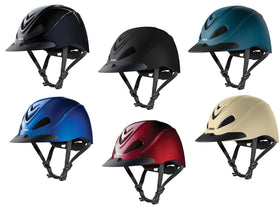
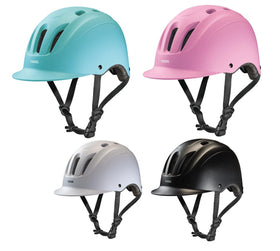
Troxel Dakota Western Riding Helmet - Matte Duratec, ASTM/SEI Certified, SureFit Pro - Multiple Sizes
$104.99
Shop Now →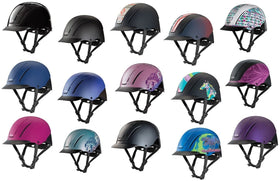
How to Find the Perfect Helmet Fit
Finding a helmet with the right safety certifications is the first step, but ensuring it fits correctly is just as important for your protection. An ill-fitting helmet can shift during a fall, leaving you vulnerable when you need it most. Think of it like a saddle for your horse; a poor fit is uncomfortable and unsafe. Taking a few minutes to measure your head and check the fit will give you the peace of mind that your helmet can do its job properly. These simple steps will help you find a secure and comfortable fit for every ride.
Measure Your Head: A Step-by-Step Guide
Before you start browsing for a new helmet, you need to know your size. The best way to do this is by measuring the circumference of your head. Grab a soft, flexible measuring tape and wrap it around the widest part of your head, about an inch above your eyebrows and ears. Make sure the tape is level all the way around. It’s often helpful to have a friend assist you to get the most accurate measurement. Once you have that number, you can compare it to the manufacturer's sizing charts to find your corresponding size. Remember that sizing can vary between brands, so always check the specific chart for the helmet you’re interested in.
Do a Final Fit Check Before Every Ride
Once your new helmet arrives, it’s time for a final fit check. Put it on and make sure it sits level on your head, not tilted back or forward. A properly fitted helmet should feel snug with firm, even pressure all around your head, but it shouldn't cause a headache. Fasten the chin strap, which should be snug enough to fit only one or two fingers underneath. Gently shake your head from side to side and up and down. The helmet should stay securely in place without shifting. Making this quick check a part of your pre-ride routine ensures your helmet is always positioned to offer the best protection.
How Much Should a Western Helmet Cost?
When it comes to safety gear, it’s natural to think that more expensive means more protection. But when you’re buying a riding helmet, that’s not necessarily the case. The single most important feature to look for is an ASTM/SEI-certification sticker inside. This label means the helmet has passed strict, standardized safety tests, and you can find it on helmets at every price point.
So, what are you paying for with a more expensive model? The extra cost usually covers premium features that enhance your comfort and the helmet’s performance. This includes things like lighter materials, better airflow to keep you cool, moisture-wicking liners, and highly adjustable fit systems. You’ll also see advanced technologies like MIPS appear in higher-end helmets. Think of it this way: every certified helmet provides the essential protection you need, but premium models add layers of comfort and performance that make a real difference during long hours in the saddle. Your choice ultimately comes down to your budget, how often you ride, and the features you value most. Let's break down what you can expect at each price level to help you find the right piece of horse tack for your needs.
Entry-Level Helmets ($50-$100)
You can absolutely find a safe, reliable, and ASTM/SEI-certified helmet in this price range. These helmets are a fantastic choice for beginner riders, kids who are still growing, or anyone who rides occasionally. While they provide all the necessary impact protection, they tend to have more basic features. You can expect a simpler design with standard ventilation and a functional but less customized fit system. Even at this accessible price, you can purchase a certified helmet that meets industry safety standards, giving you peace of mind without stretching your budget.
Mid-Range Helmets ($100-$200)
This price range is the sweet spot for many dedicated trail and recreational riders. Here, you’ll start to see significant upgrades in comfort and style. Helmets in this category often feature better ventilation systems, removable and washable liners, and more advanced dial-fit systems for a secure, personalized fit. This is also where you’ll find popular Western-style helmets, like the Resistol Ridesafe, which combines the look of a cowboy hat with the protection of a certified helmet. These models offer a great balance of performance, aesthetics, and value for the everyday rider.
Premium Helmets ($200+)
For competitors, trainers, or riders who spend long hours in the saddle, investing in a premium helmet can make a world of difference. These helmets feature the latest in safety technology, including MIPS (Multi-directional Impact Protection System), which is designed to reduce rotational forces on the brain during an impact. They are built with high-end, lightweight materials and offer maximum ventilation and superior comfort. You can expect top options with luxurious finishes, low-profile designs, and the most advanced fit systems available, ensuring your helmet feels like it was made just for you.
What Real Riders Think About These Helmets
Choosing a helmet is a personal decision, and hearing from fellow riders can make all the difference. While lab tests and safety ratings are crucial, the real-world experience of spending hours in the saddle gives you the best insight into what works. We’ve gathered the most common feedback from western riders to help you understand what people love about modern helmets and how to sidestep the usual complaints. After all, the best helmet is one you’ll actually want to wear every time you ride.
From the trail to the training pen, riders are looking for a helmet that feels like it’s barely there but provides serious protection when needed. The good news is that brands are listening. They’re designing helmets that not only meet rigorous safety standards but also respect the look and feel of western riding. Let’s get into what riders are saying about the latest generation of western helmets.
What Riders Love Most
Riders are thrilled that they no longer have to choose between safety and style. Helmets like the Resistol Ridesafe have quickly become favorites because they blend the classic cowboy hat profile with modern protective technology. Another feature that gets rave reviews is comfort, especially on long rides. The Troxel Sierra, for example, is often praised for being lightweight and having excellent ventilation, making it perfect for hot summer days on the trail. Riders also appreciate the growing variety of colors and finishes, which allows them to match their helmet to their tack and show off their personal style.
Common Complaints and How to Avoid Them
Let's be real, some riders are hesitant to switch from a hat to a helmet. A frequent concern is heat. If you’re worried about getting too hot, look for helmets designed with plenty of air vents and moisture-wicking liners. Another common issue is the lack of a wide brim for sun protection. While a helmet won’t offer the same shade as a cowboy hat, many models come with a built-in visor that helps shield your face. Some riders also feel a helmet doesn't fit the "traditional" western look, but with more stylish and discipline-specific options available, safety is becoming the new tradition.
Western vs. English Helmets: What's the Difference?
At first glance, the biggest difference between Western and English riding helmets seems to be style. And while aesthetics play a big role, the variations are also rooted in the specific demands of each riding discipline. The most important thing to remember is that any helmet you buy, regardless of style, must be ASTM/SEI-certified to provide proven protection. Once that safety box is checked, you can explore the differences.
English helmets are known for their classic, streamlined look. They typically have a low profile and are covered in black velvet or a smooth microfiber finish. The brim is short and fixed, designed to not obstruct your vision while navigating a jump course or performing a dressage test. These helmets are built to be sleek and traditional, fitting the formal look of many English disciplines.
Western helmets, on the other hand, often have a more rugged appearance and prioritize comfort for long hours on the trail. Many feature more prominent ventilation slots to keep you cool. You’ll also find a wider variety of finishes, from matte colors to designs with leather accents. Some even incorporate a wider, more sun-protective brim. The ongoing debate between tradition and safety in the Western world has led to innovative designs that blend the look of a cowboy hat with the protection of a certified helmet.
Ultimately, while the styles differ, the core function is the same: to protect your head. English riders almost universally wear helmets, as it’s required in most competitions. While the Western world has been slower to adopt them, safety is becoming a top priority for riders everywhere. The best choice for you is a certified helmet that fits correctly and suits the type of riding you do most.
Avoid These Common Helmet-Buying Mistakes
Choosing a new helmet is an important decision for your safety and peace of mind in the saddle. To make sure you find the perfect one, it helps to know what to look for and what to avoid. Let's walk through a few common mistakes riders make so you can shop with confidence.
Using a Non-Equestrian Helmet
It might be tempting to grab a bike helmet or another type of sports helmet, but they are not built to protect you from a fall from a horse. Equestrian helmets are specifically designed to withstand the unique impacts of a riding accident. Unlike bike helmets, they undergo different safety testing and are constructed to protect the sides and back of your head from a fall from a greater height. Always stick with a helmet made for horseback riding.
Letting Fashion Outweigh Function
Many riders love the traditional look of a cowboy hat, and we get it. But when it comes to safety, function has to come first. As one expert puts it, "safety should never take a backseat to style." The great news is that you no longer have to choose. Modern western helmets blend classic aesthetics with certified protection, so you can look the part while staying safe. Before you even consider the color or style, look for the ASTM/SEI certification sticker inside.
Forgetting About Comfort and Fit
An ill-fitting helmet isn't just uncomfortable, it's unsafe. If a helmet pinches, slips, or feels too hot, you'll be tempted to leave it in the tack room. A helmet only works if you wear it. Look for features like adjustable harnesses, removable liners for washing, and good ventilation. A proper fit means the helmet is snug but not tight, and it doesn't shift when you move your head. A comfortable helmet is one you'll forget you're even wearing.
Buying Without a Plan
With so many options available, it's easy to feel overwhelmed. Different brands fit differently, so what works for your friend might not work for you. It's always best to try on a few different helmets to find the right shape for your head. If you're shopping online, start by measuring your head carefully and comparing it to the brand's size chart. At Hooves and Paws, our 365-day satisfaction guarantee means you can shop for all your horse tack with confidence, knowing you can find the perfect fit.
How to Care for Your Western Riding Helmet
Your riding helmet is the single most important piece of safety gear you own. To make sure it can do its job properly, you need to give it a little TLC. Proper care not only keeps your helmet looking good and feeling fresh but also preserves its protective qualities. Think of it as simple maintenance for your most valuable asset in the saddle: your head. A well-cared-for helmet will be a reliable partner for years, but it’s also crucial to know when it’s time to retire it for a new one. Here’s how to handle both.
Keep Your Helmet Clean and Safe
Regular cleaning is key to keeping your helmet in top shape. Sweat and dirt can build up, which isn't just uncomfortable; it can also degrade the helmet's materials over time. If your helmet has a removable liner, you’re in luck. Most can be tossed in the washing machine on a gentle cycle, but always check the manufacturer's tag first. For helmets with fixed liners, simply wipe the inside with a damp cloth and a bit of mild soap. Once it's clean, let it air dry completely in a cool, well-ventilated spot. Avoid leaving it in direct sunlight or a hot car, as extreme heat can damage the protective foam and compromise its safety. A little cleaning goes a long way in extending the life of your gear.
Know When It's Time for a New Helmet
This is the most important rule of helmet ownership: know when to say goodbye. First, you must replace your helmet after any significant impact. This includes a fall from your horse or even a hard drop onto a concrete floor. The internal foam is designed to crush and absorb a single impact, and while the damage might not be visible, the helmet will no longer offer the protection you need. Second, even without any impacts, you should replace your helmet every five years. Over time, the materials naturally break down from exposure to sweat, heat, and sunlight. It’s a small price to pay for your safety. When it's time for an upgrade, you can find a great selection of modern, certified helmets in our Horse Tack collection.
Related Articles
- Ride with Confidence: The Ultimate Guide to Equestrian Helmet Safety, Style & Comfort
- The Ultimate Brown Horse Riding Helmet Guide
Frequently Asked Questions
Why can't I just wear my bike helmet for riding? While it might seem practical, a bike helmet is not designed for the kind of falls that can happen with horses. Equestrian helmets are tested for impacts from greater heights and are built to protect the back and sides of your head, which are more vulnerable in a riding accident. Always choose a helmet that is specifically ASTM/SEI-certified for equestrian use to ensure you have the right protection.
Is the Resistol Ridesafe really as safe as a traditional helmet? Yes, it is. The Resistol Ridesafe is fully ASTM/SEI-certified, which means it has passed the same rigorous safety tests as any other certified equestrian helmet. While it looks like a classic cowboy hat, it has all the necessary protective technology built inside. It’s an excellent choice for riders who want certified protection without giving up their Western style.
What should I do if I'm between two helmet sizes? If your head measurement falls between two sizes, it's usually best to try the smaller size first. A helmet should be snug, and many have adjustable dial-fit systems that can help you fine-tune the fit. If the smaller size causes pressure points or a headache, then go up to the larger size and use the adjustment system to create a secure fit. The helmet should not shift when you shake your head.
Do I really need to replace my helmet every five years, even if I haven't fallen? Absolutely. Over time, the materials inside the helmet naturally degrade due to exposure to things like heat, sweat, and sunlight. This breakdown can compromise the helmet's ability to protect you in a fall. Think of it as an expiration date for your safety. Replacing your helmet every five years ensures it's always ready to perform when you need it most.
Can I wear an English-style helmet for Western riding? Of course. The most important factor for any helmet is its ASTM/SEI certification, not its style. If you prefer the fit or look of an English helmet, it will provide the same certified protection for any type of riding. The best helmet is always a certified one that fits you correctly and that you'll wear for every single ride.


