


Few things are more frustrating than finding your horse has pulled a shoe. Again. That unexpected call to the farrier isn’t just an inconvenience—it’s a hit to your wallet. What many riders don't realize is that this common headache is often preventable. A simple piece of gear, horse overreach boots, can be the solution. While they are fantastic at keeping shoes on, their most important job is protecting the delicate heel bulbs and coronary band from painful self-inflicted strikes. This guide covers everything you need to know to keep your horse sound and your farrier on standby for routine visits only.
Key Takeaways
- Protect Against Injury and Lost Shoes: Overreach boots act as a durable shield for your horse's front hooves, protecting the delicate heel bulbs and coronary band from self-inflicted strikes. They also prevent pulled shoes by covering the heel of the horseshoe, saving you from unexpected farrier calls.
- Assess Your Horse's Individual Needs: Boots are essential for horses in high-impact sports or those with gaits that naturally cause overreaching. Check your horse’s pasterns for nicks and scrapes or take note of frequently pulled shoes—these are clear signs they would benefit from the extra protection.
- Prioritize a Correct Fit and the Right Material: A proper fit is critical for safety; the boot should be snug enough not to twist but allow you to slide one finger underneath. Match the material to your horse's job—durable rubber is great for turnout, while shock-absorbing neoprene is ideal for athletic work.
What Are Horse Overreach Boots?
If you've spent any time around a barn, you've likely seen horses sporting what look like little rubber bells on their front feet. These are overreach boots, often called bell boots, and they’re a key piece of protective horse tack. They fit snugly around the pastern and flare out to cover the entire hoof, from the coronary band down to the heel. Think of them as a helmet for your horse's hooves.
Their main job is to protect the delicate structures of the front hooves—specifically the soft heel bulbs, the coronary band where new hoof growth starts, and the back of the pastern. The name "overreach boot" comes from the action they prevent: an "overreach." This happens when a horse's hind hoof swings forward too far and strikes the heel of the front hoof on the same side. It’s a common misstep that can lead to painful injuries, so these simple boots provide a crucial layer of defense against nicks, cuts, and bruises. They act as a durable shield, absorbing the impact that would otherwise land directly on your horse's sensitive heel, keeping them comfortable and sound whether they're in the pasture or the performance ring.
How Do They Protect Your Horse?
So, how does a simple bell-shaped boot offer so much protection? It all comes down to creating a physical barrier. When a horse overreaches, the hard edge of the hind hoof can easily slice into the soft tissue of the front heel or damage the coronary band. Overreach boots are made from tough, shock-absorbing materials like rubber or neoprene that cover these vulnerable areas. Instead of the hind hoof hitting sensitive skin or the vital coronary band, it makes contact with the boot. This deflects the blow, preventing cuts, bruises, and even more serious injuries that could lead to lameness. They also help prevent a horse from accidentally stepping on and pulling off a front horseshoe with a hind foot, saving you a call to the farrier.
Is Your Horse a Candidate for Overreach Boots?
Not every horse needs overreach boots all the time, but they're essential in certain situations. Horses with big, energetic gaits or those that are still developing coordination are prime candidates for overreaching. They're also a must-have for high-impact sports like jumping, eventing, or barrel racing, where quick movements increase the risk of a hoof strike. Even working on uneven or muddy ground can cause a horse to misstep. You'll often see them used during turnout, as a playful buck or quick turn in the paddock can lead to an overreach injury. Additionally, horses with special shoeing or those recovering from a hoof-related injury can benefit from the extra protection these boots provide.
What Injuries Do Overreach Boots Prevent?
Think of overreach boots as a personal security detail for your horse’s front hooves. Their main job is to protect the delicate heel and pastern area from the horse's own hind feet. This happens during "overreaching," when the hind hoof extends forward and strikes the back of the front hoof. It’s a common issue, especially in athletic horses or those with specific gaits, and can lead to a range of frustrating and painful injuries.
By providing a durable, shock-absorbing barrier, these boots shield some of the most vulnerable parts of your horse’s lower leg. They cover the soft heel bulbs, the pastern, and the all-important coronary band. This simple piece of horse tack can be the difference between a sound, happy horse and one sidelined with a preventable injury. From minor scrapes to more serious damage that affects hoof growth, overreach boots offer essential protection during training, turnout, and competition. They even help keep shoes on, saving you from unexpected farrier bills.
Guarding Against Hoof Strikes and Bruises
The most direct benefit of overreach boots is preventing cuts and bruises. When a hind hoof clips the back of a front leg, it can easily slice the skin or cause deep bruising to the soft tissues of the heel bulbs. These injuries are not only painful but can also become infected and lead to extended downtime while they heal. Overreach boots act as a physical shield, absorbing the impact of the strike. Instead of the hoof hitting sensitive skin and tissue, it makes contact with the tough, protective material of the boot, keeping your horse’s legs safe and sound.
Protecting the Sensitive Coronary Band
The coronary band is the critical growth center at the very top of the hoof wall. Any injury to this area can disrupt normal hoof growth, potentially leading to permanent structural problems. An overreach strike can easily damage this sensitive band, causing anything from a minor disruption to a serious injury that affects the hoof for months or even years. By covering this area, overreach boots provide a vital layer of defense. They deflect impact away from the coronary band, ensuring the hoof can continue to grow strong and healthy without interference from accidental self-inflicted strikes.
Keeping Horseshoes On and Secure
If you’ve ever arrived at the barn to find your horse missing a shoe, you know how frustrating it can be. Overreaching is a common cause of pulled shoes. The toe of the hind hoof can catch the heel of the front shoe and rip it right off, often taking a chunk of hoof wall with it. This not only means an extra call to the farrier but also risks damaging the hoof. Overreach boots cover the heel of the hoof and the back of the horseshoe, creating a smooth surface that prevents the hind foot from getting a grip and pulling the shoe loose. It’s a simple solution to a costly problem.
Does Your Horse Need Overreach Boots?
So, how do you know if your horse is a candidate for overreach boots? While they aren't a standard piece of gear for every horse, they are essential for many. The decision comes down to your horse's activity level, natural way of moving, and even their shoeing schedule. Think of them as insurance—you put them on to prevent a problem before it starts. An overreach injury can mean minor scrapes or a torn heel bulb that requires a lengthy recovery. By paying attention to a few key factors, you can make an informed choice to keep your horse's hooves and pasterns safe. Let's walk through the most common reasons a horse might benefit from wearing a pair.
Protection During High-Impact Sports
If you and your horse are involved in any high-impact disciplines, overreach boots are practically a must-have. During fast activities like jumping, barrel racing, or eventing, a horse’s powerful push-off causes the hind hooves to travel further forward, increasing the chance of striking the front heels. The faster they go, the greater the risk. Using boots during these demanding workouts is a smart, preventative step to protect your horse from painful injuries and keep your training on track. It's a small piece of horse tack that makes a huge difference.
For Horses with an "Overreaching" Gait
Some horses are just naturally built to overreach. Those with short backs and long legs, or with energetic, "big-moving" gaits, often have a stride where their hind feet clip their front heels. This conformation makes them more likely to injure themselves even during a simple trot. Young, uncoordinated horses can also be prone to accidental self-strikes. Similarly, working on uneven or deep footing can throw off a horse's rhythm and lead to an overreach. If this sounds like your horse, boots can provide essential everyday protection.
Telltale Signs Your Horse Needs Protection
Your horse will often tell you if they need protection—you just have to know what to look for. Are you constantly finding nicks, scrapes, or bald spots on their heel bulbs or coronary bands? That’s a clear sign of overreaching. An even bigger clue is frequently lost or pulled shoes. If your farrier is on speed dial because your horse keeps stepping on and ripping off their front shoes, a good pair of overreach boots can be a game-changer. They cover the back of the hoof and shoe, preventing the hind toe from grabbing it. This simple addition saves you frustration and money, making them one of our best selling products for a reason.
Choosing the Right Type of Overreach Boot
Once you've decided your horse could benefit from overreach boots, the next step is picking out the right pair. Walking into a tack shop or browsing online can feel a little overwhelming with all the options, but it really comes down to three main things: the material, the closure system, and the specific style or cut. Each of these elements plays a big part in the boot's comfort, durability, and how well it stays put during a ride, lunge session, or turnout.
Think about your horse's daily life and sensitivity. A horse that spends most of its time relaxing in a pasture has very different needs than one competing in high-impact sports like show jumping or cross-country. The material that works for one might be too hot or not tough enough for the other. Similarly, the type of closure you choose can be the difference between a boot that stays on securely and one you find left behind in the mud. Understanding these key differences will help you confidently choose the perfect match from our collection of horse tack and keep your horse's hooves protected and sound.
Rubber, Neoprene, or Nylon: Which Material is Best?
The material of an overreach boot directly impacts its performance and your horse's comfort. Rubber is a classic choice—it's affordable, incredibly durable, and super easy to hose off. However, it can be a bit stiff and isn't very breathable. Neoprene is another popular option, known for being soft, flexible, and great at absorbing shock. The downside is that it can hold heat and moisture, so it's important to let your horse's legs breathe. For maximum toughness, ballistic nylon is the way to go. It's extremely resistant to tears and rips, making it ideal for intense work or horses that are especially hard on their gear.
Exploring Other Materials: Leather, PVC, and Ballistic Nylon
Beyond the common choices, you'll find overreach boots made from other specialized materials. Leather offers a traditional look and is known for its durability and comfort, though it does require proper maintenance to stay in good shape. A more modern and practical option is PVC, a synthetic plastic polymer that provides a great balance of flexibility, strength, and water resistance, making it suitable for a wide range of equestrian activities. For horses that are particularly tough on their gear or engaged in intense work, ballistic nylon is an excellent choice. This material is extremely resistant to tears and rips, offering maximum durability and protection against the hardest of strikes. Each material brings something different to the table, allowing you to find the perfect match for your horse's specific needs and workload.
Velcro vs. Pull-On: Picking the Right Closure
How the boot fastens is a matter of security versus convenience. Pull-on boots are just what they sound like—stretchy rubber boots you pull on over the hoof. They are incredibly secure and have no hardware that can fail, making them a favorite for turnout or cross-country. The trade-off is that they can be a real workout to get on and off. On the other hand, boots with Velcro (or hook-and-loop) closures are much easier to put on, take off, and adjust for a perfect fit. While convenient, the Velcro can sometimes get clogged with mud or lose its stickiness over time, potentially coming undone during rigorous activity.
Beyond the Basics: Bell Boots and Specialty Styles
You'll often hear the terms "overreach boots" and "bell boots" used for the same thing, and for the most part, they are. Both are bell-shaped and designed to protect the sensitive heel bulbs, coronary band, and pastern area from strikes by the hind hooves. Some designs are specifically marketed as "no-turn" boots, which have an extra nodule inside to keep them from spinning. Others might be cut higher or lower depending on the specific type of protection needed. The key is to find a style that covers the area you need to protect without interfering with your horse's movement.
Selecting Boots Based on Intended Use
The best overreach boot for your horse depends entirely on their job description. A horse enjoying a quiet day in the pasture has different needs than one galloping on a cross-country course. When you're choosing a pair, think about what your horse will be doing while wearing them. Durability, breathability, and the level of impact protection required will vary greatly between turnout and intense athletic work. Matching the boot to the activity ensures your horse gets the right level of protection without sacrificing comfort, and it also means your gear will last longer. Let's look at the key differences between boots designed for turnout versus those built for specific disciplines.
Boots for Turnout
For everyday turnout, you need a boot that can handle the elements and whatever mischief your horse gets into. The main priorities here are durability and ease of care. Look for boots made from tough rubber or a similar waterproof material that won't get waterlogged in a downpour or a muddy field. They should also be simple to hose off at the end of the day. Secure fastenings are non-negotiable; strong Velcro or a classic pull-on style will keep the boots from getting sucked off in the mud. Since your horse might be wearing them for hours, a comfortable fit is key, but you don't necessarily need the high-tech shock absorption of a performance boot.
Boots for Specific Disciplines
When your horse is working hard, their protective gear needs to step up. High-impact sports like jumping, barrel racing, and eventing require boots that offer maximum protection. During these activities, your horse's powerful push-off and quick movements dramatically increase the risk of a hind hoof striking a front heel. For this kind of work, look for boots made from shock-absorbing materials like neoprene or those reinforced with tough ballistic nylon. These materials are designed to withstand and dissipate the force of a direct hit, protecting the delicate structures of the hoof and pastern. A secure, no-turn fit is also crucial to ensure the boot stays exactly where it needs to be during intense exercise.
Considering Your Horse's Skin Sensitivity
Just like people, some horses have more sensitive skin than others and are prone to rubs and irritation. If your horse falls into this category, the lining of their overreach boots is just as important as the outer material. While neoprene is soft, it can trap heat and moisture, which can sometimes cause chafing or skin funk. For sensitive horses, look for boots with a soft fleece or genuine sheepskin lining. This extra padding provides a gentle cushion against the skin and helps wick away moisture, preventing rubs around the pastern. Regardless of the material, always make sure to remove the boots daily and clean both the boot and your horse's leg to keep their skin healthy and comfortable.
Understanding the Market: Variety and Price Points
When you start shopping for overreach boots, you'll find a huge range of options with prices starting under $20 and going well into the hundreds. This price difference usually comes down to the materials, brand name, and specific features like no-turn technology or specialty linings. Don't feel like you need to buy the most expensive pair to get good protection. An affordable, durable rubber boot is often the perfect choice for turnout. The key is to match the boot to your horse's specific needs. At Hooves and Paws, we focus on offering a handpicked selection of high-quality horse tack that provides excellent value, so you can find the right protection without breaking the bank.
Shop This Post

Featured in this article
Shires Arma Overreach Bell Boots - 6mm Rubber Shock Absorbing Double Touch-Close - Multiple Sizes
$19.99
Shop Now →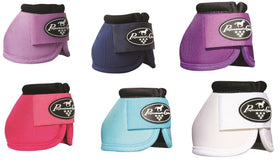
How to Fit Overreach Boots Correctly
Getting the right pair of overreach boots is only half the battle—a proper fit is what truly protects your horse. An ill-fitting boot, like any piece of horse tack, can be ineffective at best and harmful at worst, causing rubs, sores, or simply failing to do its job. Think of it like your own favorite pair of riding boots; if they don't fit well, they're more of a hindrance than a help. Taking a few extra minutes to ensure the boots fit correctly will save you headaches down the road and keep your horse comfortable and safe. We'll walk through exactly how to measure, check the fit, and avoid common mistakes so you can feel confident your horse is getting the protection they need.
How to Measure for a Perfect Fit
Before you even add a pair of boots to your cart, grab a soft measuring tape. The best way to guarantee a good fit is to measure your horse’s hoof diameter and the height of their heel bulb. Each brand can have slightly different sizing, so relying on measurements instead of just "Small" or "Large" is always a smart move. If you find your horse is between sizes, it's generally best to choose the larger one to avoid any pinching or tightness around the pastern. A little extra room is better than a boot that's too constricting.
Understanding Equestrian Sizing: Pony, Cob, Full, and Warmblood
When you're shopping for overreach boots or any other horse tack, you'll quickly notice the sizing is a bit different from what you might expect. Instead of a simple small, medium, or large, you'll see terms like Pony, Cob, and Full. These categories are based on the general height and build of a horse, and while it's always best to measure, understanding them gives you a great starting point. Here’s a quick breakdown of what each size typically means:
- Pony: This size is designed for smaller equines, usually those standing between 11 and 13 hands high (hh).
- Cob: A great fit for horses in the 13hh to 15.2hh range. This size often works well for stockier builds that might be too wide for a pony size but not tall enough for a full.
- Full: This is the standard "horse" size, fitting most horses from 15.1hh to 17hh and is the most common size for many breeds.
- Warmblood (or Oversize): For the gentle giants. This size accommodates larger warmbloods or draft crosses that are taller or have a heavier build than the average horse.
Checking for Correct Coverage and Snugness
Once you have the boots, it's time for a test fit. The boot should sit snugly around your horse's pastern, which is the area just above the hoof. A great rule of thumb is that you should be able to slide one small finger between the top of the boot and your horse's skin. Any more room, and it might spin or slip; any less, and it could chafe. The length is just as crucial. The bottom of the boot needs to cover the entire heel bulb and just touch the ground when your horse is standing squarely. This ensures full protection for the entire area.
A Special Note on Fitting No-Turn Boots
No-turn overreach boots have a small, built-in bump on the inside designed to sit in the hollow of your horse's heel. This little nodule is the secret to keeping the boot in place, but it also means the fit has to be just right. If the boot is too loose, it will spin around just like a standard bell boot, and that special no-turn feature won't do you any good. The key is to get a snug fit around the pastern—you should still be able to slide one finger underneath, but no more. This ensures the nodule stays put without creating a pressure point or causing rubs. Getting this fit correct is essential for the boot to function as intended and provide consistent protection, making it a crucial piece of your horse tack setup.
Common Fitting Mistakes to Avoid
The two most common fitting errors are choosing a boot that's either too loose or too tight. A boot that's too loose can easily get filled with mud or debris, twist around, or even get pulled off during exercise. On the other hand, a boot that’s too tight can cause uncomfortable rubbing, leading to sores and hair loss on the pastern. If your horse needs to wear their boots for long periods, like during turnout, make it a habit to remove them daily. This gives you a chance to clean the boots and check your horse’s skin for any signs of irritation.
What to Look for in a Great Pair of Overreach Boots
Choosing the right overreach boots can feel overwhelming with all the options out there, but it doesn't have to be complicated. The best pair is simply the one that fits your horse correctly, suits their activity level, and is made from materials that will hold up to the job. Think of it like buying a great pair of work boots for yourself—you want something that protects you without getting in the way.
Finding the right horse tack is all about matching the equipment to your horse's specific needs. A well-chosen pair of overreach boots will provide reliable protection, giving you peace of mind whether you're schooling in the arena or out on the trail. Let's walk through the key things to look for so you can make a confident choice.
Must-Have Features for Safety and Comfort
The most important job of an overreach boot is to protect the delicate parts of your horse's front hooves—specifically the pastern, coronet band, and heel bulbs. These areas are vulnerable to being struck by the back hooves, an action known as "overreaching." A great boot provides a durable shield against these impacts.
However, protection is useless if the fit is wrong. The boot should sit snugly around the pastern but not so tight that it chafes. A good rule of thumb is that you should be able to slide one small finger between the top of the boot and your horse's leg. This ensures it’s secure enough not to spin or slip down over the hoof, which could cause a stumble, but loose enough to allow for comfortable movement.
Advanced Features for Enhanced Protection
While all overreach boots offer a basic level of defense, some are designed with extra technology for even greater security. Look for boots made from materials like neoprene, which are specifically engineered for superior shock absorption, cushioning the impact from a hard strike. Another fantastic innovation is the "no-turn" design. These boots have a small, soft nodule on the inside that rests in the hollow of the heel, preventing the boot from spinning out of place during intense activity. This ensures the most vulnerable part of the hoof remains consistently covered, offering you peace of mind that your horse's protective gear is always working as it should.
How to Spot a Durable, Quality Boot
When you're comparing boots, pay close attention to the material. Rubber is a classic choice because it’s incredibly durable, waterproof, and easy to wipe clean, making it a practical option for everyday use. Neoprene is another popular material, valued for its soft, flexible feel and excellent shock absorption. It offers a bit more cushioning, which can be great for sensitive horses.
Beyond the material, check the construction. Are the seams well-stitched? Is the closure system secure? Strong Velcro fastenings are convenient and adjustable, but make sure they are heavy-duty enough to stay closed during intense activity. A quality boot is an investment in your horse's soundness, and our best-selling products are chosen for their reliability and durability.
The Importance of Manufacturer Guarantees
A manufacturer's guarantee is more than just a policy—it's a statement of confidence in their product. When a brand offers a warranty or a money-back guarantee on their overreach boots, they are telling you they believe in the durability and effectiveness of their design. This provides valuable peace of mind, especially when you're investing in your horse's safety. Knowing you can return or exchange a pair of boots if they don't hold up to regular use makes the purchasing decision much easier. Here at Hooves and Paws, we share that commitment to quality, which is why we partner with trusted brands and stand behind every product we sell with our own satisfaction guarantee.
Coordinating Boots with Other Protective Gear
While it’s not a safety requirement, many riders choose to coordinate their horse's overreach boots with other protective gear like brushing or tendon boots. Beyond creating a polished and professional look, matching your equipment can have practical benefits. When boots are designed by the same manufacturer, they are more likely to fit and function harmoniously together, reducing the risk of rubbing or interference. A cohesive set ensures that all the pieces of your horse tack work as a system to provide comprehensive protection without compromising your horse's comfort or freedom of movement.
Our Favorite Overreach Boots
The right boot often depends on your horse's job. If your horse participates in high-energy activities like jumping, cross-country, or even fast-paced trail riding, a full bell boot is an excellent choice. They offer 360-degree protection around the entire hoof, providing maximum coverage against strikes from any angle.
On the other hand, if your horse has a specific gait that causes them to consistently clip just their heel bulbs, a more streamlined overreach boot might be all you need. These offer targeted protection right where it's needed without the extra bulk of a full bell boot. Consider your horse's way of going and their daily activities to decide which style offers the most practical and effective protection for them.
How to Care for Your Overreach Boots
Just like any other piece of essential gear, your horse’s overreach boots need a little TLC to do their job effectively. Proper care not only extends the life of the boots but also ensures your horse stays comfortable and safe. By building a few simple habits into your routine, you can keep your boots in top condition and catch potential problems before they start. A well-maintained pair of boots provides reliable protection, ride after ride.
Your Daily Cleaning and Inspection Checklist
A little daily attention goes a long way in preserving your horse’s boots. Before you even put them on, make sure your horse's legs are clean and dry to prevent rubbing and skin irritation. After your ride, give the boots a quick rinse with a hose to remove sweat, mud, and arena footing. This simple step prevents grime from breaking down the materials over time. While they’re still damp, give them a quick once-over. Check for any cracks, tears, or fraying seams. Pay close attention to the Velcro closures, making sure they are free of debris and still grip securely. This daily check helps you spot wear and tear before it becomes a safety issue for your horse.
The Right Way to Dry and Store Your Boots
How you dry and store your overreach boots is just as important as how you clean them. After rinsing, hang them up to air dry in a well-ventilated spot. Avoid leaving them in direct sunlight, as UV rays can cause materials like rubber and neoprene to become brittle and crack. Once they are completely dry, store them in a clean, organized place like a tack trunk or a designated hook in your tack room. Storing them properly keeps them from getting crushed or misshapen and ensures they’re ready to go for your next ride. This simple habit protects your investment and keeps your horse tack in great shape.
Checking for Rubs and When to Replace Your Boots
Even the best-fitting boots can sometimes cause issues, so it’s important to monitor your horse’s skin. If your horse wears their boots for extended periods, like for turnout, make a habit of removing them daily to check the pastern and coronary band area for any signs of rubbing, sores, or irritation. A boot that’s too tight or has slipped out of place is often the culprit. It’s also crucial to know when it’s time to retire a pair. If you notice deep cracks, torn material that exposes your horse’s hoof, or Velcro that no longer fastens securely, it’s time to replace them. Using worn-out boots is a risk that just isn’t worth taking.
Debunking Common Overreach Boot Myths
When it comes to horse care, it feels like everyone has an opinion, and overreach boots are no exception. Sorting through barn chatter to find what’s true can be a real challenge. Are they just for turnout? Does the fit really matter that much? It’s easy to get conflicting advice from different trainers, owners, and online forums. The truth is, these simple pieces of equipment are often misunderstood, leading to them being used incorrectly or not at all when they could be preventing a painful injury.
Let’s clear up some of the most common misconceptions so you can feel confident you’re giving your horse the right protection exactly when they need it. Understanding the facts behind the myths is the first step toward making smart, informed choices for your equine partner’s safety and comfort. After all, keeping them sound and happy is what it’s all about.
Myth vs. Fact: The Real Rules for Using Them
Let's tackle a few common myths head-on. First, many people believe overreach boots were designed specifically for turnout, but that’s not the whole story. While they’re great for pasture time, their main purpose is to protect the sensitive heel and pastern area during any activity. Another major myth is that any fit will do. In reality, a proper fit is critical. A boot that’s too loose can twist or slip, while one that’s too tight can cause painful rubbing and sores. Finally, some dismiss overreaching as a minor issue, but it can lead to serious problems, from cuts and bruises to a pulled shoe right before a show.
Are Overreach Boots Always Necessary?
So, does your horse need to live in overreach boots? Probably not. The key is to assess your horse’s individual needs and activities. Many horses only require them during specific situations like lunging, jumping, trailering, or when working in challenging footing. If your horse has a short back and long legs or a gait that causes them to forge, they’re a prime candidate for wearing them more often. For horses that only need minimal protection, some styles offer more targeted coverage than a full bell boot. The best approach is to observe your horse and use boots as a smart tool within your horse's complete horse tack and care plan.
Overreach Boots vs. Other Hoof Protection
When you're looking for hoof protection, you'll often hear the terms "overreach boots" and "bell boots" used interchangeably. While they serve a similar purpose—protecting your horse's front hooves—they aren't exactly the same. Understanding the subtle but important differences will help you choose the right gear for your horse's specific needs and activities. This ensures they stay safe and sound whether you're on the trail or in the arena. Making the right choice means better protection and a more comfortable horse.
Bell Boots vs. Overreach Boots: Are They the Same?
Overreach boots are designed with a very specific job in mind: to protect the front hooves from the back hooves. When a horse's hind foot strikes the heel area of their front foot, it's called "overreaching." These boots shield the vulnerable parts of the hoof, like the pastern, coronet band, and the soft heel bulbs, from this impact. They are a targeted solution for a common gait issue. Bell boots, on the other hand, offer more extensive coverage. Think of them as the heavy-duty version. They provide the most protection against a wider variety of injuries, not just overreaching. This makes them a go-to piece of horse tack for more demanding disciplines where hoof strikes are more likely.
When Another Type of Hoof Protection is Better
So, how do you decide what your horse needs? It really comes down to their job. If your horse participates in high-energy activities like jumping, cross-country, or galloping, bell boots are your best bet. The extra coverage is essential when there's a higher risk of striking a hoof from any angle. If you're looking for basic protection during everyday riding or light training, overreach boots are often the perfect choice. They're also ideal for horses that have a known overreaching problem but don't need the extra bulk of a full bell boot. They provide that targeted protection right where it's needed without getting in the way, keeping your horse safe during less intense work.
Related Articles
Frequently Asked Questions
Can my horse wear overreach boots 24/7 in the pasture? While it's tempting to leave them on for constant protection, it's best to give your horse's legs a break. Leaving boots on around the clock can trap moisture and dirt, which may lead to skin irritation. A good practice is to remove them at least once a day to clean them and check your horse's pasterns for any signs of rubbing. This ensures their skin stays healthy while still getting protection when it's needed most.
How do I know if I have the right size for my horse? A great fit is all about two key checkpoints. First, the top of the boot should be snug around the pastern, but not tight—you should be able to comfortably slide one small finger between the boot and your horse's skin. Second, the bottom of the boot should be long enough to cover the entire heel bulb and just touch the ground when your horse is standing on a level surface. This ensures full coverage without interfering with their movement.
My horse keeps losing his front shoes. Will overreach boots really stop that? Yes, they can make a huge difference. A common reason for a pulled shoe is when the toe of the hind hoof catches the heel of the front shoe and rips it off. Overreach boots cover the back of the hoof and the shoe, creating a smooth, protective surface. This prevents the hind foot from getting a grip, saving you from frustrating searches in the pasture and extra calls to your farrier.
What's the real difference between bell boots and overreach boots? People often use these terms for the same thing, but there can be a subtle difference. Overreach boots are specifically designed to prevent a hind hoof from striking the front heel. Bell boots typically offer more comprehensive, 360-degree protection around the entire hoof. For high-impact sports like cross-country, a sturdy bell boot is a great choice, while a standard overreach boot is perfect for everyday riding, lunging, or turnout.
Which material is the best choice for my horse's activities? The best material really depends on your horse's job and sensitivity. Rubber is a fantastic all-around choice because it's tough, waterproof, and very easy to clean, making it ideal for daily use. If your horse has sensitive skin or you want extra shock absorption, neoprene is a soft and flexible option. For horses that are particularly hard on their gear, look for boots made with ballistic nylon for maximum durability.
A Guide to Complete Horse Leg Protection
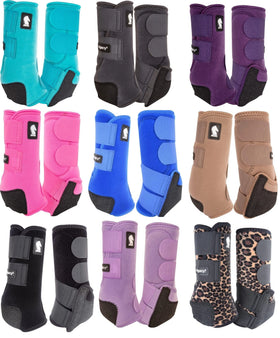
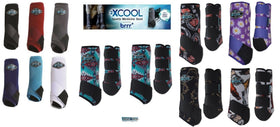
While overreach boots are fantastic for protecting the hoof and heel area, they're just one piece of the puzzle when it comes to safeguarding your horse's legs. A horse's lower legs are a marvel of engineering, but they're also incredibly vulnerable, with delicate tendons, ligaments, and bones located just under the skin. Different disciplines and activities put stress on different parts of the leg, which is why there's a whole wardrobe of protective boots designed for specific jobs. From flatwork in the arena to traveling in a trailer, having the right gear is essential for preventing injuries and keeping your horse sound for the long haul. Building a complete collection of horse tack for leg protection is one of the smartest investments you can make in your horse's well-being.
Brushing Boots
Brushing boots are the go-to choice for everyday protection during flatwork, lunging, or even turnout. They are designed to protect your horse's lower legs from "brushing" injuries, which happen when the hoof of one leg strikes the inside of the opposite leg during movement. These boots typically cover the cannon bone area and are made from durable, impact-absorbing materials. They act as a simple shield, preventing the scrapes, nicks, and bruises that can occur, especially with horses that have a narrower build or whose gaits cause their legs to travel close together. Think of them as shin guards for your horse, offering reliable protection for daily schooling and exercise.
Tendon Boots
When your horse's work involves jumping, tendon boots are a must-have. As their name suggests, these boots are specifically designed to provide support and protection to the vulnerable tendons and ligaments that run down the back of the horse's front legs. These areas are at high risk of being struck by the hind hooves as the horse tucks its legs over a fence. Most tendon boots feature a tough, reinforced shell on the back and a softer lining for comfort, with an open front. This open design allows the horse to feel a rail if they get too close, encouraging them to be more careful and jump cleanly. They are essential for any high-impact activity.
Travel Boots
Loading your horse onto a trailer can be stressful, but travel boots can provide significant peace of mind. These boots are specifically designed to protect a horse's legs during transport. They are typically tall and heavily padded, covering the entire leg from the coronary band up to the knee or hock. In the confined space of a trailer, a horse can easily lose its balance, step on its own feet, or get bumped against the walls. Travel boots create a cushioned barrier against these potential bumps and scrapes, preventing injuries that could sideline your horse. They are an essential piece of equipment for ensuring your horse arrives at your destination safe and sound.
Therapy Boots
Protection isn't just for when your horse is working; it's also crucial for recovery. Therapy boots are used in the stable to help soothe sore muscles, reduce inflammation, and speed up healing after strenuous exercise or injury. These boots often incorporate materials that provide heat or cold therapy. For example, ice boots are invaluable for cooling down legs after a tough workout to minimize swelling, while other boots use ceramic-infused fabrics to reflect the horse's own body heat, increasing circulation to soothe tired muscles and joints. They are a key part of a comprehensive wellness and recovery plan for any hardworking equine athlete.
Polo Bandages vs. Modern Boots
Polo bandages have long been a traditional choice for leg protection, offering a snug, customizable fit that can provide light support. However, they come with significant risks if not applied with expert precision. Wrapping them too tightly can restrict blood flow and damage tendons, while wrapping them too loosely can cause them to unravel and create a dangerous tripping hazard. In contrast, modern boots, such as brushing and tendon boots, provide more consistent and reliable protection. They are much easier and faster to apply correctly, are made from advanced, shock-absorbing materials, and don't retain water the way fabric bandages do, making them a safer and more practical choice for most riders.


