


That sinking feeling when you spot a new chip on your horse's hoof? I know it well. Unshod hooves take a beating from the environment—from summer's dry heat to winter's constant dampness. While great nutrition and a solid trim schedule are your foundation, the right topical care can be a game-changer. A good hoof oil barefoot hooves need does more than just add shine. It delivers deep conditioning to maintain flexibility and creates a breathable barrier against the elements, helping you solve these common problems.
Key Takeaways
- Read the label to avoid harmful fillers: The best hoof oils for barefoot horses use natural, breathable ingredients that nourish the hoof. Steer clear of formulas with petroleum, tar, or other harsh chemicals that can seal the hoof wall and prevent it from functioning naturally.
- Always start with a clean, dry hoof: Hoof oil can't do its job if it's applied over dirt or moisture. For the best results, always use a hoof pick to clean the sole and frog thoroughly, and only apply oil once the hoof is completely dry to allow for proper absorption.
- Think moisture balance, not just moisture: The goal of a good hoof oil is to help the hoof regulate its own moisture. It should provide hydration to prevent cracks in dry conditions while also repelling excess water in wet environments, which helps maintain the hoof's natural strength and flexibility.
Why Barefoot Hooves Need a Different Care Routine
Deciding to keep your horse barefoot is a great way to support their natural movement and hoof function. But leaving the shoes off doesn’t mean you can leave hoof care behind. In fact, an unshod horse interacts with the world differently, and their hooves need a specific kind of support to stay strong and healthy. Without the metal barrier of a shoe, the hoof is more exposed to moisture, rough terrain, and environmental changes. This is where a thoughtful care routine, including the right hoof oil, becomes so important. It’s not about replacing the shoe but about giving the natural hoof the tools it needs to thrive.
What's So Special About Barefoot Hooves?
It’s easy to think of a horse’s hoof as a tough, lifeless block, but it’s a complex and dynamic structure. The hoof capsule is made of about 95% protein, which means it’s constantly growing and reacting to its environment. When a horse is barefoot, the entire hoof—from the wall to the sole and frog—is in direct contact with the ground. This constant interaction helps with circulation and shock absorption, but it also makes the hoof vulnerable. Too much moisture can soften the structures and invite bacteria, while dry, arid conditions can strip natural oils, leading to cracks and brittleness. A barefoot hoof needs to be resilient enough to handle it all.
What a Healthy Barefoot Hoof Looks Like
Knowing what a healthy hoof looks like is the first step in providing the right care. A strong, barefoot hoof should have a smooth, solid wall free of deep rings or ripples. The sole should be firm and concave, and the frog—that V-shaped structure in the middle—should be well-defined and pliable, not mushy or shrunken. These visual signs are a direct reflection of your horse's overall well-being. Consistent, quality trimming is essential, but so are diet and regular exercise. A horse that moves frequently over varied terrain naturally develops stronger, more resilient feet. Think of it this way: a healthy hoof isn't just something you apply topically; it's built from the inside out through a combination of great nutrition, proper maintenance, and an active lifestyle.
How Hoof Oil Helps Your Barefoot Horse
Think of a quality hoof oil as a supportive partner for your horse’s natural hoof function. Its main job is to help the hoof maintain a healthy moisture balance. A good oil creates a breathable barrier that helps prevent the hoof from drying out and cracking in arid conditions, while also repelling excess moisture in wet environments. This nourishment is key to maintaining the hoof’s flexibility and strength. However, not all hoof dressings are helpful. Many products contain petroleum, tar, or other harsh chemicals that can seal the hoof, trapping harmful bacteria and preventing the hoof from breathing. The best formulas use natural oils that nourish and protect without interfering with the hoof’s innate ability to regulate itself.
How to Choose the Best Hoof Oil for Barefoot Horses
Picking the right hoof oil can feel like standing in the supplement aisle—overwhelming, right? When your horse is barefoot, the stakes are even higher. Their hooves are in direct contact with the ground, so you want a product that supports their natural strength and flexibility, not one that works against it. The secret is to become a savvy label-reader. Just like you check the ingredients in your horse's feed, looking at what’s inside that bottle of hoof oil is the key to finding a formula that truly nourishes from the outside in. Let's break down what to look for and what to run from.
Read the Label: Good Ingredients to Look For
For a barefoot horse, the goal is to maintain the hoof’s natural moisture balance. Look for products built on a foundation of natural fats and oils that condition and protect. Ingredients like coconut oil, flaxseed oil, and fish oil provide essential fatty acids that support hoof elasticity and strength. Many of the best formulas also include essential oils like tea tree or eucalyptus, which have natural antibacterial and antifungal properties to help keep hooves healthy. These ingredients work with the hoof, providing nourishment without creating an artificial barrier. Think of it as a high-quality conditioner that helps your horse’s hooves stay resilient, a vital part of their overall horse tack and care routine.
Natural Oils and Vitamins
When you're scanning an ingredient list, natural oils are your green light. Think of ingredients like fish oil, coconut oil, and flaxseed oil as the superstars. These oils are packed with essential fatty acids that are crucial for maintaining the hoof’s elasticity and strength, allowing it to flex and absorb shock without cracking. Unlike petroleum-based products that create an impenetrable seal, these natural conditioners work with the hoof's structure, helping it regulate moisture on its own. You'll often find these powerhouse ingredients in the best-selling products trusted by experienced horse owners. Many top-tier formulas also include vitamins like Biotin and Vitamin E, which provide extra nourishment to support healthy tissue and encourage strong, resilient growth from the coronet band down.
Shop our range of hoof oils for barefoot horses — powerhouse formulas trusted by experienced horse owners for conditioning, moisture, and long-term hoof health.
Red Flags: Ingredients to Avoid
Unfortunately, many hoof dressings on the market contain ingredients that can do more harm than good. Be sure to scan labels for things like tar, turpentine, and acetone, which are harsh and can dry out the hoof wall over time. You should also steer clear of petroleum-based products. While they create a nice shine, they essentially seal the hoof, preventing it from breathing and trapping harmful bacteria and moisture inside. Some studies have even found that formalin, a common ingredient in hoof hardeners, can be destructive to hoof tissue. These harsh chemicals might offer a quick fix but can compromise long-term hoof health, which is the opposite of what we want for our barefoot partners.
Harsh Chemicals and Fillers
It's easy to get swayed by a product that promises a quick fix, but when it comes to hoof care, what's inside the bottle truly matters. Many common hoof dressings are packed with harsh chemicals and fillers that actively work against your goal of a healthy barefoot hoof. Ingredients like petroleum, tar, and turpentine might create a temporary shine, but they do so by forming an artificial seal over the hoof wall. This non-breathable barrier is a big problem—it traps moisture and bacteria, which can lead to thrush and other infections, while also preventing the hoof from absorbing any real nourishment. Instead of supporting the hoof's natural function, these chemicals interfere with it, compromising long-term health for a short-term cosmetic effect. Always opt for formulas with natural, breathable ingredients that condition from within.
Why a Breathable Hoof Oil Is Essential
A healthy hoof needs to "breathe," meaning it needs to be able to absorb moisture from the environment and release excess moisture. This natural process is crucial for maintaining flexibility and preventing cracks. Heavy, greasy oils create an impermeable seal that disrupts this balance. A non-breathable coating can trap dirt and moisture against the sole and frog, creating an ideal environment for thrush and other bacterial issues to develop. Instead, choose a lightweight, breathable formula that absorbs into the hoof horn. This supports the hoof’s structure from within, conditioning the tissues without suffocating them. It’s the difference between wearing a breathable cotton sock and a plastic bag on your foot—one supports health, the other causes problems.
Other Factors to Consider
Once you’ve learned to spot the good and bad ingredients, you’re most of the way there. But a couple of other details can help you narrow down your choices and find a truly exceptional product. Think of it like choosing a trainer—you want someone with proven expertise and a solid reputation. The same logic applies to hoof care. Looking at who created the formula and whether it’s approved for competitive use can give you extra confidence that you’re making the best choice for your horse’s hoof health. These factors often point to a higher standard of quality and a deeper commitment to equine wellness, which is exactly what you want when caring for your barefoot partner.
Formulas Developed by Experts
When you’re looking for a hoof oil, consider who is behind the formula. Products developed by professional farriers or veterinarians often have a distinct advantage because they are created by people with a deep, hands-on understanding of hoof anatomy and physiology. These experts formulate treatments designed to support the entire hoof structure, from the coronary band where growth begins, all the way down to the sole and frog. They know that a healthy hoof requires more than just a surface-level shine. An expert-formulated product is more likely to use gentle, natural ingredients that nourish the sensitive coronary band and surrounding skin, promoting healthy growth and overall hoof integrity from the inside out.
Competition-Safe Products
If you and your horse are active in the show ring, this is a non-negotiable. Many governing bodies, like the FEI, have strict rules about prohibited substances, and these regulations extend to topical products. Choosing a hoof oil that has been tested and certified as "competition-safe" ensures you won’t accidentally run into trouble. This certification is also a great indicator of a high-quality product, even for trail riders. It means the manufacturer is committed to transparency and safety, using pure ingredients that won’t cause issues. It’s an extra layer of assurance that you’re using a trustworthy product as part of your horse’s complete tack and care routine.
Shop This Post

Featured in this article
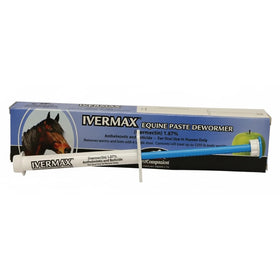
Durvet Ivermectin 1.87% Paste Apple Flavored Horse Wormer - Single Dose Broad Spectrum Dewormer for Bots and Strongyles
$21.99
Shop Now →
5 Tried-and-True Hoof Oils for Barefoot Horses
Finding the right hoof oil can feel like a never-ending quest, but I’m here to make it easier. After years of trying different formulas on my own barefoot horses and talking with fellow equestrians, I’ve narrowed it down to a few tried-and-true favorites. These are the products that consistently deliver, helping to maintain the perfect moisture balance without sealing the hoof or using harsh chemicals. A great hoof oil should work with the hoof's natural ability to breathe and flex. The goal is to support, not suffocate.
This list includes a mix of all-natural formulas and trusted solutions that farriers often recommend. Whether you’re dealing with dry, brittle hooves in the summer or trying to ward off moisture-related issues in the winter, there’s an option here for you. Let’s walk through the top contenders that have earned a permanent spot in my grooming kit.
Hooves and Paws Premium Natural Hoof Oil
As a family-owned business with decades of experience, we wanted to create a hoof oil we could stand behind completely. Our Premium Natural Hoof Oil is the result. It’s crafted with an all-natural blend of nourishing oils that provide deep conditioning without any petroleum, mineral oil, or other harmful additives. We believe in supporting the hoof’s integrity, and this formula is designed to maintain the ideal moisture balance, keeping hooves strong and flexible. It’s perfect for routine use on barefoot horses because it absorbs beautifully, leaving a healthy sheen without a greasy residue. The carefully selected all-natural ingredients work to prevent cracks and promote resilience from the inside out.
Absorbine Hooflex Natural Dressing
Absorbine is a name that’s been trusted in barns for generations, and their Hooflex Natural Dressing is a standout product for barefoot care. This formula is completely free of petroleum, which is a huge plus. Instead, it uses a thoughtful blend of tea tree oil, arnica, comfrey, and avocado oil. This combination doesn't just moisturize; it actively soothes and supports hoof health. It’s one of the best hoof oil options for maintaining elasticity and encouraging healthy circulation in the hoof. If your horse is prone to minor scrapes or bruises on their soles, the herbal ingredients in this dressing can offer gentle, natural support while conditioning the entire hoof wall.
Kevin Bacon's Liquid Hoof Dressing
Don’t let the name fool you—this hoof dressing is a serious, high-quality product from Belgium that has a loyal following among top farriers and riders. Kevin Bacon's Liquid Hoof Dressing is celebrated for its simple yet effective formula made from animal fat and laurel leaves. It’s fantastic for barefoot horses because it helps keep the hoof wall from drying out while also creating a barrier against excess moisture. This dual-action protection is ideal for horses living in climates with fluctuating weather. The liquid is easy to apply with the included brush, and it penetrates the hoof horn quickly to provide lasting nourishment and a beautiful, natural finish.
Carr & Day & Martin Cornucrescine Tea Tree Hoof Oil
A staple in the UK, Carr & Day & Martin have been making horse care products since 1765, so they know a thing or two about hooves. Their Cornucrescine Tea Tree Hoof Oil is a modern, effective formula that’s great for daily maintenance. The inclusion of tea tree oil gives it natural antibacterial and antifungal properties, which is a huge benefit for barefoot horses who are more exposed to bacteria in mud and manure. It’s a lighter oil that absorbs well and won’t clog the hoof pores, ensuring the hoof can breathe. It’s easy to apply and works well on all hoof colors, making it a reliable and straightforward choice for your daily grooming routine.
NAF Profeet Farrier Solution
Developed with input from farriers, NAF Profeet Farrier Solution is a rich, nourishing liquid designed to support hoof health from the outside in. It’s packed with stearic, oleic, and palmitic acids, which are essential fatty acids that help strengthen the hoof structure. This solution is particularly good for barefoot horses because it helps protect the hoof from becoming waterlogged in wet conditions, which can weaken the horn and lead to problems like thrush. The formula is wonderfully drip-free, so it’s less messy to apply than some other oils, and the included brush makes it easy to get a clean, even coat on the hoof wall, sole, and frog.
A Simple, Budget-Friendly Alternative
While the hoof oils we've talked about are fantastic for providing comprehensive care, you don't always need a complex formula to see great results. Sometimes, the most effective solutions are the simplest—and they might already be in your kitchen cabinet. If you're looking for a budget-friendly, all-natural option or just want to experiment with a DIY approach, there are some excellent single-ingredient conditioners that can support your barefoot horse's hooves. This approach is perfect for daily maintenance, especially if your horse's hooves are generally in good shape but just need a little extra help staying moisturized through seasonal changes. It’s about finding what works best for your horse and your routine.
Using Coconut Oil for Hoof Care
Coconut oil is a superstar in the world of natural hoof care, and for good reason. It's an incredible moisturizer, making it the perfect go-to for conditioning hooves during hot, dry summer months when cracks and brittleness are common. Because it's a natural fat, it absorbs into the hoof wall to help maintain flexibility without creating the artificial, non-breathable seal that petroleum-based products do. Application is simple: start with a clean, dry hoof and massage a thin layer of solid coconut oil over the hoof wall, sole, and frog every other day. It not only provides deep conditioning but also leaves a beautiful, long-lasting shine. This simple addition to your grooming kit can be a game-changer for maintaining hoof health naturally.
Applying Hoof Oil the Right Way
Getting the most out of your hoof oil isn't just about which one you buy—it's about how you use it. A great product can fall flat without the right technique. The good news is that applying hoof oil is simple, and a few small adjustments can make a huge difference in your horse's hoof health. By following a few key steps, you can ensure every drop of oil works its magic to maintain strong, flexible, and healthy barefoot hooves. Let's walk through the best way to get it done.
A Simple Step-by-Step Application Guide
To get the best results, a little prep work goes a long way. Before you open the container, make sure your horse's hooves are completely clean and dry. Start by using a hoof pick to thoroughly clear out any mud, rocks, and debris from the sole and frog. If the hooves are wet, let them air dry completely. Applying oil to a damp hoof can trap unwanted moisture and prevent the product from absorbing properly, which defeats the purpose. Once the hoof is ready, use the applicator brush to apply a thin, even layer over the entire hoof wall, sole, and frog.
How Often Should You Apply Hoof Oil?
How often you apply hoof oil depends on your horse's needs, your climate, and the product itself. Always start by reading the instructions on the label, since some formulas are designed for daily use while others are a weekly treatment. As a general rule, applying oil two to three times a week is great for maintaining healthy, well-hydrated hooves. If you're dealing with dry, brittle, or cracked feet, you may want to apply it daily until you see improvement. Horses in very dry or constantly wet conditions might also need more frequent applications to keep their hooves balanced.
For General Maintenance
For routine care, think consistency over quantity. Applying a quality hoof oil two to three times a week is usually the sweet spot for maintaining healthy barefoot hooves. This regular application helps the hoof regulate its own moisture, which is the main goal. A good oil delivers deep conditioning to keep the hoof flexible and creates a breathable barrier against changing weather. It’s not about slathering it on every day, but about providing steady support that allows the hoof to stay strong and resilient on its own. This simple habit is a fundamental part of your horse's overall care, ensuring their hooves are as ready for the trail as the rest of their tack.
For Specific Issues like Soreness
If you notice your horse is tender-footed after a trim or has a stone bruise, you’ll want to increase the application to once a day. When a hoof is sore, it needs more intensive support. A therapeutic hoof oil can penetrate deep into the hoof structures to help draw out soreness and inflammation. This daily nourishment is key to restoring the hoof’s natural strength and flexibility, often helping your horse feel more comfortable much faster. Think of it as a targeted treatment to get them through a rough patch, providing the extra care they need—just like the other trusted essentials in your grooming kit—to get back to moving soundly and confidently.
Gather Your Supplies
You don't need a whole toolbox for this job—just a couple of essentials. The most important tool is a sturdy hoof pick for the initial cleaning. You can't skip this step! Many popular hoof oils, including some of our best-selling products, come with a built-in brush or dauber, which makes application straightforward. If yours doesn't, a small, clean paintbrush works perfectly. For horses that get a little antsy during hoof care, choosing a product with an easy-to-use applicator can make the process quicker and less stressful for everyone involved.
Explore our horse hoof care collection for easy-to-apply oils with built-in brushes or daubers that make your hoof care routine quick and effective.
Special Application Tips
How to Use Hoof Hardeners Correctly
It's important to remember that hoof hardeners serve a different purpose than conditioning oils. They are designed to strengthen the hoof wall, not just moisturize it. When using hoof hardeners, you’ll want to apply the product to the clean, outer part of the hoof wall and, in some cases, the sole. The key is consistency, especially when you first start. A good routine is to apply it three times a week until you can feel a noticeable difference in the hoof's hardness. Once you’ve achieved that resilience, you can switch to a maintenance schedule, applying it just once a week to keep the hooves strong and protected against chipping and wear.
Getting the Most Out of Each Application
To get the best results from your hoof oil, a little prep work goes a long way. Before you open the container, make sure your horse's hooves are completely clean and dry. Use a hoof pick to thoroughly clear out any mud, rocks, and debris from the sole and frog. If the hooves are wet, let them air dry completely. Applying oil to a damp hoof can trap unwanted moisture and prevent the product from absorbing properly, which defeats the purpose. As for frequency, a good rule of thumb is to apply oil two to three times a week for maintenance. If you're dealing with dry, brittle, or cracked feet, you may want to apply it daily until you see improvement, always adjusting for your climate and your horse's specific needs.
Can Hoof Oil Solve Common Barefoot Hoof Problems?
While hoof oil isn't a miracle cure, the right formula can be a game-changer in your barefoot horse's care routine. Think of it less as a fix-all and more as a powerful support tool that helps the hoof function as nature intended. A quality hoof oil works with the hoof's natural structure to maintain the perfect moisture balance, creating a flexible, resilient barrier against the elements. This is especially important for unshod hooves that have more direct contact with the ground.
By integrating a well-chosen hoof oil into your grooming, you can directly address some of the most frequent issues barefoot owners face. It helps prevent painful cracks, fortifies the hoof against common bacterial and fungal threats, and creates the ideal conditions for strong, healthy growth from the coronet band down. It’s about providing consistent, targeted support so your horse’s hooves can be their healthiest. We carry a wide range of best-selling products that can help you build a complete hoof care toolkit.
Build your complete hoof care toolkit with trusted products from our equine grooming and coat care collection.
For Dry, Cracked Hooves
Dry, brittle hooves that are prone to chipping and cracking are a common concern, especially in arid climates or during seasonal changes. A good hoof oil tackles this by deeply moisturizing the hoof wall, sole, and frog. The key is to choose a formula with natural oils that can actually penetrate the hoof horn, rather than just sitting on the surface. This helps lock in moisture and restore elasticity, making the hoof more pliable and less likely to crack under pressure.
When selecting a product, it's important to know which hoof oil ingredients to look for. Avoid petroleum-based products, synthetic additives, and harsh chemicals, as these can ultimately be drying and cause more harm than good.
Fighting Thrush and Bacteria
A healthy hoof is naturally resistant to bacteria, but wet, muddy conditions can create the perfect breeding ground for problems like thrush. Many hoof oils are formulated with ingredients that have natural antibacterial and antifungal properties, such as pine tar, tea tree oil, and eucalyptus. Applying these formulas regularly helps maintain a clean, healthy environment and makes the hoof a less inviting place for unwanted microbes to settle in.
It’s a proactive way to support hoof health and prevent minor issues from becoming serious. Just be sure to steer clear of products with destructive ingredients. For example, some studies have found that formalin, a chemical once common in hoof products, can be damaging to hoof tissue.
Easing Soreness and Tender Soles
Every barefoot horse owner knows the feeling of watching their horse walk gingerly after a fresh trim or a ride over rocky ground. Tender soles are a common issue, but you can provide some relief with the right topical care. Certain hoof oils are specifically formulated to do more than just moisturize; they contain ingredients that penetrate deep into the sole and frog to help draw out soreness and reduce inflammation. Products like Farriers' Fix Hoof Oil are designed for this exact purpose, helping to soothe discomfort from stone bruises or a trim that was taken a little too short. Applying a therapeutic oil can make a noticeable difference, helping your horse feel more comfortable and get back to moving freely.
Addressing More Serious Hoof Conditions
When you're dealing with issues that go beyond simple soreness, it’s crucial to involve your veterinarian and farrier. However, a high-quality hoof oil can be an essential part of the management and recovery plan. For more serious conditions, you’ll want to look for formulas designed to support healing and create a healthier hoof environment. These products often contain ingredients that strengthen hoof structures and provide antibacterial or antifungal support. Whether you're managing structural problems like cracks or navigating the recovery from an illness like laminitis, the right hoof dressing can help support the hoof’s natural ability to repair itself and defend against further complications.
Quarter Cracks and Separating Walls
Quarter cracks and separating hoof walls are structural problems that can compromise the entire hoof capsule. These issues often stem from an imbalance—either the hoof is too brittle and cracks under pressure, or it's too soft and loses its integrity. A specialized hoof hardener or a supportive oil can help restore that balance. For instance, Leovet®'s Hoof Lab Hoof Hardener is made to address problems like chipped hooves, low heels, and separating walls by strengthening the hoof horn. Regular application can help stop existing cracks from traveling and prevent new ones from forming, which is especially important for barefoot horses that rely on the natural strength of their hooves.
Laminitis and White Line Disease
Conditions like laminitis and white line disease are serious and require immediate professional care. While hoof oil is not a cure, it plays a vital supportive role during treatment and recovery. The goal is to create a clean, healthy environment that discourages the bacteria and fungi that often complicate these diseases. Therapeutic formulas with natural antibacterial properties can help keep the area clean and support the growth of healthy, well-connected tissue. This is a critical step in managing a condition like laminitis, where protecting the compromised hoof structures from secondary infection is a top priority for your vet and farrier.
Supporting Strong, Healthy Hoof Growth
Strong hooves start from the inside out, but you can support the growth process from the outside, too. By keeping the hoof properly moisturized and protected, a quality hoof oil ensures that new growth from the coronet band is strong and resilient. It provides essential fatty acids and nutrients directly to the hoof structures, fostering the development of a dense, durable hoof wall. This is crucial for barefoot horses who rely on the strength of their natural hooves for soundness and comfort.
To get the best results, avoid formulas containing harsh additives. Ingredients like copper sulphate can disrupt the hoof’s natural microbiome, harming the beneficial bacteria that are essential for a healthy hoof ecosystem.
Natural vs. Synthetic Hoof Oil: Which Is Right for You?
Walking down the hoof care aisle, you’ll see "natural" on one side and "synthetic" on the other, both promising to deliver strong, healthy hooves. So, which one is right for your horse? The honest answer is that there’s no single winner for every situation. The best choice depends on your horse's specific needs, your climate, and the quality of the ingredients in the bottle. Think of it less like a debate and more like choosing the right tool for the job.
Some barefoot horses do best with gentle, plant-based oils that nourish the hoof, while others living in wet, muddy conditions might need the superior barrier protection that a well-made synthetic formula can provide. The most important thing is to look past the marketing claims and read the ingredient list. A quality product, whether natural or synthetic, will be transparent about what’s inside. Understanding the key differences will help you make a confident choice that truly supports your horse’s hoof health.
Why Go Natural? The Benefits of Plant-Based Oils
Plant-based hoof oils are a favorite for good reason. They are formulated to work with the hoof's natural composition, which is about 95% protein. Ingredients like pine tar, lanolin, and other botanical oils deliver moisture and nutrients without relying on harsh additives. Some petroleum-based products or those with aggressive chemicals can strip natural oils, leading to dryness and irritation over time. A quality natural dressing nourishes the hoof tissue, helping it maintain the flexibility and resilience it needs to stay sound. By choosing a plant-based product, you’re often getting a simpler formula that supports your horse's overall hoof health without irritating the sensitive sole and frog.
When to Consider a Synthetic Formula
The word "synthetic" can sound alarming, but in hoof care, it isn't always a bad thing. Certain synthetic ingredients are added for very practical reasons. For instance, preservatives are often necessary to prevent bacteria and mold from growing in the product, keeping it safe and effective for every use. A well-formulated synthetic oil can also create a more durable barrier against the elements, which is a huge advantage for horses that spend a lot of time in wet or muddy pastures. The key is to be a smart shopper. Avoid products with genuinely harmful chemicals like formalin and stick with trusted brands that prioritize safety and performance in their formulas.
Where to Find the Best Hoof Oils
Once you know what kind of hoof oil your horse needs, the next step is finding a reliable place to buy it. The right retailer won’t just sell you a product; they’ll offer a curated selection of quality options and have the expertise to back it up. It’s about finding a partner in your horse’s care who understands the difference between a quick cosmetic shine and deep, nourishing treatment. A trustworthy source will provide clear product information, transparent customer reviews, and stand behind the products they sell. This ensures you’re not only getting an effective hoof oil but also the peace of mind that comes with a quality purchase.
Choosing a Trusted Retailer
Before you add anything to your cart, take a moment to think about your horse's specific needs. Are you looking for a show-ring shine, or do you need to address issues like dryness or brittleness? If your horse has soft or brittle hooves, it’s always a good idea to ask your farrier for advice first. They can recommend ingredients and formulas that will provide genuine benefits.
When you’re ready to shop, look for a retailer that demonstrates a real passion for animal wellness. A company with deep expertise will stock products that cater to different hoof conditions and will be transparent about what each formula does. They understand that hoof oil is just one part of a complete care routine and will prioritize your horse’s health over simply making a sale.
The Hooves and Paws Promise: Shipping and Returns
We believe that buying supplies for your horse should be a straightforward and worry-free experience. That’s why we back every purchase with a promise of quality and service. We know you’re eager to get your products, so we offer free shipping with no minimums anywhere in the continental U.S. and ship all orders placed before 2 PM PST the very same day. Our commitment doesn’t stop at your doorstep. We stand behind our handpicked selection with a 365-day satisfaction guarantee. If a product isn’t the right fit, you can return it within 30 days for a full refund. After that, you still have up to a full year to return it for store credit. Our shipping and returns process is designed to be simple because your peace of mind is our priority.
Reading Product Reviews Like a Pro
Customer reviews are incredibly helpful, but it’s important to read them with a discerning eye. Look for reviews where people mention their horse’s specific hoof issues and how the product helped. Did it improve moisture retention in a dry climate? Did it help strengthen brittle hoof walls? These details are far more useful than a simple "I liked it."
Also, pay attention to comments about application. For the best results, hoof oil should always be applied to clean, dry hooves. A negative review might be the result of improper use, not a faulty product. Check the product instructions to see how often it should be applied—some are for daily use, while others are for occasional conditioning. This context will help you find the most reliable feedback among our best-selling products.
Understanding the Fine Print
The front of the bottle tells you what the company wants you to believe, but the back tells you what you actually need to know. Getting into the habit of reading the fine print—the ingredient list, application instructions, and safety warnings—is one of the best things you can do for your horse. It’s where you’ll find the real story, helping you separate high-quality formulas from those that are mostly marketing fluff. This small step ensures you’re making an informed decision. It’s about looking past the shiny label to understand the product's value, its cost per application, and any precautions you need to take. This is how you become a savvy shopper and a proactive partner in your horse's health.
Product Sizes, Prices, and Safety Warnings
When comparing hoof oils, the price often tells a story about the ingredients inside. While a lower price can be appealing, it may signal the use of cheap fillers like petroleum that can seal the hoof wall instead of nourishing it. A quality formula is an investment in your horse's soundness. Consider the product size as well; a larger bottle might offer better value, but only if you can use it before it loses potency. Finally, always read the safety warnings. These instructions will tell you how to store the product correctly and remind you to keep it out of reach of other pets and children. Taking a moment to understand these details helps you choose a product that is both effective and safe for your barn.
Related Articles
Frequently Asked Questions
My horse lives in a very wet, muddy climate. Will adding hoof oil make things worse? That’s a great question, and it’s a common concern for owners in wet environments. The key is to choose a breathable hoof oil. A quality formula won't trap moisture against the hoof; instead, it creates a protective barrier that helps repel excess water while still allowing the hoof to breathe naturally. This helps prevent the hoof horn from becoming overly soft and weak, which can lead to issues like thrush. Think of it as a raincoat for the hoof, not a plastic bag.
Is hoof oil a replacement for regular farrier visits or a balanced diet? Absolutely not. It's best to think of hoof oil as one important tool in your complete hoof care toolkit. Strong, healthy hooves are built from the inside out with proper nutrition and are maintained by regular, professional trimming from your farrier. Hoof oil is a supportive treatment that helps maintain the hoof's external condition by ensuring it has a healthy moisture balance, which in turn supports the strong foundation your farrier and a good diet are building.
How can I tell if a hoof oil is actually working? You'll want to look for subtle but consistent improvements over a few weeks. A well-moisturized hoof will have a healthy, flexible feel and a subtle sheen, not a dry, dull appearance. You should notice fewer superficial cracks or chips along the hoof wall. If you're starting with very dry hooves, the most obvious sign of success will be improved elasticity and a reduction in brittleness.
What’s the difference between a hoof oil and a hoof hardener? Hoof oils are designed to condition and moisturize the hoof, maintaining its natural flexibility and strength. Their main job is to help the hoof balance its moisture levels. Hoof hardeners, on the other hand, often use chemicals to artificially harden the hoof wall. While this might seem like a quick fix for soft soles or brittle walls, some hardeners contain harsh ingredients that can make the hoof too rigid and even more prone to cracking over the long term.
Can I apply hoof oil to the coronet band? Yes, you can and you should! The coronet band is where new hoof growth begins, so keeping this area healthy and conditioned is essential for growing a strong hoof wall. Gently massaging a quality, natural hoof oil into the coronet band can help support healthy circulation and ensure that new growth is pliable and resilient from the very start. Just be sure the area is clean before you apply it.


