


You can apply the most expensive products in the world, but you can’t create healthy hooves from the outside alone. Strong, crack-free hooves are built from the inside out, starting with a balanced diet and supported by consistent, professional farrier care. So where does a great hoof oil for cracked hooves fit in? Think of it as the finishing touch—the crucial final step that protects and maintains the healthy hoof your horse is already growing. This guide will show you how to combine the right topical care with a solid foundation of nutrition and farrier work to finally get ahead of hoof problems.
Key Takeaways
- Build a Hoof Health Team: Hoof oil is a fantastic tool for maintaining moisture and flexibility, but it can't fix underlying issues. Combine its use with a balanced diet and a regular schedule with a skilled farrier to build truly resilient, crack-free hooves from the inside out.
- Prep Work is Non-Negotiable: To get the full benefit of any hoof oil, always start with a thoroughly cleaned and dry hoof. Applying oil over dirt or mud not only wastes the product but can also trap moisture and bacteria, potentially causing more harm than good.
- Focus on Quality Ingredients: Not all hoof oils are created equal. Look for formulas rich in natural, nourishing ingredients like plant-based oils and steer clear of petroleum-based products that can seal the hoof and prevent it from breathing naturally.
How Does Hoof Oil Actually Work?
Think of hoof oil as a deep conditioner for your horse's feet. It’s a specialized treatment designed to deliver essential moisture and nutrients directly to the hoof wall, horn, and sole. When a hoof gets too dry, it becomes brittle and prone to painful cracks and splits, much like dry wood. A consistent hoof care routine that includes a quality oil helps maintain the hoof’s natural flexibility, allowing it to absorb shock and expand and contract without breaking.
Regularly applying hoof oil is a proactive way to support your horse's overall soundness. It’s not just about making the hooves look shiny for a show; it’s about creating a breathable barrier that locks in moisture while protecting the hoof from environmental stressors. By keeping the hoof properly hydrated and nourished, you’re giving your horse the foundation for strong, resilient feet that can carry them through any terrain. It’s a simple step that makes a world of difference in preventing common hoof problems before they start.
What's in a Good Hoof Oil?
When you flip over a bottle of hoof oil, you should find a blend of natural, nourishing ingredients. High-quality formulas often use a base of moisturizing oils like olive oil, sweet almond oil, or coconut oil, which are fantastic for hydrating the hoof wall. You’ll also frequently see ingredients with added benefits, like tea tree oil. It’s a powerhouse known for its natural antifungal and antibacterial properties, which can help keep nasty infections from setting up shop in any existing cracks. The goal is to find a product that works with the hoof's natural structure, not against it.
How Hoof Oil Repairs and Protects
The magic of hoof oil lies in its ability to restore and maintain flexibility. A well-moisturized hoof is a pliable hoof, capable of handling the immense pressure it’s under every day. By delivering deep hydration, hoof oil prevents the dryness that leads to brittleness and cracking. It’s important to choose a formula that nourishes effectively without sealing the hoof off completely. Some low-quality oils can actually prevent the hoof from absorbing moisture, making the problem worse. A good oil will support the hoof’s natural moisture balance, helping to heal existing surface cracks and prevent new ones from forming.
Helping Shoes Stay On Longer
It’s one of the most frustrating things for any horse owner: finding a shoe in the pasture. While a skilled farrier is your first line of defense, the condition of the hoof itself plays a huge role in how well it holds a shoe. Dry, brittle hooves are prone to chipping and cracking around the nail holes, which loosens the shoe’s grip over time. This is where consistent hoof oil application makes a real difference. By maintaining the hoof’s natural moisture and flexibility, you create a stronger, more resilient structure for the nails to hold onto. Think of it as giving your farrier a better canvas to work with. A well-hydrated hoof wall is less likely to crumble, ensuring the shoe stays put until your next appointment and supporting your horse's overall hoof health.
Why Do Horse Hooves Crack?
Seeing cracks in your horse’s hooves can be alarming, but understanding the cause is the first step toward fixing the problem. It’s rarely just one thing. Cracks are usually the result of a combination of factors, from the ground they walk on to the food they eat. Getting to the root of the issue is key to building strong, healthy hooves for the long haul.
Is It Their Diet or the Weather?
It’s easy to blame a long, dry summer for your horse’s cracked hooves, but the environment is only part of the story. Think of your horse's hooves as a report card for their general well-being. Brittle, chipped hooves are often a sign that something is off internally. A horse's diet and even its genetics play a huge role in hoof quality. If their feed is lacking in essential proteins, vitamins, or minerals, their hooves will be one of the first places you'll see the effects. The condition of a horse's hooves is a great indicator of its overall health, so paying close attention to them is key.
Why Regular Hoof Care Is Non-Negotiable
Beyond what your horse eats, daily habits make a world of difference. A consistent hoof care routine is non-negotiable for preventing cracks. This starts with the simple act of picking out their feet every single day. This isn't just about cleaning out mud and rocks; it's your chance to inspect for any new splits, cracks, or debris that could cause trouble. Combining this daily check with a regular trimming and shoeing schedule from a reliable farrier is your best defense. Staying on top of this routine hoof care can help you stop cracks before they become a serious problem, keeping your horse comfortable and sound.
Beyond Simple Cracks: Treating Specific Hoof Conditions
While a good hoof oil is your go-to for preventing and managing everyday cracks, some situations call for a more targeted approach. When you’re dealing with issues like deep-seated infections or persistent soreness, you need to expand your toolkit. The right products can work together to address the root cause of the problem, helping your horse get back to feeling comfortable and sound. Think of it as moving from general maintenance to specific repair work, where each product has a distinct job to do.
Soothing Sore Feet and Bruises
If your horse is showing signs of sensitivity on hard ground or dealing with sole bruises, a therapeutic hoof oil can provide significant relief. Some formulas are specifically designed to do more than just moisturize; they aim to reduce inflammation and improve circulation throughout the entire hoof. Products like Farriers' Fix Hoof Oil are known for their ability to treat the whole hoof capsule, from the coronary band down to the sole and frog. This kind of comprehensive support is especially helpful for horses with chronic soreness or those recovering from conditions like laminitis, as it helps soothe discomfort while promoting healthier, more resilient hoof growth.
Managing Thrush and White Line Disease
Thrush and white line disease are persistent problems caused by bacteria and fungi that thrive in damp, low-oxygen environments. While keeping your horse's living area clean and dry is the first line of defense, a medicated hoof oil can be a powerful ally in your treatment plan. Look for products that contain natural antibacterial and antifungal ingredients, such as essential oils. For example, Pure Sole Hoof Oil uses an all-natural formula to help manage these common infections. Applying it to a clean, dry hoof helps create an environment where these microbes can't survive, allowing healthy tissue to regrow.
Using Medicated Packing for Deep Cracks
Sometimes, a crack is more than a simple split on the hoof wall. Deep crevices, particularly in the central sulcus of the frog, can be difficult to clean and create the perfect hiding spot for infection. In these cases, a liquid hoof oil may not be enough to reach the affected tissue. This is where medicated packing comes in. Products like Red Horse Products' Hoof Stuff are designed to be packed into deep cracks and holes. Its fibrous, clay-like consistency stays put, allowing ingredients like honey to fight bacteria and encourage the growth of healthy new tissue from the inside out.
Combining Hoof Oil with Other Treatments
Remember that hoof oil doesn't have to work alone. It’s often most effective when used as part of a broader treatment strategy. For instance, if you've had to poultice a hoof abscess, the hoof can become very dry afterward. Applying a nourishing hoof oil once the abscess has drained can help restore the hoof’s natural moisture balance and create a protective barrier while it heals. Regular use of a quality oil can also help maintain the integrity of the hoof wall, which can even help your horse’s shoes stay on longer. It’s all about using the right tools at the right time to support total hoof health.
Choosing the Best Hoof Oil for Cracked Hooves
Walking down the equine care aisle can feel a bit overwhelming with so many hoof oils lining the shelves. They all promise healthy, crack-free hooves, but how do you know which one is right for your horse? The secret isn't finding a single "best" product, but rather finding the best product for your horse's unique needs. Making the right choice comes down to three key things: the ingredients in the formula, the specific job you need it to do, and your horse's environment.
Think of it like your own skincare routine. You choose products based on your skin type, the climate you live in, and whether you need more moisture or something to treat a specific issue. Choosing a hoof oil works the same way. A horse living in a dry, dusty climate has very different hoof care needs than one standing in a damp pasture all day. By looking closely at the formula and your horse’s lifestyle, you can find a hoof oil that provides the perfect support to keep their hooves strong, flexible, and healthy. Let's break down what to look for.
Natural vs. Synthetic: Which Is Better?
When you start comparing labels, you’ll notice hoof oils generally fall into two camps: natural and synthetic. Natural formulas use a blend of plant-based oils and extracts, like coconut, tea tree, and sweet almond oil. These ingredients are known for their ability to moisturize and nourish the hoof horn, absorbing easily to provide deep conditioning without harsh chemicals. For example, The Hoof & Paw Co.'s All Natural Hoof Oil is packed with these kinds of ingredients. Synthetic options, on the other hand, might contain petroleum-based products or other chemical sealants. While they can create a surface shine, they sometimes seal off the hoof, which can trap harmful bacteria or prevent the hoof from breathing and regulating moisture naturally.
The Secret to Balancing Moisture and Strength
A healthy hoof has a perfect balance of moisture—it needs to be flexible enough to absorb shock but strong enough to avoid chipping and cracking. This is where a quality hoof oil really shines. Its main job is to help the hoof maintain that ideal moisture level. In dry conditions, a good oil will help the hoof retain its natural internal moisture, preventing it from becoming brittle. In wet conditions, it can help repel excess water that might otherwise soften the hoof and make it prone to issues. Look for products that specifically mention balancing moisture, as they are formulated to work with the hoof's natural structure rather than just sitting on top of it.
Matching the Oil to Your Horse and Climate
There is no one-size-fits-all hoof oil because every horse and every environment is different. If you live in a dry, arid region, your horse’s hooves are constantly losing moisture to the air, and you’ll likely need to apply a deeply conditioning oil more frequently. Conversely, if you’re in a wet, humid climate, you might use an oil that helps create a gentle moisture barrier to prevent the hoof from becoming waterlogged and soft. Beyond climate, consider your horse’s daily life. Are they in a stall with shavings or out on pasture? All these factors influence hoof condition. A consistent routine hoof care schedule will help you monitor your horse's feet and adjust your oiling strategy as needed.
Considering Different Product Formulations
Hoof care isn't limited to just the classic liquid oil you might be picturing. The market offers a variety of formulations, each designed for a specific purpose and application style. You can find everything from thick gels and solid waxes to hoof paints that provide a glossy finish. Understanding the differences will help you choose the right tool for the job. An oil might be perfect for daily conditioning, while a thicker gel could be better for targeting a stubborn crack. A wax might be your go-to for creating a barrier during a week of non-stop rain. It’s all about matching the product’s form to its function and your horse’s immediate needs.
Oils, Gels, Waxes, and Paints
Traditional hoof oils are the workhorses of hoof care, designed for deep, penetrating moisture. High-quality formulas often use a base of moisturizing oils like olive oil, sweet almond oil, or coconut oil, which are fantastic for hydrating the hoof wall. Gels are a step up in thickness, making them ideal for applications where you need the product to stay put, like along the coronary band or packed into a specific crack. Waxes and paints act more like sealants. A breathable wax can be a lifesaver in muddy conditions by creating a protective barrier, while hoof paints are typically used for a show-ring shine. Just be cautious with paints, as some can seal the hoof too effectively, preventing it from breathing.
Shopping Smart in a Crowded Market
With so many options available, it’s easy to feel lost. The key to finding the right product is to become a savvy shopper and learn how to read a label. Don't just grab the bottle with the flashiest marketing; turn it around and look at the ingredients. Understanding what’s inside is the only way to know if a product will truly nourish your horse's hooves or just provide a temporary cosmetic fix. At Hooves and Paws, we take the guesswork out of the equation by handpicking every item in our horse tack and care collection, ensuring you only get products with quality, effective ingredients that we trust for our own animals.
Avoiding Mislabeled Products
The most important skill you can develop is reading the ingredient list. Many products that look similar on the shelf are worlds apart in their formulation. Look for natural, plant-based oils and extracts that are known to moisturize and nourish the hoof horn. Steer clear of formulas that rely heavily on petroleum-based ingredients, as these can create an impermeable barrier that prevents the hoof from breathing and regulating its own moisture. A healthy hoof needs to maintain a delicate moisture balance. The best products are those formulated to work with the hoof's natural structure, helping it retain moisture in dry weather and repel excess water when it’s wet, rather than just sitting on the surface.
Shop This Post

Featured in this article
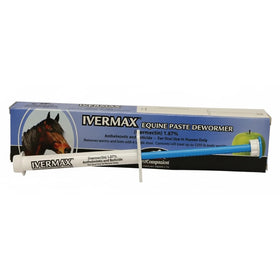
Durvet Ivermectin 1.87% Paste Apple Flavored Horse Wormer - Single Dose Broad Spectrum Dewormer for Bots and Strongyles
$21.99
Shop Now →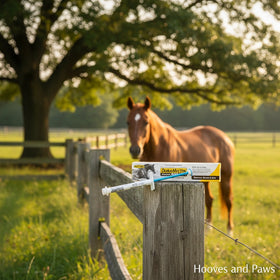
Our Favorite Hoof Oils for Cracked Hooves
Choosing the right hoof oil can feel overwhelming with so many options on the shelf. After decades of experience caring for our own horses, we’ve learned which products deliver real results. We look for formulas that not only add a healthy shine but also deeply moisturize and strengthen the hoof wall from the inside out. A great hoof oil should be a core part of your horse care routine, helping to heal existing cracks and prevent new ones from forming.
We’ve put together a list of our most trusted hoof oils that we recommend to fellow horse owners. These picks are based on their high-quality ingredients, effectiveness in various climates, and proven ability to restore and maintain healthy, resilient hooves. Whether you're dealing with brittle, cracked hooves from dry weather or need a reliable daily conditioner, you'll find a solid option here.
Hooves and Paws Premium Hoof Oil
We developed our own Premium Hoof Oil because we wanted a comprehensive solution for total hoof health. This formula is designed to do more than just moisturize; it penetrates deep to strengthen the hoof wall, maintain proper moisture balance, and even soothe soreness after a long ride. It also contains ingredients that help prevent common issues like thrush. We consider it an essential, all-in-one treatment for supporting healthy hoof growth and keeping cracks at bay, making it a staple in our own grooming kits.
Farriers' Fix Hoof Oil
When a product is developed by hoof care experts, you know it’s going to be effective. Farriers' Fix Hoof Oil is a top choice among professionals because of its unique ability to penetrate the entire hoof structure. It doesn't just sit on the surface; it works its way from the coronary band down to the sole and frog. This deep conditioning action is fantastic for addressing severe dryness and stubborn cracks by restoring the hoof’s natural moisture balance. It’s a therapeutic-grade product that delivers serious results for compromised hooves.
The Hoof & Paw Co. All Natural Hoof Oil
If you prefer a completely natural approach to hoof care, this oil is an excellent choice. The Hoof & Paw Co.'s formula is packed with a blend of nourishing oils that are specifically chosen to combat dryness and cracking. Beyond simple moisturizing, it helps reduce swelling, ease pain associated with cracks, and support new growth. It also includes natural antibacterial properties to help fight off thrush, making it a powerful, well-rounded product for anyone looking to avoid synthetic ingredients without sacrificing performance.
Anicura Hoof Oil
For hooves that need a little help with strength and flexibility, Anicura Hoof Oil is a fantastic natural option. This oil is specifically formulated to prevent the splitting, peeling, and cracking that often comes with brittle hooves. By improving the hoof's elasticity, it helps the hoof expand and contract naturally without breaking. It’s a gentle yet effective formula that works to build more resilient hooves over time, making it a great preventative treatment for horses prone to hoof issues.
Hoof Oil Ingredients: What to Look For (and Avoid)
Walking down the hoof care aisle can feel a bit overwhelming. With so many oils, dressings, and conditioners promising miraculous results, how do you know what actually works? The secret is always in the ingredients list. Understanding what to look for—and what to run from—is the first step toward finding a product that will genuinely support your horse's hoof health. Think of it like reading a food label; you want to see wholesome, recognizable ingredients, not a list of chemicals you can't pronounce. Let's break down the good, the bad, and the stuff you should never put on your horse's hooves.
The "Yes" List: What Your Hoof Oil Needs
When you're scanning an ingredient list, look for natural oils that read like a recipe for a high-end salad dressing. Ingredients like olive, coconut, sweet almond, and sunflower oils are fantastic because they penetrate the hoof wall to deliver deep moisture. For an extra punch, look for oils with therapeutic properties. Tea tree and wintergreen oils, for example, have natural antibacterial and antifungal qualities that help prevent common issues like thrush. Ingredients like lanolin and Venetian turpentine are also excellent for maintaining flexibility and creating a breathable barrier that supports strong, resilient hoof growth. These are the building blocks for healthy hooves.
Nourishing Natural Additives
When you flip over a bottle of hoof oil, you should find a blend of natural, nourishing ingredients. High-quality formulas often use a base of moisturizing oils like olive oil, sweet almond oil, or coconut oil, which are fantastic for hydrating the hoof wall. These ingredients are effective because they closely mimic the natural oils found in a healthy hoof, allowing them to absorb easily and provide deep, lasting moisture. Think of this as the foundation of the formula—it’s what delivers the essential hydration needed to keep the hoof pliable and prevent the brittleness that leads to cracks. It’s a simple, natural approach that supports the hoof’s own structure and function without interfering with its ability to breathe.
Specialized Strengthening Ingredients
Beyond basic moisture, a top-tier hoof oil will include ingredients that offer targeted benefits. Look for oils with therapeutic properties that actively protect the hoof. Tea tree and wintergreen oils, for example, have natural antibacterial and antifungal qualities that help prevent common issues like thrush from taking hold in vulnerable cracks or nail holes. These ingredients don’t just condition; they create an environment where it’s harder for harmful microbes to thrive. This is especially important if your horse spends time in wet or muddy conditions. Including these specialized ingredients in your hoof care routine provides an extra layer of defense, helping to keep hooves clean and healthy from the inside out.
Vitamins for Hoof Health
While not literal vitamins, certain ingredients act as powerful conditioners that are essential for hoof integrity. Ingredients like lanolin and Venetian turpentine are excellent for maintaining flexibility and creating a breathable barrier that supports strong, resilient hoof growth. Lanolin, for instance, is a remarkable emollient that locks in moisture without clogging the hoof’s pores, ensuring it can still expand and contract naturally. Venetian turpentine helps to harden the hoof sole while keeping it pliable. Together, these types of ingredients provide the hoof with the building blocks it needs to grow strong and resist environmental stress, making them a crucial part of any effective hoof oil formula.
The "No" List: Ingredients to Avoid
Now for the red flags. The biggest one to watch out for is petroleum. While petroleum-based products might give the hoof a temporary shine, they act like plastic wrap, sealing the hoof wall completely. This prevents the hoof from breathing and absorbing moisture from the environment, which can ironically make brittle hooves even drier over time. Avoid products with harsh chemicals, artificial fragrances, or drying agents like acetone. A good rule of thumb is if you wouldn't feel comfortable putting it on your own skin, it probably doesn't belong in your horse tack box. Always prioritize products that work with the hoof's natural biology, not against it.
Harsh Chemicals That Damage Tissue
Beyond just sealing the hoof, some ingredients are actively harmful. It can be tempting to reach for aggressive chemicals to treat issues like thrush, but many traditional remedies do more damage than good. Products containing strong iodine or copper sulphate can be particularly problematic. While they might kill bacteria, they are also known to sting and cause pain, which can quickly make your horse anxious about having its feet handled. More importantly, these harsh substances don't distinguish between bad bacteria and healthy, regenerating tissue. They can end up damaging the very cells that are trying to heal, slowing down recovery and potentially making the problem worse. The goal should always be to support the hoof's natural healing process, not to wage a chemical war on it.
How to Apply Hoof Oil Correctly
Applying hoof oil might seem straightforward, but the difference between a helpful treatment and a waste of time comes down to technique. To get the most out of your product and truly support your horse’s hoof health, it’s important to do it right. Following a few simple steps ensures the oil can penetrate effectively, delivering moisture where it’s needed most and helping to heal and prevent painful cracks. Think of it as a mini spa treatment for your horse—a little extra care goes a long way in keeping them sound and comfortable.
Step 1: Start with a Clean Hoof
Before you even unscrew the cap on your hoof oil, your first job is to give your horse’s hooves a thorough cleaning. This is the most critical step, and skipping it can make the oil ineffective. Grab a sturdy hoof pick and meticulously remove all traces of dirt, mud, manure, and any stones lodged in the sole or frog. A clean surface is essential because it allows the oil to make direct contact with the hoof wall and absorb properly. Think of it like applying moisturizer—you wouldn't put it on over a layer of dirt. A clean hoof ensures you aren't sealing in any debris or bacteria that could cause other issues down the line.
Step 2: A Little Goes a Long Way
Once the hoof is clean and completely dry, you’re ready to apply the oil. Use the applicator brush to paint a thin, even layer over the entire hoof structure. Be sure to cover the hoof wall from the coronet band down to the ground. Don't forget the bottom of the foot—the sole and frog need attention, too, as this helps maintain the hoof's natural moisture balance. This is especially important if you live in a dry climate where hooves are prone to drying out. You’re aiming for a healthy sheen, not a dripping, greasy mess. A little goes a long way, and a consistent, even coat is far more effective than a thick, goopy application.
Are You Making These Application Mistakes?
The biggest mistake horse owners make is rushing the prep work. Many people just "scratch the surface" when cleaning, which means the oil can't do its job effectively. You have to get into all the nooks and crannies to ensure the hoof is truly clean. Another common error is applying oil to a wet or damp hoof. Since oil and water repel each other, the product will just sit on the surface instead of soaking in. Always make sure the hoof is completely dry before you start. Finally, avoid the temptation to over-apply. While it comes from a good place, using too much oil too often can sometimes over-soften the hoof, particularly in wet environments, making it more susceptible to bruising.
Applying to Wet vs. Dry Hooves
This is one of the most common questions we get, and the answer is simple: always apply hoof oil to a completely dry hoof. It might be tempting to slap some on right after a bath, but you’d just be wasting product. Think back to elementary school science class—oil and water don’t mix. Because oil is hydrophobic, it actively repels water. If you apply it to a damp hoof, the oil can’t penetrate the hoof wall. Instead, it will just sit on the surface, creating a greasy, ineffective barrier. For the oil to do its job and deliver that deep, nourishing moisture, it needs a dry surface to soak into. So, take the extra time to let the hoof air-dry completely or towel it off thoroughly before you start painting.
Proper Storage and Preparation
To get the full benefit of any hoof oil, your prep work is just as important as the application itself. As we’ve mentioned, always start with a hoof that is meticulously clean and bone-dry. Applying oil over dirt or mud not only wastes the product but can also trap moisture and harmful bacteria against the sole and hoof wall, potentially leading to bigger problems. Once you’ve finished your application, proper storage will keep your oil effective for its next use. Always seal the container tightly and store it in a cool, dry place away from direct sunlight. Extreme heat can degrade the quality of the natural oils in the formula, reducing its effectiveness. Keeping your hoof care supplies properly stored ensures they're ready to go when you need them.
Common Hoof Oil Myths, Busted
When it comes to horse care, it feels like everyone has an opinion, and hoof oil is no exception. It’s easy to get caught up in old habits or advice passed down through the barn aisle. But some of the most common practices aren't actually helping your horse's hooves—and in some cases, they might be making things worse. Let's clear up a few of the biggest myths so you can feel confident that your hoof care routine is truly effective. Getting this right is a key part of your horse's overall health and comfort.
Myth: Daily Application Is Best
It seems logical that more frequent application would lead to healthier hooves, but daily oiling is usually overkill. Many horse owners believe this is a necessary part of their grooming routine, but over-application can suffocate the hoof wall. The hoof needs to breathe and regulate moisture on its own, and a constant barrier of oil can hinder that natural process. Instead of daily application, focus on applying oil when the hooves genuinely need it—like during dry spells or after a trim. This approach supports the hoof's natural moisture balance rather than disrupting it.
Myth: The More Oil, the Better
If a little is good, a lot must be better, right? Not with hoof oil. Slathering on a thick layer doesn't provide extra benefits. In fact, some hoof oils can make hooves drier by preventing them from absorbing moisture from the environment. The goal is to apply a thin, even coat that absorbs well and supports the hoof structure. Think of it as a light conditioner, not a heavy sealant. Using hoof oil sparingly and choosing high-quality horse care products that promote health over a superficial shine is always the best strategy.
When Hoof Oil Can Do More Harm Than Good
Applying hoof oil to a dirty hoof is one of the biggest mistakes you can make. Before you even open the container, you need to thoroughly clean your horse's hooves. Use a hoof pick to remove all dirt, mud, and stones. Applying oil over a dirty hoof traps moisture and debris against the sole and frog, creating a perfect breeding ground for bacteria and fungi. This can lead to serious issues like thrush. Taking a few extra minutes to clean the hoof properly ensures the oil can do its job without causing unintended harm. It’s a simple step that makes all the difference.
Beyond Hoof Oil: A Complete Hoof Care Routine
While a great hoof oil is a fantastic tool in your grooming kit, it’s only one piece of the puzzle. Truly healthy hooves are built from the inside out and maintained with consistent, thoughtful care. Think of hoof oil as a finishing touch, not the entire foundation. A comprehensive hoof care routine addresses the root causes of issues like cracks, rather than just managing the symptoms.
This holistic approach involves two key partners: your horse’s diet and your farrier. When nutrition is on point and you have a great working relationship with a skilled professional, you create an environment where strong, resilient hooves can thrive. This proactive strategy not only helps heal existing cracks but also goes a long way in preventing new ones from forming. Let’s look at how you can build this complete routine for your horse.
Why Healthy Hooves Start from the Inside Out
You can apply the best products in the world, but you can’t make up for nutritional gaps. Strong hooves start with a well-rounded diet. If a horse’s feed is lacking in essential proteins, vitamins, or minerals, its body can’t produce high-quality hoof horn, often resulting in brittle, crack-prone feet. If you’re constantly battling hoof issues, it might be time to review your horse’s entire feeding program with your vet or an equine nutritionist. A combination of proper nutrition, professional hoof care, and topical support is what truly helps a horse grow a stronger, healthier hoof over time. Sometimes, adding specific hoof supplements can provide the targeted building blocks your horse needs.
The Role of a Low-Starch Diet
High-starch and high-sugar feeds can be a major source of inflammation in a horse's body, which can directly impact hoof health. Diets heavy in grains can disrupt the delicate balance of microbes in the horse's hindgut, sometimes leading to systemic issues that manifest in the feet. This is why a forage-first, low-starch diet is often recommended for horses with poor hoof quality. By focusing on high-quality hay and pasture, you provide a steady stream of fiber that supports a healthy gut. This foundation helps your horse better absorb the essential nutrients needed to build strong, resilient hoof horn, making any topical treatments you use, like hoof oil, that much more effective.
Managing Your Horse's Environment
Where your horse lives plays a massive role in the condition of their feet. Hooves are constantly adapting to their surroundings, and extreme or fluctuating conditions can be tough on them. A horse standing in a soggy, muddy pasture for weeks on end will have very different hoof care needs than one living in a dry, sandy environment. The key is to create as much consistency as possible. By managing their immediate surroundings—whether it's their stall or their turnout area—you can protect their hooves from the environmental stress that leads to cracks, splits, and other common problems. A few simple adjustments to their daily routine can make a world of difference.
Keeping Stalls Clean and Dry
A clean, dry stall is one of your best defenses against hoof problems. When a horse stands for hours in wet bedding soaked with urine, the ammonia can break down the protective structures of the hoof, making it soft and susceptible to issues like thrush. To prevent this, make it a habit to pick the stall thoroughly every day and ensure there is plenty of clean, dry bedding. Good drainage in the stall is also crucial. A dry environment helps the hoof maintain its natural hardness and integrity, creating a strong foundation that is less likely to crack or chip when your horse is working or playing out in the pasture.
Dealing with Mud and Wet Pastures
The constant cycle of wet and dry is notoriously hard on hooves. When hooves get saturated with water, they expand, and when they dry out, they contract. This repeated process can weaken the hoof wall and lead to cracks. If your pastures turn into a mud pit, try to create a dry area for your horse to stand for at least part of the day. You can put down gravel or mats in high-traffic spots like gateways and around water troughs. In these wet conditions, a quality hoof dressing can act as a moisture barrier, helping to prevent the hoof from becoming overly saturated and soft, which is a key step in keeping them healthy through a wet season.
Alternative Tools for Healing and Protection
Sometimes, a deep crack or a persistent case of thrush needs more than just a surface-level oil. For these situations, specialized hoof packing and putties can be incredibly helpful. Products like these are often formulated with ingredients that have natural antibacterial properties, like honey or tea tree oil, which help clean out the affected area and encourage healthy tissue to regrow. They are designed to be packed into deep crevices or central sulcus cracks to keep debris out while the hoof heals from the inside. These are targeted treatments for specific problems and are a great addition to your horse tack and first-aid kit, especially when used under the guidance of your farrier.
Your Farrier Is Your Best Friend
Your farrier is your most valuable partner in hoof health. A skilled, reliable farrier does more than just trim hooves and tack on shoes; they are the first line of defense in identifying and managing potential problems. A bad trim or an unbalanced hoof can put undue stress on the hoof wall, leading directly to cracks. Daily hoof picking and inspection are essential, but keeping your horse on a regular trimming and shoeing schedule is the best way to prevent hoof cracks before they start. Don’t be afraid to communicate with your farrier. Point out any changes you’ve noticed, ask questions about their approach, and work together to create a hoof care plan that’s tailored to your horse’s specific needs.
Can Hoof Oil Prevent Future Cracks?
So, can a good hoof oil really stop cracks before they even start? Yes, it absolutely can—but it’s not a magic potion. Think of hoof oil as one of the most valuable players on your horse’s hoof care team. While it’s fantastic for maintaining moisture and flexibility, truly preventing cracks for good requires a team effort that includes a balanced diet, a suitable environment, and regular professional care from your farrier. Using hoof oil is a powerful, proactive step that supports the hoof's natural integrity, making it far more resilient to stress and environmental shifts.
When you consistently apply a quality hoof oil, you’re helping the hoof wall maintain that perfect moisture balance. This is key to preventing it from becoming overly dry and brittle, which is one of the main reasons cracks appear in the first place. A well-moisturized hoof is a flexible hoof, able to absorb shock and adapt without splitting. However, hoof oil can't fix underlying problems like nutritional gaps or an improper trim. The best strategy is to combine regular hoof oil application with a solid overall care routine. This partnership between you, your farrier, and your horse’s diet is what truly builds strong, healthy hooves that can handle anything.
How to Build Stronger, More Resilient Hooves
The main job of hoof oil is to help the hoof wall stay moisturized and flexible, which stops it from becoming brittle and prone to chipping. For horses that already have some hoof issues, a simple dressing that coats the hoof wall can be incredibly effective. It acts as a protective barrier, shielding the hoof from losing essential moisture in dry climates or absorbing too much water in wet, muddy conditions. By sealing the hoof and supporting its natural structure, the oil helps build a stronger, more resilient hoof over time. This isn't an overnight fix, but it’s a vital step in maintaining long-term hoof health and preventing minor surface cracks from becoming serious problems.
Creating Your Long-Term Hoof Care Plan
When it comes to hoof care, consistency is everything. A fantastic hoof oil won't do much good if it’s only applied every once in a while. The best way to prevent future cracks is to build a simple, daily maintenance plan. This starts with picking out your horse's feet at least once a day to clear out dirt, check for rocks or thrush, and get a good look at the overall condition. Making this a non-negotiable part of your daily routine hoof care is the most effective way to keep hooves strong and crack-free. It only takes a few minutes, but this daily check-in allows you to spot potential issues long before they escalate.
Competition-Safe Considerations
When you're focused on the show ring, the last thing you need is a surprise disqualification over hoof oil. To stay compliant, always look for products specifically labeled as competition-safe. Formulas like Farriers' Fix Hoof Oil are popular because they're designed with competitors in mind. Ultimately, though, the responsibility is yours. Before any event, double-check the ingredient list against the official guidelines from your governing body, like the USEF Drugs and Medications rules. A good rule of thumb is to stick with natural formulas and steer clear of synthetic chemicals to avoid any prohibited substances. And don't forget to patch-test any new product—even natural ingredients can cause an allergic reaction.
When to Call Your Vet or Farrier
While you are your horse's first line of defense, some things are best left to an expert. Your farrier is an essential partner in preventing and managing hoof cracks. They have the trained eye to identify underlying structural problems, correct imbalances through trimming and shoeing, and provide advice tailored to your horse's specific needs. Hoof oil is a supportive tool, but it can't replace the expertise of a skilled farrier. For serious or recurring hoof cracks, a combination of corrective shoeing, hoof support, and nutritional management is often what’s needed to help your horse grow a stronger, healthier hoof. If you're dealing with persistent cracks, don't hesitate to get your farrier involved.
Frequently Asked Questions
How often should I actually apply hoof oil? There’s no single right answer, as it really depends on your horse’s needs and your climate. Instead of sticking to a rigid daily schedule, which can sometimes do more harm than good, pay attention to the hoof itself. A good starting point is two to three times a week during very dry periods or after a farrier visit. If your horse’s hooves seem to be in good shape and the weather is moderate, once a week might be all you need to maintain their natural moisture balance.
Is it okay to apply hoof oil directly to the coronet band? Yes, you absolutely should. The coronet band is where new hoof growth begins, so it’s a critical area to keep nourished. Gently massaging a quality, natural oil into the coronet band helps support the growth of a stronger, more resilient hoof wall from the very start. Think of it as giving the new hoof the best possible foundation before it even emerges.
Will hoof oil fix a deep, serious crack in my horse's hoof? Hoof oil is a fantastic tool for managing minor surface cracks and preventing new ones by keeping the hoof flexible. However, it is not a cure for deep, structural cracks that go through the hoof wall. These types of cracks often point to an underlying issue with hoof balance or nutrition and require a team effort. Your farrier and veterinarian are the best people to consult for a plan to stabilize the hoof and address the root cause.
Should I still use hoof oil if my horse lives in a wet, muddy pasture? Yes, but the purpose of the oil shifts a bit. In very wet conditions, the goal is to prevent the hoof from becoming overly saturated and soft, which can make it weak. By applying a thin layer of a quality oil to a clean and completely dry hoof, you create a breathable barrier that helps repel excess moisture. This helps the hoof maintain its natural integrity without becoming waterlogged.
What's more important for hoof health: a good diet or a good hoof oil? This is a great question, and the answer is that you really can't have one without the other. A balanced diet is the non-negotiable foundation, as strong hooves are built from the inside out with essential nutrients. Hoof oil is the crucial external support that protects that structure from environmental stress. You can have the best diet in the world, but dry conditions can still cause cracks. You need both proper nutrition and consistent topical care for truly healthy hooves.


