


Is your horse fussy in the bridle? Maybe they're resistant or just seem overly sensitive in the mouth. It's a common frustration, but what if the problem isn't your training—it's the bit? This is why so many riders are exploring bitless options. A properly fitted horse comfort bosal can completely change the conversation with your horse. Instead of mouth pressure, it uses clear, gentle signals on the nose. This often leads to a softer, more relaxed partner. We'll walk you through how to choose, fit, and use this tool to build a more trusting connection.
This guide gives every rider, from novice to seasoned horseperson, the essential knowledge to understand and use the bosal. We will explore its rich history, help you choose the right style, and share proven techniques for fitting, training, and care.
Curious about how the bosal can benefit your riding? Discover the fundamentals, selection strategies, fitting steps, training tips, maintenance routines, and the latest trends shaping 2025. Whether you ride Western, practice natural horsemanship, or just want better communication, this resource offers practical advice and expert insights. Read on to elevate your horsemanship journey.
What Is a Bosal and How Does It Work?
The bosal is a cornerstone of traditional horsemanship, bridging centuries of practical training and cultural heritage. Its resurgence among modern riders reflects a renewed appreciation for gentle, effective communication with horses. To fully grasp the value of the bosal, it is essential to explore its origins, unique construction, and the principles behind its function.
Hackamore vs. Bosal: What's the Difference?
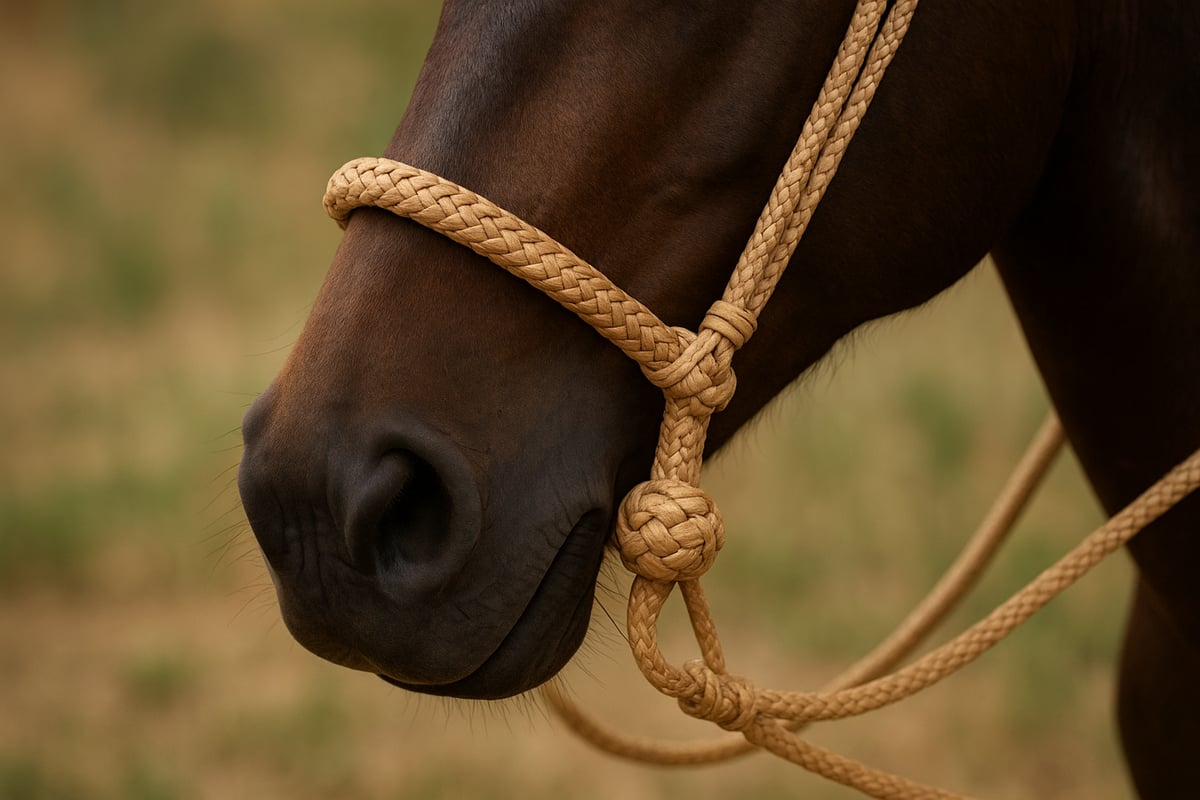
It's easy to get these terms mixed up, but the difference is straightforward. "Hackamore" is a broad term for any bitless bridle that works on a horse's nose, while a bosal is a specific type of hackamore. The bosal is the distinctive oval-shaped noseband, traditionally braided from rawhide, that functions through direct pressure and release on the horse's nose, jaw, and chin. It’s a cornerstone of vaquero horsemanship, valued for developing a soft, responsive horse without leverage. In contrast, other types, like mechanical hackamores, use shanks and a curb strap to create leverage, applying pressure to the poll as well. Understanding this distinction helps you select the right piece of tack for your horse's training and your horsemanship goals.
Where Did the Bosal Come From?
The roots of the bosal trace back to Spanish horsemanship and the Vaquero traditions of the American West. Early horsemen valued the bosal for its ability to facilitate precise communication without the use of a metal bit. As Spanish influence spread, the bosal became a defining element in Western riding, especially in the hackamore stage of training.
Over time, the bosal evolved in both form and function. Its adoption by American cowboys led to regional variations, such as the California style, known for its fine braiding, and the Texas style, often heavier and more robust. In recent years, the bosal has gained traction in natural horsemanship circles, where riders seek a bitless connection rooted in trust and softness.
Modern statistics show a steady rise in bosal use among Western trainers and clinicians. This trend reflects a broader shift toward horse-friendly tack and techniques. Whether used in ranch work, reined cow horse events, or everyday trail riding, the bosal remains a symbol of respectful partnership. For a deeper dive into the bosal's history and function, consult this comprehensive overview.
What Are Bosals Made Of?
A well-made bosal consists of several core components: the noseband, heel knot, hanger, and mecate. Each part serves a specific purpose in ensuring the bosal's effectiveness and comfort for the horse. The noseband, typically crafted from rawhide or leather, delivers gentle pressure across the horse's nose. The heel knot anchors the mecate, providing weight and balance. The hanger secures the bosal to the horse's head, while the mecate acts as both rein and lead.
Material selection greatly influences the bosal's flexibility and durability. Rawhide remains the traditional choice, prized for its strength and ability to conform to the horse's face over time. Some modern bosals incorporate kangaroo leather or synthetic fibers, which can offer increased softness or weather resistance. Thickness and stiffness vary, with thinner, softer bosals preferred for advanced horses, and thicker, stiffer options ideal for starting young horses.
Craftsmanship is paramount. Hand-braided bosals, especially those made by skilled artisans, provide superior feel and longevity. Attention to detail in the braiding and finishing ensures the bosal can withstand daily use while maintaining comfort for the horse. Riders are encouraged to inspect for smooth, even braids and a balanced, symmetrical shape.
Core Materials: Rawhide, Leather, and Rope
The heart of a bosal lies in its core material, which dictates its feel, weight, and how it communicates with your horse. The most traditional and respected material is rawhide, braided over a core that is also typically rawhide. It's valued for its firmness, durability, and ability to mold to your horse’s face over time, creating a custom fit. While rawhide is the classic choice, you'll also find bosals made from supple kangaroo leather, which offers a softer feel, or even synthetic ropes for all-weather durability. When you're starting a young horse, a stiffer, heavier bosal provides clearer signals, while a more refined, flexible one is better suited for a horse that already understands neck reining. Choosing the right material is the first step in finding quality horse tack that supports clear communication.
Braiding, Knots, and Tooled Designs
Craftsmanship is what separates a functional piece of equipment from a true work of art that will last for years. Look for a bosal with fine, consistent hand-braiding. The number of "plaits," or strands, often indicates the quality and price—more plaits generally mean a smoother, more flexible finish. The heel knot at the base of the bosal is especially important; it provides the weight that helps the noseband release pressure instantly when you drop the rein. A well-balanced heel knot is a sign of an expert maker. While some bosals feature beautiful, tooled leather nosebands, ensure these decorative elements don’t create rough edges that could irritate your horse. Ultimately, the best bosal is one where function and comfort are prioritized, a principle we stand by when selecting every piece of gear at Hooves and Paws.
How a Bosal Helps You Talk to Your Horse
The bosal operates on the principle of pressure and release, allowing riders to guide their horses with subtle cues. When the reins are engaged, the bosal applies gentle pressure to the nose and jaw. As soon as the horse responds, the pressure is released, reinforcing the desired behavior. This system encourages a light, responsive partnership and minimizes the risk of discomfort or injury associated with harsh bits.
Compared to traditional bitted bridles and other hackamores, the bosal offers unique benefits. It is especially effective for sensitive-mouthed or young horses, providing clear communication without direct contact with the mouth. Many riders report improved relaxation, reduced resistance, and a more willing attitude in their horses.
Despite its advantages, misconceptions persist. Some believe the bosal is only suitable for advanced riders or certain breeds. In reality, the bosal can be a versatile tool for riders of all levels, provided it is fitted and used correctly. Understanding its function is the first step toward a more harmonious riding experience.
How to Choose the Perfect Bosal for Your Horse
Selecting the correct bosal is essential for effective communication and your horse's comfort. With so many styles and quality levels available in 2025, knowing what to look for can transform your riding experience. This section breaks down the key factors that go into choosing the right bosal for your horse and your discipline.
Finding the Right Size and Fit
A well-fitted bosal ensures clear communication and prevents discomfort or training setbacks. To start, measure your horse’s nose circumference about one inch below the cheekbone. Compare this measurement to the bosal's inside diameter, keeping in mind that different breeds may have varying facial structures.
When fitting a bosal, it should rest lightly across the nose and not press into the skin. There should be enough space to insert one finger between the bosal and your horse’s face, but not so much that it shifts or slides. An ill-fitting bosal can cause rubs or sores and may even hinder progress in training.
Breed and discipline play a role in fit. Quarter Horses often need a slightly larger bosal compared to Arabians, while horses in ranch or reined cow horse disciplines may benefit from a snugger fit for precise cues. Watch for signs like pinching, shifting, or resistance, which indicate a need to reassess sizing. Always check for comfort and adjust as your horse’s condition or coat changes.
Different Bosal Styles to Consider
Bosals come in several styles, each suited to different stages of training and rider goals. Traditional bosals are hand-braided from rawhide and are prized for their flexibility and feel. Modern options include synthetic materials, offering easier maintenance and consistency in varied climates.
Thickness is a key factor. Beginners often start with a 3/4 inch bosal for gentle cues, while advanced riders may progress to a 1/2 inch for increased refinement. The heel knot's size and weight affect balance and rein response, and the hanger or headstall style should keep the bosal centered on the nose.
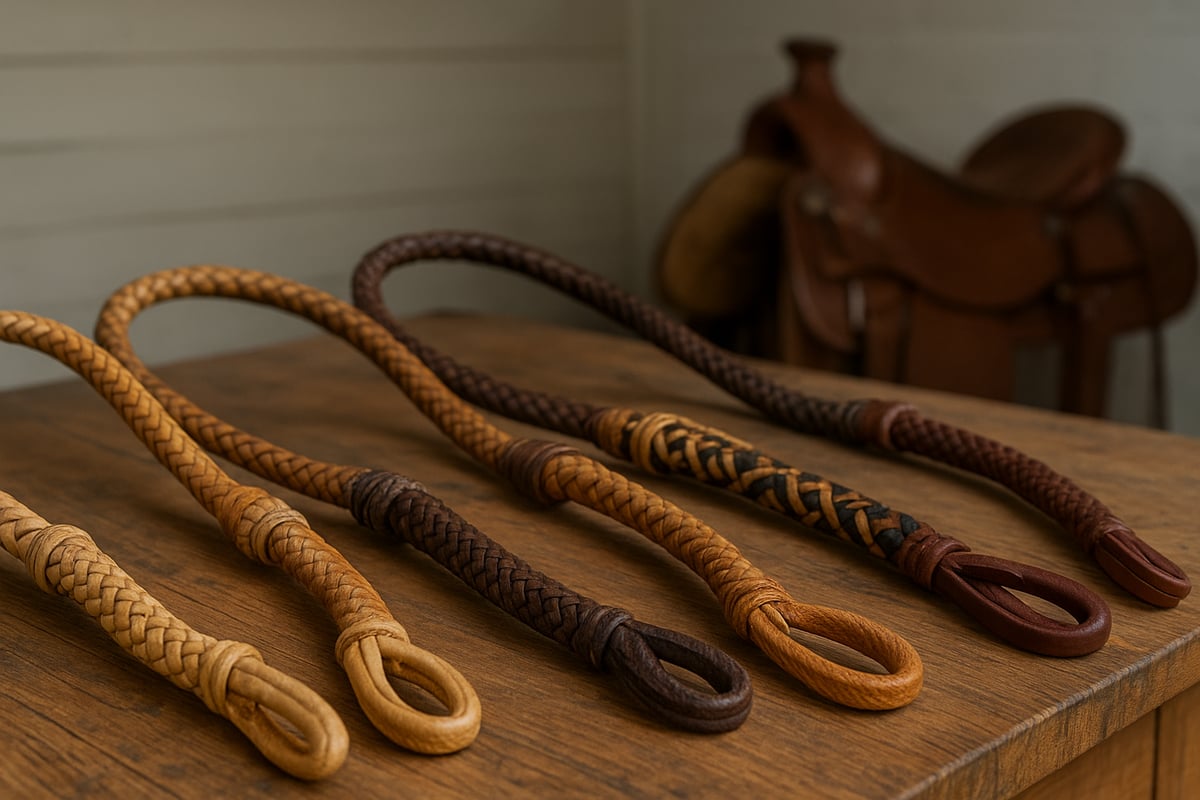
Mecate ropes, made from horsehair, mohair, or synthetics, also play a role in rein feel and rider preference. Popular brands and custom makers offer a range of colors and patterns for personalization. For those exploring a variety of options, the Western Tack Collection provides a useful overview of bosal styles and related gear.
Training and Breaking Hackamores
When starting a young horse or transitioning an experienced one to bitless riding, a breaking hackamore is an excellent tool. These bosals are typically thicker and a bit stiffer than other styles, which helps provide clear, easy-to-understand signals to a green horse. The added substance ensures your cues are felt without being harsh, creating a solid foundation for communication built on trust, not force. Think of it as setting the groundwork for a more refined conversation later in your horse's training. The goal is to teach the horse to yield to pressure softly, and a well-chosen breaking hackamore makes that process straightforward for both of you.
Show Bosals and Futurity Knots
For the show ring, presentation and precision are everything. Show bosals are crafted with a higher level of artistry, often featuring finer, more intricate braids and a sleeker profile. They are designed for a horse that already understands neck reining and responds to light cues. You might see some with a "futurity knot," a special knot on the noseband that adds a touch of style and can provide a slightly different signal to the horse. These pieces are a testament to quality craftsmanship and are perfect for disciplines like reined cow horse or ranch riding, where polished communication is key to a winning performance.
Softer Options: Bosalitas and Loping Hackamores
Not every horse needs the structure of a traditional bosal. For sensitive horses, relaxed trail rides, or simply warming up, softer options like bosalitas and loping hackamores are ideal. A bosalita is essentially a smaller, thinner, and more flexible bosal used for refinement or on a well-trained horse. Loping hackamores are designed to be exceptionally gentle, encouraging the horse to stay comfortable and relaxed during long, easy rides. These gentler tools are a great way to keep communication light and pleasant, ensuring your horse remains a willing partner. You can find a variety of these options in our full collection of horse tack.
What to Look for in a Quality Bosal
Quality craftsmanship is crucial for a bosal’s performance, longevity, and your horse’s welfare. Examine the braiding for smoothness, even tension, and tightness. High-quality bosals use premium rawhide or kangaroo leather, each offering distinct benefits. Rawhide is traditional, durable, and molds to the horse’s face over time, while kangaroo leather is prized for its softness and flexibility.
Compare durability and flexibility by gently flexing the bosal. It should return to shape without cracking or feeling brittle. Entry-level bosals may cost less but often sacrifice quality, which can lead to discomfort or a short lifespan. Premium options, though more expensive, provide better value through years of reliable use.
Watch out for red flags such as uneven braiding, rough edges, or poor shaping. These can cause discomfort or interfere with communication. Investing in a well-made bosal pays dividends in training success and horse happiness.
Reputable Brands and Artisans
When you're ready to purchase a bosal, it's worth looking to brands and individual artisans known for their exceptional craftsmanship. A hand-braided bosal from a skilled maker isn't just a piece of equipment; it's a communication tool built for longevity and a superior feel. Reputable makers are transparent about their materials, whether it's premium rawhide or soft kangaroo leather, and their braiding shows even tension and a smooth finish. At Hooves and Paws, we understand that quality is non-negotiable, which is why we carefully select horse tack from trusted sources. Choosing a well-made piece from a respected source is an investment in your horse's comfort and your training success.
Shop This Post

Featured in this article
AV Bob Avila Double Ring Snaffle Horse Bit - Sweet Iron Mouthpiece, 3" Rings - Multiple Sizes
$165.00
Shop Now →

A Buyer's Guide to Purchasing a Bosal
Shopping for a bosal can feel like a big decision, but it doesn't have to be overwhelming. Knowing what to look for in terms of price, quality, and seller reliability will help you make a confident choice. This guide will walk you through the key steps of purchasing a bosal online, so you can find the perfect piece of tack that you and your horse will love for years to come.
Understanding the Price Range
Bosal prices can vary significantly, with options available from under $40 to well over $150. At the lower end, you'll typically find machine-made bosals from synthetic materials or lower-grade rawhide. While budget-friendly, they may lack the balance and feel of a higher-quality piece. Mid-range bosals often feature better materials and craftsmanship, offering a good balance of durability and performance for everyday riding. Premium, hand-braided bosals made by skilled artisans command the highest prices but deliver exceptional communication, comfort, and longevity. Think of it as an investment in your horsemanship; a well-made bosal can last a lifetime with proper care.
Where to Find Sales and Promotions
Everyone loves a good deal, and you can often find quality horse tack on sale if you know where to look. Keep an eye out for seasonal promotions, especially around major holidays like Black Friday, when many retailers offer significant discounts. Subscribing to newsletters from your favorite online tack stores is another great way to get notified about special offers and new arrivals. At Hooves and Paws, we believe in providing value year-round, which is why we offer free shipping on all orders within the continental U.S. with no minimum purchase required. This helps you save money no matter when you decide to buy.
Tips for Shopping Online
Buying tack online offers convenience and a massive selection, but it requires a bit of extra diligence. Since you can't physically inspect the bosal before purchasing, it's important to rely on detailed product descriptions, high-quality photos, and customer reviews. Pay close attention to the details provided by the seller, as things like size, material, and core stiffness are crucial for making the right choice. The following tips will help you sort through the options and find exactly what you need for your horse.
Using Filters to Find the Right Product
Online marketplaces can present you with hundreds of options, making it easy to get lost. The best way to narrow your search is to use the filtering tools on the website. You can typically sort products by brand, price range, and customer ratings, such as "4 Stars & Up." This immediately helps you focus on bosals that fit your budget and have been well-received by other riders. Don't forget to check for shipping options; filters for "Free Shipping" can help you manage your overall cost. Taking a minute to apply these filters will save you time and streamline your shopping experience.
Checking Seller Reputation and Reviews
When you're investing in important equipment, you want to buy from a source you can trust. Before making a purchase, always check the seller's reputation. Look for high positive feedback scores and a significant number of ratings, which indicate an established and reliable business. Reading customer reviews for the specific bosal you're considering can also provide invaluable insight into its quality and performance. Shopping with a trusted, family-owned retailer like Hooves and Paws gives you peace of mind, as our 30 years of expertise and commitment to quality are reflected in everything we offer.
Complete Hackamore Sets vs. Individual Parts
You'll often have the choice between buying a complete hackamore setup—which includes the bosal, hanger, and mecate reins—or purchasing each piece individually. A full set is a fantastic option for beginners, as it ensures all the components are properly matched in size and style. It takes the guesswork out of the equation. However, buying individual parts allows for greater customization. More experienced riders may prefer to mix and match components to achieve a specific feel or replace a single worn-out piece without having to buy a whole new setup.
Understanding Payment and Return Policies
Before you click "buy," make sure you understand the seller's payment and return policies. A clear and fair return policy is a sign of a confident seller who stands behind their products. Look for at least a 30-day return window, and check to see who is responsible for return shipping costs. A generous policy protects you if the bosal doesn't fit your horse correctly or doesn't meet your expectations. We take this a step further with our 365-day satisfaction guarantee, giving you an entire year to ensure you and your horse are completely happy with your purchase.
A Step-by-Step Guide to Fitting a Bosal for Horse Comfort
Achieving the right fit for your bosal is essential for effective communication and your horse’s comfort. A well-fitted bosal enhances control, minimizes discomfort, and supports positive training outcomes. Let’s break down how to prepare, fit, and monitor your bosal for the best results.
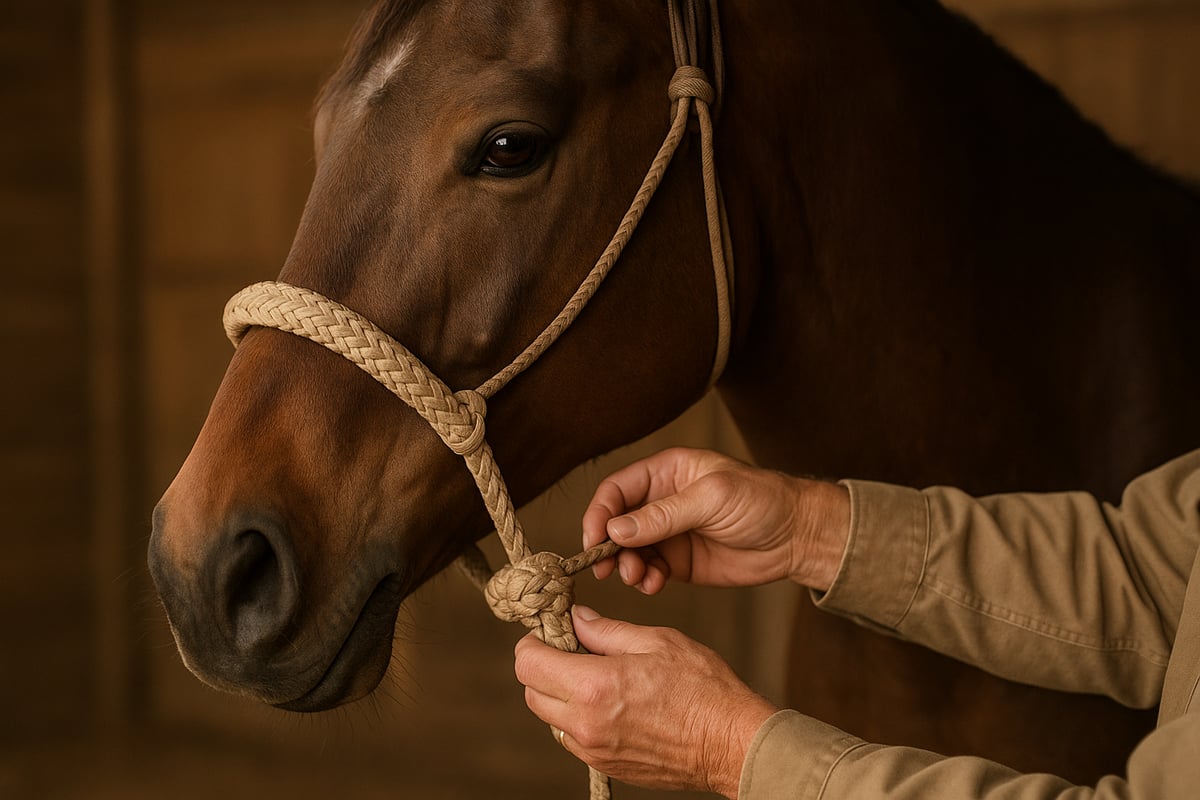
Getting Ready for the Perfect Fit
Before fitting your bosal, assemble the right tools. You’ll need a soft cloth for cleaning, a suitable leather conditioner, and a safe work area. Inspect the bosal closely for sharp edges or rough spots that could irritate your horse’s skin.
If your bosal is new or stiff, soften it with a quality conditioner, focusing on the noseband and heel knot. This ensures flexibility and helps the bosal mold to your horse’s face. Take time to clean off any dust or debris, as even small particles can cause rubbing.
A properly prepared bosal is more comfortable and less likely to cause issues during training. Carefully handling and conditioning your bosal at this stage sets the foundation for a correct fit and long-term horse comfort.
How to Fit Your Bosal, Step by Step
Fitting your bosal involves a precise, stepwise approach. Begin by placing the noseband so it sits about one to one and a half inches above the horse’s nostrils, avoiding sensitive cartilage. Adjust the hanger to keep the bosal balanced and ensure the heel knot rests under the chin, not too tightly.
Next, tie the mecate so the reins and lead are even on each side. Check that the bosal makes gentle, even contact along the nose and jaw without pinching or gaps. Test the fit by applying light rein pressure—your horse should respond without resistance.
For a detailed walkthrough, refer to Fitting the Hackamore (Bosal), which provides practical visuals and expert advice. If you notice persistent slippage or uneven pressure, try minor adjustments or consult a professional.
Ensuring Your Horse's Safety and Comfort
Consistent monitoring is key to maintaining your horse’s comfort with a bosal. Check daily for rubs, hair loss, or skin sores where the bosal contacts the face. Adjust the fit if your horse gains or loses weight, or as their coat changes with the seasons.
If you observe behavioral changes—such as head tossing or reluctance to accept the bosal—inspect for fit issues or sensitivity. Sometimes a different size or softer material is needed. Don’t hesitate to seek guidance from an experienced trainer or fitter if problems persist.
Prioritizing your horse’s well-being ensures the bosal remains a positive tool in your training program. Regular checks and thoughtful adjustments help prevent discomfort and support ongoing success.
How to Train and Ride with a Bosal
Training and riding with a bosal requires a blend of tradition, patience, and clear communication. Riders who understand the philosophy and techniques behind this tool can unlock new levels of connection and trust with their horses. Whether you are introducing a young horse to the bosal or refining advanced maneuvers, following best practices ensures both safety and progress.
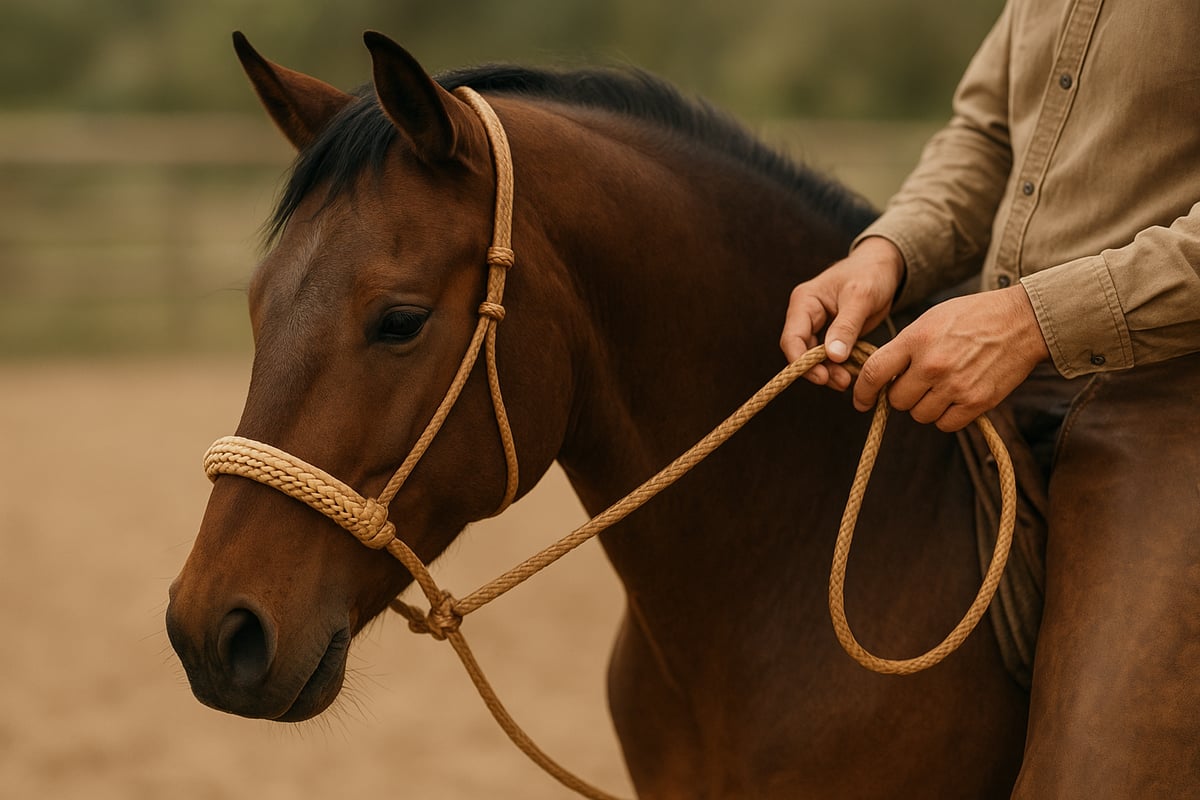
Starting with the Basics of Bosal Training
The foundation of bosal training lies in the philosophy of pressure and release. This approach teaches the horse to respond softly by yielding to gentle pressure, then finding comfort in the release. The bosal is often chosen for starting young or green horses because its design encourages subtle communication without placing metal in the mouth.
Many trainers transition from halter or snaffle work to the bosal as the horse matures in its training. The bosal provides a balanced step between groundwork and advanced riding. For those exploring the differences between bosal and other hackamores, resources like the Hackamore types and uses overview can offer valuable context.
When introducing a horse to the bosal, begin with groundwork exercises that reinforce softness and respect. Consistency is key. Use slow, deliberate movements and reward even the smallest try. Patience during this phase sets the foundation for successful bosal riding.
Essential Riding Techniques for Bosal Users
Effective bosal riding starts with teaching basic cues. Begin by guiding the horse through simple turns, stops, and backing up, using light rein pressure. Always release pressure the moment the horse responds, reinforcing the lesson.
Key cues and their purposes include:
| Cue | Bosal Action | Horse Response |
|---|---|---|
| Direct rein | Gentle side pressure | Turns head/neck |
| Both reins back | Soft backward signal | Steps back |
| Neck rein | Indirect pressure | Moves away from rein |
Developing softness and responsiveness is a gradual process. Transition from groundwork to mounted work only when the horse is calm and understanding. The mecate reins, traditionally paired with the bosal, offer both communication and safety, allowing for quick corrections or dismounts if needed.
Incorporate bosal work into daily routines. Establish a rhythm where the horse anticipates clear, consistent signals. Over time, this builds confidence and reliability in both horse and rider.
Troubleshooting Common Training Issues
Training with a bosal can present several challenges. Addressing them early ensures continued progress and horse comfort.
Common issues and solutions include:
- Resistance or head tossing: Ensure the bosal fits correctly and check for any discomfort.
- Leaning or bracing: Use lighter cues and reinforce with groundwork to encourage softness.
- Nervous or sensitive horses: Spend extra time desensitizing, using calm, reassuring energy.
- Progress plateaus: Consider adjusting bosal size or stiffness to match the horse’s development.
If problems persist, consult with an experienced trainer or bosal specialist for guidance. Adjustments in technique or equipment often resolve most issues.
Potential Disadvantages and How to Avoid Them
While the bosal is an excellent tool, some potential issues can arise, almost always stemming from improper use or poor equipment. The most significant disadvantage is an incorrect fit, which can cause painful rubs, sores, and uneven pressure on your horse’s sensitive facial nerves. This discomfort often leads to training resistance, such as head tossing or bracing against the reins. To avoid this, always follow a careful fitting process and perform daily checks for any signs of irritation, especially along the bridge of the nose and under the jaw. A bosal should communicate through gentle signals, not cause pain, and a proper fit is the key to that conversation.
Another common pitfall is using a low-quality bosal. Poor craftsmanship, rough materials, or uneven braiding can create sharp pressure points and send unclear, confusing signals to your horse. While a cheaper option might seem tempting, investing in well-made horse tack from trusted sources ensures the equipment is both effective and comfortable for your animal for years to come. A quality bosal is balanced, feels good in your hands, and provides clear communication. By prioritizing a proper fit and quality materials, you can easily sidestep these potential drawbacks and build a positive, trusting training experience.
Success Stories to Inspire Your Journey
Many riders have found success using the bosal in various disciplines. For example, a Western trainer recently transitioned all young horses to the bosal, reporting improved trust and smoother training sessions. In reined cow horse and ranch versatility events, the use of bosals has increased significantly, reflecting a broader trend toward bitless solutions.
Testimonials from seasoned equestrians highlight the bosal’s ability to foster a deeper connection. Riders consistently note enhanced communication, reduced resistance, and greater horse comfort. These real-world experiences show that, when used correctly, the bosal is a powerful tool for building partnership and performance.
How to Care for Your Bosal So It Lasts
Proper care and maintenance are essential for preserving your bosal’s effectiveness and extending its lifespan. By adopting a thoughtful routine, you can ensure your bosal remains comfortable for your horse and reliable during training or competition.
Your Guide to Cleaning and Conditioning
Routine cleaning is vital for any bosal, whether it is made from rawhide, leather, or synthetic materials. After each ride, gently wipe down the bosal with a soft, dry cloth to remove sweat, dust, and debris.
For deeper cleaning, use a damp cloth and a mild soap specifically designed for leather or rawhide. Avoid soaking the bosal, as excess moisture can weaken the fibers and promote mold growth. Conditioning is equally important—apply a recommended conditioner sparingly to prevent the bosal from drying out or becoming brittle.
Never use harsh chemicals, and always allow the bosal to air dry naturally, away from direct sunlight. Consistent care helps maintain the flexibility and comfort of your bosal, supporting a positive experience for both horse and rider.
How to Properly Store and Handle Your Bosal
Proper storage is key to protecting your bosal between uses. Hang the bosal on a wide, rounded rack or peg to help maintain its original shape and prevent creasing. Avoid storing the bosal in damp, humid areas where mold and mildew can develop.
Keep your bosal away from direct sunlight and extreme heat, which can cause the material to dry, crack, or fade. If you transport your bosal to shows or clinics, use a padded tack bag or wrap it in a soft cloth for added protection.
Inspect the bosal regularly for signs of pest damage, such as small holes or weakened fibers. Thoughtful handling and storage practices will help your bosal stay supple and functional for years.
When and How to Repair Your Bosal
Even with diligent care, a bosal may eventually show signs of wear. Look for frayed braiding, broken strands, or a loosening heel knot as early indicators of potential problems. Minor issues can sometimes be repaired by a skilled leatherworker or rawhide craftsman.
If the bosal has significant structural damage or the core is compromised, replacement is usually the safest choice. When seeking repairs, choose reputable craftspeople with experience in traditional bosal construction.
If you are exploring other bitless options or need a backup, consider browsing Halters and Bitless Solutions for alternatives that complement your training program.
Tips for Making Your Bosal Last Longer
To maximize the value of your bosal, rotate its use among multiple horses if possible, especially in high-volume training barns. Conduct regular inspections to catch minor issues before they escalate.
Follow advice from seasoned trainers, such as performing preventative maintenance and keeping the bosal clean and well-conditioned. Pairing bosal care with attention to your horse’s overall well-being can further improve longevity. For additional products and tips that support both tack and equine health, visit Horse Health and Wellness.
By investing time in routine care and adopting best practices, you ensure your bosal remains a reliable and comfortable tool for effective communication with your horse.
The Future of Riding with a Bosal
Bitless riding is experiencing a remarkable surge, with the bosal at the forefront of this movement. Recent data indicates a steady rise in bosal use within Western and trail disciplines, driven by growing awareness of horse comfort and welfare. Riders are seeking alternatives to traditional bits, and many are exploring their options by comparing the Choosing the Right Bit guide. The bosal appeals to a diverse community, from natural horsemanship enthusiasts to competitive riders focused on humane, effective communication.
Why More Riders Are Going Bitless
The bosal’s resurgence is closely tied to increased interest in bitless solutions across the equestrian world. Riders are prioritizing gentler training methods, and welfare-focused organizations report a notable shift toward bitless tack. Studies highlight that more competitors in ranch versatility and reined cow horse events are choosing the bosal for its ability to foster trust and responsiveness. This movement is also fueled by social media, where trainers and influencers showcase the benefits of bitless riding. As a result, the bosal is now a common sight at clinics, shows, and on the trail.
What's New in Bosal Design and Materials?
Innovation in bosal construction is transforming rider and horse experience. Modern bosal makers are experimenting with synthetic blends, adding flexibility and durability while maintaining traditional aesthetics. Ergonomic improvements, such as contoured nosebands and softer core materials, enhance horse comfort and reduce pressure points. Customization is now more accessible, with options for unique colors, hand-braided patterns, and personalized fit. These advances ensure the bosal can meet the needs of both novice and advanced riders, blending function with visual appeal.
Using a Bosal with Other Training Tools
The versatility of the bosal is expanding as riders integrate it with other tack and training approaches. Some horsemen combine the bosal with sidepulls or bitless bridles, allowing for tailored communication throughout different training stages. In certain disciplines, the bosal is used alongside traditional bits, offering a transitional tool for sensitive or young horses. Riders value the ability to adapt their equipment to suit each horse’s temperament and progress. This adaptability cements the bosal as a staple in modern horsemanship.
Where to Find Support and Learn More
Access to quality education on bosal use has never been better. Online clinics, virtual lessons, and support groups make it easy for riders to connect with experienced trainers and peers. Notable clinicians now offer comprehensive video series and interactive Q&A sessions focused on bosal techniques. Communities share resources, troubleshooting tips, and success stories, fostering a collaborative environment for learning. This wealth of support empowers riders to confidently incorporate the bosal into their training programs.
What's Next for Bosal Training?
Looking ahead, the bosal is poised for even broader acceptance in mainstream equestrian circles. Anticipated changes in competition rules could further legitimize bitless options. Ongoing research into horse welfare and communication continues to inform best practices, ensuring the bosal remains aligned with humane training philosophies. As technology and craftsmanship evolve, riders can expect even more innovative solutions, solidifying the bosal’s role in the future of horsemanship.
Now that you've explored the essentials of bosal history, fitting, and care, you have a strong foundation for making informed choices in bitless riding. Whether you're just starting out or looking to refine your tack selection, having the right equipment is key to both horse comfort and effective communication. At Hooves and Paws, you'll find a carefully curated range of quality bosals and accessories—backed by decades of expertise, free US shipping, and flexible payment options. If you’re ready to put your new knowledge into practice and support your horse’s wellbeing, I encourage you to Buy Now.
Frequently Asked Questions
Can I switch my older, bit-trained horse to a bosal? Absolutely. Many experienced horses take to the bosal beautifully because it offers a different, often gentler, form of communication. The key is to approach the transition with patience. Start with groundwork to let your horse get used to the feel and the new pressure points on their nose. When you do start riding, keep your initial sessions short and focus on the basics, rewarding every soft response.
Is a bosal a good choice for a beginner rider? A bosal can be a great tool, but it works best for riders who have developed an independent seat and quiet hands. Because it operates on subtle pressure, unintentional pulling or bouncing can send confusing signals to the horse. If you're a newer rider, I highly recommend working with a trainer who has experience with bosals. They can help ensure both you and your horse learn to communicate clearly and confidently.
How can I tell if my horse is uncomfortable with the bosal's fit? Your horse will give you clear signs. Watch for behaviors like head tossing, rooting against the reins, or frequently trying to rub their nose on their leg or a fence post. You should also do a physical check after every ride for any hair loss, redness, or sores along the bridge of the nose or under the jaw. A properly fitted bosal should rest comfortably on the horse's face without excessive movement or creating obvious pressure spots.
Can I use a bosal for trail riding or other non-Western disciplines? Yes, definitely. While the bosal is a hallmark of vaquero and Western traditions, its principles are effective for many types of riding. It's an excellent choice for trail riding, where you want a relaxed and responsive partner. The clear, gentle communication it provides can help build a solid foundation for any horse, no matter what discipline you ultimately pursue.
What is the single most important factor when buying my first bosal? Focus on the quality of the craftsmanship. A well-made bosal will have smooth, consistent braiding and a balanced heel knot that helps the noseband release pressure instantly. This ensures your cues are clear and fair to the horse. While it can be tempting to go for a cheaper option, investing in a quality piece from a reputable source will pay off in your horse's comfort and training success for years to come.
Key Takeaways
- Fit is the foundation for clear communication: A bosal works through gentle signals, so a correct fit is essential to prevent discomfort and ensure your cues are understood. It should sit securely on the nose without rubbing or shifting.
- Match the bosal to your horse's training level: Start a green horse with a thicker, stiffer bosal for clear, easy-to-understand signals. As your horse becomes more responsive, you can move to a thinner, more flexible bosal for subtler communication.
- Effective training relies on pressure and release: The key to bosal work is teaching your horse to yield to gentle pressure. Reward every correct response by immediately releasing the rein, which builds trust and encourages a soft, willing partner.


